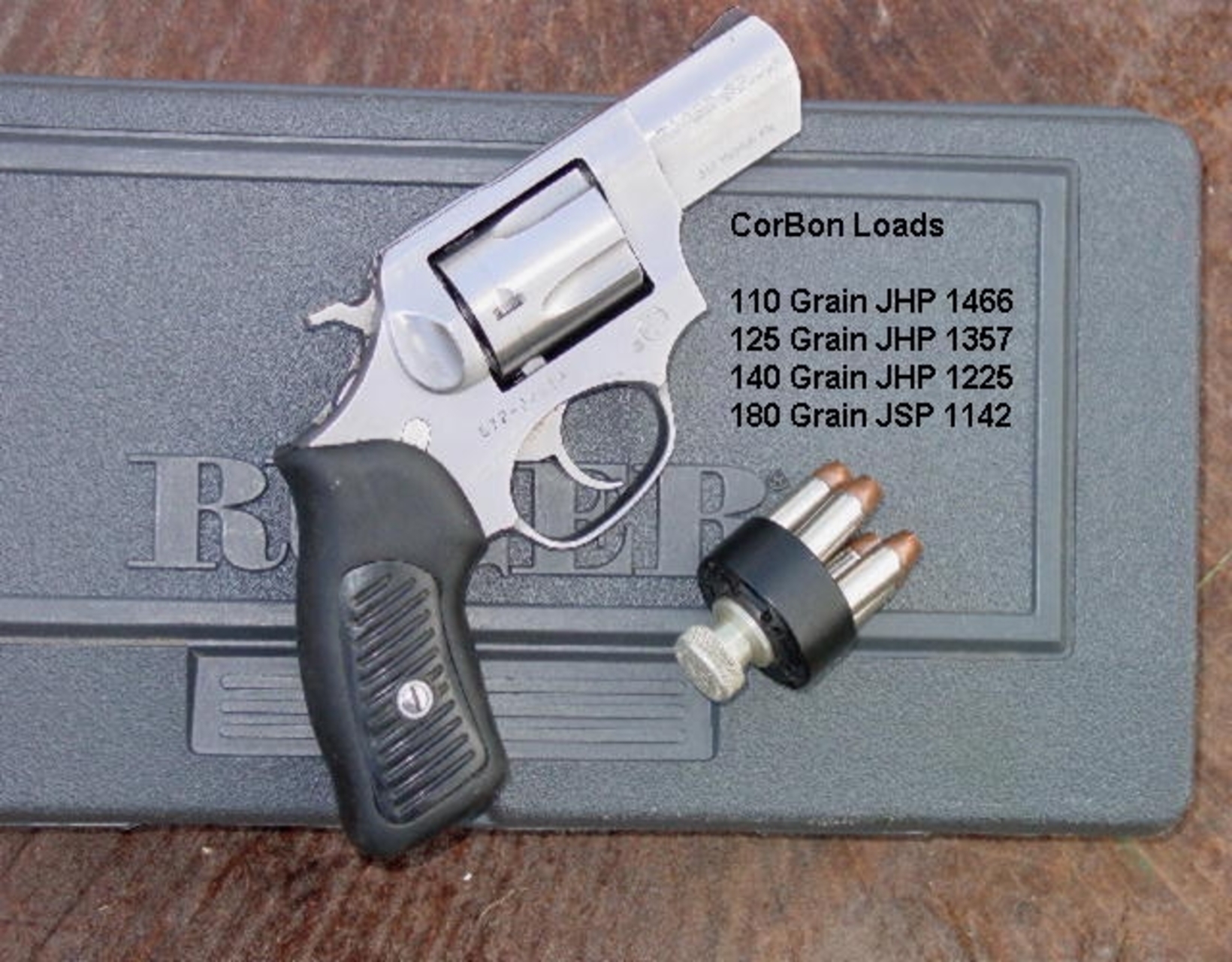
Some cartridges become legends overnight. The .327 Federal Magnum took the slower route and earned its place the hard way.
It arrived with a very specific mission
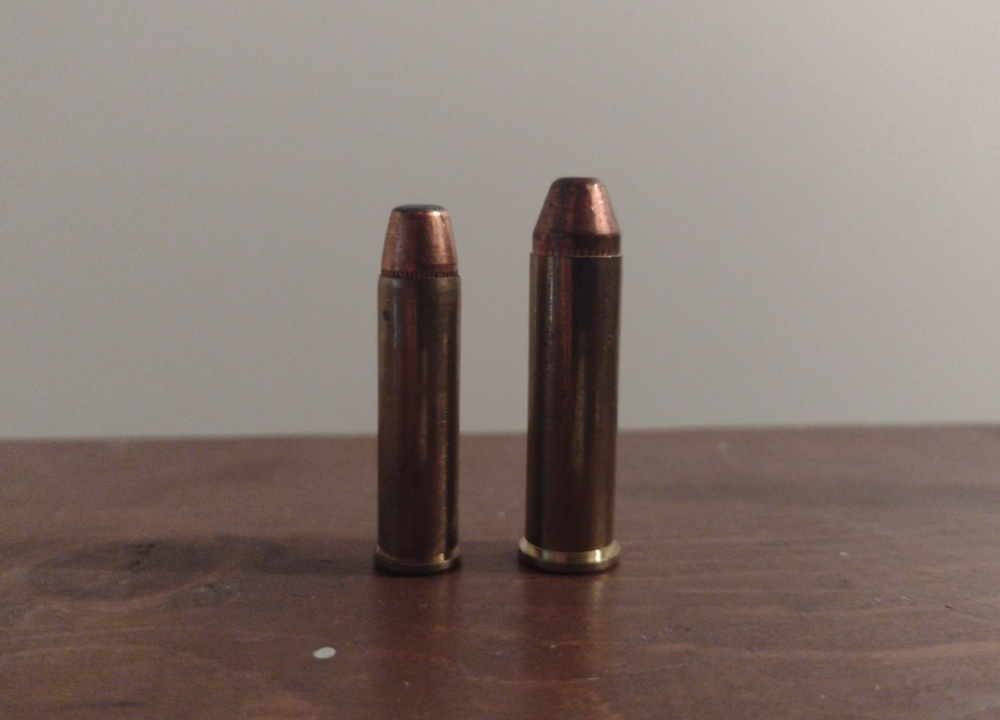
The .327 Federal Magnum was introduced in late 2007 as a joint effort between Federal and Ruger, and its mission was unusually clear. It was designed to deliver magnum-level revolver performance from a slimmer cartridge that could fit more rounds in the same cylinder. According to American Rifleman, that first pitch centered on a six-shot SP101 where many small revolvers offered only five.
That extra round was not a gimmick. For defensive revolver buyers, cylinder capacity has always been one of the platform’s biggest compromises. The .327 offered a way to soften that drawback without moving to a larger frame.
Its engineering helped explain the appeal. American Rifleman noted that the cartridge lengthened the .32 H&R Magnum case and strengthened it, while SAAMI lists the .327 Federal Magnum at a 45,000 psi maximum average pressure. That put it in serious territory for a small-bore revolver round.
Why shooters noticed the numbers
The cartridge got attention because the ballistics were hard to ignore. Federal catalog data has listed a 100-grain American Eagle .327 load at 1,500 fps with 500 ft.-lbs. of energy, while an 85-grain Hydra-Shok Deep load is listed at 1,400 fps and 370 ft.-lbs. Those figures put it well above ordinary .38 Special service-style loads and close enough to .357 Magnum to spark real comparisons.
Of course, numbers on paper do not tell the whole story. In actual use, barrel length matters a lot, especially with snub revolvers. Even so, the .327 built its reputation on being fast, flat, and energetic for its size.
That balance is why some experienced revolver shooters kept circling back to it. It was never the biggest hitter on the shelf, but it offered more punch than many expected from a .312-caliber handgun cartridge.
The real advantage was capacity and versatility
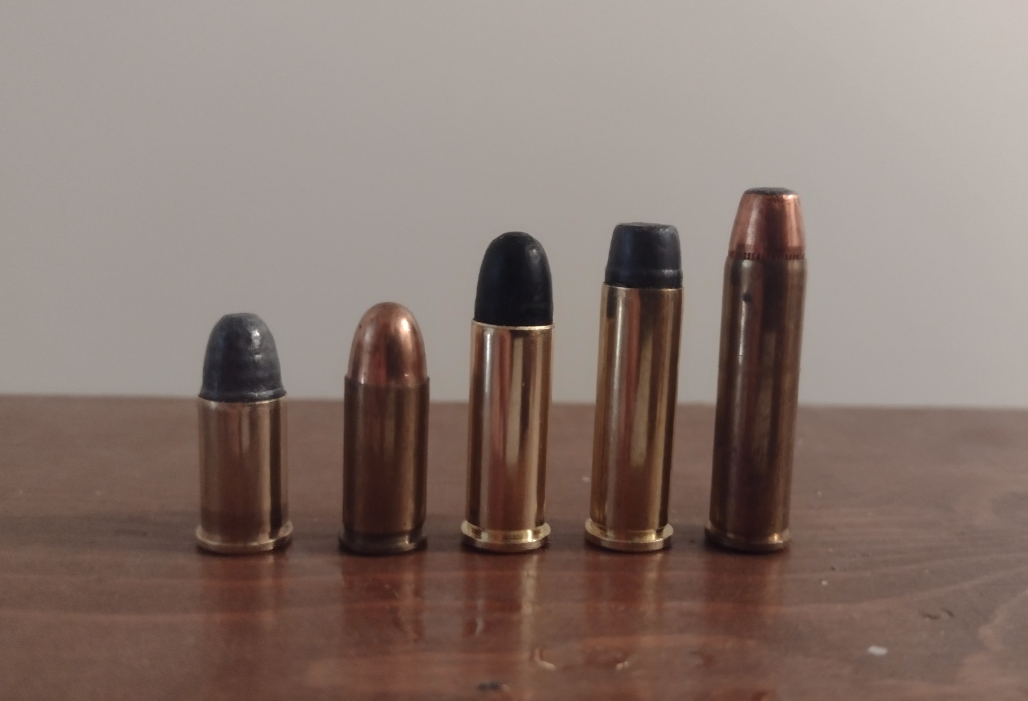
The .327 Federal Magnum found breathing room because it solved more than one problem at once. In compact revolvers, American Rifleman has pointed out that guns usually carrying five rounds of .38-caliber ammunition could often carry six rounds of .327. In larger wheelguns, the same slender case allowed seven- and even eight-shot revolvers.
That mattered because revolver buyers tend to think in tradeoffs. More power usually means more recoil, more bulk, or fewer rounds. The .327 changed that equation enough to stand out.
Versatility also helped it survive. Revolvers chambered for .327 Federal Magnum can generally fire .32 S&W, .32 S&W Long, and .32 H&R Magnum, giving shooters a ladder of recoil and power options. That made the cartridge unusually flexible for plinking, small-game use, training, and defense.
Gun makers gave it just enough support
The round probably would have disappeared if firearms support had dried up completely. Instead, Ruger kept it alive with a steady mix of guns, from the SP101 to the LCR and larger models like the GP100 and Blackhawk. American Rifleman also highlighted Ruger’s Single-Seven and other higher-capacity revolvers that played to the cartridge’s strengths.
Smith & Wesson gave it credibility too with the six-shot Model 632 J-frame. That was important because it showed the cartridge was not just a Ruger experiment.
Long gun support added another layer. American Rifleman noted Henry as a rifle maker chambering the cartridge, and Henry’s own Big Boy manual lists .327 Federal Magnum models with capacities up to 10 rounds in standard rifles. In a lever gun, the cartridge becomes even friendlier and more useful.
Why it never went fully mainstream
If the .327 Federal Magnum is so clever, why is it still a niche round? The simplest answer is that it ran into giants. The .38 Special and .357 Magnum already owned the revolver conversation, while 9mm dominated the broader defensive handgun market on price, availability, and sheer familiarity.
Ammunition variety also stayed limited compared with those bigger names. American Rifleman observed years ago that available loads were suitable but not abundant, and that limited ecosystem slowed adoption.
Then there is blast. Shooters who try .327 in short-barreled revolvers often come away impressed by the performance but surprised by the noise and sharp report. That has always been part of the bargain, and for some buyers it pushed the cartridge from “ideal compromise” into “interesting specialist.”
Its place today is small, but secure
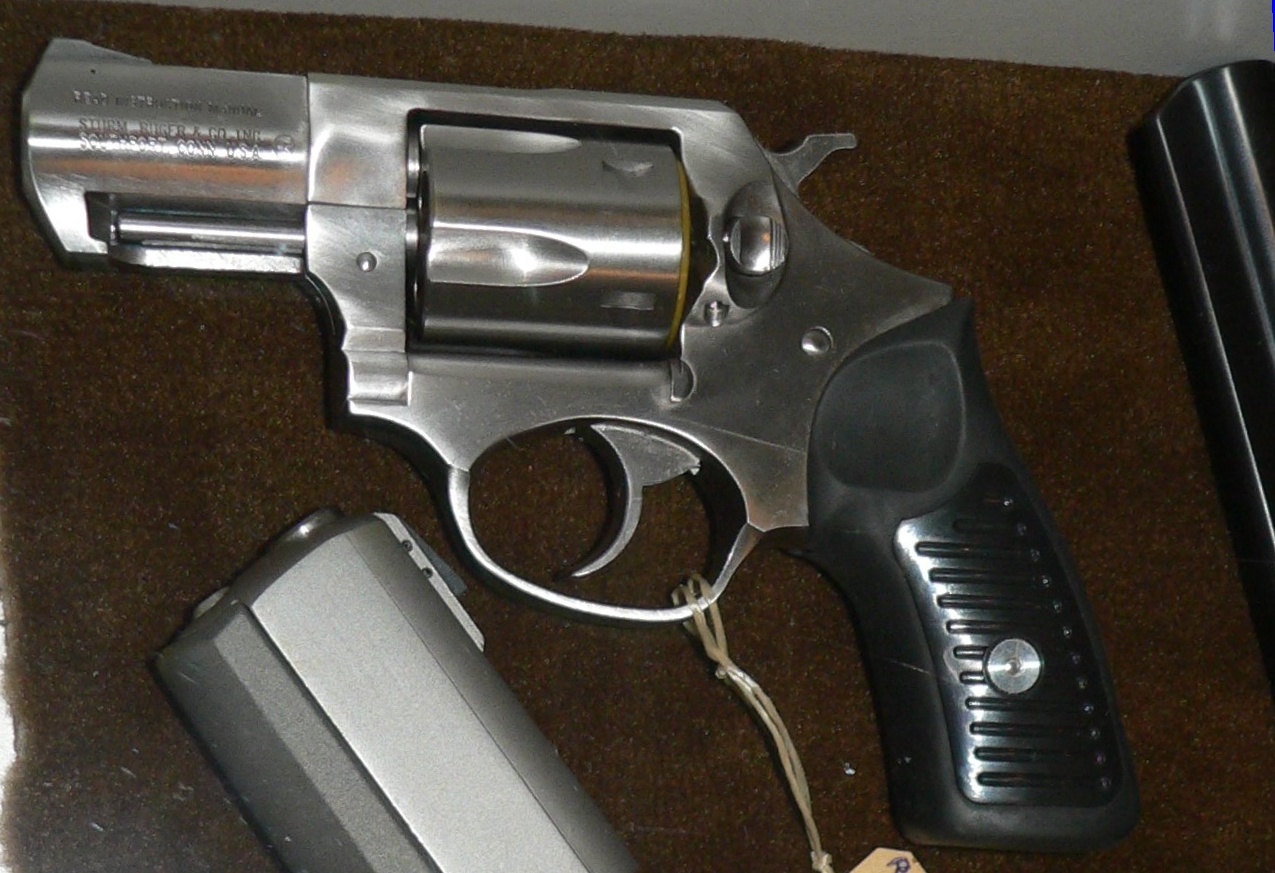
The .327 Federal Magnum did not win by replacing legacy cartridges. It won by becoming the answer for shooters who wanted one more round in a compact revolver, flatter performance than traditional .38 loads, and the flexibility to shoot milder .32-family ammunition when they felt like it. That is a narrower audience, but it is a real one.
It also benefits from a loyal revolver culture that appreciates practical oddballs. Cartridges do not always need mass-market dominance to survive; sometimes they just need a dedicated group of users and a few manufacturers willing to keep feeding the cycle.
That is exactly what happened here. The .327 Federal Magnum found its place not by being louder than the big names, but by being smarter in the spaces they left open.