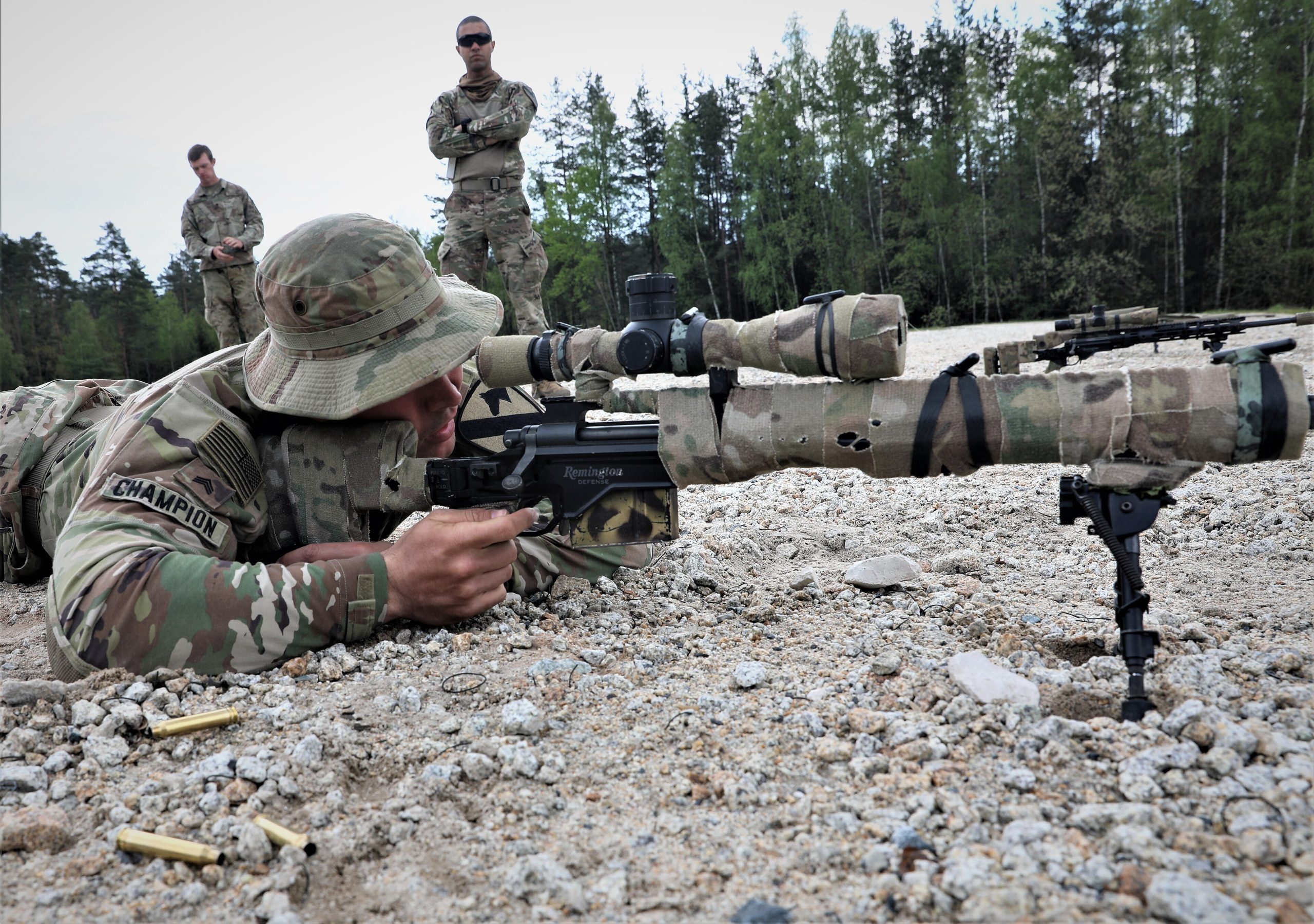
The .300 Winchester Magnum occupies an unusual place in modern military history. Introduced commercially in 1963, it was originally celebrated as a powerful hunting and long-range sporting cartridge, yet its combination of reach, accuracy potential, and established ammunition supply eventually attracted military users. The U.S. military’s M2010 Enhanced Sniper Rifle became one of its best-known applications, giving Army snipers a substantial range improvement over older 7.62mm systems. The cartridge was never a universal sniper round, but its record shows why professional organizations took it seriously.
1. It Started as a Sporting Cartridge
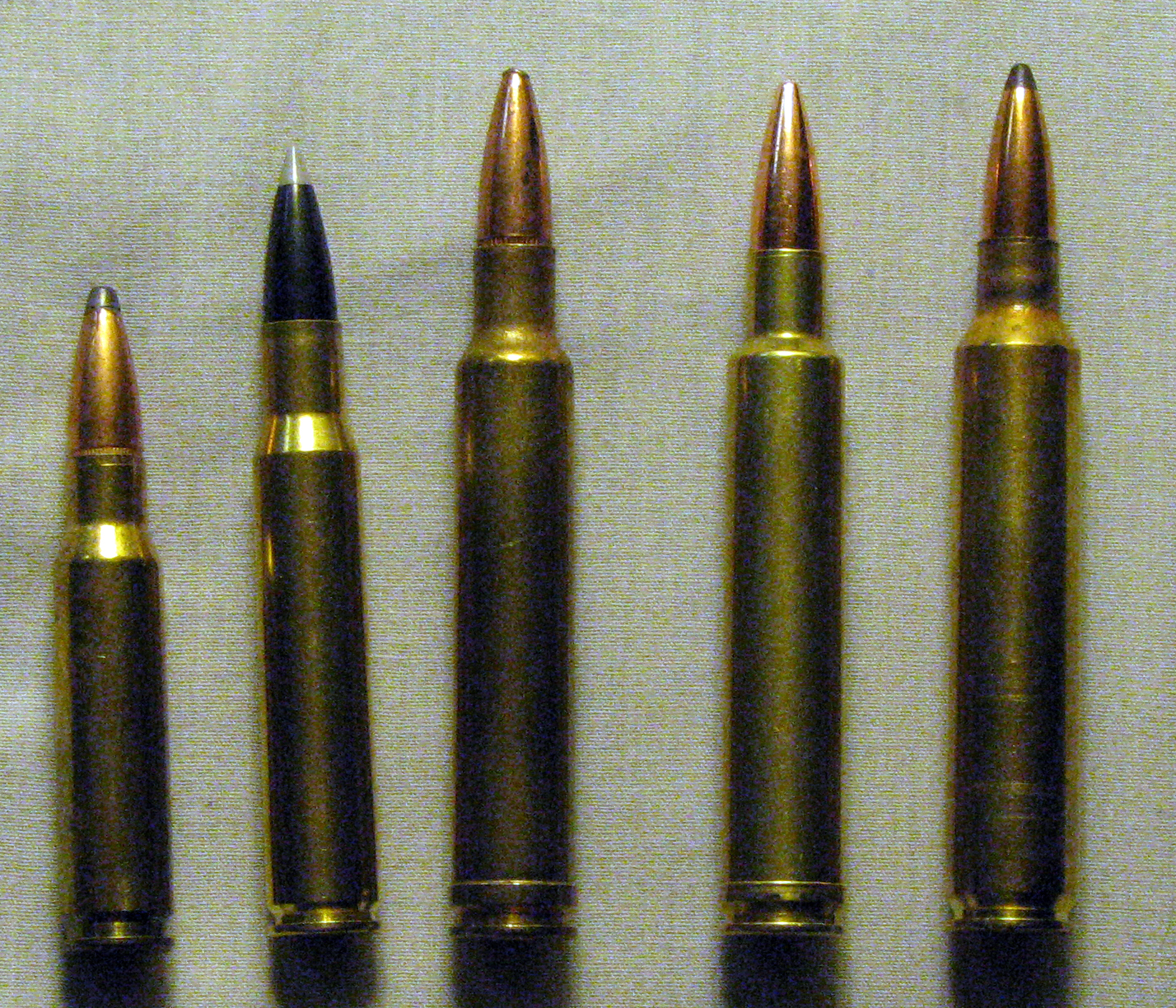
The .300 Winchester Magnum was introduced in 1963 by Winchester, long before it became associated with military sniper rifles. Its original reputation came from hunting and competitive shooting, where shooters valued its combination of a .30 caliber projectile and magnum performance. That civilian history later became an advantage for military planners because the cartridge was already commercially established. U.S. Navy documentation cited commercial availability, proven match performance, and the ability to adapt commercial rifles as reasons for investigating .300 Winchester Magnum during the late 1980s. Those factors made adoption more practical than starting from scratch.
2. It Offered More Reach Than 7.62mm
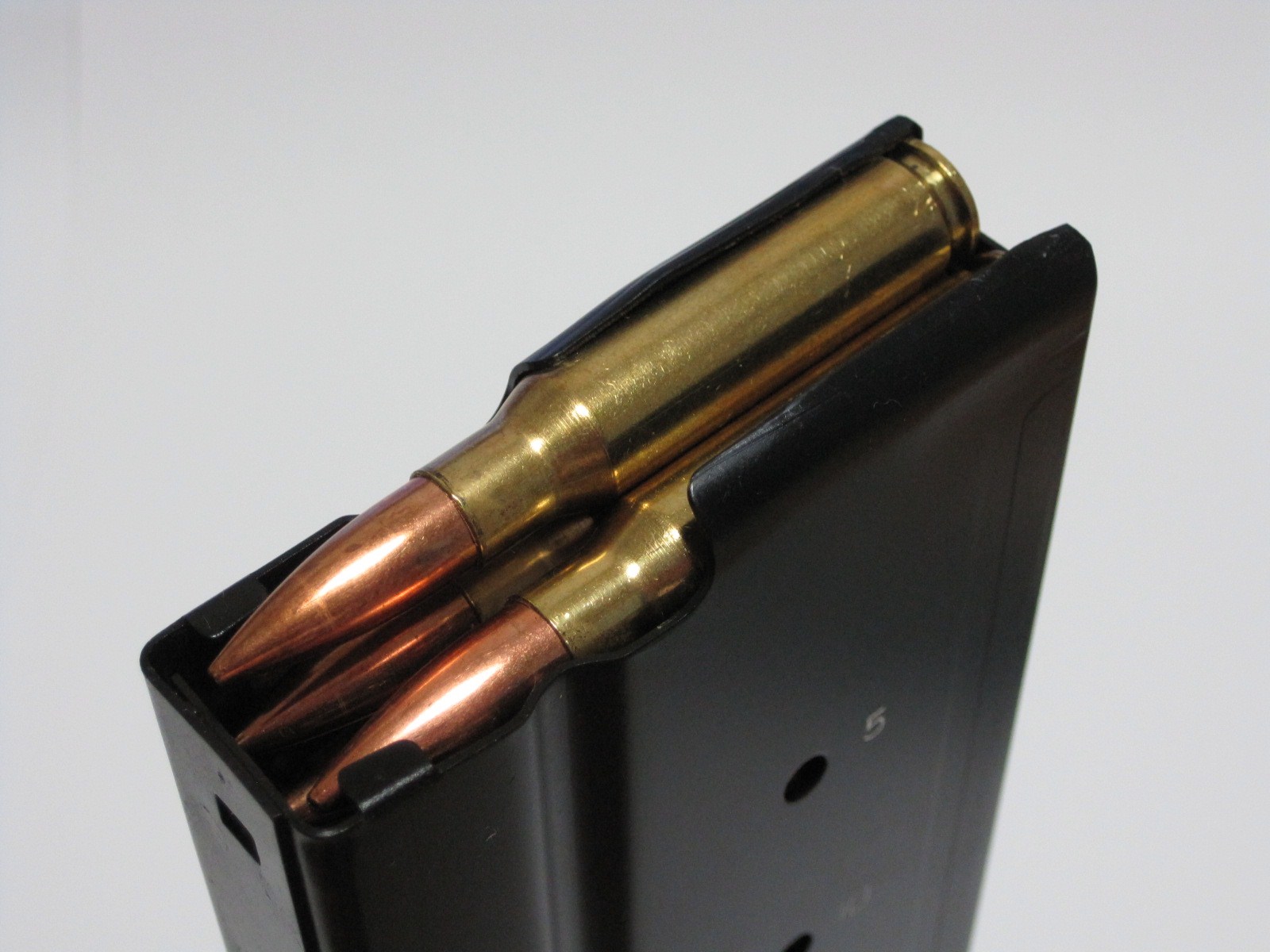
The strongest argument for .300 Winchester Magnum was its ability to extend useful range beyond traditional 7.62mm sniper systems. The U.S. Army’s M24 was generally associated with an effective range around 800 meters, while the later M2010 was designed around .300 WinMag and listed an effective range of 1,200 meters. That represented a major increase for a relatively familiar bolt-action platform. The Army specifically described the M2010 as providing a 50 percent increase in effective range compared with legacy 7.62mm sniper rifles, making the cartridge central to the system’s purpose.
3. The M24 Could Be Reworked for It
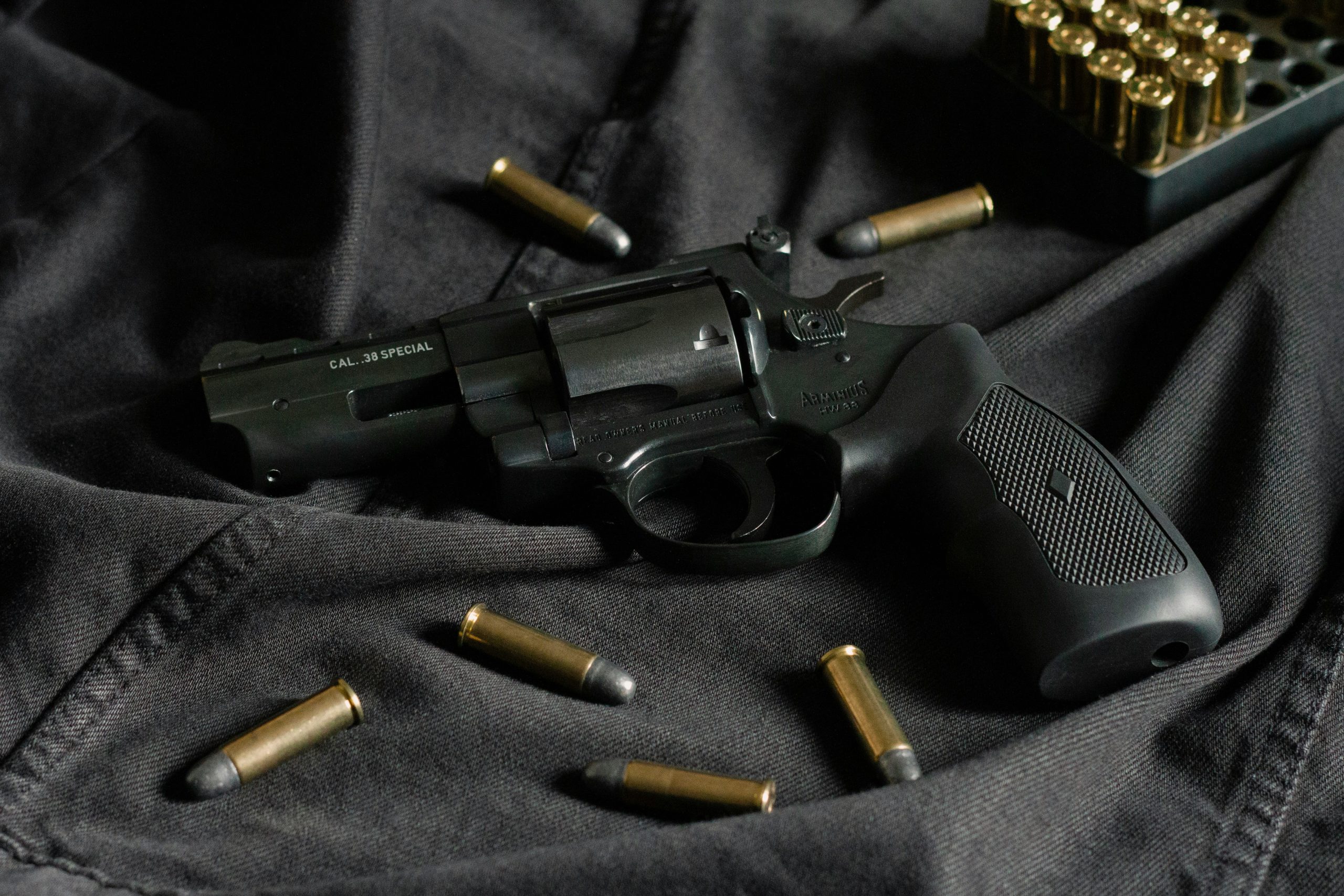
One reason the cartridge became attractive to the Army was that the existing M24 architecture provided a practical starting point. Instead of developing an entirely unrelated rifle, engineers could rechamber the M24’s long action for .300 Winchester Magnum and build a modernized system around it. The resulting M2010 retained the basic bolt action concept while receiving a new chassis, optic, suppressor, and other upgrades. This approach reduced development time and allowed the Army to respond quickly to operational demands. In 2010, the Army awarded a contract for an initial 250 XM2010 rifles.
4. Afghanistan Helped Drive Its Adoption
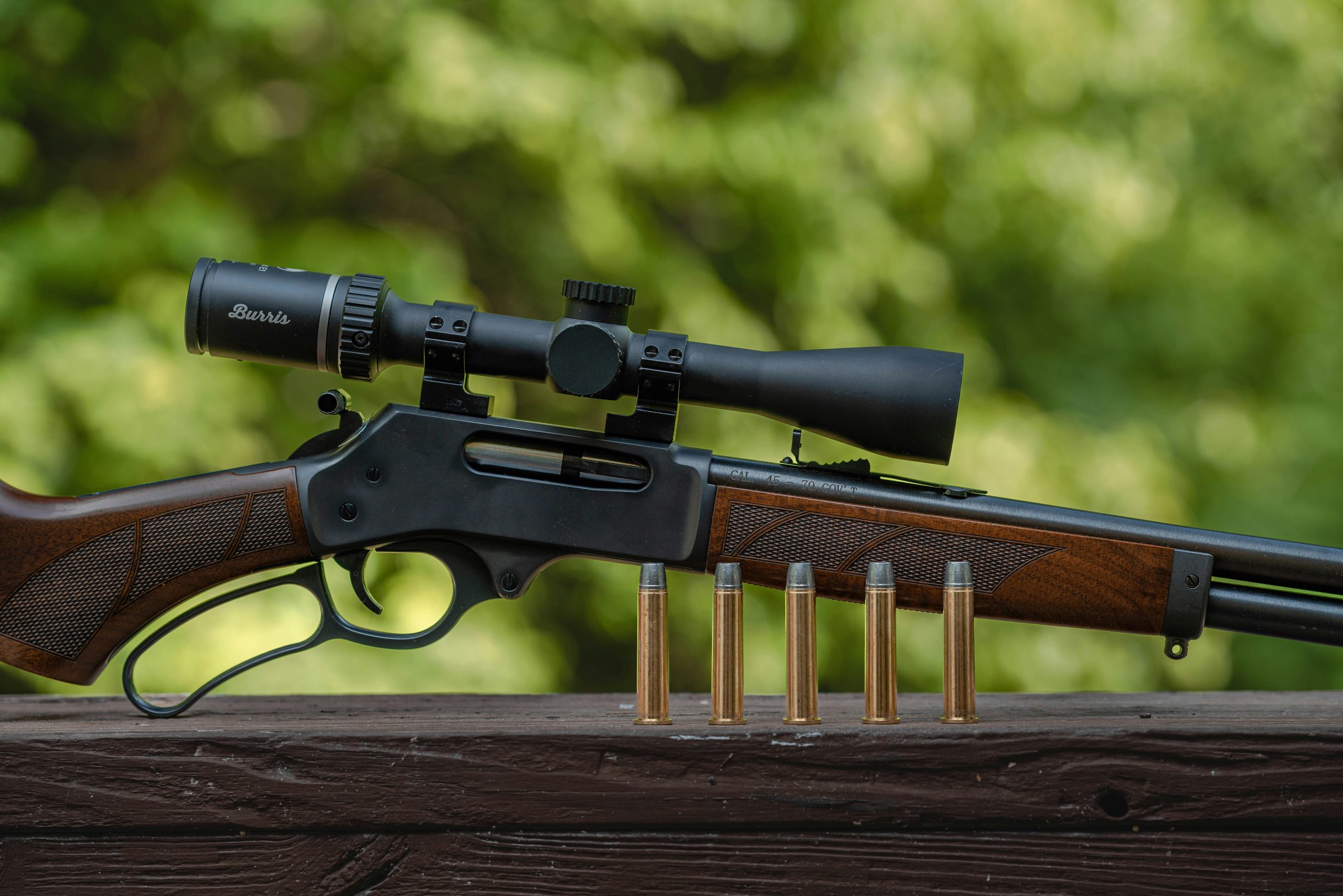
The M2010 did not emerge simply from a laboratory search for greater velocity. Units operating in Afghanistan wanted additional reach for situations where opposing positions could be separated by substantial distances and elevation. Army accounts describe an urgent requirement for better performance in what they called the “ridgeline-to-ridgeline” fight. The solution was to combine the existing M24 receiver with the .300 Winchester Magnum cartridge and a completely modernized stock and accessory system. By June 2011, the Army had fielded the M2010 and conducted training for its sniper teams operating in Afghanistan.
5. Match Ammunition Strengthened Its Reputation
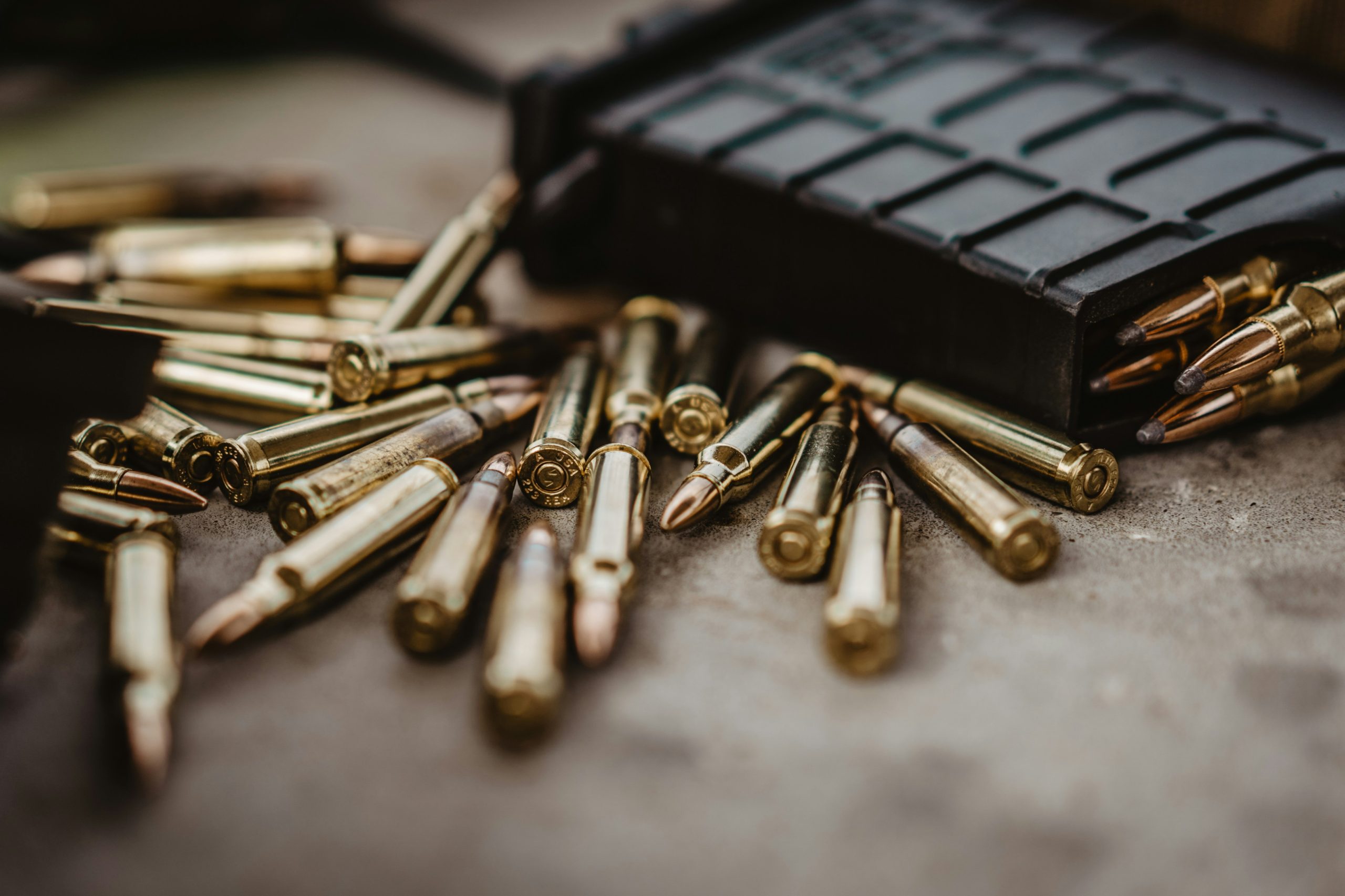
Military adoption was helped by ammunition that already had a strong competitive pedigree. The U.S. military later developed specialized .300 Winchester Magnum loads for sniper applications, including the MK248 series. One documented MK248 Mod 0 configuration used a 190-grain Sierra MatchKing projectile and was intended for long-range engagements, with an approximate effective range of 1,100 meters. The Navy’s development work also emphasized commercially available components and the cartridge’s established record in precision competition. That combination gave military planners a mature ammunition foundation rather than an untested concept.
6. The Navy Saw Its Potential Too
The U.S. Army was not the only American service interested in .300 Winchester Magnum. During the late 1980s, the U.S. Navy examined the cartridge for both match competition and Naval Special Warfare applications. Development work focused on creating ammunition suitable for precision use while taking advantage of commercially available rifles and components. The Navy’s interest demonstrated that the cartridge’s appeal was broader than hunting or civilian long-range competition. Its established manufacturing base, precision reputation, and performance beyond standard 7.62mm made it a logical candidate for specialized military applications.
7. The M2010 Became Its Signature Military Rifle
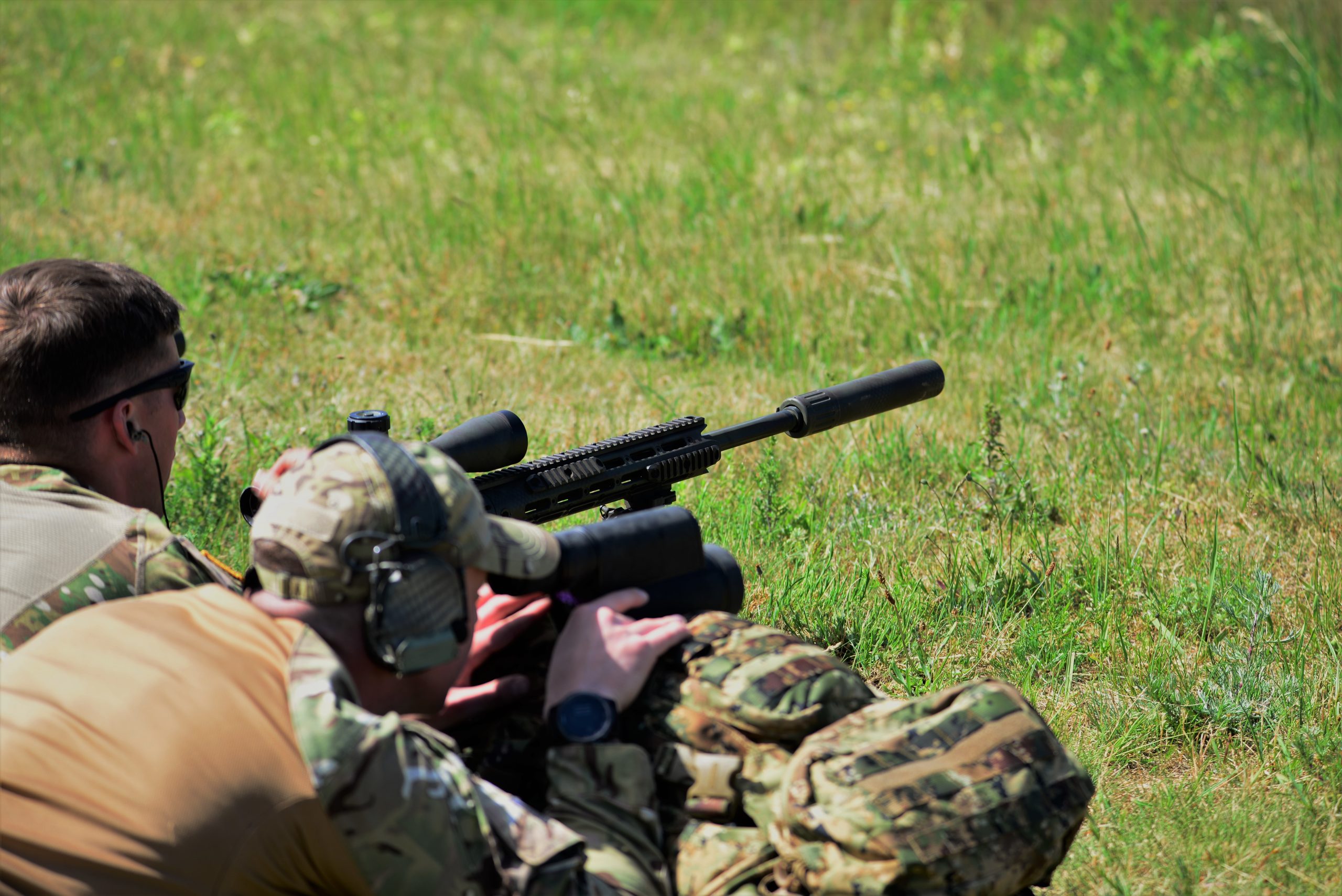
The M2010 transformed .300 Winchester Magnum from a specialist cartridge into a highly recognizable military sniper round. The Army produced 2,520 M2010 systems to replace its older M24 sniper rifles, and the rifle was specifically designed around the .300 WinMag chambering. Its specification included a 24-inch barrel, a combat-ready weight of 17.5 pounds without the suppressor, and a listed effective range of 1,200 meters. These figures show that the military valued the cartridge as part of a complete precision system rather than treating ammunition alone as the solution.
8. It Balanced Capability With Existing Infrastructure
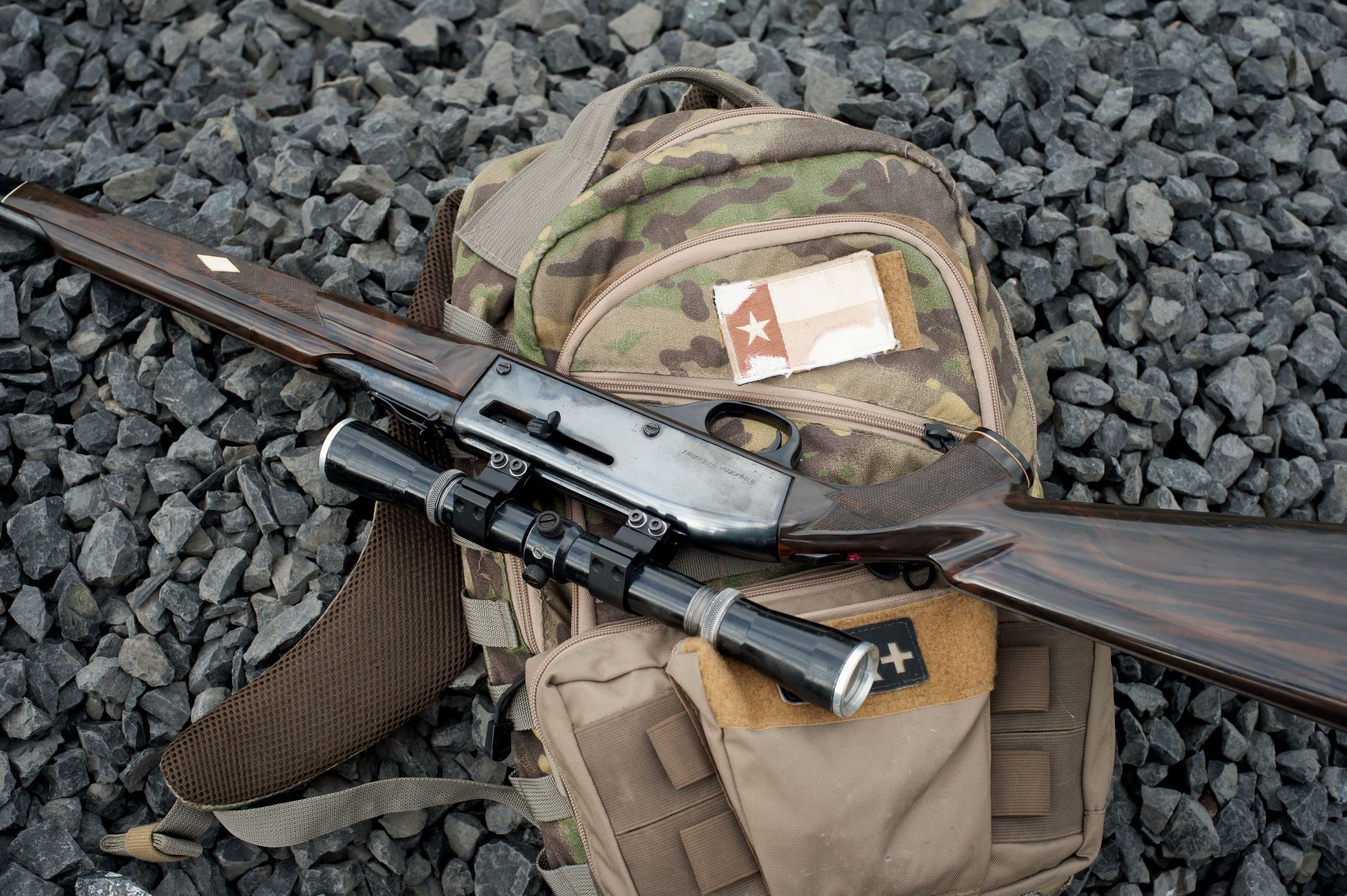
Military procurement is rarely about choosing the theoretically most powerful cartridge. Ammunition availability, rifle compatibility, manufacturing capacity, training, and logistics all matter. The .300 Winchester Magnum benefited from decades of civilian production and widespread sporting use. Navy development documents specifically highlighted its commercial production in economical quantities and its established record in long-range competition. That background helped reduce the barriers associated with specialized ammunition. The cartridge therefore occupied a useful middle ground, offering substantially more reach than 7.62mm without requiring the infrastructure associated with much larger military cartridges.
9. Its Era Eventually Began to Change
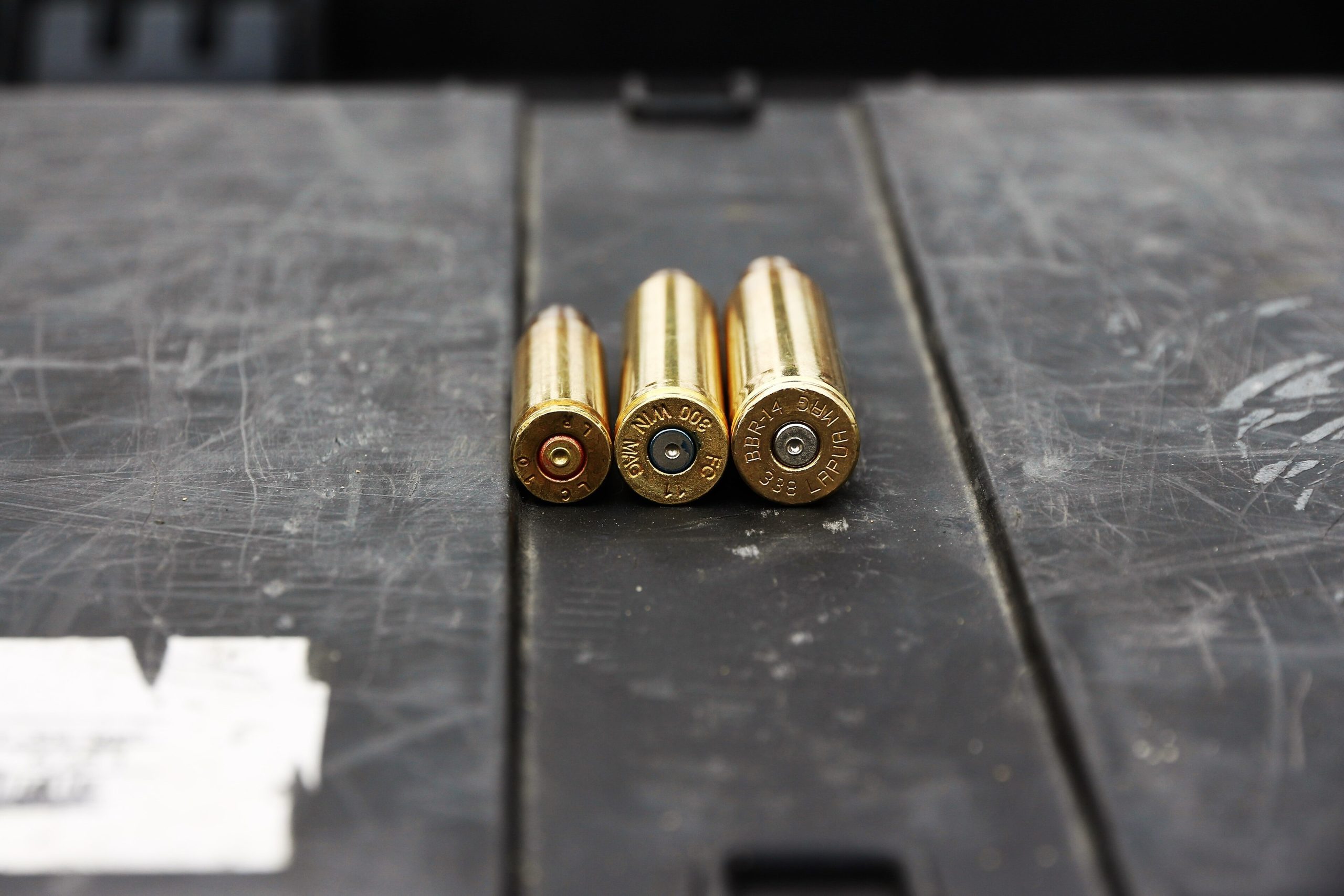
The .300 Winchester Magnum remains important, but military sniper technology has continued moving forward. The Army’s newer MK22 Precision Sniper Rifle was selected in 2021 as a modular system using 7.62mm NATO, .300 Norma Magnum, and .338 Norma Magnum rather than .300 Winchester Magnum. The MK22 is designed around mission-specific caliber changes and an effective range reaching 1,500 meters in its magnum configurations. That does not erase the M2010’s achievements. Instead, it shows how .300 WinMag helped bridge the gap between traditional 7.62mm sniper systems and newer multi-caliber precision platforms.