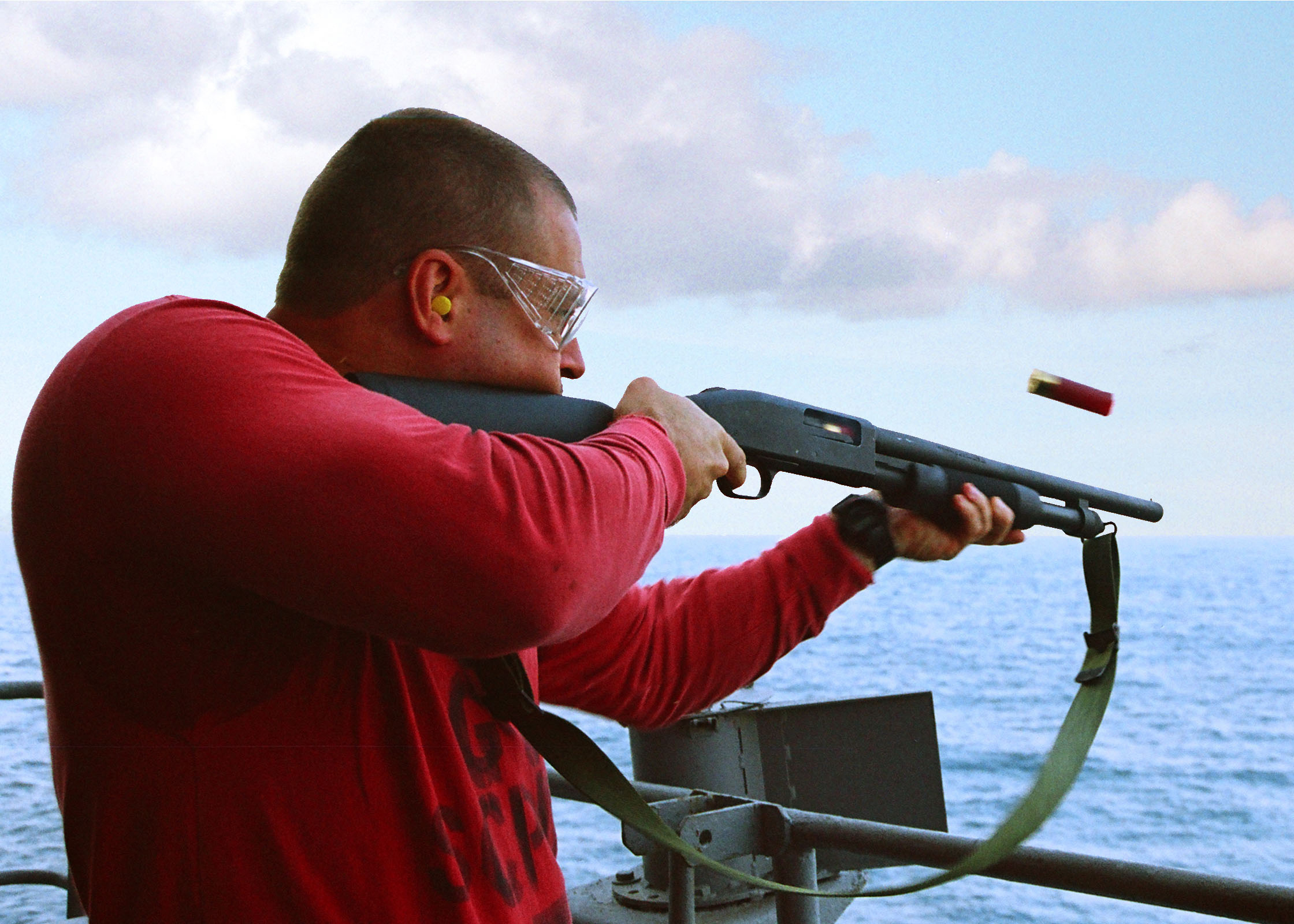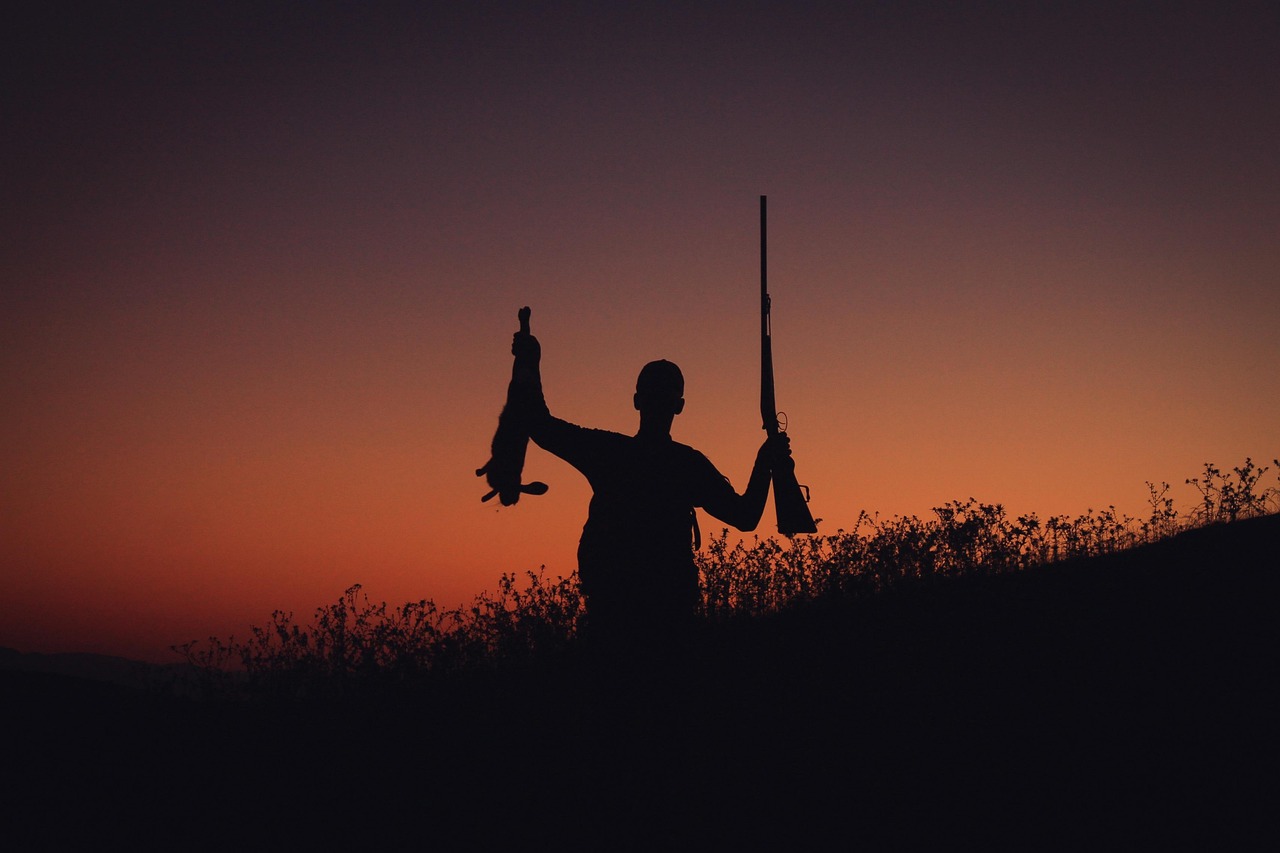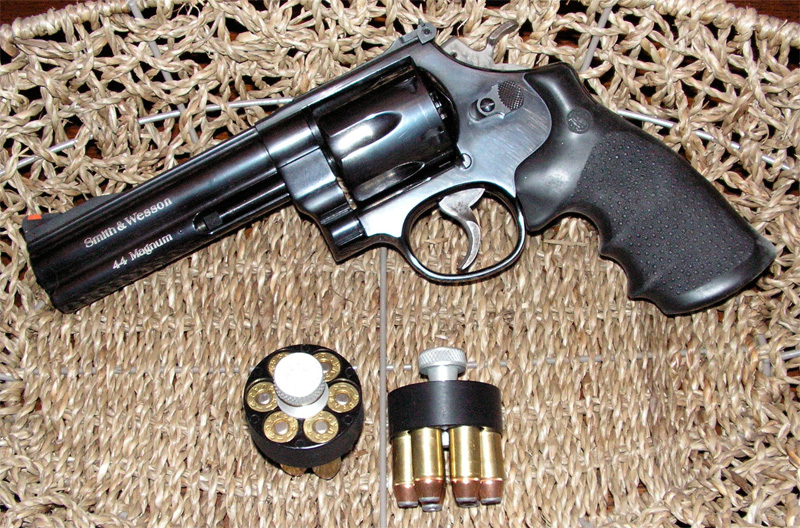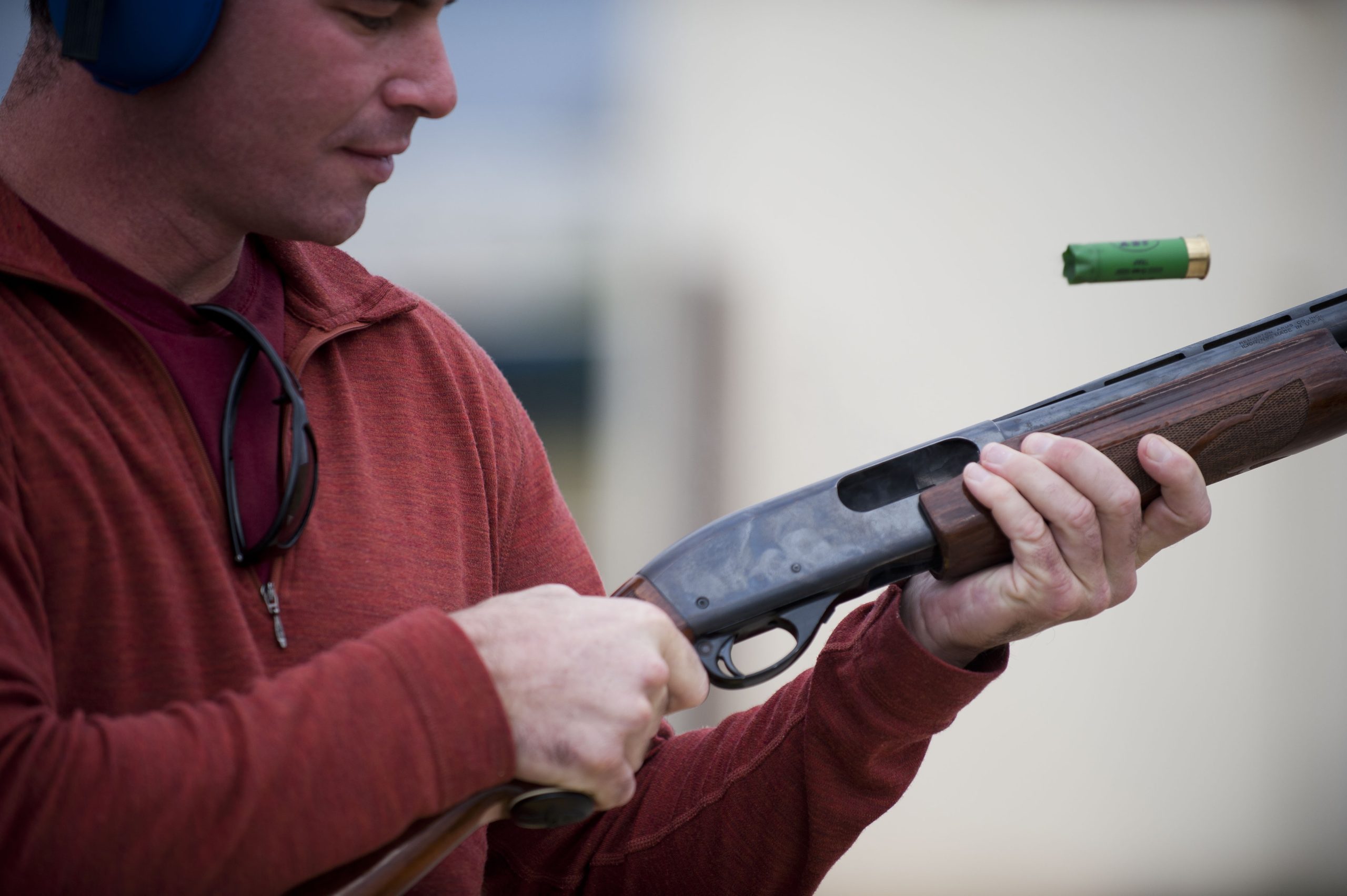
Choosing between a shotgun, rifle, and pistol is rarely about finding one firearm that does everything best. Rifles generally dominate at distance, while pistols are compact and convenient to carry. Shotguns occupy a different space, offering several ammunition choices and excellent performance at short to moderate distances. In the right situation, that combination can make a shotgun the more practical choice, particularly for hunting, clay sports, and specialized applications.
1. When Shooting Fast-Moving Birds
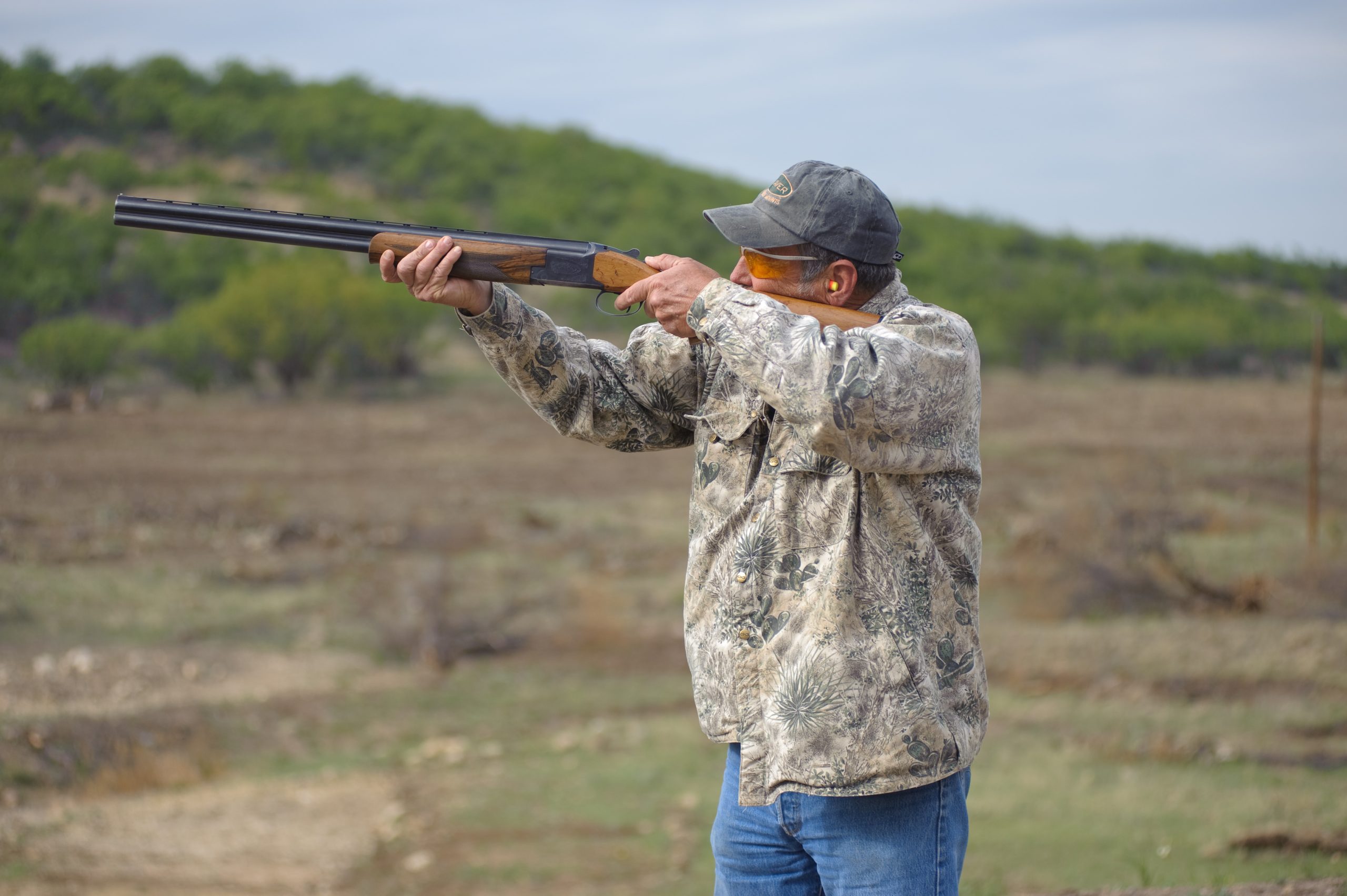
Few situations demonstrate the shotgun’s purpose better than shooting fast-moving birds. A rifle’s single projectile demands extremely precise placement, while a pistol is even less suited to this type of moving target. A shotgun launches multiple pellets that form a pattern, giving the shooter a more practical chance of connecting with a rapidly changing target. The advantage is not unlimited, and the gun still has to be pointed correctly. One number matters: traditional birdshot loads can contain hundreds of pellets, depending on gauge and shot size. That makes the shotgun particularly well matched to birds, clay targets, and other fast-moving sporting targets where timing matters more than long-range precision.
2. When One Gun Needs Multiple Loads
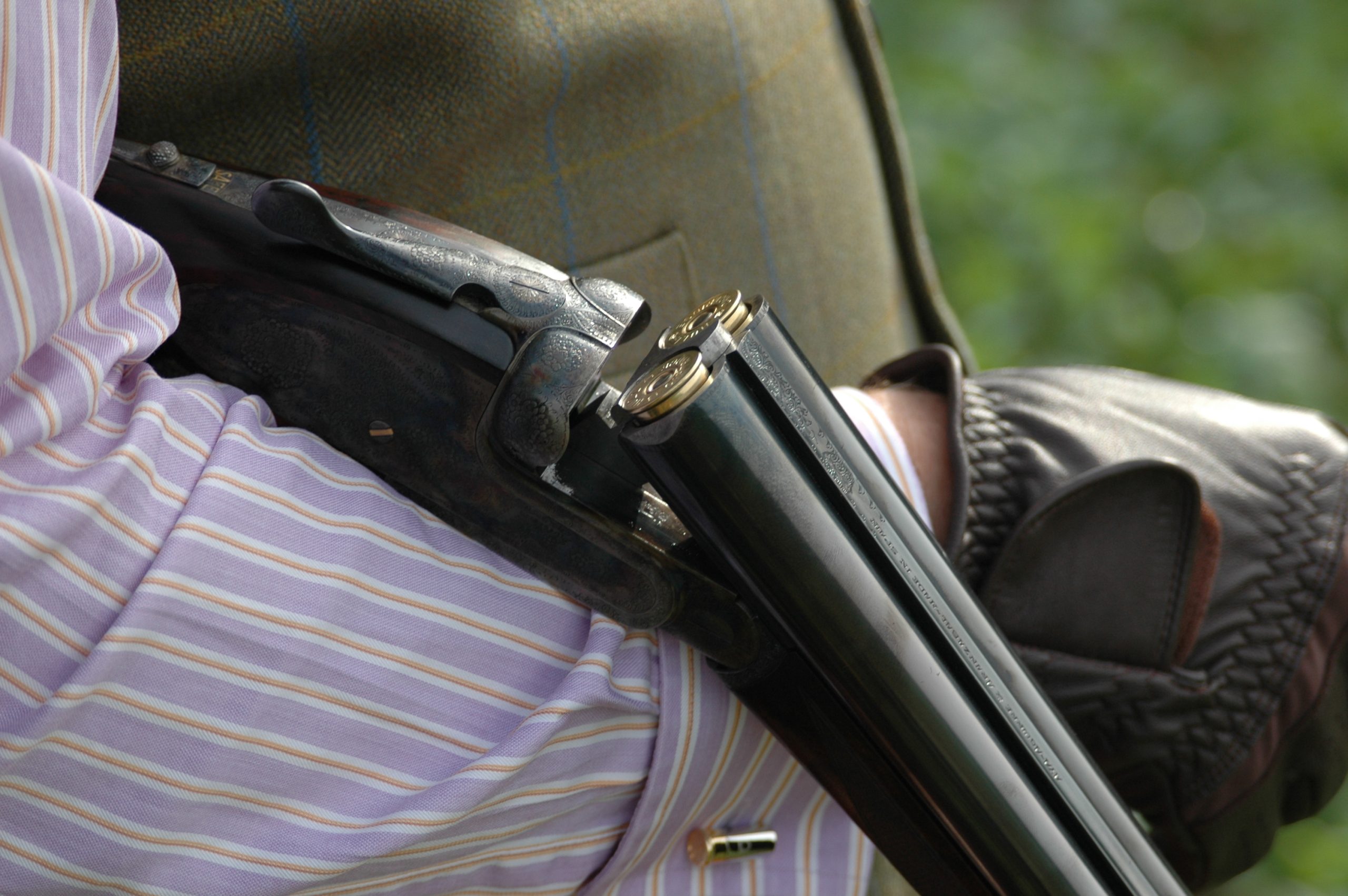
A shotgun becomes especially useful when the same firearm needs to perform several different jobs. A hunter can select birdshot for smaller game, buckshot where regulations permit it, or a slug for appropriate big-game hunting. A rifle normally requires a particular cartridge, while a pistol offers a narrower range of practical applications. Three major load categories illustrate the shotgun’s flexibility: birdshot, buckshot, and slugs. Each changes the firearm’s behavior substantially. That does not make every shotgun equally versatile, since barrel, choke, and ammunition compatibility matter, but the basic platform offers an unusually broad range of possibilities from one firearm.
3. When Hunting Regulations Limit Rifles
Some hunting areas restrict or prohibit certain rifles, particularly where wildlife management rules or local conditions favor shotgun hunting. In those circumstances, a shotgun can become the practical alternative rather than simply a second choice. A slug-equipped shotgun can provide considerably more reach than ordinary shot, while remaining within the permitted equipment category. One rule can change the entire equation: if rifles are prohibited for a particular hunt but shotguns are allowed, the shotgun may become the obvious tool. Hunters still need to follow the exact season, ammunition, caliber, and distance regulations established for that location.
4. When Close-Range Hunting Is the Priority
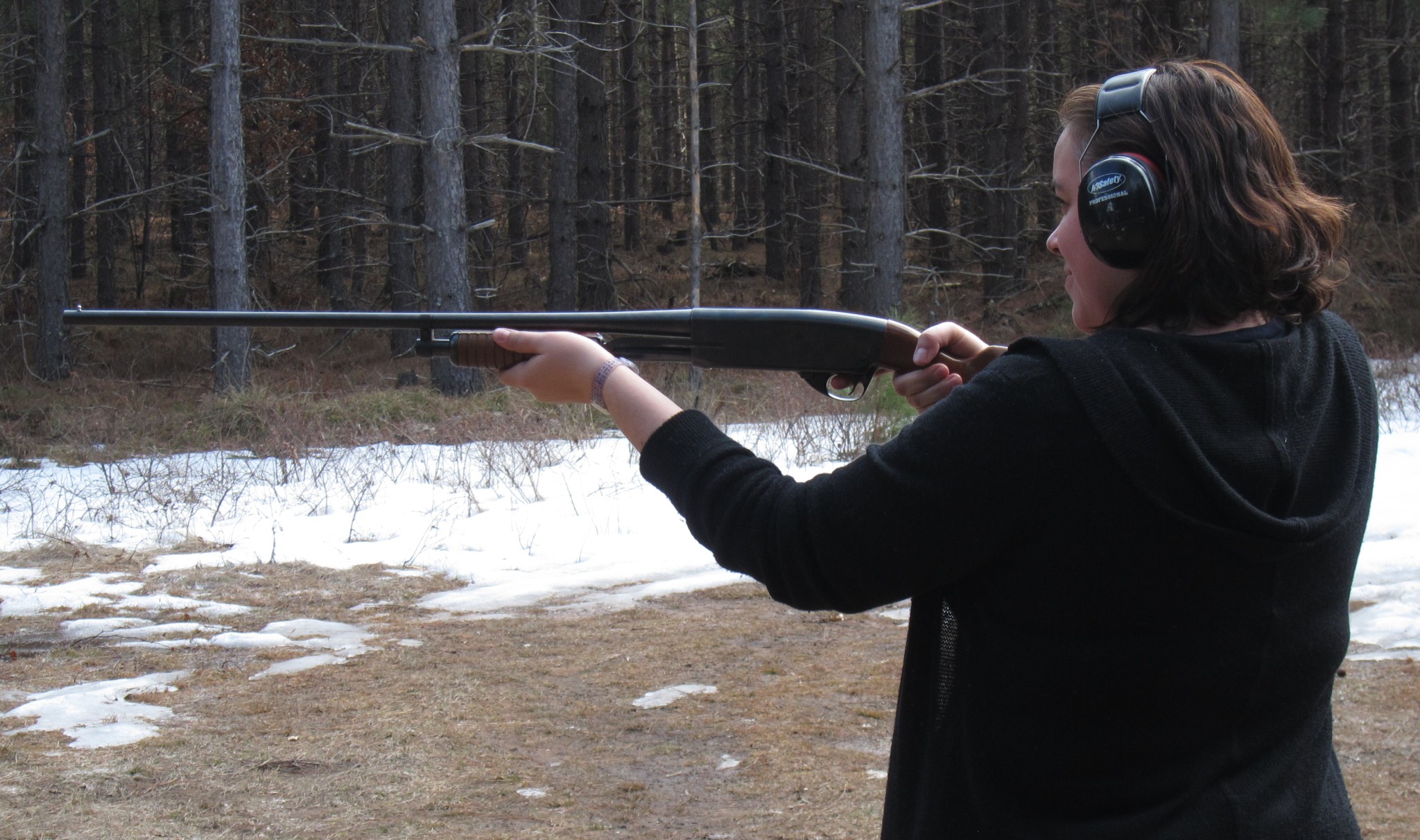
A shotgun makes considerable sense when the expected shooting distance is short, and the quarry is moving unpredictably. Rifles are engineered around accuracy and projectile stability over much greater distances, while pistols sacrifice even more range because of their compact design. Shotguns are naturally suited to shorter engagements, especially with appropriate shot loads. About 40 yards is a commonly cited practical boundary for many buckshot applications, although the actual performance depends heavily on ammunition and the individual firearm. Pattern testing matters because two shotguns using identical ammunition can produce noticeably different results at the same distance.
5. When Clay Shooting Demands Fast Follow-Up Shots
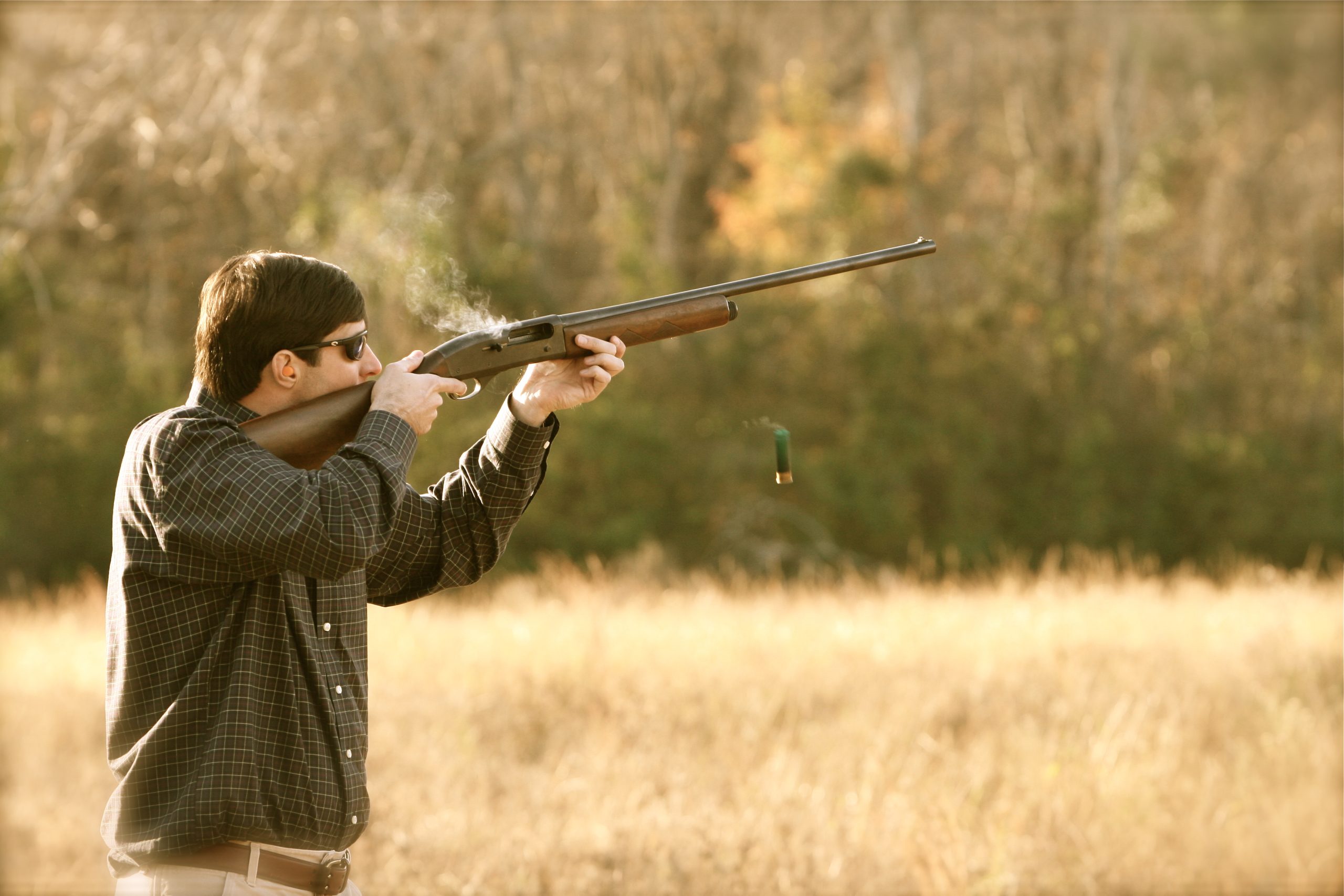
Clay target sports reveal another area where shotguns have an obvious advantage. Skeet, trap, and sporting clays are designed around moving targets, and shotguns are purpose-built for this style of shooting. A rifle’s narrow projectile path makes it poorly suited to the sport, while a pistol is not the normal tool for these disciplines. Three major clay disciplines are commonly encountered: trap, skeet, and sporting clays. Shotguns also offer configurations specifically suited to these games, from over-and-under guns to semi-automatic models. The combination of shot patterns, smooth target tracking, and quick follow-up shots makes the shotgun difficult to replace in this sporting environment.
6. When You Need a Slug Without Carrying a Rifle
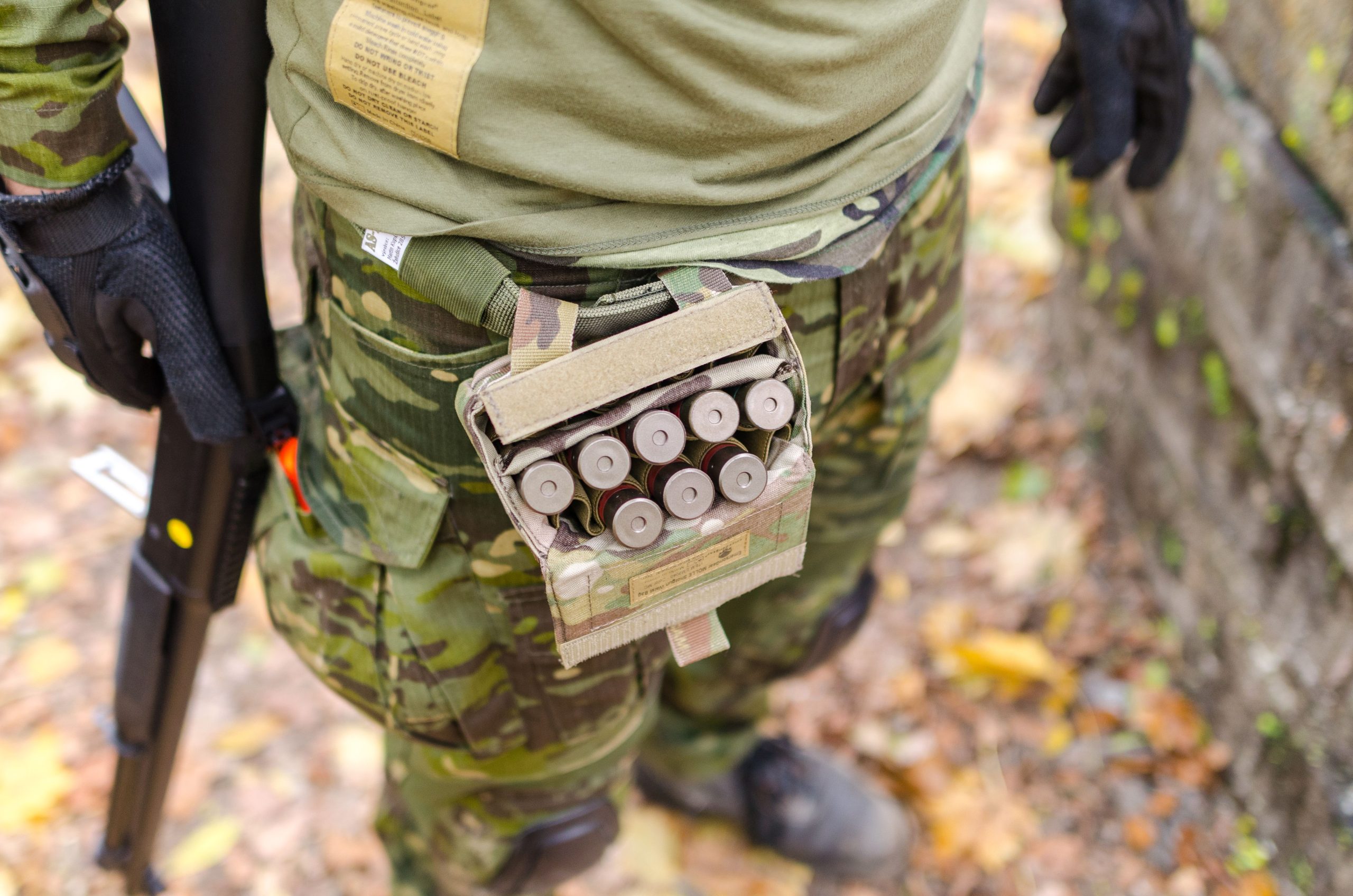
A shotgun loaded with a suitable slug occupies an interesting middle ground. Instead of sending numerous pellets toward the target, it fires a single large projectile. This can make the shotgun useful for deer hunting and other legal applications where slugs are authorized. One projectile completely changes how the firearm behaves compared with birdshot or buckshot. Rifled slug guns can provide improved accuracy compared with ordinary smoothbore setups, although they still do not generally match a purpose-built rifle at extended distances. The important point is that a shotgun can change ammunition types without requiring a completely different firearm platform.
7. When Short-Range Versatility Matters More Than Distance
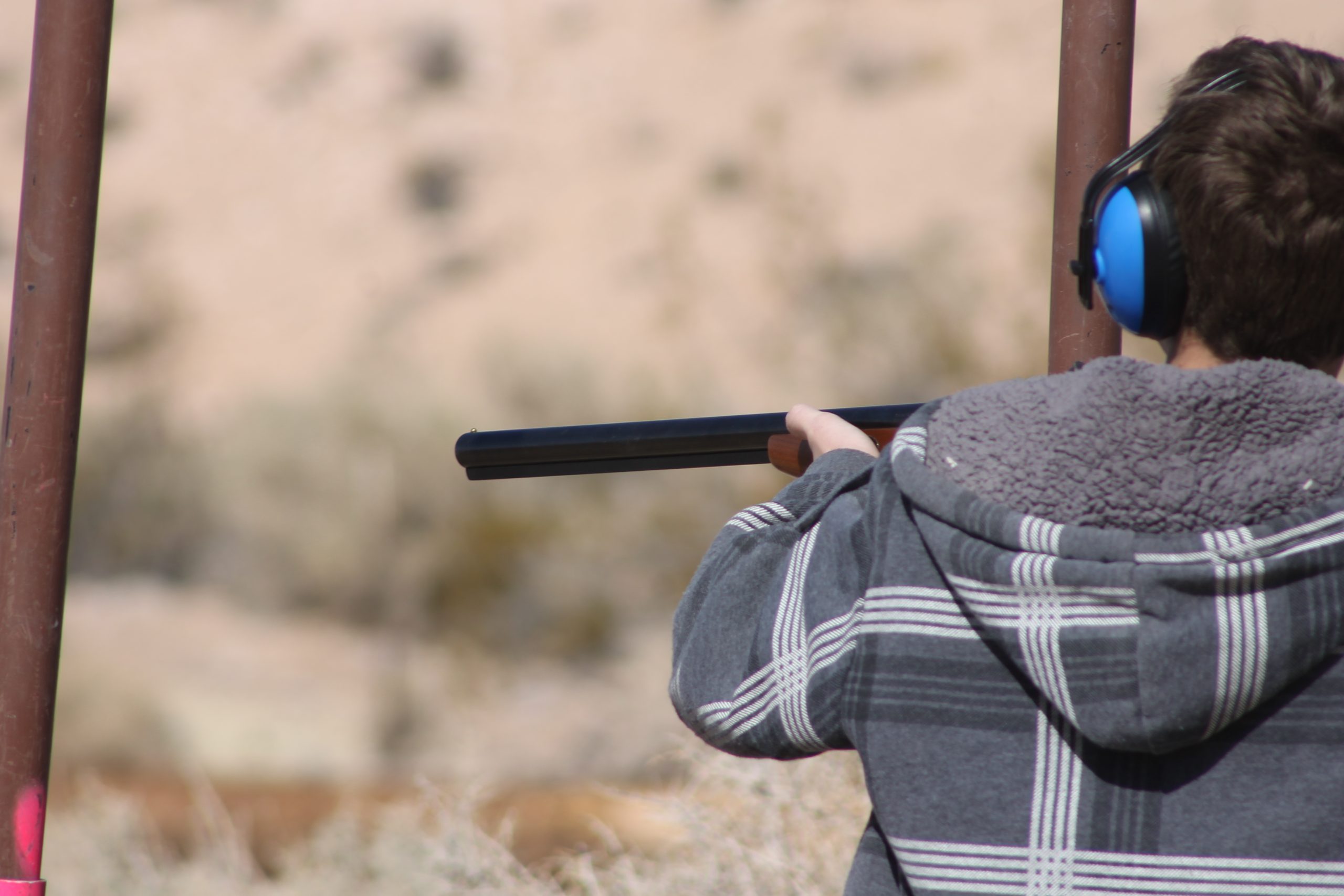
There are situations where maximum range simply is not the priority. Hunting in dense terrain, shooting clay targets, and pursuing fast-moving small game can all reward a firearm designed around short-range performance. A rifle may offer considerably greater reach, but that advantage has little value if the intended activity takes place much closer. Two common shotgun gauges, 12 and 20, cover a large portion of ordinary hunting and sporting use. The right choice depends on the game, ammunition, recoil tolerance, and local regulations. For these shorter-range activities, the shotgun’s flexibility can matter more than a rifle’s superior ballistic efficiency.
8. When Different Chokes Need to Match Different Jobs
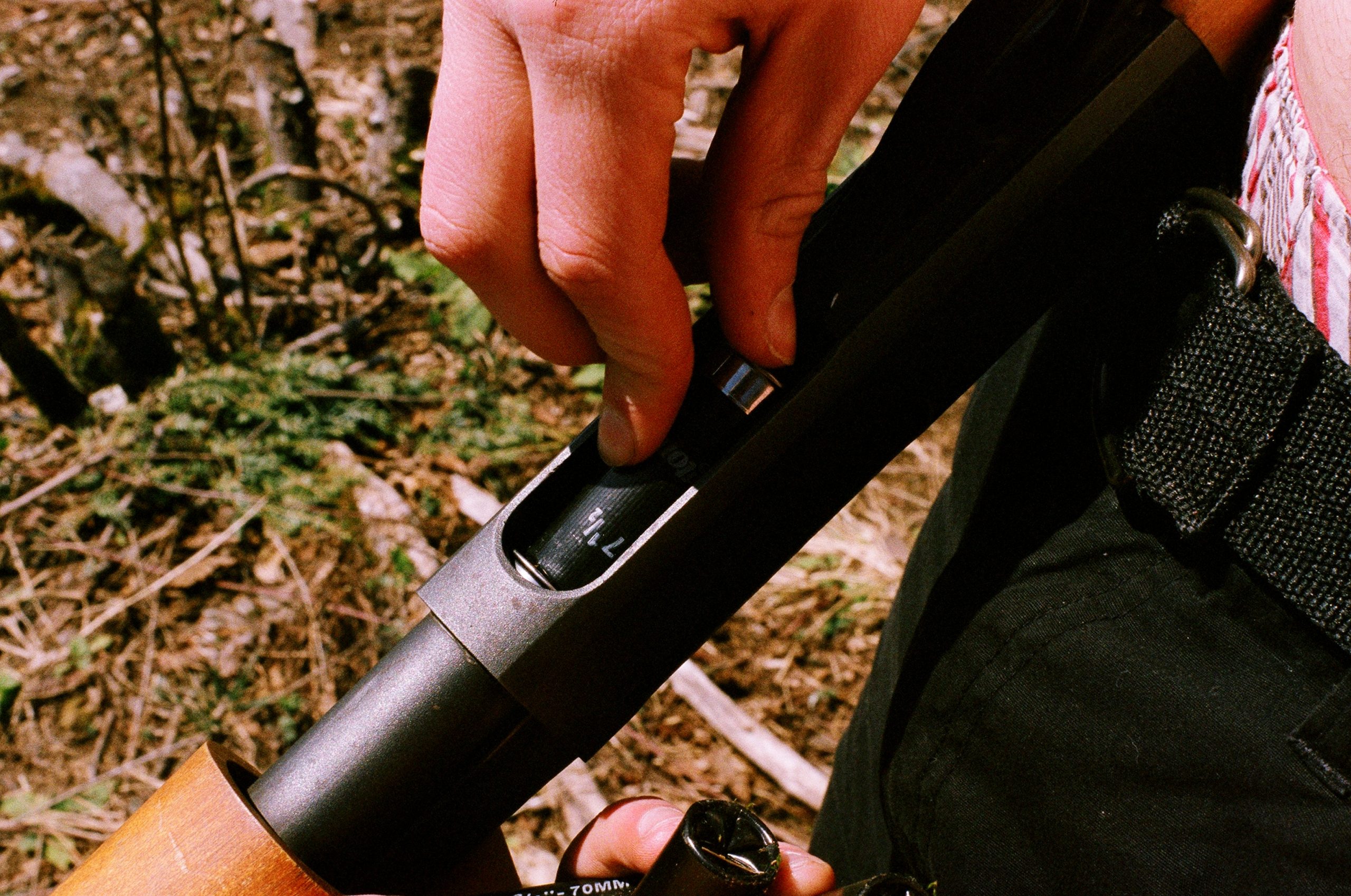
Another major shotgun advantage is the ability to alter the way the shot pattern behaves through choke selection. A rifle’s barrel is permanently rifled for its intended projectile, while a shotgun can use different choke configurations depending on the application and ammunition. Five commonly encountered choke categories include cylinder, improved cylinder, modified, improved modified, and full, although exact offerings vary. The correct choke depends on the load and intended use. Pattern testing is essential because individual shotguns can behave differently even with identical ammunition. That adjustable patterning capability gives the shotgun a level of flexibility that neither a conventional rifle nor pistol normally provides.
9. When One Platform Must Cover Several Sporting Roles
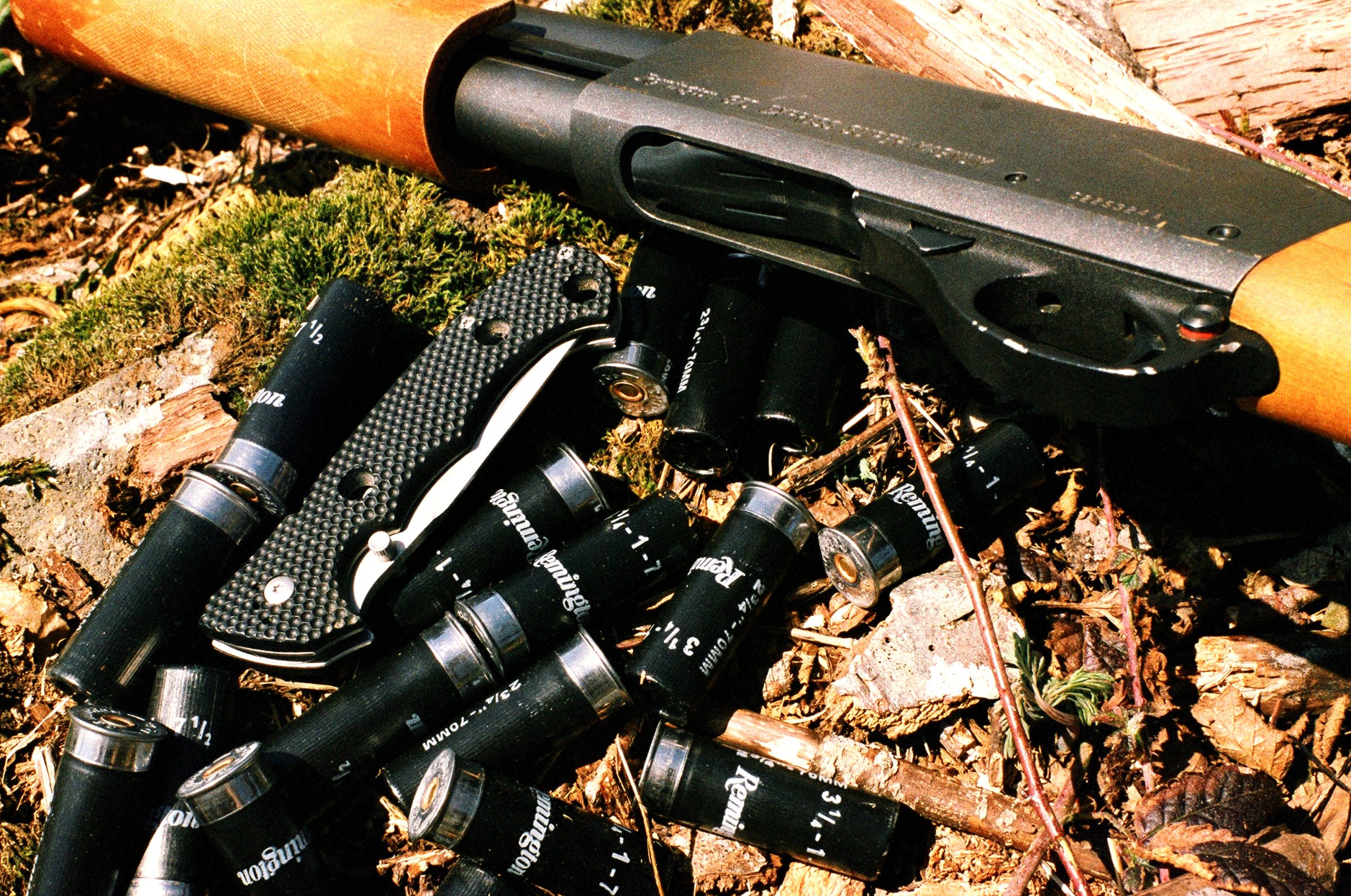
The shotgun’s greatest strength may simply be how many sporting roles it can fill. The same basic type of firearm can be configured for upland birds, waterfowl, turkey, clay targets, and certain big-game hunts where local regulations permit shotgun use. Rifles excel at precision hunting, while pistols are valued for portability and specialized shooting disciplines. Five broad sporting roles show the shotgun’s versatility: upland hunting, waterfowl, turkey hunting, clay shooting, and slug hunting. It still has clear limitations, particularly at longer ranges, but within its intended envelope, few firearms combine so many different sporting applications in one platform.