The Remington Rolling Block became one of the most widely recognized military and sporting rifles of the 19th century. Introduced during a period when armies were rapidly moving away from muzzleloaders, it offered a practical combination of strength, simplicity, and dependable performance. Its distinctive breech mechanism made it suitable for military service, hunting, and civilian ownership across several continents. From European arsenals to distant outposts in South America, Africa, and Asia, the rifle found customers in an unusually wide range of markets. Its worldwide success was not the result of one remarkable feature, but a combination of engineering, manufacturing, commercial strategy, and changing military needs.
1. A Breechloading Design Arrived at the Right Time
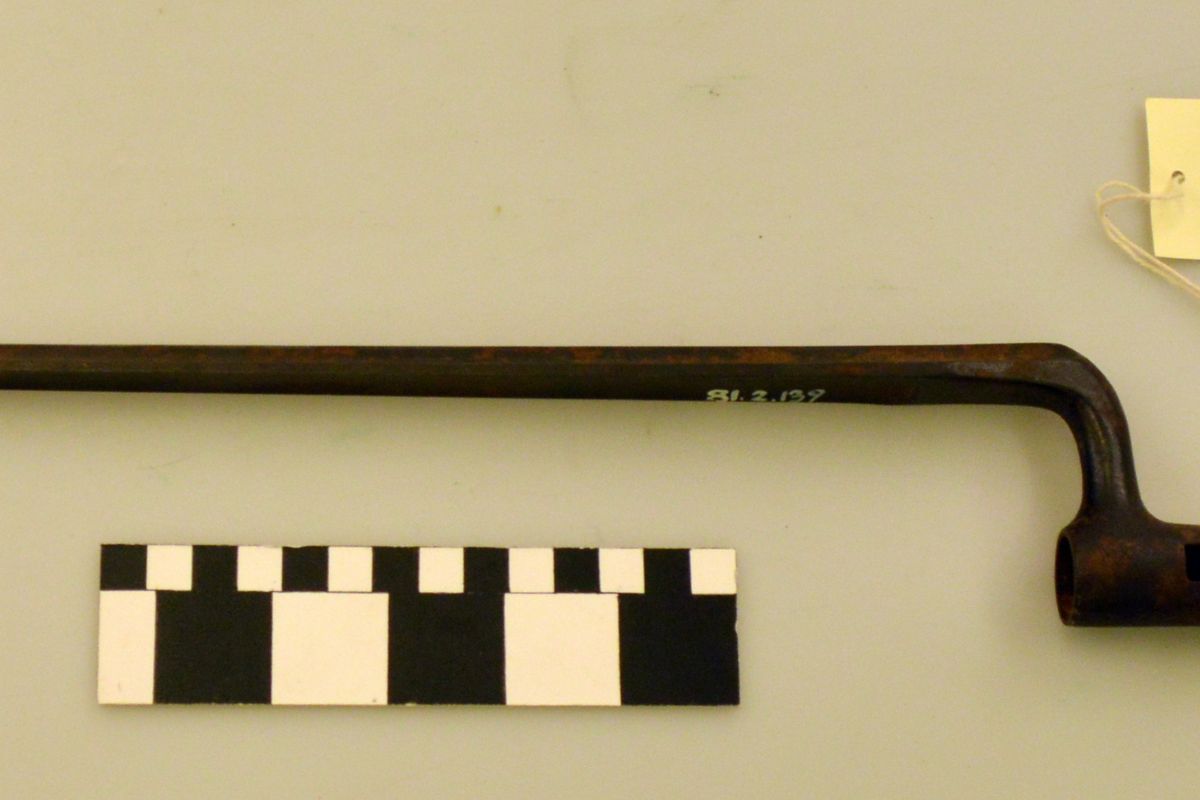
At a time when armies were replacing muzzleloaders, the Rolling Block offered a straightforward route to metallic-cartridge ammunition. Its rotating breechblock opened the rear of the barrel, allowing a soldier to load a self-contained cartridge rather than measure powder and seat a bullet from the muzzle. Leonard Geiger patented an early form in 1863, and Remington employee Joseph Rider refined the mechanism through 1864 and later development. That timing mattered: governments wanted modern rifles quickly, and the design arrived just as reliable metallic cartridges were becoming practical for military use. It answered a real procurement need rather than simply offering novelty.
2. Its Strong Action Built a Reputation for Reliability
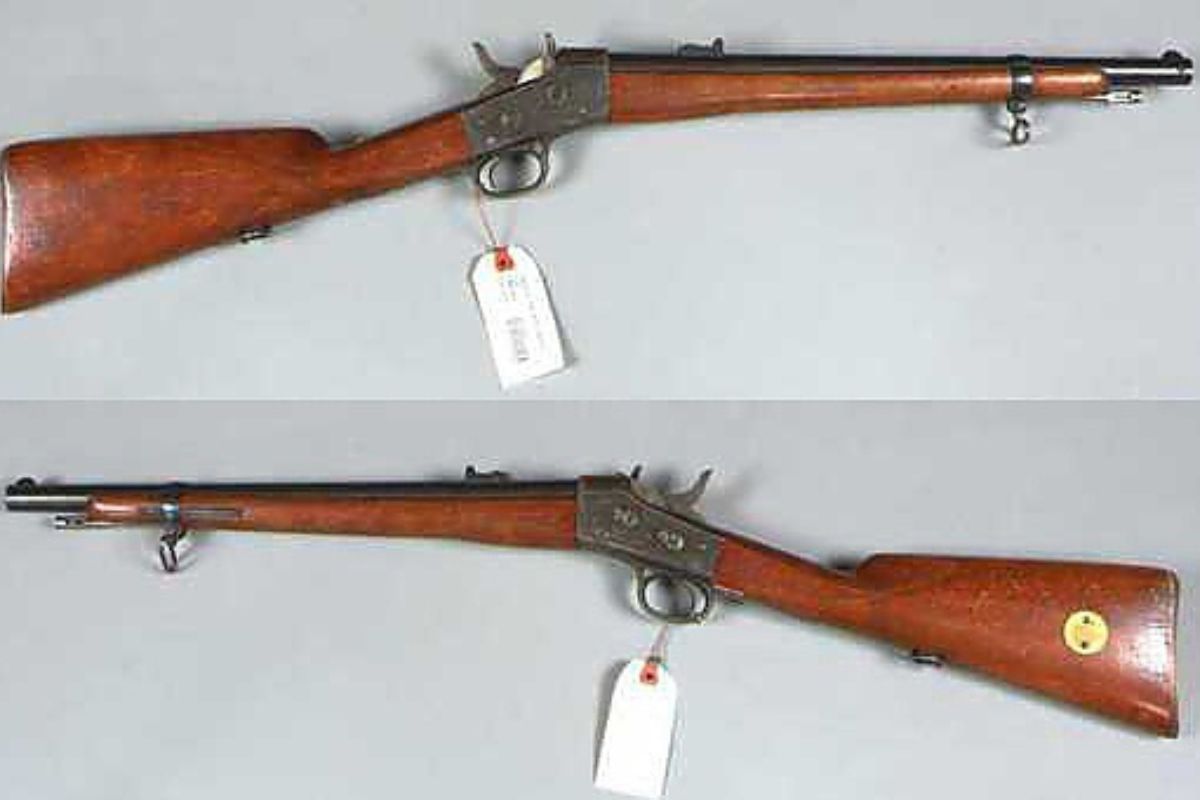
The action earned confidence because its main parts worked together in a compact, sturdy arrangement. When closed, the hammer supported and locked the rotating breechblock, helping it resist the pressure of firing. The shooter still had to operate the hammer and load one cartridge at a time, but the mechanism had relatively few moving components compared with more complicated repeating systems. Contemporary users valued a rifle that could tolerate hard service and be maintained without elaborate equipment. Its reputation for strength helped it win contracts, although safe handling still depended on correct ammunition, sound condition, and trained use.
3. International Sales Kept Remington in Business
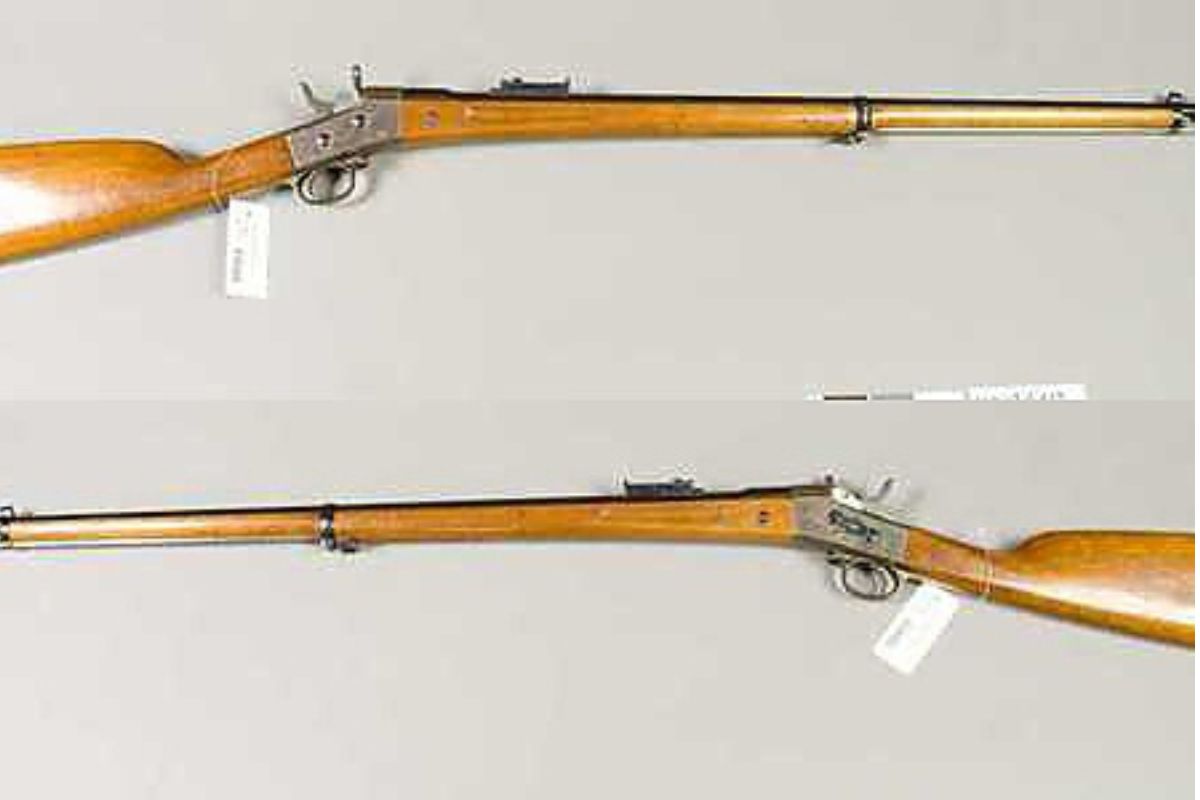
Remington did not rely on one domestic army to sustain sales. After the American Civil War, the United States selected the Springfield Trapdoor for standard Army service, leaving Remington to pursue overseas customers. The company demonstrated the rifle to foreign governments and secured orders from countries seeking modern breechloaders. More than 40 militaries eventually adopted some form of the design, according to historical accounts. This export strategy turned a product with limited U.S. service into an international success and helped keep Remington’s Ilion, New York, factory busy during a difficult postwar market. It gained repeat orders abroad.
4. Scandinavian Countries Helped Establish Its Reputation
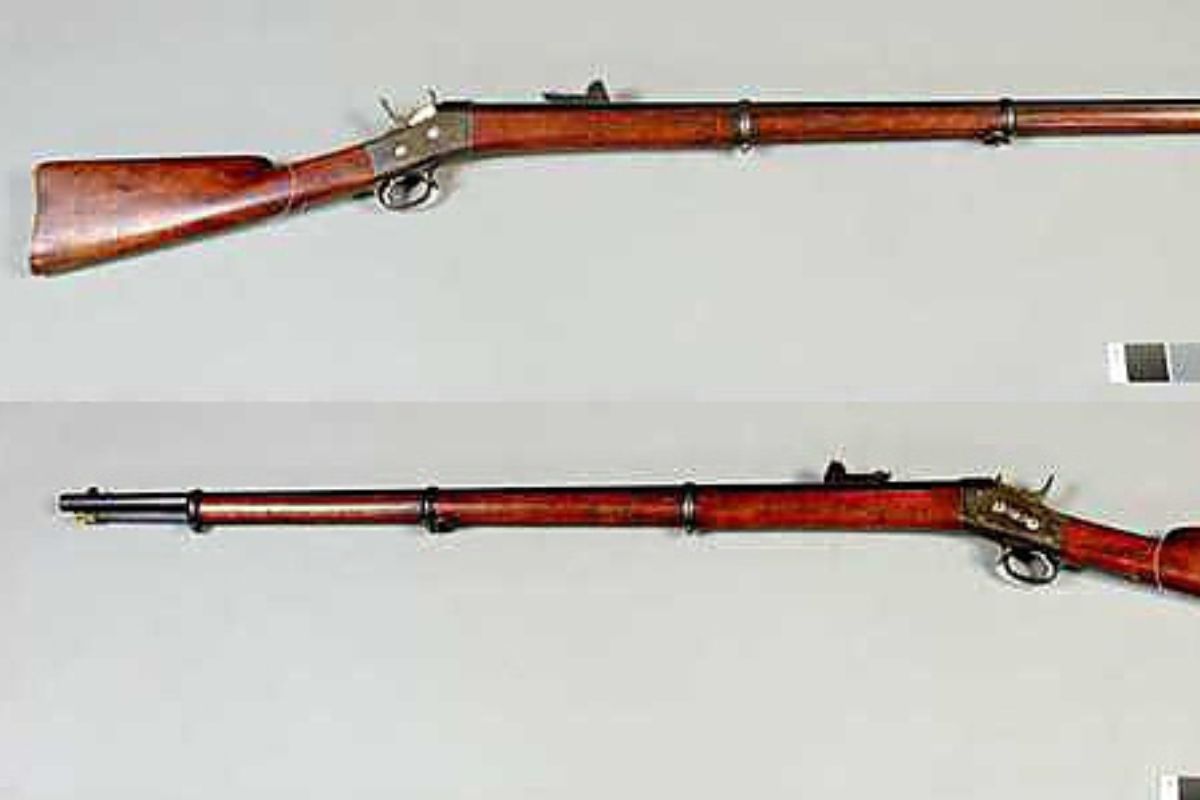
One early breakthrough came in Scandinavia. Sweden and Norway adopted the Model 1867, while Denmark also selected a Rolling Block pattern in 1867. Sweden and Norway subsequently arranged domestic manufacture, including production at Carl Gustaf and Husqvarna in Sweden and Kongsberg in Norway. This mattered because local factories could supply rifles, spare parts, and repairs without depending entirely on shipments from America. The Scandinavian orders also gave the design credibility elsewhere: when several established military organizations chose the same action, other governments had a practical example to examine rather than an untested sales pitch.
5. Different Calibers Made It Suitable for Multiple Countries
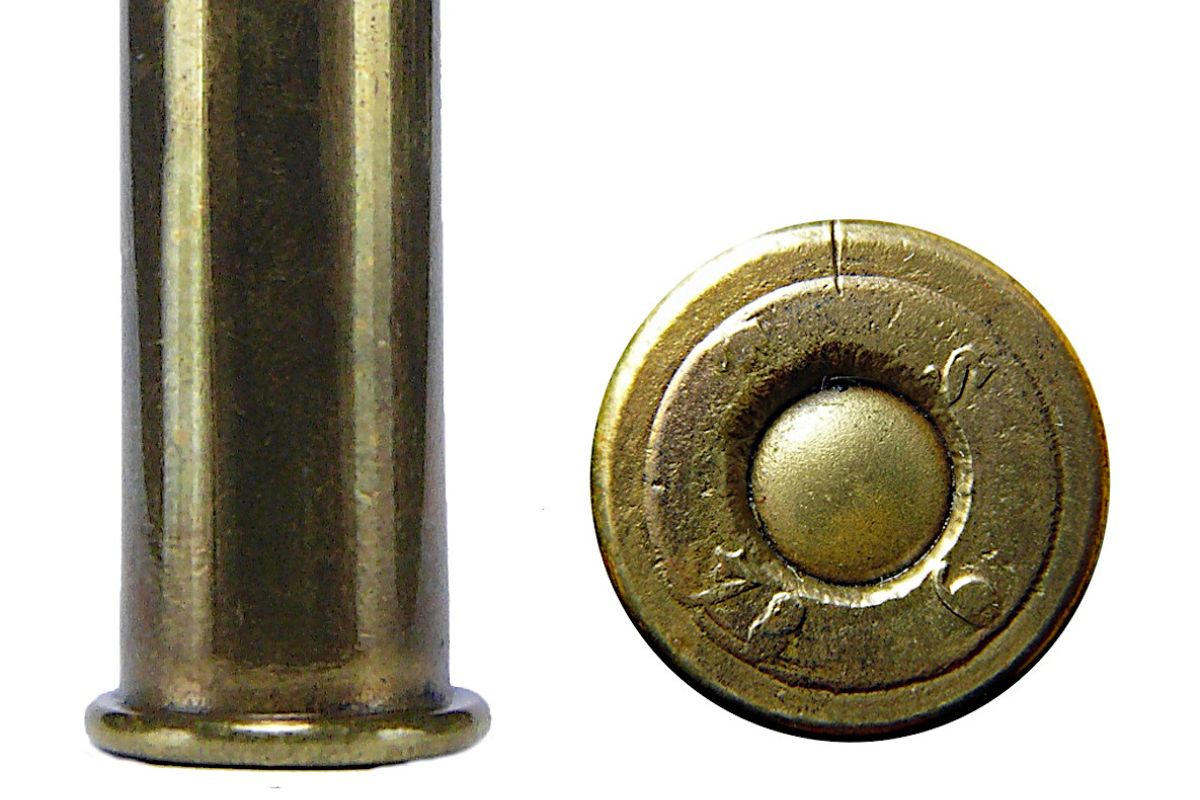
The rifle spread because Remington could tailor it to different military requirements. Customers ordered distinct barrel lengths, sights, stocks, bayonet fittings, and chamberings rather than being forced into one universal specification. Military examples appeared in cartridges such as .43 Spanish and .43 Egyptian, while other national patterns used their own black-powder rounds. This flexibility reduced the need for governments to abandon familiar ammunition systems immediately. It also allowed Remington to serve countries with different budgets and logistical arrangements, making the Rolling Block a family of related rifles rather than a single fixed model.
6. Simple Single-Shot Operation Appealed to Military Buyers
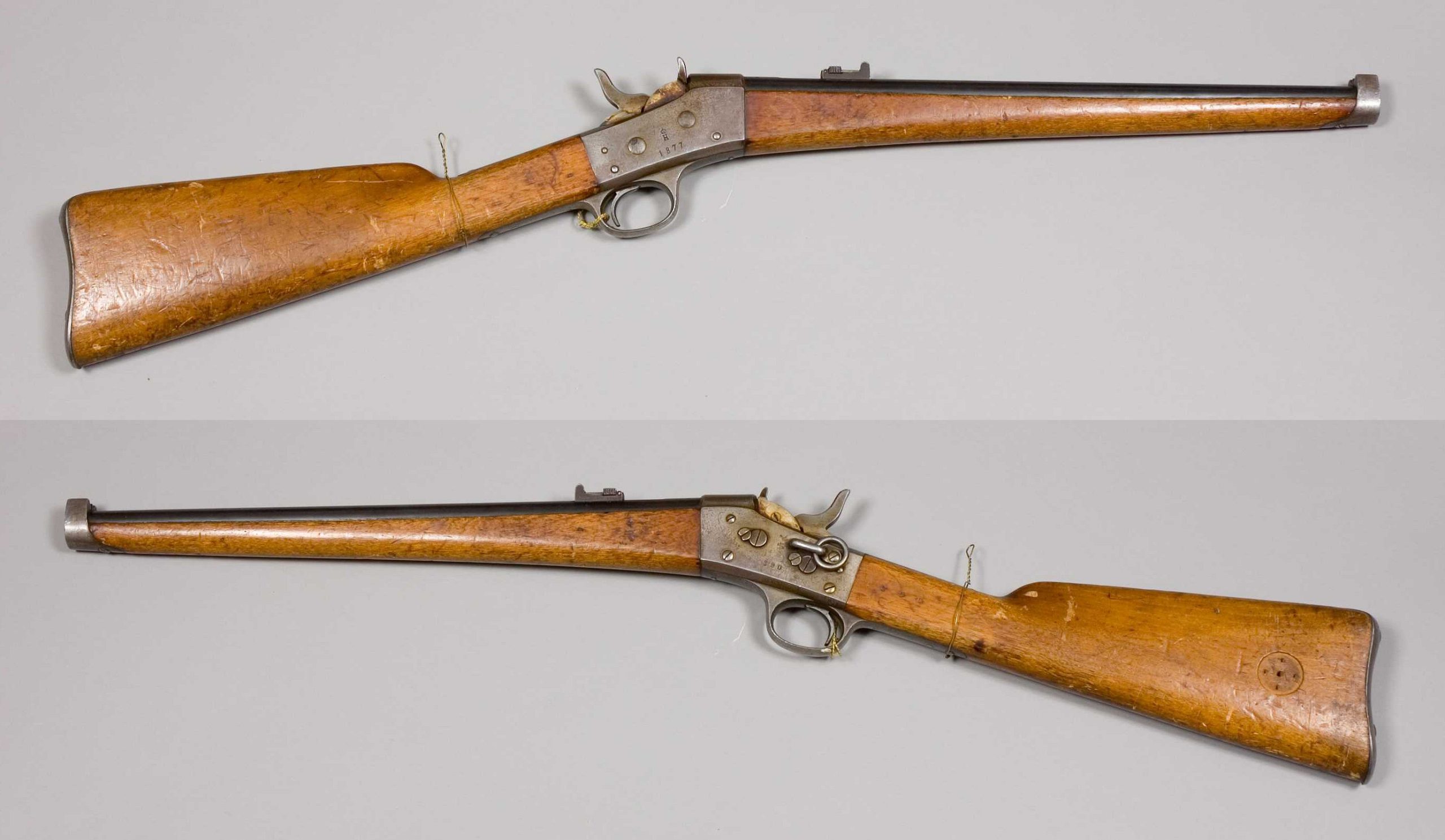
Single-shot operation was not automatically a disadvantage in the 1860s and 1870s. Many armies were still moving from muzzleloaders and valued a dependable breechloader more than a complicated magazine system. A soldier could load a metallic cartridge directly into the chamber, while officers could train troops on a relatively uncomplicated sequence. The design did not offer rapid repeat fire, and the shooter had to reload after every shot, but it was a substantial practical improvement over older muzzleloading arms. For governments modernizing large forces on limited budgets, that balance made commercial and military sense. Reliability mattered more than firepower.
7. Sporting and Civilian Versions Expanded Its Market
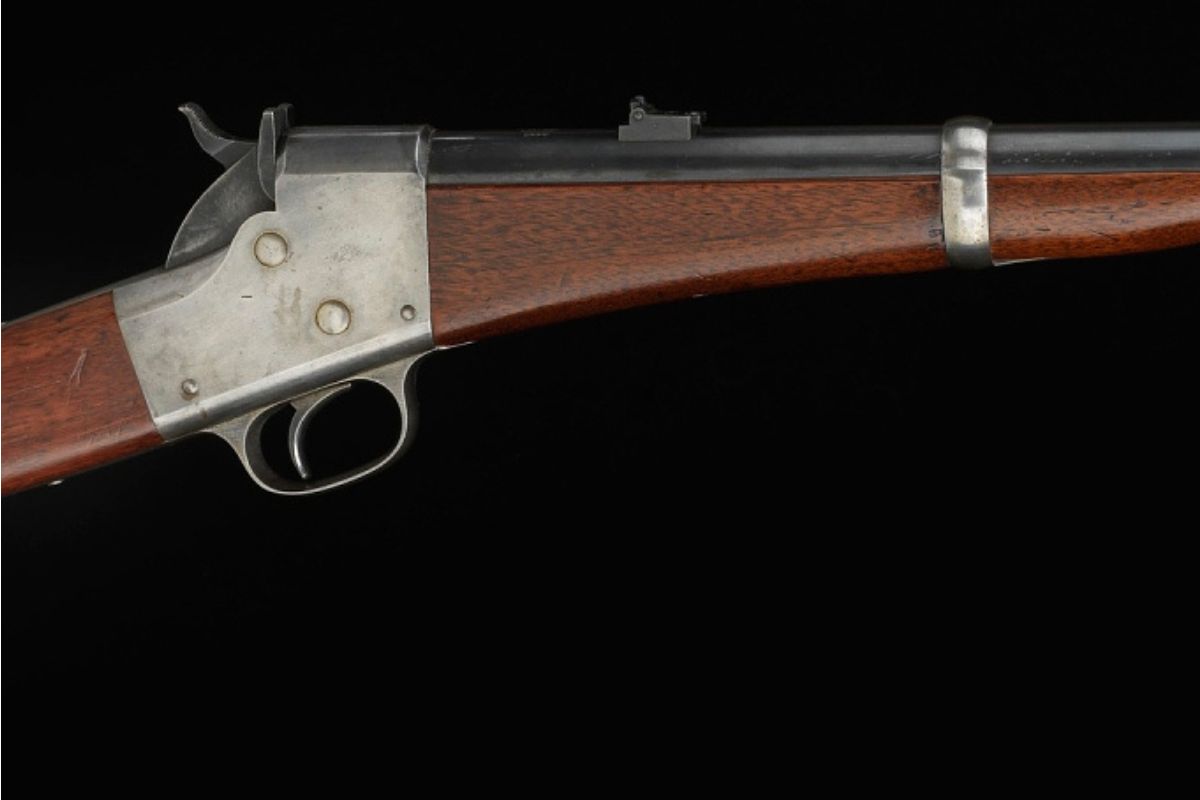
Remington also sold the action beyond infantry service. The company produced carbines, sporting rifles, target models, and smaller versions, giving the mechanism a life in several markets. Sporting rifles could be ordered in varied barrel styles and calibers, while compact models served recreational shooters and young users. The No. 1 sporting rifle, for example, appeared in .45-70, and the smaller No. 4 was later offered in rimfire chamberings. This range broadened the customer base: military contracts introduced the action to the world, but civilian sales helped keep the design familiar long after armies moved on. It appealed to collectors and hunters.
8. Licensed Production Helped It Reach More Continents
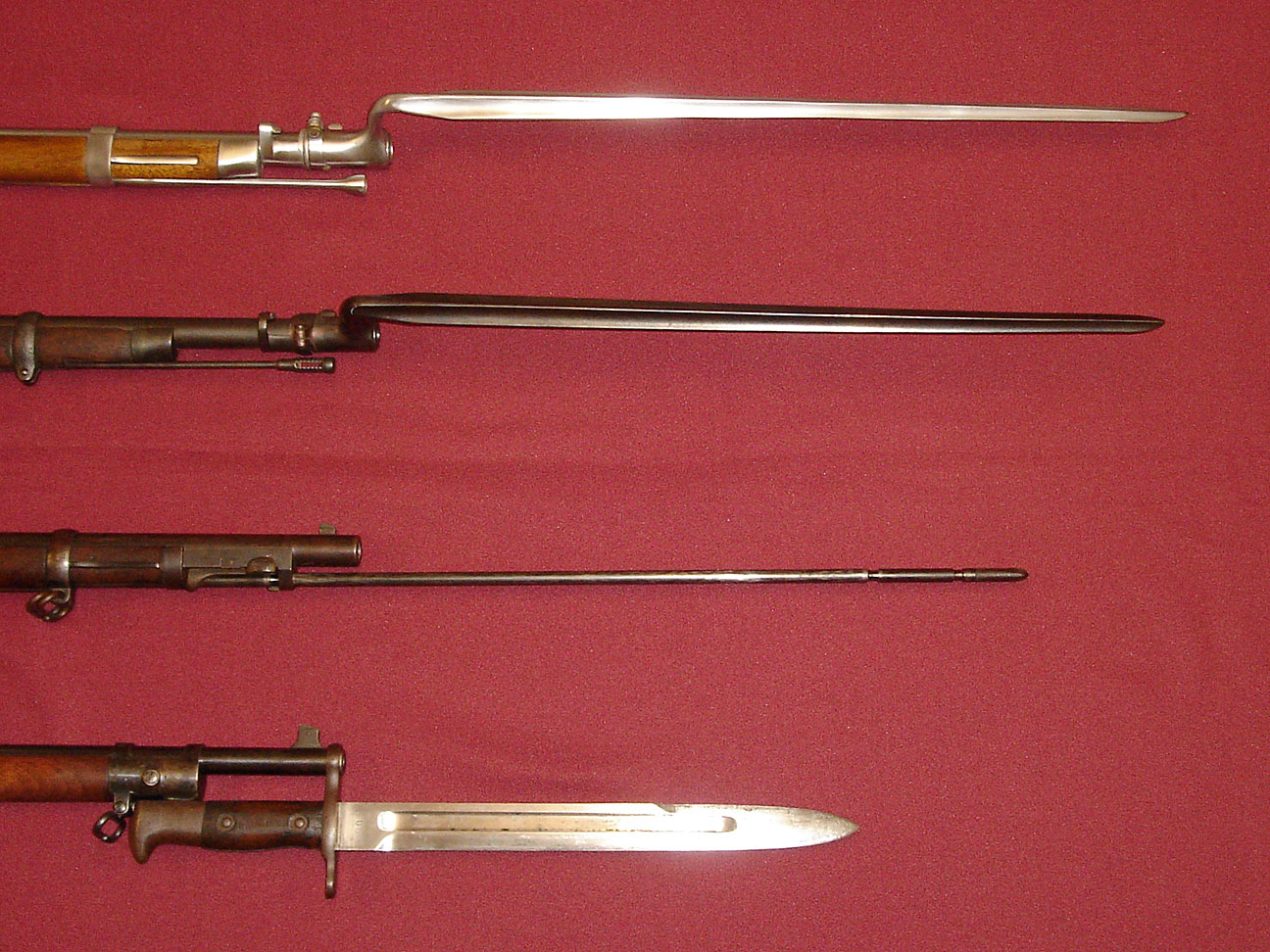
The Rolling Block’s reach was amplified by licensed and government production, not just rifles shipped from New York. Sweden, Norway, and Denmark manufactured national versions, while other countries bought arms directly or obtained patterns suited to local production. Such arrangements helped standardize parts and sustain service over many years. The Remington Society estimates that foreign contracts had exceeded 1.5 million rifles by the beginning of the 20th century. That scale explains why examples turn up across so many national collections: the rifle became an international system, with local variants and long service histories. Local manufacture helped sustain supply.
9. Its Military Service Continued Into the 20th Century
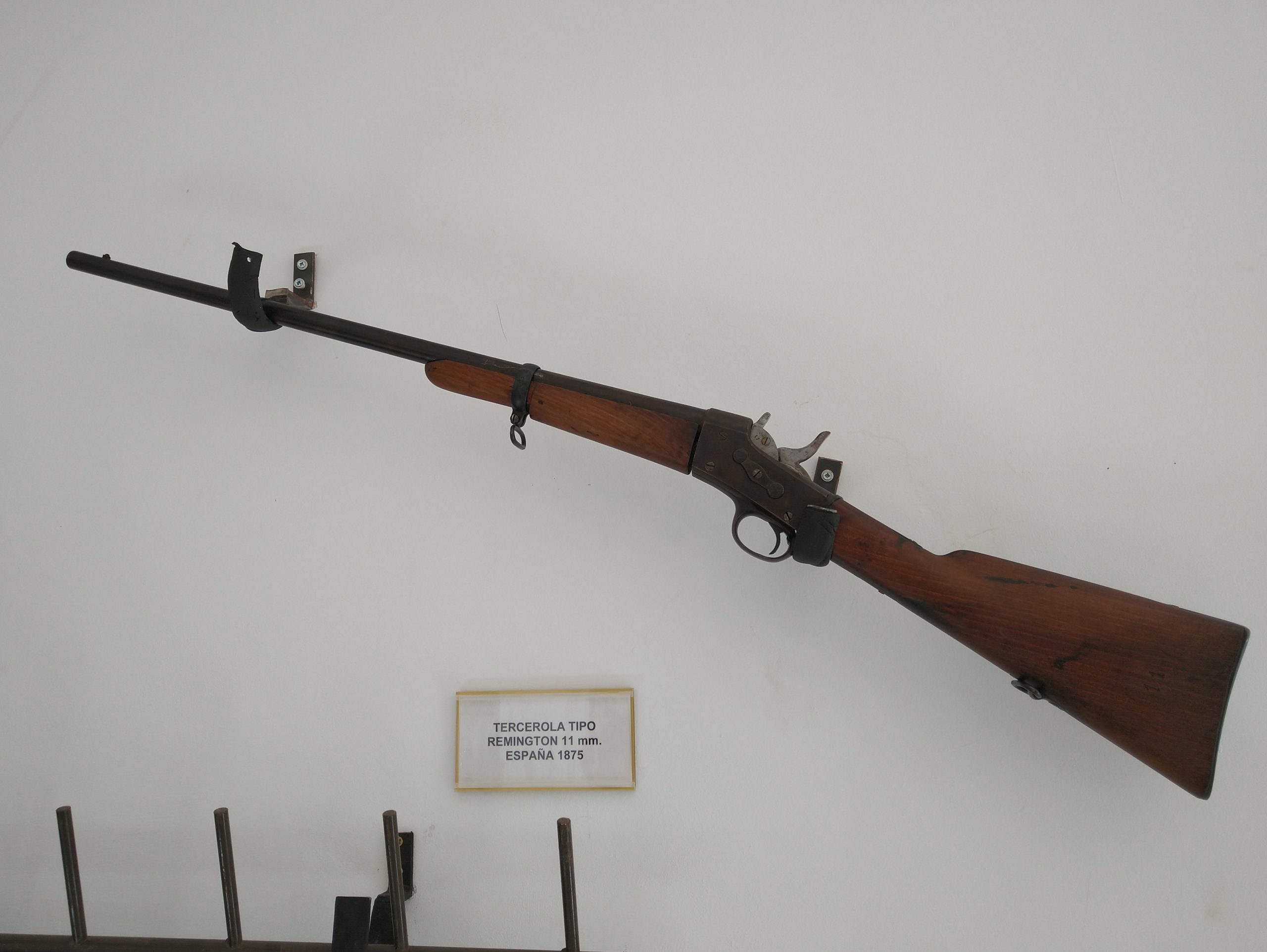
Even after repeating rifles and smokeless-powder ammunition changed military expectations, the Rolling Block did not disappear overnight. Some countries retained older rifles for reserve, militia, training, or secondary duties, and Remington adapted the design for newer cartridges. During the First World War, France ordered 100,000 modified Rolling Blocks in 8×50mmR for support troops, showing that a single-shot design could still fill a limited role when armies needed additional arms. Its long afterlife was not proof that it outperformed modern repeaters; it reflected durability, existing stocks, and the practical value of using a familiar rifle.