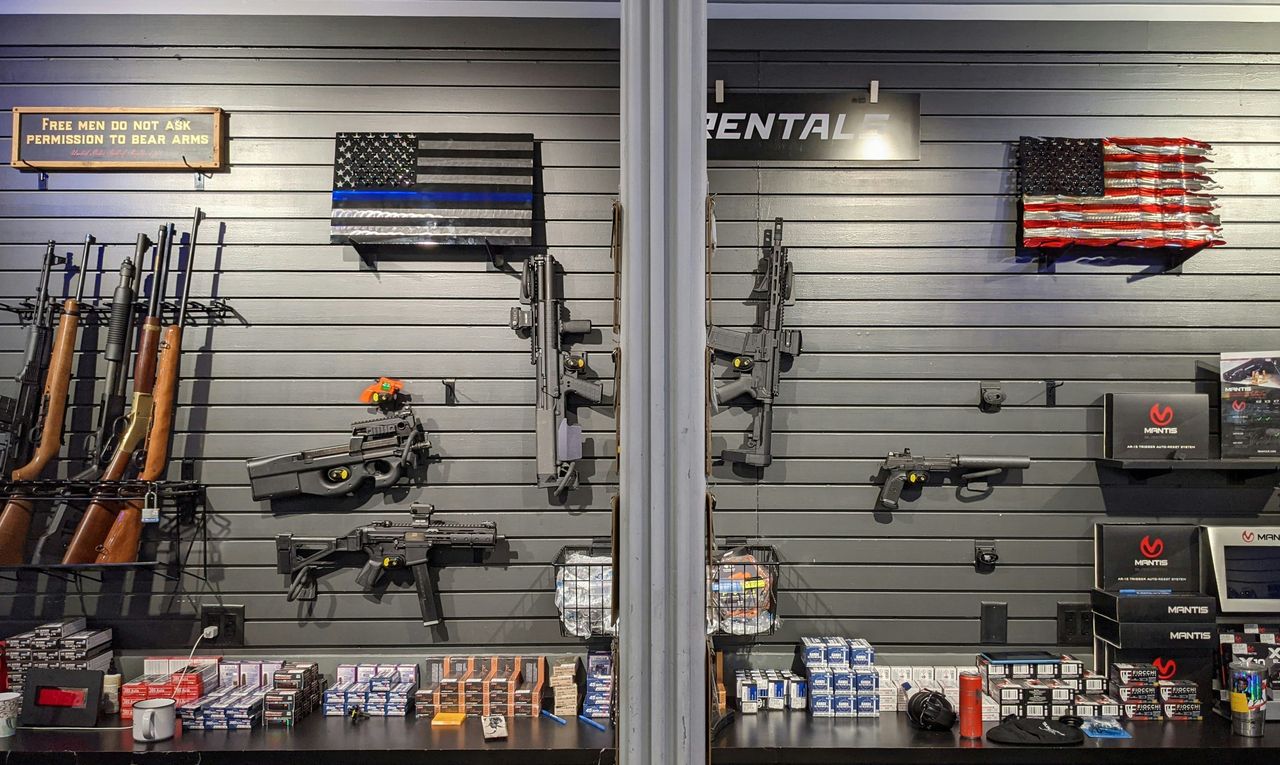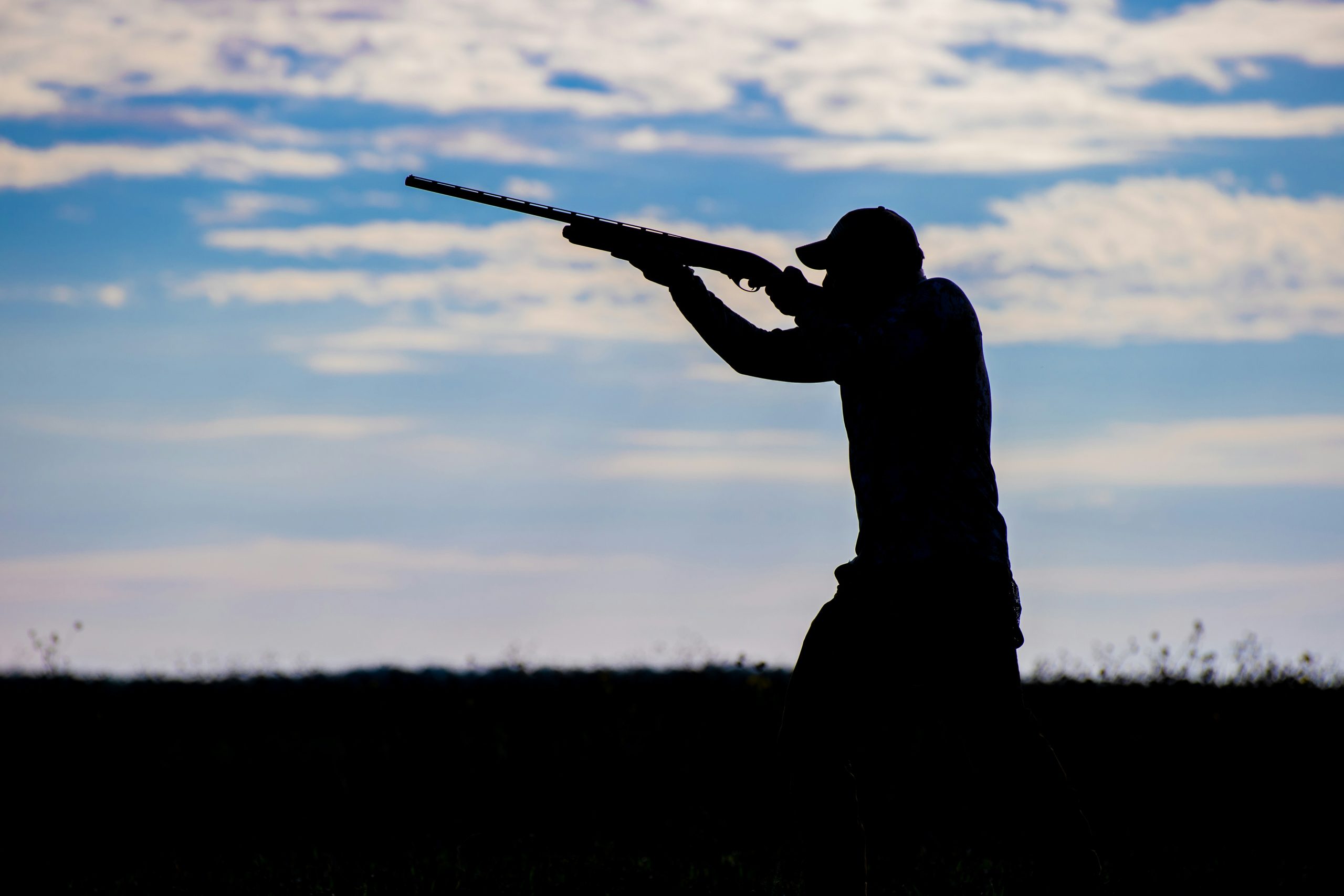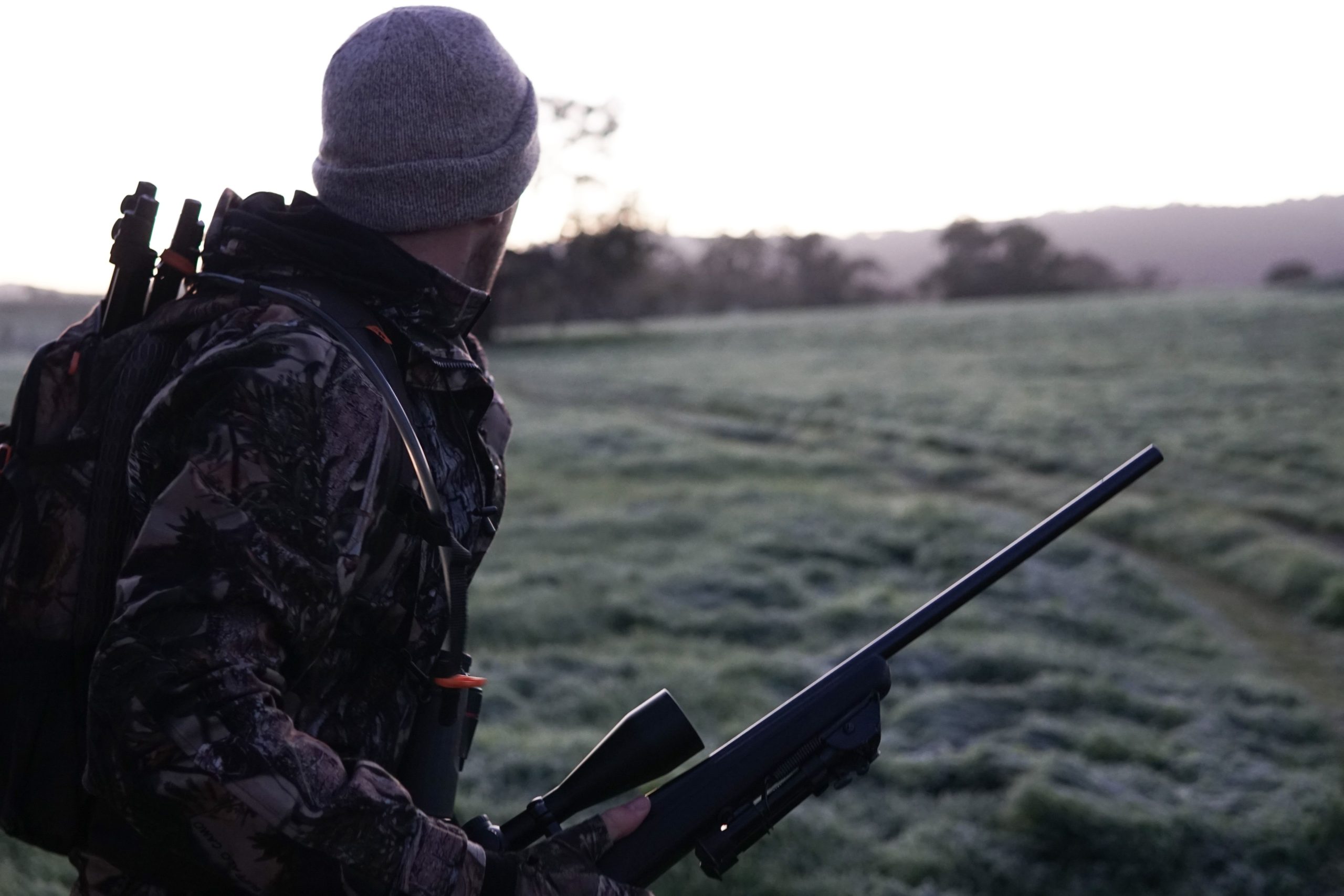
Shotguns may share the same basic operating principles, yet the models chosen by serious competitors and hunters can feel worlds apart. The reason is simple: each activity rewards a different combination of weight, balance, fit, durability, handling, and versatility. A competition shooter may fire hundreds of shells in a day, while a hunter might carry the same gun for hours before taking only a few shots. Those contrasting demands shape nearly every major design decision.
1. Round Count Changes Everything
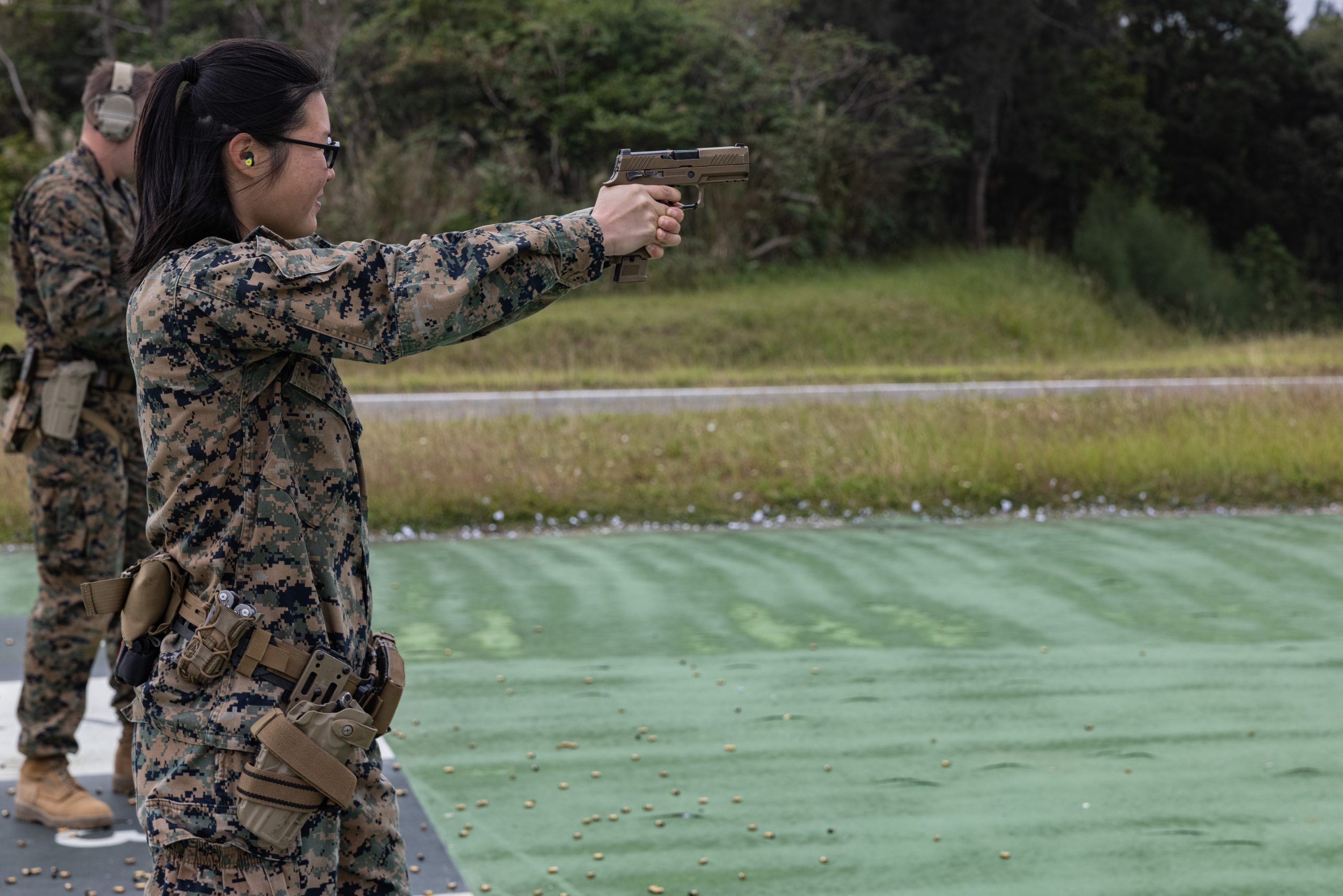
Competition shooters build around repetition, while hunters build around mobility. A tournament gun may be fired hundreds of times in one session, so extra weight, robust construction, and recoil control become valuable. A field gun instead, has to stay comfortable while carried for hours and moved through brush, boats, or open ground. For example, a sporting gun may weigh about 7.5 to 8.5 pounds, while a lighter field model can be closer to 6 to 7 pounds. The priorities are different because the jobs are different. That is why a purpose-built gun can outperform a supposedly universal model.
2. Barrel Length Shapes Handling
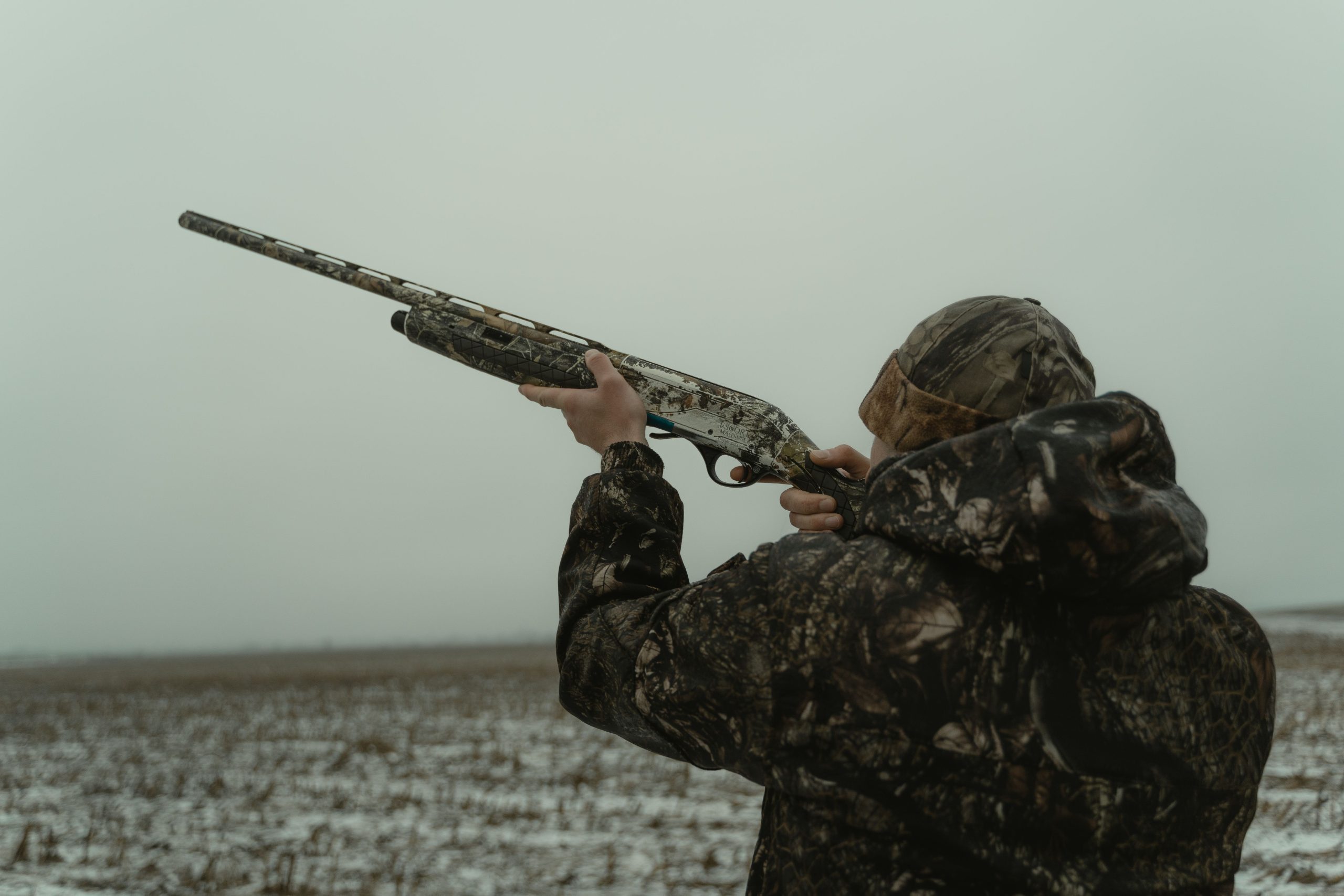
Barrel length reveals the difference in purpose. Competitive shooters often favor 28- to 32-inch barrels because the added length can produce a smooth, controlled swing and a stable feel on crossing targets. Hunters may prefer shorter barrels when walking through thick cover or moving quickly between birds. A 30-inch competition barrel can feel deliberate and steady, while a26-6 o28-inchch field barrel can feel quicker in confined spaces. Neither is universally better; the terrain and target presentation decide. Barrel length is a trade-off, not a scorecard.
3. Stock Fit Becomes More Precise
Gun fit becomes almost obsessive in competition because the same mount must be repeated hundreds of times. 32-inch barrels, cast, length of pull, and butt hardware let competitors fine-tune how the shotgun sits against the face and shoulder. Hunters generally need a more forgiving setup because clothing, weather, and shooting positions change. A competition stock may be adjusted in several di26-nsio28-inchle a field stock may offer only limited adjustment. The goal remains the same: consistent alignment without forcing the shooter into an unnatural position.
4. Choke Choices Follow the Target
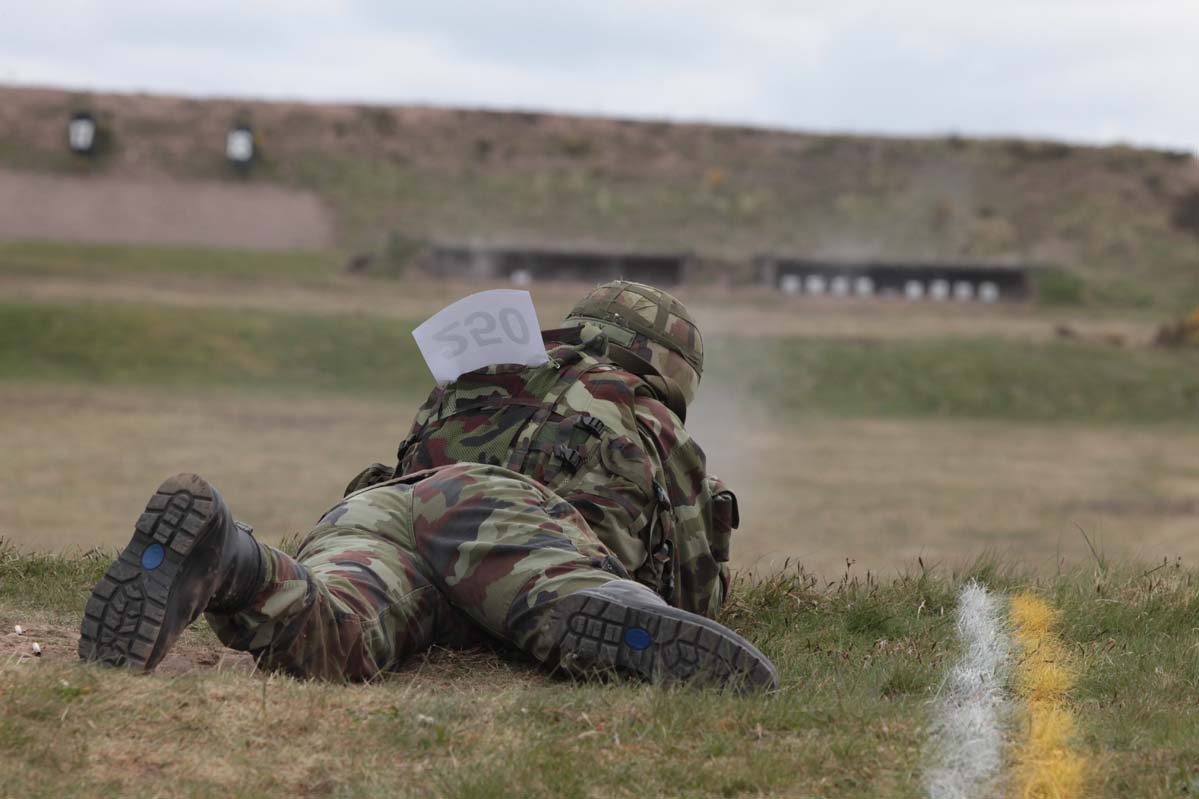
Chokes are another major dividing line. A sporting shooter may carry several interchangeable tubes because clay targets can appear at very different distances and angles during one course. Hunters choose constriction around the game, range, ammunition, and local conditions. Common choke steps include Cylinder, Improved Cylinder, Modified, Improved Modified, and Full, each changing the pattern density. A hunter might settle on one practical combination for a species, while a competitor may change tubes between layouts. Pattern testing matters more than simply choosing the tightest option.
5. Recoil Matters More With High Volume
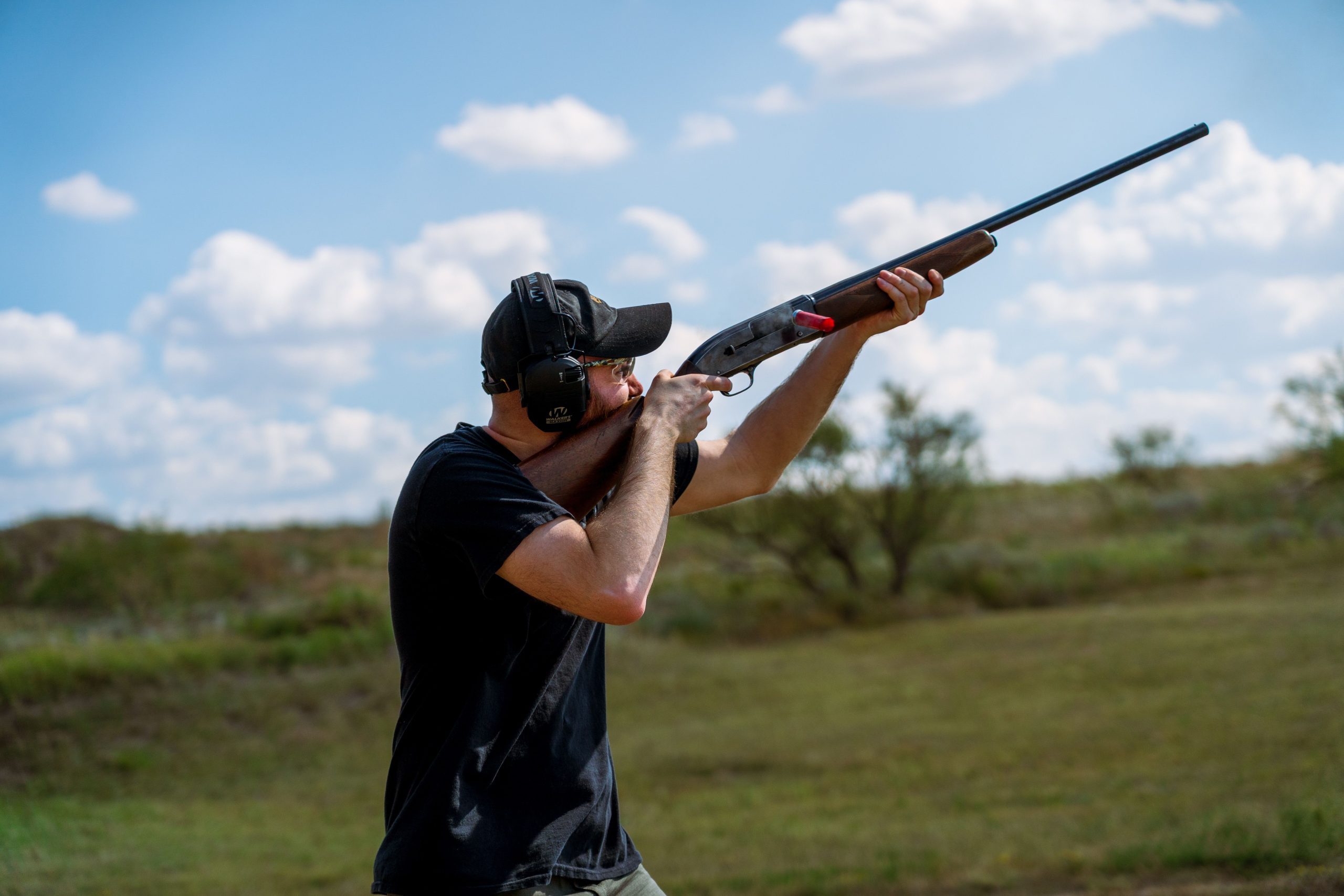
Recoil changes the equation because competitors shoot far more frequently than most hunters. A clay shooter can fire 100 or more shells during a practice or competition session, making balance, gun weight, stock fit, and recoil-pad design important comfort factors. A hunter may fire only a handful of shots on a successful outing, so carrying weight can matter more than long-session fatigue. For example, an extra 1 to 2 pounds may be acceptable on a competition gun but burdensome during a long upland walk. Different workloads create different ideal designs.
6. Balance Controls the Swing
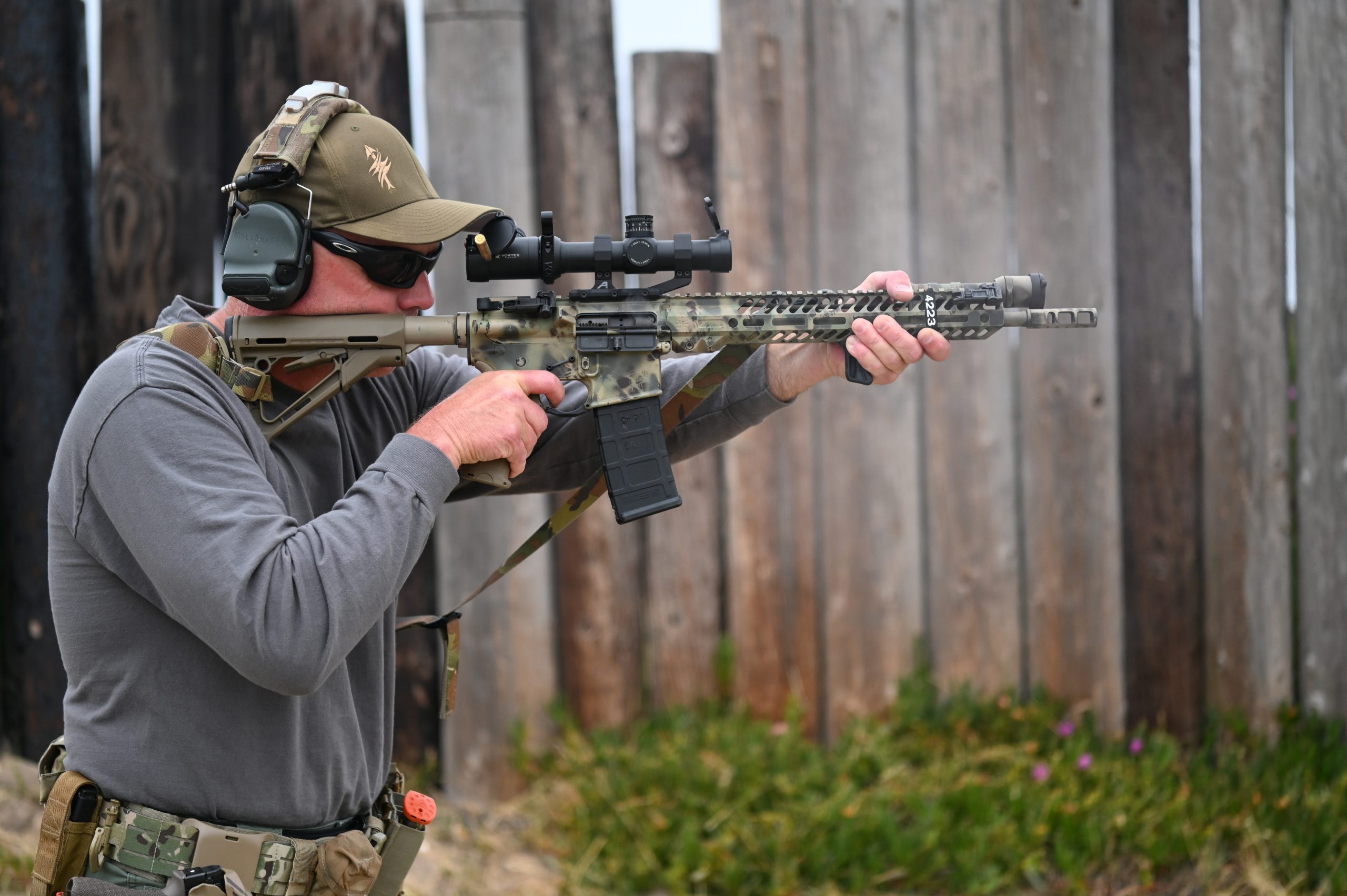
Balance affects how a shotgun starts, stops, and changes direction. Competition guns are often designed to feel stable during repeated swings, with weight distributed so the muzzle does not become overly lively. Hunters may prefer a quicker, more responsive feel because a bird can appear suddenly between trees or across a hedgerow. A 30-inch, heavier sporting gun can encourage a smooth follow-through, whereas a lighter 26- or 28-inch field gun may feel faster to mount. The best balance is personal, but the intended task strongly shapes the choice.
7. Action Type Matches the Pace
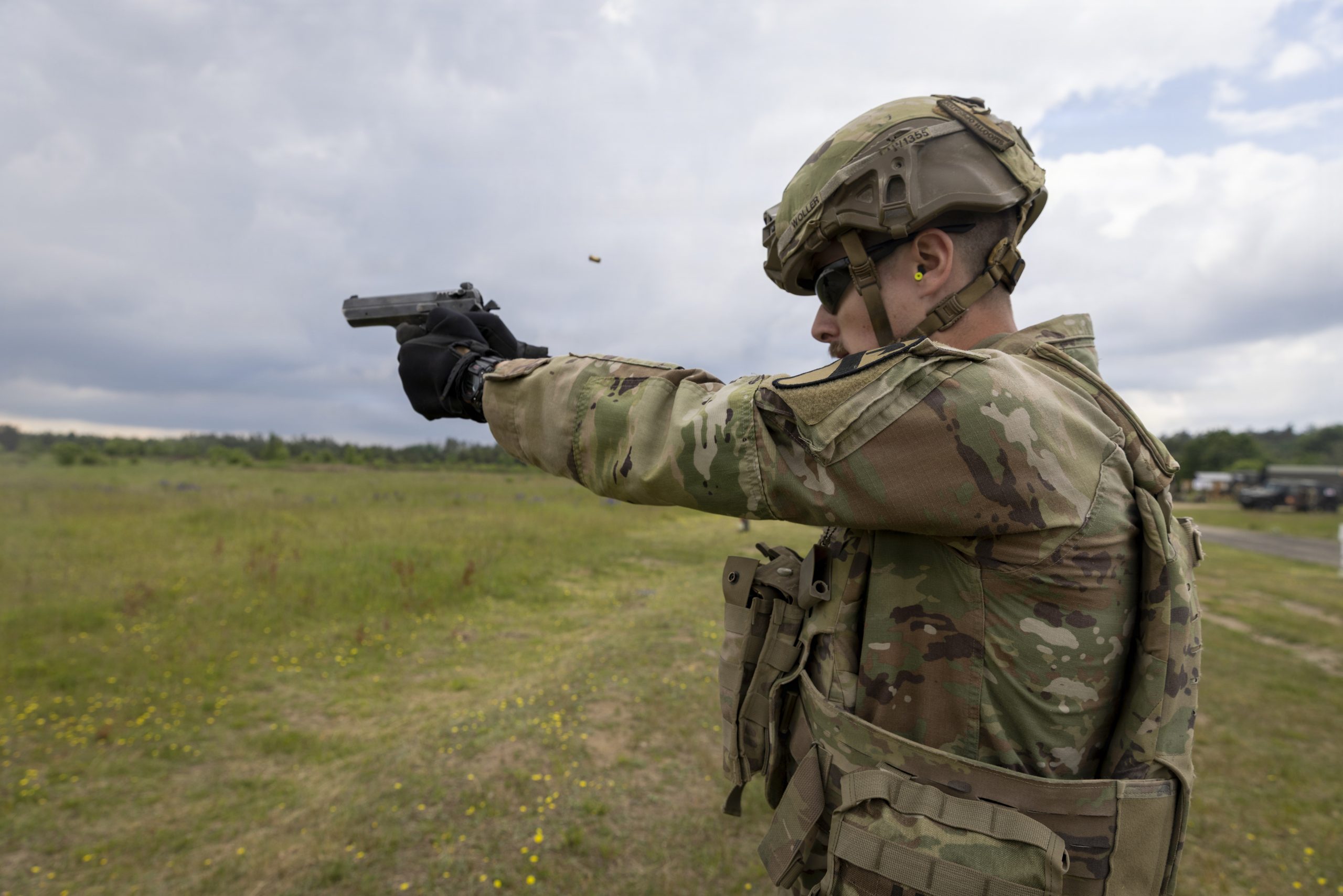
Action type also reflects the job. Over-under shotguns dominate many clay disciplines because they provide two barrels, straightforward operation, and a compact profile. Hunters may choose over-unders, side-by-sides, pumps, or semi-automatics depending on species, terrain, and personal preference. A break-open gun can make its empty condition easy to verify between stations, while a semi-automatic can offer reduced felt recoil and another shot witho26- man28-inchycling the action. The key distinction is not fashion; it is how each action supports the pace and rules of the activity.
8. Durability Depends on Round Count
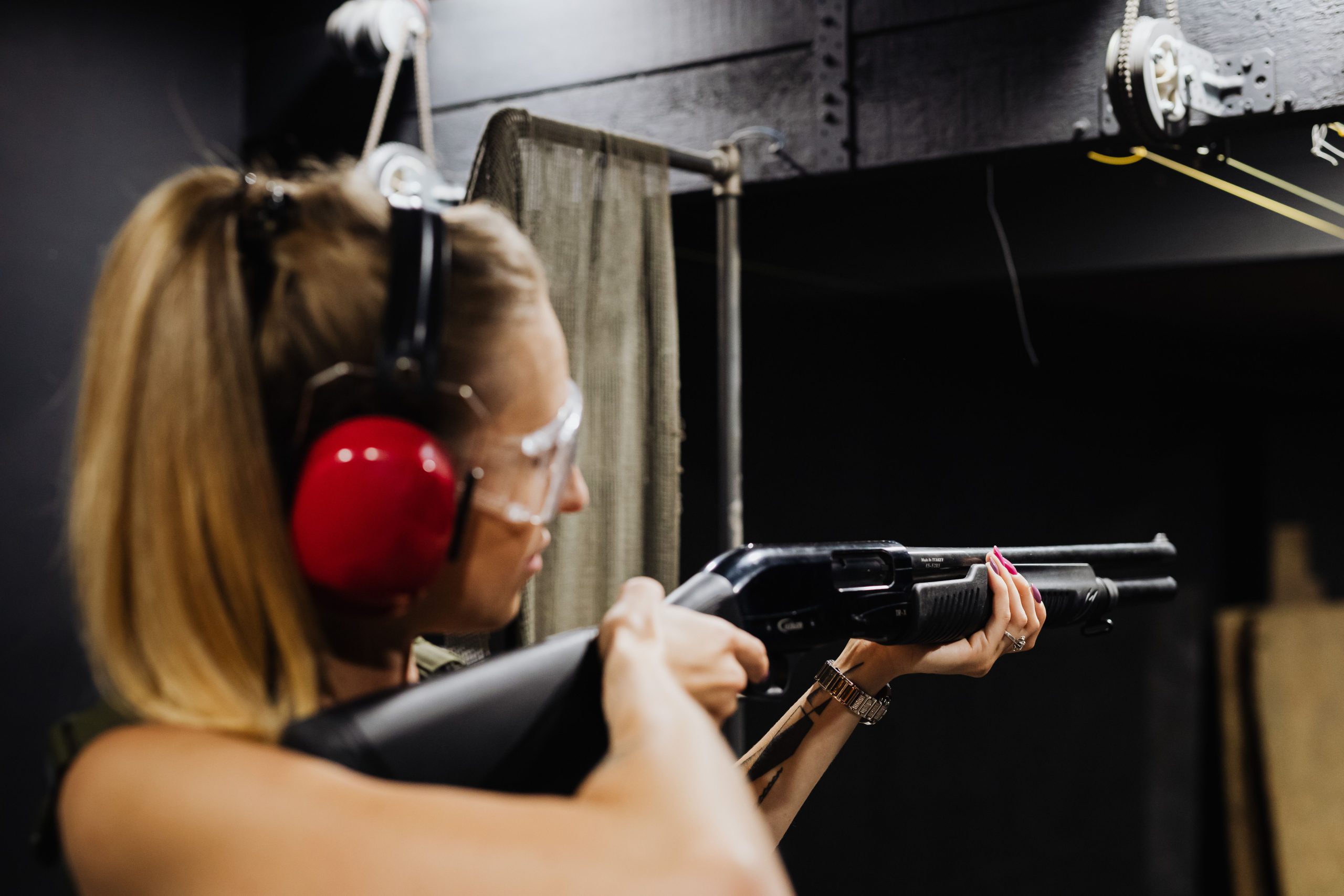
Durability means something different when a shotgun is used competitively. A serious clay shooter may accumulate thousands or even tens of thousands of rounds in a year, so wear resistance, serviceability, and consistent lockup matter greatly. A hunter usually measures durability across seasons rather than daily round counts. That can make a rugged, high-round-count competition gun unnecessarily heavy for occasional field use. Conversely, a very light hunting gun may become tiring or less comfortable during a 200-target event. Usage volume changes what quality really needs to mean.
9. Success Is Measured Differently
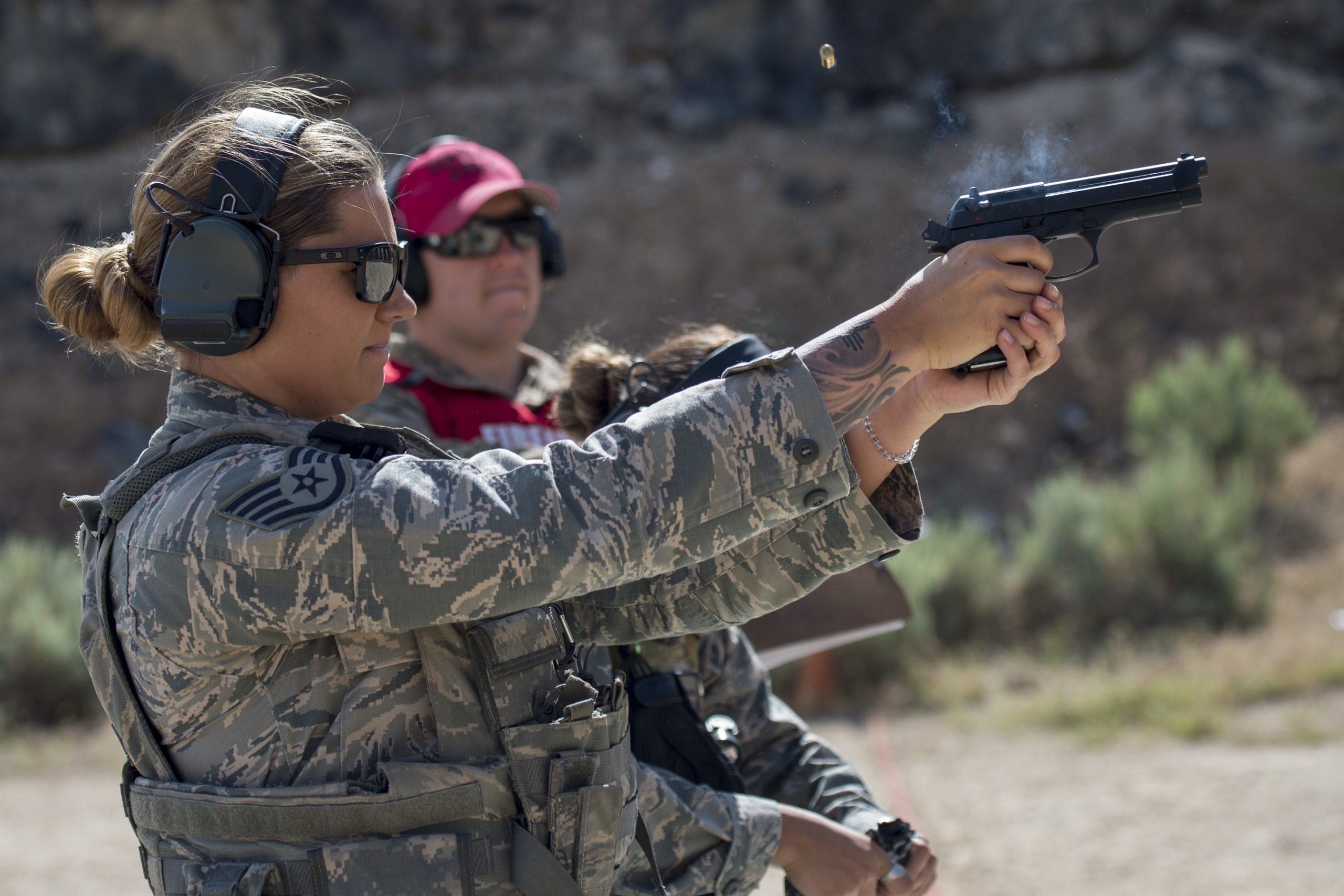
Finally, hunters and competitors measure success differently. A hunter needs a shotgun that carries well, functions reliably in changing weather, matches legal ammunition and choke requirements, and complements the game being pursued. A competitor needs repeatable handling under strict rules, predictable patterns, and a setup that remains comfortable through long strings of targets. One may walk several miles and fire 5 shots; another may stand at a station and fire 100. Those numbers explain why two excellent shotguns can feel completely wrong when swapped between roles.