Some hunting rifles outlive the companies that created them. Factories close, ownership changes, famous names disappear, and once-independent gunmakers become brands under entirely different businesses. Yet their rifles can remain highly recognizable decades later. From British sporting rifles built around unusual actions to American classics that survived corporate upheaval, these nine examples reveal how strongly a rifle’s reputation can outlast the company stamped on its receiver.
1. Parker-Hale M85
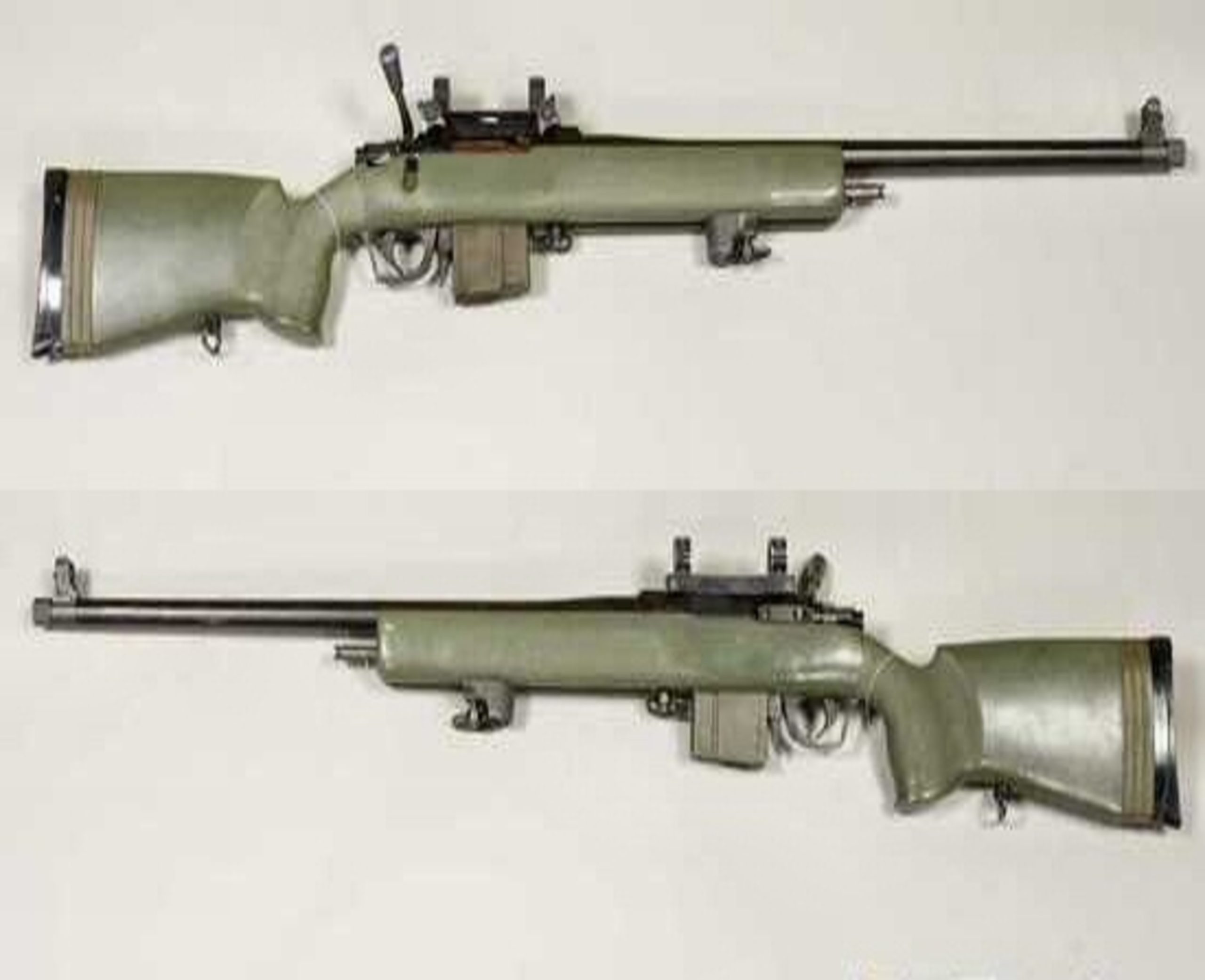
The Parker-Hale M85 is a striking example of a sporting rifle from a company that no longer builds rifles. Developed in Britain during the 1980s, it used a bolt-action layout and was offered in hunting-oriented chamberings as well as a military-trial configuration. Its importance goes beyond looks: the M85 entered British trials for a new sniper rifle and competed against designs including the Accuracy International PM. Parker-Hale ultimately lost that contest, but the rifle’s engineering pedigree kept it respected among shooters. Rifle production ended after the company changed hands in 2000, while the Parker-Hale name survived mainly on gun-care products and accessories.
2. BSA Majestic

The BSA Majestic shows how a major engineering company once turned its attention to sporting rifles. Birmingham Small Arms built the bolt-action Majestic as a refined hunting rifle, with different action lengths matched to cartridge families. Period material advertised a featherweight version at 6¼ pounds or less, along with an adjustable trigger and a cocking indicator. Chamberings included useful hunting rounds such as .222, .243, .308 Winchester, .30-06 Springfield and .458 Winchester Magnum across the wider BSA sporting range. BSA no longer produces these classic centrefire rifles, making surviving Majestics a window into Britain’s postwar sporting-gun industry.
3. BSA CF2
BSA’s CF2 was a later chapter in the company’s sporting-rifle story and a simpler design than the earlier Majestic. It was a conventional bolt-action hunting rifle built for practical use rather than elaborate decoration, and examples appeared in popular cartridges including .243 Winchester, .270 Winchester, .308 Winchester and .30-06 Springfield. The move to a push-feed action reflected a broader effort to simplify manufacture while retaining a solid hunting platform. BSA’s centrefire rifle production eventually disappeared as the company’s firearms business changed, leaving the CF2 as a distinctly British alternative to the mass-market rifles that dominated the period.
4. W.J. Jeffery .404
The W.J. Jeffery story is unusual because the famous London name was closely associated with rifles and cartridges, yet much of the actual rifle making was performed by Birmingham trade gunmakers. The firm introduced the .404 Jeffery in 1905, creating a rimless big-game cartridge that could deliver roughly 2,150 feet per second with a 400-grain bullet in its original loading. Jeffery rifles were commonly built on Mauser actions and became associated with African dangerous-game hunting. The original W.J. Jeffery company is long gone, although the name has since been revived, so vintage Jeffery rifles remain collectibles rather than products of the original firm.
5. E.M. Reilly Sporting Rifles

E.M. Reilly of London built a remarkable range of sporting firearms during the nineteenth century, including rifles intended for serious hunting. Reilly’s surviving rifles can be found in single-shot, double-rifle and other period configurations, reflecting an era when British makers tailored arms to particular sportsmen and cartridges. The company’s name appeared on guns made through London and Birmingham trade networks, so a Reilly-marked rifle does not automatically mean every component came from one factory. E.M. Reilly ultimately disappeared as a gunmaking business, leaving its sporting rifles as historical artifacts from Britain’s intensely competitive nineteenth-century gun trade.
6. Charles Lancaster Sporting Rifles
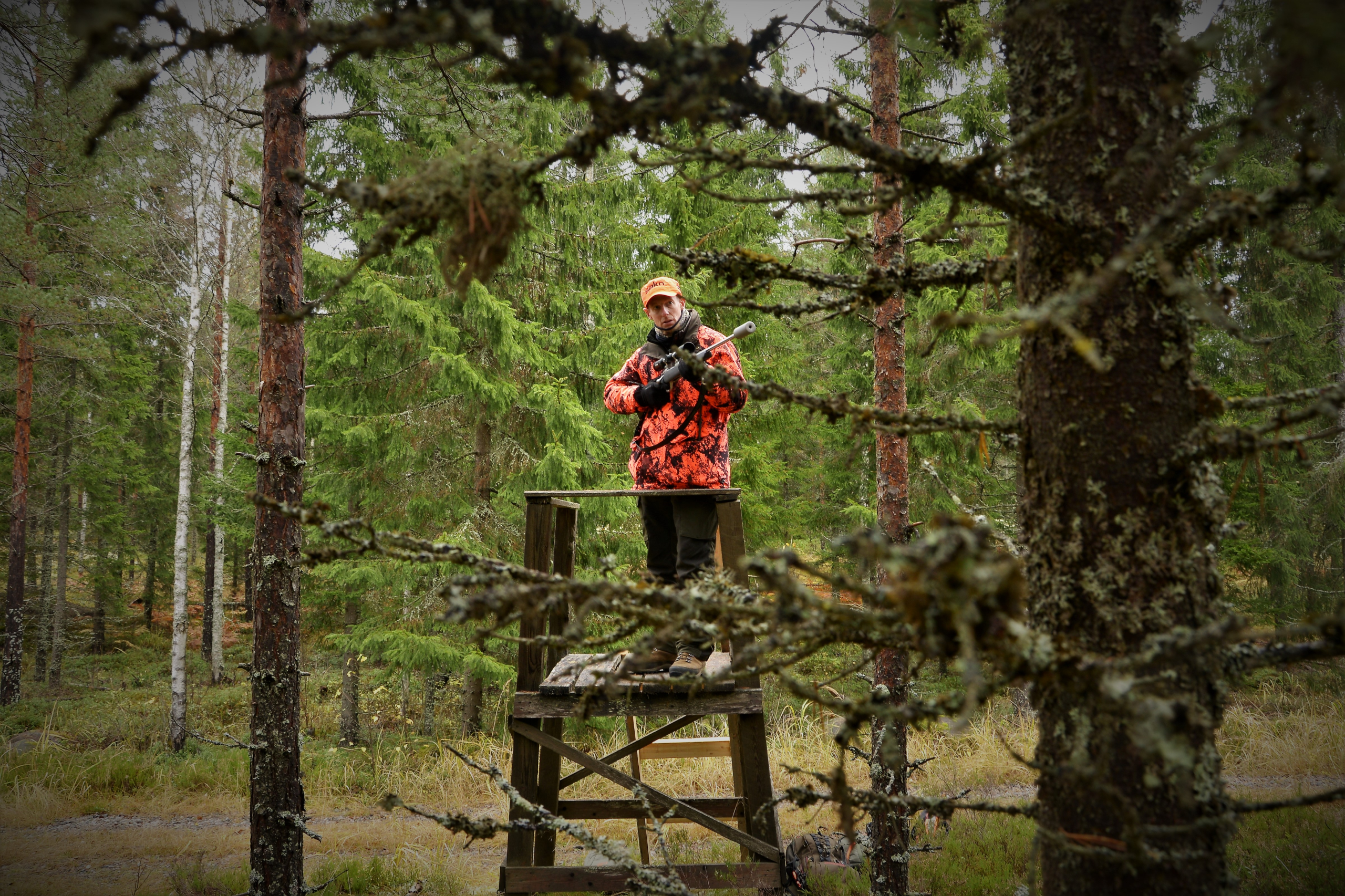
Charles Lancaster became famous for unusual barrel and rifling ideas, and his sporting rifles show why Victorian gunmakers could rival the ingenuity of modern engineering. Lancaster developed his oval-bore system in the nineteenth century, using a barrel profile that differed radically from conventional lands-and-grooves rifling. The firm produced sporting and big-game rifles, including notable double rifles, for a demanding British market. Lancaster’s original gunmaking business eventually disappeared, so its rifles today are valued chiefly for historical design and craftsmanship. Their appeal lies less in modern practicality than in showing how experimental British gunmaking could be.
7. Alex Henry Sporting Rifle
Alex Henry was a Scottish gunmaker whose name became associated with finely made sporting rifles, particularly falling-block and single-shot designs. His rifles suited the stalking culture of nineteenth-century Britain, when accuracy, careful fitting and elegant stocks mattered as much as rapid fire. Henry also developed distinctive rifling and action concepts, helping his rifles earn a reputation among knowledgeable sportsmen. The original Alex Henry business did not survive as a modern production rifle company. Surviving examples are therefore historical sporting arms, valued for their engineering, workmanship, rarity and connection to the competitive British gun trade that produced them.
8. Remington Model 700
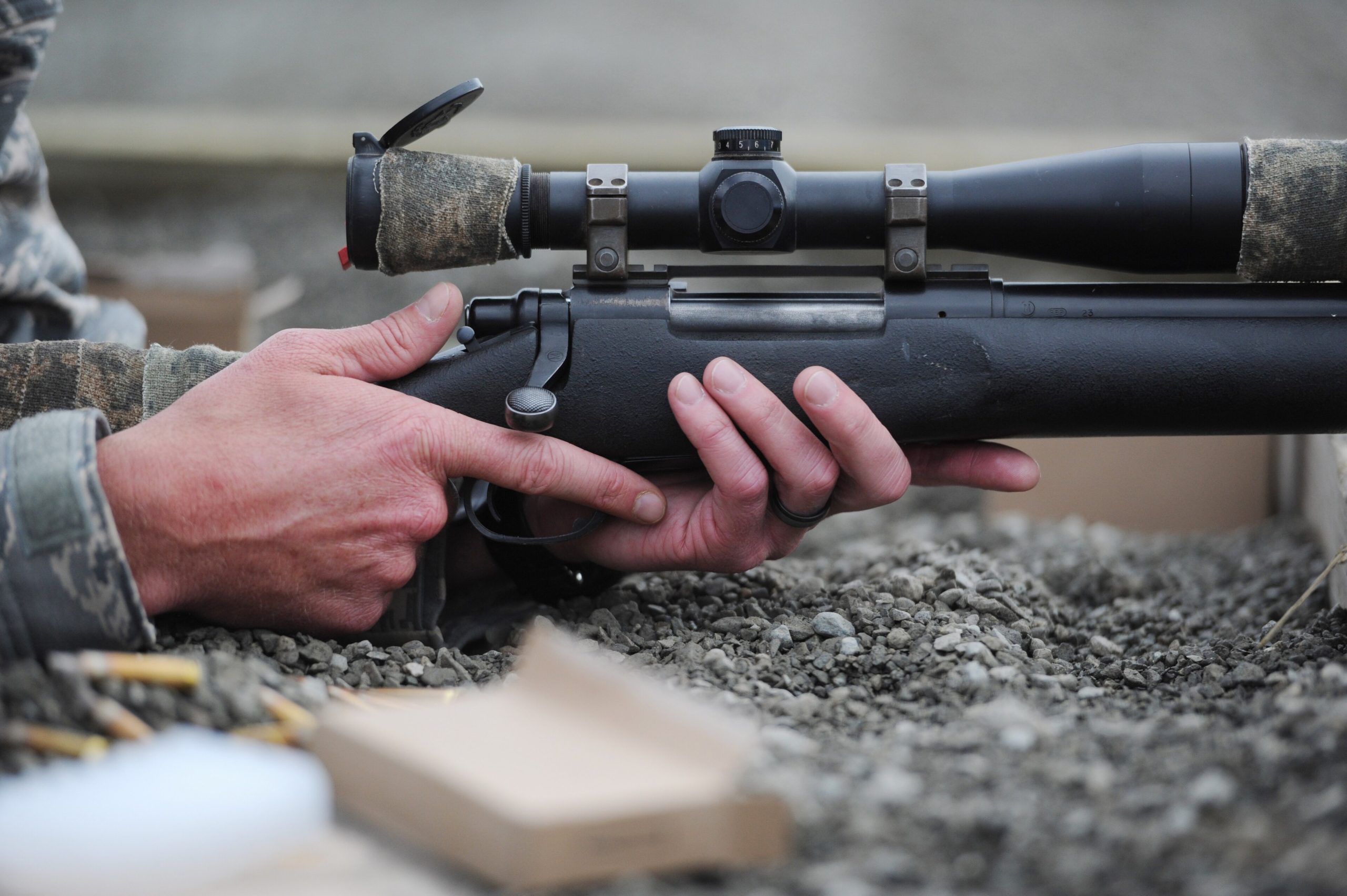
The Remington Model 700 is one of the clearest cases where the original company vanished, but its rifle design survived. Remington introduced the bolt-action Model 700 in 1962, and it became a major sporting platform for deer, elk, and other hunting applications. Its cylindrical receiver and push-feed action helped make the design adaptable to many chamberings and stock configurations. Remington Arms itself went through bankruptcy and ceased to exist in its old corporate form in 2020, with assets divided among successors. Modern Remington-branded firearms therefore come from successor businesses, not the original company that launched the Model 700.
9. Marlin 336
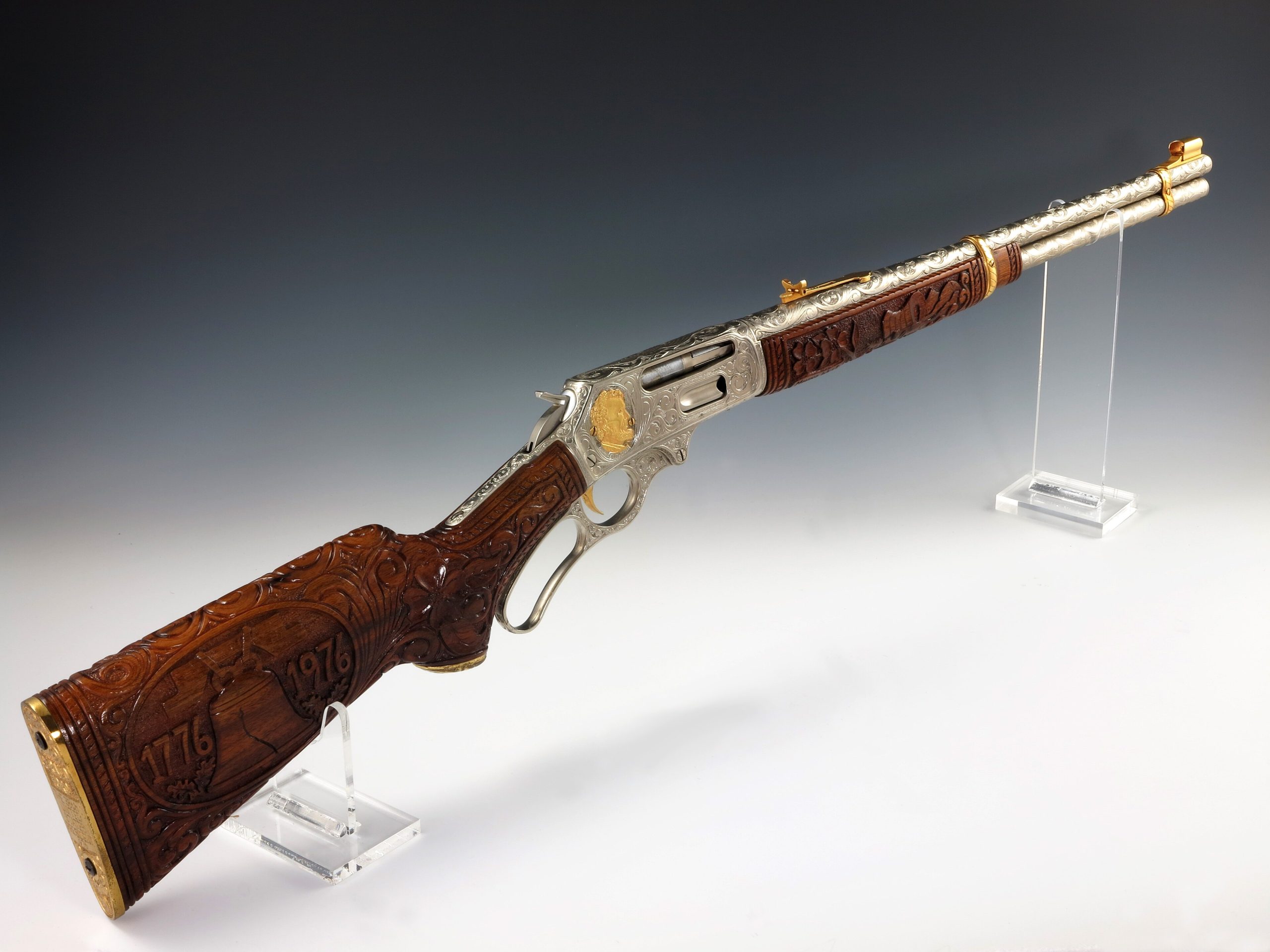
The Marlin 336 became a classic American deer rifle after its introduction in 1948, especially in .30-30 Winchester. Its side-ejecting lever-action layout, solid receiver, and reputation for handy woods carry made it a natural fit for hunting in thick cover. The original Marlin Firearms company eventually passed through corporate ownership changes, and its historic North Haven factory closed after Remington acquired the business. Sturm, Ruger & Co. later acquired the Marlin brand and resumed production, meaning today’s rifles are not made by the independent company that built the original 336 for decades. That corporate journey adds another layer to its collecting appeal.