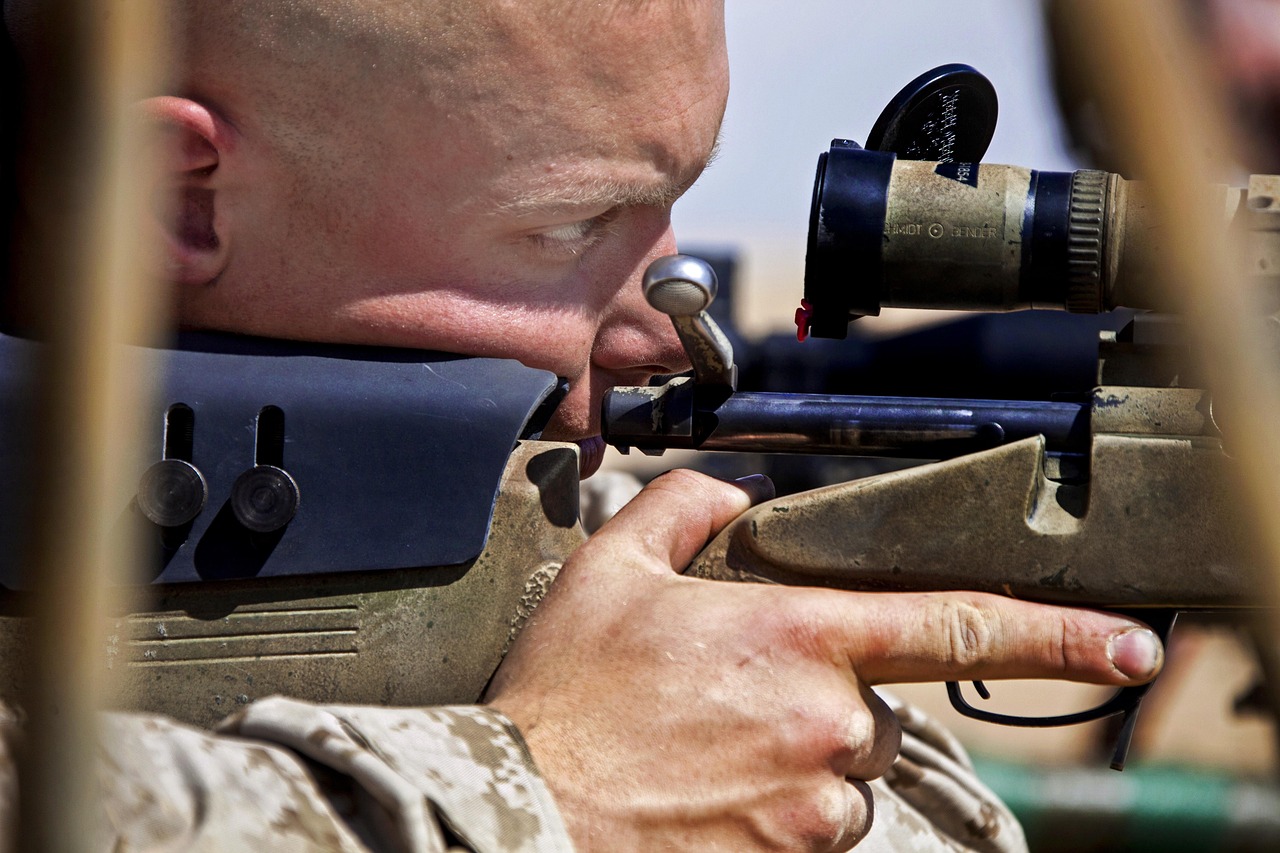
Plenty of newer rifles promise lighter weights, tighter tolerances, and more accessories, yet the Winchester Model 70 keeps showing up in deer camps, elk country, and gun safes with people who know rifles best. Its appeal is not just nostalgia. Serious hunters say the Model 70 still earns its place because it balances reliability, handling, accuracy, and real-world confidence in ways many modern designs still chase.
The controlled-round-feed action inspires trust.

Ask longtime hunters what separates the Model 70 from many newer rifles, and the answer often starts with controlled-round feed. The large claw extractor grabs the cartridge as it rises from the magazine, giving the rifle a reputation for sure feeding that people value when conditions get ugly.
That matters most when the shot is not taken from a bench but in snow, dust, steep country, or under real pressure. Fans of the design say it gives a steadier, more deliberate feel during cycling, and that confidence is a feature no spec sheet can fully measure.
The three-position safety remains a hunter favorite.

The Model 70’s three-position safety is one of those details hunters mention with almost automatic respect. It allows the rifle to be on safe with the bolt locked, on safe with the bolt free to unload, or ready to fire, which gives users practical control without fumbling.
In the field, simple and intuitive tends to win. Serious hunters like being able to unload safely at the truck, on an ATV, or at a fence line without taking the rifle off safe. It is a small mechanical choice that keeps proving its worth year after year.
Its balance feels right in the hands.

Many modern rifles chase low weight above everything else, but hunters who carry a rifle all day often talk about balance more than ounces. The Model 70 has long been praised for a natural, steady feel between the hands, especially in traditional sporter configurations.
That kind of handling shows up when a buck slips through timber, or an elk appears for only a few seconds. A rifle that mounts cleanly and points naturally can feel faster than a lighter one that carries awkwardly. For many shooters, the Model 70 still has that hard-to-define but instantly recognizable field grace.
The accuracy is field-ready, not just bench-ready

The Model 70 built its reputation in an era before social media groups obsessed over tiny groups, yet it has always had a serious following for accuracy. Hunters tend to describe it not as a gimmick rifle, but as one that delivers repeatable, honest precision where it counts.
That distinction matters. A rifle can shoot tiny clusters from a controlled bench and still disappoint in cold weather, from improvised rests, or after miles of hiking. Model 70 supporters say the rifle’s consistency, barrel quality, and practical stock design help it perform in the places animals are actually hunted.
The trigger can be crisp and confidence-building

Triggers are where rifles either feel refined or forgettable, and the Model 70 has long benefited from that comparison. Whether discussing classic versions or later refinements, many hunters say a well-set-up Model 70 trigger breaks cleanly enough to encourage careful shooting without feeling overly delicate.
That kind of trigger does more than tighten groups. It helps a hunter call the shot, stay calm in a fleeting opportunity, and avoid the jerky release that can ruin an otherwise perfect setup. In practical use, confidence at the trigger matters every bit as much as raw mechanical precision.
It has a toughness that hunters have tested for decades.

Some rifles earn reputations in catalogs, while others earn them one season at a time. The Model 70 belongs to the second group. Its standing comes from years of use in rain, mountain cold, rough vehicle rides, saddle scabbards, and camps where gear gets knocked around more than polished.
That long record still matters in a market full of fresh claims. Hunters often trust the Model 70 because they know someone who has used one hard for decades without drama. Durability is not always flashy, but when a trip is expensive and the weather turns bad, it becomes the main selling point.
The classic stock design still works beautifully.

Synthetic stocks, chassis systems, and vertical grips all have their place, but many hunters still prefer the traditional lines associated with the Model 70. The drop, comb shape, and overall geometry were built around real field shooting, not just accessory compatibility.
That is why the rifle keeps appealing to people who hunt from blinds, ridges, timber, and open country all in the same season. It carries comfortably, mounts naturally with a scope, and usually avoids the bulky feeling that can make some modern rifles seem more tactical than practical for hunting.
It comes in chamberings that hunters actually use.

One reason the Model 70 has stayed relevant is that it has long been offered in the cartridges that serious hunters trust most. From deer classics to elk-capable rounds and heavier big-game options, the rifle has usually been available in practical chamberings rather than novelty selections.
That gives it broad usefulness across North America and beyond. Hunters appreciate not having to build a custom rifle to get a proven action paired with a sensible cartridge. In many ways, the Model 70 succeeds by respecting the idea that a hunting rifle should be versatile, familiar, and easy to live with.
The aftermarket and gunsmith support are deep.

A rifle stays relevant when owners can keep improving, repairing, and tailoring it over time. The Model 70 benefits from generations of aftermarket parts, scope mounting options, stock choices, and gunsmith familiarity, which makes it easier to maintain than many rifles that come and go with market trends.
That support matters to hunters who keep rifles for decades, not just seasons. A good action with long-term serviceability becomes more valuable the longer it is owned. For many Model 70 fans, the rifle is not a disposable product but a platform they can tune, preserve, and pass down.