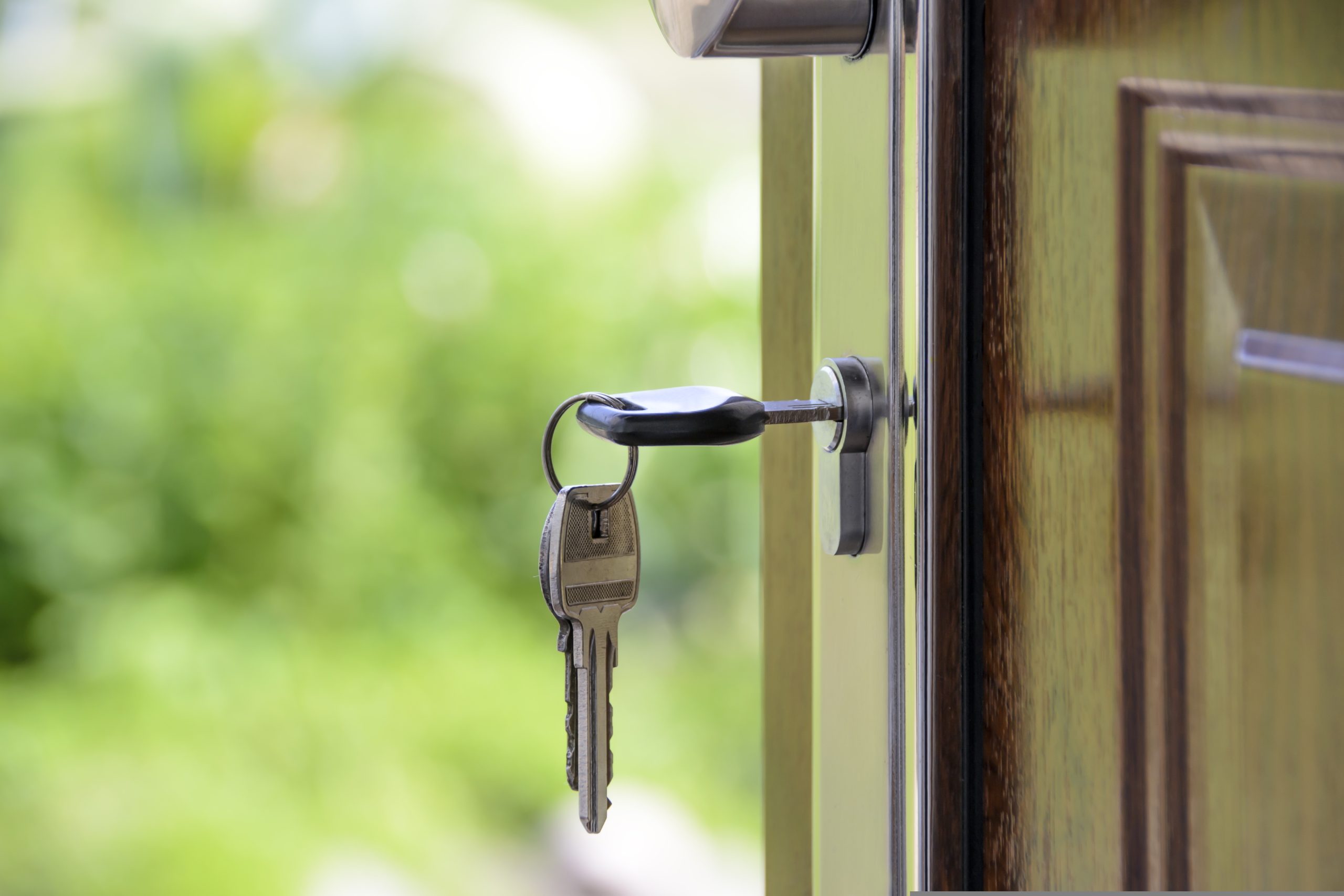
For seniors living alone, feeling safe at home is often less about flashy gadgets and more about systems that are easy to use every single day. Many say the best protection came from combining simple tools, smart placement, and habits that reduce confusion in stressful moments. These are the home defense setups that people say delivered more peace of mind than the first products they bought.
Video Doorbell With Large Indoor Display
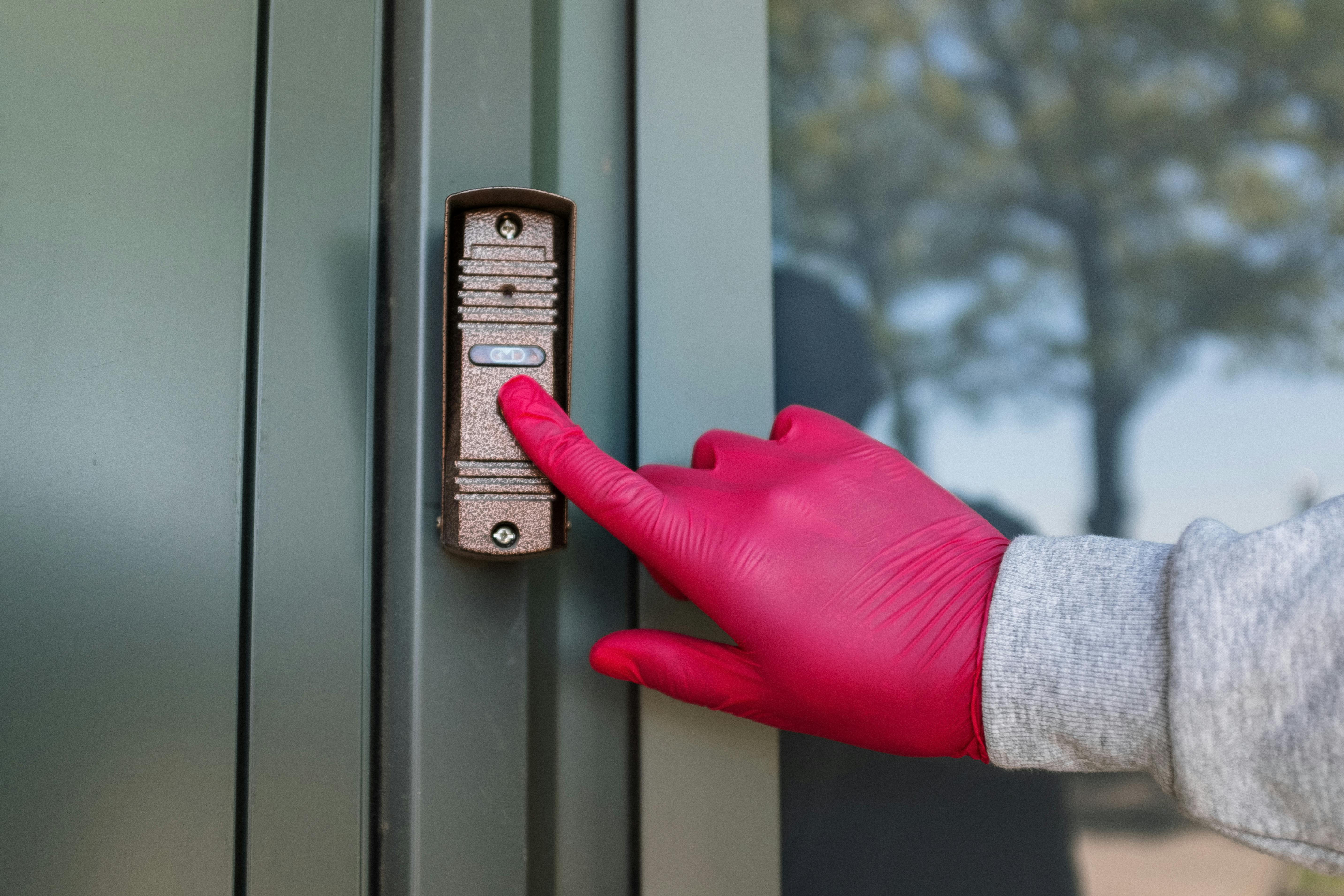
Many seniors say a video doorbell became far more useful once it was paired with a large indoor display instead of relying only on a phone alert. In real life, grabbing a smartphone in time is not always easy, especially when hearing, vision, or mobility issues are part of the day.
The indoor screen turns the setup into something immediate and practical. You can see who is outside, speak through the system, and avoid opening the door to strangers. People often say this simple change made the device feel less like a tech purchase and more like a dependable front-door shield.
Motion Lights Covering Walkways And Entry Points
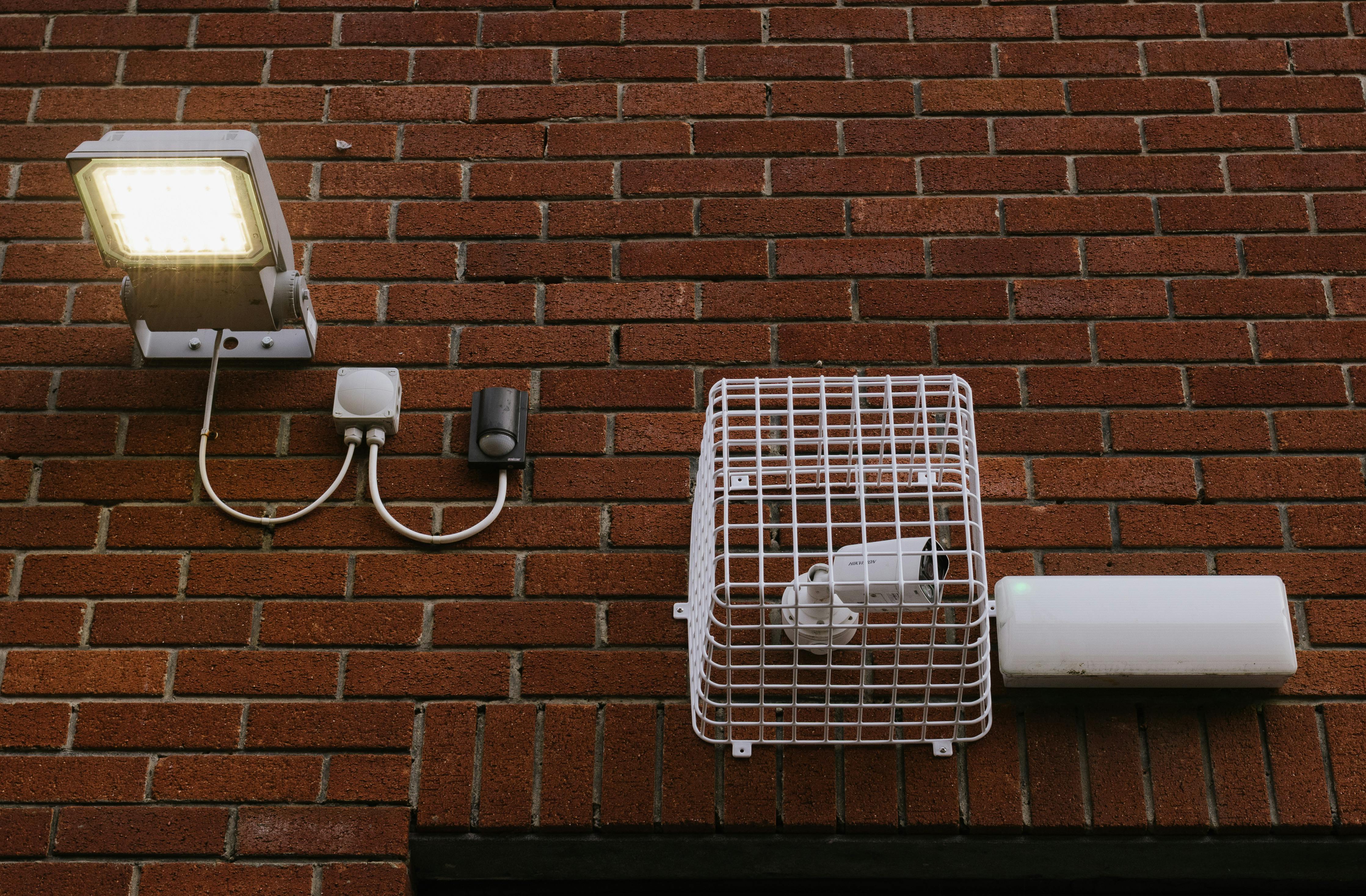
Bright motion lights are one of the setups seniors mention again and again because they work without requiring any action in the moment. When pathways, porches, side yards, and garage doors light up automatically, there is less uncertainty about what is happening outside.
People say the real value is in both deterrence and comfort. Unexpected movement becomes visible right away, and late-night trips to the door feel safer. Compared with expensive devices that promised more than they delivered, a well-placed lighting plan often feels like one of the simplest and strongest layers of home defense.
Reinforced Door Hardware Instead Of Just A Fancy Lock
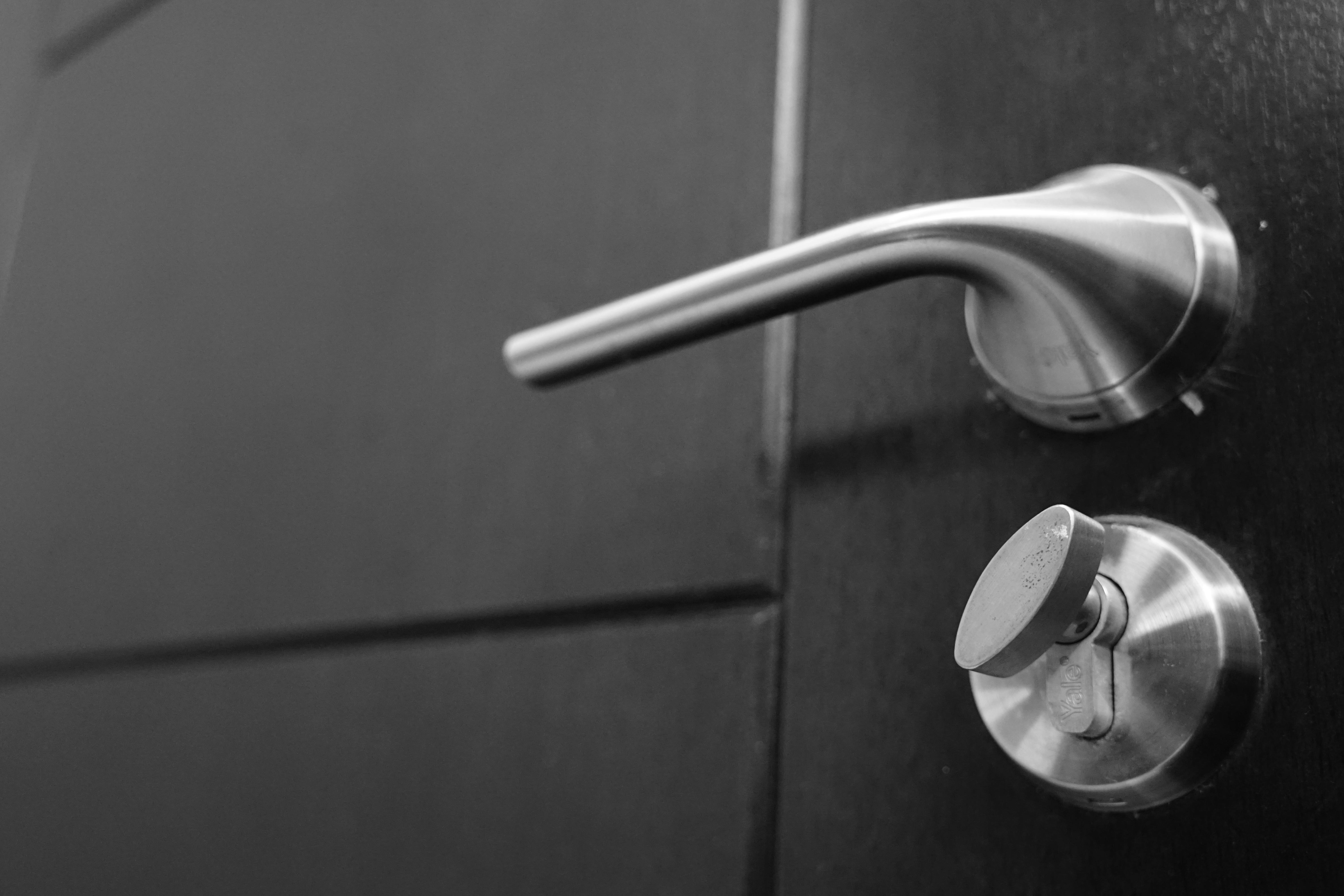
A surprising number of seniors say the best upgrade was not a high-end lock at all, but stronger hardware around the door itself. Longer screws, reinforced strike plates, and sturdier door frames can make a much bigger difference than a lock that looks impressive in the box.
This setup is praised because it improves the part of the entry that actually takes force. People often say they were first sold on sleek locking systems, then learned that basic reinforcement created more confidence. It is not flashy, but many describe it as one of the most effective improvements they ever made.
Smart Lock With Trusted Family Access
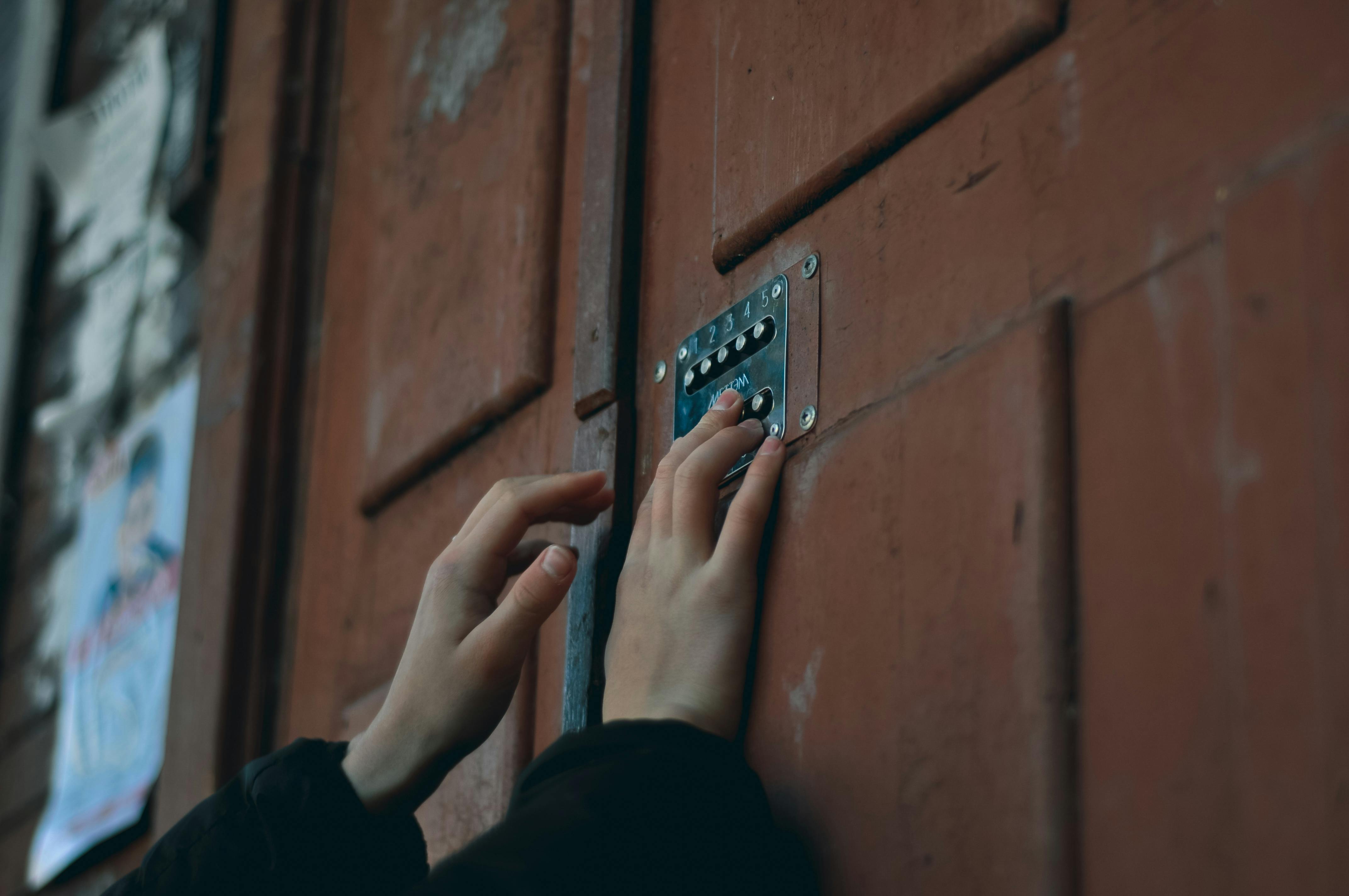
Seniors living alone often say a smart lock worked best when it was set up around trusted family access, not just convenience. The ability to lock the door remotely, check whether it is secured, and create codes for a daughter, son, or caregiver reduces a lot of daily worry.
What makes this arrangement effective is the balance between independence and backup. If keys are misplaced or a door is forgotten, help does not require a rushed trip across town. Many say this setup felt more useful than the original sales pitch because it solved everyday safety problems, not just occasional ones.
Window Sensors Paired With A Loud Chime
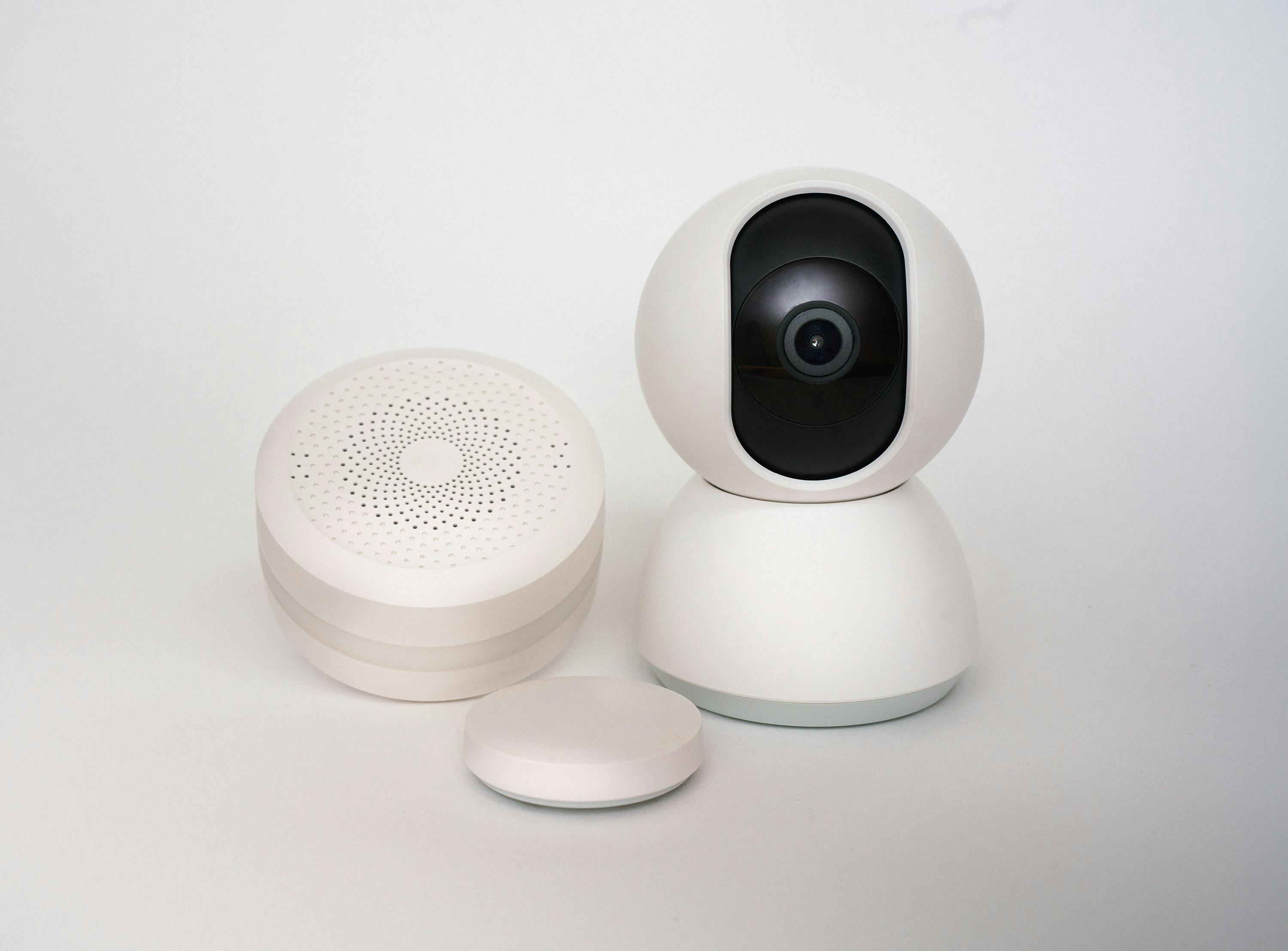
Window sensors become much more practical, seniors say, when they are paired with a loud chime that is easy to hear from another room. Silent alerts sent only to an app can be missed, especially during sleep, television time, or moments when the phone is not nearby.
A direct audible signal changes the experience completely. It tells you right away if a window opens and removes the need to constantly check a screen. Many people say this setup gave them a clearer sense of control, especially in homes with multiple rooms, sliding windows, or back areas that are harder to monitor.
Monitored Alarm With Panic Buttons In Key Rooms

A monitored alarm system gets especially high marks when panic buttons are placed in the rooms where seniors spend the most time. The bedroom, living room, and kitchen are common choices because they cover the spaces where quick access matters most during a frightening situation.
People say this layout works better than systems that bury everything in a single keypad by the front door. In a moment of fear, speed and simplicity matter more than features. Knowing help can be summoned without crossing the house gives many seniors a level of reassurance that standard alarm packages never fully delivered.
Security Cameras Focused On Doors, Not Everywhere
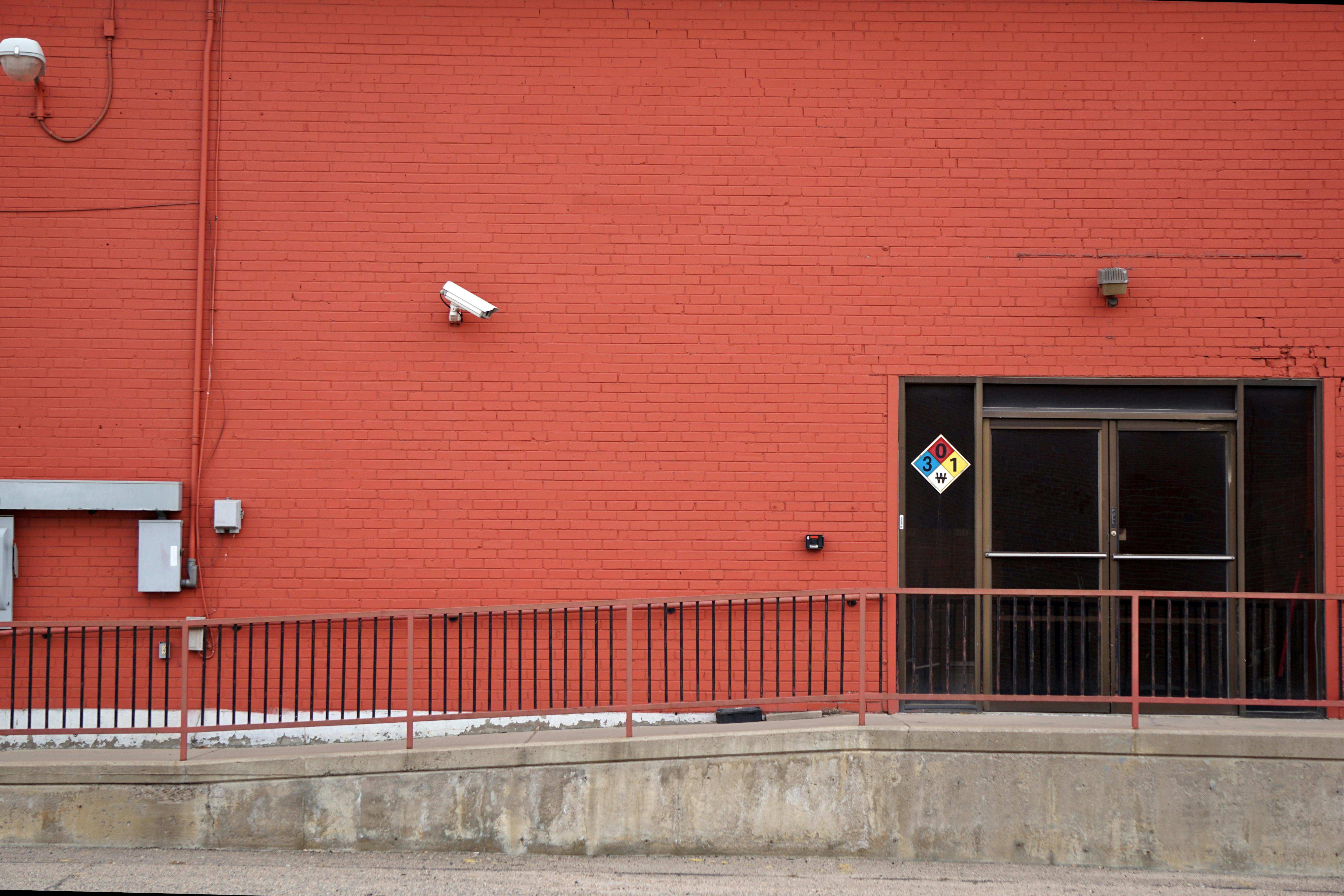
Many seniors say they got better results when cameras were placed with intention rather than scattered all over the house. Front and back doors, driveway access, and low-visibility entry points often provide more useful coverage than filling every corner with equipment.
This approach feels less intrusive and more manageable. It also makes reviewing footage easier because the important locations are clear. People often say they were first encouraged to buy more cameras than they needed, but a smaller setup aimed at likely access points turned out to be more effective, less stressful, and easier to maintain.
Phone Tree And Neighbor Check-In Plan
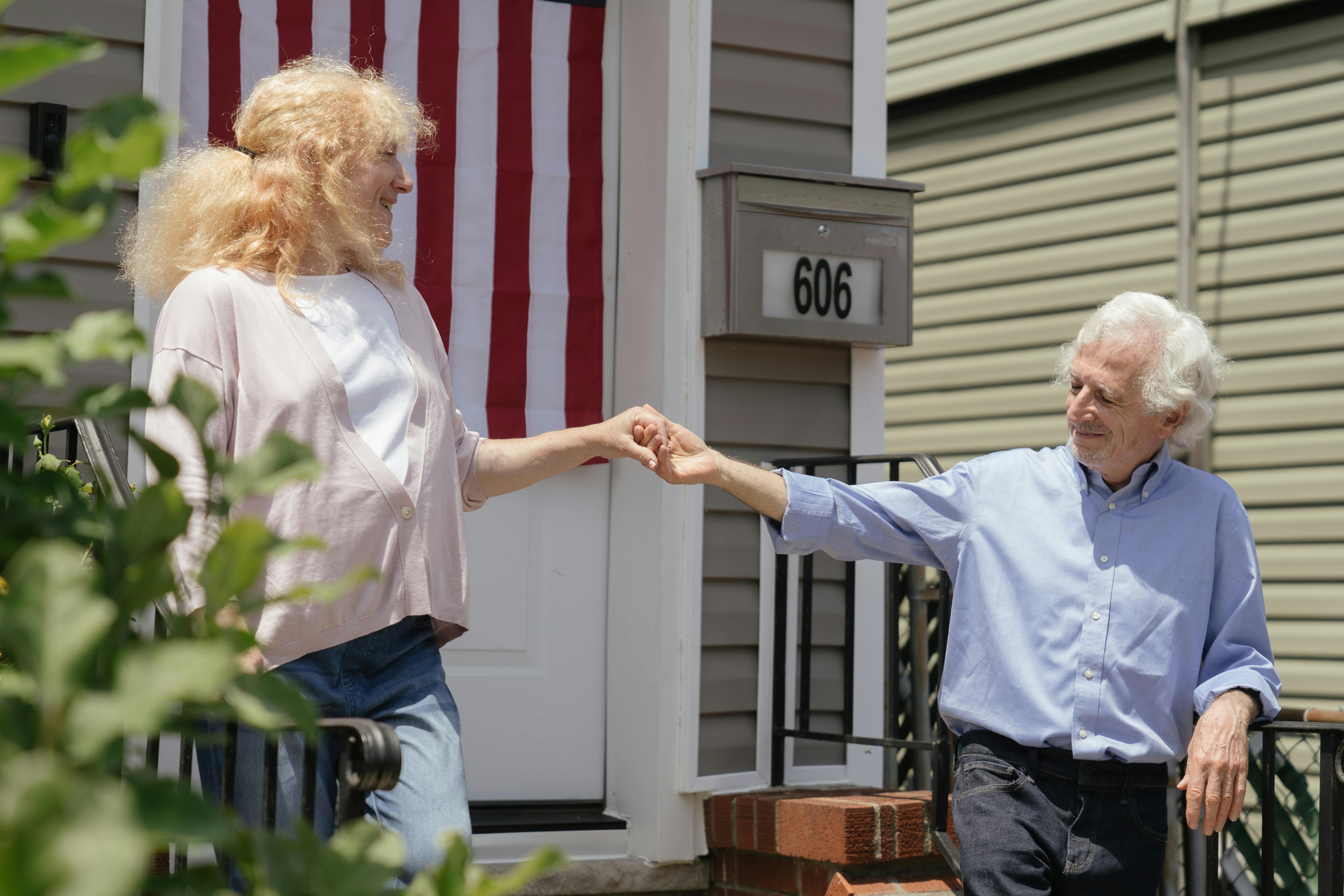
Not every strong defense setup comes from a device. Seniors often say a simple phone tree and neighbor check-in plan outperformed products that promised total protection. When trusted people know your routine, unusual silence or missed calls can trigger fast attention before a problem grows.
This kind of system adds a human layer that technology cannot fully replace. A nearby neighbor noticing an open garage, a package sitting too long, or lights behaving oddly can matter a lot. Many people describe this setup as one of the most comforting because it combines awareness, community, and response.
Bedroom Safe Zone With Locked Door And Charged Phone

Some seniors say the most important home defense setup is a designated bedroom safe zone. This means a solid lock, a charged phone, a flashlight, and easy access to emergency contacts all in one place. It is a plan built around retreat and communication rather than confrontation.
People find this setup calming because it answers the question of what to do first if something feels wrong. Instead of making decisions under pressure, the response is already set. Many say this practical arrangement gave them more confidence than products marketed as all-in-one solutions but offered little guidance during real stress.