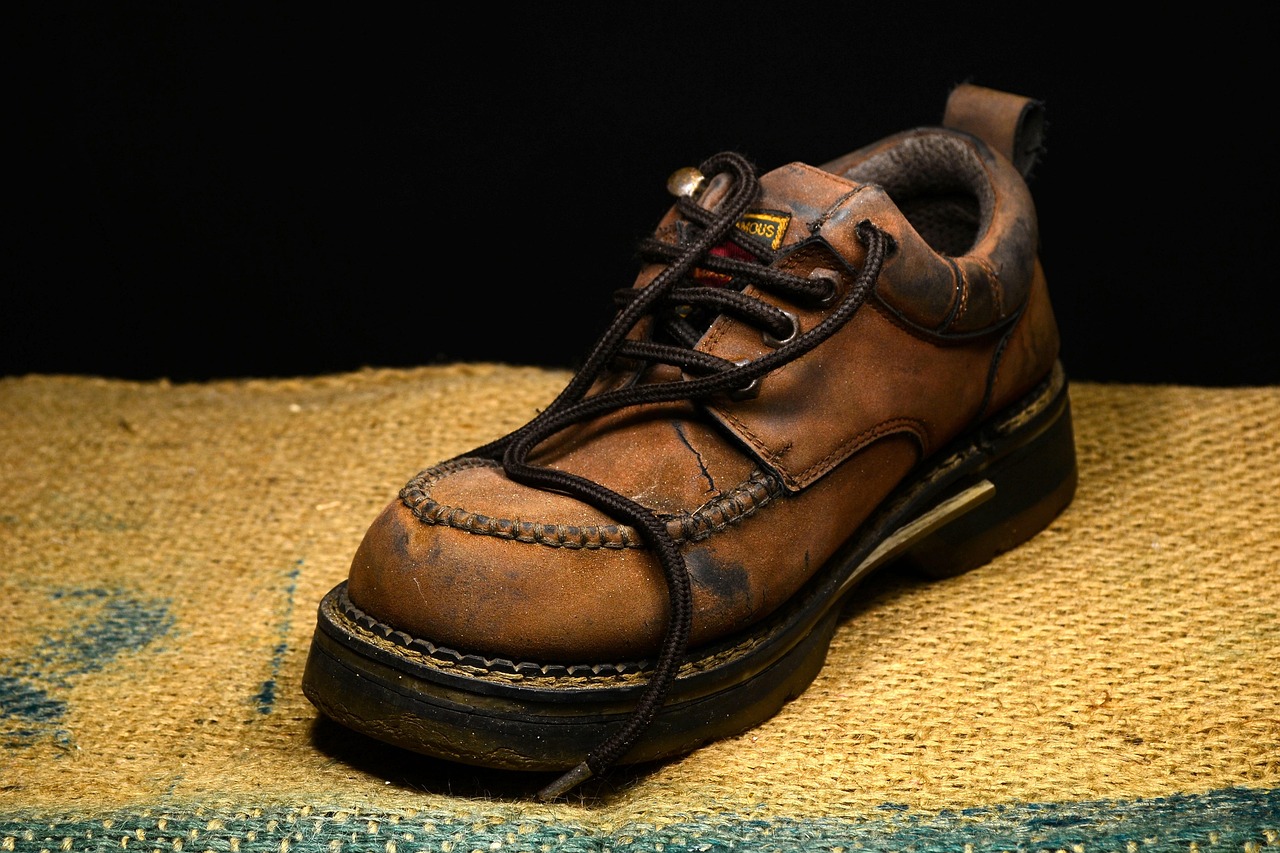
A premium pair of hunting boots can handle rough miles, wet timber, and cold mornings, but only if they are cared for properly. Too many owners unknowingly shave years off their footwear with habits that seem harmless at home and at camp. These eight mistakes quietly break down leather, adhesives, waterproofing, and fit, right when dependable boots matter most.
Drying boots too fast after a wet hunt

Few things feel smarter than parking soaked boots next to a heater, woodstove, or truck vent after a miserable day outside. The problem is that intense heat can shrink leather, stiffen uppers, and weaken the glues that hold soles and rand materials together.
That fast-dry routine also works against waterproof linings. When boots repeatedly bake dry, membranes and stitching endure stress they were never meant to take. A slower approach, with laces loosened, insoles removed, and air circulation doing the work, protects the structure hunters are depending on for the next long push.
Skipping cleaning after mud, blood, and debris build up

Dirty boots do more than look neglected. Mud pulls moisture against leather, dried grime grinds into seams, and plant debris lodged around eyelets and soles can slowly wear materials down every time the boot flexes.
Blood, salt, and swamp muck are especially tough on expensive footwear because they sit in creases and stitching where damage starts quietly. A quick rinse and gentle brush after a hunt may feel like a chore, but it is far easier than dealing with cracked leather, failing threads, or a sole edge that starts separating long before it should.
Using the wrong conditioner or too much of it

Boot leather needs moisture balance, not a heavy coating of whatever happens to be in the garage. Over-conditioning can soften supportive leather until it loses shape, while the wrong product can clog pores, darken finishes unevenly, or interfere with breathable waterproof systems.
This is where expensive boots often get sabotaged by good intentions. A thick, greasy treatment might make them look revived for a week, yet leave them floppy, harder to dry, and more likely to collect dirt. Using the maker’s recommended product sparingly usually preserves support, finish, and weather resistance much better over time.
Ignoring worn out insoles and internal moisture

Hunters often focus on the outside of a boot and forget what is happening inside. Compressed insoles stop cushioning and support, while trapped sweat turns the interior into a damp environment that encourages odor, material breakdown, and slower drying after every trip.
When insoles stay soaked or flattened, fit starts to change in subtle ways. Heels slip, toes jam on descents, and hot spots develop on hikes that used to feel fine. Pulling insoles after use, letting the interior dry fully, and replacing tired inserts can dramatically extend comfort and prevent unnecessary wear inside the boot.
Storing boots damp in a garage, truck, or gear tote

Where boots spend the off-hours matters more than many owners realize. Tossing them into a sealed plastic tote, leaving them in a cold truck, or parking them damp in a dark garage creates the perfect setting for mildew, odors, and gradual material deterioration.
Poor storage also invites leather to dry unevenly or stay wet longer than it should. That can mean brittle uppers in one season and funky interiors in the next. A cool, dry space with airflow helps boots hold their shape and recover properly between hunts, which is exactly what high-dollar footwear needs to stay reliable.
Neglecting laces, eyelets, and small hardware
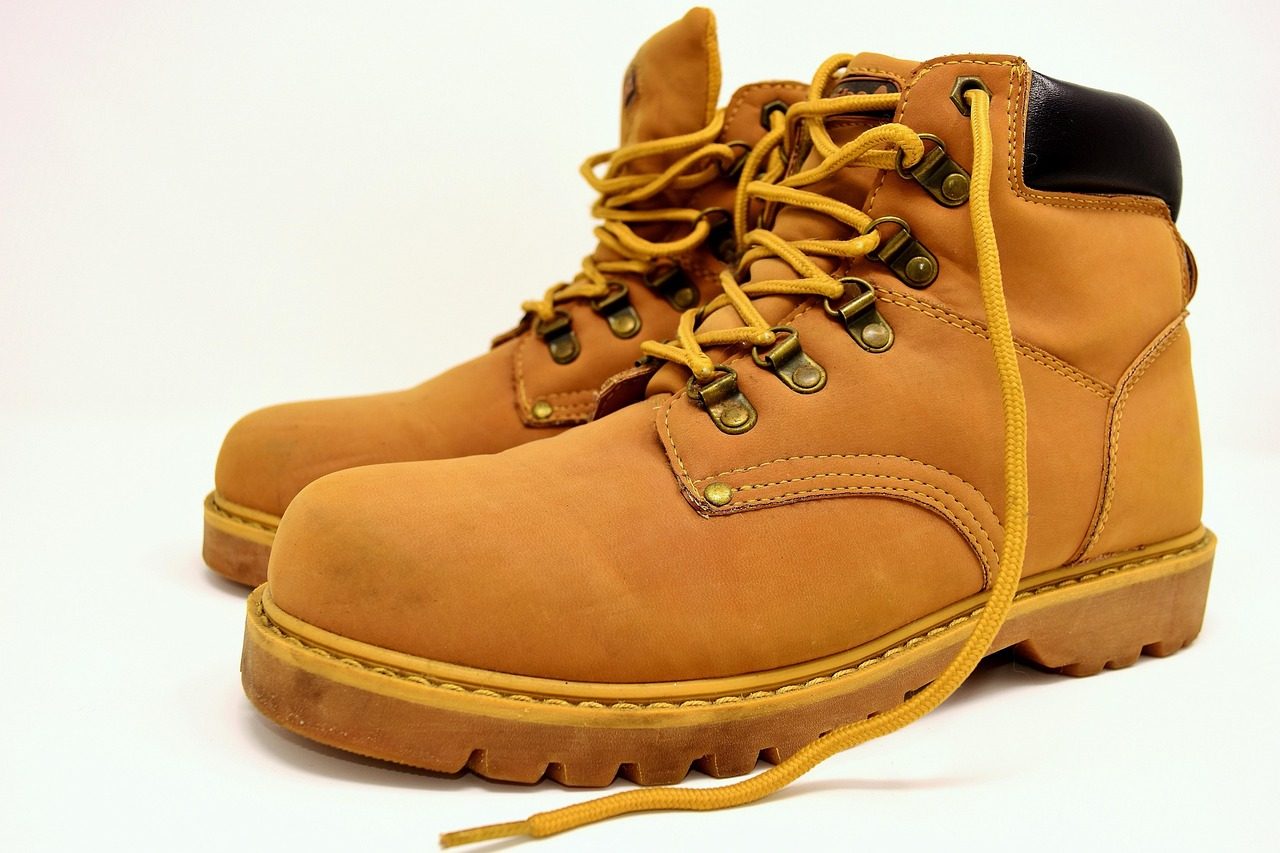
Boot failure does not always begin with a split sole or cracked leather. Sometimes it starts with frayed laces, bent hooks, or gritty eyelets that chew through lace fibers until a simple climb or creek crossing turns into an aggravating field repair.
These small components take constant abuse from grit, moisture, and repeated tension. When they are ignored, they can alter fit and reduce ankle support even before they break. Replacing worn laces early and checking hooks, rivets, and eyelets during cleaning is a small habit that protects comfort and keeps expensive boots functioning as intended.
Waiting too long to reproof waterproof materials

Many hunters assume waterproof means forever waterproof. In reality, factory treatments fade with abrasion, flexing, mud exposure, and repeated cleanings, especially on leather and fabric panels that see hard use through a full season.
Once the outer material starts wetting out, boots can feel heavier, colder, and slower to dry, even if the inner membrane still holds. That is usually the moment owners notice something is wrong, but the decline started earlier. Reapplying the proper water-repellent treatment on a regular schedule helps preserve weather performance before wet feet become part of the story.