Military weapons are usually judged by practical concerns such as reliability, training, cost, logistics, and ease of maintenance. That leaves some remarkably inventive designs outside mainstream service, even when their engineering is genuinely interesting. Several unusual firearms eventually found a different audience among collectors, historians and enthusiasts. Their stories are often more fascinating because they show what happens when an ambitious design meets the realities of military procurement and commercial demand.
1. FP-45 Liberator
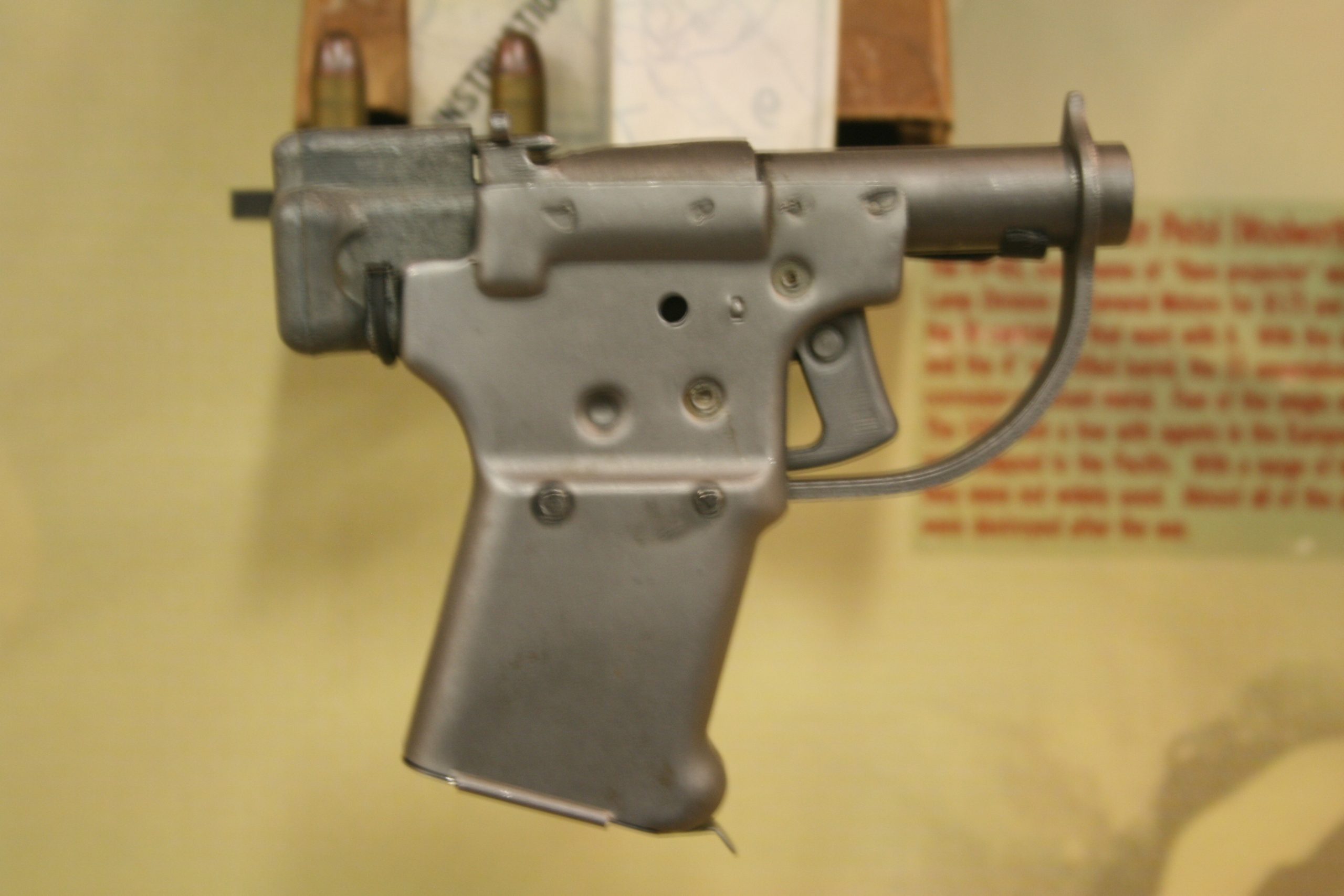
The FP-45 Liberator looked less like a conventional military pistol than a disposable emergency tool. Designed during World War II for resistance forces, it was a single-shot .45 ACP with a 4-inch smoothbore barrel and extremely simple construction. About 1 million were produced in 1942, but commanders were skeptical of its battlefield value, and many were never used as intended. Its later appeal was very different: surviving examples became unusual historical collectibles. The Liberator shows that a weapon rejected as a serious service arm can still find an audience through rarity, wartime history, and sheer novelty.
2. HK VP70
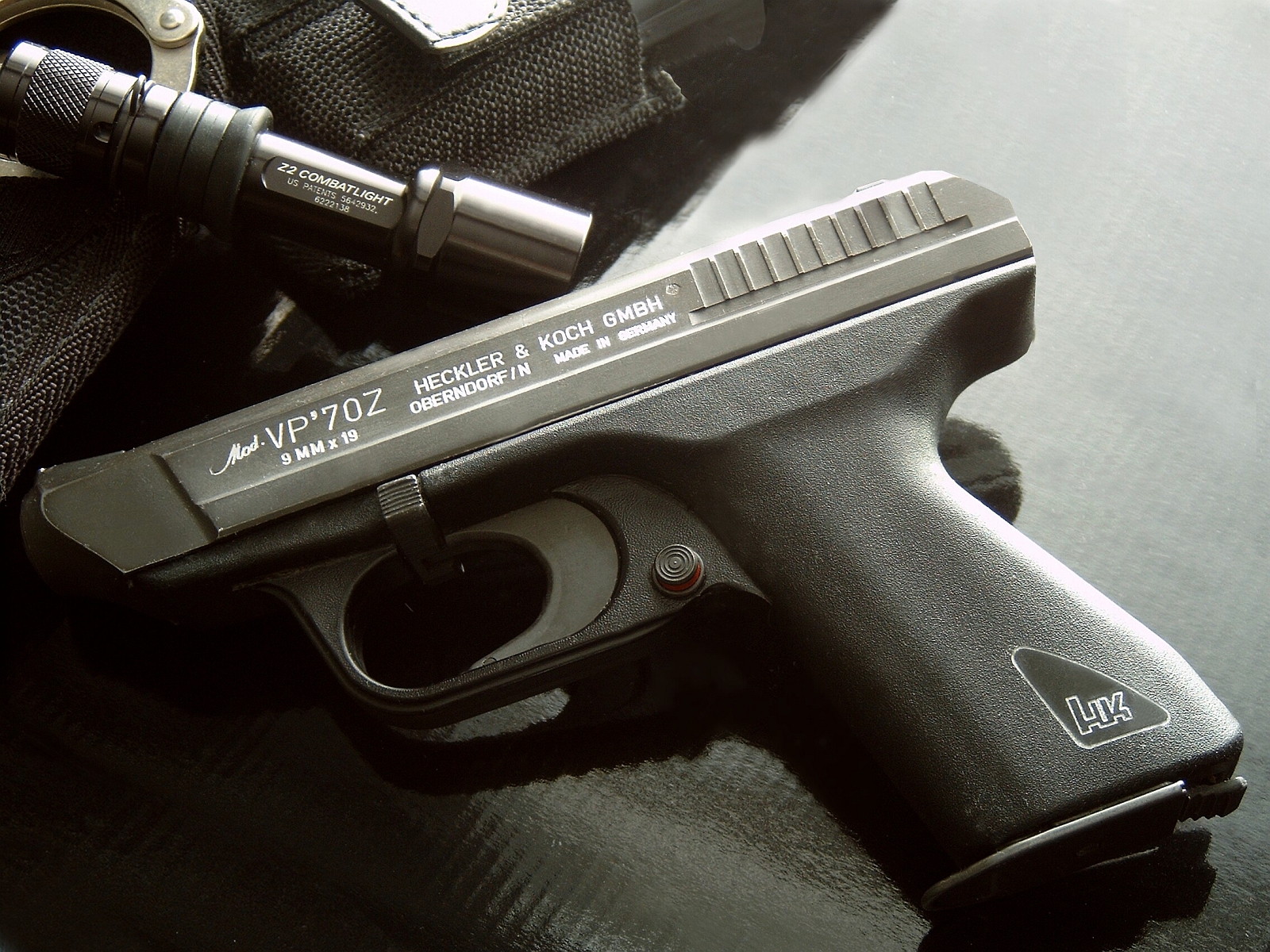
The HK VP70 arrived in 1970 with styling that looked decades ahead of conventional service pistols. Its polymer frame, 18-round magazine and unusual stock-holster combination made it unlike most military handguns of the period. The VP70M could fire three-round bursts with its stock attached, while the civilian VP70Z was semiautomatic. Military adoption remained limited, but the design later attracted collectors and enthusiasts fascinated by early polymer construction. Production continued until 1989, giving this strange pistol a second life as a historical example of how boldly Heckler & Koch experimented.
3. Whitney Wolverine
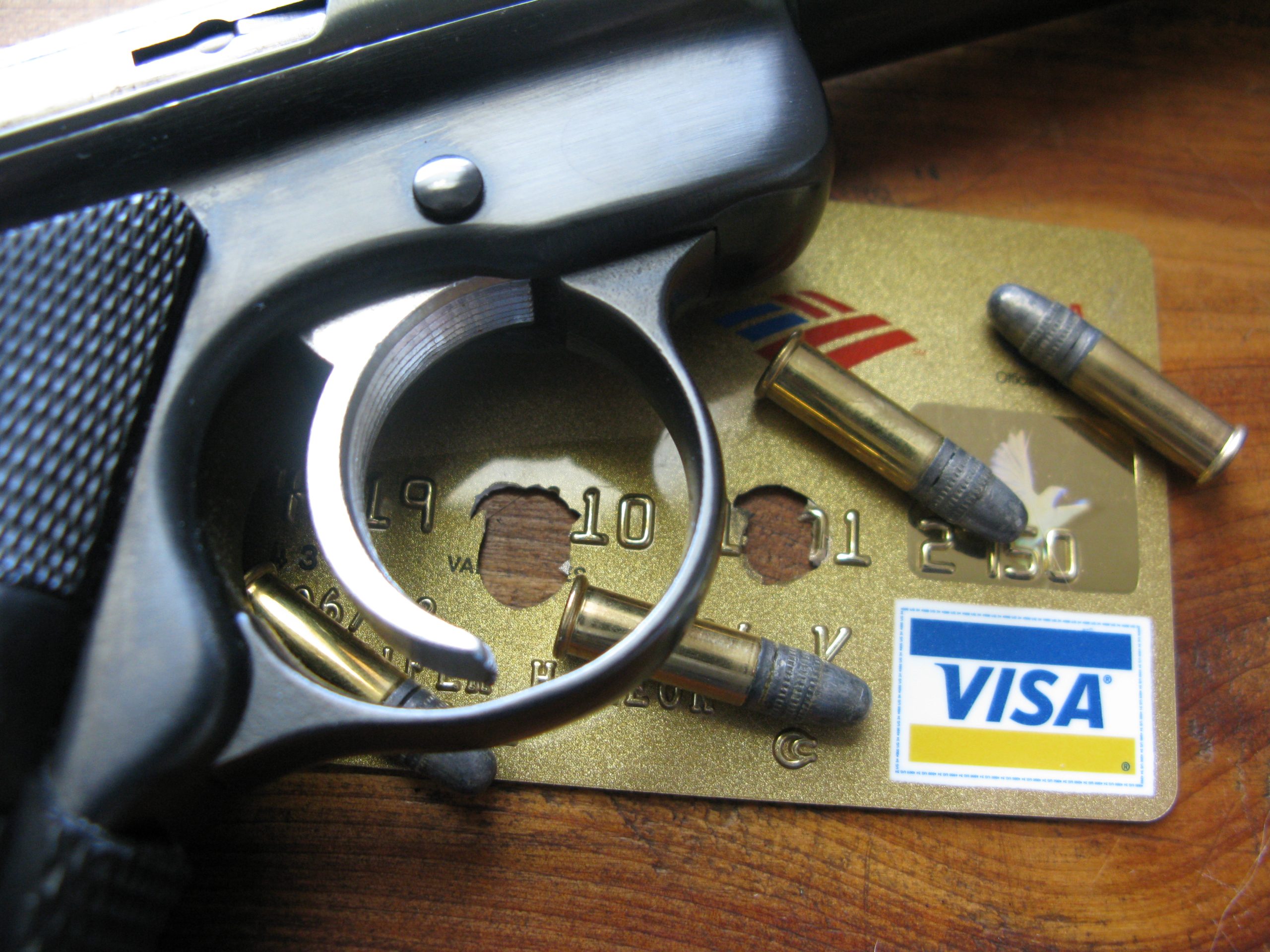
The Whitney Wolverine was never a standard military arm, yet its futuristic appearance makes it look like something that might have been designed for a military trial. Introduced in 1956, this .22 LR pistol used a lightweight aluminum frame and a 10-round magazine, with production lasting only a short time. Approximately 13,371 were made, and the company struggled against cheaper, better-established rimfire pistols. Its unusual lines eventually became part of its appeal. Today, the Wolverine is valued by collectors as a distinctive example of 1950s American industrial design and an unusually styled rimfire pistol.
4. HK G11
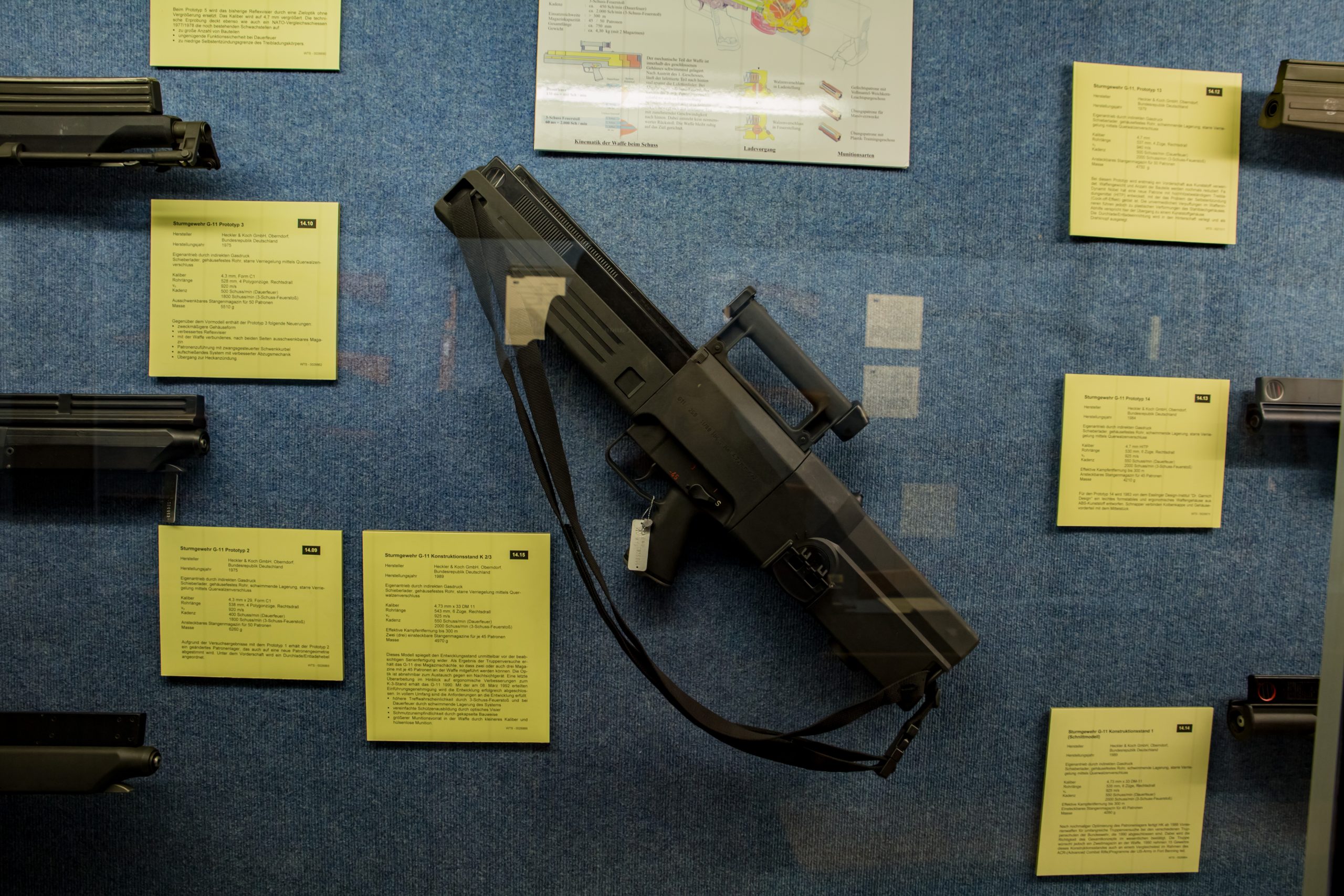
The HK G11 pushed military small-arms design so far that its appearance became part of its identity. Developed around 4.73x33mm caseless ammunition, it used a bullpup layout and a rotating chamber rather than conventional cartridge handling. During the U.S. Advanced Combat Rifle trials, the G11 reportedly demonstrated a 2,100-round-per-minute burst capability, but the program ended in 1990 without replacing the M16A2. Fewer than 1,000 G11 rifles were produced. Although it never became a standard service rifle, its futuristic engineering later made it a prized subject for collectors and firearms historians.
5. Webley-Fosbery
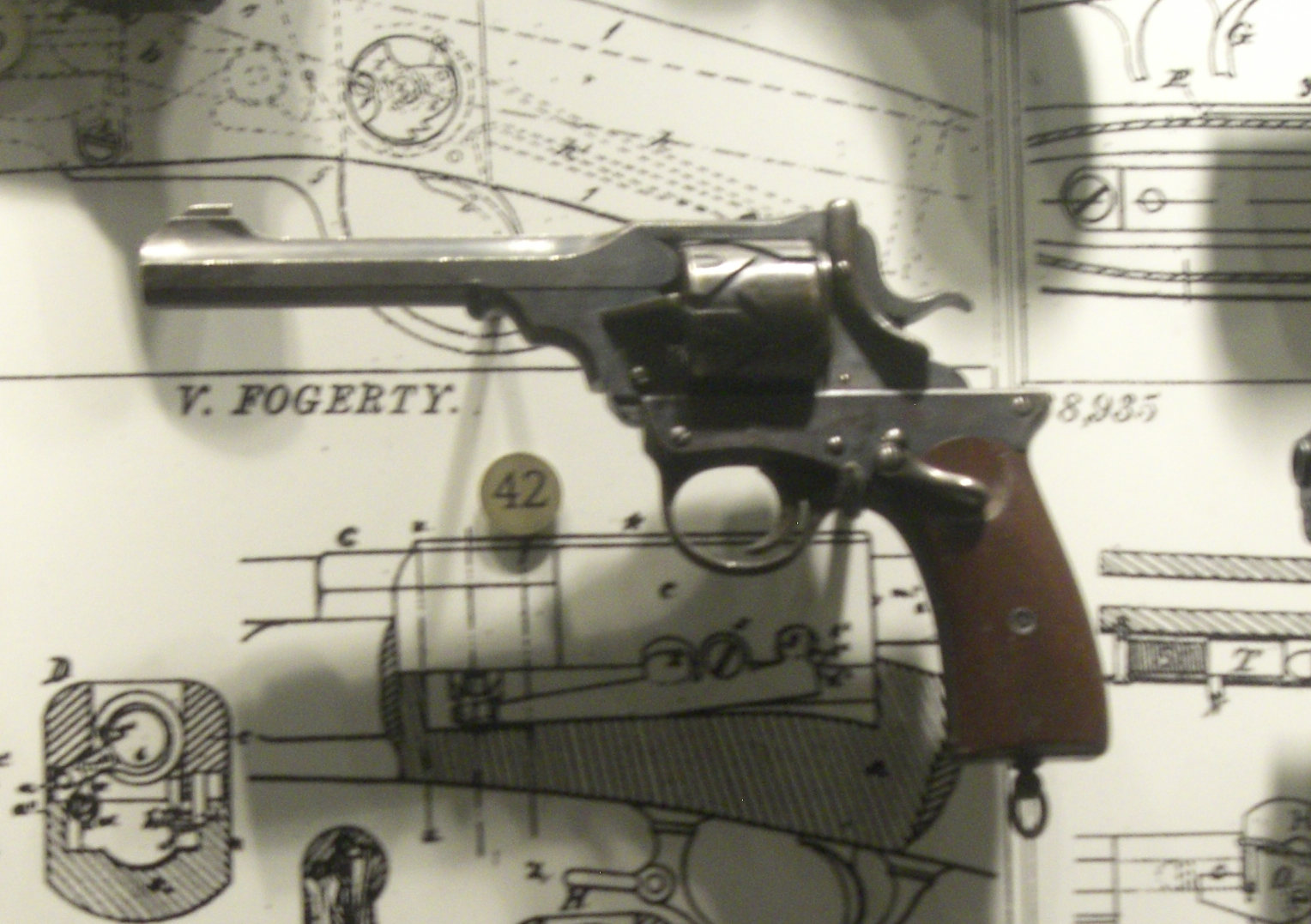
The Webley-Fosbery looked unusual even when compared with other early self-loading handguns. Instead of relying on a conventional semiautomatic slide, its revolver cylinder and barrel assembly moved backward together after firing, using that motion to rotate and cock the mechanism. Chambered in .455 Webley and later .38 ACP, it appeared in the 1907 British military pistol trials but did not become a standard service weapon. Its commercial life was also brief, with roughly 4,000 examples produced. Today, its unusual operating principle gives it a following among collectors interested in experimental firearm history.
6. Gyrojet
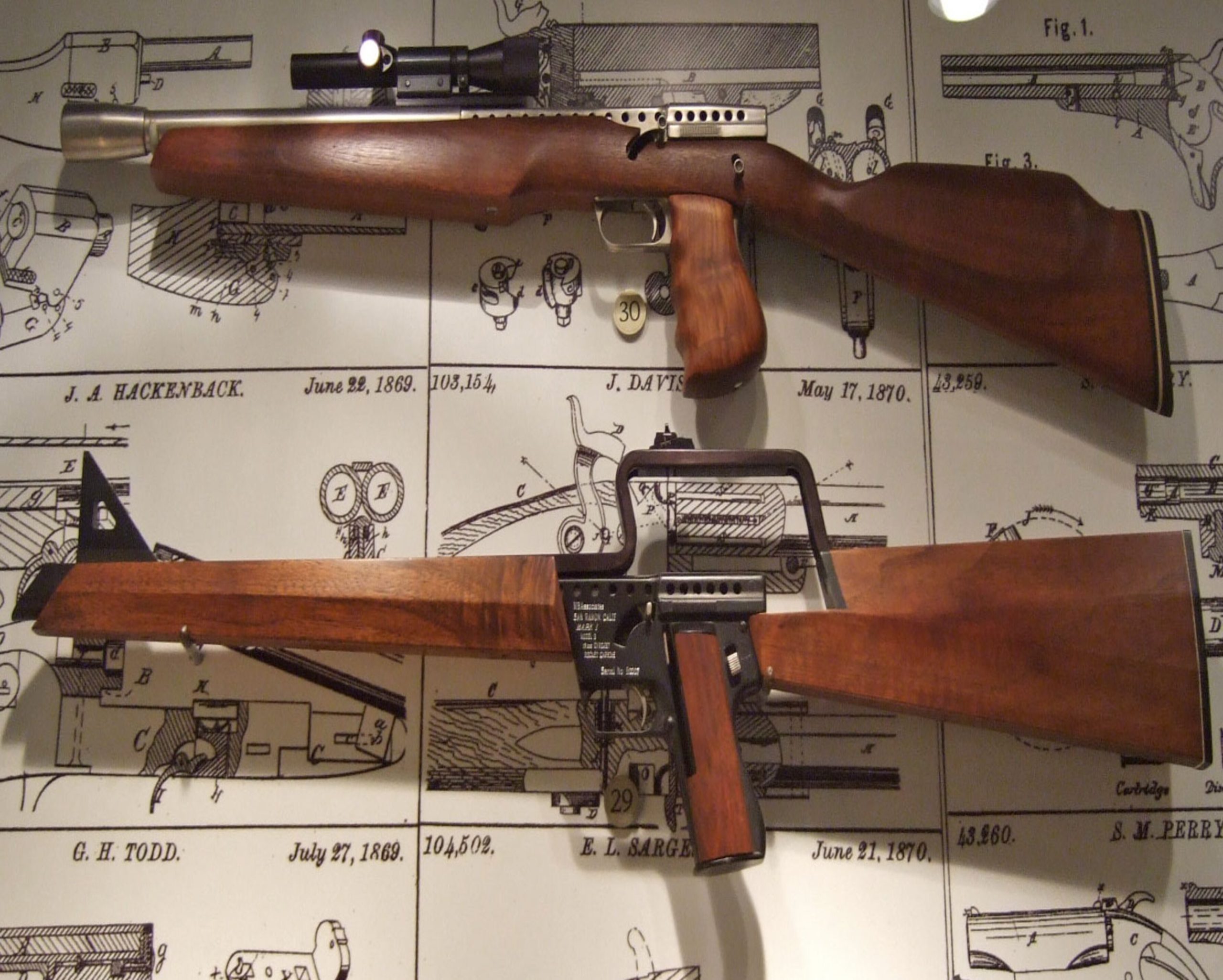
The Gyrojet was unusual because its ammunition was effectively a tiny rocket rather than a conventional bullet fired by expanding propellant gases. Developed during the 1960s, the system launched small 13mm projectiles that accelerated after leaving the barrel. The concept attracted attention but faced practical problems involving accuracy, reliability, and ammunition consistency. It never became a mainstream military weapon, yet its futuristic design found another audience among collectors and science-fiction enthusiasts. Its limited production compared with conventional pistols also added to its mystique. Today, the Gyrojet is remembered mainly for its unconventional ammunition technology.
7. Steyr GB
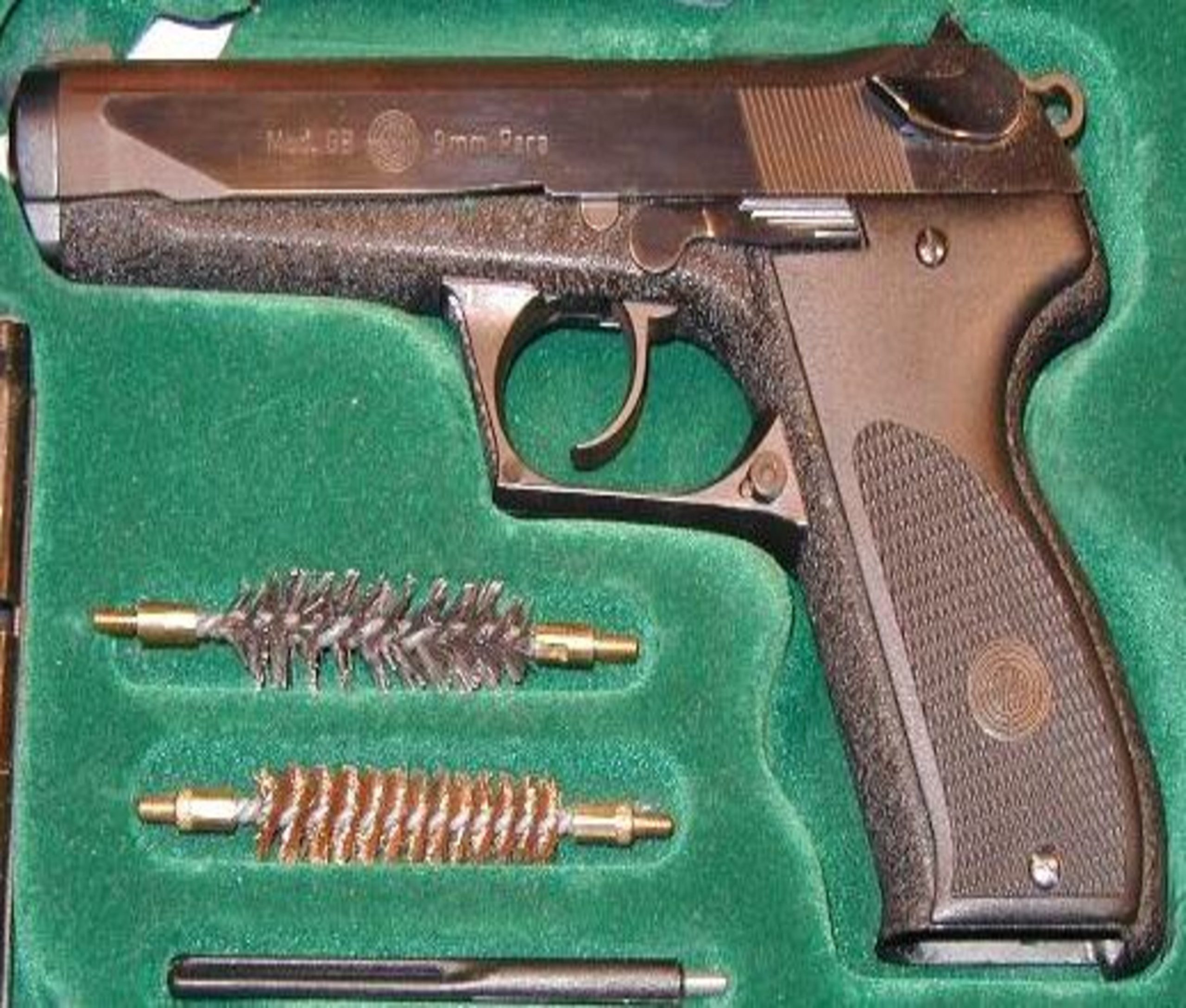
The Steyr GB looked like a conventional 9mm pistol at first glance, but its internal design was anything but ordinary. Introduced in the 1980s, it used a gas-delayed blowback system and an 18-round magazine, giving it substantial capacity for its era. The pistol competed in the U.S. military XM9 trials but was not selected, with the Beretta 92 ultimately winning that competition. Commercial success remained limited, yet the GB later developed a collector following because its gas system and distinctive construction made it different from the more familiar locked-breech pistols surrounding it.
8. LeMat Revolver
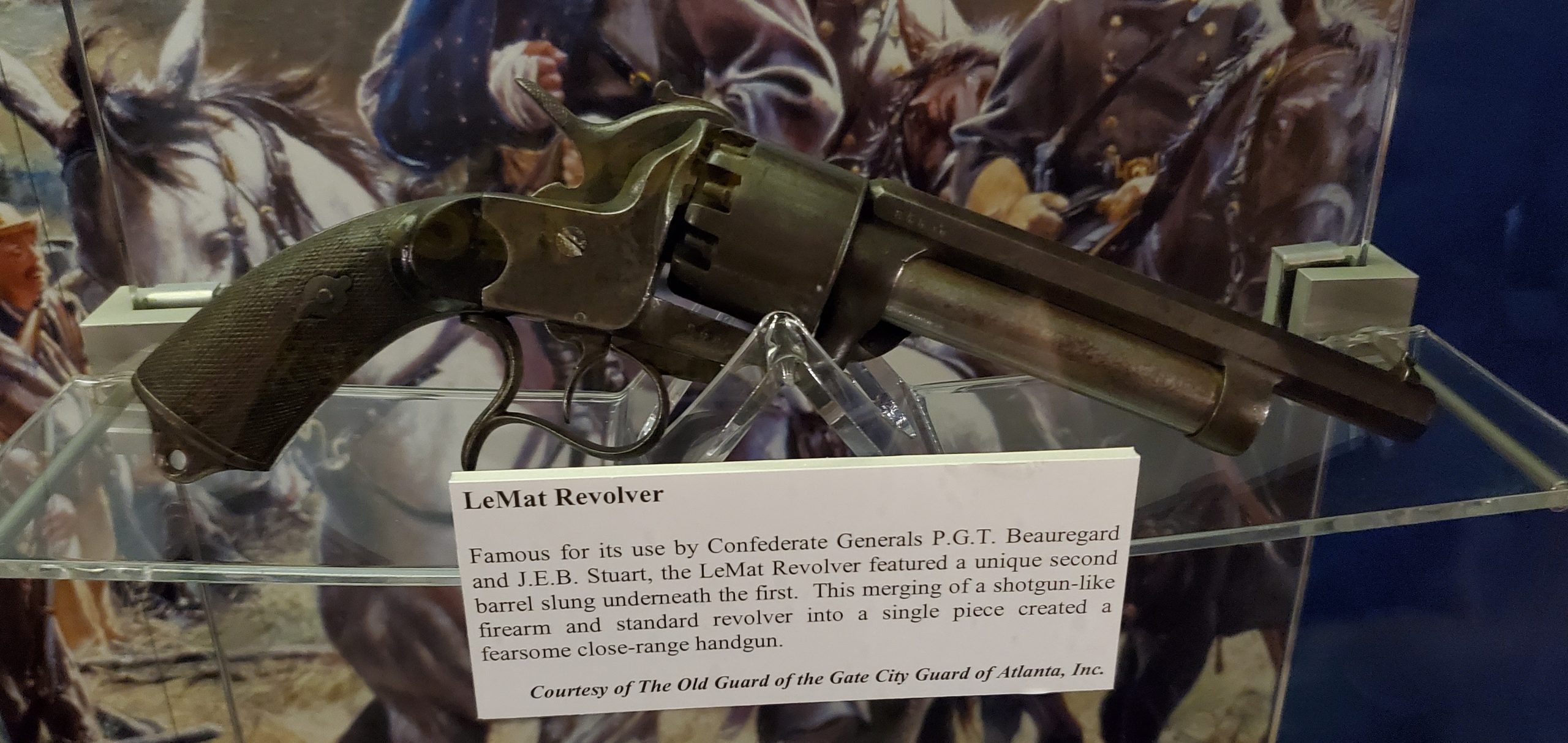
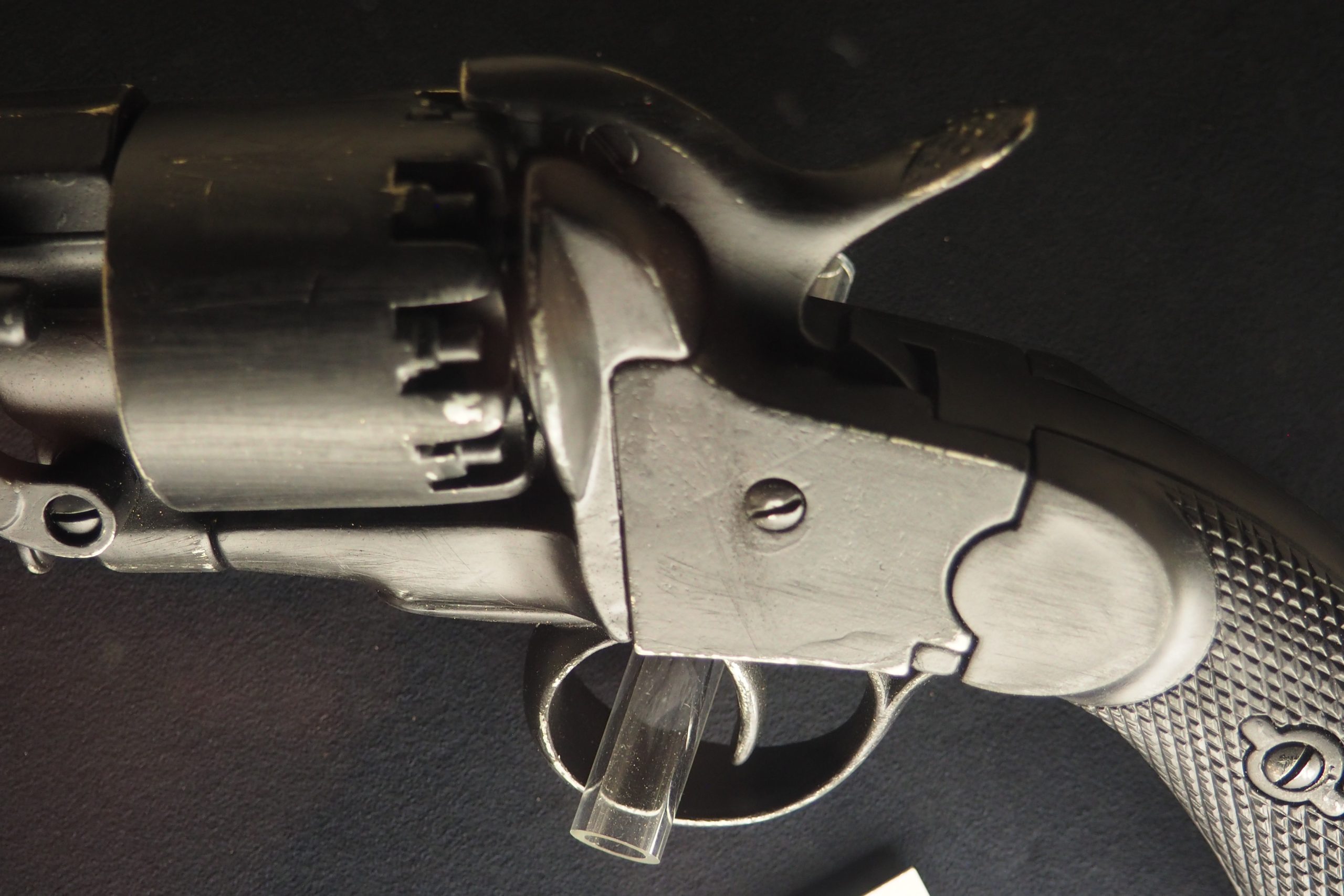
The LeMat revolver became famous because its design looked unusually ambitious even by 19th-century standards. Developed in the United States before the Civil War, it combined a large-caliber main cylinder with a second barrel beneath it, giving the user 9 shots from the cylinder plus 1 additional shot from the central barrel. Confederate forces used the weapon during the Civil War, but it never became a standard military sidearm because production and supply remained limited. Surviving examples later became highly desirable historical firearms, while reproductions helped introduce its unusual two-barrel concept to modern collectors.
9. HK P7
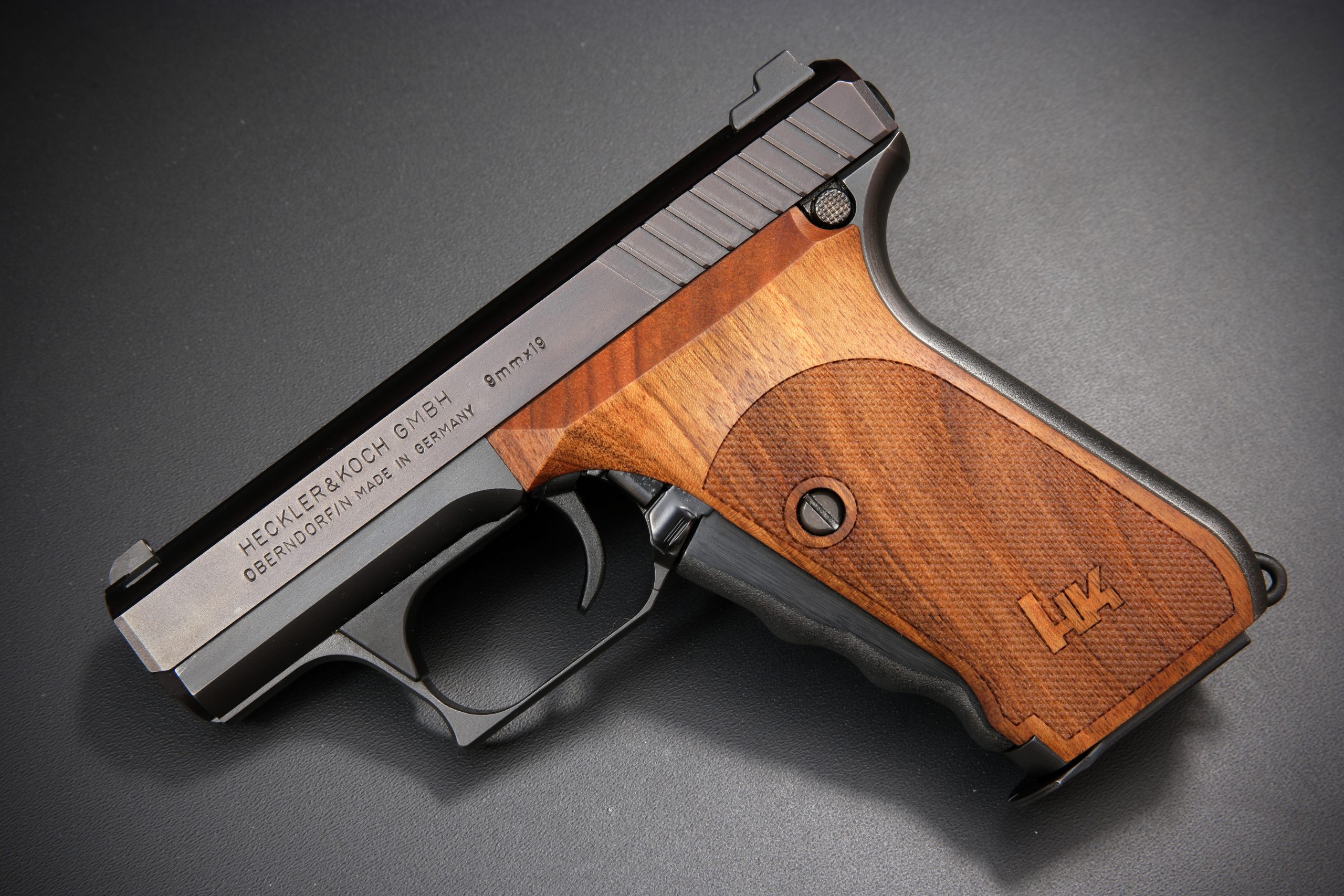
The Heckler & Koch P7 gained a following because its design solved several problems in a distinctly unconventional way. Its most recognizable feature was a squeeze-cocking lever on the front of the grip, while its gas-delayed system allowed a compact 9mm design without a conventional locked breech. It entered West German police service and later attracted civilian buyers in several markets. The pistol was never a universal military standard, but its unusual controls, engineering, and distinctive profile gave it lasting collector appeal. After production ended, the P7 became especially interesting to enthusiasts studying unconventional approaches to service-pistol design