Choosing a shotgun barrel can be surprisingly confusing because the numbers look more important than they really are. An 18-inch barrel, a 24-inch barrel, and a 30-inch barrel can all be excellent choices, but they emphasize different handling characteristics. Longer barrels generally add forward weight and modest velocity, while shorter barrels make a shotgun more compact and responsive. The right choice depends on the intended use, overall gun weight, choke system, ammunition, and personal fit.
1. 18 Inches: The Compact End
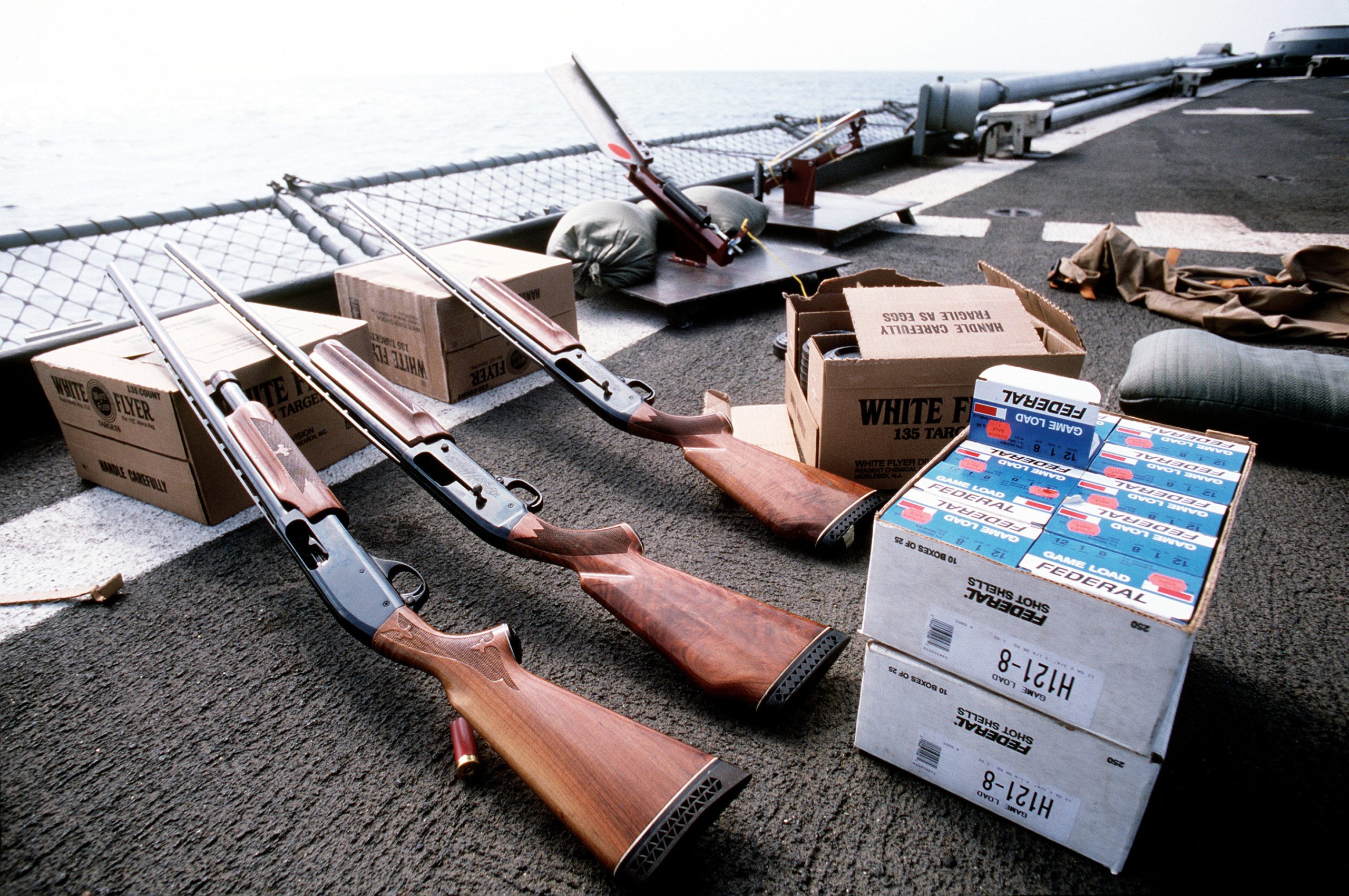
An 18-inch barrel sits near the short end of conventional shoulder-fired shotguns. Its biggest advantage is compactness rather than dramatic ballistic performance. Compared with a longer barrel, it generally makes the firearm easier to maneuver and reduces overall length. Velocity differences are usually modest, with some sources estimating roughly 10 to 15 feet per second per additional inch under comparable conditions. Buyers should also understand the law before purchasing a short-barreled shotgun. In the United States, federal NFA rules apply to a shotgun with a barrel shorter than 18 inches. Local laws can impose additional restrictions.
2. 20 Inches: Compact but More Balanced
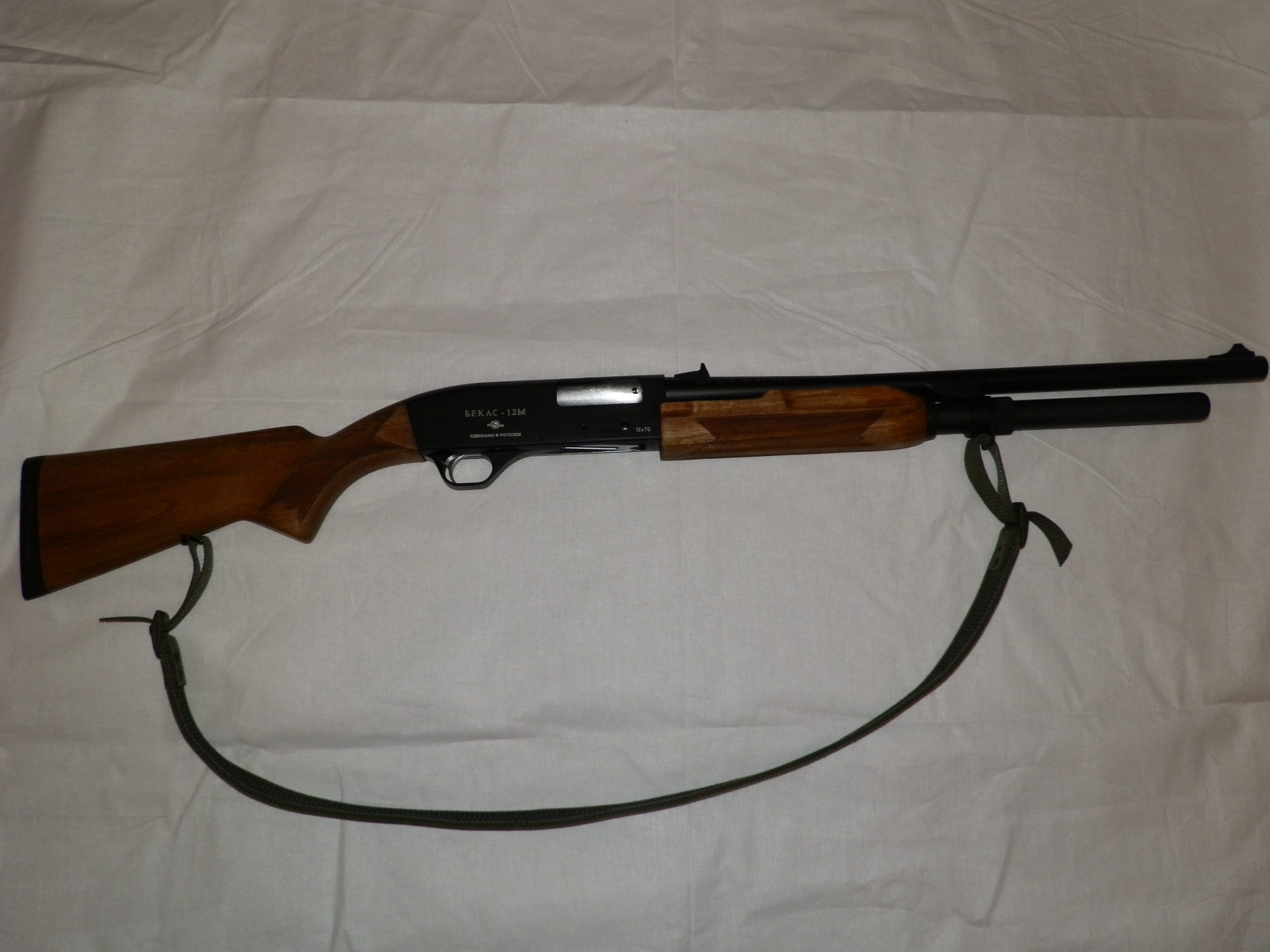
A 20-inch barrel remains relatively compact while adding 2 inches over the 18-inch class. That extra length can slightly alter the balance by placing more weight forward, which some shooters find useful when moving the gun smoothly. The ballistic difference should not be exaggerated, however. Shotgun velocity does not increase dramatically with every extra inch because much of the propellant’s useful acceleration occurs relatively early in the barrel. A buyer considering 20 inches should therefore concentrate on overall weight, stock fit, intended use, and local regulations. Barrel length is only 1 part of the complete shotgun specification.
3. 22 Inches: A Useful Middle Ground
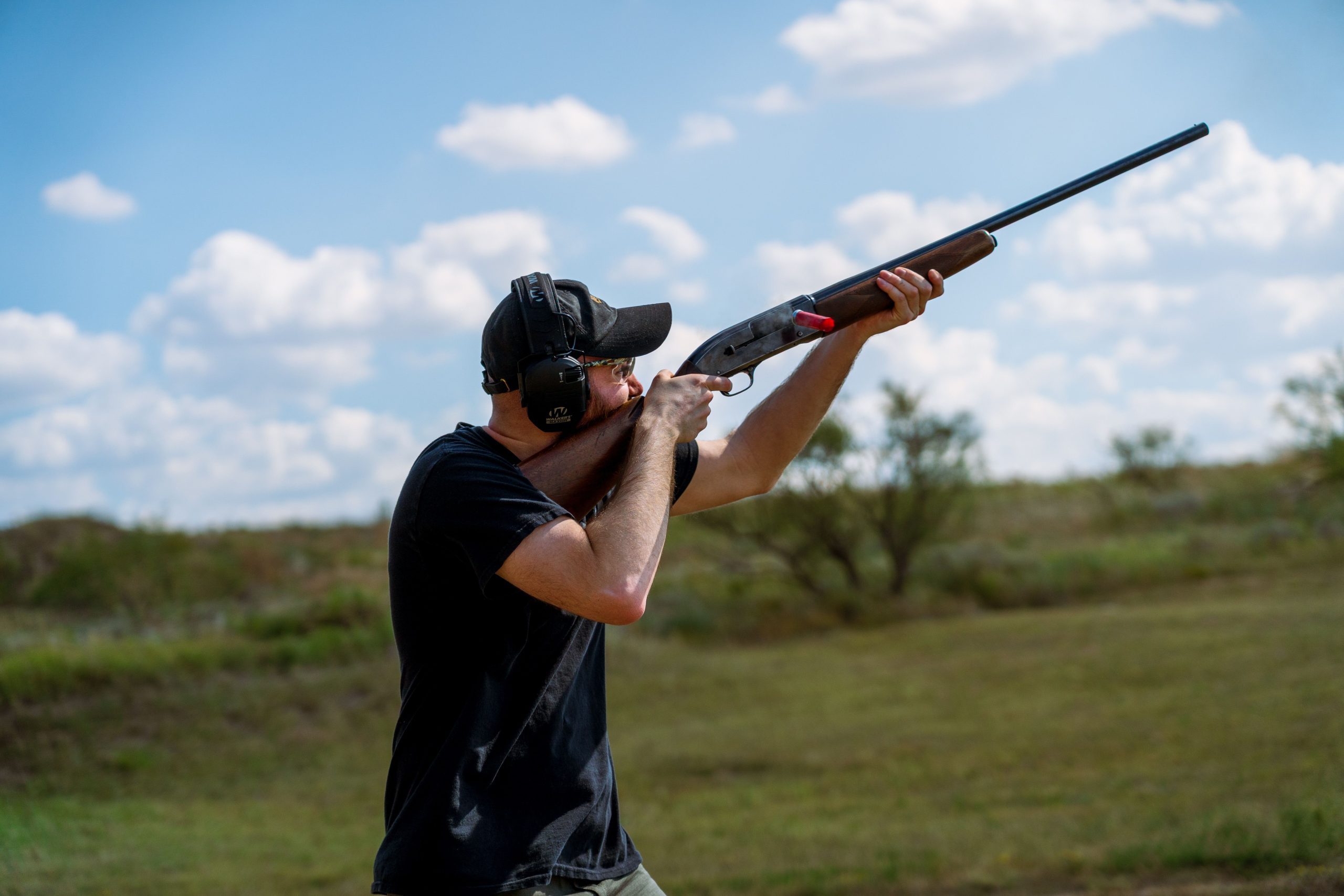
A 22-inch barrel offers a compromise between compact dimensions and a more traditional field-gun feel. The additional 2 inches compared with a 20-inch barrel adds some forward weight without making the shotgun as long as a 26- or 28-inch model. That can influence how naturally the gun moves during sporting use. Buyers should not assume the extra length automatically creates tighter patterns, because choke and ammunition normally have a much greater effect on pellet distribution. The useful numbers to compare are therefore 22 inches of barrel, total unloaded weight, chamber specification, and available choke options.
4. 24 Inches: Handy Field Length
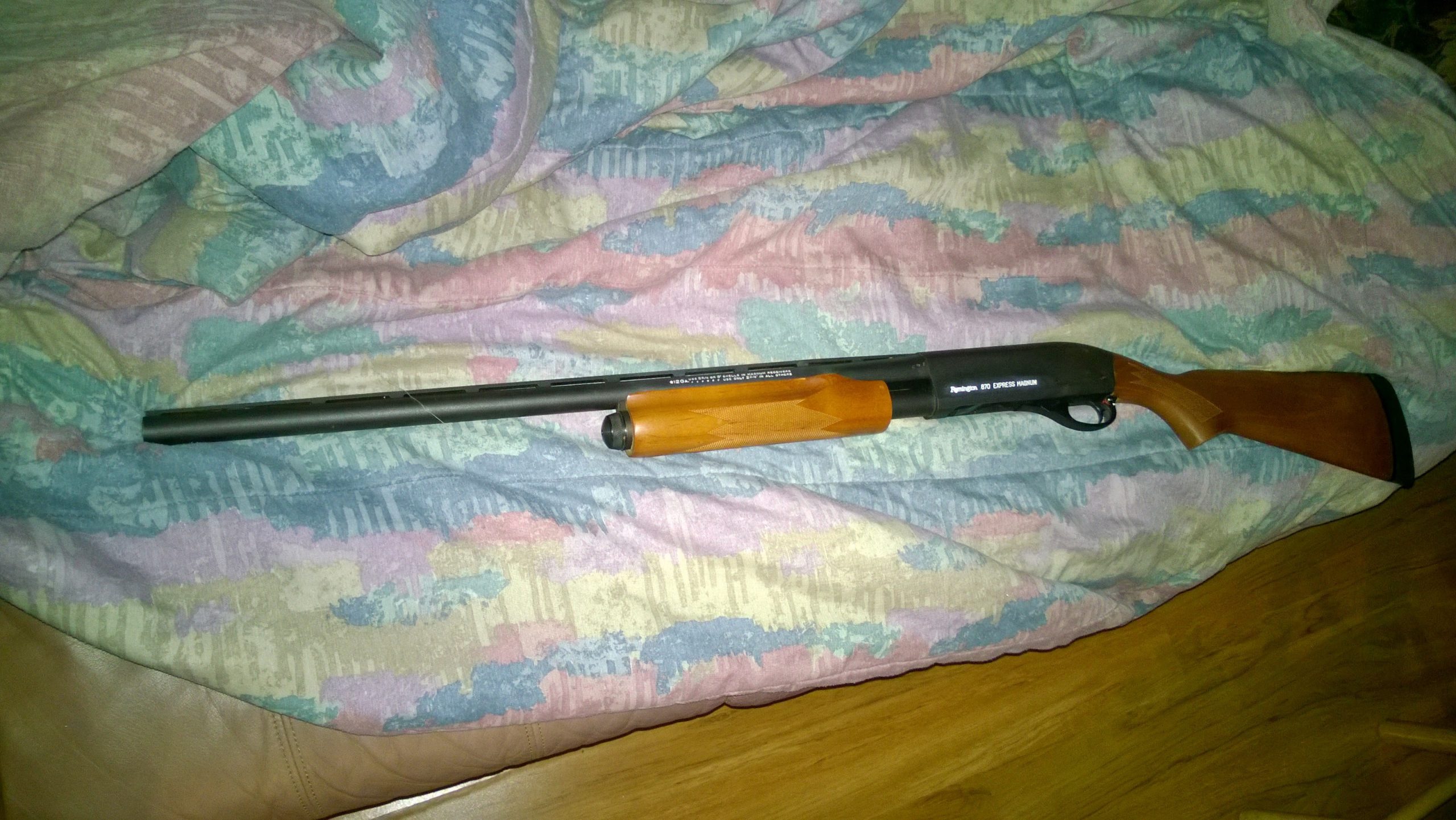
A 24-inch barrel is a popular compromise for buyers who want a relatively compact shotgun without moving into the shortest configurations. It provides more forward balance than a20-0 or 22-inch barrel while remaining shorter than many traditional field guns. That balance can be particularly noticeable when carrying or moving the shotgun through dense terrain. The additional length may also produce a modest velocity increase, but it should not be treated as a major performance jump. Pattern quality depends strongly on the ammunition and choke. For many buyers, 24 inches is best understood as a handling decision rather than a ballistic upgrade.
5. 26 Inches: The Flexible Choice
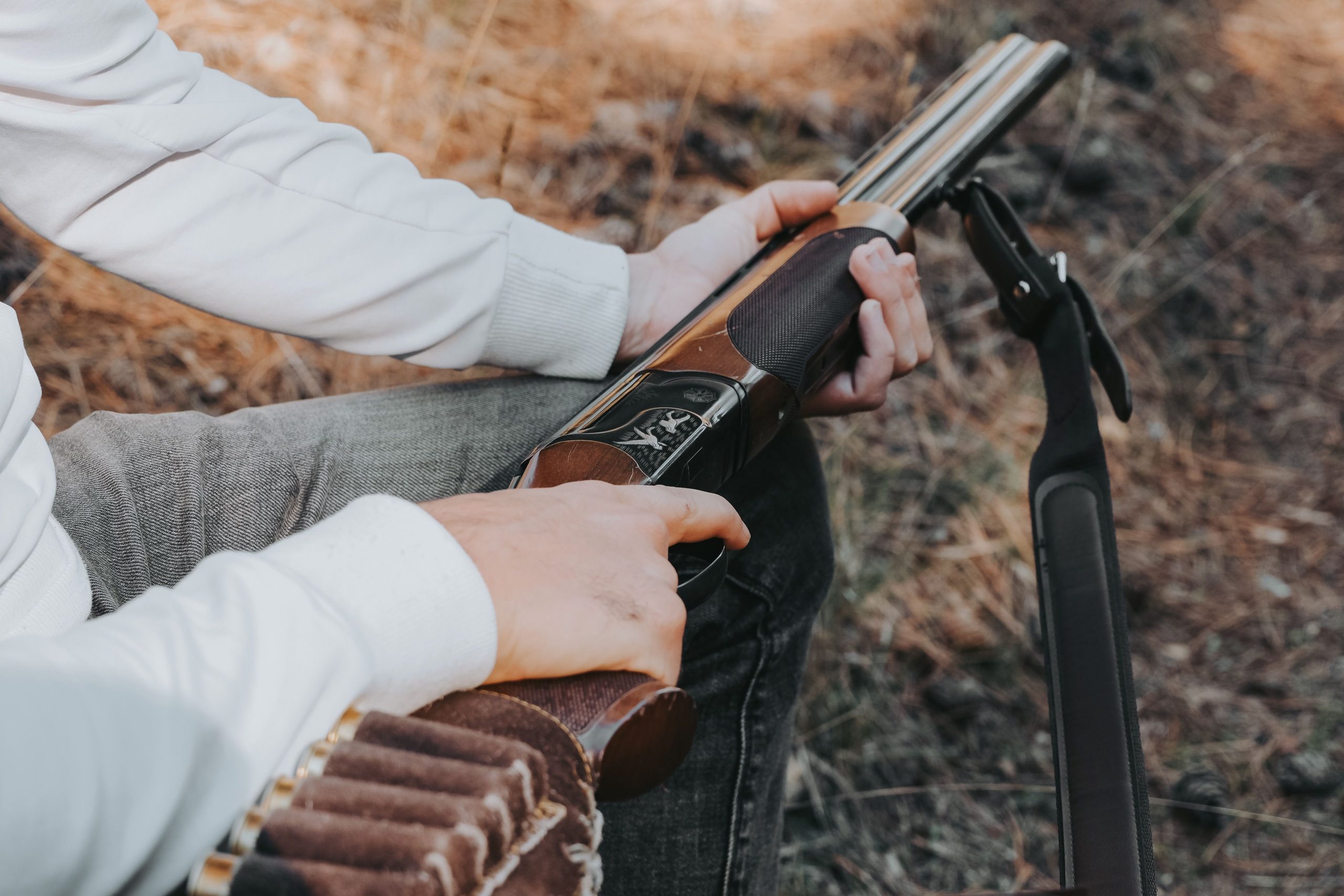
A 26-inch barrel occupies a useful middle position and can suit buyers who want 1 shotgun for several sporting purposes. It provides more forward weight than compact barrels while remaining easier to carry than many 28- or 30-inch models. That balance can help create a smooth, controlled swing without making the gun excessively long. Velocity may increase somewhat with additional barrel length, but the gain is generally modest rather than dramatic. Buyers should compare the complete firearm, because a heavy 26-inch shotgun can handle very differently from a lightweight model with the same barrel measurement. Fit and balance remain crucial considerations.
6. 28 Inches: The Classic All-Rounder
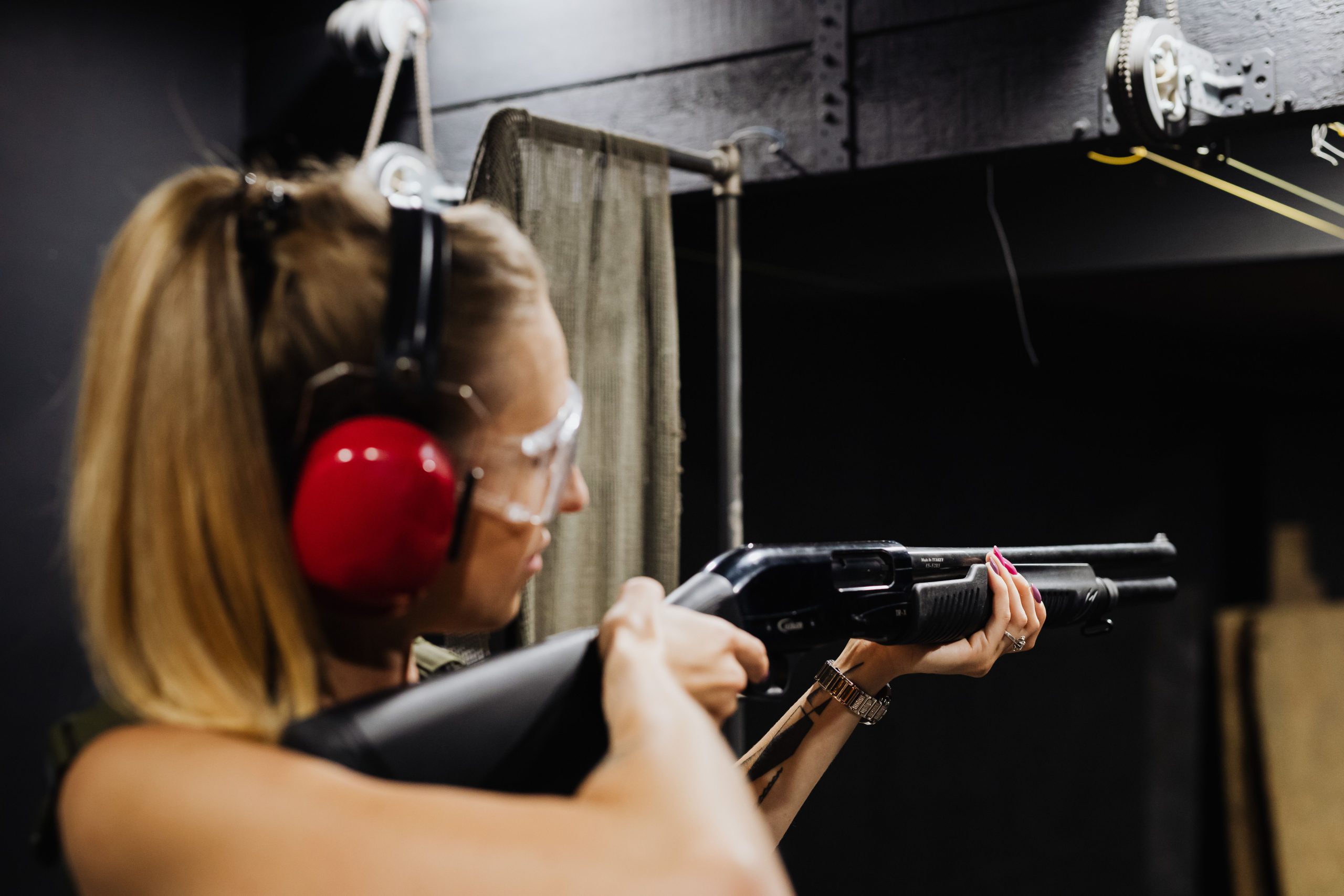
A 28-inch barrel is one of the most familiar choices in field and sporting shotguns. Its extra forward weight can encourage a smooth swing, which many shooters appreciate when tracking moving targets. It is also long enough to provide a traditional sighting arrangement without becoming exceptionally cumbersome. The important point is that 28 inches does not magically make a shotgun more accurate. Choke and ammunition have a stronger influence on pattern density, while barrel length mainly affects balance, handling, and modest velocity differences. For buyers wanting a versatile shotgun rather than a highly specialized model, 28 inches remains a sensible benchmark.
7. 30 Inches: Built Around Smooth Movement
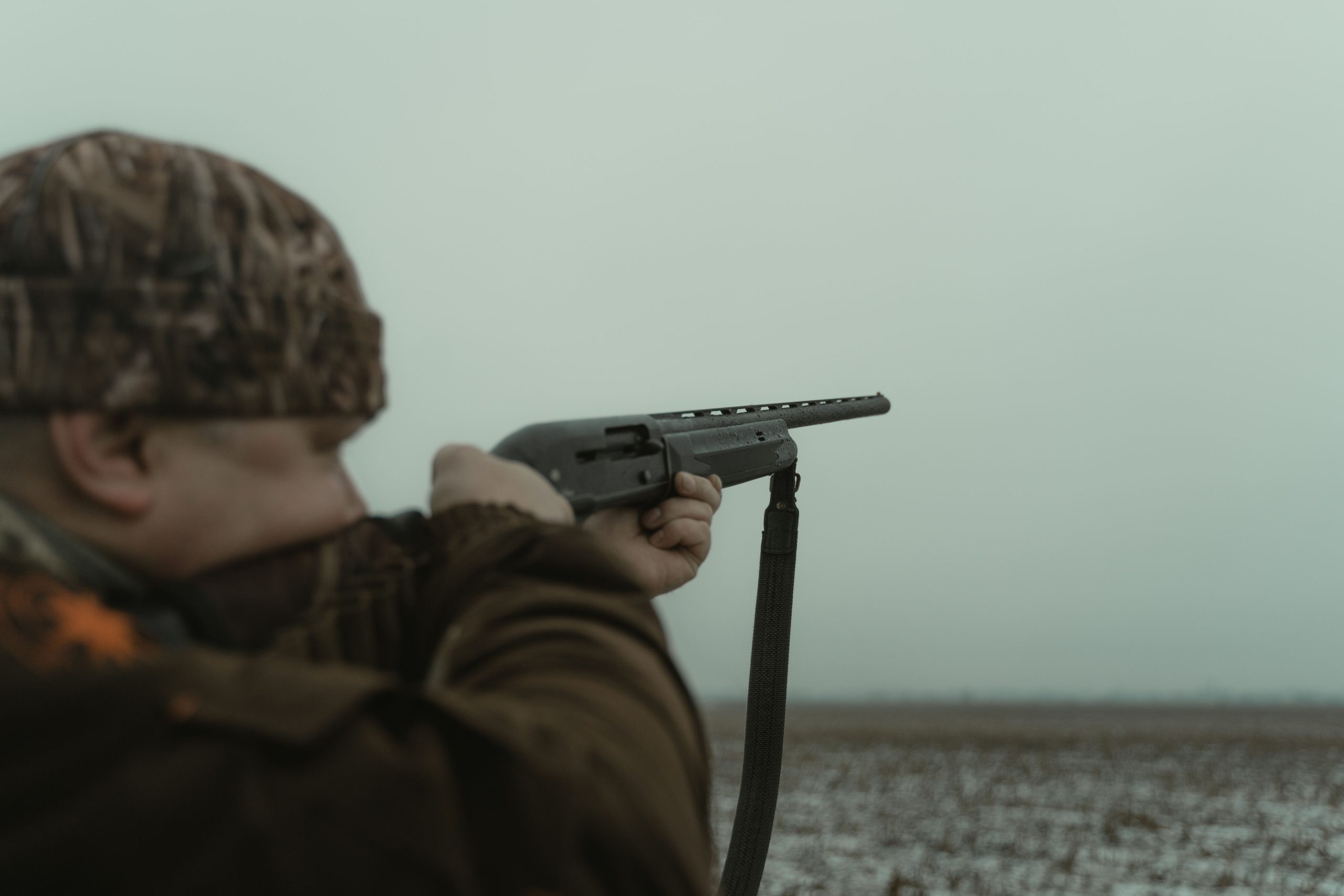
A 30-inch barrel moves the shotgun toward a longer, more deliberate handling style. The extra 2 inches compared with a 28-inch model adds forward weight, which can help some shooters maintain a smooth swing rather than abruptly stopping the barrel. This characteristic explains why longer barrels remain popular in certain clay-target disciplines and bird-hunting applications. The extra length should not be mistaken for a huge velocity advantage. Modern shotgun loads generally gain only modest speed as barrel length increases. Buyers should consider whether they actually prefer the longer balance, because overall weight and handling can matter more than the additional 2 inches.
8. 32 Inches: A Specialist’s Preference
A 32-inch barrel is firmly toward the long end of common sporting configurations. Its main effect is on handling, balance, and overall dimensions rather than a dramatic increase in ballistic performance. The additional forward weight can make the gun feel smooth and deliberate during sustained movement, which can appeal to clay-target shooters and some open-country hunters. However, the difference between 30 and 32 inches is relatively small in velocity terms. Buyers should examine total firearm weight, stock dimensions, rib design, and balance point before choosing it. A 32-inch shotgun can feel excellent in the right hands, but it is not automatically superior to a shorter gun.
9. 34 Inches: Long-Barrel Territory
A 34-inch barrel represents the longer end of modern sporting shotgun configurations. At this length, balance becomes especially important because more of the gun’s mass sits forward of the shooter’s hands. Some shooters appreciate that deliberate movement, while others find the additional length cumbersome. The final 2 inches beyond a 32-inch barrel should not be expected to produce a dramatic improvement in velocity or patterning. In fact, research indicates that choke and shooting distance can have a substantially greater effect on pellet distribution than barrel length. A 34-inch shotgun therefore makes the most sense as a specialized handling preference rather than a universal performance upgrade.
10. Choosing Your Number: Match Length to Purpose
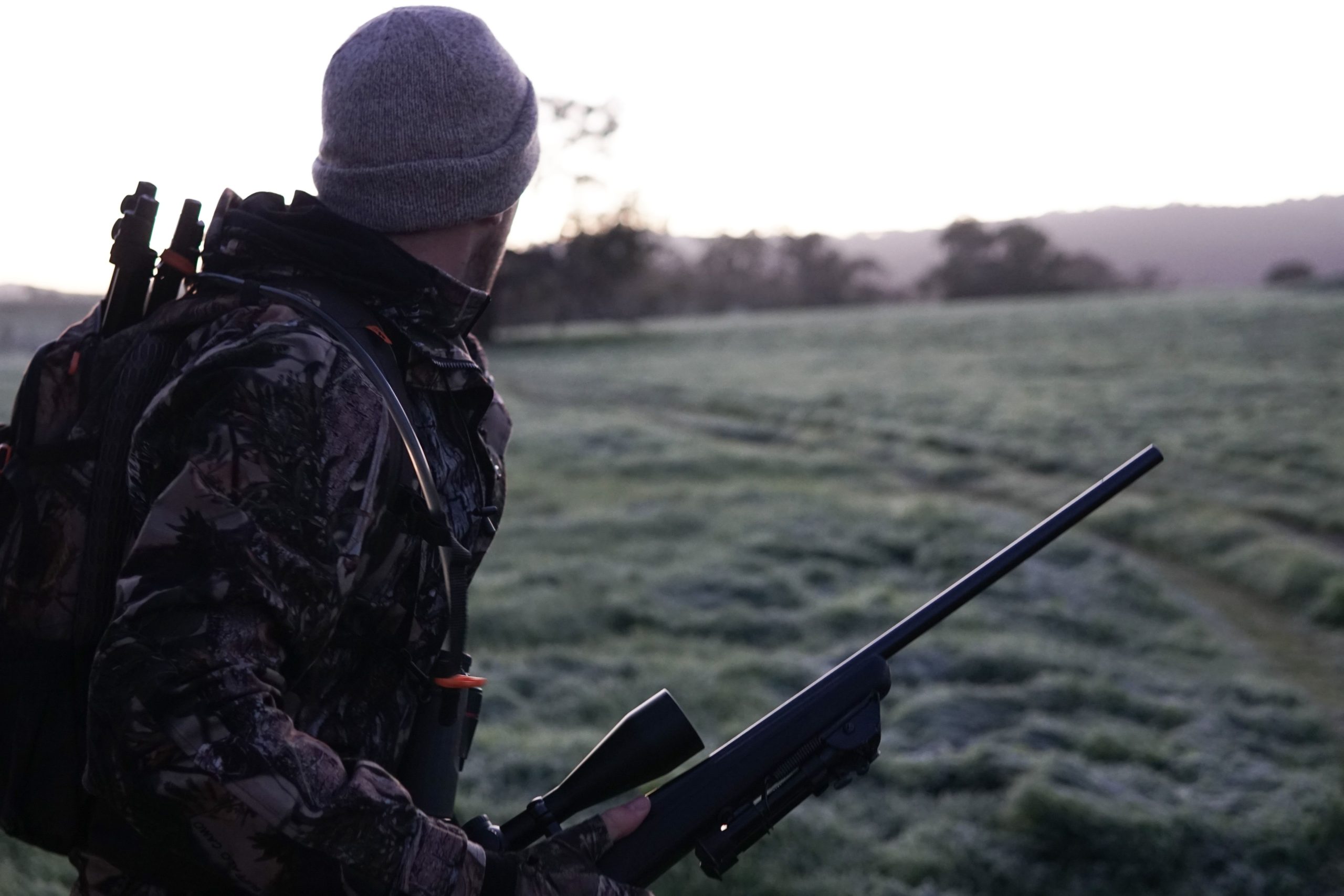
The easiest way to think about barrel length is as a handling spectrum rather than a power scale. Roughly 18 to 24 inches emphasizes compactness, 26 to 28 inches provides broad versatility, and 30 to 34 inches favors a longer, smoother swing. These are useful guidelines, not rigid rules. Choke, ammunition, stock fit, action type, and total weight can change the experience considerably. A buyer should also verify chamber dimensions, manufacturer specifications, and applicable laws before purchasing. The smartest choice is not automatically the longest or shortest barrel, but the length that complements the shotgun’s intended sporting role and fits its user.