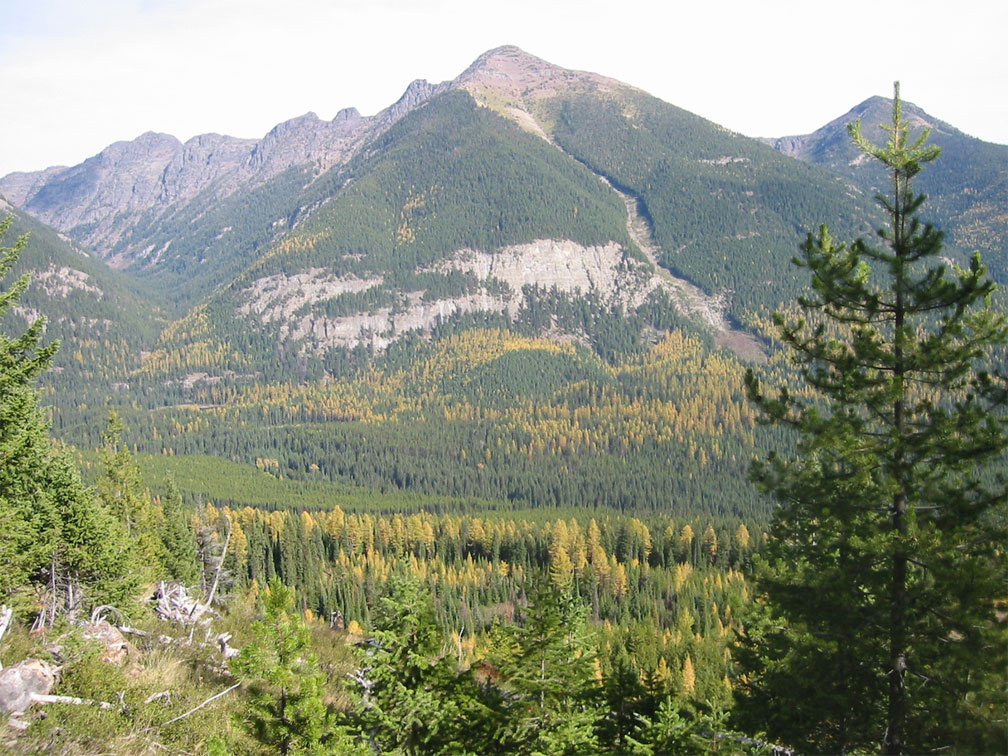
Exploring America’s forests offers breathtaking landscapes, but some areas are infamous for the number of hikers who vanish each year. Rugged terrain, unpredictable weather, and vast, isolated areas contribute to these disappearances. While many hikers prepare properly and return safely, others underestimate nature’s challenges, often leading to search and rescue operations or unsolved mysteries. Here are 13 U.S. forests and wilderness regions where hikers frequently go missing, along with details that highlight their dangers and allure.
1. Great Smoky Mountains National Park

This park has the highest number of search and rescue operations in the U.S., with thousands of hikers getting lost every year. Its dense forests, steep slopes, and sudden fog can disorient even experienced adventurers. Hikers often underestimate the difficulty of its trails, and day visitors frequently stray from marked paths. Between 2004 and 2014, nearly half of all rescue calls involved people who had become disoriented or injured while exploring the park’s more remote regions.
2. Superstition Mountains
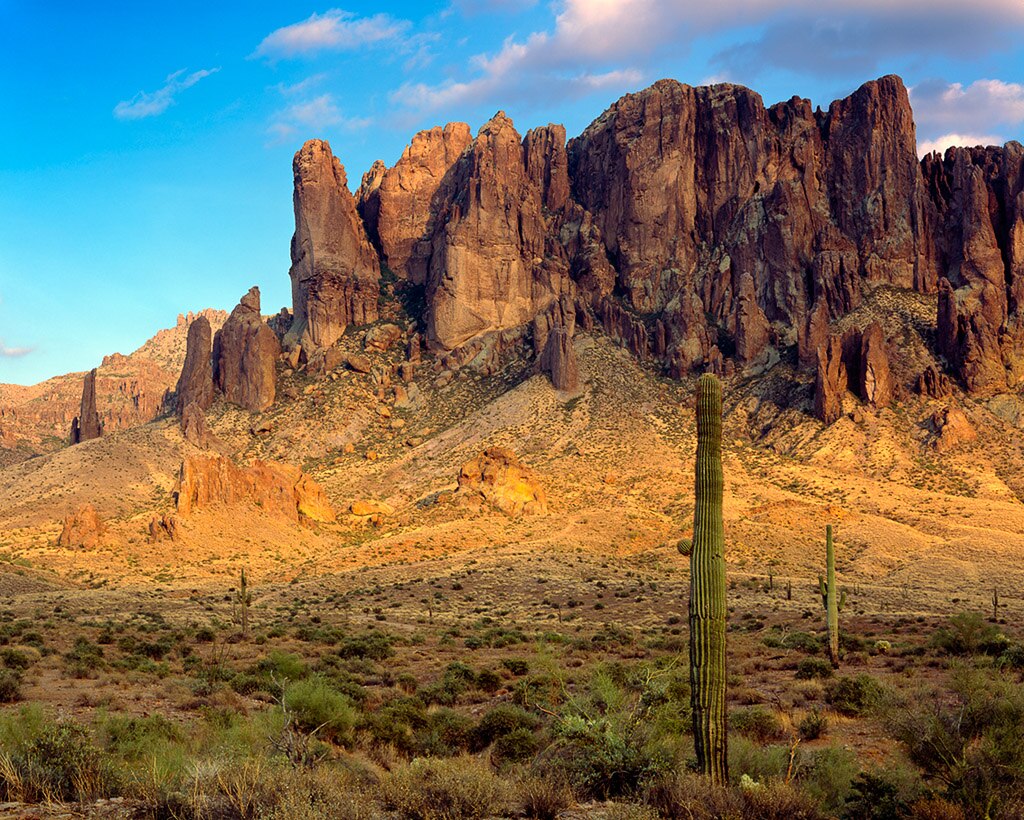
Legends of the Lost Dutchman’s Gold Mine make this rugged desert mountain range a magnet for thrill seekers. With sheer cliffs, rocky trails, and extreme temperatures, it’s easy to become stranded or lost. Local authorities report four to five disappearances annually, many involving inexperienced hikers. The combination of remote terrain, sudden storms, and insufficient water supplies often turns a day hike into a dangerous ordeal, making careful preparation essential for anyone venturing into this mystical range.
3. Gila Wilderness

As America’s first designated wilderness area, Gila offers vast, untouched landscapes that can challenge even skilled hikers. Its steep canyons, dense forests, and limited water sources create situations where one wrong turn can lead to days of wandering. Several hikers have vanished here without a trace, despite search efforts. The area’s remoteness and lack of nearby roads mean rescue operations can take hours or days, emphasizing the importance of navigation tools, planning, and experience when exploring this legendary wilderness.
4. Alaska Triangle
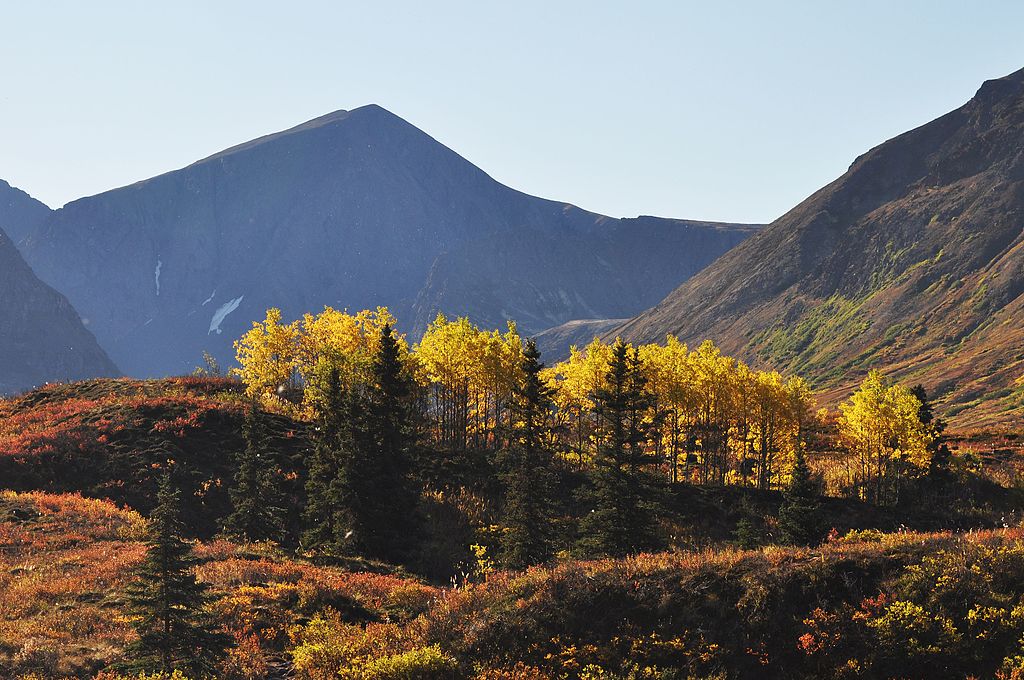
Spanning Juneau, Anchorage, and Barrow, the Alaska Triangle is infamous for mysterious disappearances, with thousands of hikers and travelers vanishing over decades. Dense forests, glaciers, and unpredictable weather make rescue operations extremely challenging. Reports suggest the disappearance rate is double the national average, and many cases remain unexplained. The extreme remoteness, harsh winter conditions, and limited communication options mean hikers must carry specialized equipment, have survival skills, and never venture alone.
5. Inyo National Forest
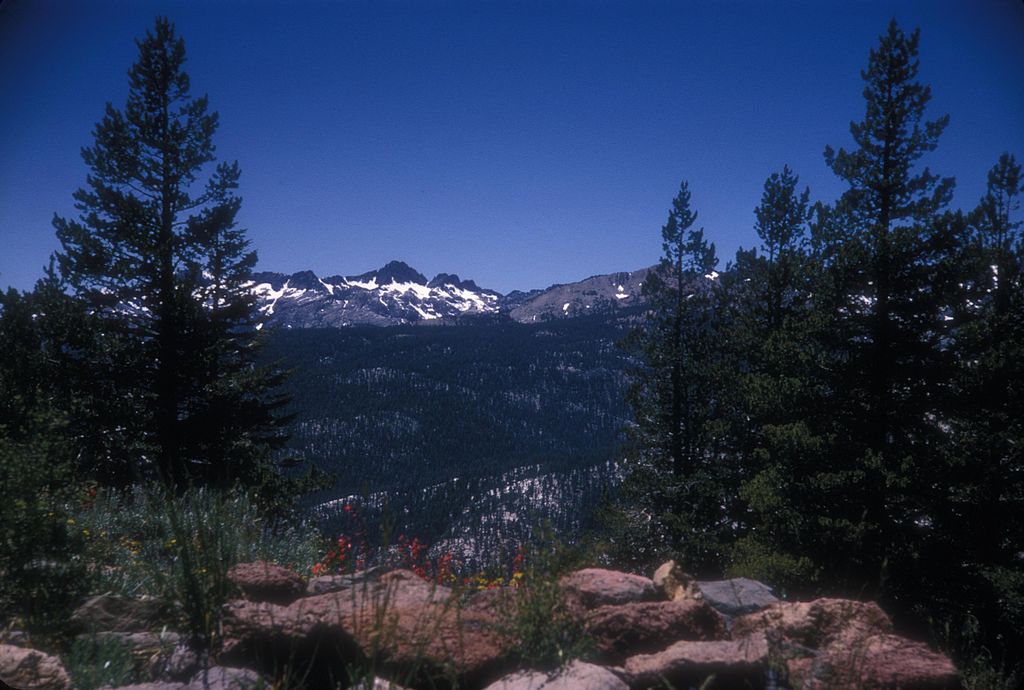
Home to Mount Whitney, the highest peak in the contiguous United States, Inyo National Forest presents serious challenges for climbers and hikers. Altitude sickness, steep trails, and sudden weather changes can quickly create dangerous situations. Many hikers underestimate the physical demands of the terrain, and straying off trails increases the likelihood of getting lost. The forest’s combination of high elevation peaks, remote areas, and rugged valleys has led to frequent disappearances despite its popularity among experienced outdoor enthusiasts.
6. Holy Cross Wilderness
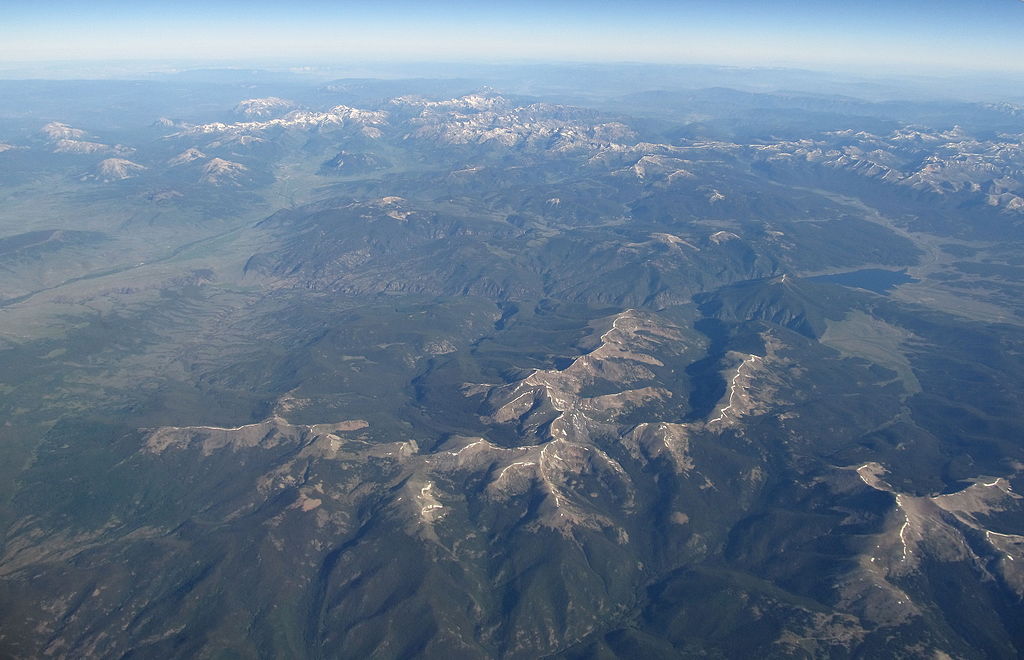
Nestled in Colorado’s Rocky Mountains, Holy Cross Wilderness offers stunning scenery but dangerous terrain. Rugged trails, high altitudes, and sudden weather shifts have caused numerous hikers to require rescue or vanish entirely. Many underestimate the steepness of its slopes or the difficulty of navigating unmarked areas. Wildlife encounters, snowstorms, and rockslides further increase risk. Hikers who fail to plan adequately or venture off the main trails often find themselves disoriented in this beautiful yet unforgiving wilderness.
7. Leatherwood Wilderness
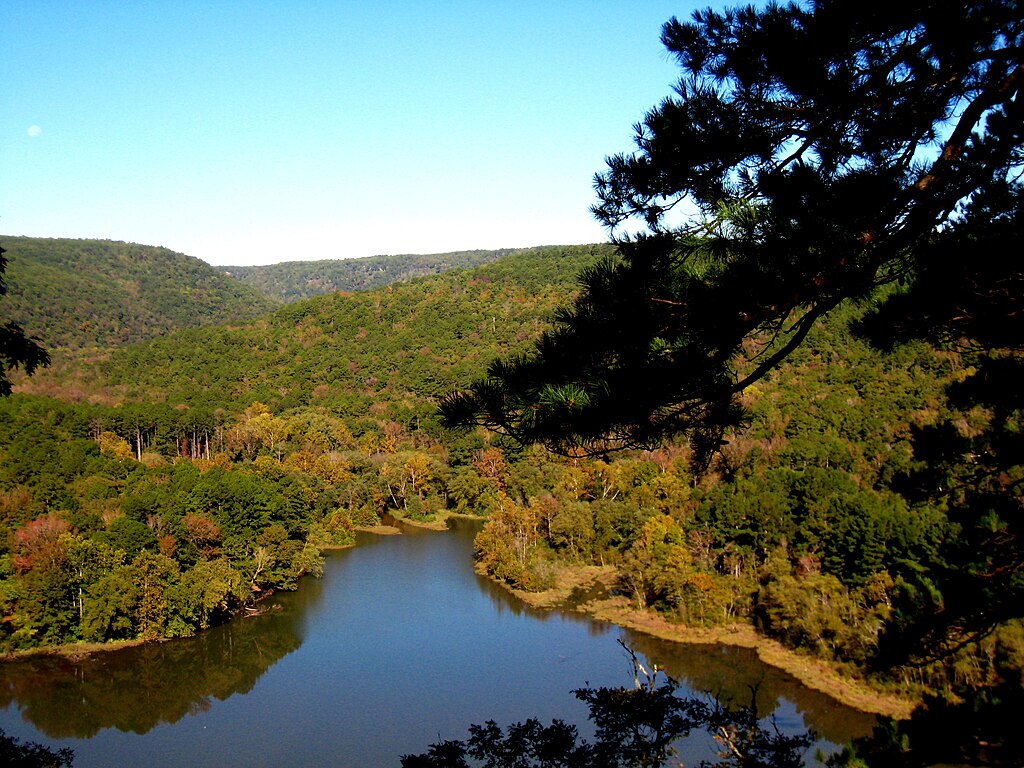
Located within the Ozark St. Francis National Forest, Leatherwood Wilderness is a dense and rugged area with steep cliffs and thick forests. Navigation is challenging, and getting lost can be easy, especially for inexperienced hikers. Its remote location and limited cell service make rescue operations difficult. Hiker disappearances here often involve people who misjudge trail difficulty, ignore weather warnings, or lack proper supplies. The combination of isolation, rugged topography, and dense vegetation makes Leatherwood a place where caution is critical.
8. Black Fork Mountain Wilderness

Characterized by steep ridges, rocky outcrops, and dense forests, Black Fork Mountain Wilderness is remote and challenging. Hikers frequently report disorientation, and there are multiple accounts of individuals disappearing entirely. Limited trail markings and sudden weather changes exacerbate risks, making survival skills and preparation vital. Even experienced hikers must be cautious, as its isolation and rugged landscape can make locating missing persons extremely difficult. The area’s beauty is undeniable, but it demands respect and vigilance.
9. Shawnee National Forest
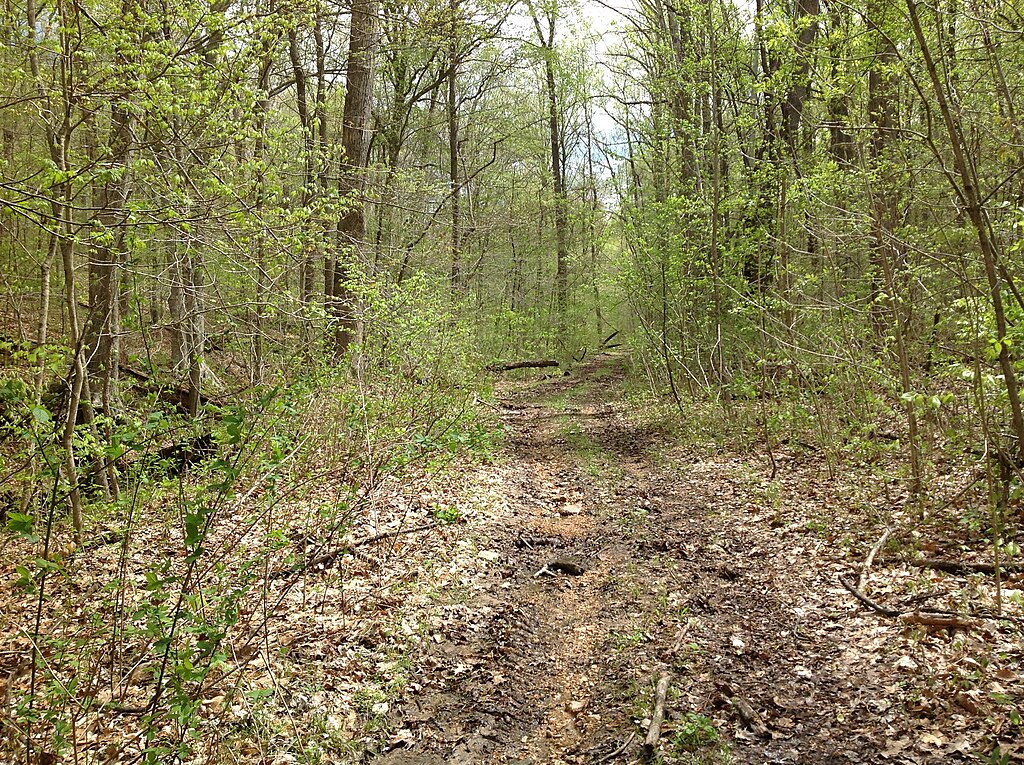
Shawnee’s rugged terrain, combined with dense woodlands and limestone bluffs, makes it deceptively difficult for hikers to navigate. Many disappearances are linked to underestimating the forest’s challenges, such as steep cliffs, hidden ravines, and poorly marked trails. Hikers sometimes get lost for days before rescue teams can locate them. Its unpredictable weather can turn a simple hike into a dangerous ordeal. Knowledge of navigation, survival skills, and trail maps is crucial for safely exploring this southern Illinois gem.
10. Sierra National Forest
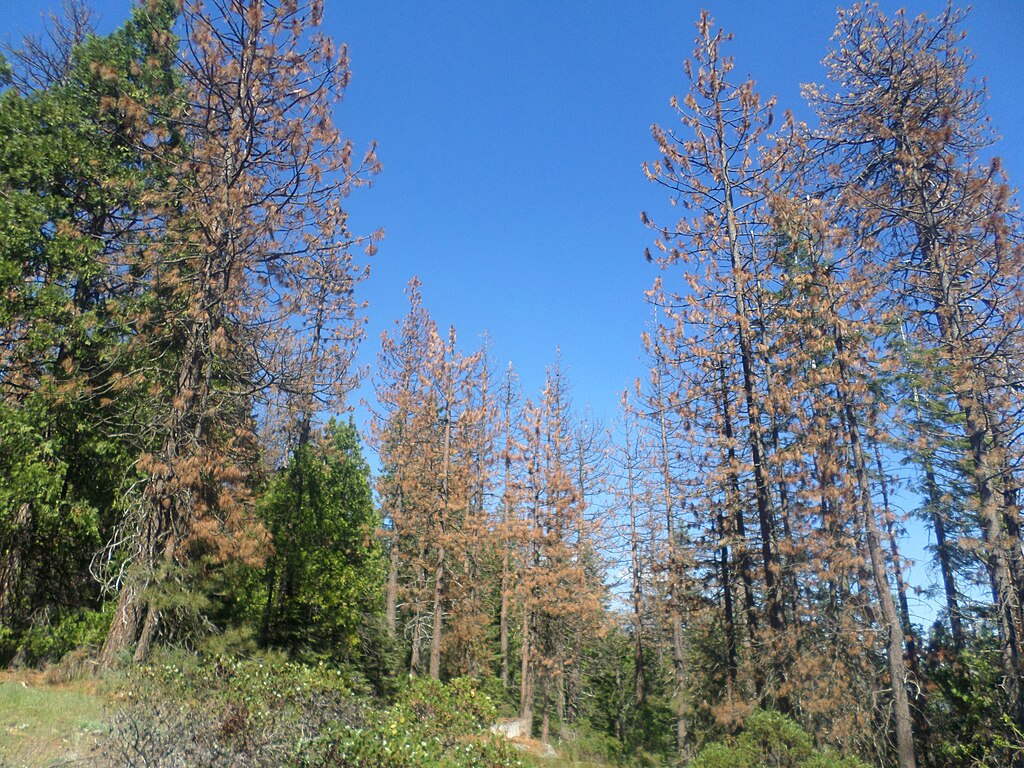
Part of the Sierra Nevada range, this forest has vast wilderness areas, high mountains, and challenging trails. Rapid weather changes, including sudden snow or thunderstorms, contribute to hiker disappearances. Dense forests and remote valleys make search operations difficult. Many hikers underestimate the difficulty of high elevation treks, and straying off trail is common. The combination of extreme terrain, sparse communication, and natural hazards like rockslides and wildlife encounters makes careful planning and experience essential.
11. Mount Hood National Forest
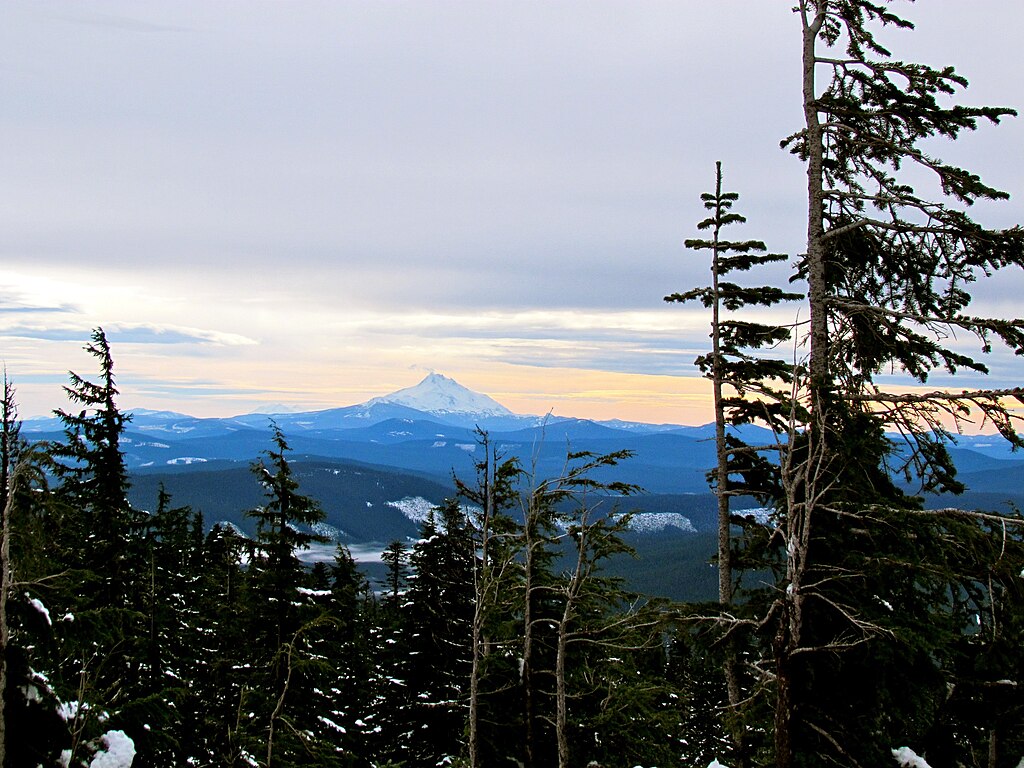
Mount Hood National Forest offers striking volcanic landscapes but is fraught with danger. Unpredictable weather, steep slopes, and forested ravines make navigation tricky, and hikers frequently require rescue. Avalanches and sudden storms are risks even in summer months. Inexperienced hikers sometimes rely too heavily on GPS devices, which may fail in remote areas. The forest’s mix of challenging climbs, thick forests, and weather hazards means that hikers must be well prepared and aware of their limits to avoid becoming a statistic.
12. Coconino National Forest
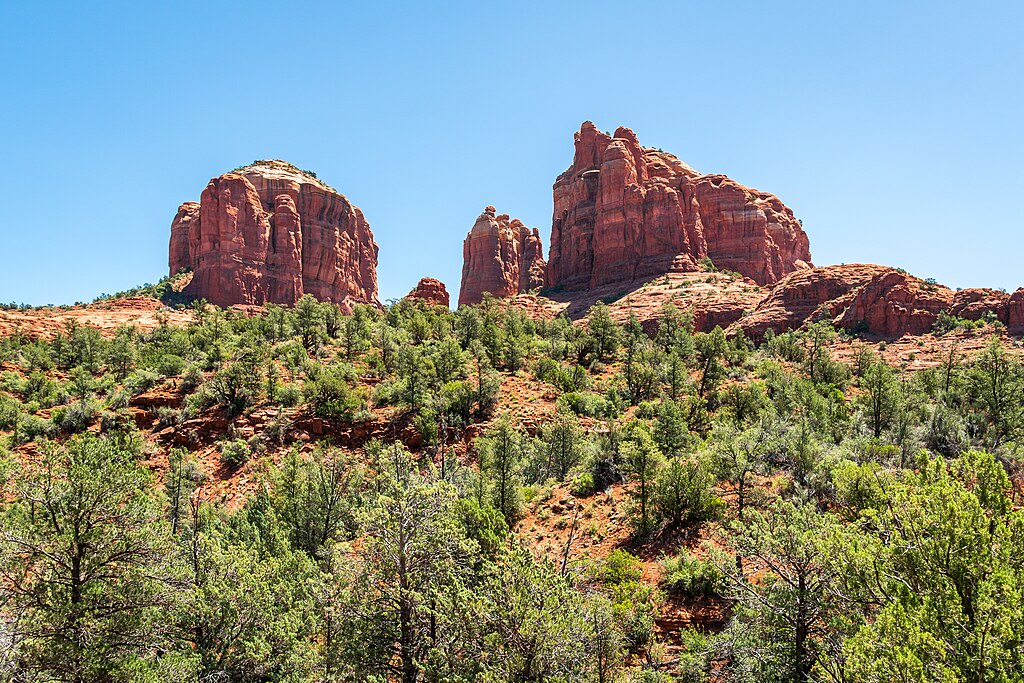
Coconino’s diverse terrain includes red rock canyons, plateaus, and dense forests, offering both beauty and challenges. Hiker disappearances often occur due to sudden weather changes, difficult terrain, and underestimating distances. Limited water sources and remote areas increase the risk of dehydration or getting lost. Straying from marked trails or exploring slot canyons without experience has resulted in multiple rescue operations. Hikers are advised to prepare thoroughly, carry navigation tools, and respect the forest’s unpredictable conditions.
13. White Mountain National Forest

The White Mountains are renowned for stunning vistas but are also notorious for hiker disappearances. Steep terrain, sudden storms, and dense forests contribute to dangerous conditions. Many hikers underestimate winter weather, trail difficulty, or the time required to complete a trek. Disorientation is common, and search and rescue teams often face challenges locating missing individuals. Proper preparation, including weather appropriate clothing, navigation tools, and realistic planning, is critical for safely enjoying this rugged and beautiful wilderness.