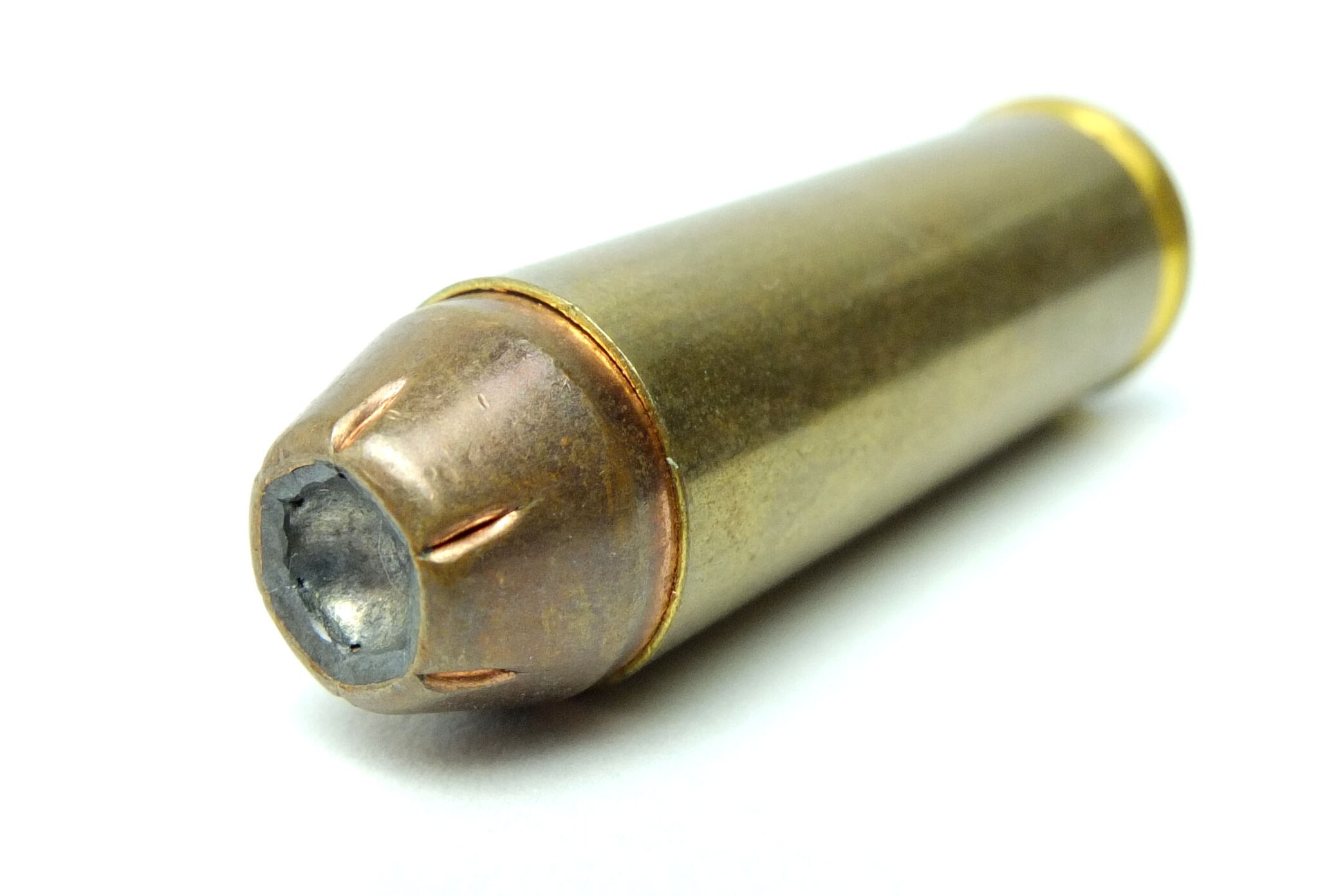
American gun culture is shaped by much more than one firearm or one type of shooter. Different platforms have become associated with military history, hunting, sport shooting, collecting, law enforcement, personal protection, and public debate. Pew Research Center reported that 32% of U.S. adults personally owned a firearm in its 2023 survey, while another 10% lived with someone who did. The nine firearms below illustrate how different designs have developed distinct places in American history and culture.
1. AR-15-Style Rifles

Few firearms have become as recognizable in American gun culture as the AR-15 pattern rifle. The design traces back to the Armalite AR-15 of the late 1950s, while the civilian market later expanded into a huge range of configurations. Its 5.56mm roots, detachable magazines, modular layout, and broad aftermarket made the platform a common subject of sporting, collecting, training, and political debate. The rifle’s cultural meaning now extends far beyond its engineering. Supporters often view it as a modern sporting arm, while critics focus on its prevalence and appearance. That divide helps explain its unusual place in the national conversation.
2. Glock 17
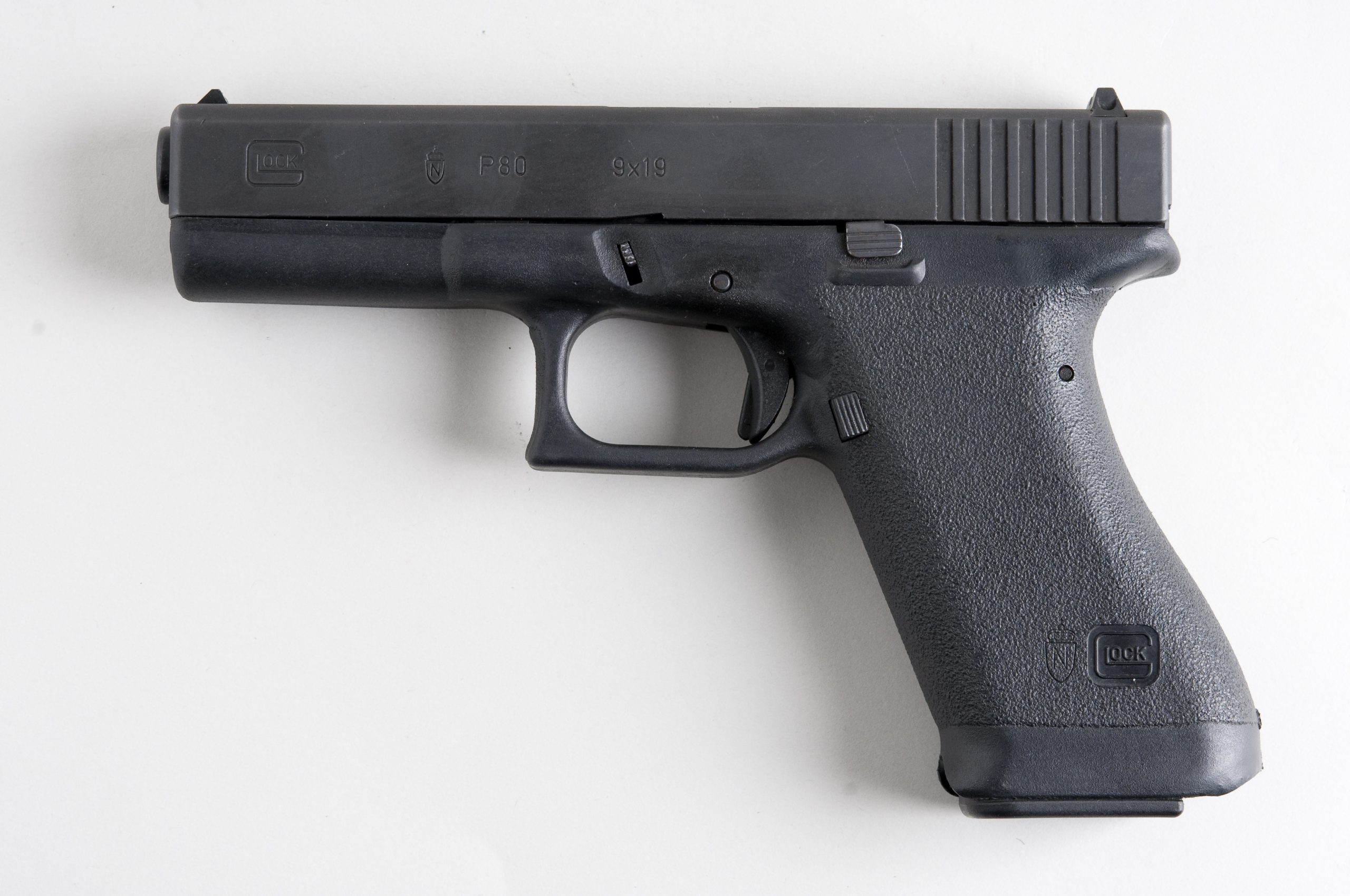
The Glock 17 helped redefine the modern service pistol when it appeared in Austria in 1982. Its 9mm chambering, polymer frame, relatively simple operating system, and 17-round standard magazine became influential features in the handgun market. American shooters encountered the design through police and military adoption, competition, training, and a growing civilian market. Over time, the Glock name became closely associated with the idea of a practical, contemporary semiautomatic pistol. Its importance in gun culture is not just about one model. It represents the broader shift from traditional metal-frame handguns toward polymer-framed pistols that became common from the 1980s onward.
3. Colt 1911
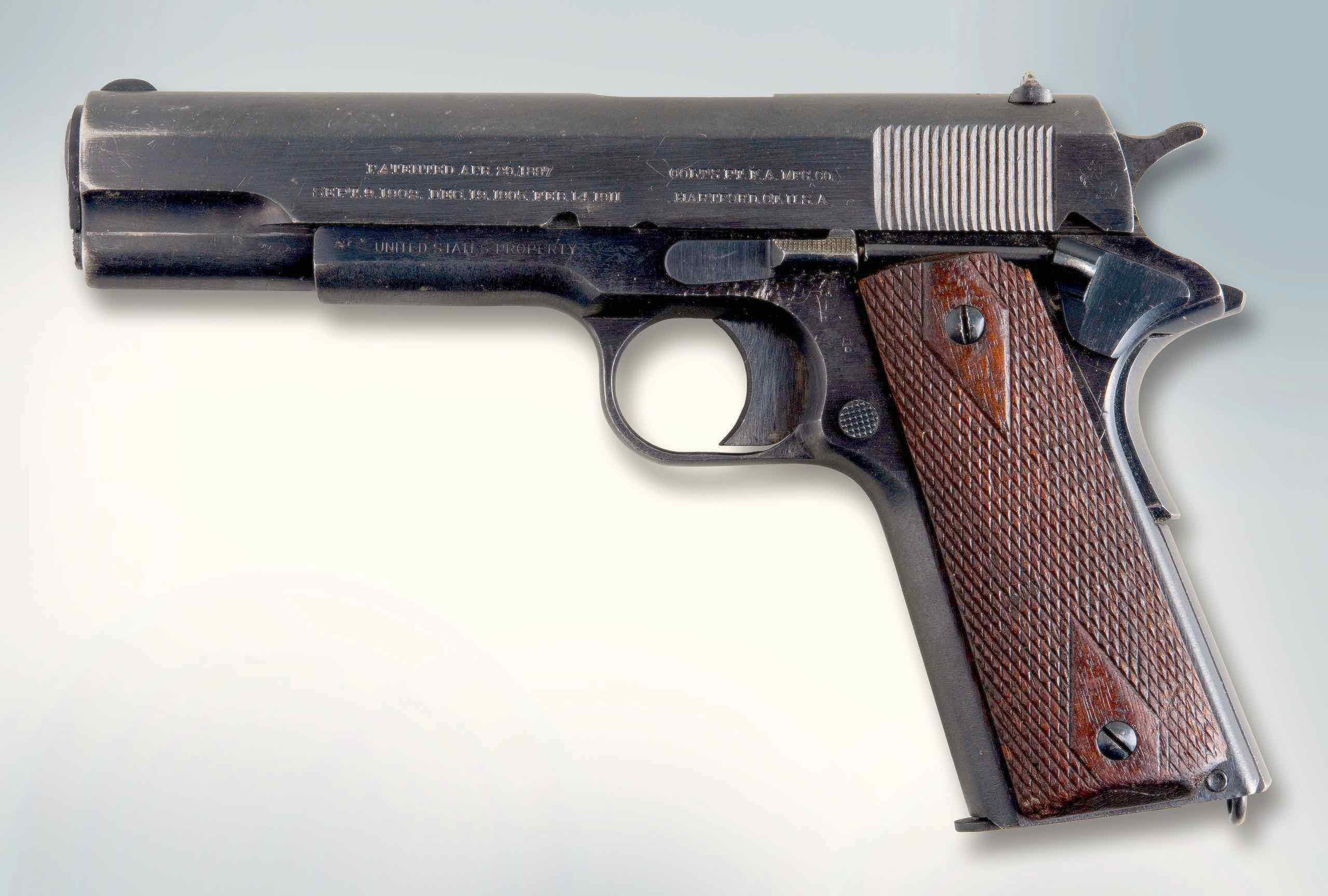
The Colt 1911 occupies a very different place in American firearms culture. Designed by John Browning and adopted by the U.S. military in 1911, the pistol was originally chambered for .45 ACP and used a single-stack magazine. Its service history lasted for decades, including both world wars and later military use. More than a century after adoption, the 1911 remains widely recognized in sporting, collecting, and historical circles. Custom versions also became a major part of the American pistol market. Its long life illustrates how a firearm can move from military equipment to a lasting cultural icon without losing its connection to American history.
4. Remington 870
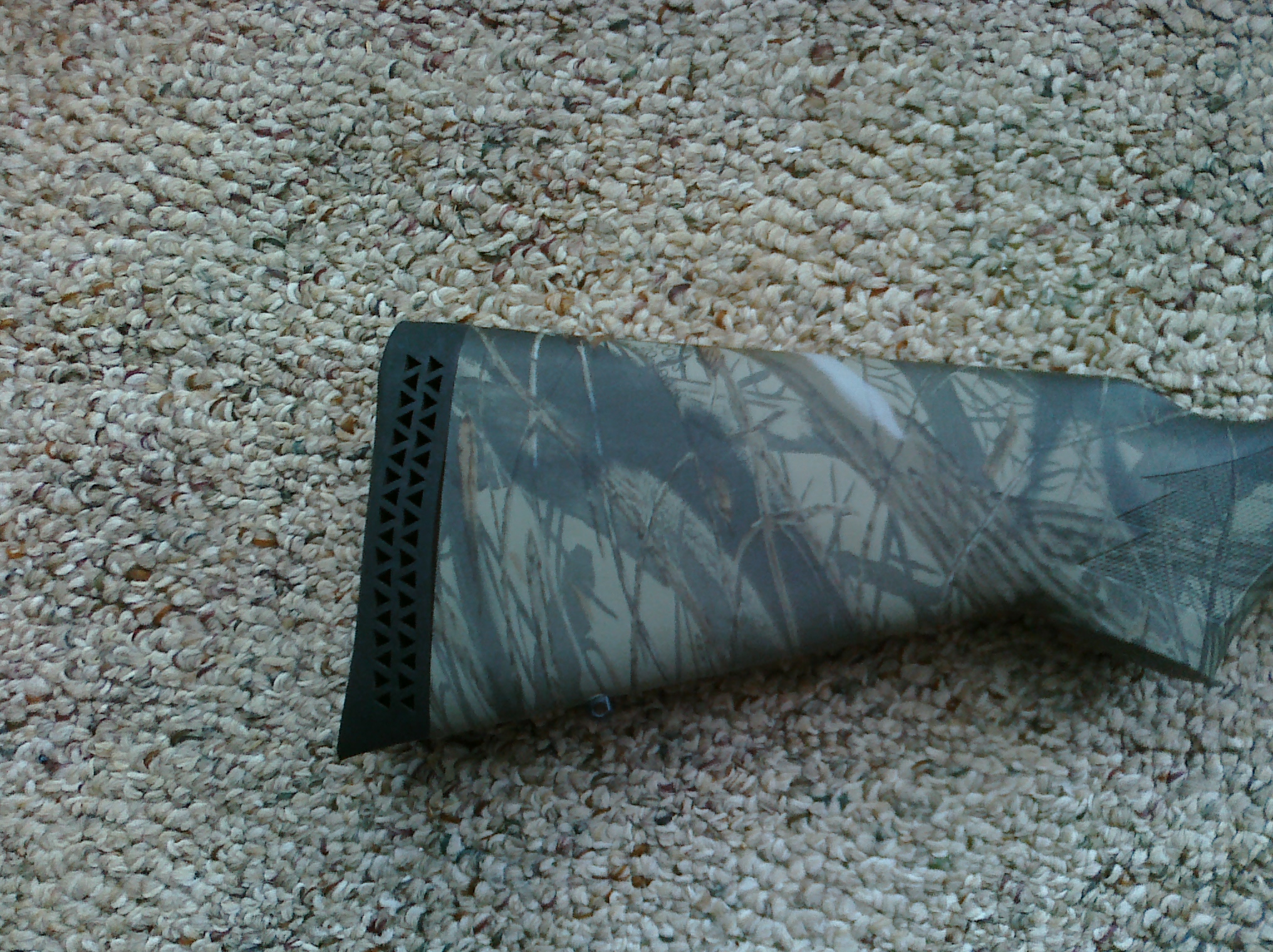
The Remington 870, introduced in 1950, became one of the most recognizable pump-action shotguns in the United States. Its basic design uses a manually operated slide, a tubular magazine, and a receiver that has been produced in numerous configurations. Over seven decades, the platform appeared in hunting, sport shooting, law enforcement, military service, and ordinary civilian ownership. Its broad reputation helped make the pump shotgun a familiar part of American firearms culture. The 870 also demonstrates how one basic action can serve very different communities. Hunters, competitive shooters, collectors, and agencies could all encounter versions of the same underlying design.
5. Ruger 10/22
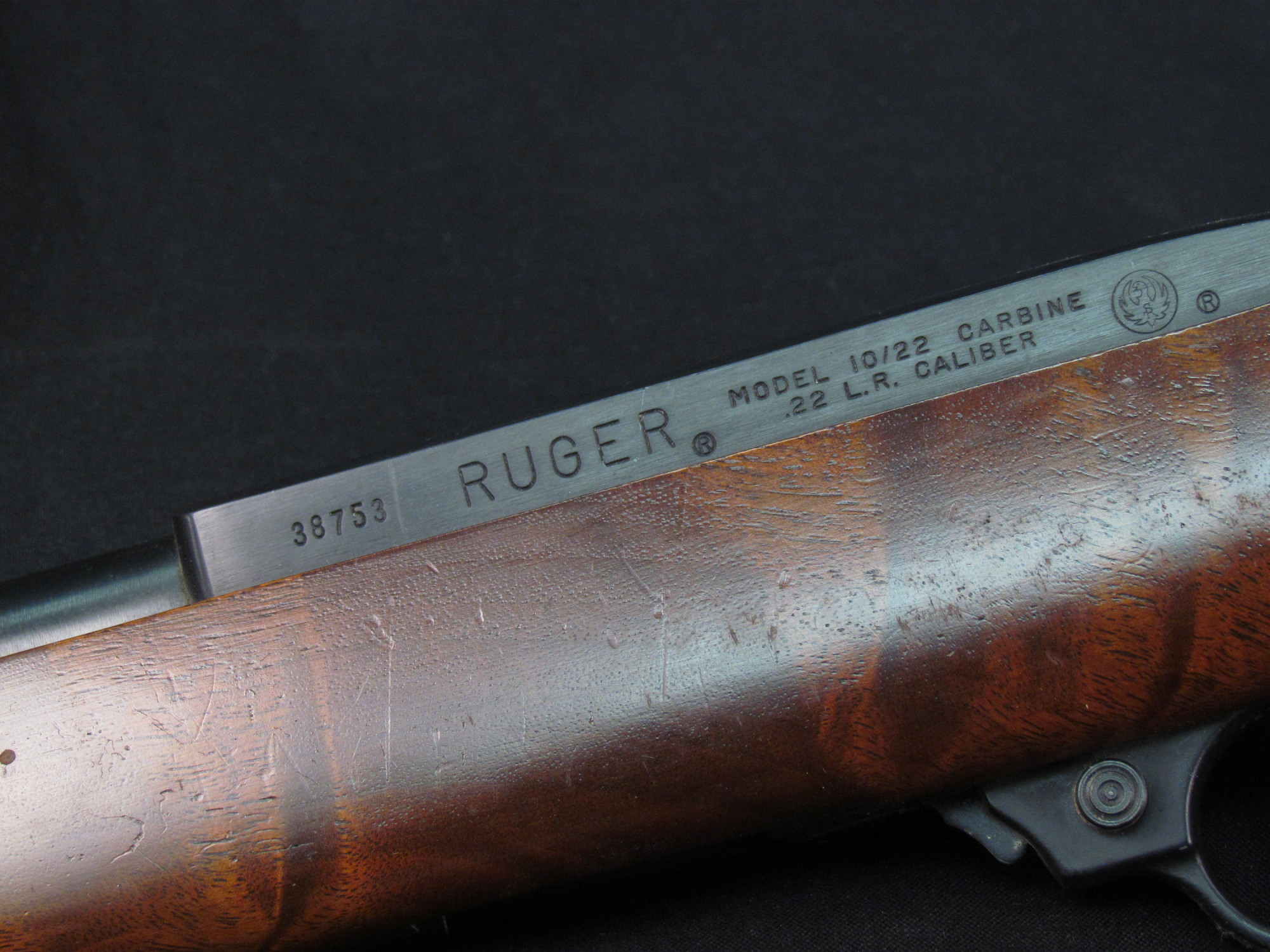
The Ruger 10/22, introduced in 1964, brought a lightweight semiautomatic .22 LR rifle into an enormous American sporting tradition. Its standard cartridge is inexpensive and widely used for recreational shooting, while the rifle’s light weight and simple controls helped make it popular with generations of shooters. Ruger has produced numerous factory variants, and the platform has developed a large aftermarket. Unlike firearms that dominate political arguments because of their appearance or capacity, the 10/22 is often associated with training, plinking, small-game hunting, and family shooting traditions. Its longevity shows how strongly rimfire rifles remain woven into American gun culture.
6. Mossberg 500
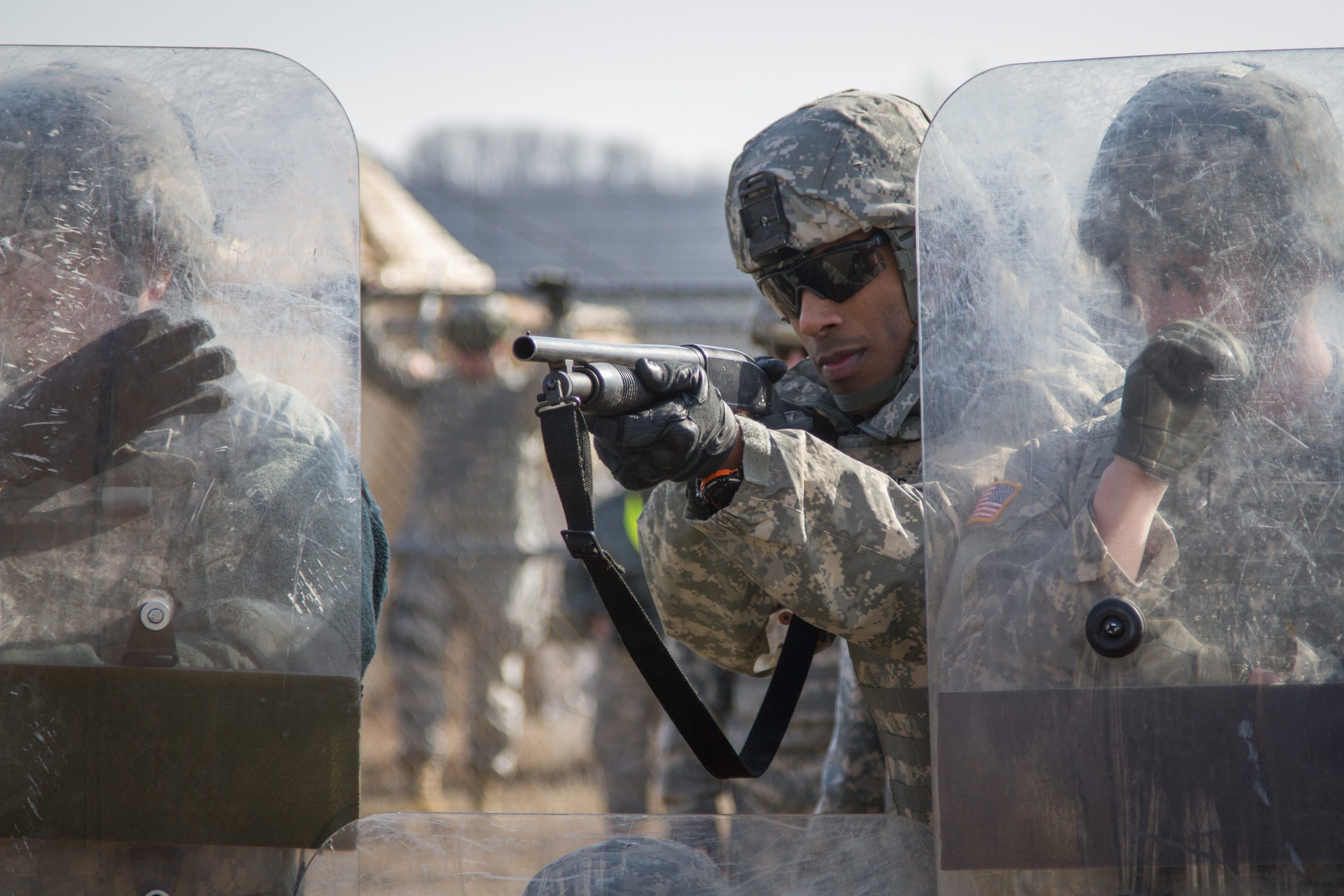
Mossberg introduced the Model 500 pump-action shotgun in 1961, creating another long-running American firearms platform. The design became known for its aluminum receiver and ambidextrous top-mounted safety, while its modular configuration supported multiple barrel and stock arrangements. It has been sold in sporting and defensive-oriented versions and has also seen military and law-enforcement use. The 500 matters culturally because the pump shotgun remains one of the most recognizable firearm types in the United States. Its history connects hunting traditions, household ownership, professional use, and the broader evolution of American shotgun design across more than six decades.
7. AK-Pattern Rifles
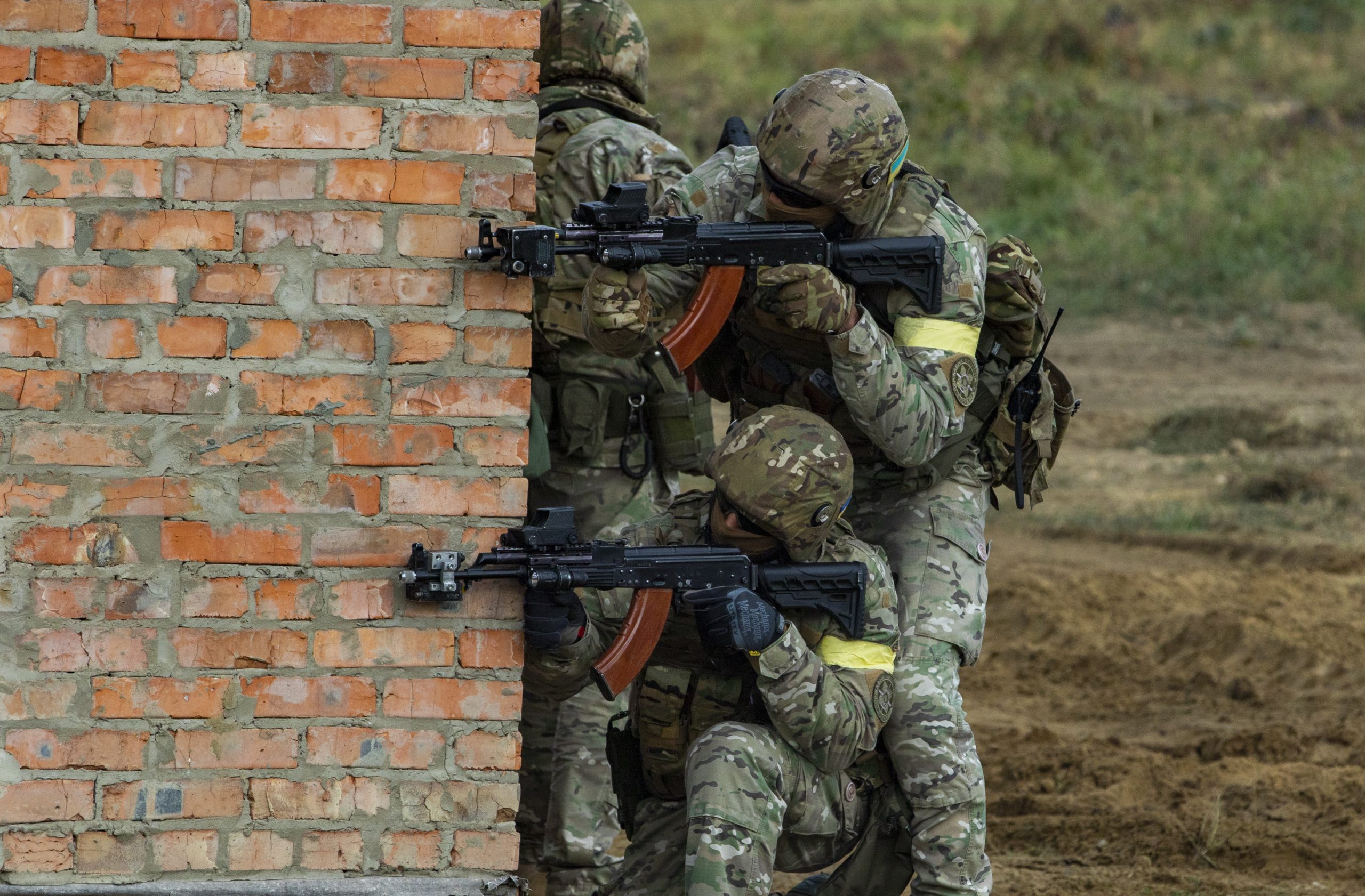
AK-pattern rifles have a distinctive place in American gun culture because their history reaches far beyond the United States. The original Soviet AK-47 design dates to the late 1940s, while American civilian markets later developed many semiautomatic versions inspired by the pattern. The familiar profile, stamped or milled construction, and 7.62×39mm heritage give the platform strong identity. In the United States, AK-pattern firearms became associated with collecting, recreational shooting, and debates about military-style rifles. Their cultural presence also reflects how American firearm ownership often overlaps with military history, Cold War history, and international arms development.
8. SIG Sauer P320
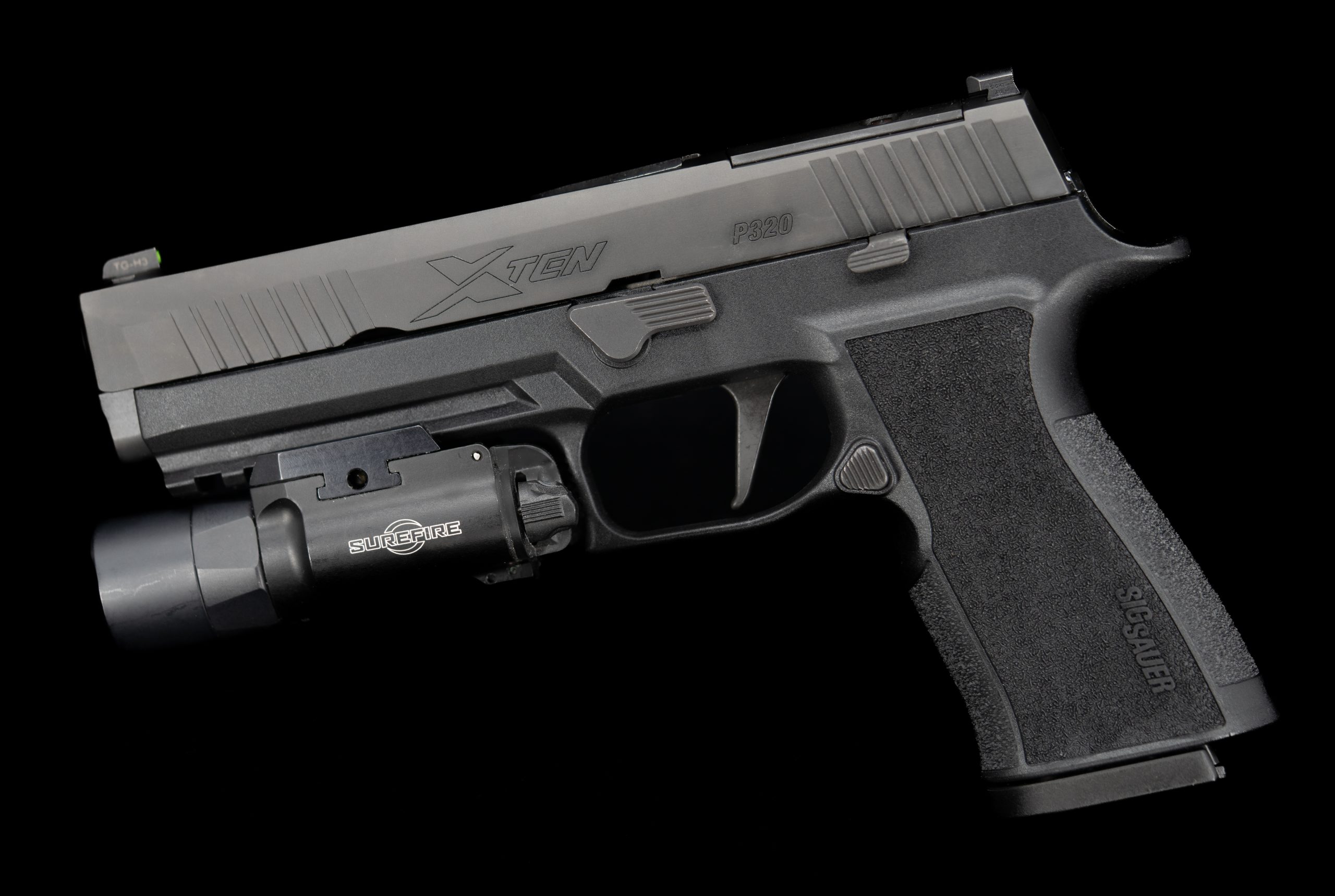
The SIG Sauer P320 represents a newer generation of handgun design and entered the market in 2014. Built around a modular chassis system, the pistol can be configured in different sizes and chamberings while retaining a common serialized fire-control unit. Its later selection by the U.S. military as the M17 and M18 under the Modular Handgun System program gave the platform major visibility. In civilian America, the P320 became part of the expanding market for modern polymer-framed 9mm pistols. Its story shows how military procurement, commercial innovation, and changing preferences can quickly influence the public profile of a firearm.
9. Remington Model 700
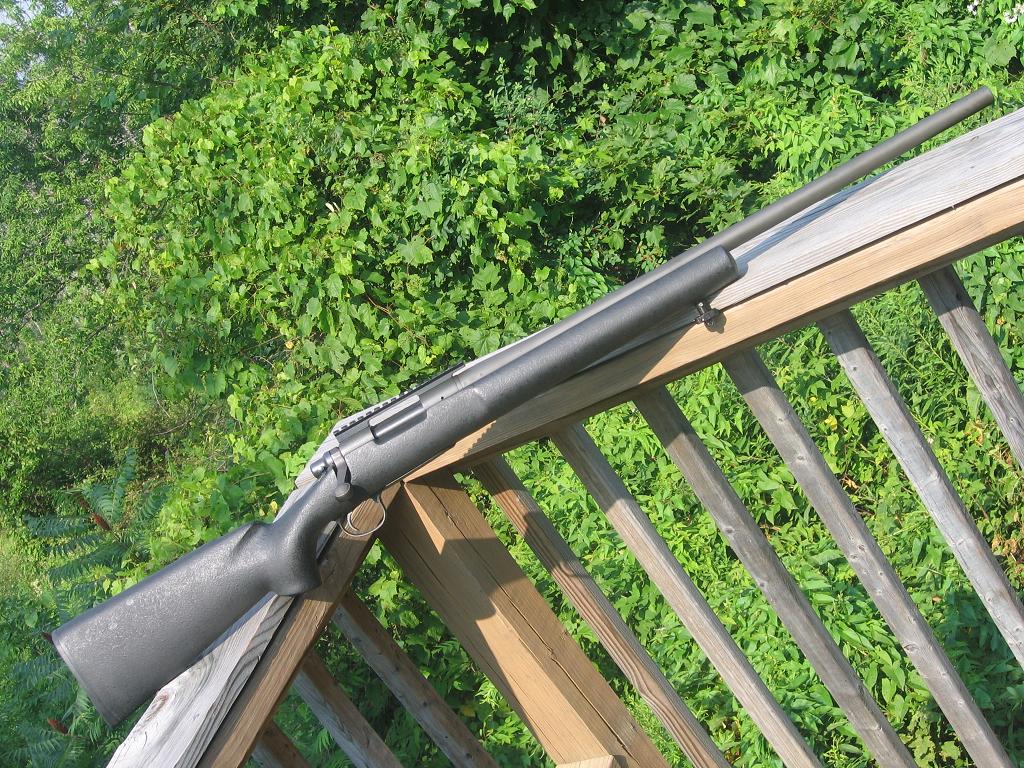
The Remington Model 700, introduced in 1962, represents the bolt-action rifle tradition that remains important alongside newer semiautomatic designs. Its cylindrical receiver and twin-lug bolt became the foundation for a large family of sporting and precision-oriented rifles. The platform has been chambered in numerous cartridges and has appeared in hunting, competition, law-enforcement, and military-related roles. Its significance in gun culture comes partly from longevity: more than 60 years after its introduction, the Model 700 name remains familiar to hunters and rifle enthusiasts. It illustrates that America’s changing gun culture is not limited to modern semiautomatics or handguns.