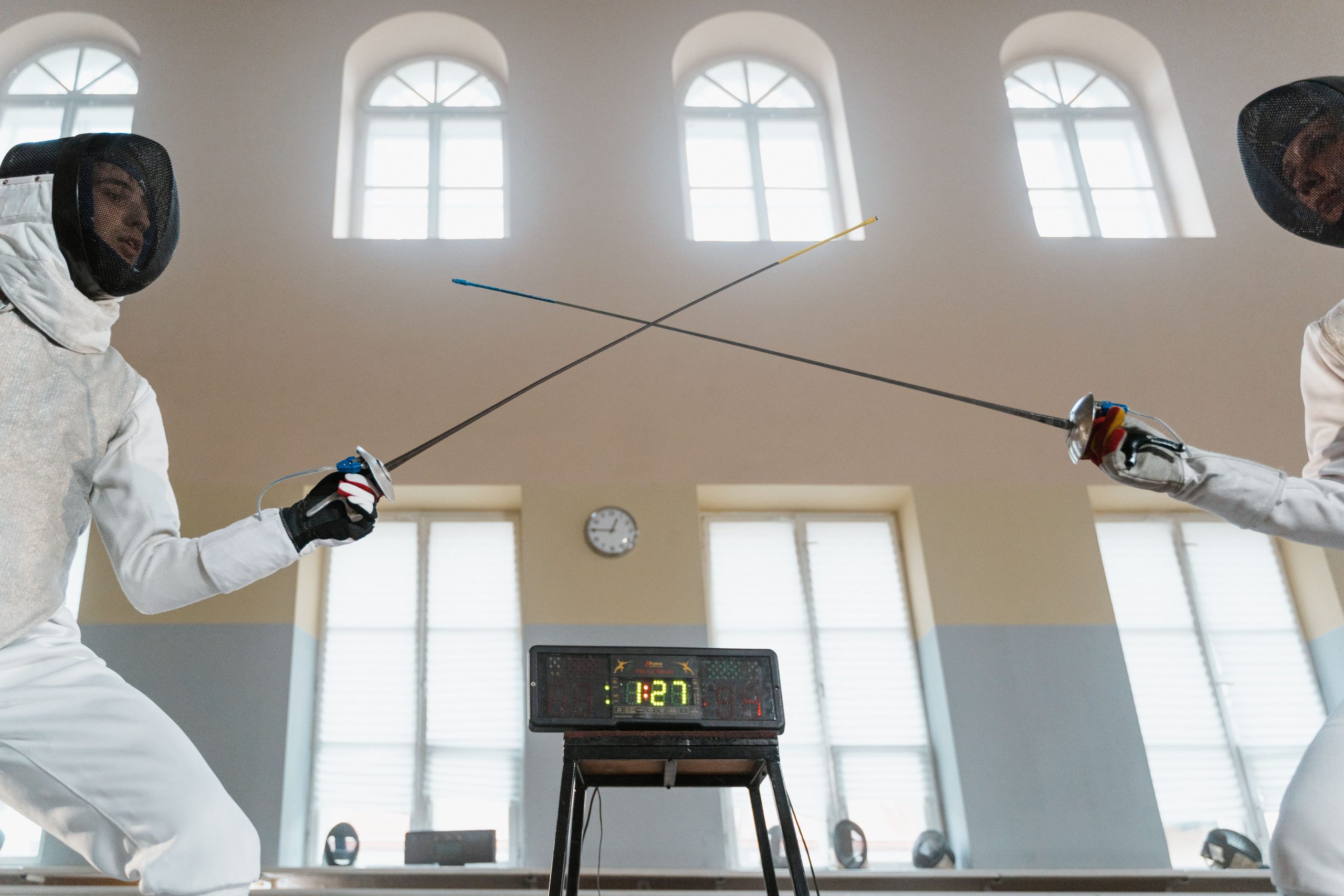
Duels are usually remembered as dramatic contests over honor, love, politics, or serious insults. Yet the historical record also contains encounters where the original disagreement was astonishingly minor. A dog, a flower arrangement, a written note, a card game, or even a tavern bill could become serious enough to trigger a formal challenge. In societies where reputation carried enormous weight, refusing to fight could sometimes be considered worse than risking injury. The following nine stories reveal just how far pride could push people.
1. Tycho Brahe and the Mathematics Argument

In 1566, Danish astronomer Tycho Brahe lost part of his nose in a duel with fellow student Manderup Parsberg. The quarrel reportedly began with an argument over who was better at mathematics, a remarkably small issue considering the price paid. The fight took place at the University of Rostock, and Brahe later wore a prosthetic piece over the missing part of his nose. The two men eventually repaired their relationship, making the whole episode even stranger. The key numbers are 1566, 2 combatants, and 1 lasting facial injury. His prosthesis became a lasting reminder.
2. The Duel That Began With a Dog

In 1806, British officers George Macnamara and Captain Montgomery carried a quarrel over a dog far beyond what most people would consider reasonable. Macnamara’s dog had become the center of a dispute with Montgomery, and the argument eventually produced a formal challenge. They met in a duel, turning an ordinary dispute involving an animal into a matter of personal honor. Accounts differ on some details, but the episode became a famous example of how easily dueling culture could magnify trivial disagreements. The numbers tell the story: 1 dog, 2 officers, and 1 deadly code of honor.
3. Two Women Fought Over Flower Arrangements
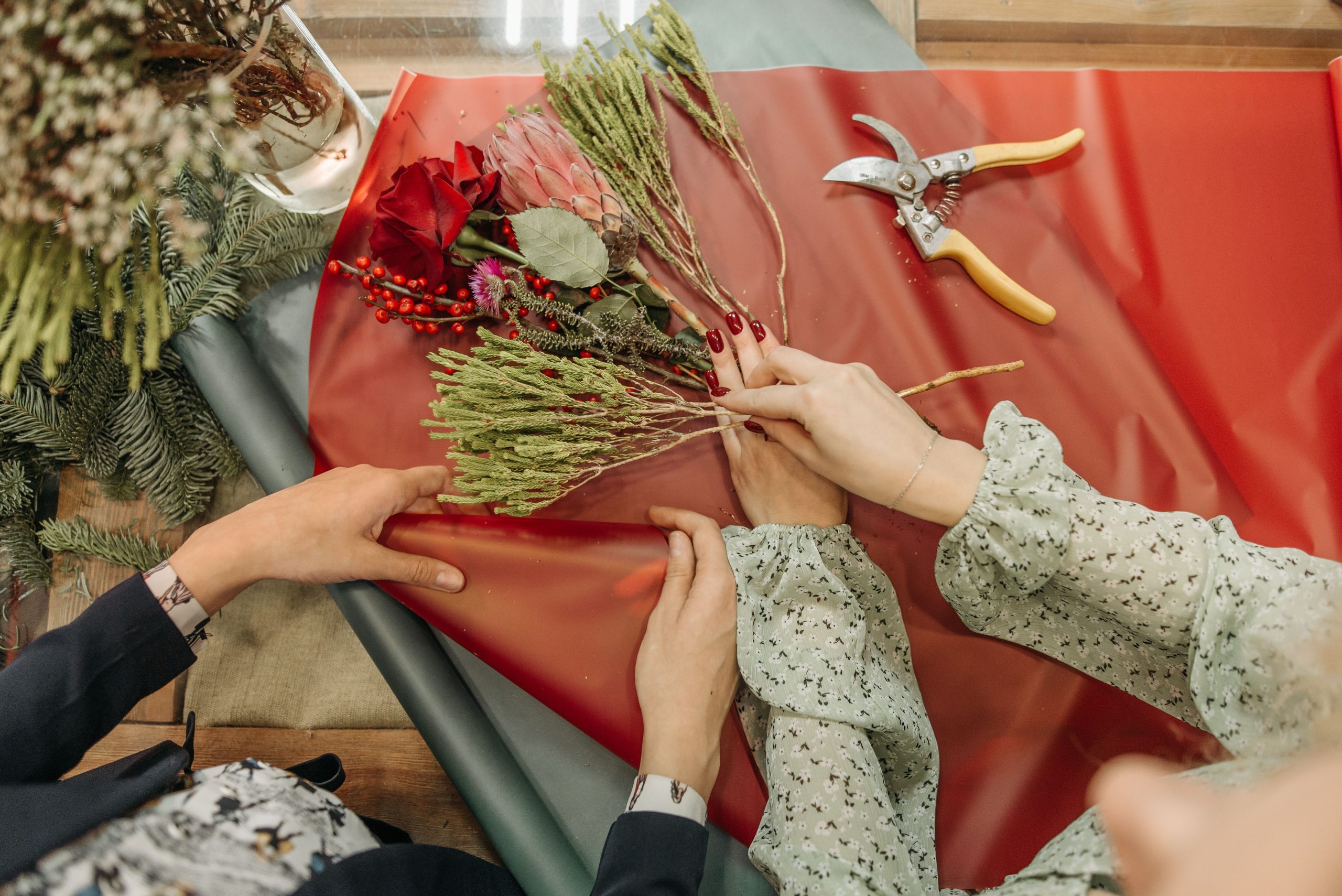
In 1892, Princess Pauline Metternich and Countess Anastasia Kielmannsegg reportedly clashed over the arrangement of flowers at the Vienna Music and Theatre Exhibition. Their disagreement became so heated that the two women agreed to settle it through a bizarre duel in Liechtenstein. Instead of firearms or swords, they used scissors and fought in a carefully arranged encounter supervised by their seconds. Neither woman was seriously injured. The episode stands out because the disputed subject was decoration, not politics or property. The numbers are 1892, 2 women, and 1 floral argument.
4. A Goose Helped Start a Duel

One of the strangest stories in the history of dueling involves Richard Sterne, father of novelist Laurence Sterne, who was said to have fought a duel because of a goose. The story survives through later accounts and is often cited as an example of how ridiculously small disputes could become matters of honor. A quarrel over an ordinary bird was apparently enough to place two men inside the dangerous social machinery of the duel. Whether every detail is perfectly preserved is uncertain, but the tale endured for centuries. Its memorable numbers are 1 goose, 2 men, and 1 absurd dispute.
5. Sir Walter Raleigh and a Tavern Bill

A traditional account links Sir Walter Raleigh to a duel sparked by a dispute over a tavern bill. The episode is frequently repeated as an example of how money and wounded pride could collide in the dueling culture of early modern Europe. What makes the story memorable is the mismatch between the trigger and the potential consequence: a disagreement over a bill could lead to a confrontation in which serious injury or death was possible. Evidence is less secure than for famous documented duels, so treat it cautiously. The numbers are 1 bill, 2 opponents, and 1 dangerous escalation.
6. A Pencil Note About Wellington Turned Deadly

In France in 1824, an Englishman reportedly wrote a favorable note about the Duke of Wellington’s victory at Toulouse in the margin of a pamphlet. A man named Pinac objected strongly enough to challenge him. The resulting duel ended with Pinac dying from a gunshot wound. The disagreement was not over a battlefield decision, military policy, or political power. It was essentially an argument over a written comment about a famous victory. The incident shows how fragile honor could become when disagreement was treated as a personal insult. The numbers are 1824, 2 men, and 1 fatal wound.
7. A Duel Sparked by a Place at the Theatre

Theatre seating could apparently become a matter of life and death during the age of dueling. Historical accounts describe men challenging one another after disputes over places at performances, showing how an ordinary question of who sat where could become an insult to personal status. The danger came from the culture surrounding honor, where refusing a challenge could be interpreted as weakness. The surviving details vary, so this is best treated as a recurring type of dispute rather than one single famous duel. The numbers are 1 seat, 2 offended egos, and 1 potentially lethal challenge.
8. A Duel Connected to a Card Game

Card games produced more than entertainment in the age of dueling. Historical accounts record challenges arising from disputes at cards, where accusations of cheating or insulting behavior could quickly become personal. Once honor entered the argument, the original game could become almost irrelevant. The real contest was then about reputation, with the duel serving as a dangerous attempt to prove courage. Details can be difficult to verify. Still, the pattern is clear: 1 card table, 2 angry players, and a dispute capable of ending with a weapon.
9. Lord Camelford and a Quarrel Over a Woman

In 1804, Lord Camelford fought Captain Best after a dispute connected to the favor of a woman. The confrontation reflected a familiar weakness of dueling culture: romantic jealousy could be converted into a formal contest of honor. Rather than settling the disagreement privately, the men entered a system where weapons and seconds transformed personal resentment into a potentially fatal encounter. Historical accounts place the cause among the more notorious trivial origins of duels. The numbers are 1804, 2 principal combatants, and 1 personal rivalry that became a matter of honor.