Tent stakes respond differently depending on the ground beneath them, and certain landscapes across the United States present conditions that challenge even well-designed gear. Hard surfaces, shifting grains, tangled roots, and shallow soils all influence how securely a tent can sit through wind or movement. These challenges appear in regions known for dramatic scenery as well as quiet camping spots, making ground awareness as important as the tent itself. With steady preparation and an understanding of soil behavior, these terrains become easier to navigate during extended stays outdoors.
Southwestern Desert Flats
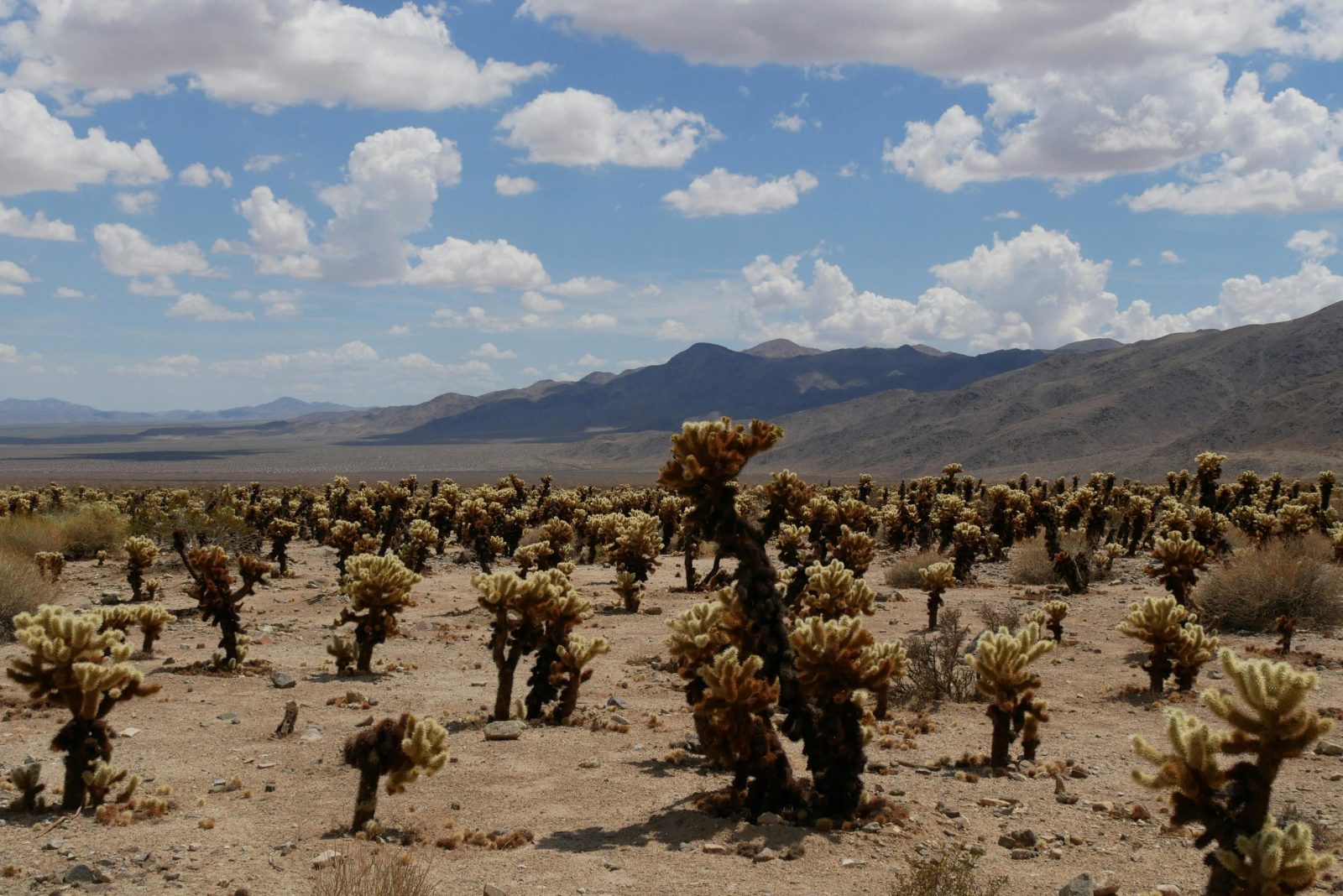
Southwestern desert flats contain sun-hardened soil that forms a dense upper crust resisting most attempts to drive in stakes. The surface appears workable at first, yet tools meet immediate resistance as the ground reveals its compacted structure. Winds moving across open basins loosen any shallow placement, causing stakes to shift or lift unexpectedly. These conditions demand extra patience as the ground offers little depth, creating a setting where anchoring becomes a persistent challenge throughout long dry spells.
Gulf Coast Sands
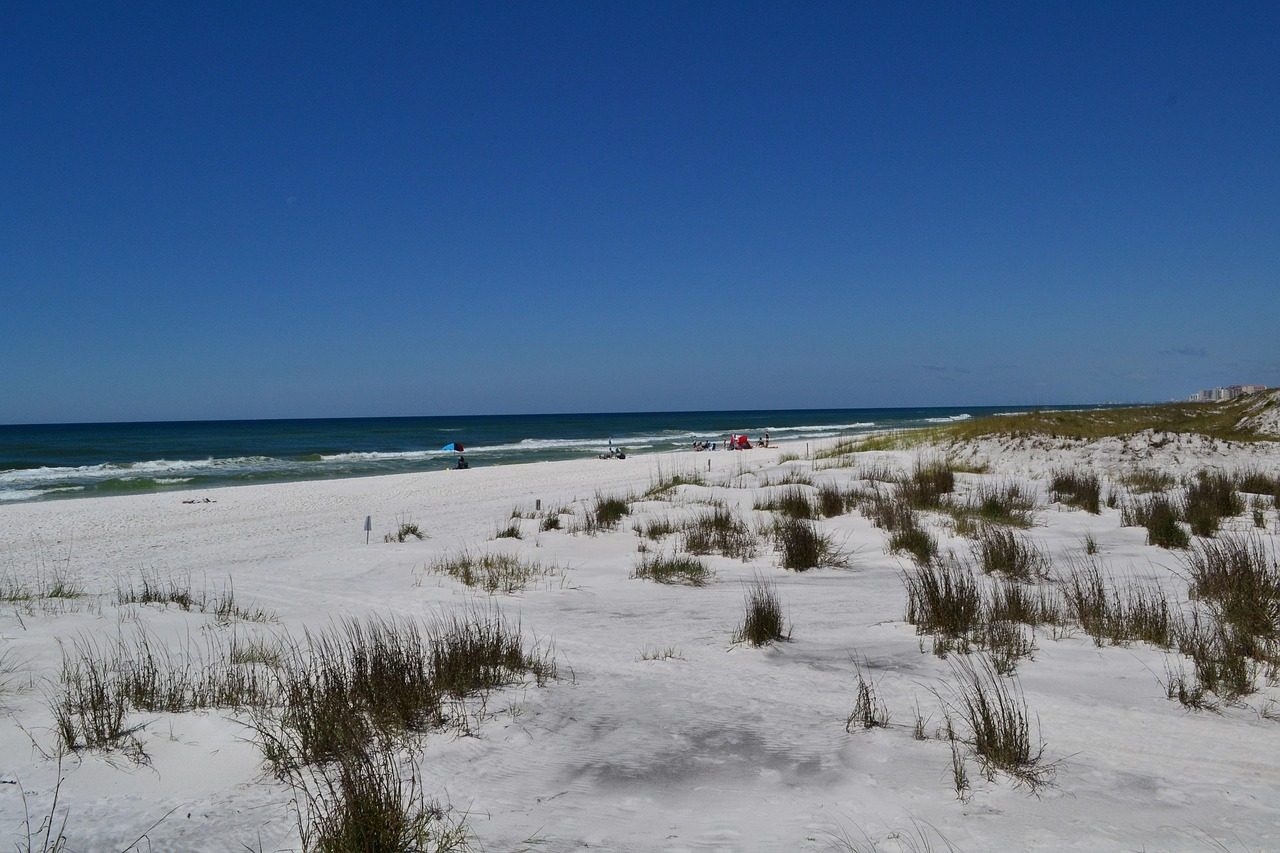
The Gulf Coast features wide expanses of soft sand that accept stakes easily before releasing them just as quickly under even modest pressure. Fine grains shift with each movement, reducing friction around the stake and causing it to tilt or pull free. Moisture from the shoreline may firm the surface temporarily, although deeper layers remain loose and unstable. This constant motion produces an environment where securing tents requires repeated adjustments during breezy afternoons and humid nights near the water.
High Sierra Granite Zones
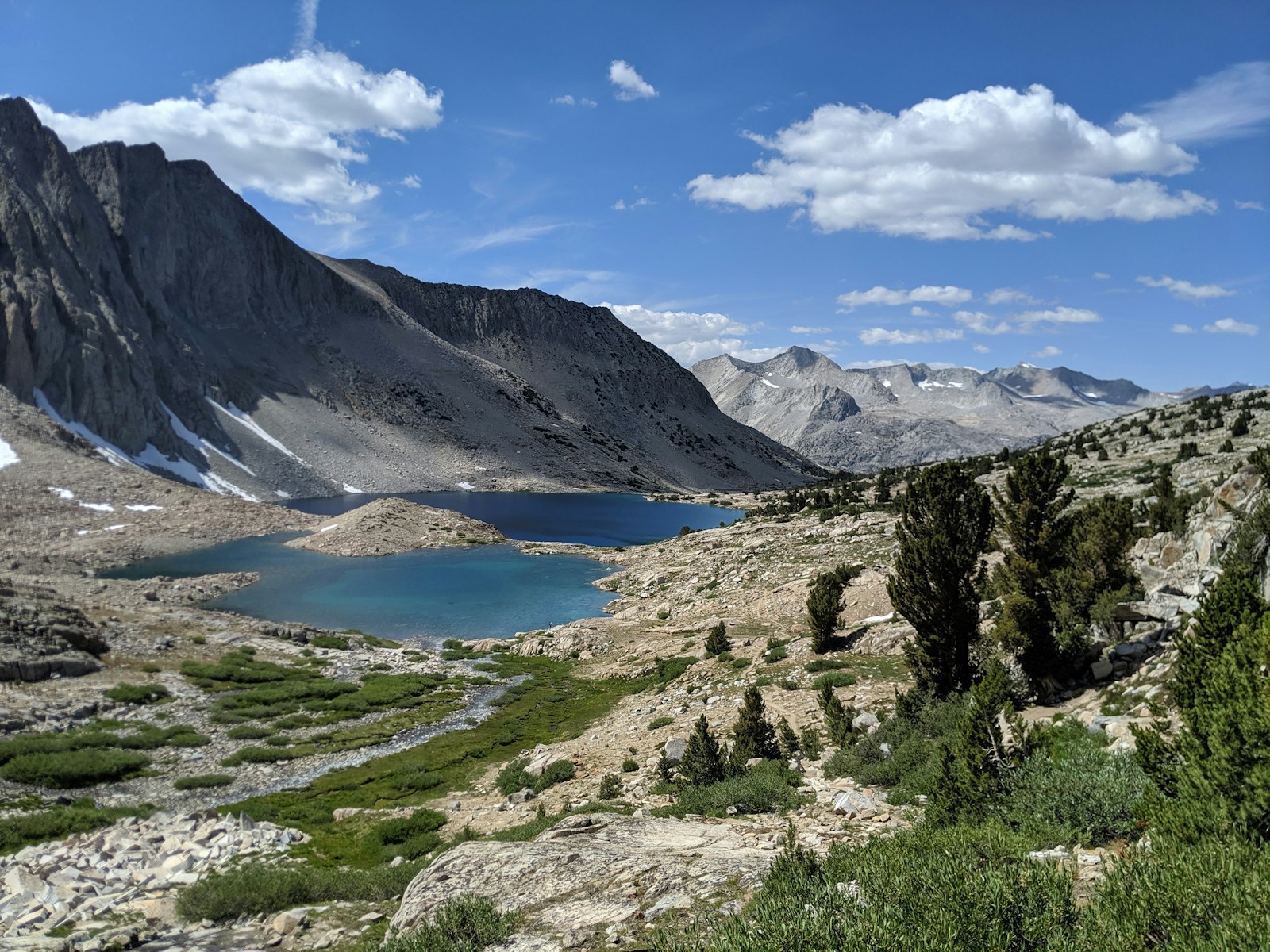
High Sierra granite zones present some of the toughest conditions for staking, as large areas of exposed rock prevent meaningful penetration. Thin pockets of soil collect in cracks but rarely provide enough depth for effective anchoring. Stakes driven with force often deflect or bend upon contact with solid stone, leaving only surface-level placement that fails under tension. Campers in these areas rely on careful positioning among boulders and slabs as the landscape offers minimal cooperation.
Great Basin Gravel Beds
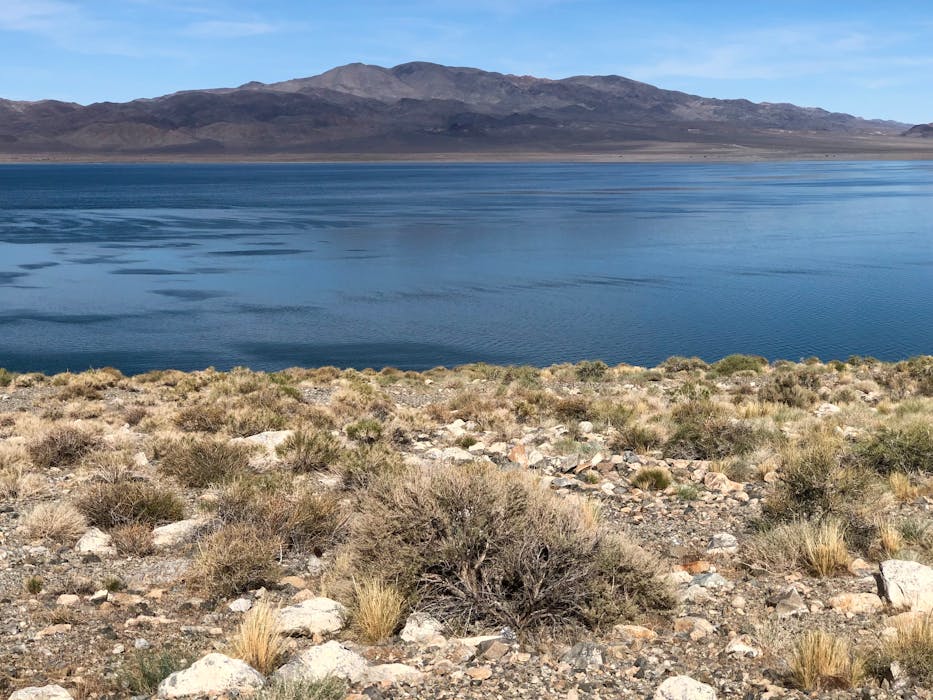
The Great Basin holds extensive gravel beds where loosely packed stones slide away from stakes as soon as pressure is applied. Even when inserted successfully, subtle ground movement causes gradual leaning and loss of grip. Larger rocks hidden beneath the surface block deeper placement, creating inconsistent conditions from one step to the next. These unpredictable layers force slow and deliberate setup, as each stake may respond differently depending on the surrounding gravel composition.
Northern Lake Country Root Zones
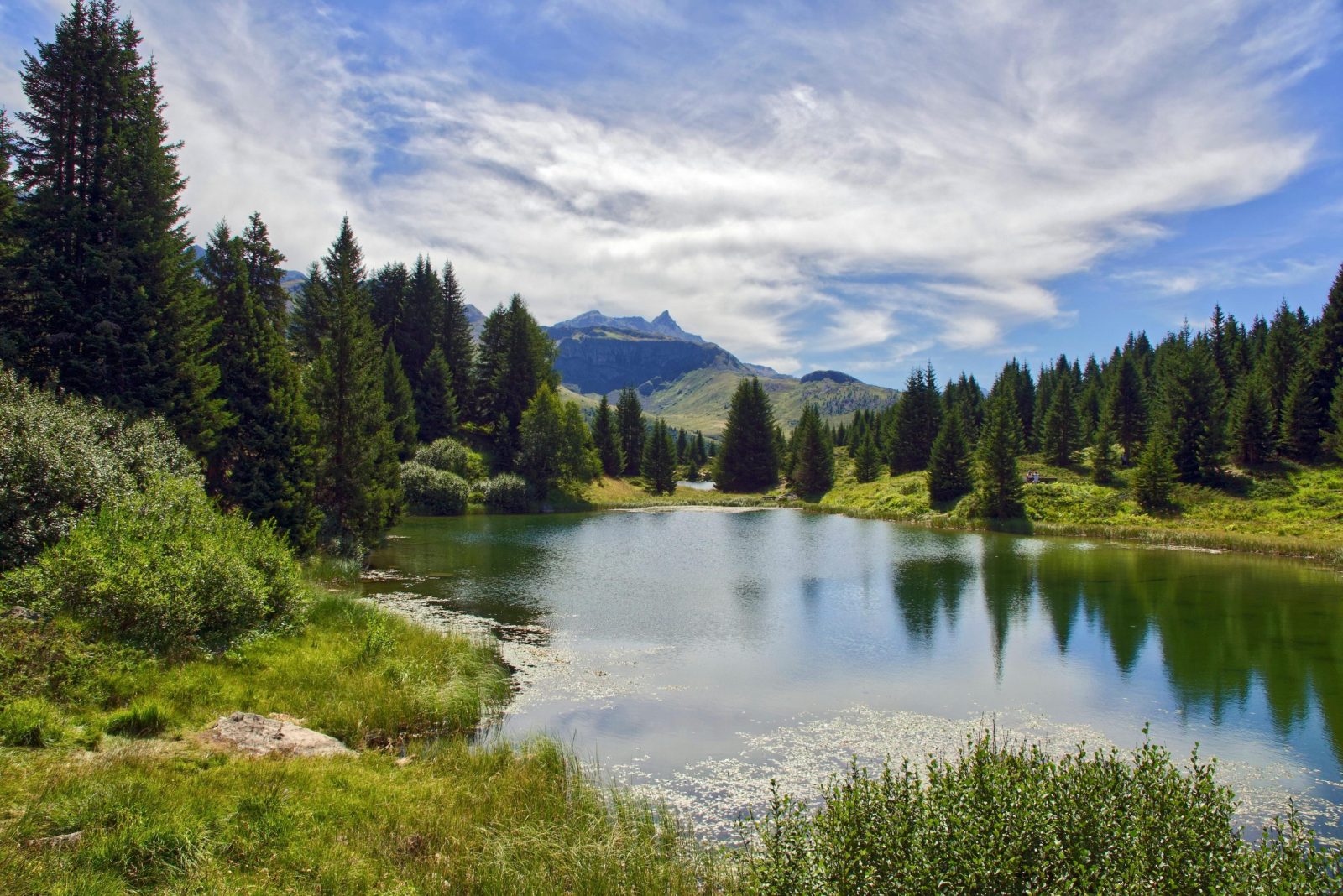
Northern lake country environments include rich soil intertwined with widespread networks of tree roots that interrupt nearly every angling attempt. Although the surface feels soft, hidden roots catch stakes at shallow depths and force rerouting within tight spaces. Moist shoreline ground adds another layer of difficulty as softened soil shifts unevenly under stress. These combined factors create a region where anchoring requires continual testing to find rare pockets free of tangled vegetation.
Colorado Plateau Slickrock
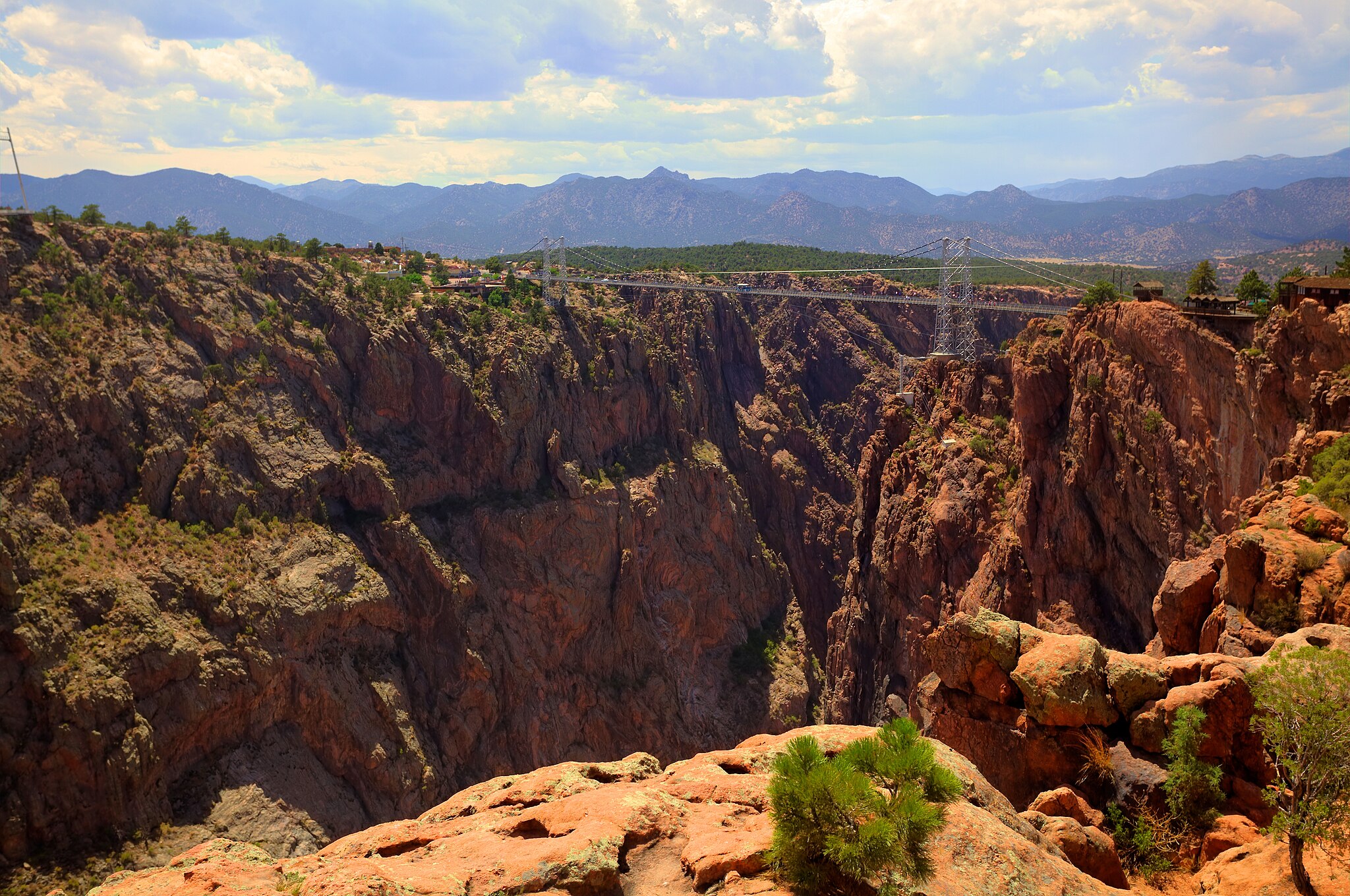
The Colorado Plateau’s slickrock environments offer breathtaking views yet provide virtually no natural soil suitable for stake placement. Smooth sandstone surfaces reject even the sharpest designs, making traditional anchoring impossible. Small pockets of sand between rock layers hold limited promise, as depth remains too shallow to resist wind or strain. The terrain encourages alternative methods of securing shelters in a landscape where beauty and difficulty exist side by side.
Appalachian Ridge Hard Clay
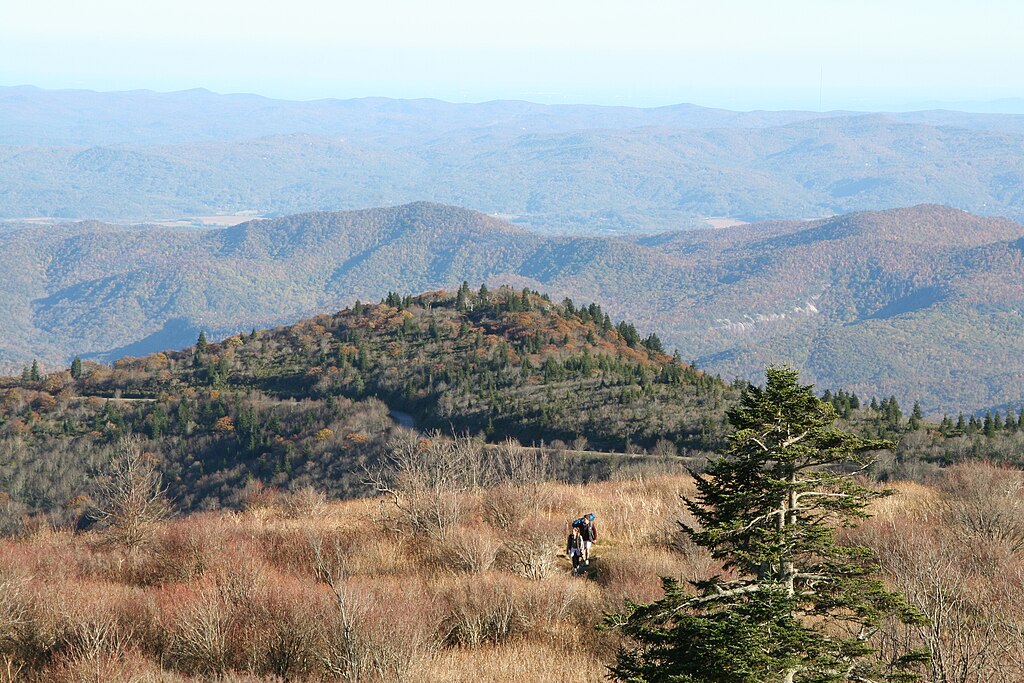
Appalachian ridges often feature dense clay that hardens significantly during dry periods, turning the surface into a stubborn barrier to most stake types. Tools strike the ground with a sharp stop, limiting entry to only a few inches before resistance becomes overwhelming. After rain, the same clay transforms into a slick, soft mass that releases stakes quickly as moisture shifts beneath them. This shifting personality creates continuous challenges across changing seasons.
Pacific Northwest Riverbars
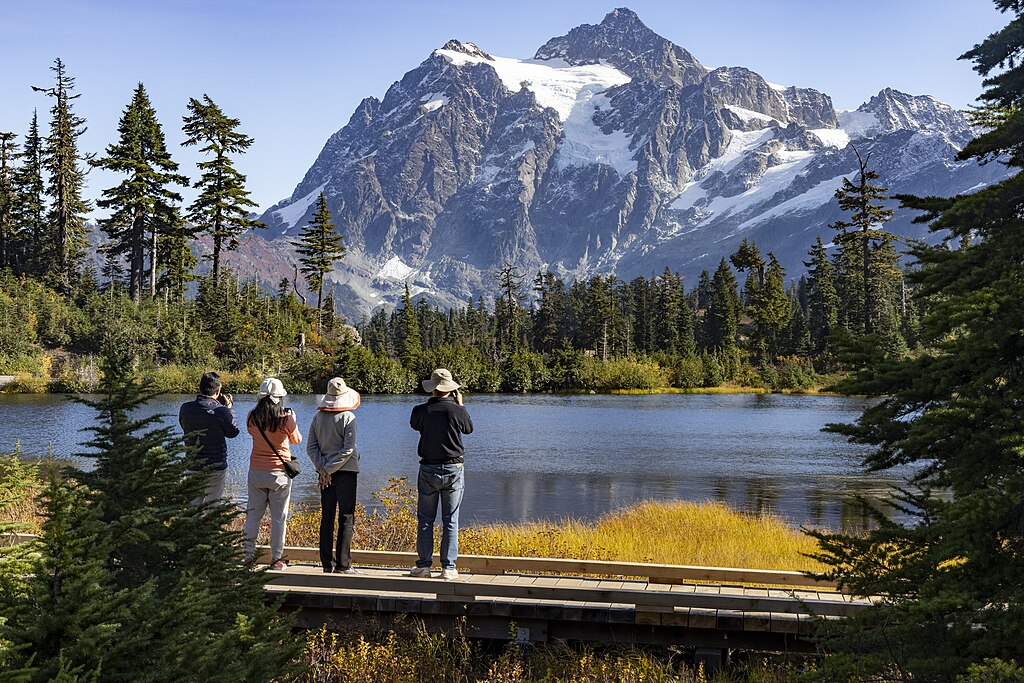
Riverbars in the Pacific Northwest combine wet sand, loose silt, and rounded stones that shift constantly with moisture and current patterns. Stakes may appear firm when first placed, only to slide sideways as underlying layers rearrange themselves. Water-saturated soil further reduces grip, especially during cool mornings or rising tides. These conditions create a terrain where anchoring stability depends greatly on timing and careful selection of higher ground away from unstable edges.
Great Plains Loess Hills
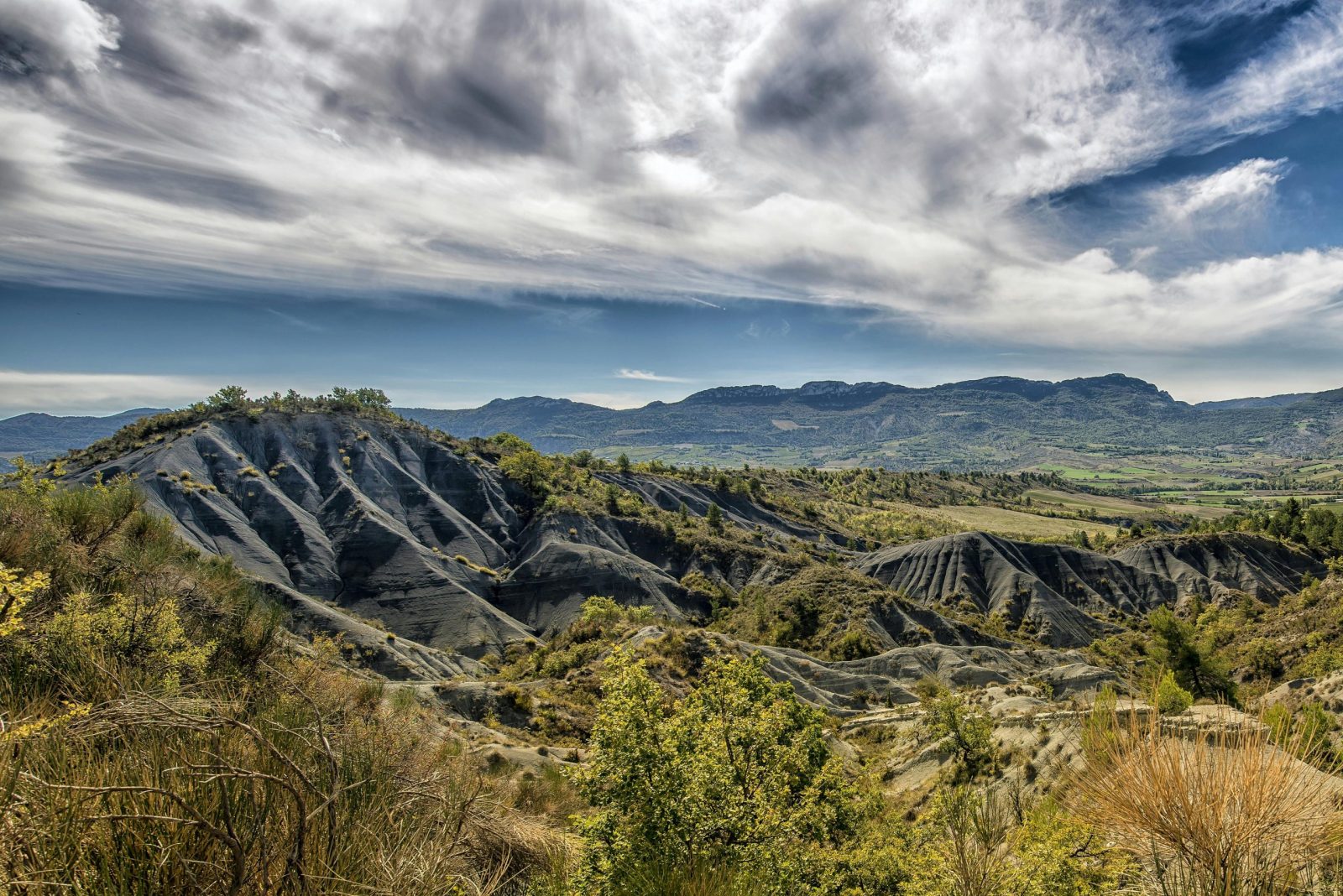
The Great Plains loess hills contain fine, powdery soil that collapses around stakes whenever pressure is applied. Although the surface initially seems compact, the material crumbles inward gradually, reducing stability with each passing hour. Persistent winds lift dry layers and expose softer sections beneath, weakening the hold even further. This delicate ground structure demands thoughtful placement and frequent reinforcement throughout long stays in open areas.
Alaska Coastal Tundra
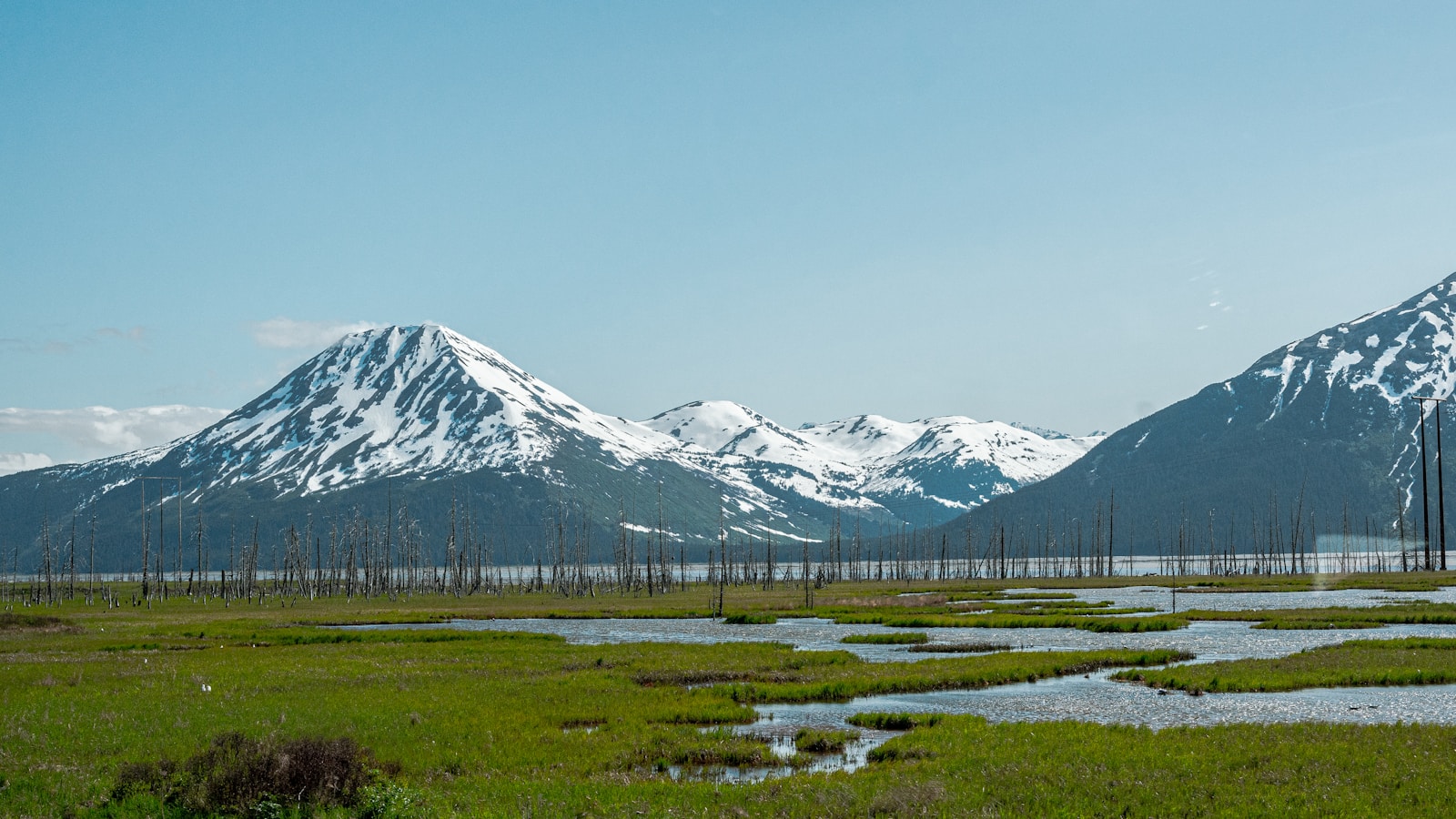
Alaska’s coastal tundra presents a spongy, uneven surface where deep layers of vegetation cover saturated ground. Stakes sink easily yet lack the support needed to hold against tension because the soft soil shifts beneath their weight. Permafrost sits far below the surface, offering no firm base to catch deeper placements. This combination of moisture, organic matter, and shallow stability creates a uniquely challenging environment for anchoring tents near remote coastal stretches.