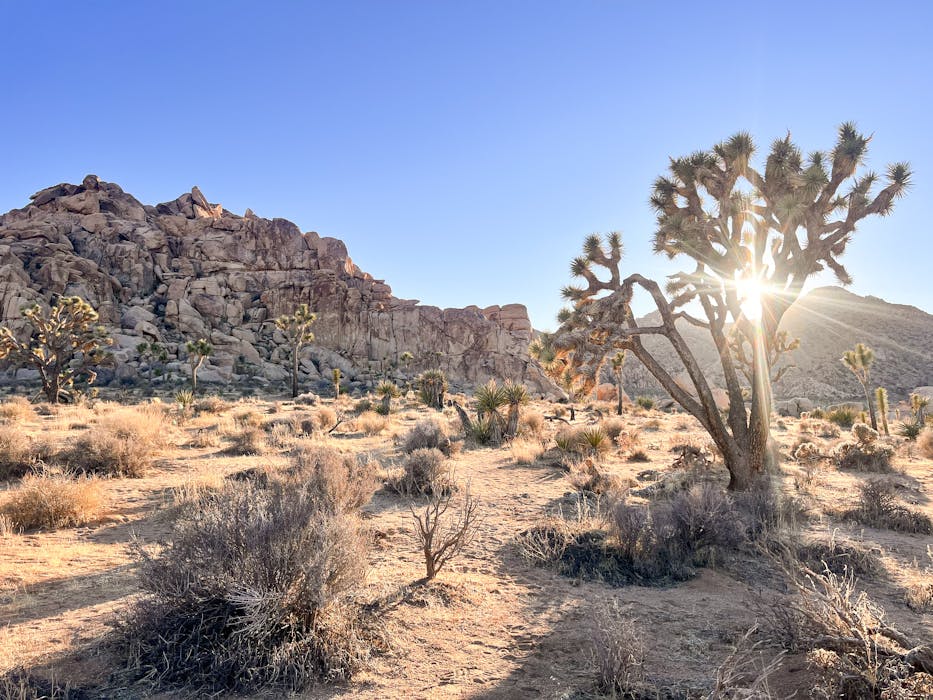
Desert landscapes challenge hikers with intense sunlight, shifting heat, and optical effects that reshape the appearance of distance and terrain throughout the day. Mirages often create illusions that confuse depth perception, obscure trail markers, or distort the clarity of faraway objects, making navigation more complex than in cooler environments. Learning how these visual distortions form and what they reveal about temperature, moisture, and airflow helps hikers make better decisions in remote sandy regions. Recognizing the difference between inferior and superior mirages strengthens awareness of how heat interacts with ground surfaces and sky. Understanding these visual cues allows hikers to read desert conditions more accurately, conserve energy, protect hydration, and improve judgment when traveling across long, shimmering stretches of arid wilderness.
Interpreting Heat Distortion on Open Flats
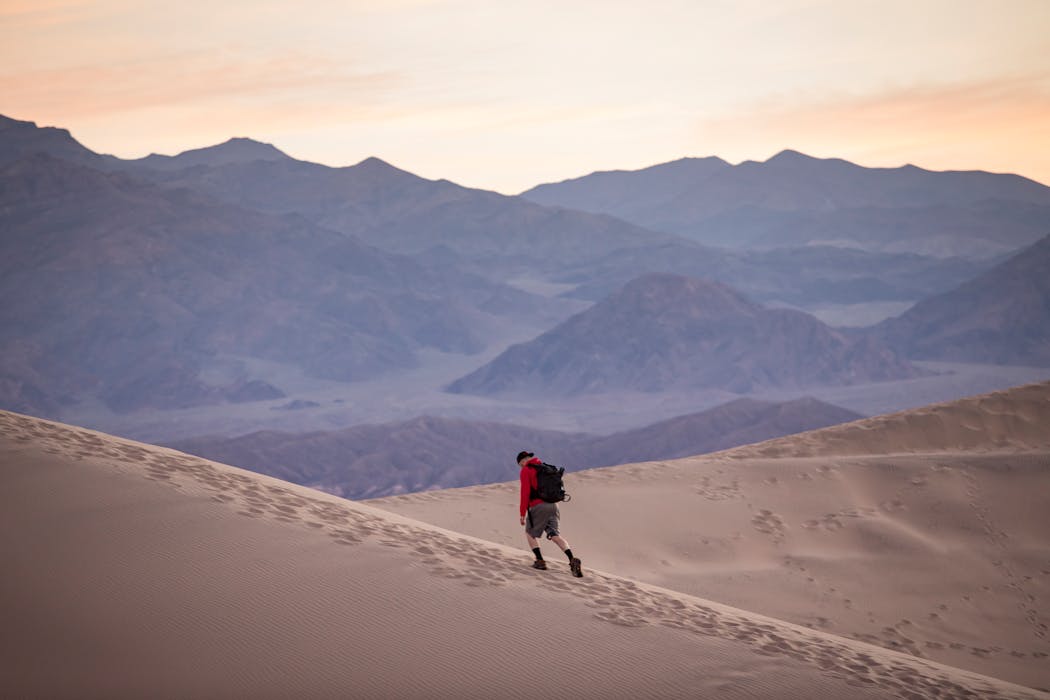
Heat distortion forms when sunlight warms the desert floor and creates rising air layers that bend light upward. This bending causes distant shapes to appear blurred, larger, or floating, often misleading hikers about the true length of a route. Learning to watch how distortion changes throughout the day reveals useful information about temperature spikes and surface heat retention. As heat intensifies, visual clarity decreases, encouraging hikers to rely on mapped distances rather than perceived ones. Noticing these distortions also helps identify the best times for travel because clearer visibility often occurs early and late in the day when the air remains cooler and more stable. Paying attention to how heat shapes the horizon strengthens overall awareness of changing desert conditions.
Recognizing Inferior Mirages Along Horizon Lines
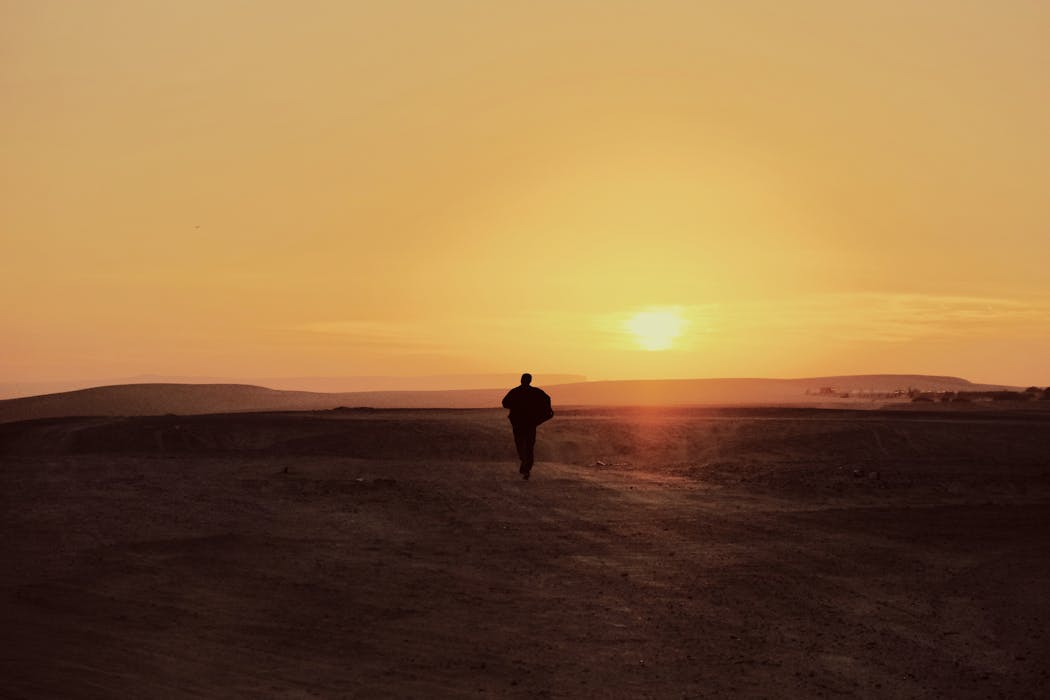
Inferior mirages, the most common type seen in deserts, form when extremely hot ground air bends light upward and creates a reflective-looking band near the surface. This illusion often mimics distant water or wet terrain, tempting inexperienced hikers to misinterpret their surroundings. Understanding that these shimmering patches occur only at low viewing angles helps hikers distinguish illusion from reality. Observing how quickly these false pools shift in shape or intensity reveals the strength of ground heat and the level of surface moisture evaporation. Recognizing inferior mirages reduces misjudgment of distance and prevents unnecessary detours toward nonexistent water sources. This awareness supports safer route decisions and encourages careful planning during long stretches of open desert.
Using Mirage Height to Judge Temperature Gradients
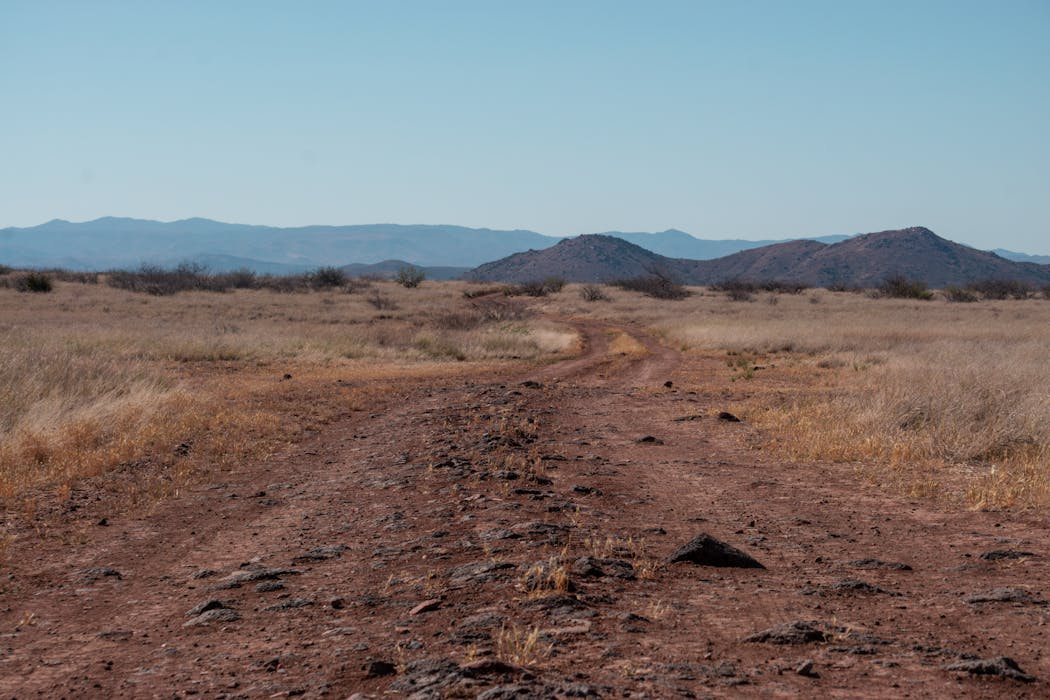
Mirage height changes with temperature gradients in the desert, offering insight into how quickly the ground heats and how intensely it radiates warmth. Higher or thicker mirage bands often indicate stronger temperature differences between the surface and the air above it. Watching these shifts helps hikers predict how rising heat may influence travel pace, hydration needs, and comfort levels throughout the day. Noticing how mirage thickness changes across different surfaces reveals information about soil composition, moisture content, and exposure. This skill helps hikers anticipate where conditions may feel more severe or where rest stops may remain cooler. Understanding these gradients supports smarter timing and helps hikers manage effort more effectively.
Judging Distance When Mirages Distort Landmarks
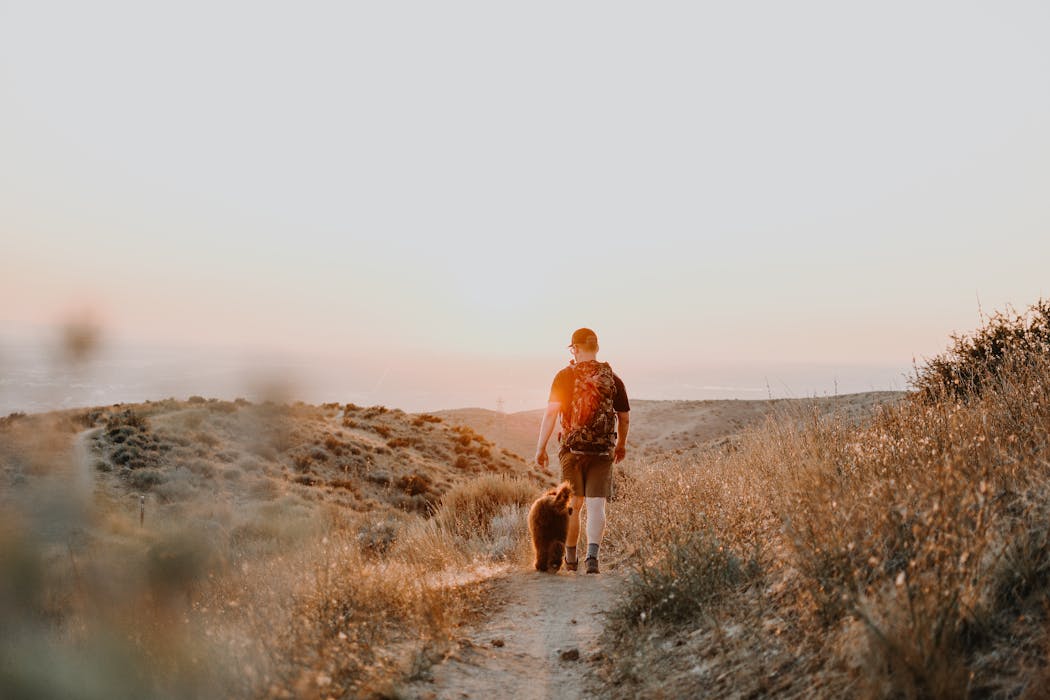
Mirages frequently make distant objects appear elevated, stretched, or displaced, altering a hiker’s perception of true distance. Trails, shrubs, or rock formations may look closer or farther than they actually are, encouraging miscalculations that lead to fatigue or navigation errors. Learning to ignore apparent elevation changes and instead compare objects to known map features helps maintain accurate judgment. Observing how mirage effects shift while walking also reveals whether distortions arise from ground heat or uneven air layers. Developing this awareness prevents hasty decisions and supports a more measured pace across long, exposed desert routes. Accurate distance interpretation becomes essential for conserving energy and avoiding overexertion in harsh heat.
Understanding Superior Mirages on Cool Desert Mornings
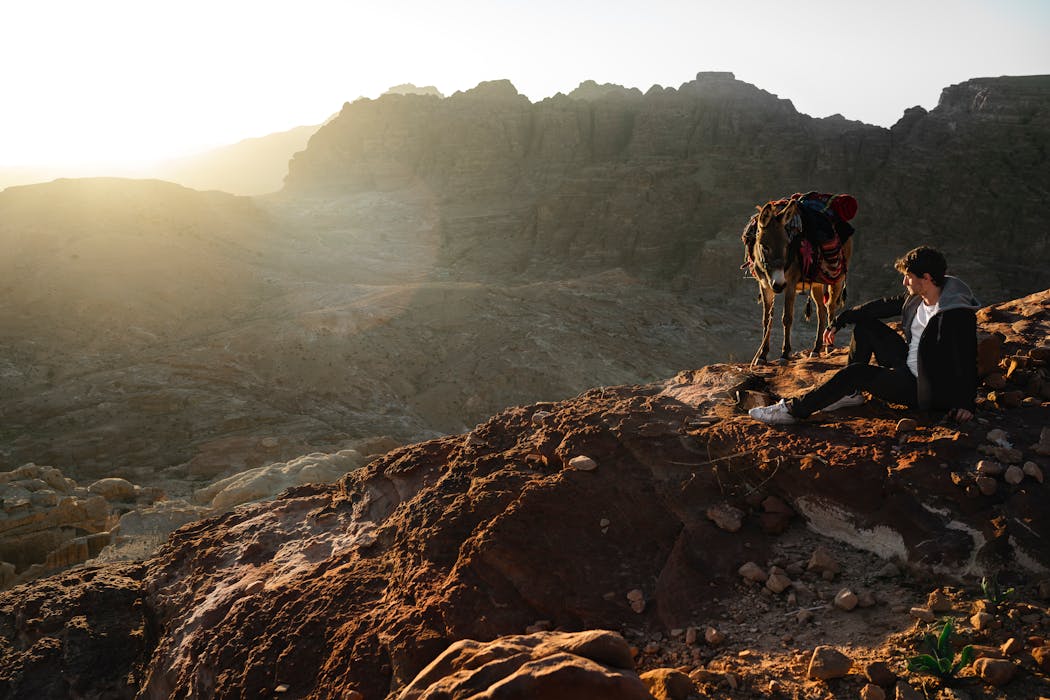
Superior mirages appear when cooler air sits near the ground, and warmer air lies above it, allowing light to bend downward and lift distant objects into view. This phenomenon often occurs during early mornings in high-desert regions where nighttime cooling remains strong. Rocks, mesas, or distant cliffs may appear taller or duplicated, making the landscape look dramatically altered. Recognizing these distortions helps hikers avoid misreading terrain changes or assuming that elevated structures lie closer than they appear. Understanding superior mirage behavior also reveals information about overnight temperature drops and the likelihood of continued cool conditions into early morning hours. This knowledge supports thoughtful planning for beginning hikes at the most stable and comfortable times.
Reading Mirage Movement to Identify Wind Direction
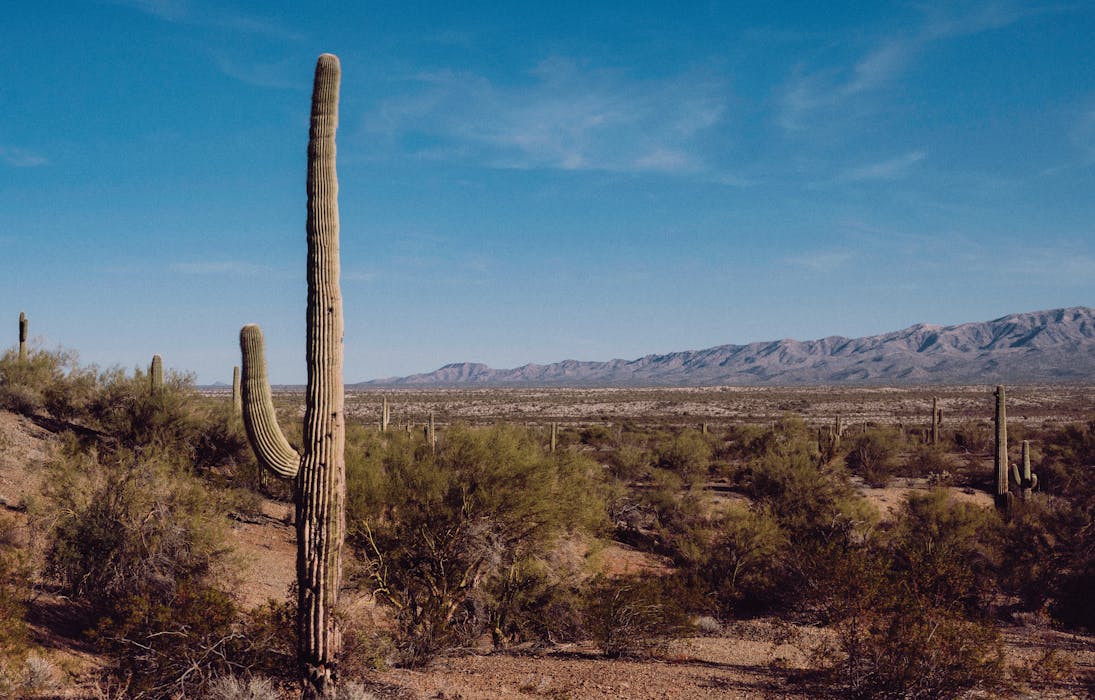
Mirage patterns often shimmer, ripple, or shift sideways in response to moving air, making them useful for identifying wind direction. When heat ripples tilt or travel consistently along one side of the horizon, they signal wind currents that may influence sand movement or cooling effects. Understanding mirage behavior as a wind indicator helps hikers anticipate shifting dunes, blowing dust, or reduced visibility conditions. When the wind strengthens, mirage movement typically becomes more chaotic, offering an early visual cue even before breezes become noticeable at ground level. Learning to read this subtle motion enhances situational awareness and improves decision-making when navigating open desert plains.
Using Mirage Sharpness to Gauge Humidity Levels
Mirage clarity often reveals valuable information about humidity in the desert, as sharper edges typically occur when the air remains very dry. In contrast, high humidity softens mirage outlines and reduces the shimmering effect, signaling moisture buildup in the lower atmosphere. Observing these changes helps hikers anticipate how quickly sweat may evaporate or how heat stress may intensify during midafternoon hours. Understanding humidity levels also guides hydration strategy and rest timing because drier air requires steady water intake despite low perceived sweat. Using mirage sharpness as a humidity indicator supports safer pacing and encourages better environmental awareness throughout a demanding hike.
Recognizing Mirage-Free Zones for Reliable Landmarks
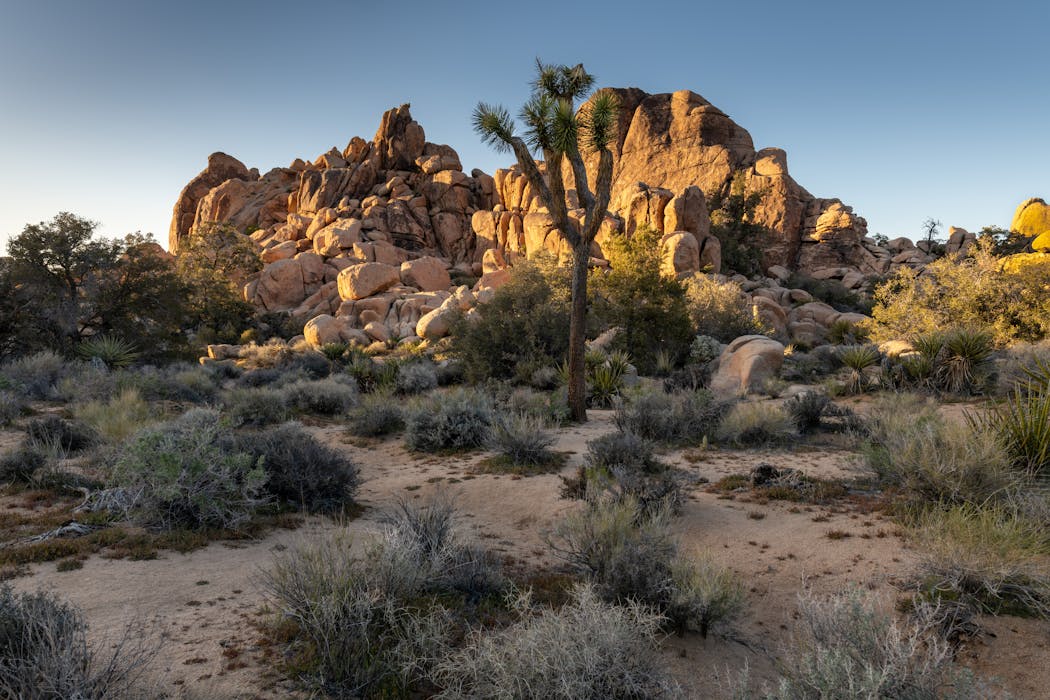
Certain areas of the desert produce fewer mirages because of shaded ground, rock cover, or consistent airflow, making them valuable for identifying stable landmarks. Hikers who recognize these mirage-free pockets can use them for accurate navigation when the surrounding terrain appears distorted. Shaded canyon edges, north-facing slopes, and rocky outcrops often provide clearer reference points than open flats. Noticing where mirages do not form helps identify reliable bearings and prevents confusion when visual illusions become strong. These zones also reveal areas with slightly cooler conditions, offering temporary relief during intense heat. Understanding where clarity persists strengthens overall confidence in route-finding and landscape interpretation.
Interpreting Mirage Frequency to Predict Afternoon Heat Peaks
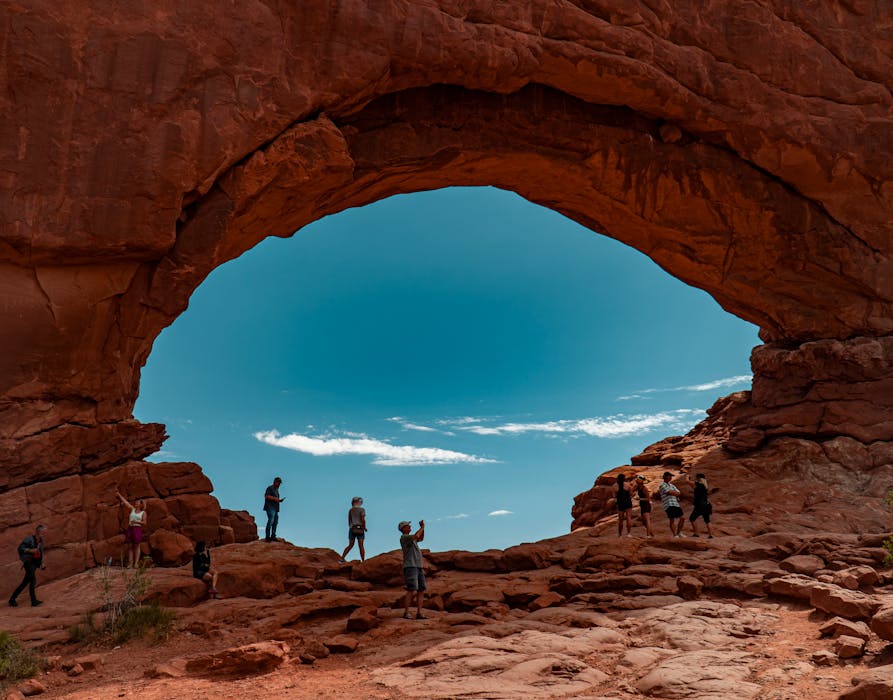
Mirage frequency increases sharply as desert temperatures rise, making its appearance a valuable indicator for predicting afternoon heat intensity. When mirages grow larger or more frequent early in the day, hikers can expect accelerated warming that may require route changes, earlier rest stops, or reduced mileage. Tracking how quickly mirages build offers insight into how radiant heat affects terrain, wildlife activity, and hydration demands. Consistent observation improves timing for travel across exposed areas where heat becomes dangerous during peak hours. Recognizing mirage frequency trends allows hikers to plan wisely and avoid unnecessary strain under the sun’s strongest influence.