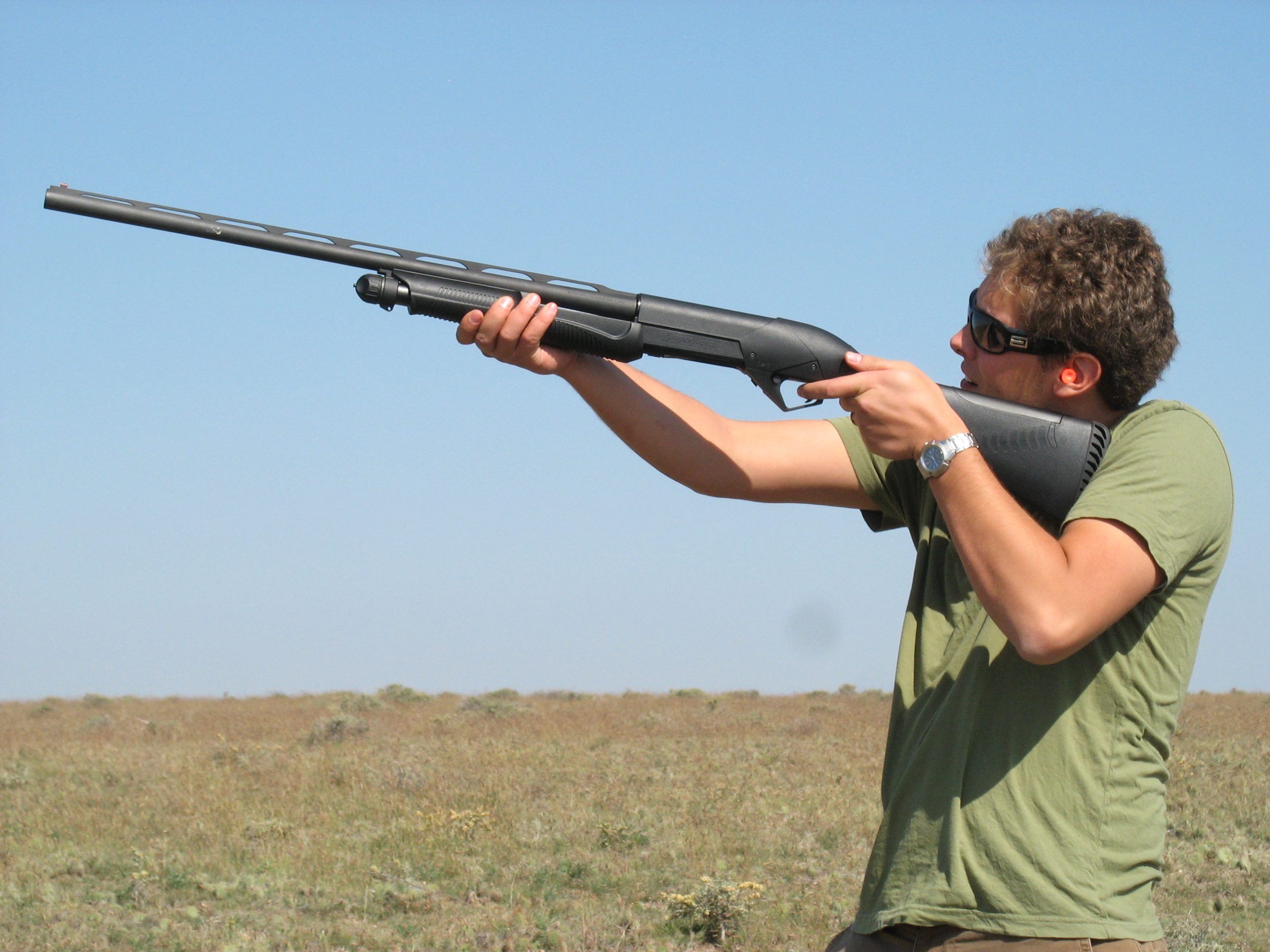
A mountain lion encounter is not a simple test of cartridge power. Even a person carrying a firearm may have very little time to react when an animal appears suddenly at close range. Terrain, vegetation, visibility, movement, and the animal’s behavior can all change the situation in seconds. Wildlife authorities emphasize avoidance and behavior first: never run, stay upright, keep the animal in sight, appear larger, and give it a way to leave. If an attack occurs, official guidance says to fight back.
1. 9mm Luger
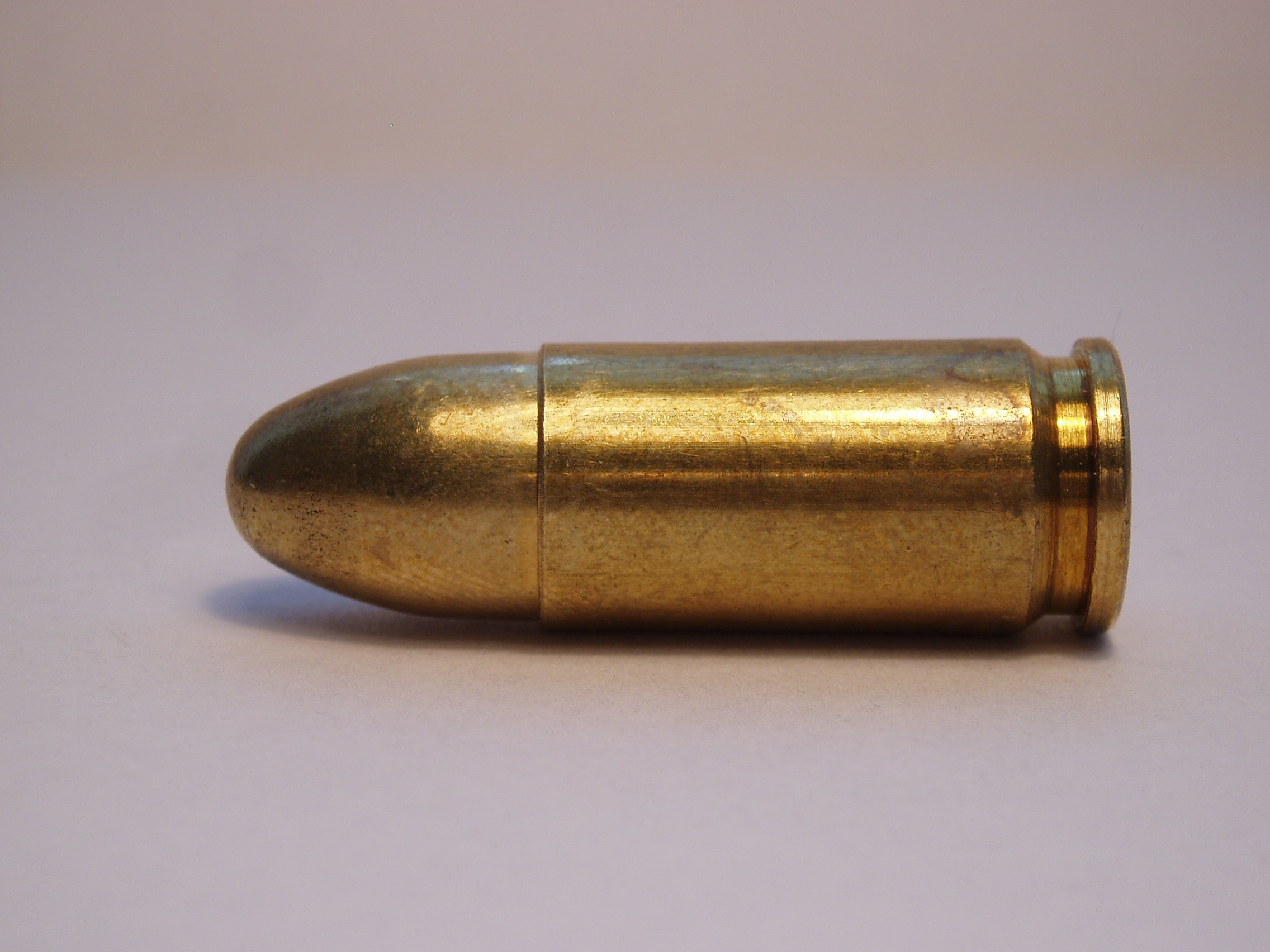
A 9mm handgun is compact and common, but carrying one does not make a mountain lion encounter predictable or safe. The cartridge is 9×19mm, and many pistols hold roughly 10 to 17 rounds, depending on the model. In a sudden encounter, distance, surprise, terrain, and the animal’s movement may matter more than the cartridge itself. A person may have only moments to react. Wildlife officials instead emphasize staying upright, facing the lion, making yourself appear larger, and fighting back if an attack actually begins.
2. .45 ACP
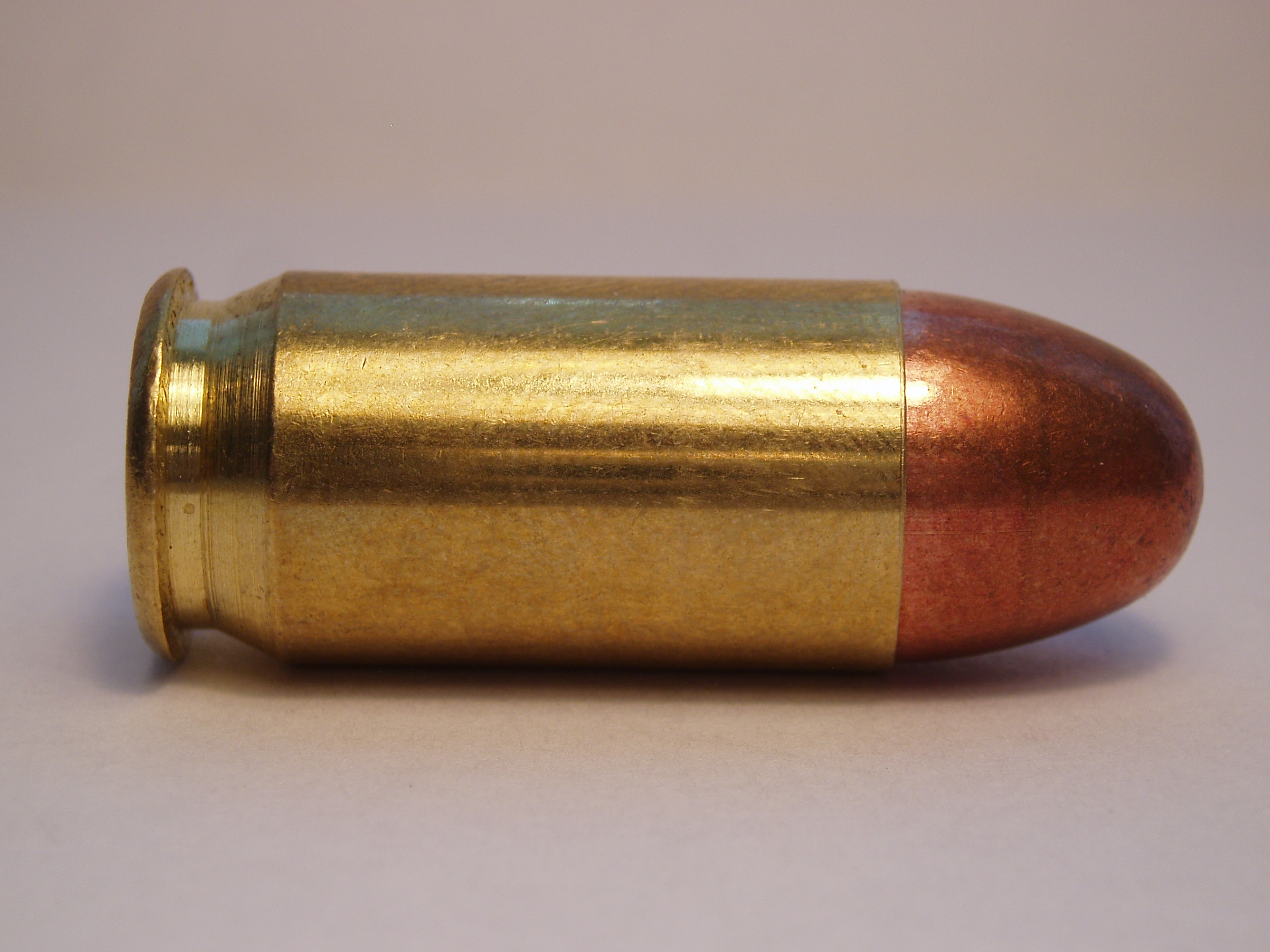
The .45 ACP has a long history as a defensive handgun cartridge, yet its reputation does not turn a wildlife encounter into a controlled situation. Its bullet diameter is about 11.43mm, while common pistols may hold roughly 6 to 13 rounds. A mountain lion can move through brush, rocks, or uneven ground with little warning, leaving limited time for deliberate decisions. Official guidance focuses first on behavior: do not run, maintain eye contact, back away slowly, and make yourself look larger if the animal approaches.
3. .357 Magnum
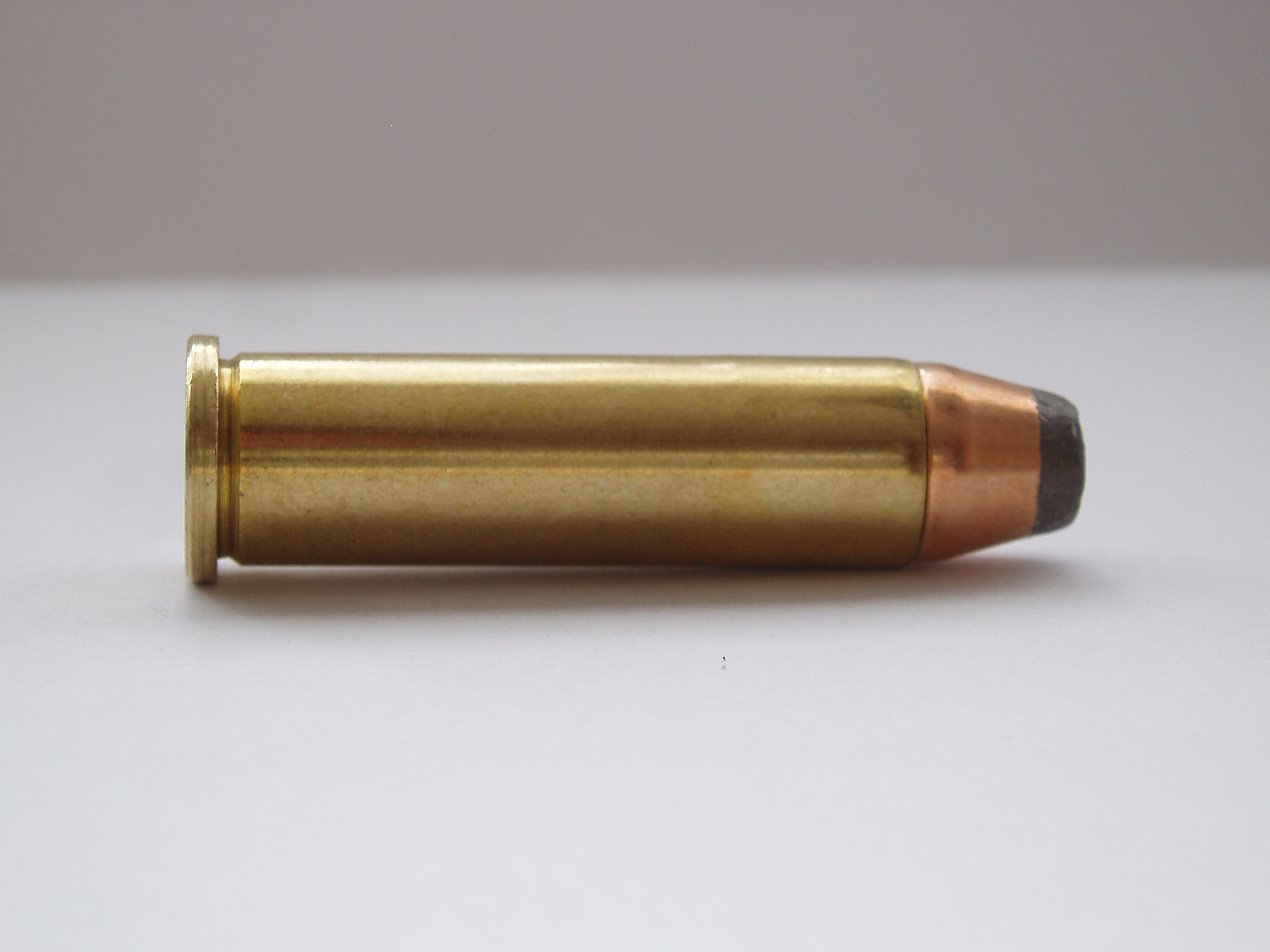
A .357 Magnum revolver is powerful on paper, but a powerful cartridge cannot guarantee that a charging mountain lion will immediately stop. The cartridge uses a .357-inch bullet, and many revolvers carry 5 or 6 rounds. More importantly, a close encounter can involve sudden movement, poor footing, branches, darkness, or a frightened companion. National Park Service guidance recommends avoiding crouching, keeping children close, appearing larger, and backing away slowly. If an attack actually occurs, officials advise fighting back rather than relying on a firearm alone.
4. .44 Magnum
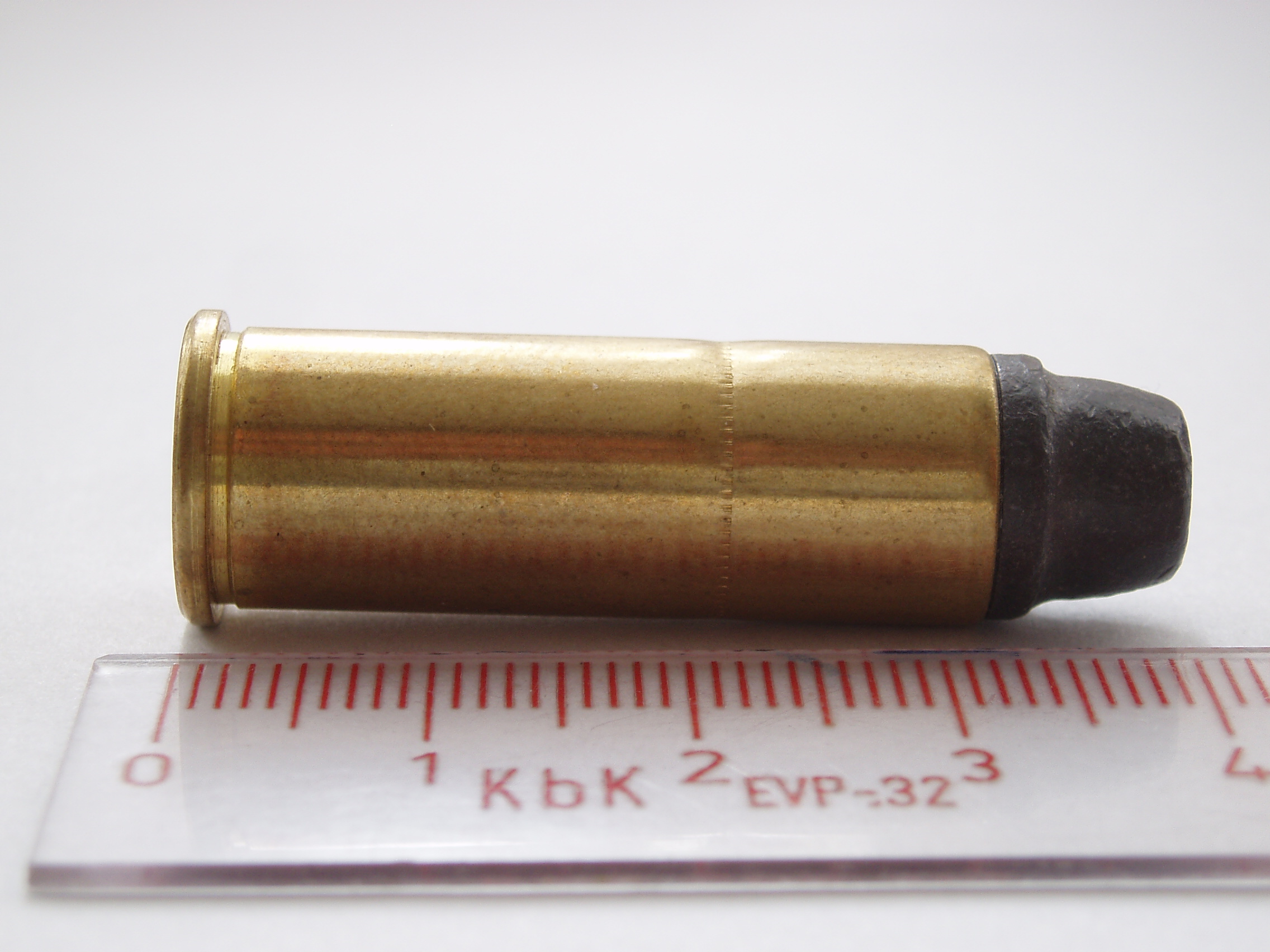
The .44 Magnum is famous for substantial power, but that reputation should not create false confidence around wildlife. Most .44 Magnum revolvers carry 5 or 6 rounds, while the cartridge uses a bullet approximately .429 inches in diameter. A mountain lion encounter is not a target-range exercise, and there may be no clear or safe opportunity to use a firearm. Wildlife officials consistently advise giving the animal an escape route, avoiding sudden flight, and maintaining a strong defensive posture. If physical contact occurs, their guidance is to fight back.
5. .380 ACP
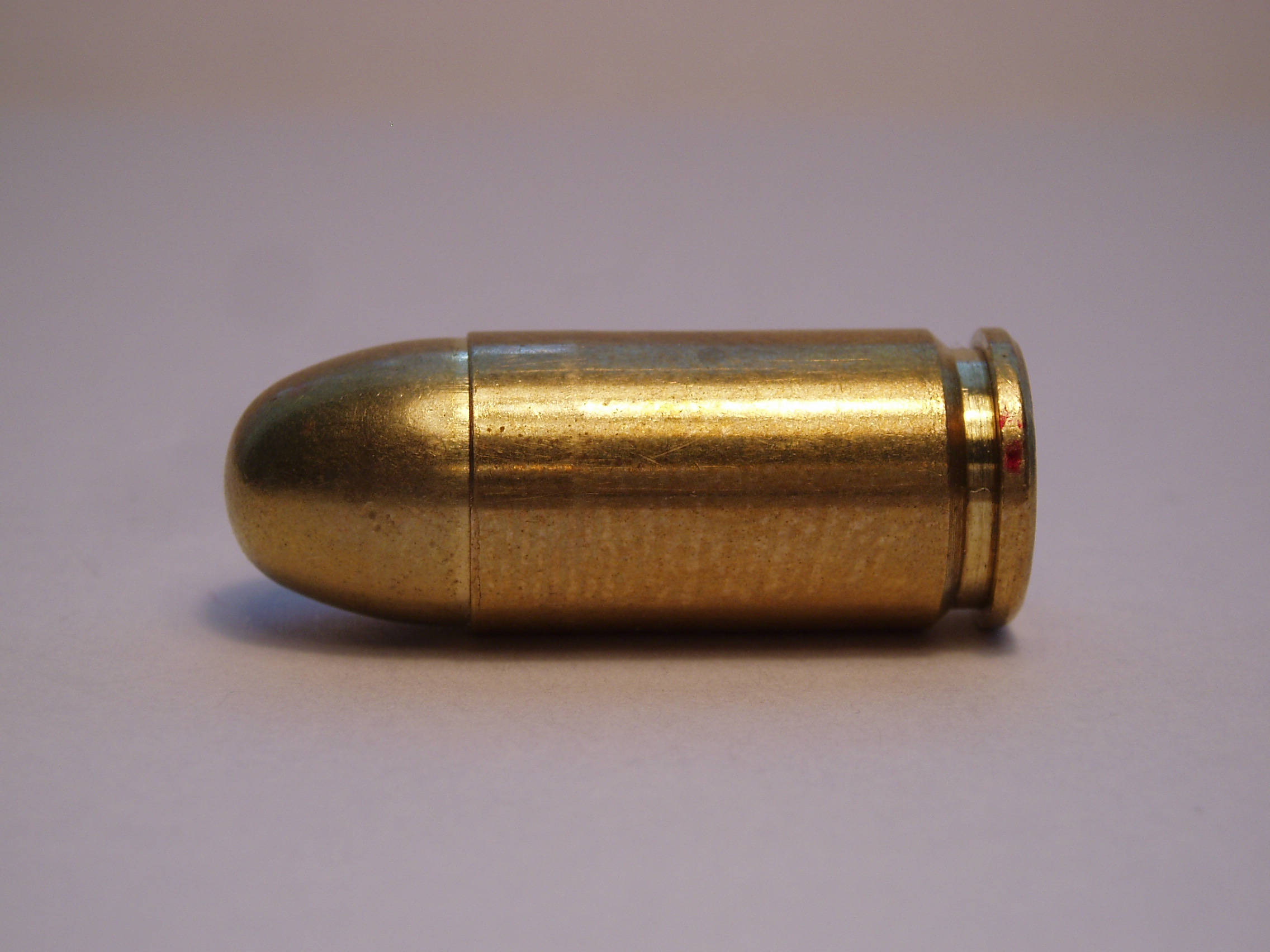
A .380 ACP pistol is valued for its small size and easy carry, but compactness does not solve the fundamental problems of a mountain lion encounter. The cartridge uses a .355-inch-class bullet, and many modern pistols carry around 6 to 12 rounds. In thick vegetation, a person may have only seconds to understand what is happening. The National Park Service recommends standing tall, maintaining eye contact, raising your arms, and backing away slowly. If the lion attacks, official guidance says to fight back rather than play dead.
6. 10mm Auto
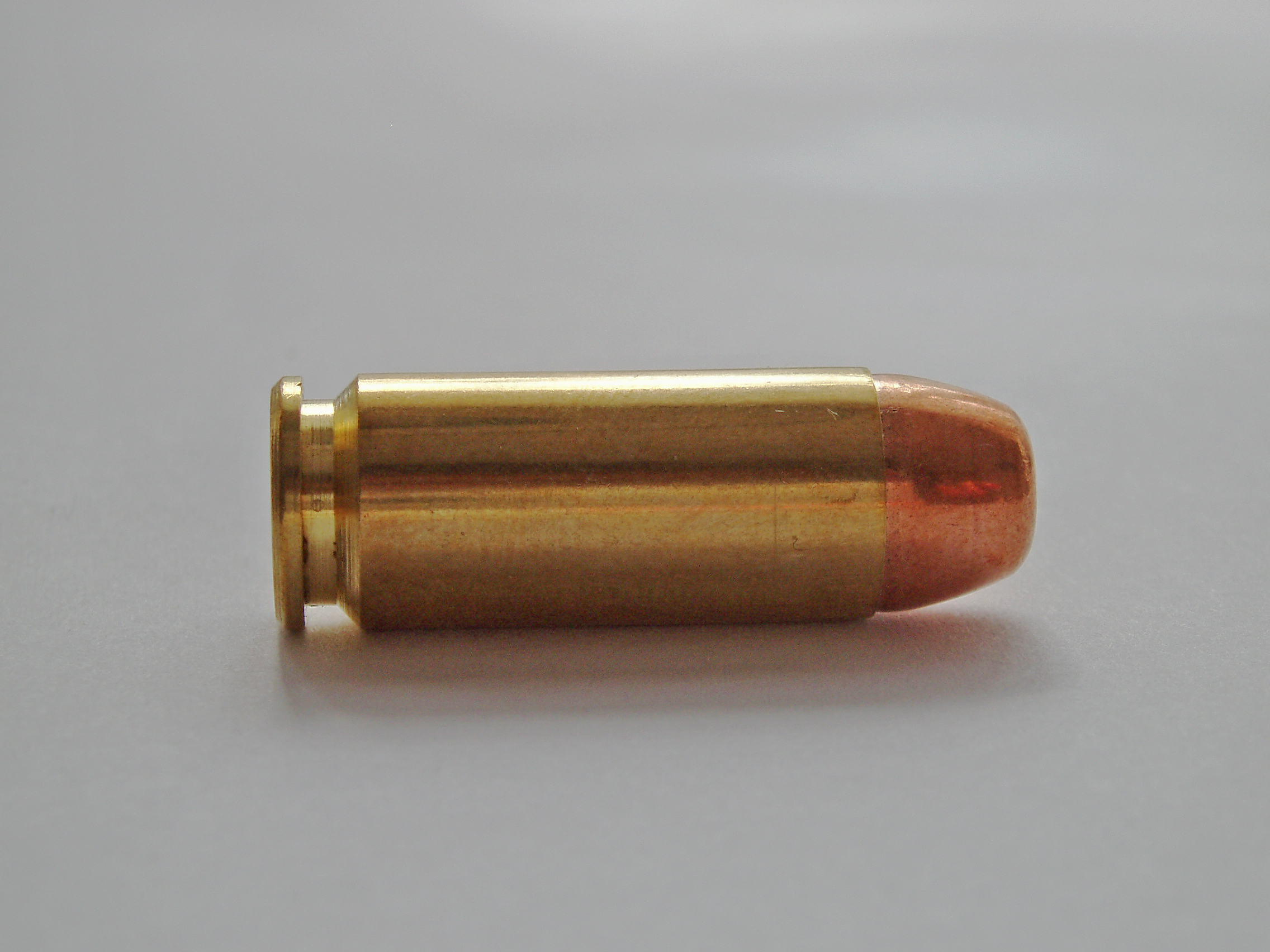
A 10mm Auto can produce considerably more energy than many compact handgun cartridges, but that does not make a charging cougar predictable. Common 10mm pistols may hold around 10 to 15 rounds, depending on the design. A mountain lion can approach from cover, while a person may also be carrying a backpack or protecting a child. Official guidance therefore puts avoidance first: stay with companions, keep children close, never run, and give the animal room to leave. If an attack happens, wildlife agencies advise fighting back with whatever is available.
7. .30-30 Winchester
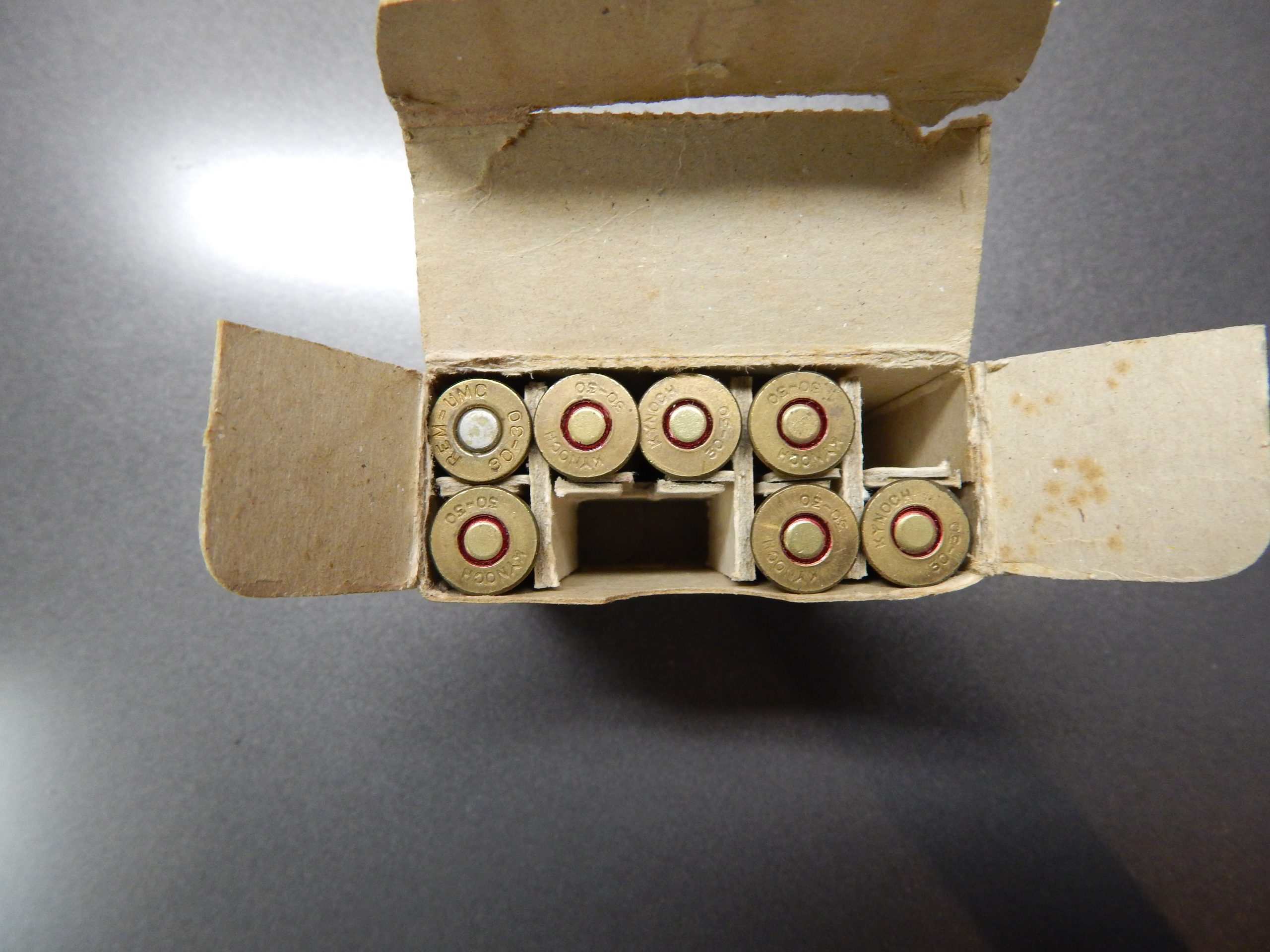
The .30-30 Winchester is a traditional hunting cartridge, but carrying a rifle does not remove the uncertainty of a close wildlife encounter. It fires a .308-inch-class bullet, and common lever-action rifles often hold about 5 to 7 rounds in their tubular magazines. A mountain lion can appear suddenly around thick vegetation, uneven terrain, or a carcass. Park officials advise avoiding mountain lions rather than approaching them. If one is encountered, maintain eye contact, remain upright, back away slowly, and use noise or available objects if the animal acts aggressively.
8. .308 Winchester
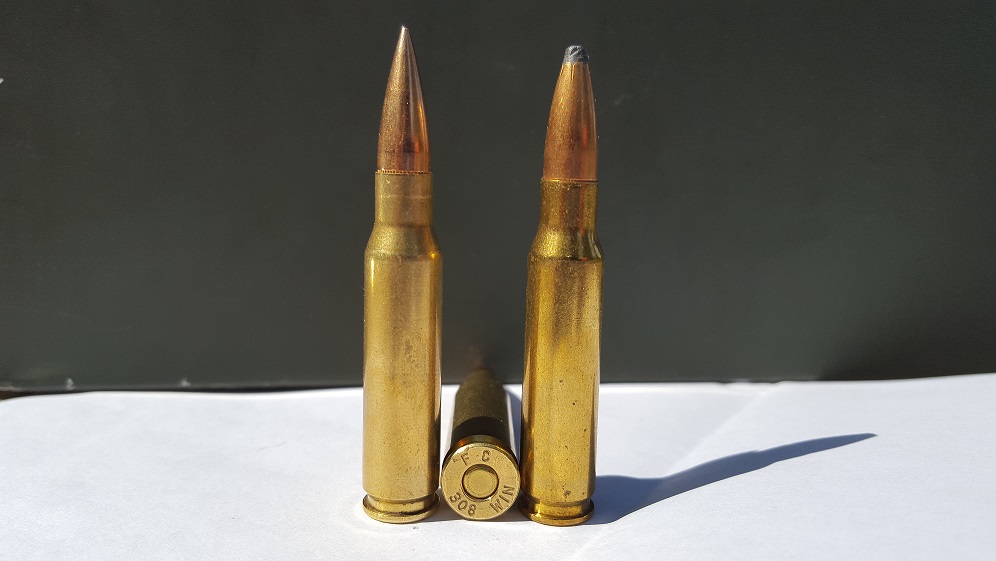
The .308 Winchester is a widely used full-power rifle cartridge, but its reputation does not guarantee control during a cougar encounter. Sporting rifles commonly hold between 4 and 10 rounds, depending on their action and magazine. The real difficulty is the unpredictability of a close-range encounter, where vegetation, movement, and footing can change instantly. Official guidance remains consistent: do not run, stay upright, face the animal, and make yourself appear larger. If a mountain lion attacks, the National Park Service advises fighting back and protecting your head and neck.
9. 5.56 NATO
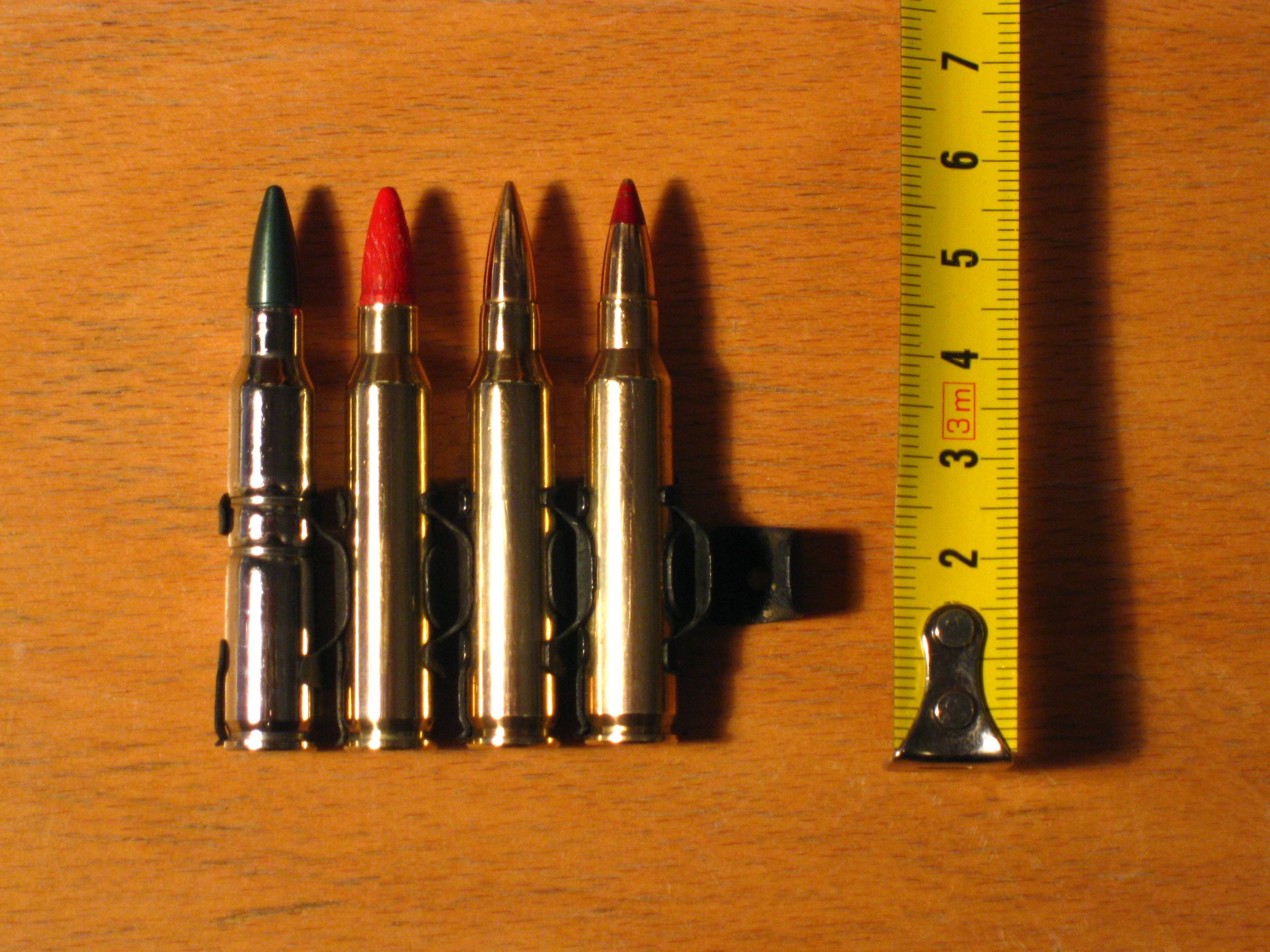
A 5.56 NATO rifle offers high velocity and is widely used in military and sporting rifles, but cartridge choice cannot replace sound wildlife behavior. Many rifles use 30-round detachable magazines, although other capacities are also common. A mountain lion may be hidden in vegetation, near a kill, or simply trying to escape, so approaching or provoking it can make the situation worse. The National Park Service recommends maintaining distance, never running, facing the animal, and making noise. If an attack occurs, fight back rather than assuming ammunition alone guarantees safety.