Foraging can make a hike feel richer, more immersive, and deeply rewarding, but it also carries real risk. Even seasoned hikers have ended up in emergency rooms after one bad assumption, one rushed ID, or one taste of the wrong plant or mushroom. This gallery breaks down the mistakes that most often cause trouble and explains why experience alone is not always enough to keep people safe.
Trusting memory instead of confirming identification
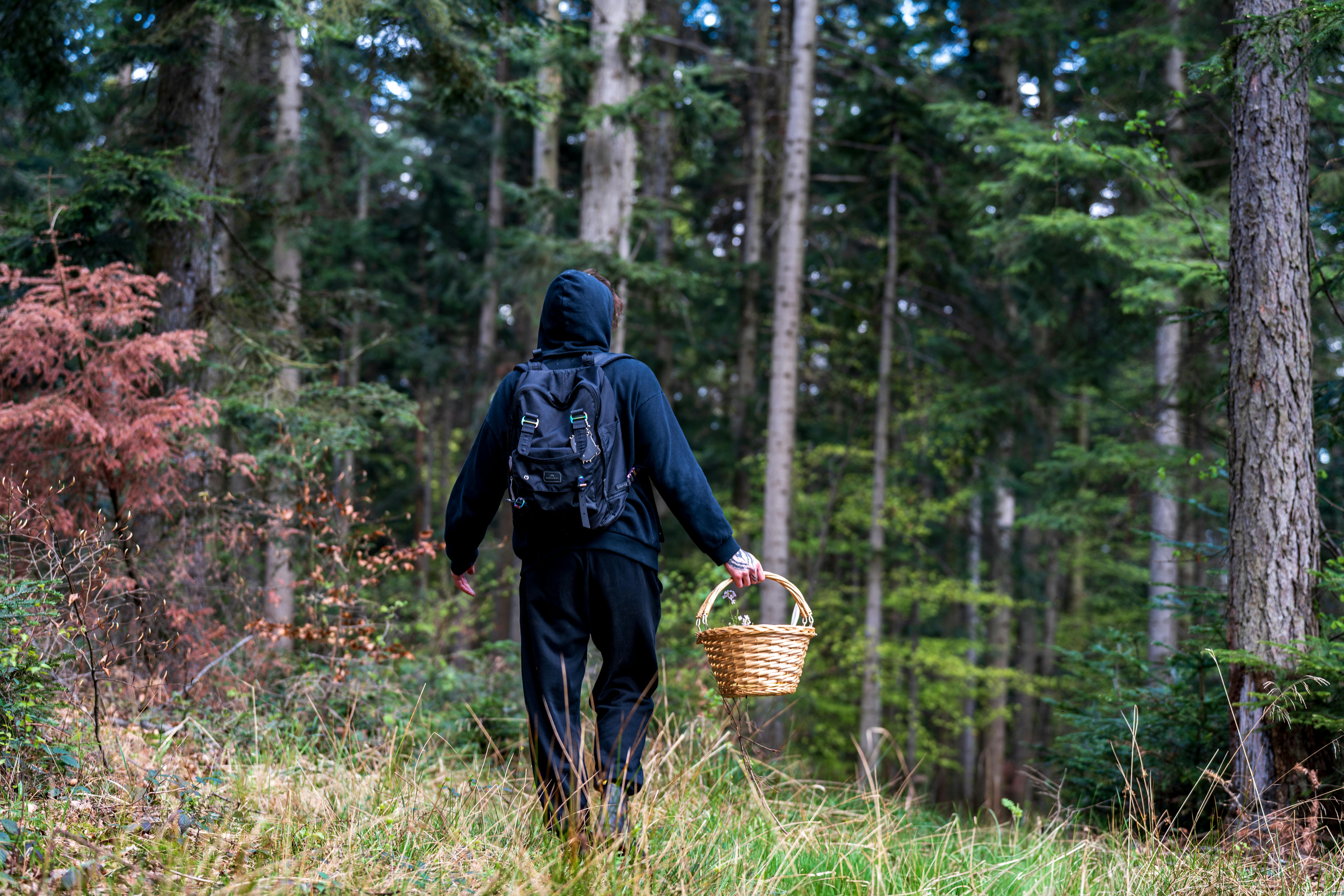
One of the most dangerous mistakes is assuming a plant or mushroom is the same one you found last season. Memory feels reliable in familiar woods, especially for experienced hikers, but look-alikes can vary by age, weather, and region in ways that make a quick visual match risky.
Emergency physicians often see cases that begin with a confident phrase: “I’ve picked this before.” The trouble is that certainty can replace caution. Safe foragers verify multiple traits every time, from stem structure and leaf arrangement to smell, habitat, and spore details, instead of relying on a mental snapshot from a previous trip.
Eating a mushroom based on one feature
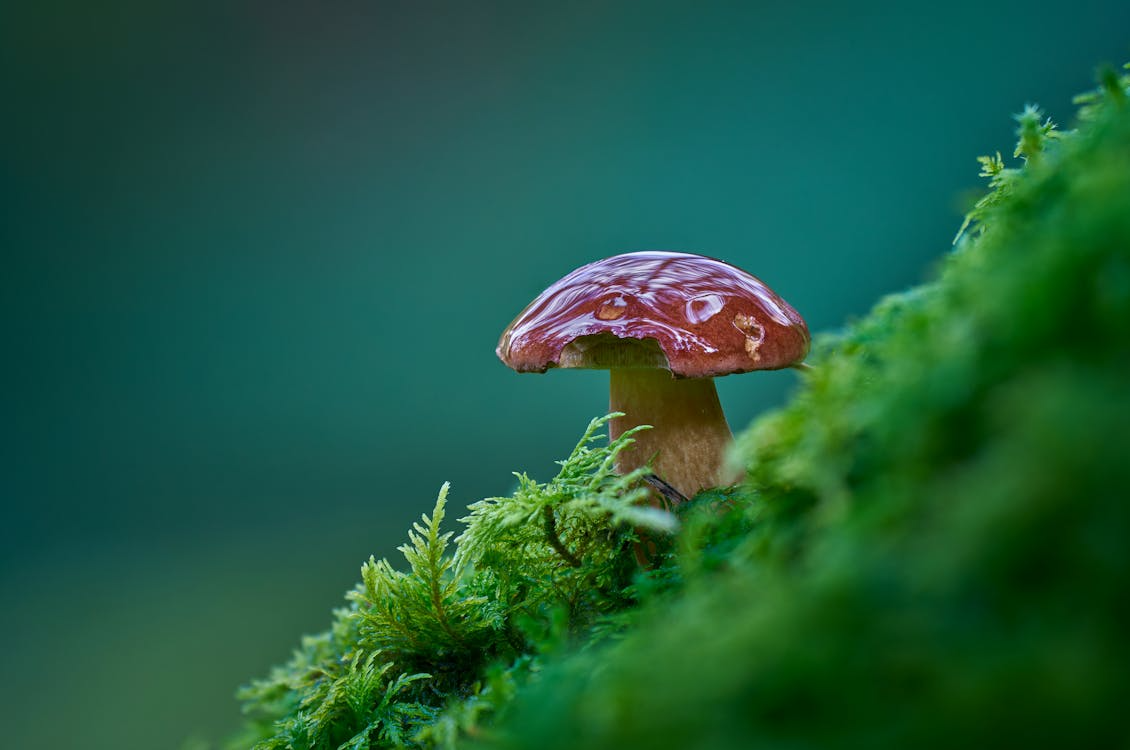
A cap color, a ring on the stem, or a pleasant smell is never enough to identify a mushroom safely. Many toxic species overlap with edible ones in one or two obvious traits, which is exactly why mushroom mistakes can fool people who think they know the basics.
The ER cases are often serious because some poisonous mushrooms cause delayed symptoms. A hiker may feel fine for hours, then develop vomiting, diarrhea, dehydration, or signs of liver injury after the window for early treatment has narrowed. Solid mushroom identification depends on a full profile, not a single convenient clue picked in haste.
Sampling a small bite to test if something is safe
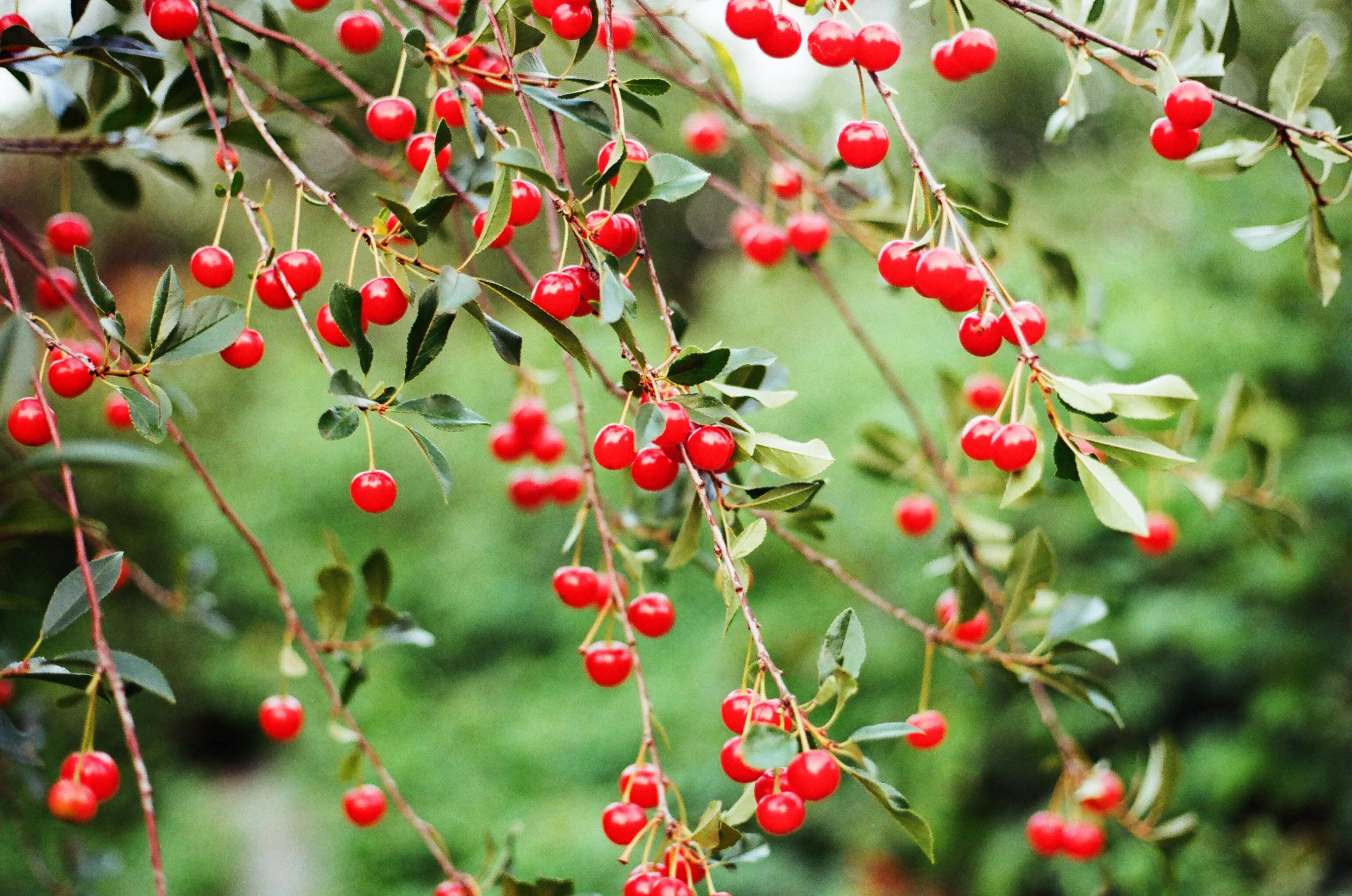
The idea that a tiny taste can reveal whether a plant is edible is a stubborn and dangerous myth. Some hikers still believe that bitterness, burning, or immediate irritation will warn them off, but plenty of harmful plants and fungi do not announce themselves so clearly.
A “just a nibble” decision can still trigger poisoning, intense gastrointestinal distress, or allergic reactions. It also complicates care because people may dismiss symptoms after such a small amount and wait too long to seek help. In the backcountry, where dehydration can escalate fast, even a seemingly minor exposure can become a serious medical problem.
Ignoring toxic look-alikes in the same habitat
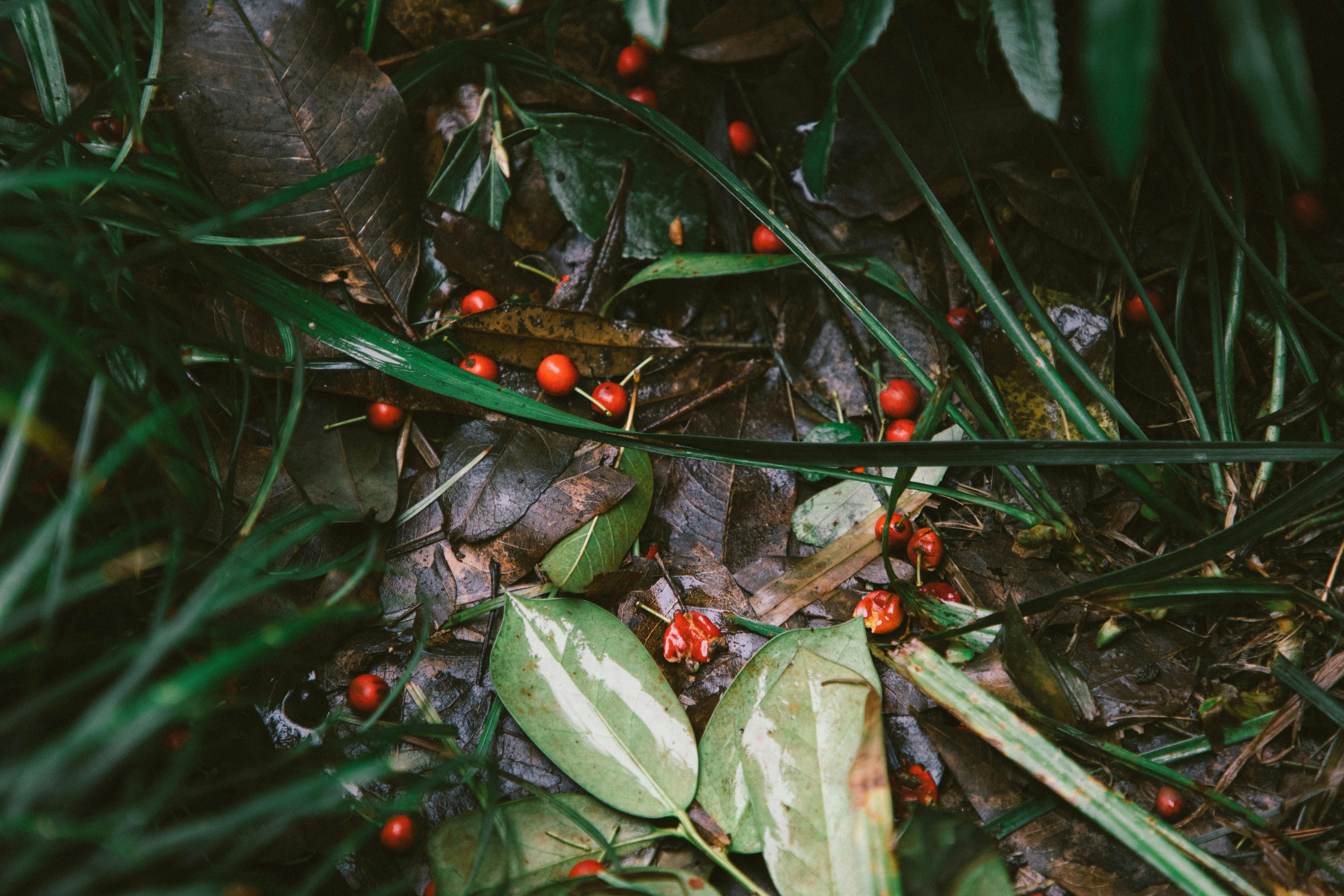
Experienced hikers sometimes become comfortable with the idea that if the habitat looks right, the find must be right too. But meadows, creek edges, and old forests often host edible species and dangerous imitators side by side, sometimes only a few feet apart.
This is where routine can become a trap. A basket that starts with correctly identified finds can end up contaminated by one accidental addition gathered during a conversation, a break, or poor light. The safest foragers assume every patch deserves fresh scrutiny, especially in mixed habitats where edible greens, berries, and mushrooms share space with toxic doubles.
Collecting near roadsides or contaminated ground
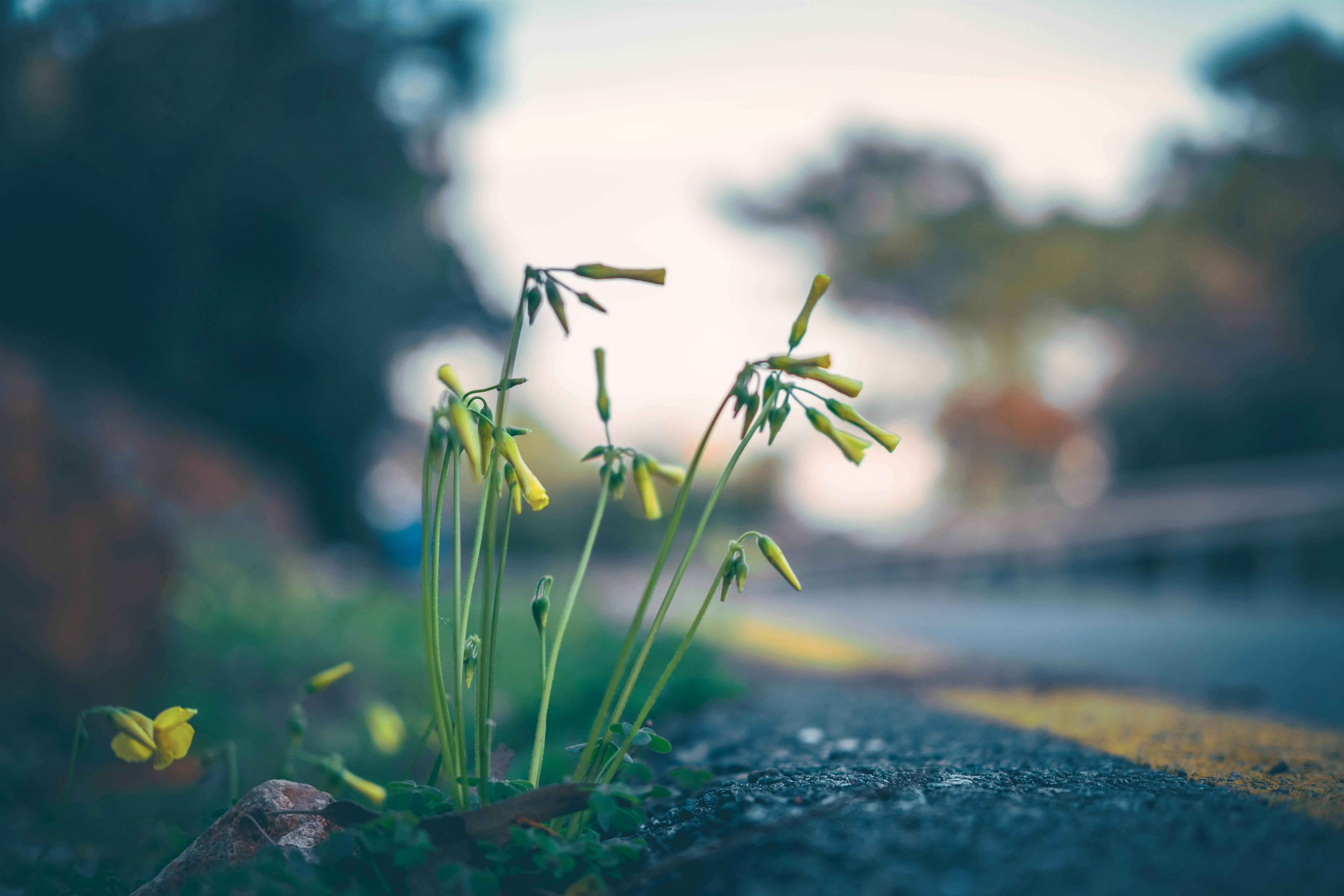
Not every trip to the emergency room begins with classic poisoning from the plant itself. Sometimes the species is technically edible, but it was gathered from a place where it picked up something harmful, including pesticides, runoff, heavy metals, or roadside pollutants.
That risk is easy to underestimate because the leaves or mushrooms can look fresh and healthy. Yet contaminated soil and water do not advertise themselves. Urban edges, old industrial sites, golf course borders, and busy trailheads can all pose hidden dangers. Safe foraging means knowing the ground as well as the species, because location can turn a good find into a bad meal.
Mixing unidentified finds into one bag or basket
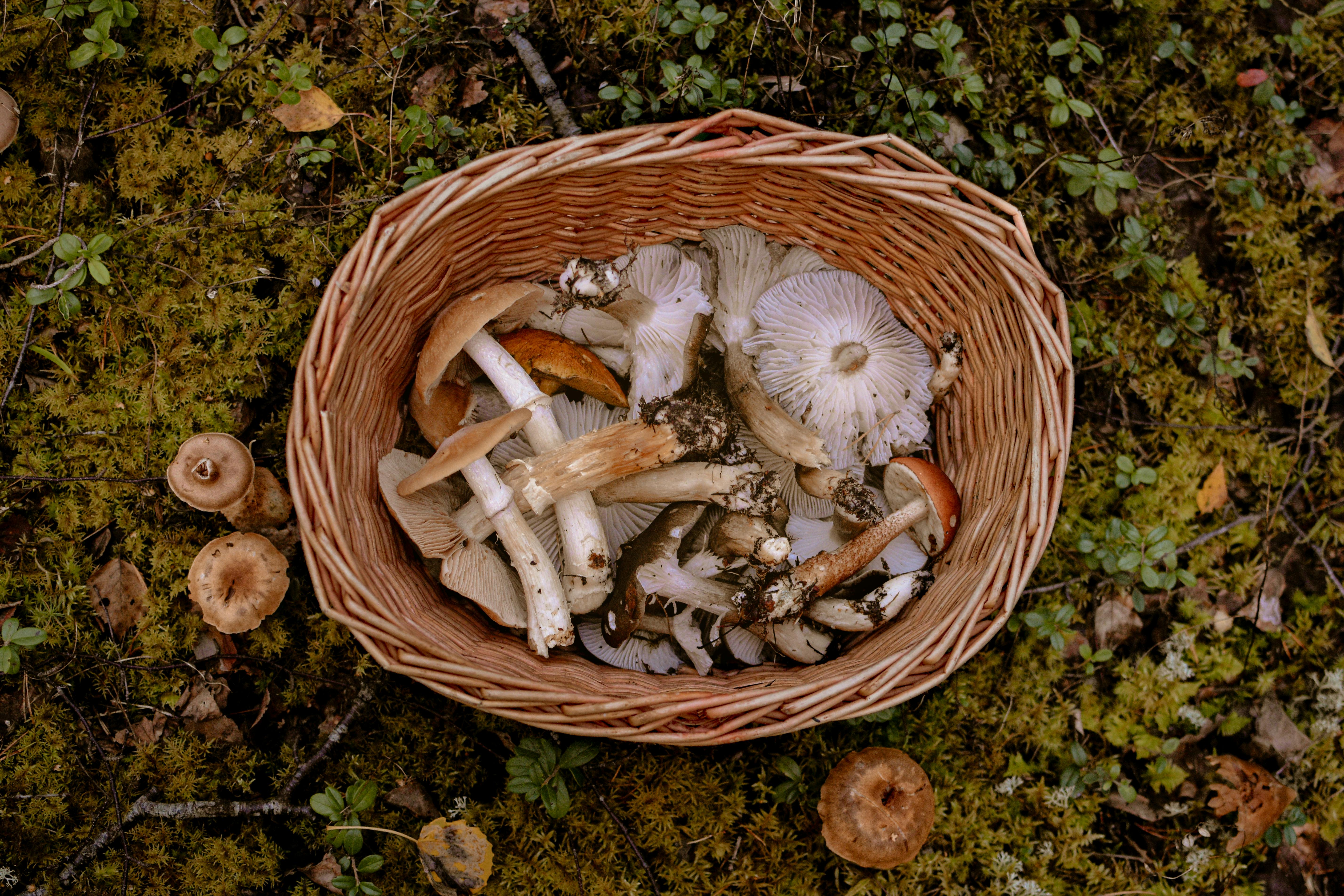
When hikers gather multiple species together, one mistake can spread quickly. A toxic mushroom can break apart and coat edible ones with fragments, or a poisonous plant can become impossible to distinguish later when everything is jostled together in a pack.
This becomes especially risky after a long hike, when people sort their finds at home while tired or distracted. Emergency cases sometimes start with the phrase, “I thought I separated them.” Keeping species isolated from the moment they are picked is a simple habit that protects both identification and dinner. Once mixed, certainty drops and the risk of accidental ingestion rises with it.
Assuming cooking will make anything harmless
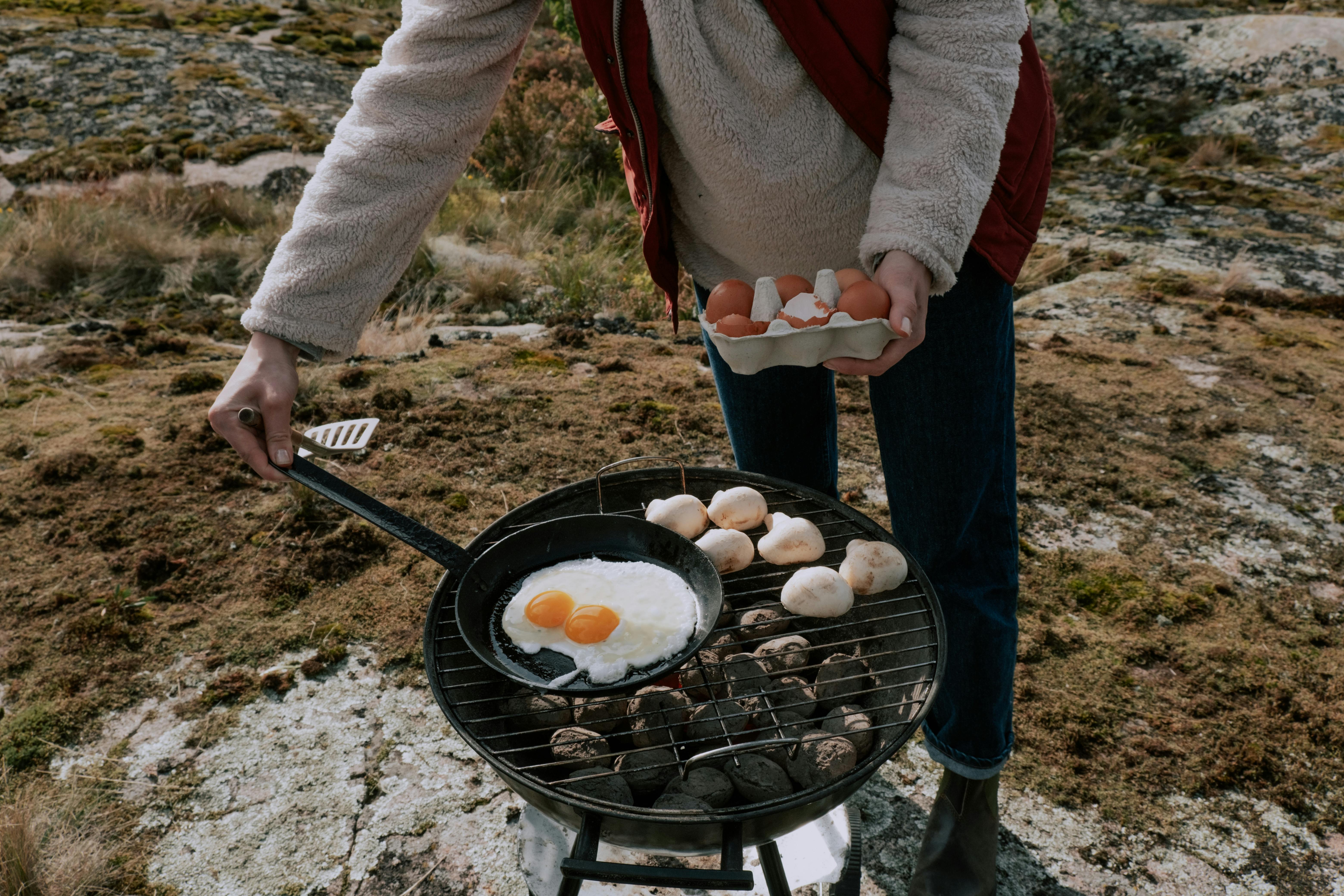
Heat can improve texture, flavor, and digestibility, but it is not a universal safety net. Some hikers wrongly assume that boiling, sauteing, or drying will neutralize whatever danger might be present, especially if they have heard old outdoor folklore about “cooking out” toxins.
In reality, some plant and mushroom toxins persist through normal preparation. Others require very specific handling, and getting that process wrong can still lead to severe nausea, vomiting, cramps, or worse. By the time symptoms hit, a meal that seemed rustic and satisfying can become the reason for a late-night hospital visit. Cooking is preparation, not proof of safety.
Overlooking allergies and individual sensitivity
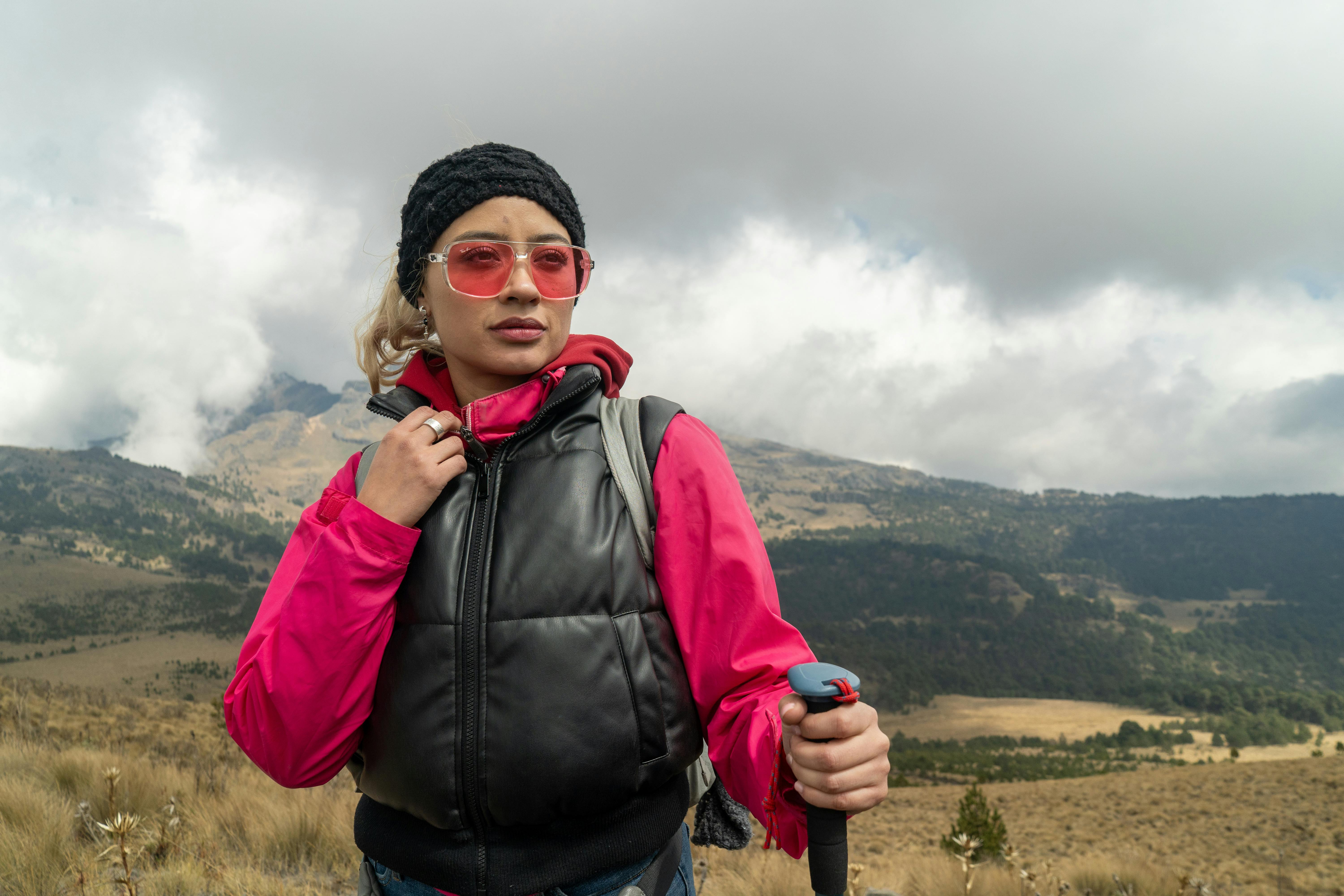
A plant that is edible in general is not automatically safe for every person. Hikers can react to pollen residues, plant compounds, or fungi that another forager handles without issue. Prior experience helps, but it does not guarantee that a body will respond the same way every time.
That matters even more after strenuous hiking, dehydration, or alcohol, which can change how symptoms feel and how quickly they become serious. Swelling, hives, wheezing, vomiting, and dizziness should never be brushed off as a quirky food reaction. In some cases, what looks like ordinary digestive upset is actually the early phase of an allergic response that needs prompt medical care.
Foraging when tired, rushed, or losing daylight
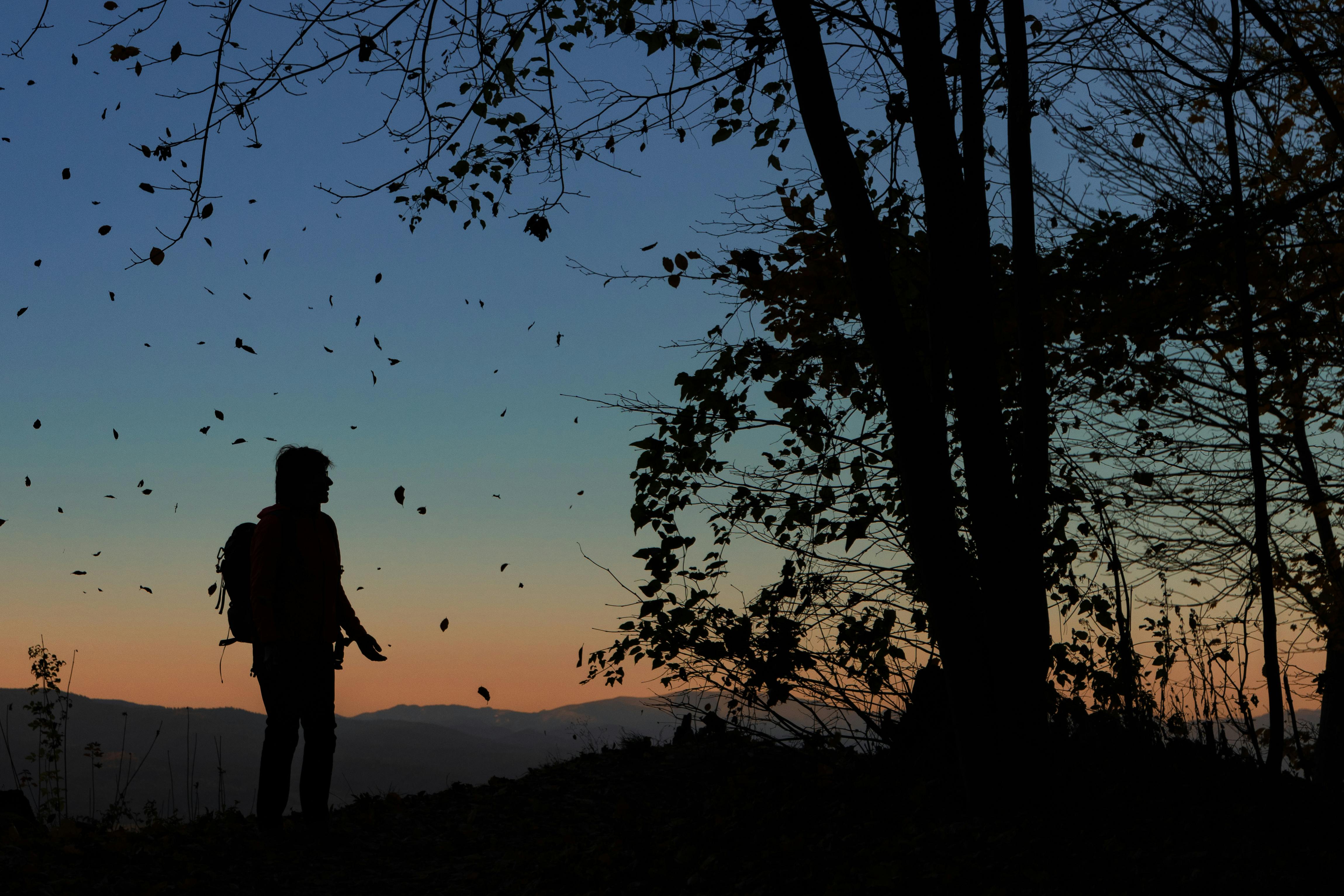
Good identification demands patience, and that is exactly what hikers lose at the end of a long day. Fatigue shortens attention spans, fading light flattens detail, and the desire to finish strong can push people into quick calls they would never make in full daylight.
Many foraging mistakes are not about ignorance at all. They happen when an experienced person decides they are close enough. A leaf margin goes unchecked, a bulb is missed in the soil, or a gill color looks different in dusk. The safest move is often the least romantic one: leave it there and come back when conditions support a careful, deliberate look.
Waiting too long to get help after symptoms start

The final mistake is often the one that makes all the others worse. Hikers may hope symptoms will pass, especially if embarrassment is involved or the meal seemed too small to matter. But vomiting, diarrhea, confusion, severe abdominal pain, or breathing trouble after foraging should never be treated as something to sleep off.
Delays can turn a manageable poisoning into a true emergency, particularly with mushrooms that damage organs after a symptom-free period. Early treatment gives clinicians more options and better information. If possible, bringing a sample or clear photos of what was eaten can help speed identification, but getting medical care fast matters most.