The U.S. Secret Service has changed its firearms repeatedly as presidential protection evolved from revolvers and compact submachine guns into modern pistols and specialized carbines. Some changes followed hard lessons from training or real-world incidents, while others were simply modernization decisions. That distinction matters because there is little public evidence tying every retirement to one specific close call. Still, these weapons reveal how the agency continually reassessed reliability, capacity, concealment, ammunition, and the demands of protecting people under extraordinary pressure.
1. Colt Official Police .38
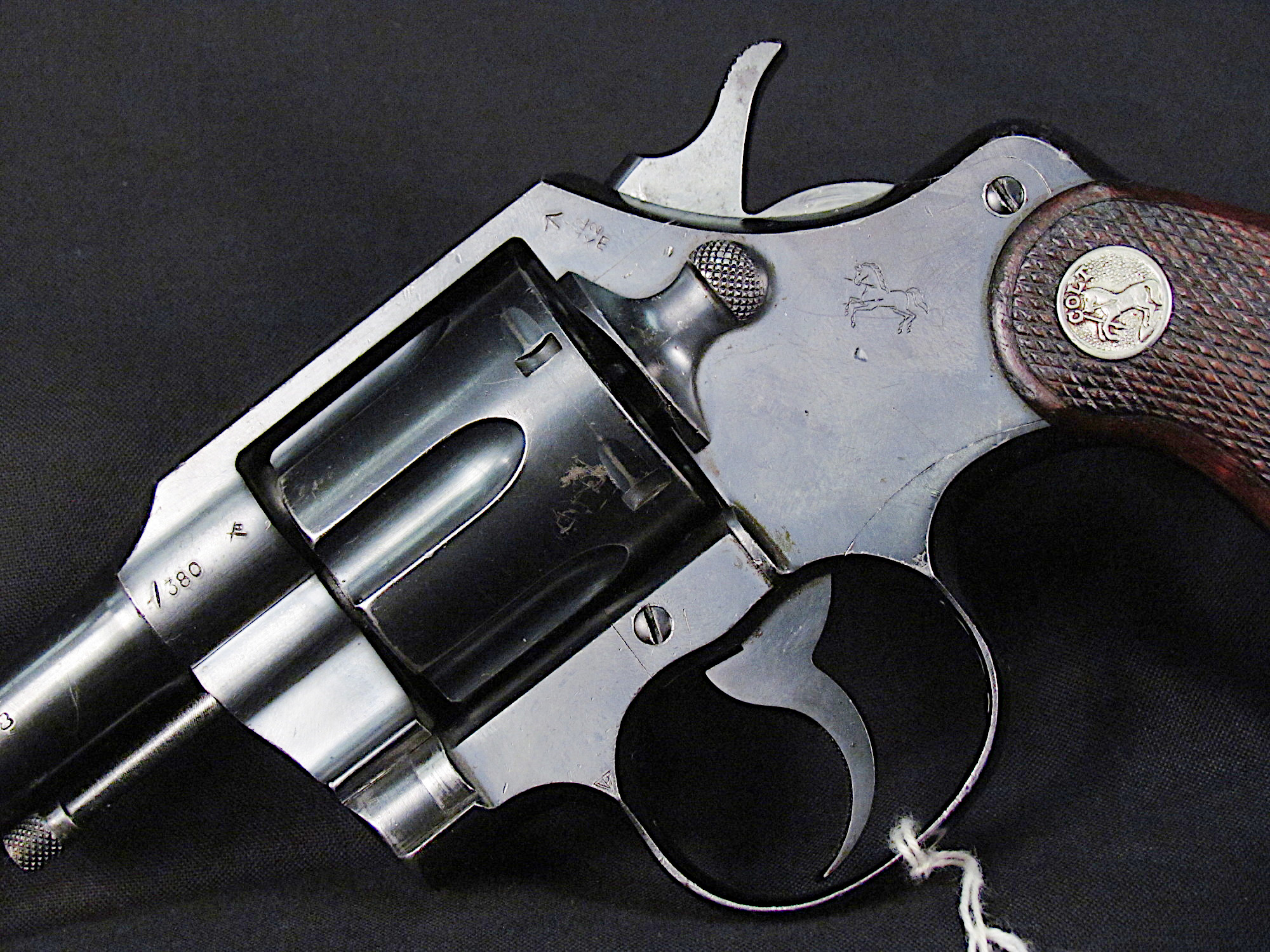
The Colt Official Police .38 belonged to the Secret Service’s revolver era, when simplicity mattered more than magazine capacity. The agency later moved away from it as protective work demanded faster reloads and greater ammunition capacity. The transition was not tied to one documented near-disaster, so calling it a “close-call retirement” would overstate the evidence. What is clear is the timeline: the Colt was replaced by Smith & Wesson’s Model 15 in 1965. That change reflected a broader modernization of police sidearms. For agents working around crowds and vehicles, a six-shot revolver increasingly looked like an older solution for modern protection duties.
2. Smith & Wesson Model 15
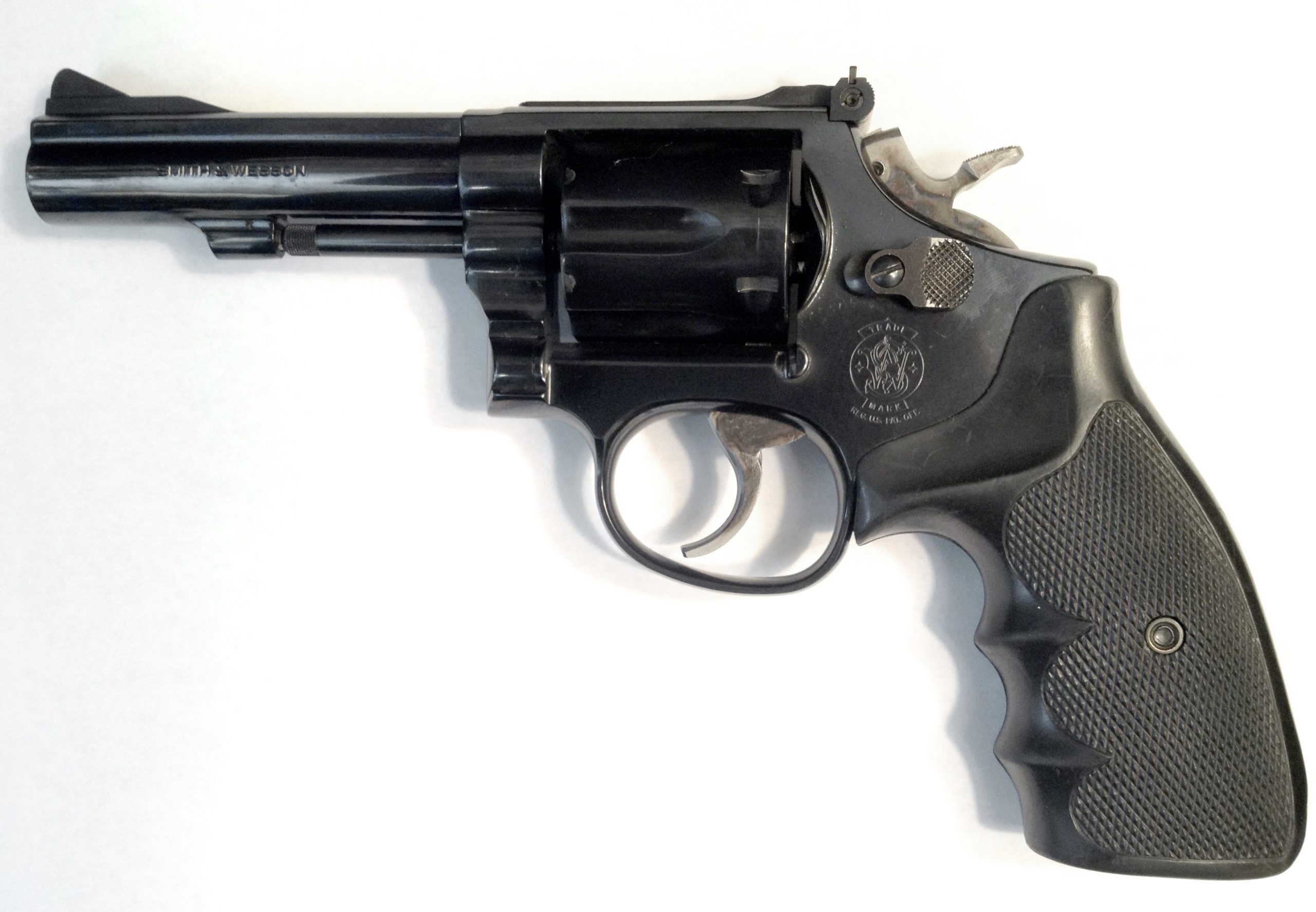
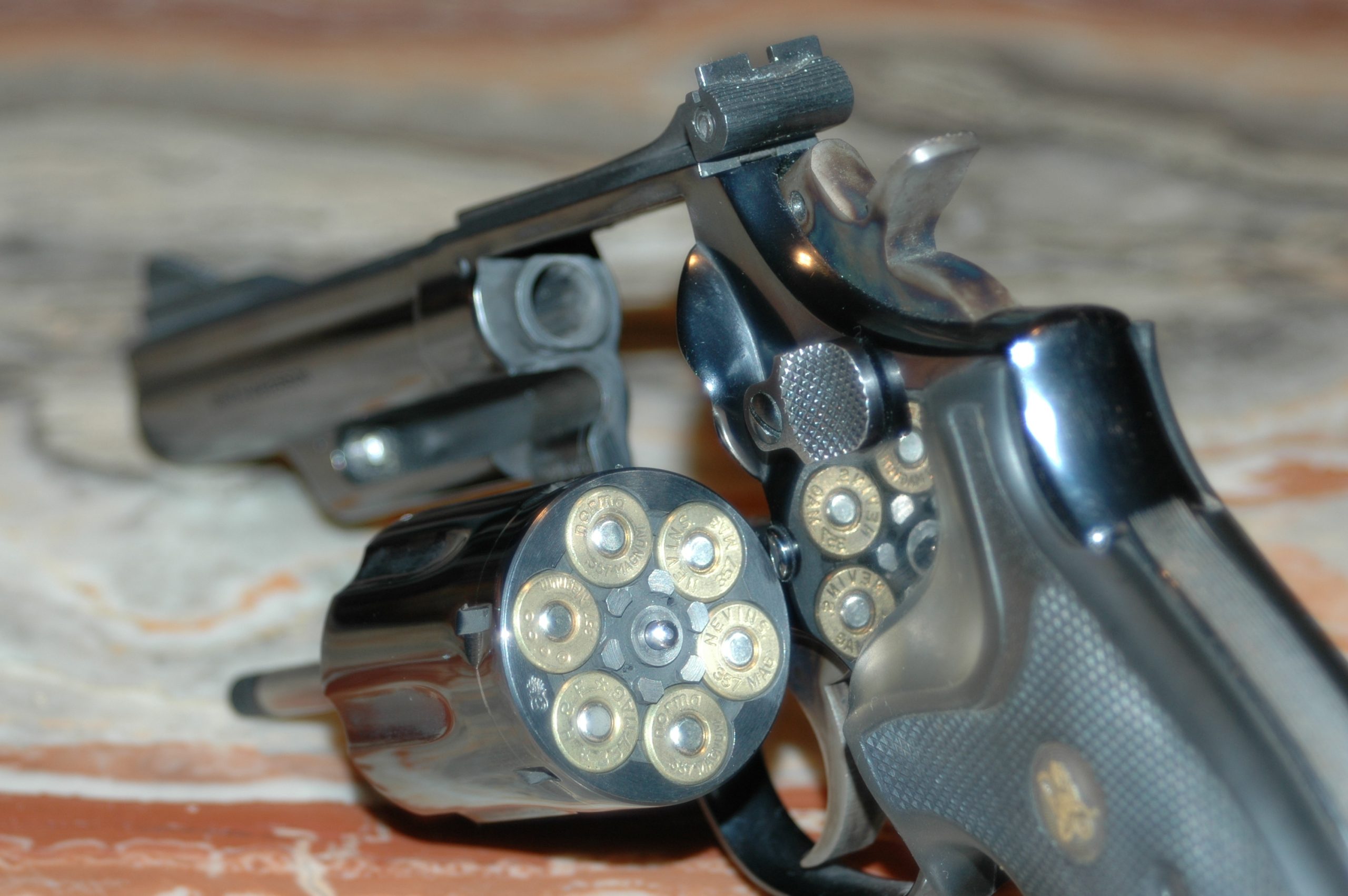
The Smith & Wesson Model 15 represented the Secret Service’s next step after the Colt Official Police, but it also had a short career. The agency adopted the four-inch .38 Special Model 15 in 1965 and moved to the Model 19 only about 3 years later. The shift shows how quickly protective firearms could change when training, ammunition performance, and agent expectations evolved. It would be misleading to claim a specific close call forced the retirement. Instead, the Model 15 belongs to a period when the Service was steadily moving toward stronger .357 Magnum-capable revolvers and, eventually, semiautomatic pistols with greater capacity and faster reloads.
3. Smith & Wesson Model 19
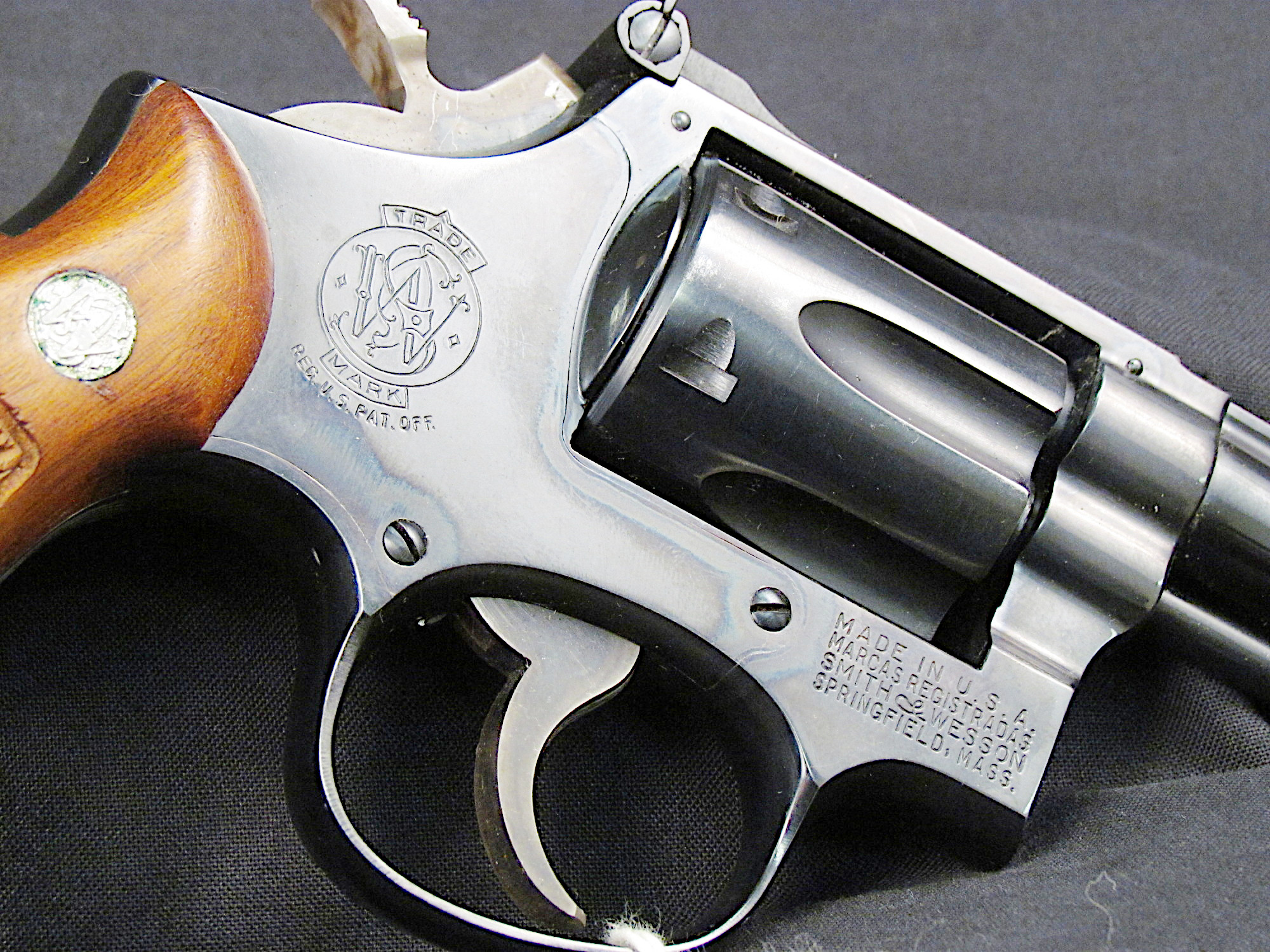
The Smith & Wesson Model 19 became one of the Secret Service’s best-known revolvers, yet it eventually revealed a practical weakness under intensive training. Former Secret Service personnel have described problems with durability when the revolvers were repeatedly fired with high-pressure Super Vel ammunition. The agency ultimately adopted .38 Special +P+ ammunition and later abandoned revolvers altogether. The Model 19’s career therefore illustrates a real equipment lesson, but not a single dramatic close call. After roughly 20-plus years in the agency’s revolver era, the design was replaced as the Service moved to semiautomatics in the early 1990s.
4. SIG Sauer P228
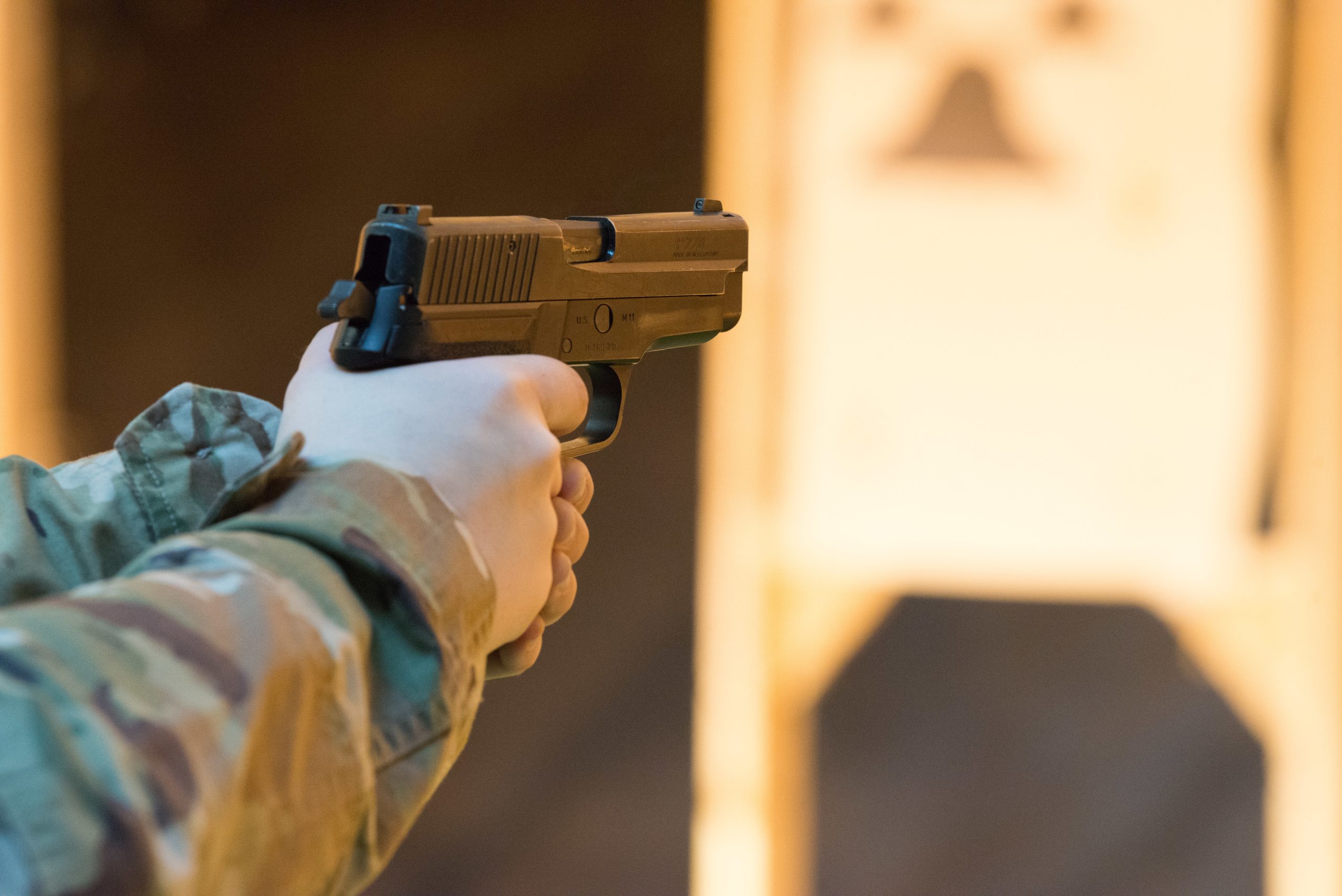
The SIG Sauer P228 was the pistol that finally ended the Secret Service’s long revolver chapter. Adopted around 1992, the compact 9mm carried 13 rounds in its standard magazine and offered faster reloads than the six-shot revolvers it replaced. Yet its service life was brief, lasting only about 7 years before the SIG P229 entered the picture in 1999. Public accounts do not establish a particular close call that caused the P228’s retirement. Instead, the change reflected a continuing search for a modern duty pistol and a cartridge that could meet the agency’s protective requirements across a wide range of assignments and changing training standards.
5. SIG Sauer P229 in .357 SIG
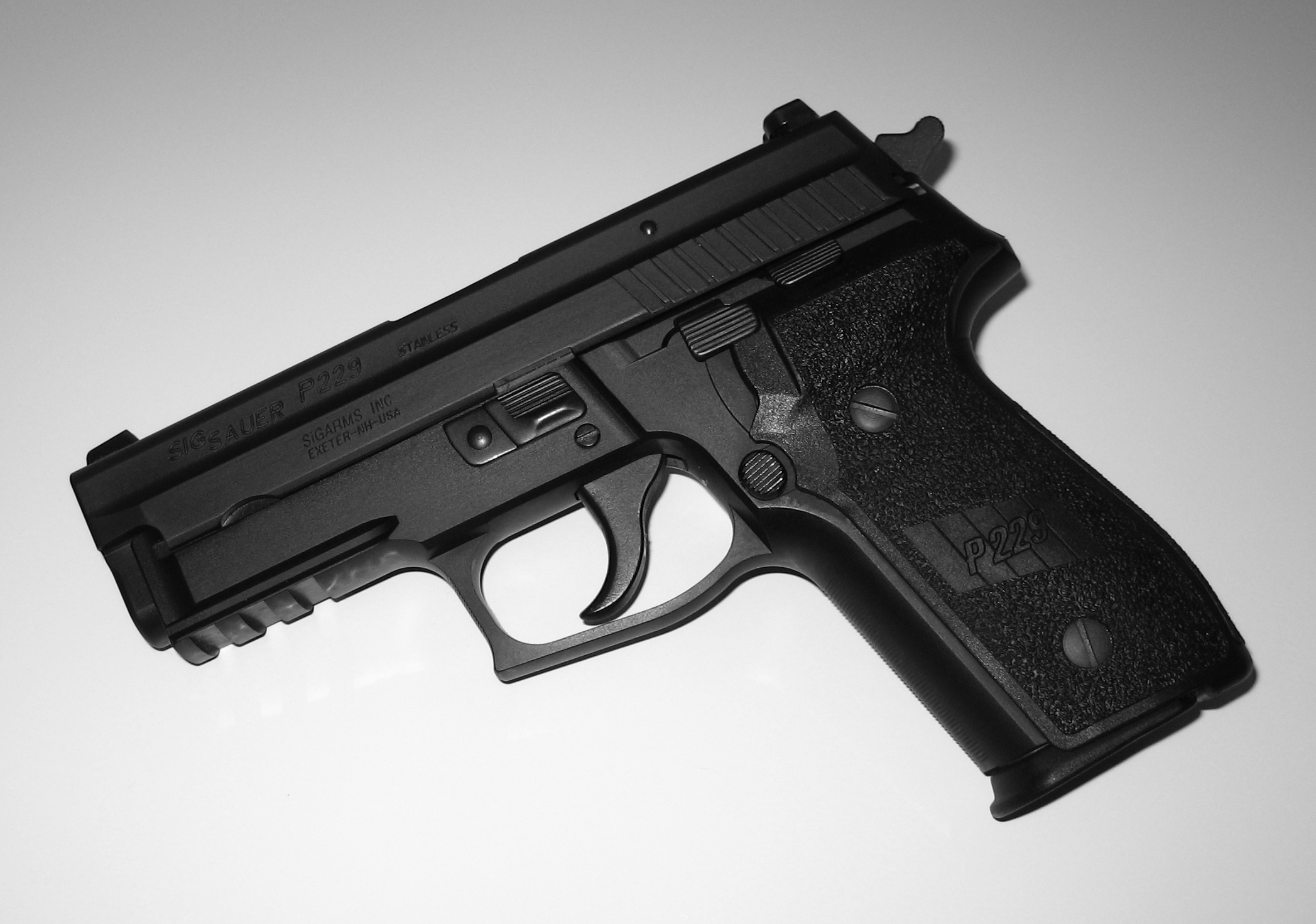
The SIG Sauer P229 chambered in .357 SIG became the Secret Service’s standard sidearm in 1999 and remained in that role for roughly 20 years. Its cartridge offered high velocity from a compact pistol, while the P229 provided a larger magazine than the revolvers that had preceded it. Yet in 2019 the Service announced a major transition to 9mm Glock pistols. The change was not publicly presented as a response to one close call or one failure. Instead, logistics, modern pistol design, ammunition commonality, optics capability, and training considerations all favored the new system. The P229’s retirement was therefore a modernization decision, not a documented emergency withdrawal.
6. FN P90
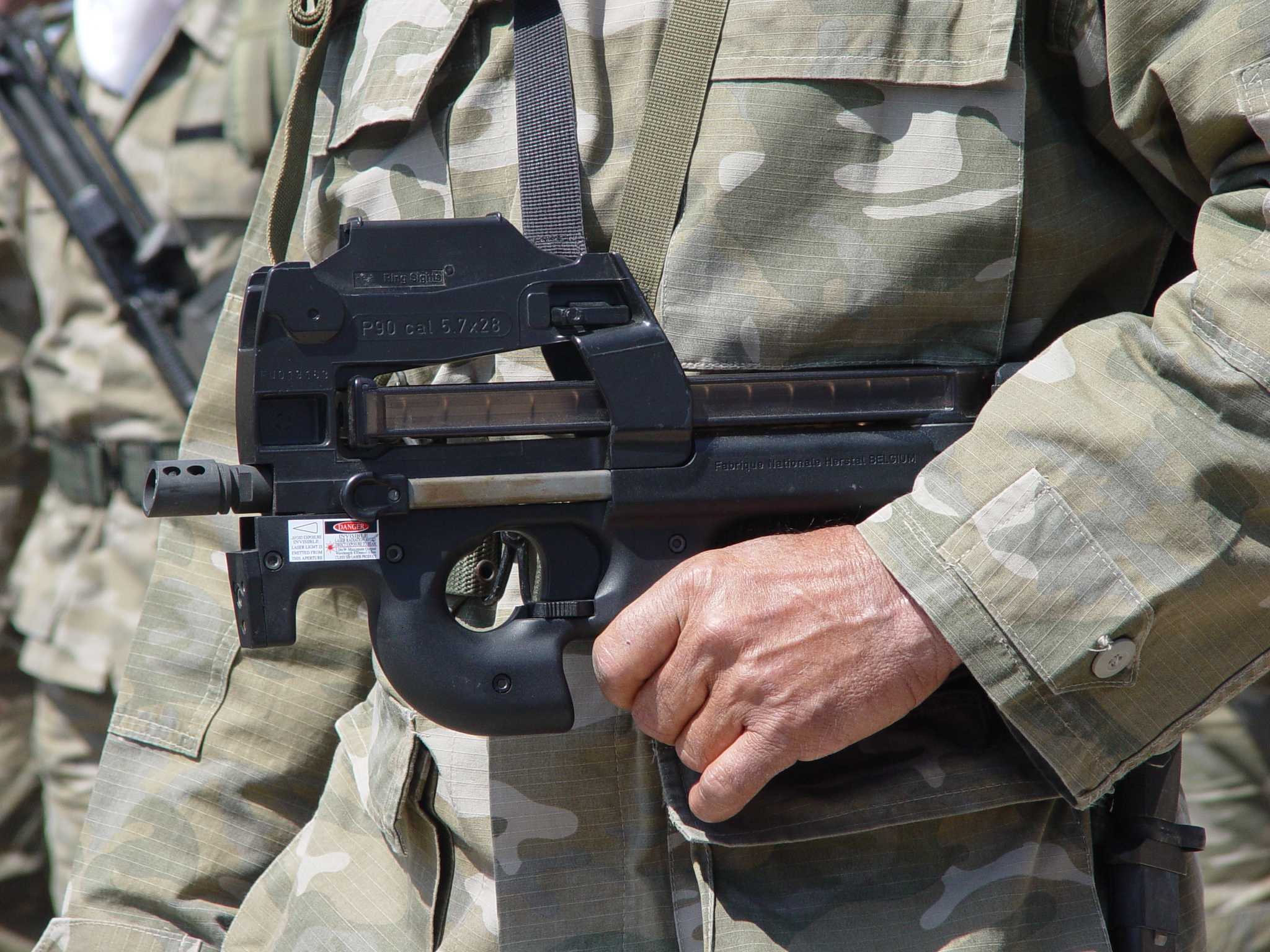
The FN P90 has a very different history from the agency’s older handguns. It entered the Secret Service’s protective arsenal as a compact personal-defense weapon suited to specialist teams, while the older Uzi was already being phased out. The P90’s presence also reflected changing ideas about close protection, especially the demand for compact weapons with substantial ammunition capacity. However, public sources do not establish that a particular close call caused the P90 itself to be retired. In fact, current public descriptions still associate the weapon with Secret Service training and specialist duties. That makes it a poor fit for a literal “quietly retired after a close call” claim.
7. IMI Uzi
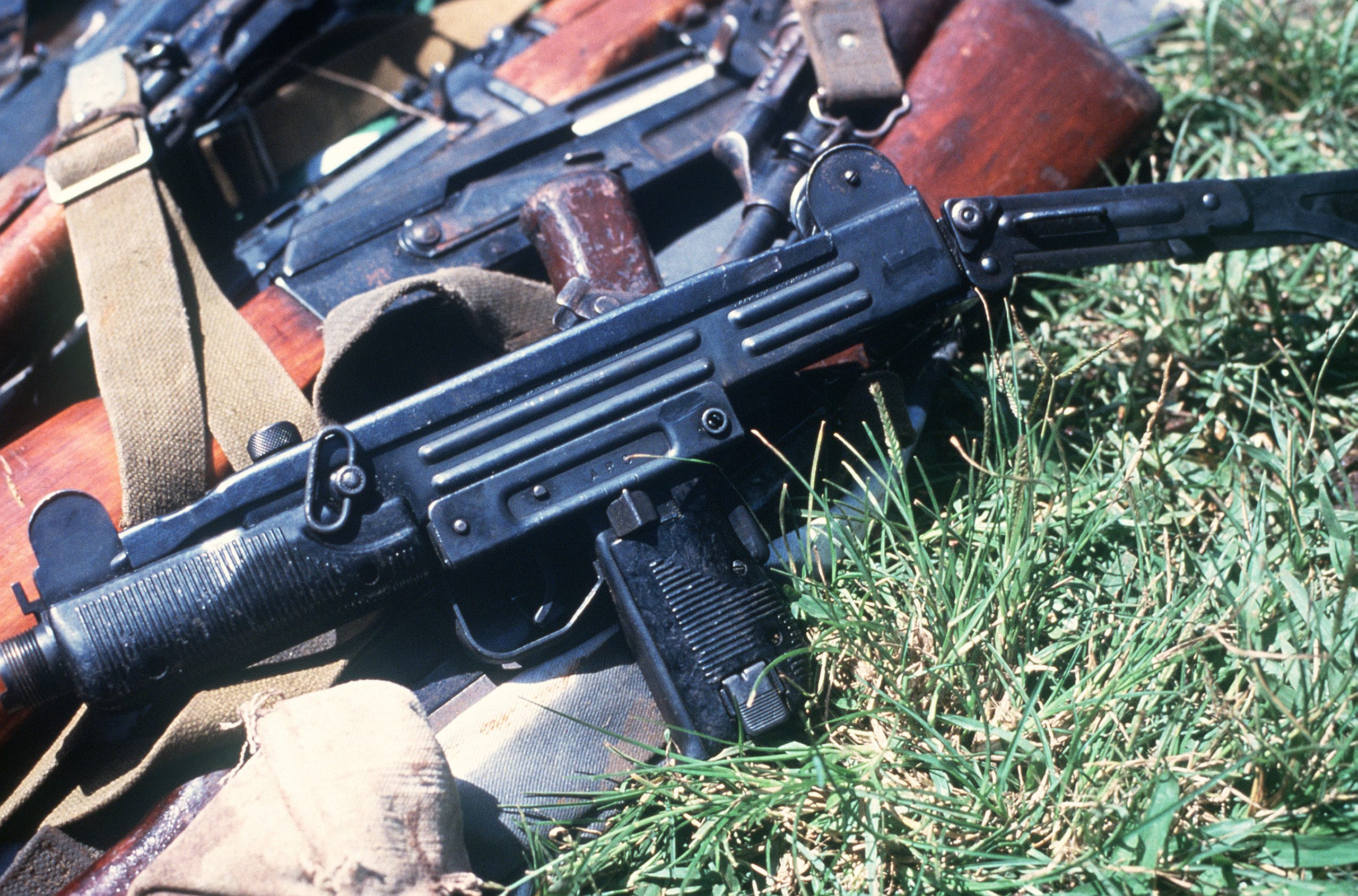
The Uzi is the strongest example of a Secret Service weapon whose replacement is closely connected to changing operational requirements. The agency used it from the 1960s into the early 1990s, and Agent Robert Wanko famously deployed one from a briefcase during the 1981 Reagan assassination attempt. The weapon performed its intended protective role that day, so the incident was not a failure that triggered retirement. During the 1990s, however, the Service phased out the Uzi and moved toward the Heckler & Koch MP5 and later the FN P90. Its retirement reflected modernization, concealment needs, and changing tactical preferences rather than a documented close-call failure.
8. M4 Carbine
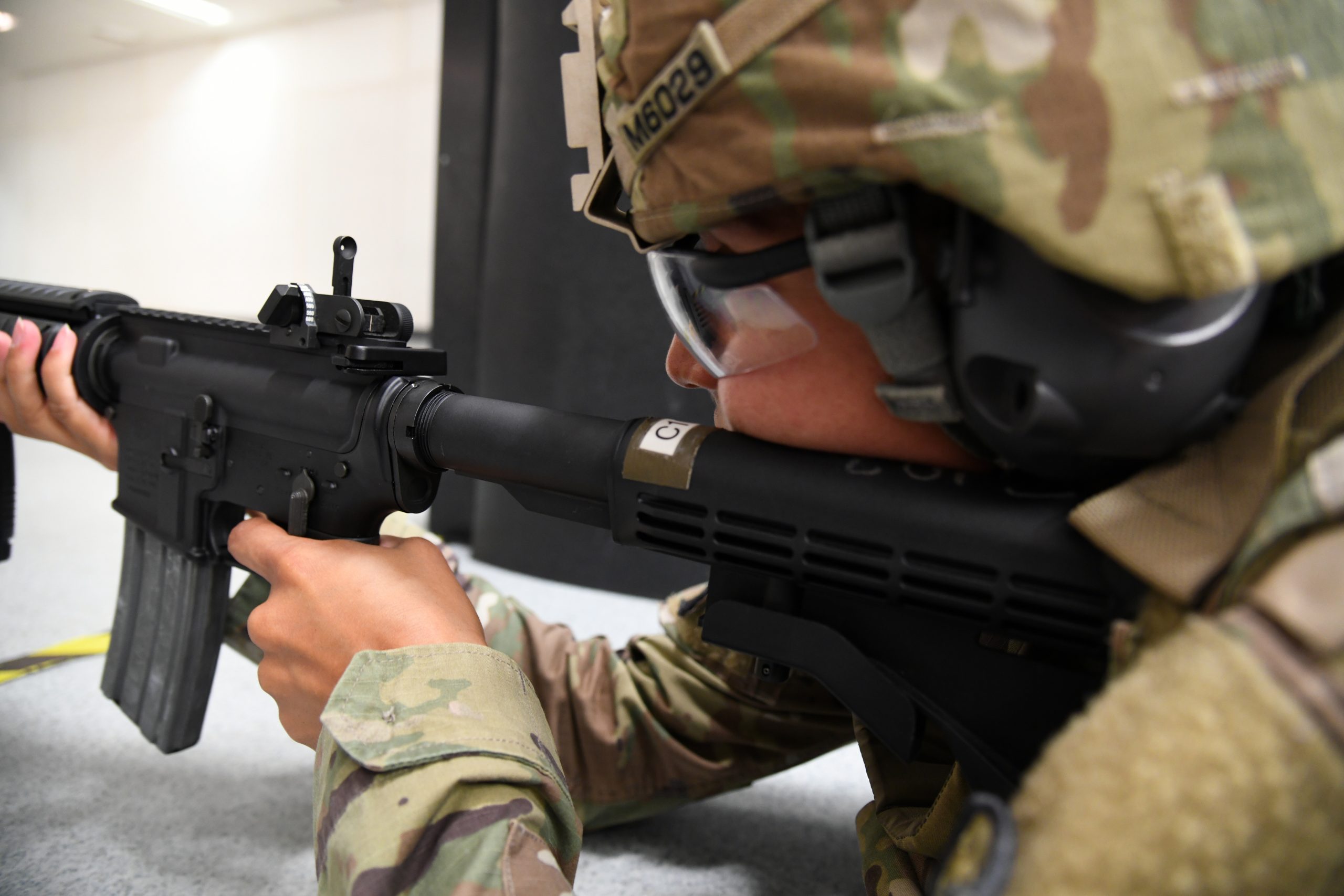
The M4 carbine was used by the Secret Service’s Counter Assault Team from the early 1990s until 2006, when the team moved to the Knight’s Armament SR-16. That change is sometimes simplified into a story about one weapon failing during a crisis, but publicly available evidence does not support that explanation. The M4 had already become a major law-enforcement and military platform, while the SR-16 offered a purpose-selected configuration for the Service’s specialist protective role. The roughly 14-year M4 period therefore represents an equipment evolution rather than a known retirement after a close call. It is a useful reminder that elite agencies replace weapons for many reasons beyond dramatic failures.