Muzzleloader season has always been about tradition, but tradition is changing. A new ignition system is now forcing wildlife agencies and hunters to rethink what a “muzzleloader” really is.
What This New Technology Actually Is
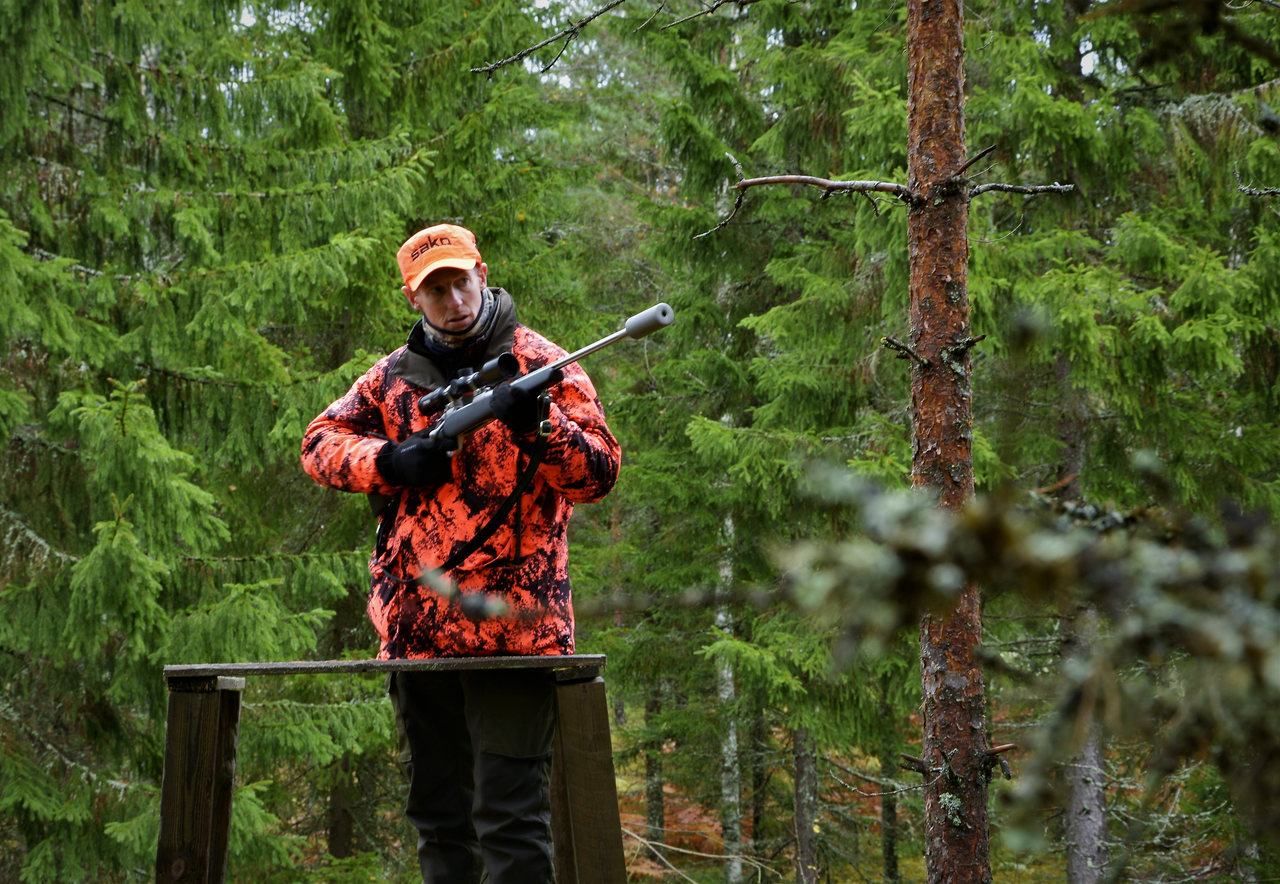
The technology drawing attention is Federal Premium’s FireStick system, a self-contained polymer charge used with compatible muzzleloaders. Instead of pouring loose powder down the barrel, the hunter inserts a premeasured charge through the breech while still loading the bullet from the muzzle.
That distinction matters. It is not a centerfire cartridge, and it does not turn a muzzleloader into a conventional rifle. The projectile still goes in from the front, which is the core feature many state rules use to define legal muzzleloading equipment.
FireStick launched in 2020 and was designed to solve several long-standing complaints about muzzleloaders: messy powder handling, inconsistent charge measurement, and difficult unloading. In Federal’s framing, the system improves repeatability and makes an unfired gun easier to render safe at the end of a hunt.
Why State Regulators Are Warming To It

The biggest argument in favor of the new system is safety. Because the charge can be removed from the breech without firing the rifle, hunters are not forced into the old routine of discharging a loaded muzzleloader into the ground, a berm, or open air when a hunt ends.
Consistency is the second selling point. A factory-measured charge reduces the chance of user error, which can mean more uniform velocities and fewer mistakes tied to overcharging, undercharging, or contamination from moisture in the field.
That message is landing with regulators. Texas Parks and Wildlife discussed modern muzzleloading systems in 2026 rulemaking and noted that this newer approach allows hunters to remove the charge safely while keeping the projectile loaded from the muzzle, a key reason definitions are being updated rather than rejected outright.
The Approval Map Is Getting Bigger
The clearest sign of momentum is simple: more states are saying yes. In a September 1, 2026 announcement, Federal said four additional states—Arizona, California, Connecticut, and Indiana—had approved FireStick use in their hunting regulations for the 2026 fall seasons.
That brought the company’s count to 37 states allowing the system during muzzleloader hunting seasons. Even allowing for differences in local wording, that is a major jump from the skepticism that surrounded the concept when it first appeared.
Texas also moved this year to modernize its definition of muzzleloader, showing how the trend often unfolds. First comes industry pressure and hunter interest, then public comment, then a regulatory rewrite aimed at preserving the spirit of muzzleloader seasons while acknowledging newer equipment designs.
Why Hunters Like It In The Real World

For everyday hunters, the appeal is not abstract. A premeasured charge speeds up loading, cuts down on loose gear, and reduces the chance of fumbling powder in bad weather, low light, or a cramped blind.
Moisture resistance is another practical advantage. Federal markets FireStick as sealed against the elements, which matters because traditional muzzleloader performance can suffer when powder and ignition components are exposed to rain, snow, or repeated temperature swings.
There is also a confidence factor. Hunters who are comfortable with centerfire rifles but intimidated by black-powder routines often find these newer systems less daunting, which may help bring more people into muzzleloader seasons without erasing the category altogether.
Why Some Traditionalists Still Push Back
Not everyone sees the shift as progress. Critics argue that dedicated muzzleloader seasons exist precisely because the equipment is supposed to be more limited, more hands-on, and less efficient than modern rifles.
From that perspective, every convenience feature risks blurring the line between primitive-weapons opportunity and general firearms hunting. If ignition becomes simpler, charges become standardized, and rifles become easier to maintain in rough weather, some hunters believe the challenge begins to shrink.
That concern is especially strong in states with stricter “primitive” traditions. Some western regulations still limit ignition systems or other features far more tightly, which explains why approval is spreading unevenly rather than universally.
What This Means For The Future Of Muzzleloader Seasons
The likely path forward is not one national standard but a patchwork. Some states will continue to embrace the new systems, especially where agencies view them as a safety upgrade that still preserves muzzle-loaded projectiles.
Others will hold the line, either to protect a traditional hunting experience or to avoid incremental changes that make special seasons feel too close to modern rifle hunts. In practical terms, hunters should expect legality to remain state-specific and sometimes unit-specific.
Still, the broader direction is clear. As of 2026, newer breech-charge muzzleloader technology is no longer a fringe experiment. It is becoming a recognized category, and the growing number of approvals suggests wildlife agencies increasingly see it as an evolution of muzzleloading, not the end of it.