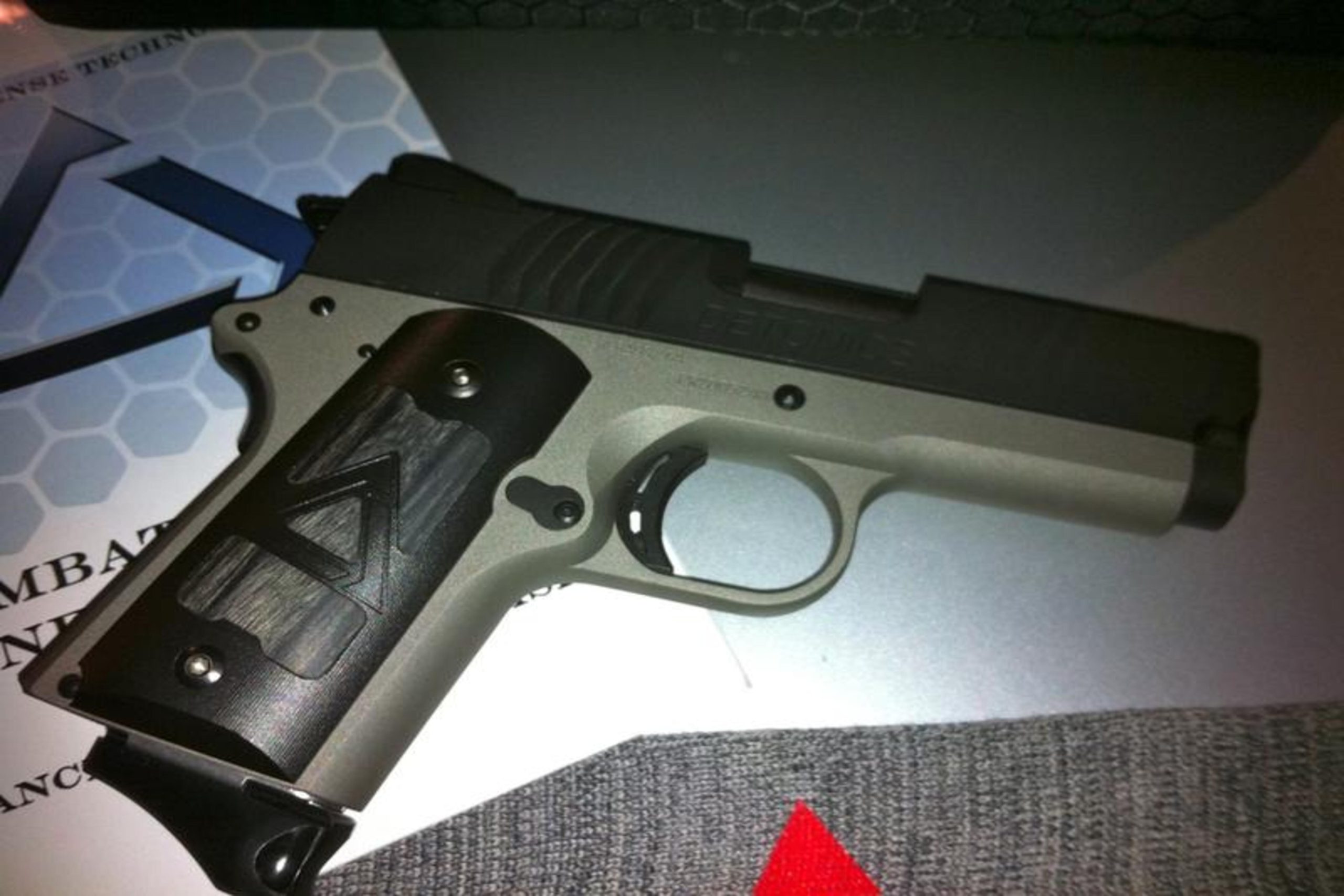
The Detonics Combat Master changed how shooters viewed the compact 1911. Introduced in 1976, it was not simply a full-size pistol shortened at the workshop bench. Pat Yates and the people who developed the design reworked the 1911 concept around a much smaller package. Measuring about 6.75 inches long with a 3.5-inch barrel, it combined a shortened frame with the .45 ACP cartridge. Its influence reached well beyond its limited production run.
1. It Reimagined the Compact 1911
The Detonics Combat Master emerged in 1976 from Pat Yates’s effort to shrink the 1911 without simply turning it into an awkward cut-down pistol. Its 3.5-inch barrel and shortened grip produced a package only 6.75 inches long and 4.625 inches high. Chambered for .45 ACP, it offered the familiar single-action 1911 concept in a footprint closer to a small revolver. That combination was radical for the period. Detonics showed that a serious .45 could be engineered specifically around concealability rather than merely shortened after the fact.
2. Pat Yates Started the Idea
The Combat Master’s story began years before factory production. Pat Yates sketched a compact .45 concept during the 1960s and later built working prototypes in the early 1970s. His goal was unusually specific: preserve the qualities he valued in the 1911 while making it substantially easier to carry. Yates worked with other enthusiasts, including Sid Woodcock, before the project became the foundation of Detonics. By 1976, the experimental concept had become a production pistol. The timeline matters because the Combat Master was not an overnight marketing invention.
3. It Was Tiny for a .45
Numbers explain why the Combat Master attracted attention. The pistol measured about 6.75 inches overall, stood roughly 4.625 inches tall, and used a 3.5-inch barrel. Its compact dimensions were remarkable beside a traditional Government Model 1911, whose barrel measured 5 inches. Yet the Detonics still used .45 ACP and retained the recognizable 1911 operating concept. The shortened grip reduced magazine capacity to 6 rounds, creating an obvious tradeoff between size and ammunition. For its era, those measurements made the Combat Master an unusually compact big-bore semi-automatic.
4. The Barrel Needed a New Solution
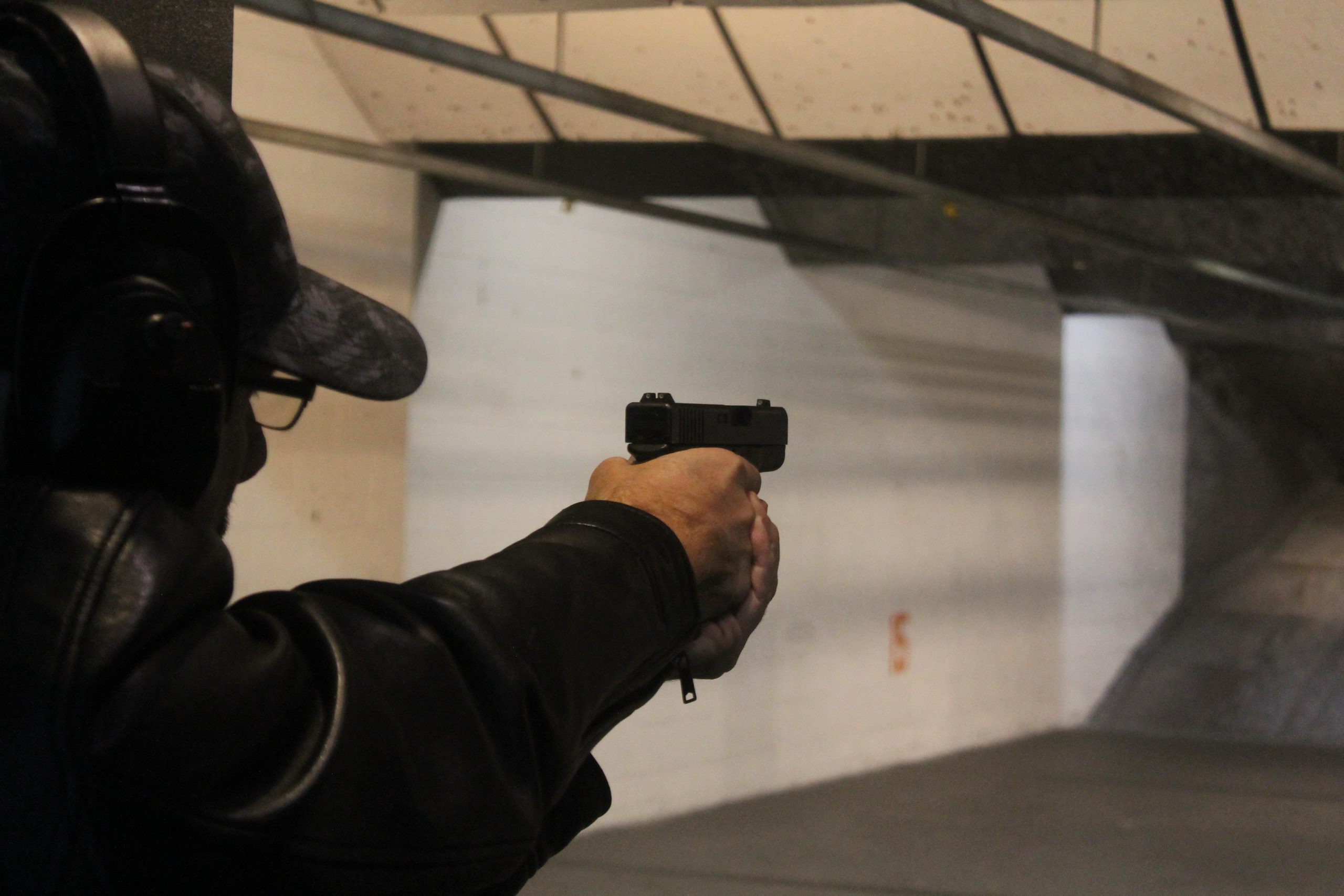
Shrinking a 1911 created an engineering problem at the muzzle. Detonics eliminated the conventional barrel bushing and used a distinctive flared or cone-shaped barrel arrangement. That design helped the shortened barrel lock consistently while removing a component associated with the full-size 1911. The compact slide also received a carefully shaped front section. These changes were not cosmetic. They addressed the mechanical consequences of reducing slide and barrel travel while keeping the pistol’s basic Browning-inspired operating system intact. The result helped distinguish the Combat Master from simple chopped 1911 conversions.
5. Its Recoil System Was Unusual
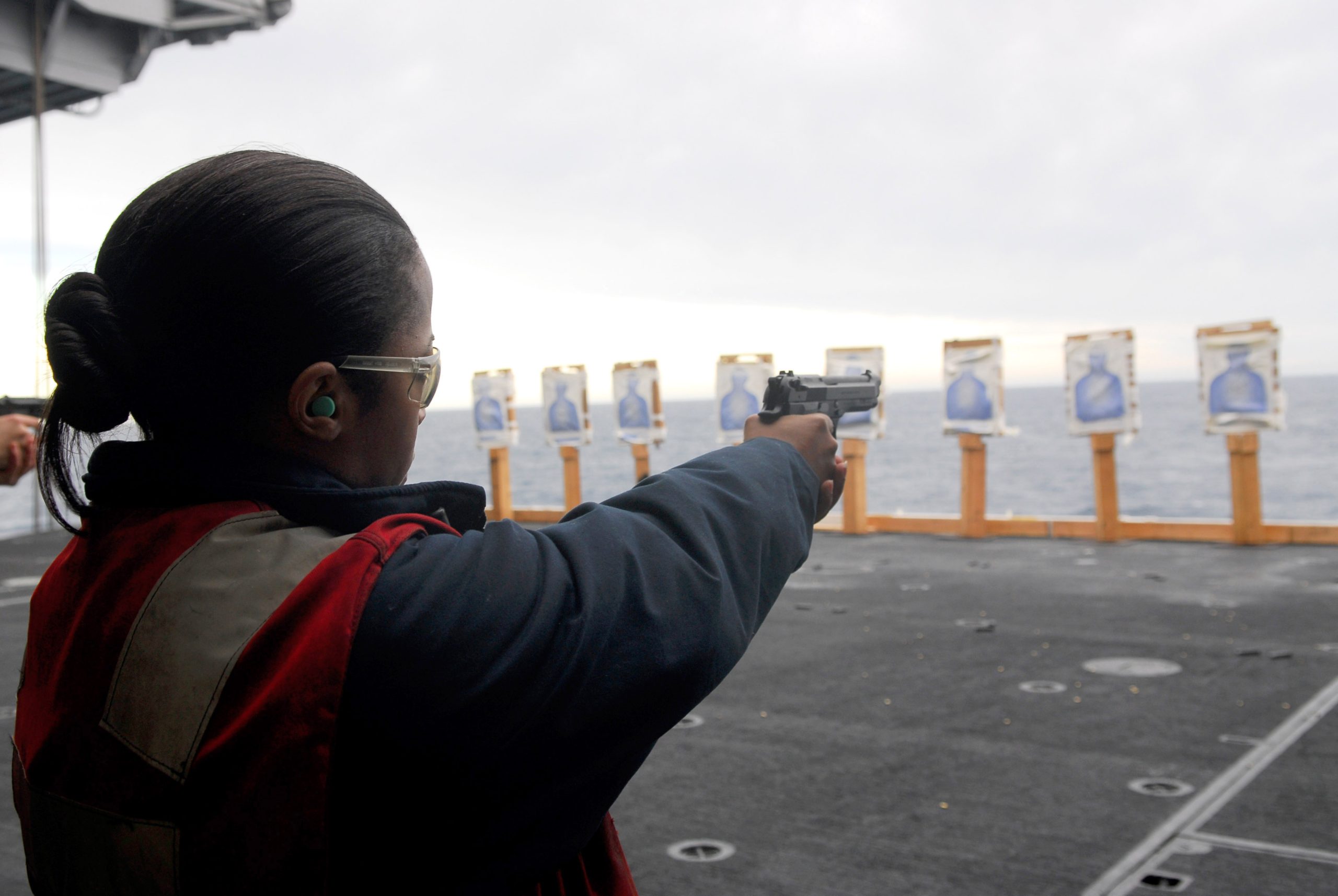
A short .45 slide has less travel and less room to manage recoil than a full-size 1911. Detonics responded with a compact captive recoil spring arrangement, with later versions using multiple springs. Contemporary descriptions identify systems using 2 or 3 springs depending on the model and period. This was one of the Combat Master’s most technically distinctive features. Rather than accepting the limitations of simply shortening standard 1911 components, Detonics redesigned the recoil system around the smaller pistol. That approach became part of the model’s engineering identity and its reputation for innovation.
6. Six Rounds Made the Grip Shorter
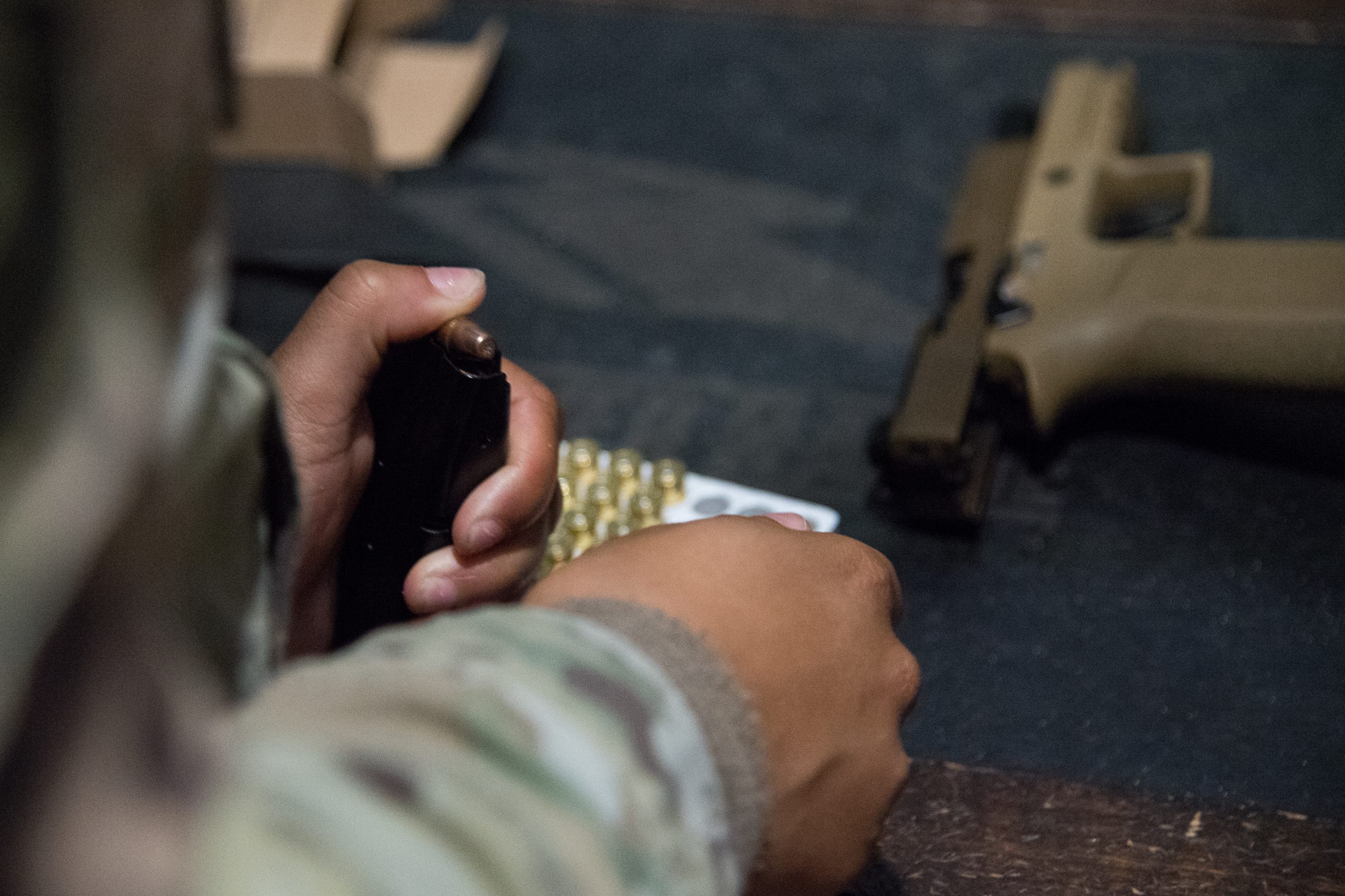
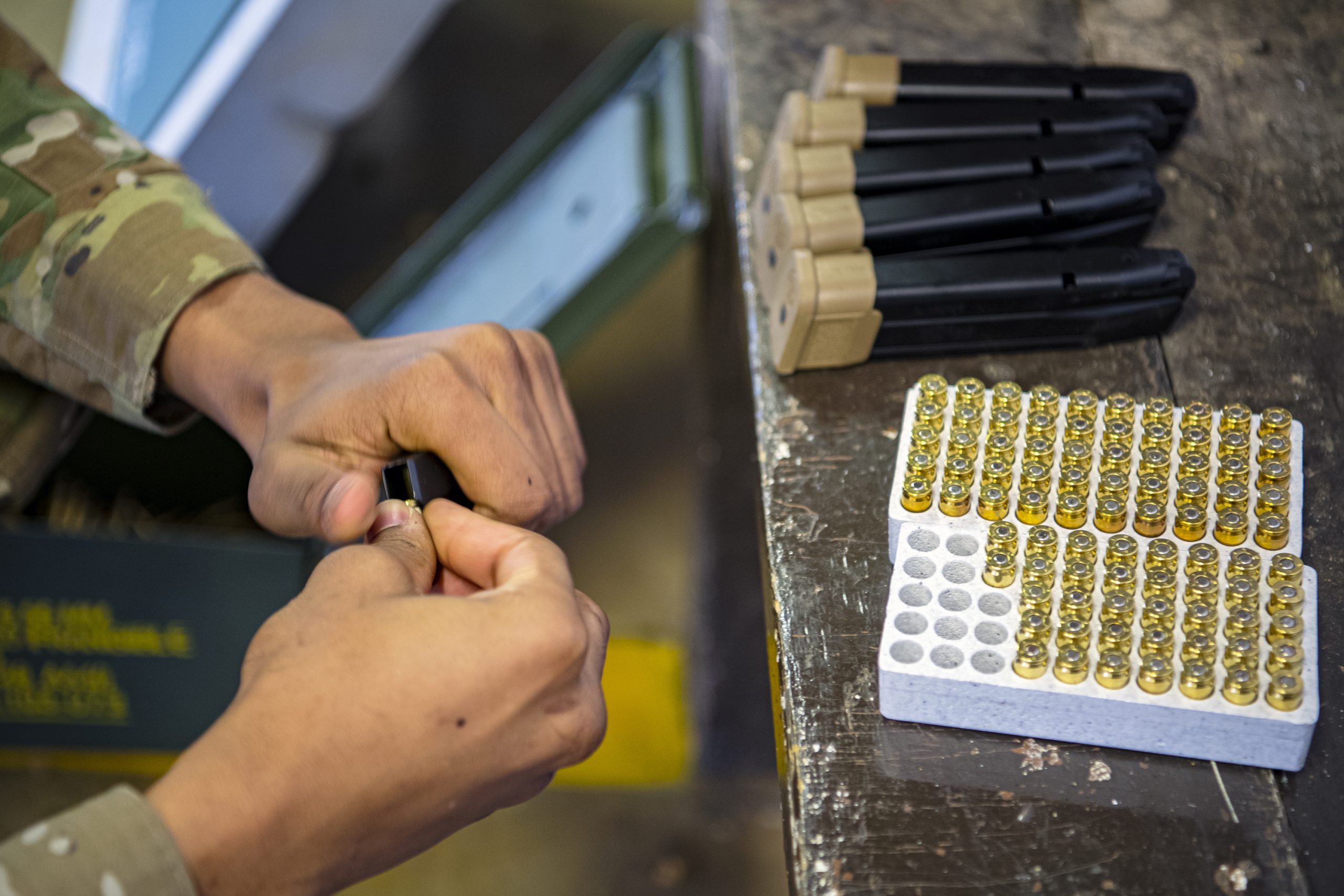
The Combat Master’s abbreviated grip was central to its concealment-focused design. Its dedicated magazine held 6 rounds, one fewer than the traditional 7-round Government Model magazine. A standard 7-round magazine could function, but it extended below the shortened frame. The compact grip reduced the pistol’s overall height and made it easier to keep under clothing, but the smaller magazine imposed a clear capacity penalty. That compromise reflected the priorities of the design: reducing the dimensions of the part most likely to print or protrude while retaining the .45 ACP chambering.
7. Production Was Surprisingly Limited
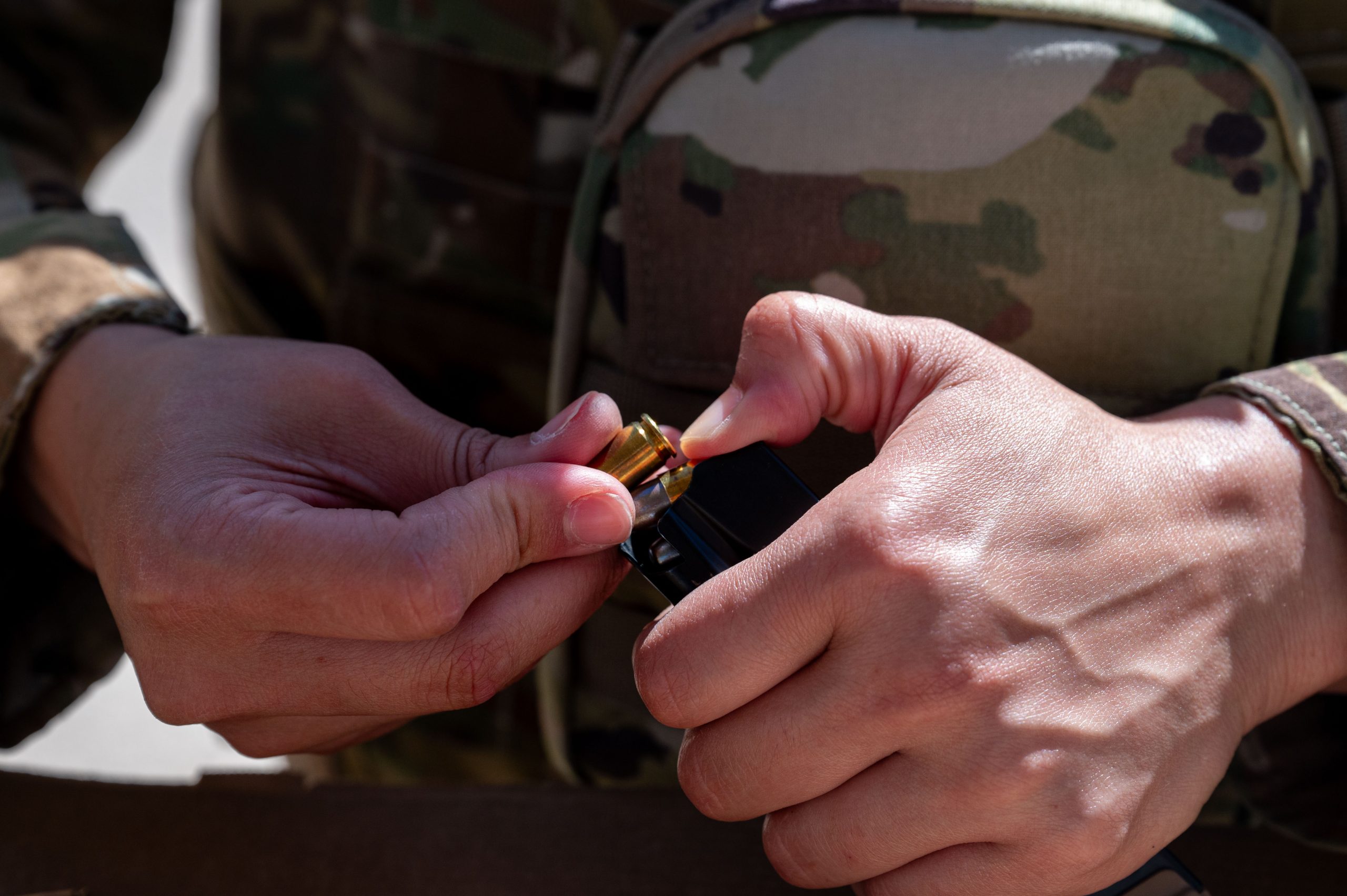
The original Combat Master had a relatively short production life. Sources commonly place output at about 17,000 pistols between 1976 and 1987, making surviving examples considerably less common than mass-produced 1911s. The company also faced practical difficulties, including production costs and reports of reliability problems with some guns. Those issues limited the pistol’s commercial success even though its design attracted considerable attention. Detonics eventually ceased original operations in 1987. Its relatively small production run, unusual engineering, and historical importance later made the Combat Master especially interesting to collectors of early compact 1911 designs.
8. It Helped Define a New Category
The Combat Master’s greatest importance was its influence. Before its arrival, compact 1911s were commonly viewed as custom projects or shortened conversions. Detonics demonstrated that a manufacturer could design a compact .45 as a coherent system, with its own barrel, recoil arrangement, shortened grip, and specialized components. Colt later introduced the Officer’s ACP in 1985, with a 3.5-inch barrel and 6-round magazine, showing how the compact 1911 market had developed. The Combat Master did not create every later feature, but it helped prove that small, powerful 1911-style pistols had a lasting place.