For years, the AR-15 was closely associated with high-velocity 5.56 performance and a fairly specific set of strengths. Then .300 Blackout arrived and showed that the same platform could handle very different jobs without becoming an entirely different rifle. These nine shifts explain why the cartridge changed the conversation around compact builds, suppression, and versatility.
It fit the standard AR-15 pattern
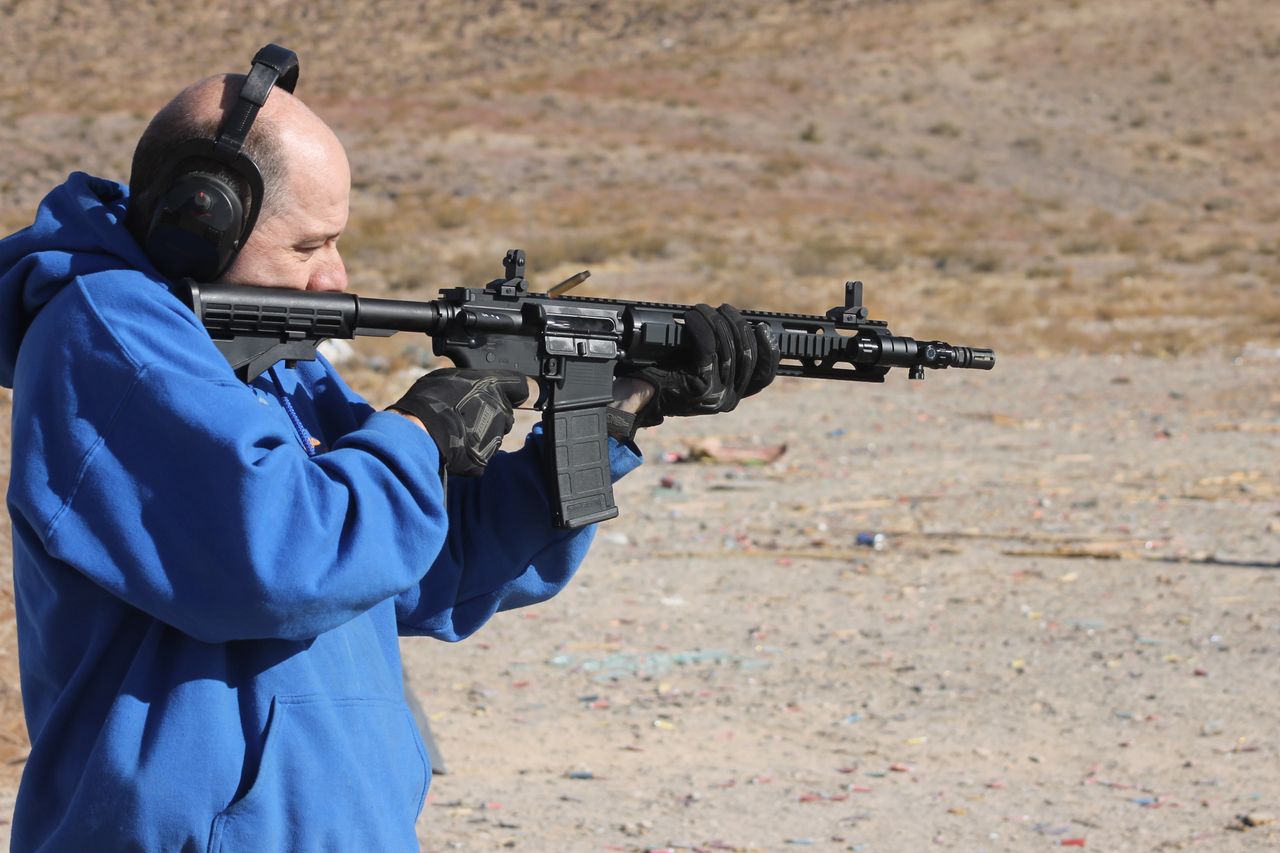
One of the biggest breakthroughs was how little had to change. .300 Blackout was designed to work in the AR-15 without forcing owners into an entirely different rifle, which immediately made it more approachable than many alternative calibers.
In practical terms, that meant shooters could keep the same lower receiver, bolt, and magazines, then swap to the correct barrel. That simplicity mattered. Instead of asking people to buy into a whole new ecosystem, .300 Blackout showed the AR-15 could stretch into a new role while still feeling familiar on the bench, in the field, and during training.
Short barrels became genuinely practical
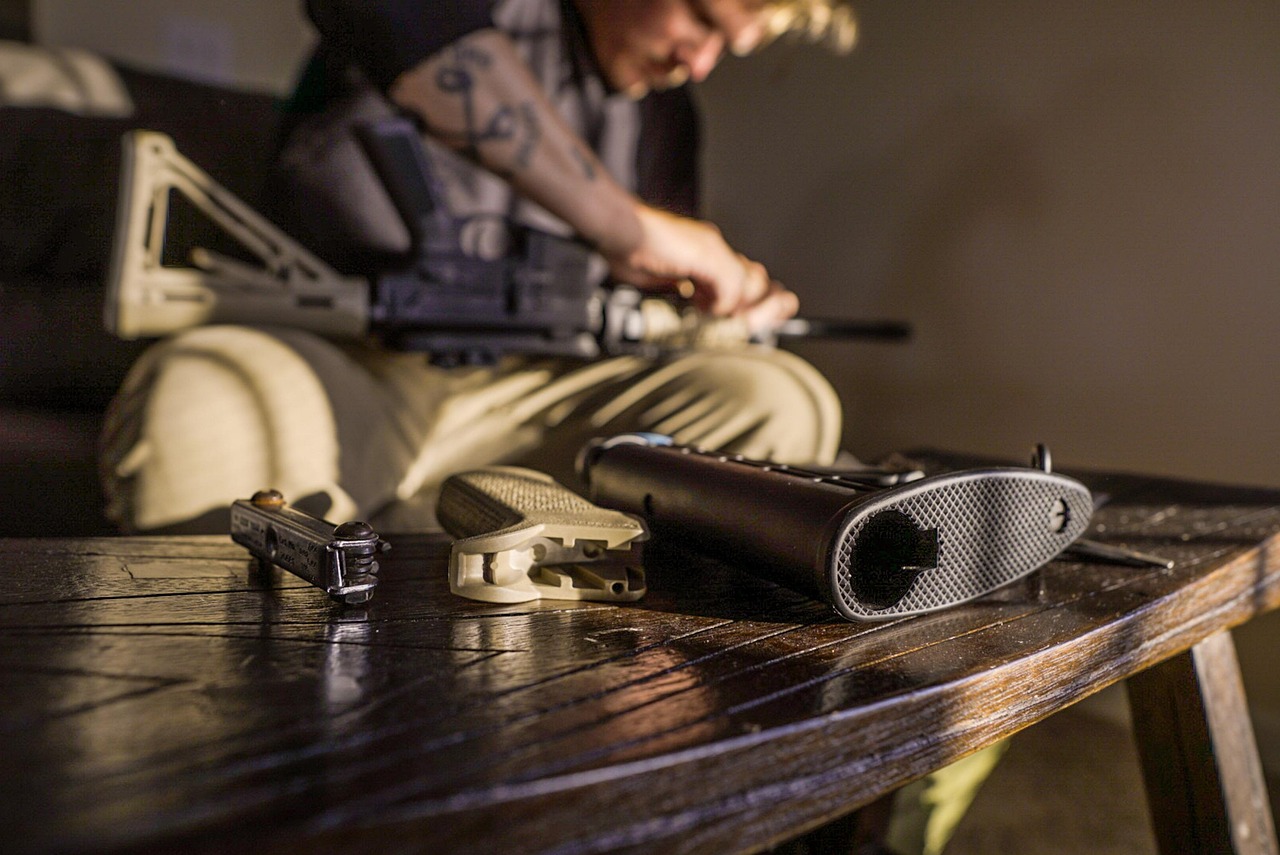
The cartridge changed expectations for compact AR builds. While 5.56 often gives up a noticeable amount of efficiency in very short barrels, .300 Blackout was built to perform well from compact setups, making the idea of a short AR far more useful than just a range novelty.
That mattered for handling in tight spaces, transport, and overall balance. A shorter rifle could still deliver solid terminal performance without relying on a lot of barrel length to get there. For many shooters, that helped redefine the AR-15 as a platform that could be compact and capable at the same time, not just one or the other.
Suppressed shooting finally felt purpose-built

.300 Blackout did not invent the suppressed AR, but it made the concept feel far more intentional. The round quickly earned a reputation for pairing exceptionally well with suppressors, especially in subsonic form, where the overall shooting experience became noticeably softer and more controlled.
That shift was about more than sound alone. Reduced blast, less harsh concussion, and a smoother feel changed how people thought about the AR-15 in practical use. Instead of simply taming a loud rifle, shooters were now using a cartridge that seemed designed from the start to work with a can, and that changed expectations across the platform.
Subsonic ammo opened a new lane

Subsonic ammunition was one of the cartridge’s defining stories. In an AR-15, it offered something 5.56 was never really known for: heavy bullets moving below the speed of sound while still functioning in a familiar semi-automatic platform.
That created a very different kind of shooting experience. Recoil felt modest, the report could be dramatically reduced with a suppressor, and the rifle took on a more specialized personality. It was not just a louder, faster carbine anymore. With .300 Blackout, the AR-15 suddenly had access to a niche that felt mature, practical, and surprisingly refined for the people who wanted it.
Supersonic loads still kept it versatile
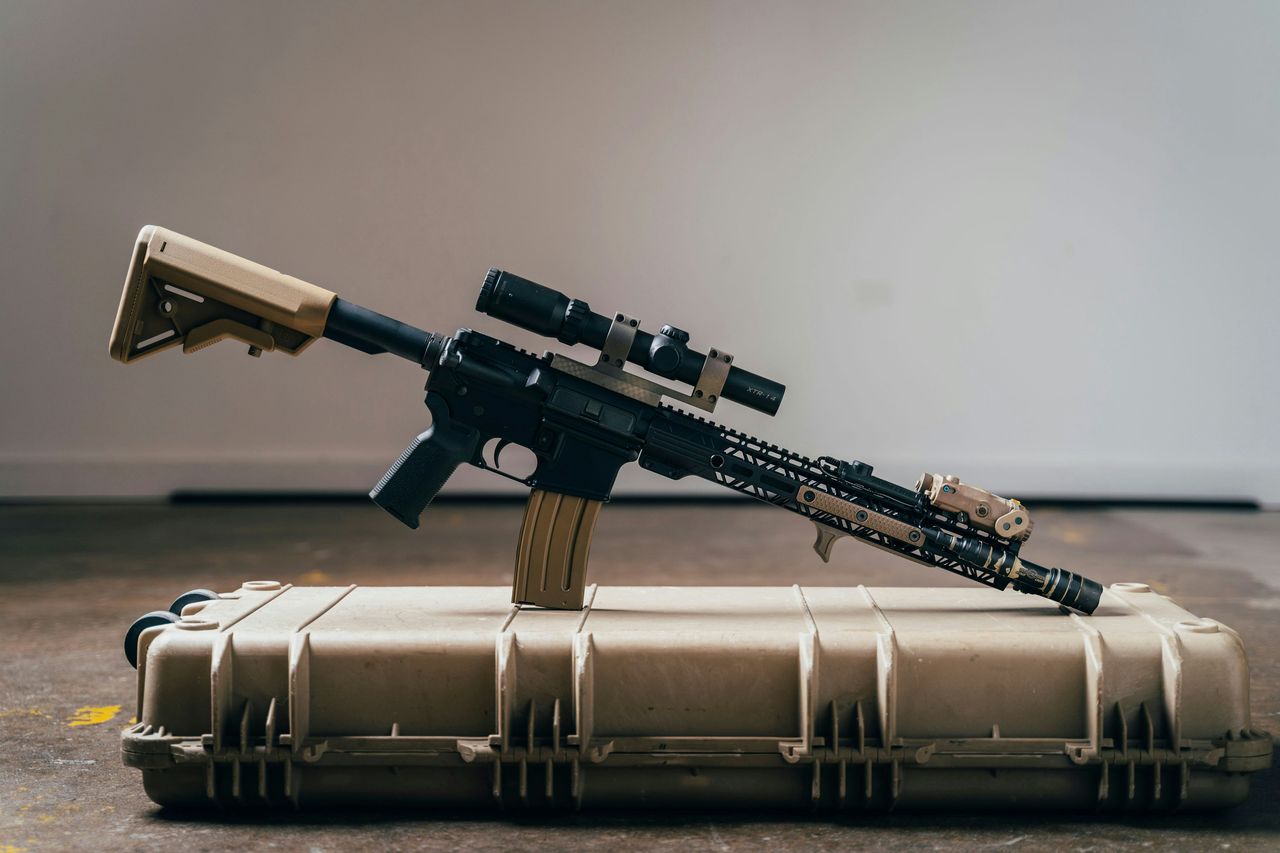
What made .300 Blackout especially interesting was that it was not only about quiet shooting. Supersonic loads gave the cartridge another personality, one that offered useful energy and respectable performance for hunting, target work, and general carbine use at moderate distances.
That dual nature made the AR-15 feel more flexible. Shooters could move between heavy subsonic and lighter supersonic loads depending on the task, often within the same rifle. Few changes highlighted the platform’s adaptability more clearly. The AR was no longer boxed into a single ballistic identity, and that broadened its appeal well beyond enthusiasts chasing one specific use case.
Magazine capacity stayed familiar

A major reason the round gained traction is that it worked with standard AR-15 magazines. That sounds like a small detail until you consider how often new calibers demand new feeding systems, new pouches, and new habits. Familiar capacity and familiar handling lowered the barrier to entry.
For everyday shooters, that meant the rifle still carried and reloaded like an AR-15 they already knew. Training did not need a complete reset. The practical rhythm of the platform remained intact, even as the cartridge changed what the rifle could do. In a market full of compromises, that kind of continuity was a serious advantage.
Hunting roles expanded quickly
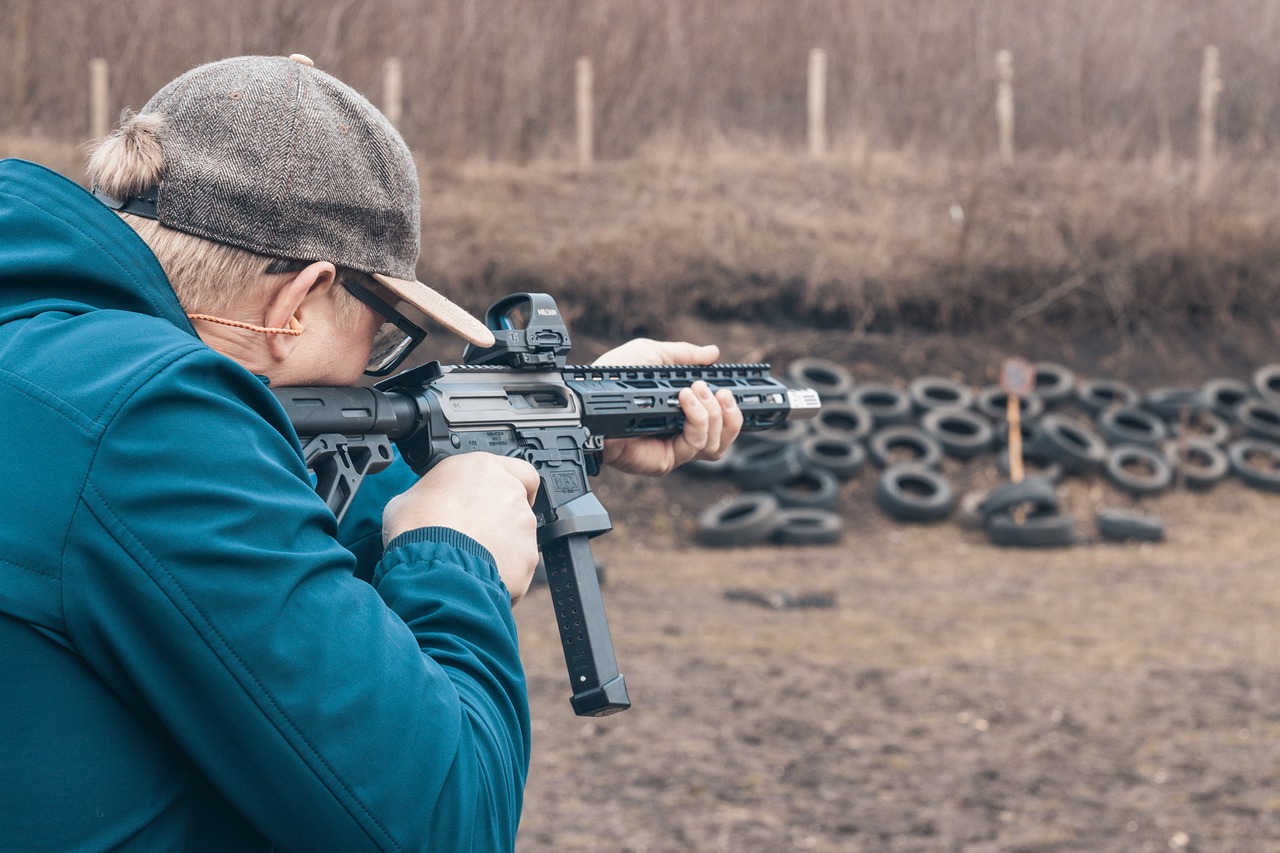
.300 Blackout helped the AR-15 earn a stronger foothold in hunting circles. Its bullet weight options and short-barrel efficiency made it attractive for hogs, deer in appropriate jurisdictions, and hunting scenarios where a lighter, compact rifle had clear advantages.
That changed the platform’s image for many people. The AR-15 was no longer seen only as a recreational range rifle or defensive carbine. In the right hands and with the right load, it became a practical hunting tool that could be carried comfortably and used effectively in dense cover or from blinds. That broader usefulness helped push the platform into more mainstream outdoor conversations.
Recoil stayed manageable
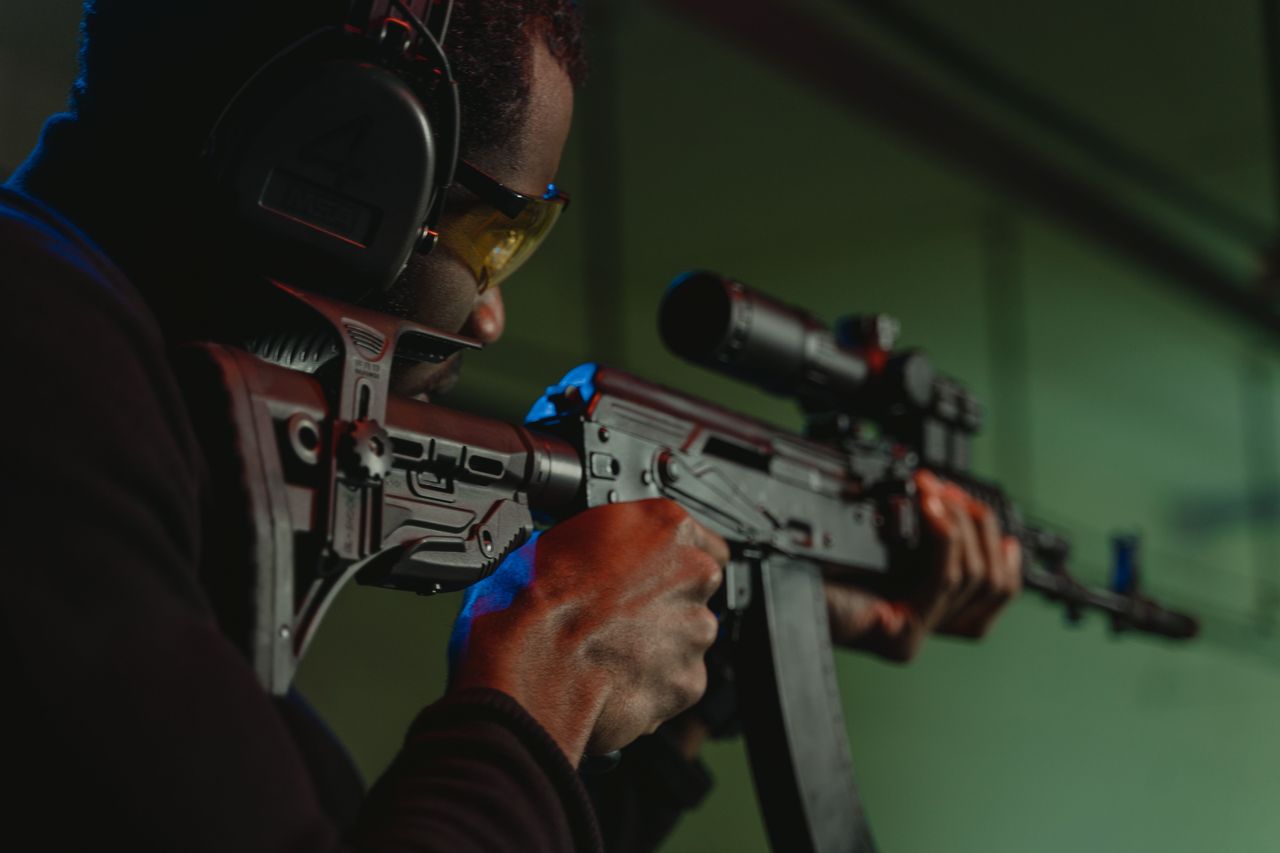
Even as it pushed the AR-15 into heavier bullet territory, .300 Blackout kept the shooting experience relatively manageable. Recoil was different from 5.56, but for most shooters it remained controllable, which preserved one of the AR platform’s best qualities: approachability.
That balance mattered because it allowed the rifle to gain new capability without becoming punishing to shoot. Follow-up shots remained realistic, range sessions stayed comfortable, and the gun still felt like an AR rather than a drastically transformed machine. For a general audience, that is part of the cartridge’s appeal. It expanded the platform’s performance envelope without giving up the user-friendly traits that made the AR-15 popular.
The AR-15 stopped being a one-note carbine

Taken together, all of these changes did something bigger than improve a specification sheet. .300 Blackout helped redefine the AR-15 as a platform with multiple personalities, from compact defensive setups to suppressed range guns to practical hunting carbines.
That is why the cartridge still matters. It did not replace 5.56, and it was never supposed to. What it did was prove that the AR-15 could be more adaptable than many people assumed. For a general audience, that is the real legacy of .300 Blackout. It expanded the platform’s identity and showed just how much capability could come from a well-designed cartridge change.