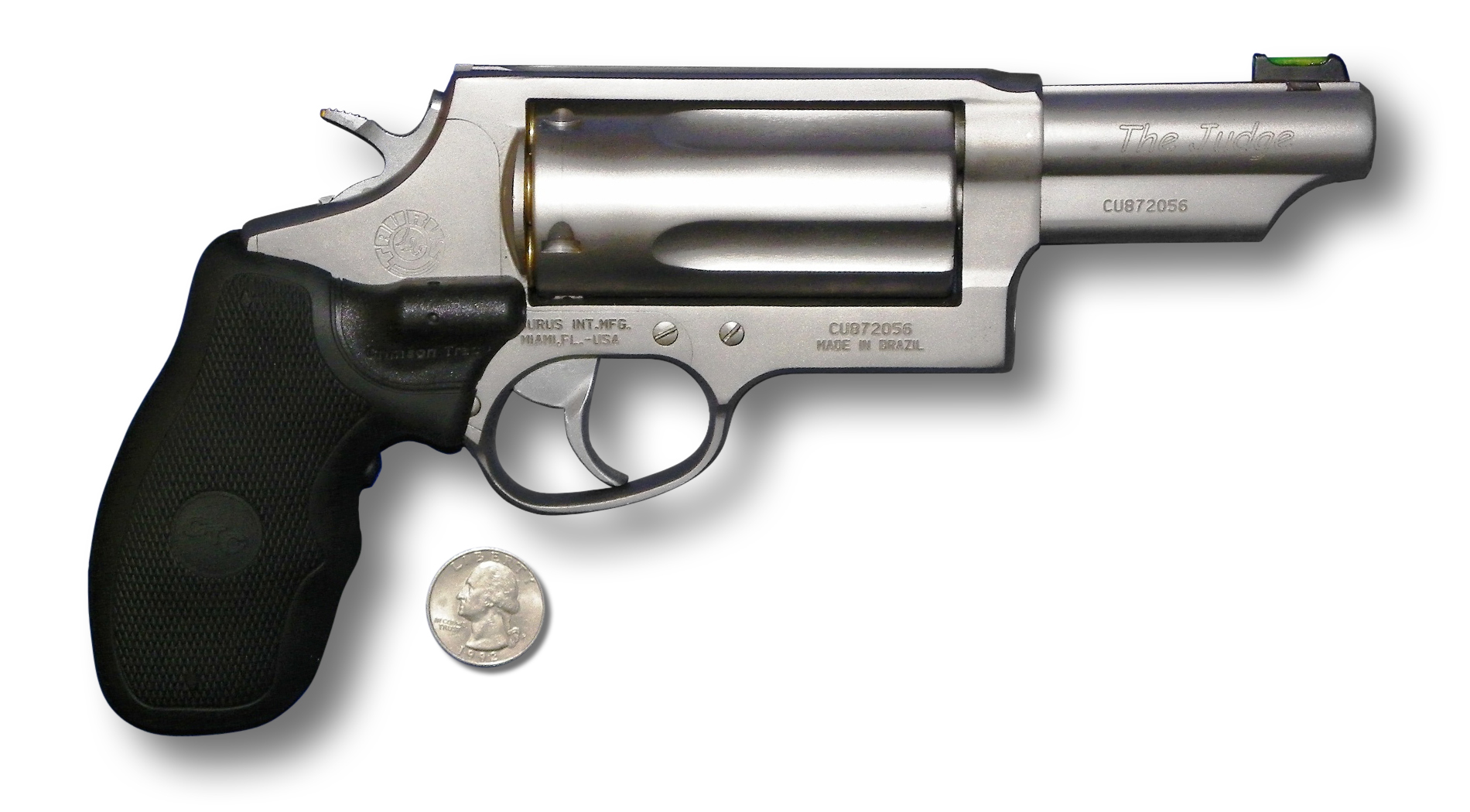
Few modern revolvers created as much instant debate as the Taurus Judge. Introduced in 2006, it looked familiar at first glance, yet its ability to chamber both .45 Colt cartridges and .410-bore shotshells made it unlike conventional revolvers. Supporters saw an imaginative multi-purpose design; critics questioned whether combining two ammunition types in one compact handgun actually produced meaningful advantages. Its unusual proportions, five-shot cylinder and evolving range of models only intensified the discussion. Two decades later, the Judge remains one of the most recognizable examples of a firearm that divided opinion almost as quickly as it attracted customers.
1. Its Two-Ammunition Concept Started the Argument
The Judge immediately challenged expectations because it was built around 2 distinct ammunition families. Its extended cylinder accommodates .45 Colt handgun cartridges as well as .410-bore shotshells, an unusual combination for a revolver. Taurus introduced the design in 2006, reviving an idea that had appeared in earlier experimental forms during the 1990s. The result looked like a conventional wheelgun but required buyers to think differently about its purpose. Instead of being defined by one cartridge, the Judge became known for accepting two very different types of ammunition. That unusual concept became its greatest marketing advantage and its biggest source of criticism.
2. Its Oversized Cylinder Gave It an Unmistakable Shape
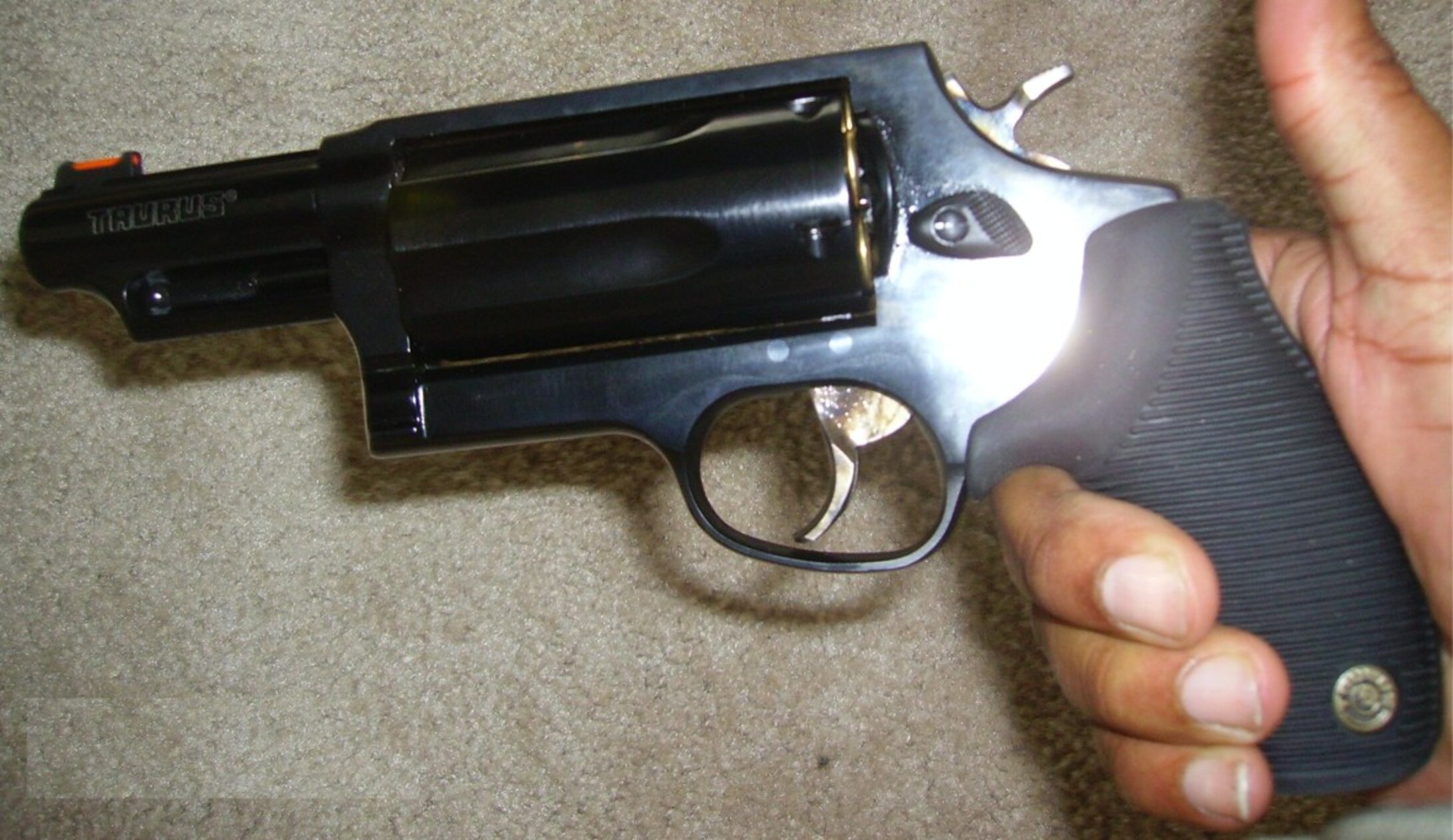
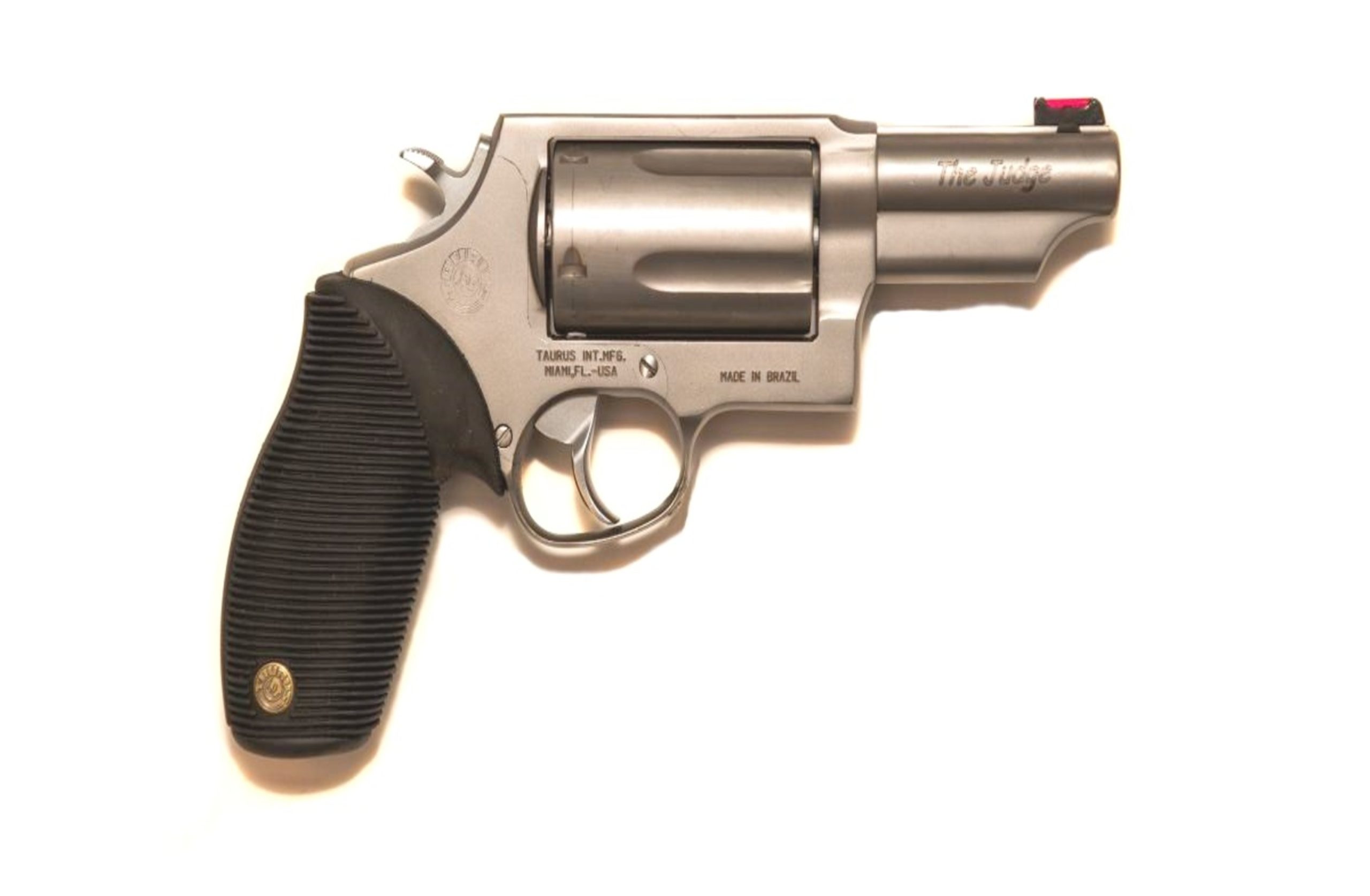
The Judge’s appearance was not simply a styling decision; its unusual proportions came directly from the ammunition it was designed to accommodate. The original versions used an extended cylinder measuring about 2.69 inches, while models designed around longer .410 shells stretched that dimension further. Taurus paired the long cylinder with a compact-frame revolver layout, creating a handgun that looked noticeably bulkier than many conventional five-shot wheelguns. That distinctive silhouette made the Judge instantly recognizable on a dealer’s shelf. For some buyers, the chunky profile suggested toughness and versatility. For others, it seemed like an awkward compromise created by trying to make a revolver perform two fundamentally different jobs.
3. The Five-Shot Capacity Added to Its Identity
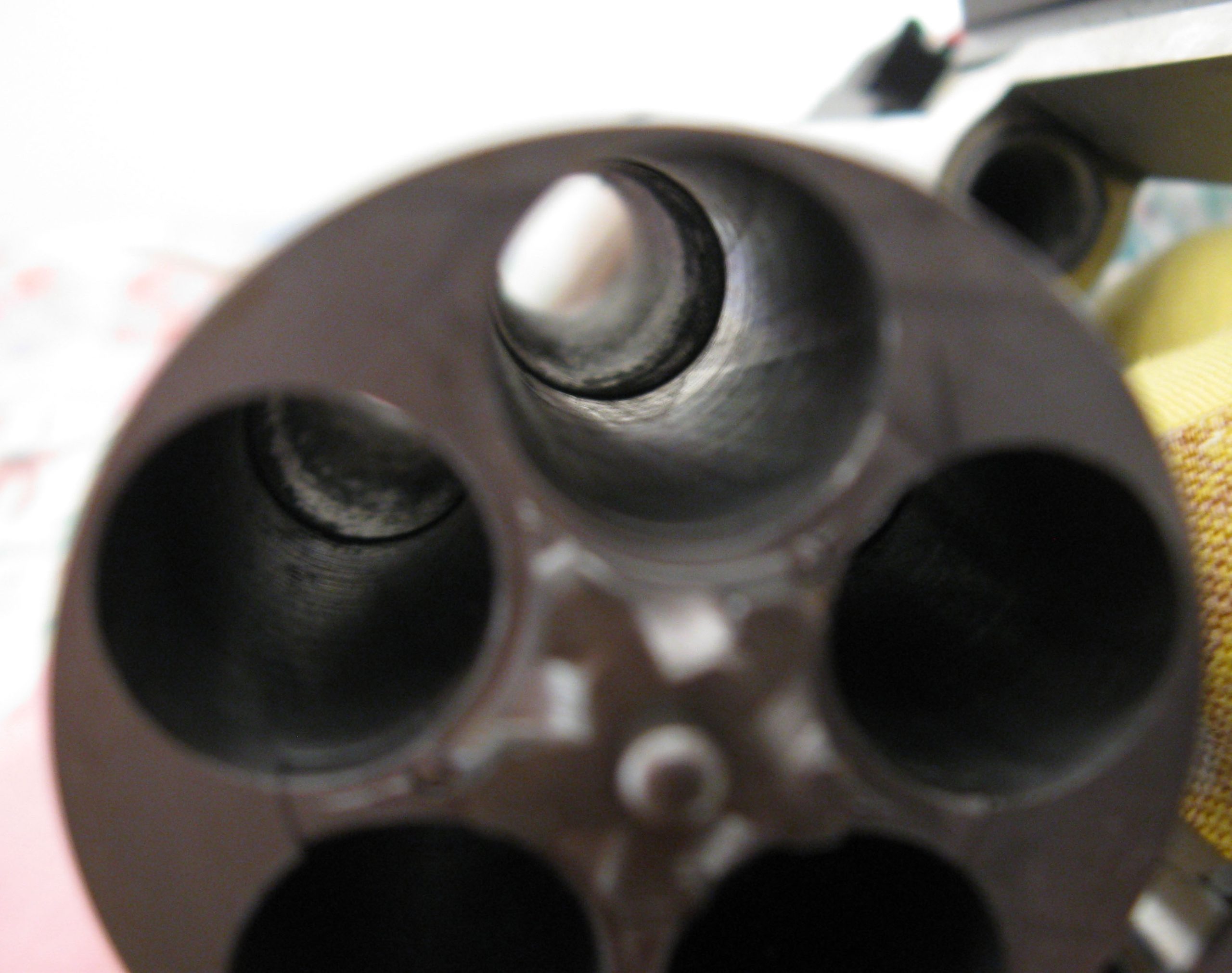
Despite its unusual ammunition options, the Judge remained a 5-shot revolver in its standard configuration. That capacity connected it to traditional compact revolver architecture while the extended cylinder made the overall package distinctive. Current Taurus specifications list standard Judge variants with 5 rounds, including versions with 2.5-inch chambers and models using longer 3-inch .410 ammunition. The capacity became part of the broader debate surrounding the handgun: supporters focused on its unusual ammunition flexibility, while critics compared its five-round capacity and substantial dimensions with more conventional defensive handguns. That contrast helped make the Judge a conversation piece rather than simply another ordinary revolver.
4. The .410 Option Made Expectations Complicated
The .410 chambering was probably the feature that generated the most disagreement. A Judge can accept compatible 2.5-inch .410 shells, while certain larger models accommodate 3-inch shells. That sounds straightforward, but a rifled revolver barrel does not behave like the smoothbore barrel of a conventional shotgun. Shot dispersion, projectile choice, and practical performance therefore become more complicated than the simple phrase “shotgun shell handgun” suggests. Taurus expanded the family with models intended for the longer ammunition, while later versions incorporated additional features. The result was a firearm that encouraged strong claims from both enthusiasts and skeptics, making the Judge unusually polarizing compared with conventional revolvers.
5. Its .45 Colt Capability Kept It From Being a Gimmick
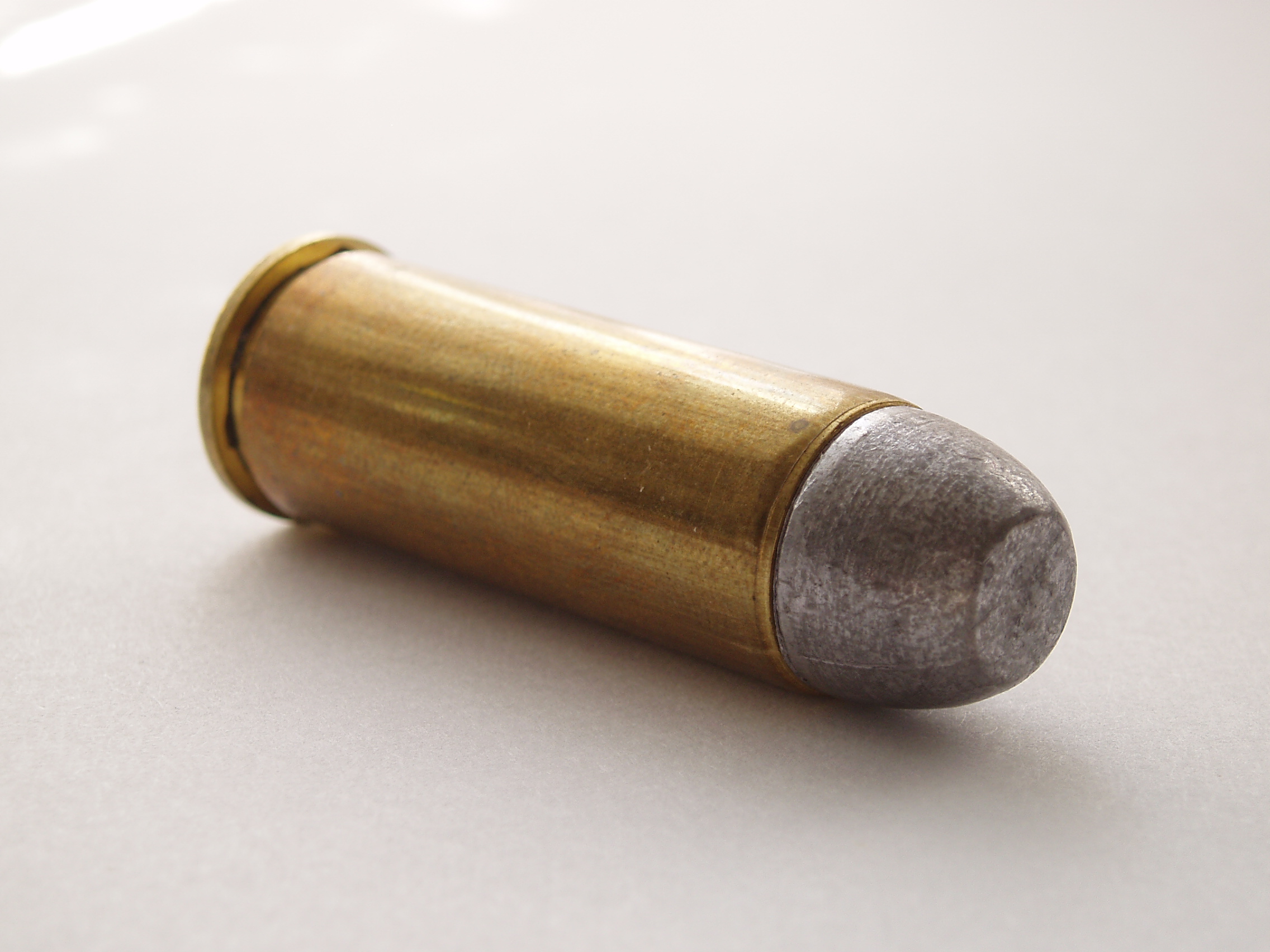
The Judge was controversial partly because it was not merely a shotshell novelty. It remained a .45 Colt revolver, giving the platform a conventional handgun-cartridge capability alongside its .410 chambering. Taurus’s current catalog continues to identify the Judge around the .45 Colt/.410 combination, with several barrel and configuration choices. That dual-purpose identity made the design harder to categorize. Was it primarily a revolver, a compact shotshell platform, or something between the two? Different owners could answer differently. The flexibility certainly made the Judge memorable, but it also created expectations that critics argued were difficult for one compact firearm to satisfy equally well in every role.
6. Safety Questions Added a Serious Layer to the Debate

The Judge’s controversy was not limited to aesthetics or performance arguments. A 2009 shooting incident involving a Judge loaded with high-velocity .45 Colt ammunition led to litigation concerning ammunition suitability and warnings. Court documents state that the ammunition involved generated pressures beyond the margin described for the revolver, and the firearm was alleged to have ruptured when fired. The case became an important reminder that ammunition specifications matter and that not every .45 Colt load is interchangeable across every firearm. The legal dispute did not establish that every Judge was inherently unsafe, but it added a serious safety dimension to an already controversial product.
7. Taurus Kept Expanding the Family Instead of Abandoning It
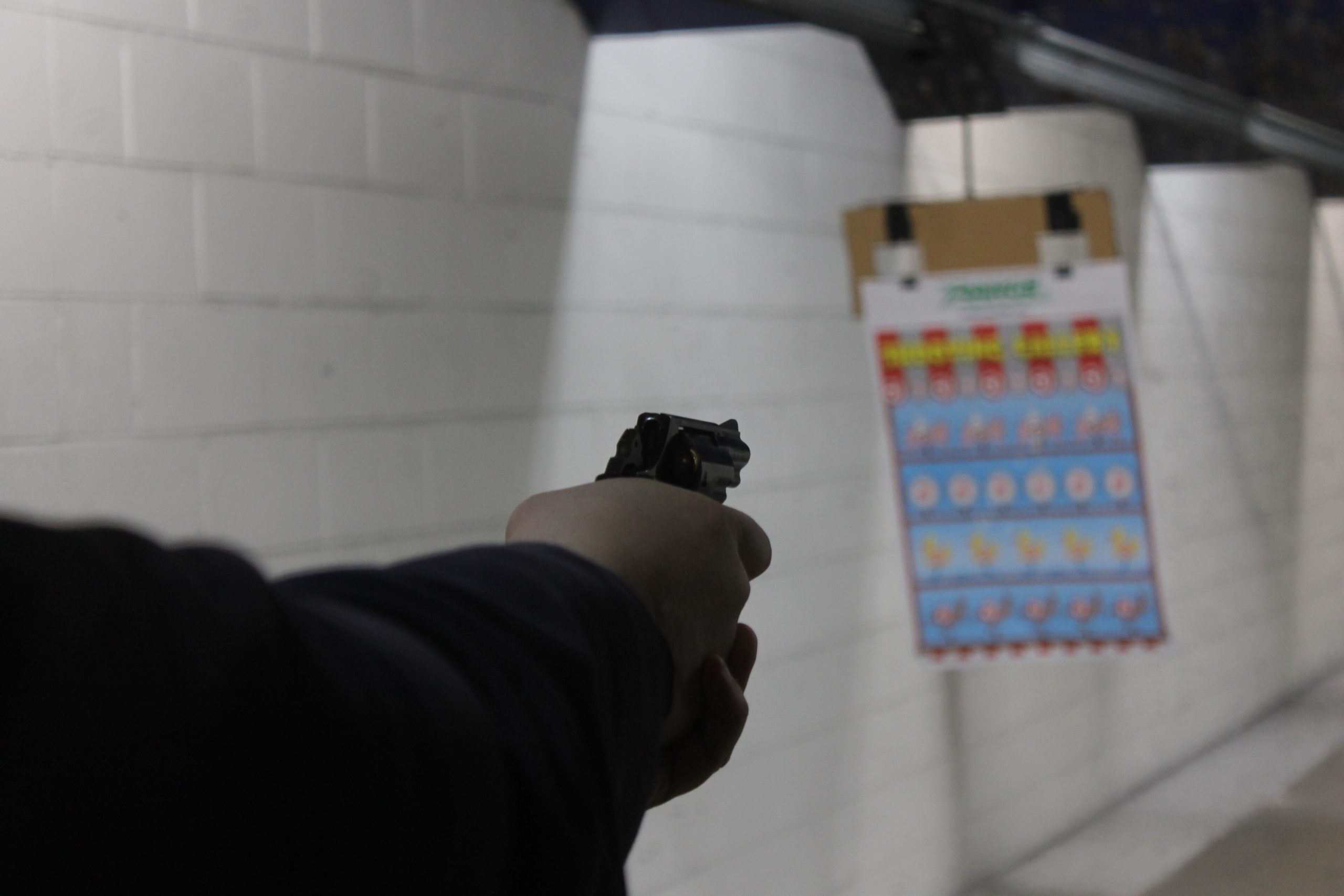
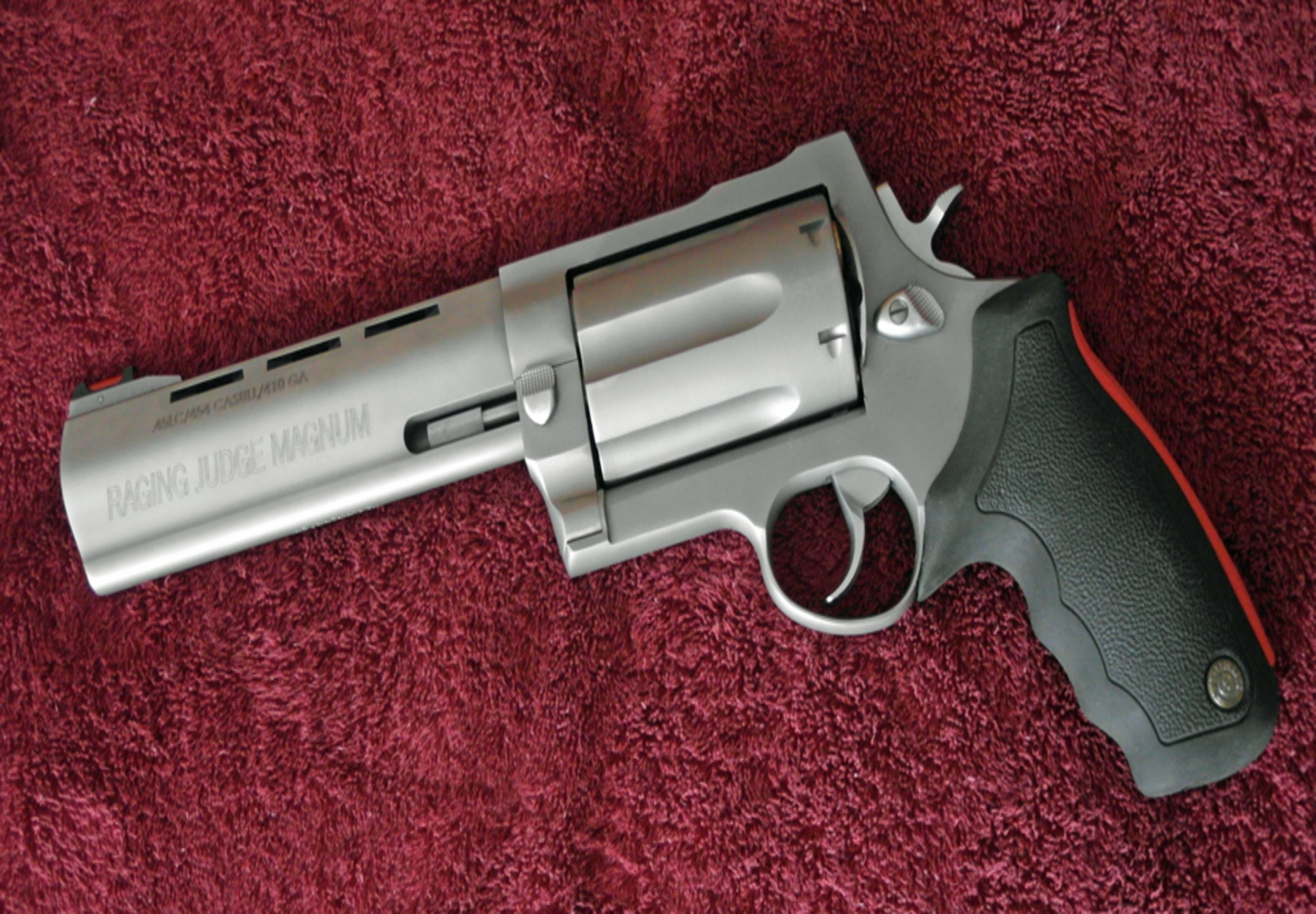
Rather than treating the Judge as a one-off experiment, Taurus continued developing the platform. By 2008, contemporary reporting identified 8 different Judge revolvers, demonstrating how quickly the company expanded the concept after its debut. Later models incorporated longer barrels, stainless-steel construction, lightweight versions, and configurations capable of using longer .410 shells. Taurus’s current catalog shows that the family has continued evolving, including versions with 3-inch or 6.5-inch barrels and different weights. That persistence is significant because controversial products often disappear after novelty fades. The Judge instead became an enduring product family with multiple generations and configurations.
8. Its Biggest Controversy Was That Nobody Agreed What It Should Be

Ultimately, the Judge became controversial because it refused to fit neatly into 1 traditional category. It was a five-shot revolver, a .45 Colt handgun, and a .410-capable firearm simultaneously. Introduced in 2006, it remained distinctive enough to influence competitors, including Smith & Wesson’s later Governor revolver. Supporters appreciated its unusual flexibility, while critics argued that specialized firearms generally perform their intended roles more predictably than hybrid designs. That disagreement explains the Judge’s unusual cultural staying power. Nearly 20 years after its introduction, Taurus continues offering the platform, and a 2026 refresh shows that the concept still has commercial life.