Brand loyalty in optics gets personal fast. Ask enough hunters and shooters about Vortex and Leupold, and you stop hearing product specs and start hearing identity.
Why does this debate run deeper than glass?
At first glance, the Vortex versus Leupold argument sounds simple: compare clarity, compare price, pick a winner. But that is not how people actually buy scopes, binoculars, or red dots. Most buyers are deciding which company they trust when the weather turns ugly, shots get rushed, and gear gets knocked around in the truck.
That is why loyalty divides so sharply. One side sees Vortex as the modern value giant, a brand that won people over by offering a lot of features for the money and backing it with a famously forgiving warranty. The other sees Leupold as the old standard, a company with deep roots in American hunting culture and a reputation built over generations, not just product cycles.
According to industry sales trends and dealer conversations over the last decade, both brands have expanded well beyond their original core audiences. Vortex became more than a budget-friendly disruptor, and Leupold became more than a traditional deer-camp name. The overlap is now so broad that buyers often compare them directly, even when the products were originally designed for somewhat different users.
The real divide, then, is not just optical performance. It lives in what each brand represents: innovation versus heritage, broad accessibility versus legacy confidence, aggressive feature sets versus familiar dependability. That emotional layer matters more than many enthusiasts admit.
Vortex built loyalty by lowering the fear of buying
Vortex earned a remarkably devoted following by solving a common consumer anxiety: what if I spend hard-earned money on optics and something goes wrong? Its VIP warranty became central to the brand story because it felt simple, generous, and easy to understand. For first-time buyers, especially, that promise removed a major barrier to entry.
The company also benefited from timing. As precision shooting, tactical-style training, western hunting, and optics-heavy rifle setups became more mainstream, Vortex offered products across many price tiers. A customer could start with an affordable Crossfire or Diamondback and later move into Viper, Razor, or premium spotting optics without leaving the brand ecosystem.
That ladder matters. Many shooters remember Vortex as the first brand that gave them exposed turrets, first focal plane reticles, MRAD options, or usable long-range features at prices that felt reachable. Even when a competitor offered slightly better optical refinement at a given tier, Vortex often won on perceived value and confidence in support.
Retail presence helped too. Big-box stores, local gun shops, online dealers, and training circles all reinforced the same message: Vortex was approachable, current, and built for how people were shooting now. Loyalty formed not just through product ownership, but through repeated reassurance that buying in was a safe bet.
Leupold loyalty comes from legacy and earned trust

Leupold’s strongest supporters often talk less about marketing and more about history. In many hunting families, a Leupold scope was simply what serious adults mounted on a rifle. That familiarity created loyalty long before online reviews, influencer rankings, or comparison charts shaped buying decisions.
There is also a strong made-in-America dimension to Leupold’s appeal. For many buyers, especially in hunting-heavy regions, domestic manufacturing still carries emotional weight. It signals craftsmanship, accountability, and continuity. Even consumers who cannot list factory details often describe Leupold with words like proven, solid, and time-tested.
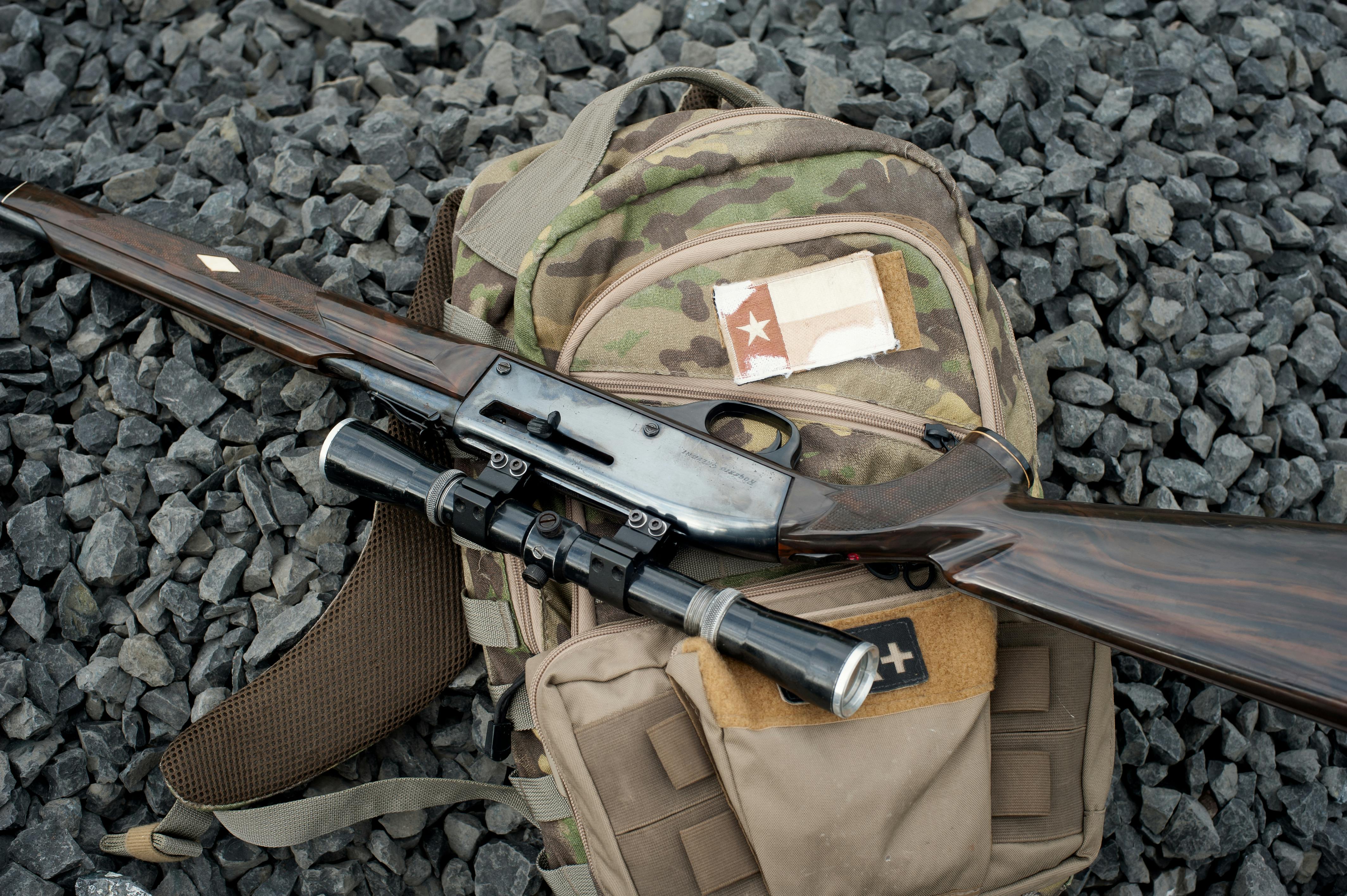
Leupold also benefits from a reputation for practical field performance rather than spec-sheet drama. Hunters who spend days covering rough country tend to appreciate lighter weight, straightforward controls, and dependable low-light behavior more than flashy feature lists. A VX-3HD or VX-5HD may not always dominate an internet debate, but in the field,d those scopes often feel purpose-built.
That is the heart of Leupold loyalty. People trust the brand because it has been there through wet seasons, missed chances, clean harvests, and rifles passed down through generations. That kind of memory is hard for any newer or more aggressive brand to dislodge, even with excellent products.
The user split: hunters, tactical shooters, and crossover buyers

The clearest loyalty divide often shows up when you ask what the optic is for. Hunters, especially whitetail, elk, and mountain hunters, have long leaned toward Leupold because of weight savings, familiar duplex-style reticles, and a reputation for rugged simplicity. They tend to describe optics in terms of field carry, low-light shots, and confidence at dawn or dusk.
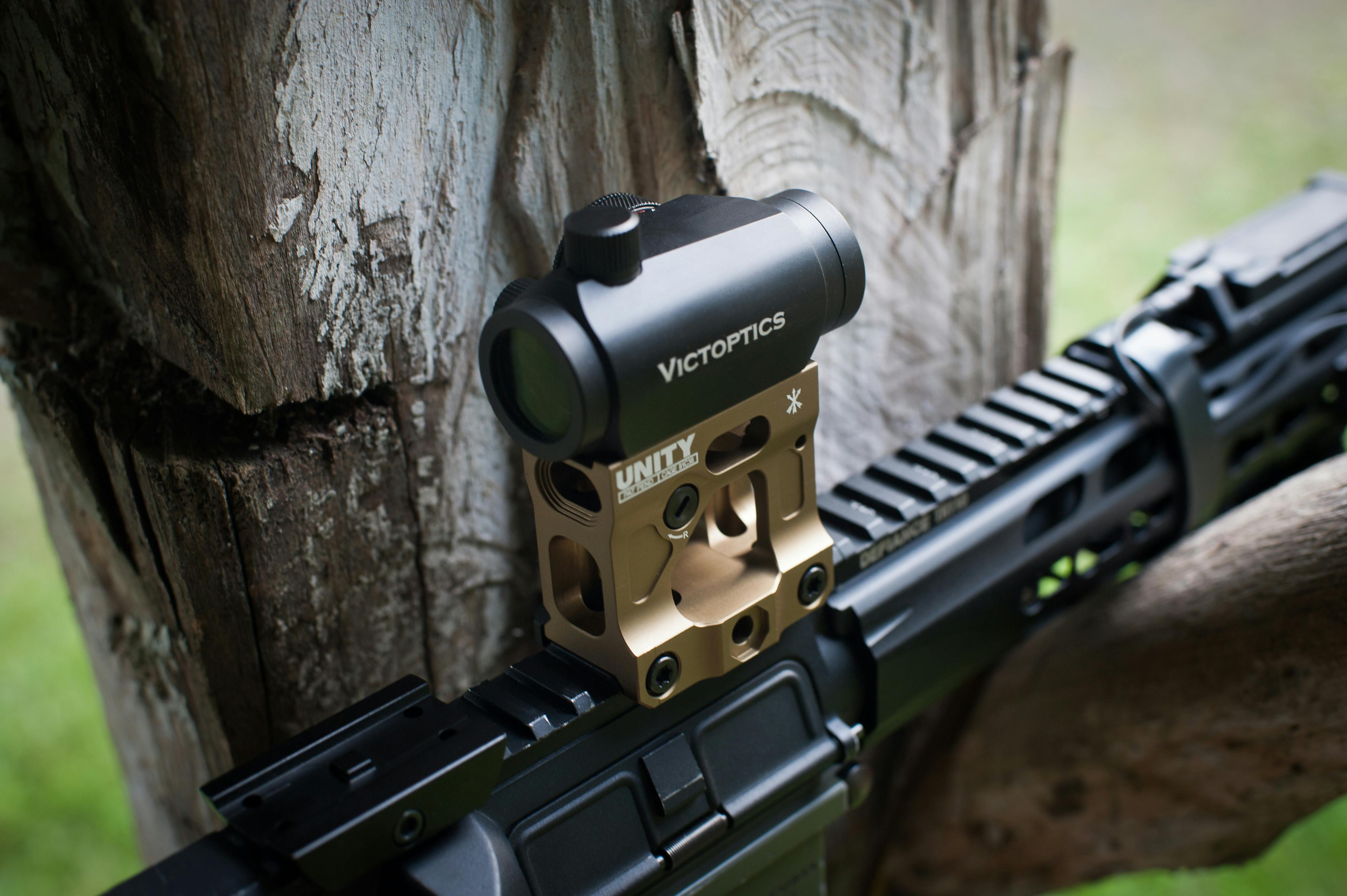
Vortex tends to resonate strongly with buyers who entered the market through target shooting, practical rifle matches, AR-platform setups, or long-range content online. Those users often prioritize turret feel, reticle complexity, holdover utility, magnification range, and feature density. Vortex learned to speak that language early and consistently.
Of course, the split is no longer clean. Plenty of hunters now use Vortex Razor or Viper optics, especially in western hunting where dialing and advanced reticles matter. Plenty of Leupold users run Mark 4 or Mark 5HD optics for tactical or precision applications. The old stereotypes still exist, but the product lines increasingly overlap.
What remains different is the emotional starting point. Buyers who think, “I need something proven for the field,” often begin with Leupold. Buyers who think, “I want the most capability for my budget,” often begin with Vortex. From there, loyalty hardens through experience.
Product philosophy shapes how each brand is perceived
One reason these brands inspire such different loyalties is that they do not always feel like they are solving the same problem in the same way. Vortex often pushes visible value: more reticle options, broader lineups, tactical features, and price tiers that invite comparison shopping. It gives buyers the sense that they can maximize performance without instantly entering premium territory.
Leupold’s philosophy can feel more restrained, but that restraint is intentional. The company often emphasizes compactness, usable design, and application-specific refinement over sheer feature count. That makes some Leupold optics look conservative on paper, yet deeply satisfying in actual hunting conditions where balance, eye box behavior, and reliability matter more than marketing buzzwords.
This is why online arguments can get messy. One person is comparing MSRP-to-feature ratios. Another is evaluating the weight of a sheep rifle carried for ten miles. Another is thinking about resale value, service turnaround, or whether a familiar control layout matters under pressure. They are not really measuring the same thing.
Experts in the optics world often point out that performance is not one single category. Optical resolution, edge clarity, turret repeatability, reticle usability, durability, illumination quality, and carrying comfort all matter differently depending on the task. Brand loyalty follows whichever mix of those traits the user values most.
Warranty, service, and reputation keep loyalty alive
If loyalty starts with product fit, it often survives because of the after-sales experience. Vortex has been especially powerful here because its warranty became part of everyday shooting culture. Even people who never used it knew about it, repeated it, and treated it as evidence that the company practically stood behind customers.
That kind of reputation is sticky. A hunter who drops a scope, a competitor who damages a turret, or a new shooter who worries about a manufacturing defect may all feel calmer buying Vortex because the support story is so visible. In consumer behavior terms, that reduces perceived risk, and reduced risk often converts into repeat purchases.
Leupold also has a strong service reputation, but the emotional framing is slightly different. Customers often talk about Leupold service in the language of continuity and professionalism rather than blanket reassurance. The company’s warranty and service network reinforce the idea that this is a brand built to stay, not just a brand eager to win the next sale.
Among experienced users, these distinctions matter. One buyer says, “They will take care of me no matter what.” Another says, “They have taken care of shooters for decades.” Both are powerful claims. They just appeal to different instincts, and those instincts feed the loyalty divide as much as optical quality ever could.
So, where does the real loyalty divide actually live?
The real divide lives in biography as much as performance. If your first serious optic was a Vortex that offered surprising capability at a manageable price, you may always see the brand as the one that opened the door. If your father or grandfather trusted Leupold season after season, that brand may feel like part of the sport itself.
It also lives in a community. Precision rifle circles, modern training culture, and online gear forums helped amplify Vortex as the savvy, feature-rich choice. Hunting camps, western outfitters, and traditional sporting circles kept reinforcing Leupold as the benchmark for dependable field optics. People rarely form brand opinions alone; they inherit them from peers.
What is striking today is that both loyalties are rational. Vortex has genuinely earned devotion through value, variety, and customer-friendly support. Leupold has genuinely earned devotion through longevity, practical excellence, and deep cultural credibility. The disagreement persists because each brand is strong in ways that map onto different kinds of trust.
So when someone says they are a Vortex person or a Leupold person, listen carefully. They are usually telling you more than what scope they prefer. They are telling you how they buy confidence, what kind of field experience shaped them, and which version of reliability feels most real.