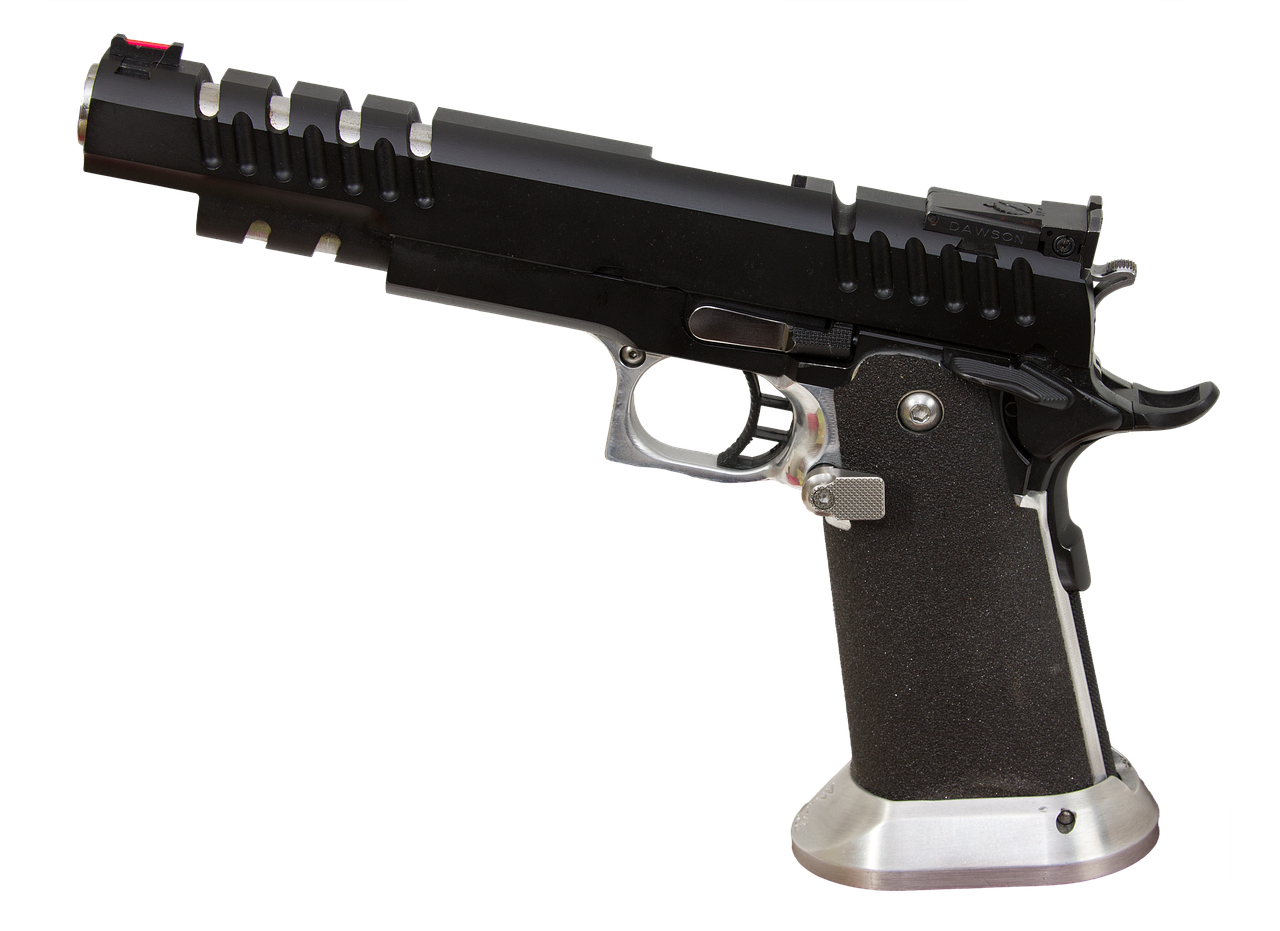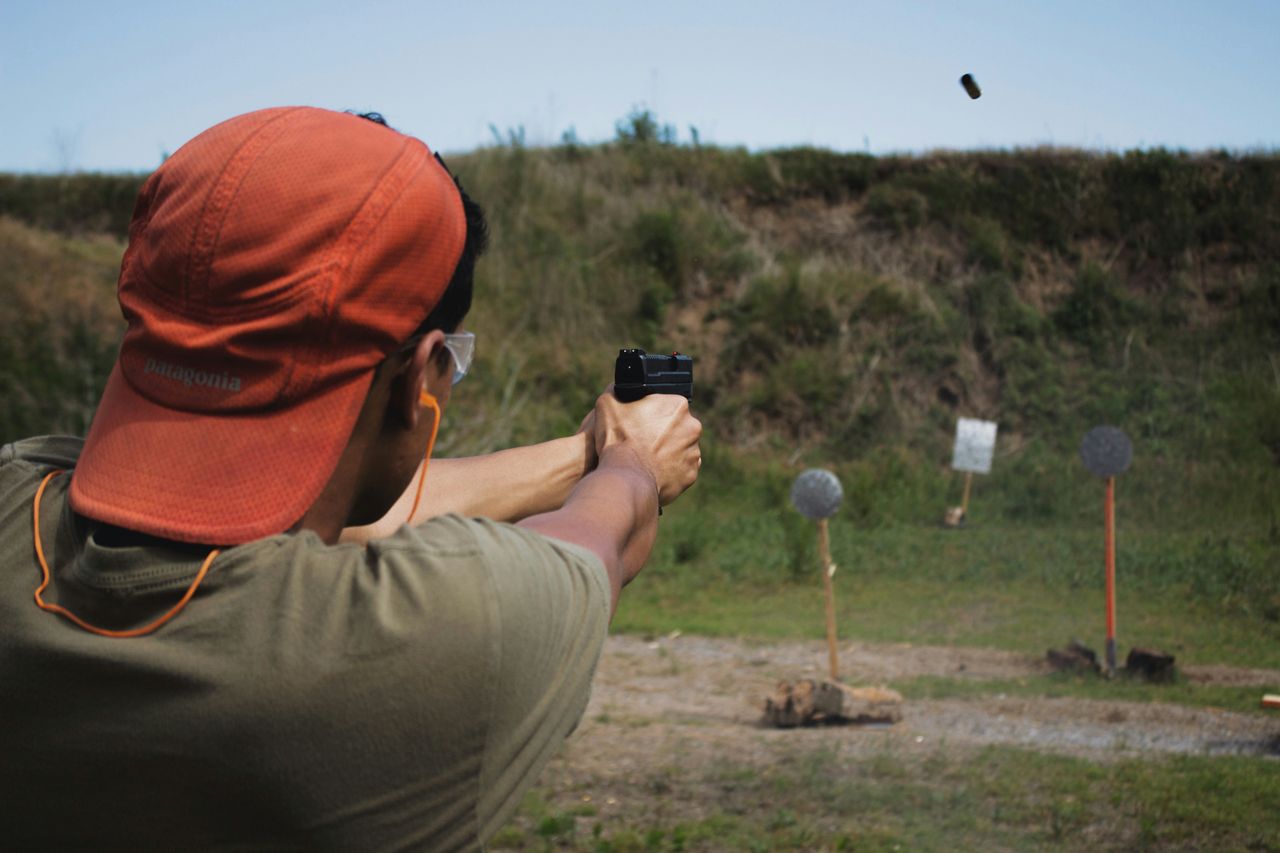
Two names dominate a lot of concealed carry conversations. Ask enough instructors, and you quickly learn this debate is about far more than logo preference.
Why do these two brands keep coming up
Springfield Armory and Smith & Wesson sit in a rare spot in the carry gun market. Both offer compact and subcompact pistols that are easy to find, widely supported, and familiar to instructors who spend their days watching students shoot under pressure. When 80 concealed carry instructors pick a side, they are usually reacting to patterns they have seen over years of classes, qualifications, and range drills.
For many instructors, the appeal of Smith & Wesson starts with the M&P line’s long reputation for practical reliability. The guns tend to be straightforward, durable, and easy to teach with. Controls are usually intuitive, magazines are common, and holster support is extensive. Those things sound mundane until you are helping a new carrier solve real problems like poor grip, slow reloads, or inconsistent draw strokes.
Springfield Armory earns its following for slightly different reasons. Instructors often point to the Hellcat series as a major turning point because it brought strong capacity in a very compact frame at a time when that mattered enormously to buyers. The company also built a reputation for carry-friendly ergonomics, usable sights, and pistols that feel good in the hand right away. That first impression matters more than enthusiasts sometimes admit.
This comparison becomes interesting because both brands are credible choices. Nobody serious is claiming one company makes only winners and the other makes only mistakes. Instructors usually split based on what they prioritize most in actual student use: shootability, simplicity, consistency, price, or how well a pistol serves the broadest range of skill levels.
What instructors usually value most in a carry pistol

Concealed carry instructors tend to judge handguns in a harsher way than casual buyers. They are not just shooting a few boxes of ammunition and admiring fit and finish. They are watching guns perform through limp wristing, rushed reloads, poor maintenance, weak support hand shooting, and all the small mistakes that happen when ordinary people are learning a defensive skill.
Reliability is the first filter, and it is not closed. If a pistol chokes in classes often enough to become memorable, that brand loses trust fast. Instructors also care deeply about controllability because students do not shoot in ideal conditions. A gun that is technically accurate but snappy, awkward, or unforgiving can become a bad teaching tool.
Another major factor is ease of concealment without giving up too much shootability. Tiny guns sell well, but instructors know there is always a tradeoff. A pistol that disappears under a T-shirt but punishes the shooter during rapid fire may not be the better real-world option. This is where Springfield and Smith & Wesson both compete hard, especially in the micro compact category.
Finally, instructors think about support after the sale. They notice which guns have abundant spare magazines, optics-ready variants, replacement sights, and holsters from major makers. They also remember how companies handle problems. A carry pistol is not a fashion purchase, so reliability, serviceability, and practical ecosystem support carry real weight in these brand debates.
Where Smith & Wesson tends to win instructors over

Smith & Wesson often gets the nod from instructors who want the safest broad recommendation for the widest number of students. The M&P Shield line became a standard for a reason. It is slim, proven, and generally easy to live with. Many instructors spent years seeing Shields show up in classes and simply kept working with very little drama.
The newer M&P offerings reinforced that trust by improving triggers, textures, and optics readiness while keeping the manual of arms familiar. For an instructor, familiarity matters because it shortens the learning curve. When a student can focus on grip, sight tracking, and trigger control instead of wrestling with odd controls, training progresses faster and confidence builds more naturally.
Some instructors also describe Smith & Wesson pistols as more forgiving across skill levels. That does not mean every M&P is softer shooting than every Springfield. It means the platform often feels predictable in the hands of beginners, average shooters, and experienced carriers alike. Predictability is a huge asset in a classroom where one recommendation may need to fit many body types and experience levels.
There is also the matter of institutional trust. Law enforcement history, broad retail presence, and years of aftermarket development all help Smith & Wesson here. Instructors know students can usually find magazines, holsters, and replacement parts without much hassle. That convenience can tip the scales when two pistols perform similarly on the firing line.
Why Springfield Armory has built such a loyal camp
Springfield Armory’s modern concealed carry reputation is tightly tied to the Hellcat and Hellcat Pro. These pistols hit the market with a feature set many instructors found hard to ignore: competitive capacity, compact dimensions, solid sights, and optics ready options that made sense for current carry trends. For students who wanted more rounds without stepping up to a noticeably larger gun, Springfield made a strong case.
Instructors who favor Springfield often talk about the way these pistols feel in the hand. Grip texture, contouring, and overall ergonomics matter a lot when you are trying to keep a micro compact stable during fast strings. A gun that locks in well can help shooters recover sights sooner, especially if their hand strength or technique is still developing.
Springfield also benefits from offering pistols that feel modern right out of the box. Good sights, practical slide serrations, and carry friendly dimensions reduce the number of upgrades students feel pressured to buy. Instructors appreciate that because new carriers already spend heavily on belts, holsters, ammunition, and training. A pistol that arrives reasonably complete has an immediate advantage.
There is also a confidence factor that should not be dismissed. Some shooters simply perform better with a pistol that feels lively, secure, and intuitive in hand. Instructors see that all the time. When Springfield clicks with a student’s grip and presentation, the results can be obvious on the timer and on the target.
The models that shape this debate most
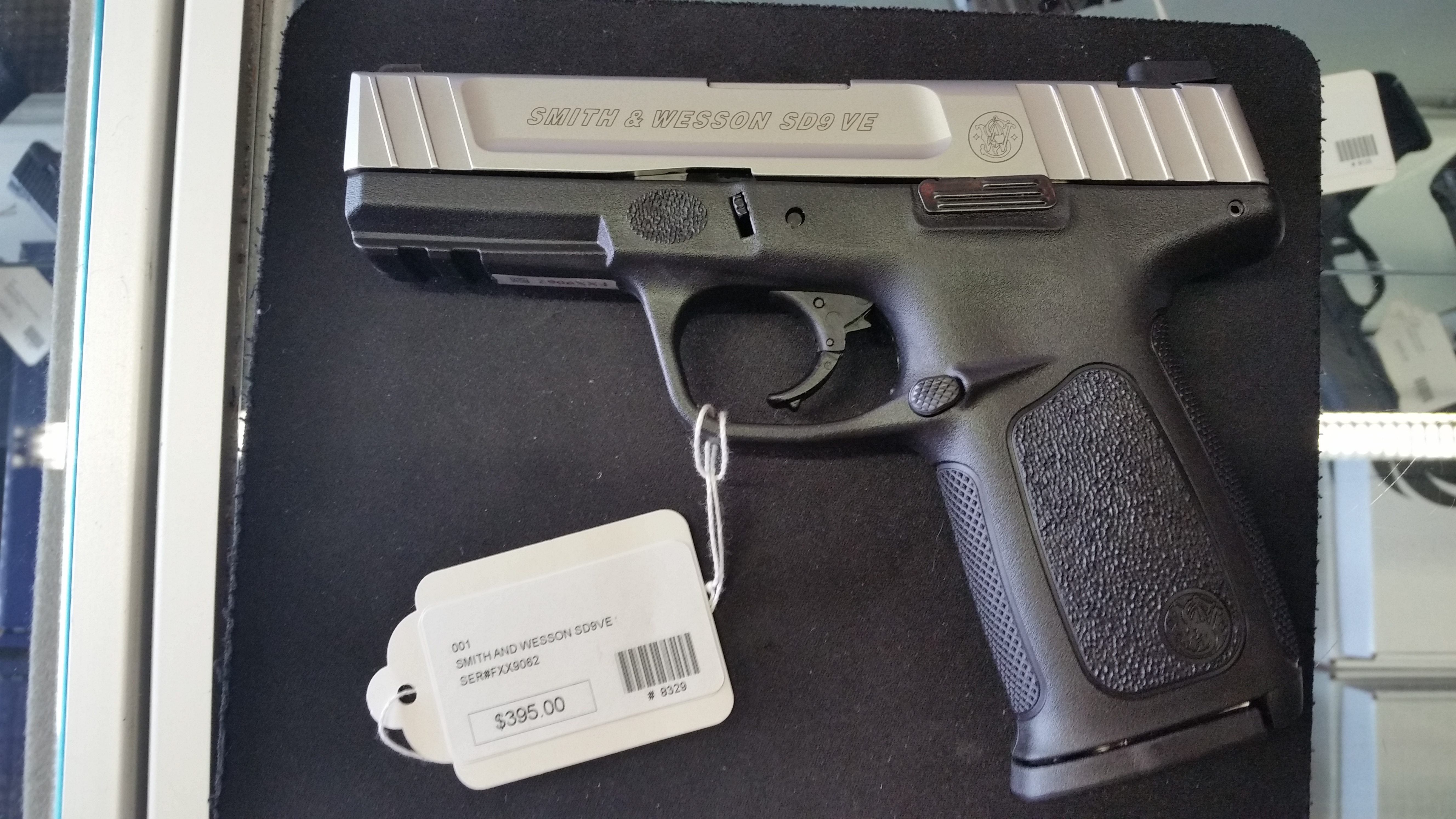
In practical terms, this comparison usually comes down to a few key pistols rather than the entire catalogs. On the Smith & Wesson side, the Shield Plus is probably the model most often mentioned in current concealed carry discussions. It builds on the Shield formula with better capacity and a more shootable feel, which is exactly the kind of update instructors tend to reward.
The M&P 2.0 Compact also appears in these conversations because some instructors prefer a slightly larger gun for everyday carry. They know students often shoot compact pistols better than ultra small ones, especially in low light or rapid fire drills. A little more grip and slide length can mean better control without making concealment unrealistic for most carriers.
For Springfield Armory, the Hellcat and Hellcat Pro are the center of gravity. The standard Hellcat appeals to people who want maximum concealability and respectable onboard capacity. The Hellcat Pro pushes closer to compact territory, giving instructors an option for students who want a thinner gun but still value a fuller grip and smoother recoil behavior.
What is striking is how often the debate is really about fit rather than absolute superiority. A Shield Plus may be the smarter recommendation for one student, while a Hellcat Pro clearly suits another. Instructors who have seen hundreds of shooters tend to become less tribal and more specific. The best gun is often the one the shooter can actually run well on demand.
What likely made 80 instructors split their vote
When a group of 80 concealed carry instructors picks sides, the result rarely reflects one knockout advantage. It usually reflects clusters of priorities. The Smith & Wesson supporters are often voting for consistency, track record, and easy recommendation value. They trust the guns to work, they know students can support them easily, and they have years of classroom experience backing that trust.
The Springfield supporters are often responding to how competitive the company has become in the modern carry market. They see pistols that check the boxes many students now care about most: capacity, optics readiness, solid factory sights, and compact dimensions. In a market driven by practical features, Springfield has given instructors strong reasons to move beyond older brand habits.
Another reason for the split is that instructors teach different populations. Someone who works mostly with first time permit holders may favor the pistol that seems simplest and most forgiving at baseline. An instructor who teaches more experienced armed citizens may put extra weight on capacity, faster sight recovery, or a more aggressive grip texture. The student base changes the recommendation.
Personal history matters too. Instructors remember the guns that ran flawlessly in demanding courses and the ones that did not. They also remember customer service interactions, parts availability, and whether a model inspired confidence over several training cycles. Those experiences create durable opinions, which is why these brand debates stay so lively even when both sides have credible evidence.
Which brand is the better pick for most carriers
If you forced a simple answer, Smith & Wesson is probably the safer general recommendation for the average concealed carrier. The brand’s M&P family has a deep track record, broad support, and a reputation for being easy to teach and easy to own. That matters a lot for people buying their first serious carry pistol and trying to avoid expensive trial and error.
But Springfield Armory is not some risky alternative. In many cases, especially with the Hellcat Pro, it may be the better choice for carriers who want a slim pistol with modern features and higher capacity in a package that still carries comfortably. For some hands and some shooting styles, Springfield will produce better performance right away, and instructors notice that quickly.
The smartest takeaway from 80 instructors picking sides is not that one logo won forever. It is that both brands have earned their place by solving real concealed carry problems well. The better question is not which brand is universally best. It is which pistol helps you draw cleanly, shoot accurately, carry consistently, and trust your equipment under stress.
That is why serious instructors usually end up sounding less like brand fans and more like matchmakers. They know the right carry gun is the one that fits the mission and the shooter at the same time. In that sense, the debate itself is useful because it pushes buyers to think beyond hype and choose with purpose.