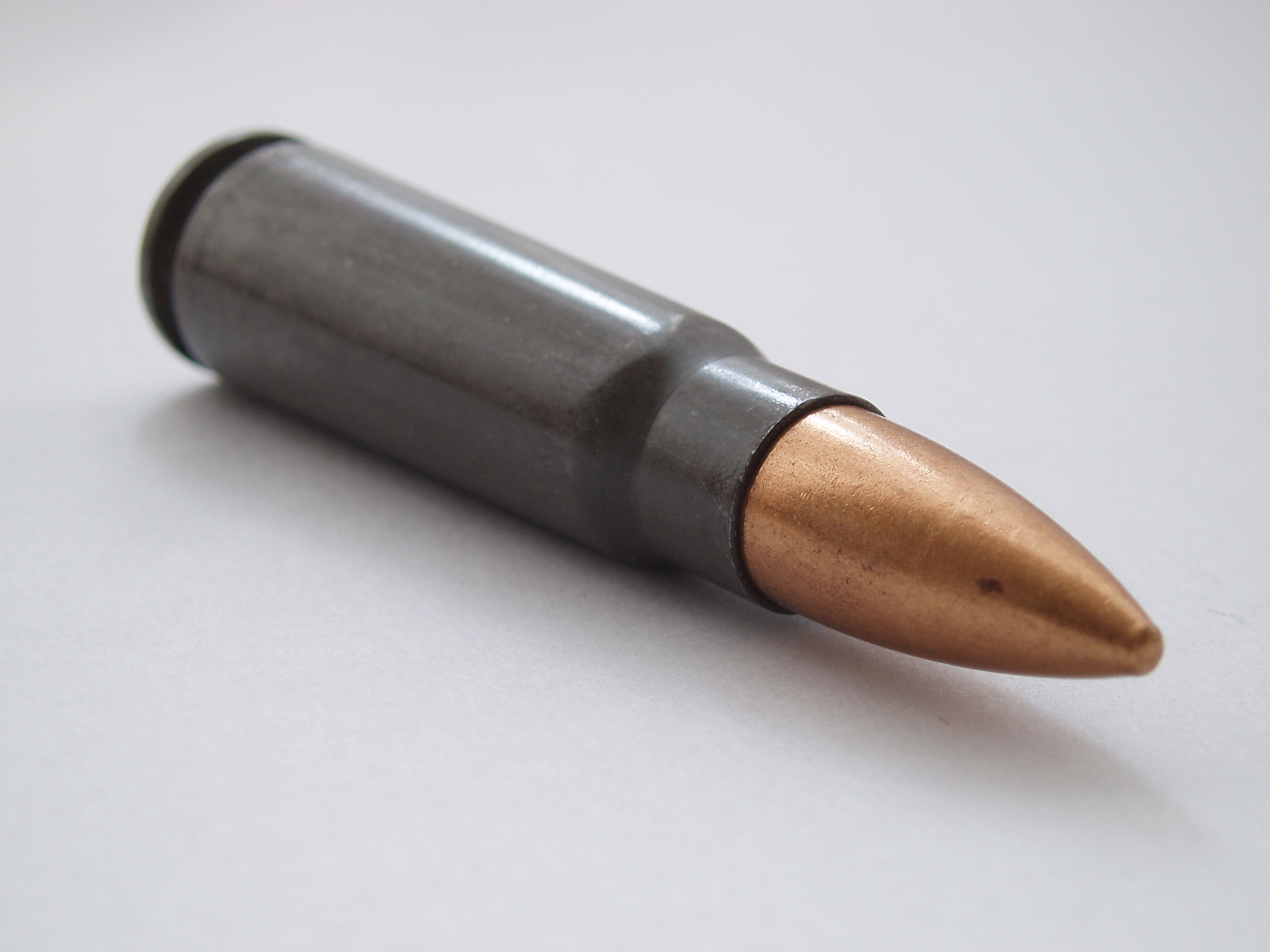
The 7.62x39mm is often discussed as if it appeared alongside the AK 47, but its story actually began before the famous rifle was adopted. During World War II, Soviet engineers examined captured German weapons and ammunition, including the 7.92x33mm Kurz used by the MKb 42 and later StG 44. That experience helped confirm the value of an intermediate cartridge, leading to a distinctly Soviet design that eventually armed the SKS, RPD, and AK family.
1. The Captured German Rifle Started the Conversation
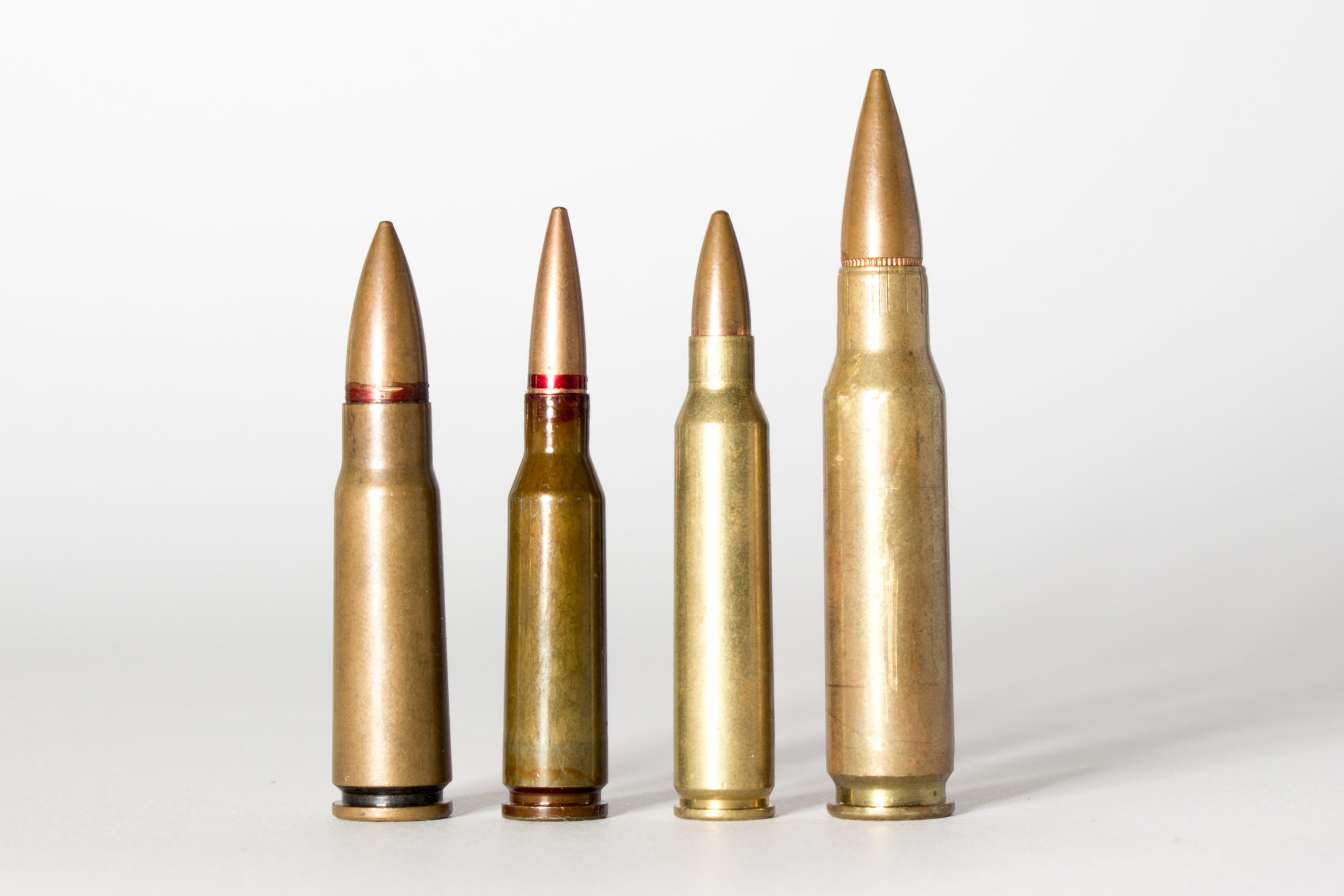
On July 15, 1943, Soviet officials examined captured German small arms and ammunition while considering a new class of reduced-power military cartridge. The German 7.92x33mm Kurz was particularly important because it demonstrated a useful middle ground between pistol-caliber submachine gun rounds and full-power rifle ammunition. Soviet engineers did not simply duplicate it. Instead, they used the captured German concept as a reference while developing their own cartridge around Soviet manufacturing and military requirements.
2. The Cartridge Came Before the AK 47
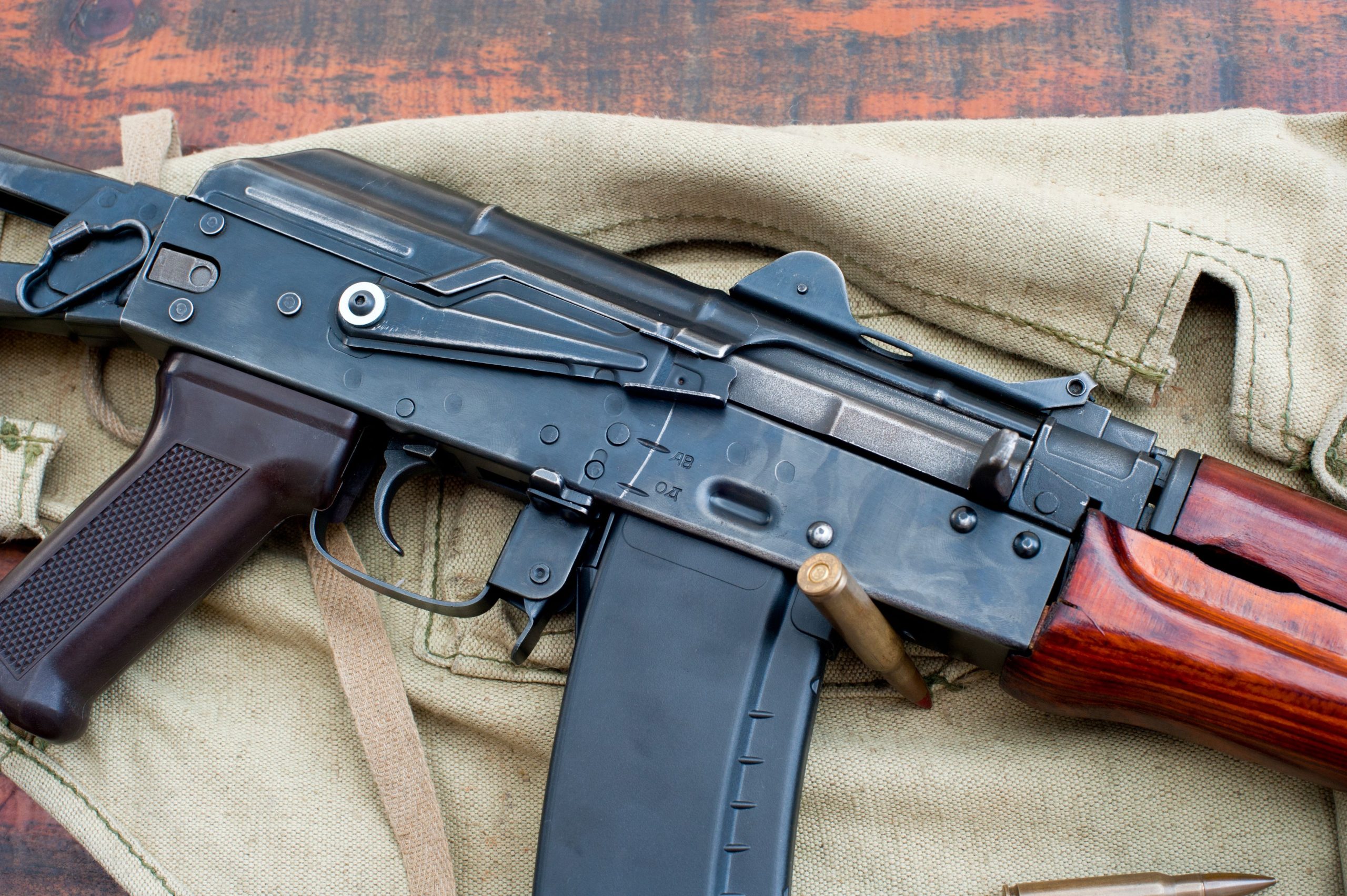
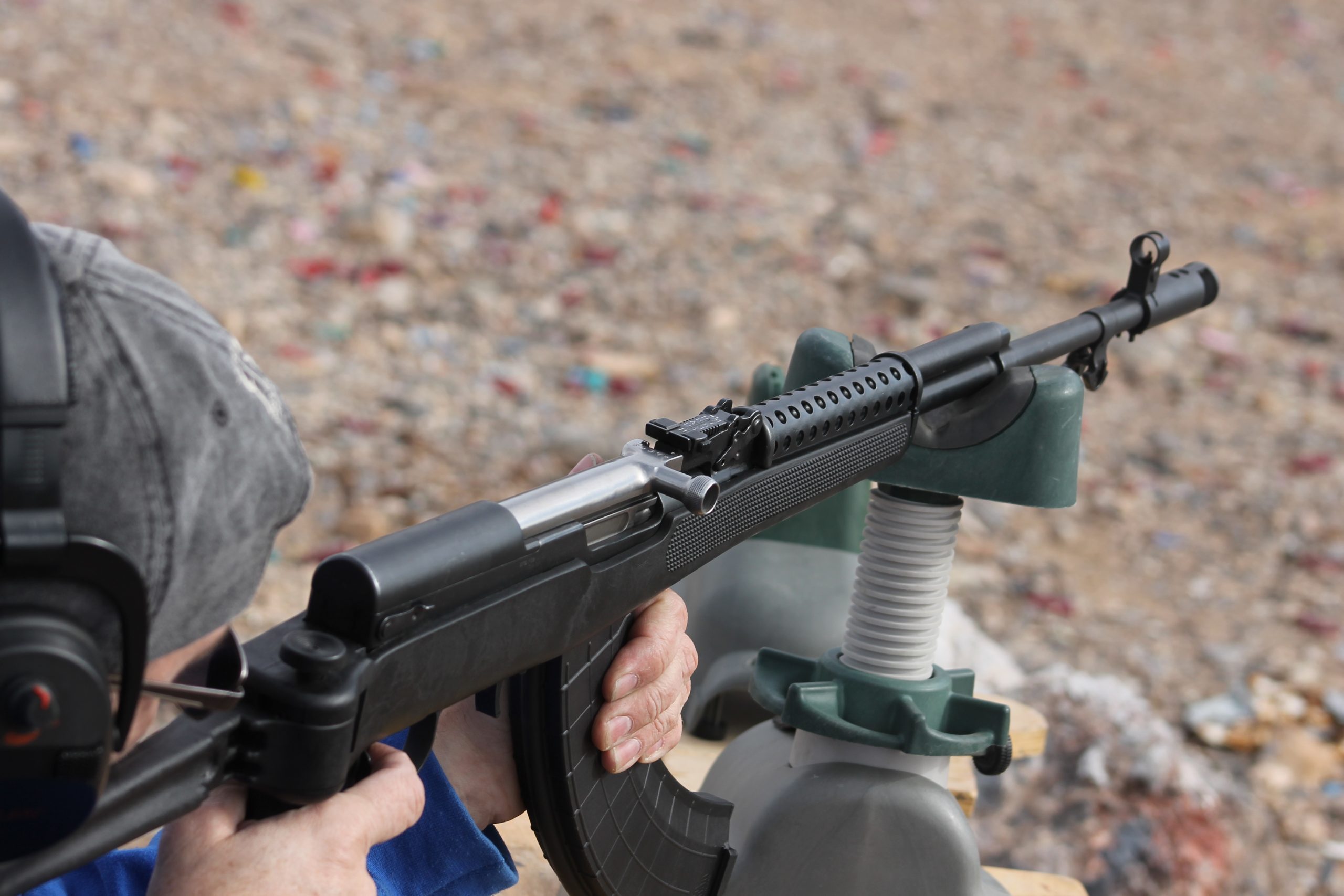
One of the biggest misconceptions about the 7.62x39mm is that it was created specifically for the AK 47. In reality, the cartridge predates the rifle. Soviet designers developed the M1943 ammunition first, and it subsequently became the foundation for several new weapons. The SKS carbine and RPD light machine gun were among the early systems chambered for it. The AK-47 later became its most famous companion, but the ammunition had already been selected as part of a broader Soviet effort to modernize infantry firepower.
3. Its 39mm Case Was a Major Clue
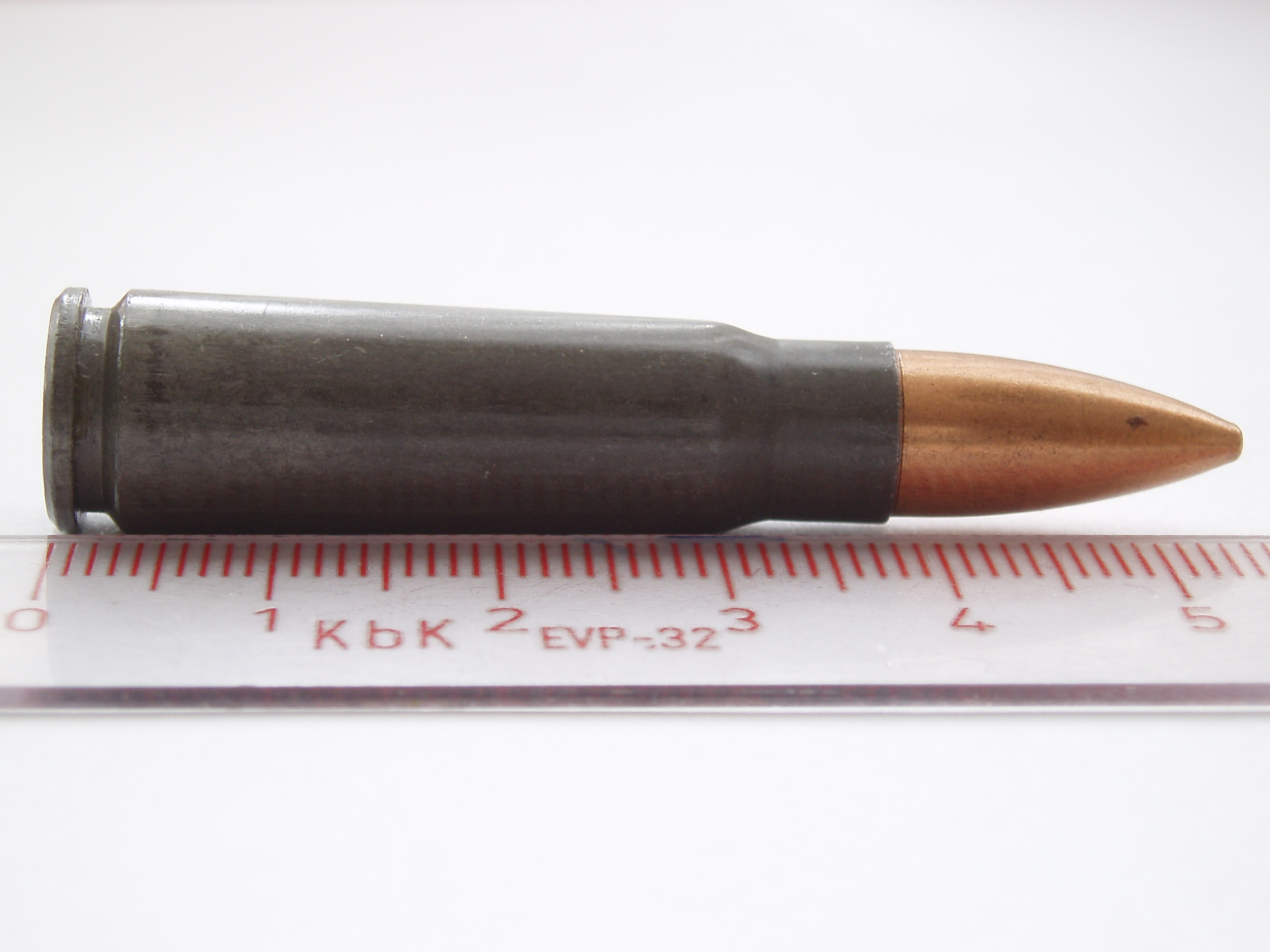
The final cartridge used a case approximately 38.7mm long, giving the familiar 7.62x39mm designation. Early experimental ammunition had a longer 41mm case, showing that the design was still evolving after the first prototypes. Soviet engineers refined the projectile and case dimensions to improve ballistic performance while keeping the overall cartridge practical for new automatic weapons. The final configuration represented a compromise between size, recoil, ammunition weight, and useful battlefield range rather than an attempt to match the power of the much larger 7.62x54mmR rifle cartridge.
4. The Bullet Kept a Familiar Soviet Caliber
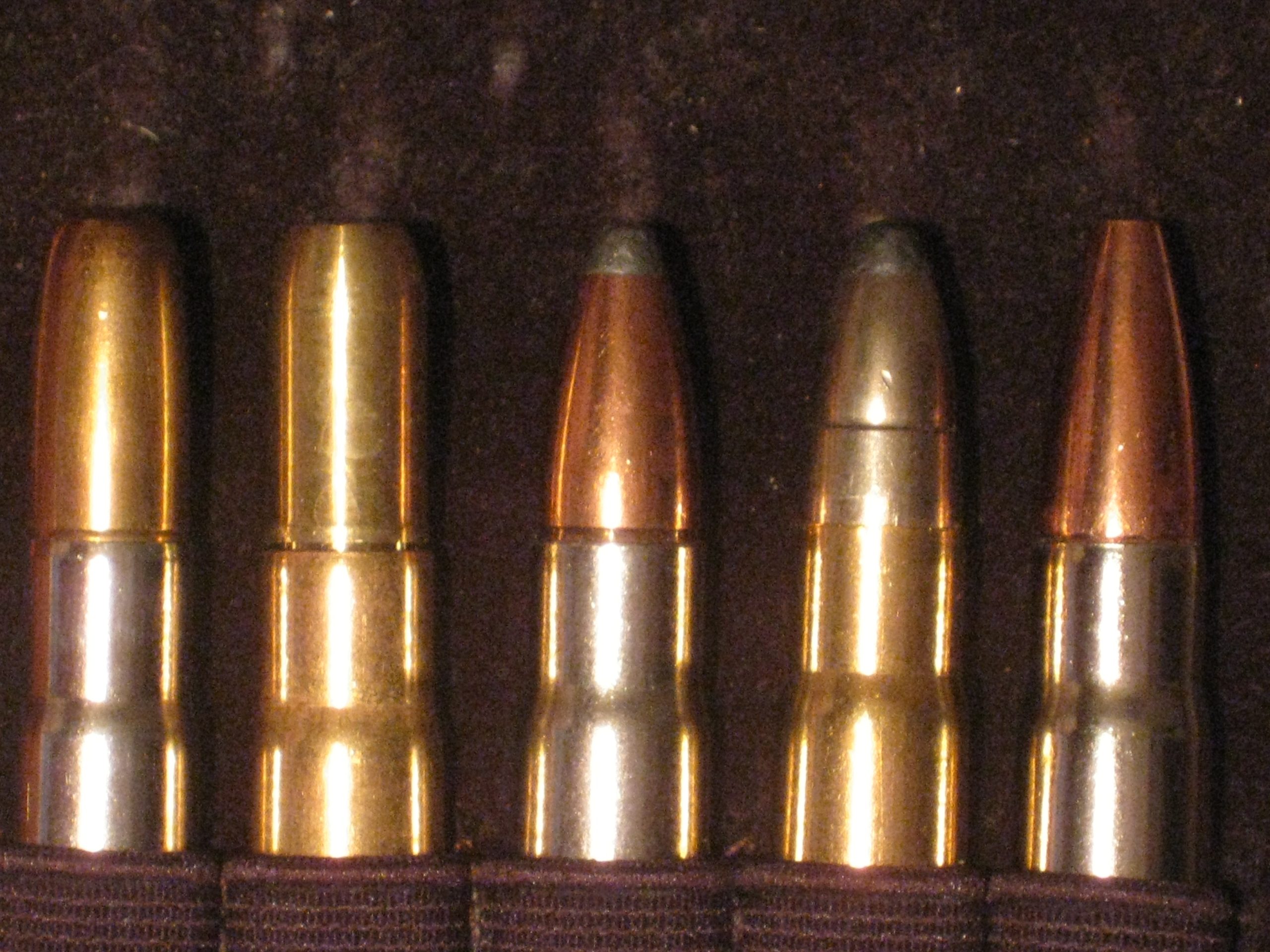
The Soviet designers retained the 7.62mm caliber used by their established rifle ammunition, rather than moving immediately to a completely new diameter. That decision had practical manufacturing advantages because Soviet factories already possessed experience producing 7.62mm barrels and projectiles. The new cartridge therefore combined a familiar bullet diameter with a much shorter case and reduced power. Development teams also experimented with other calibers, including 5.6mm and 6.5mm, but 7.62mm ultimately remained the selected solution for the M1943 family.
5. Its 123 Grain Bullet Became Iconic
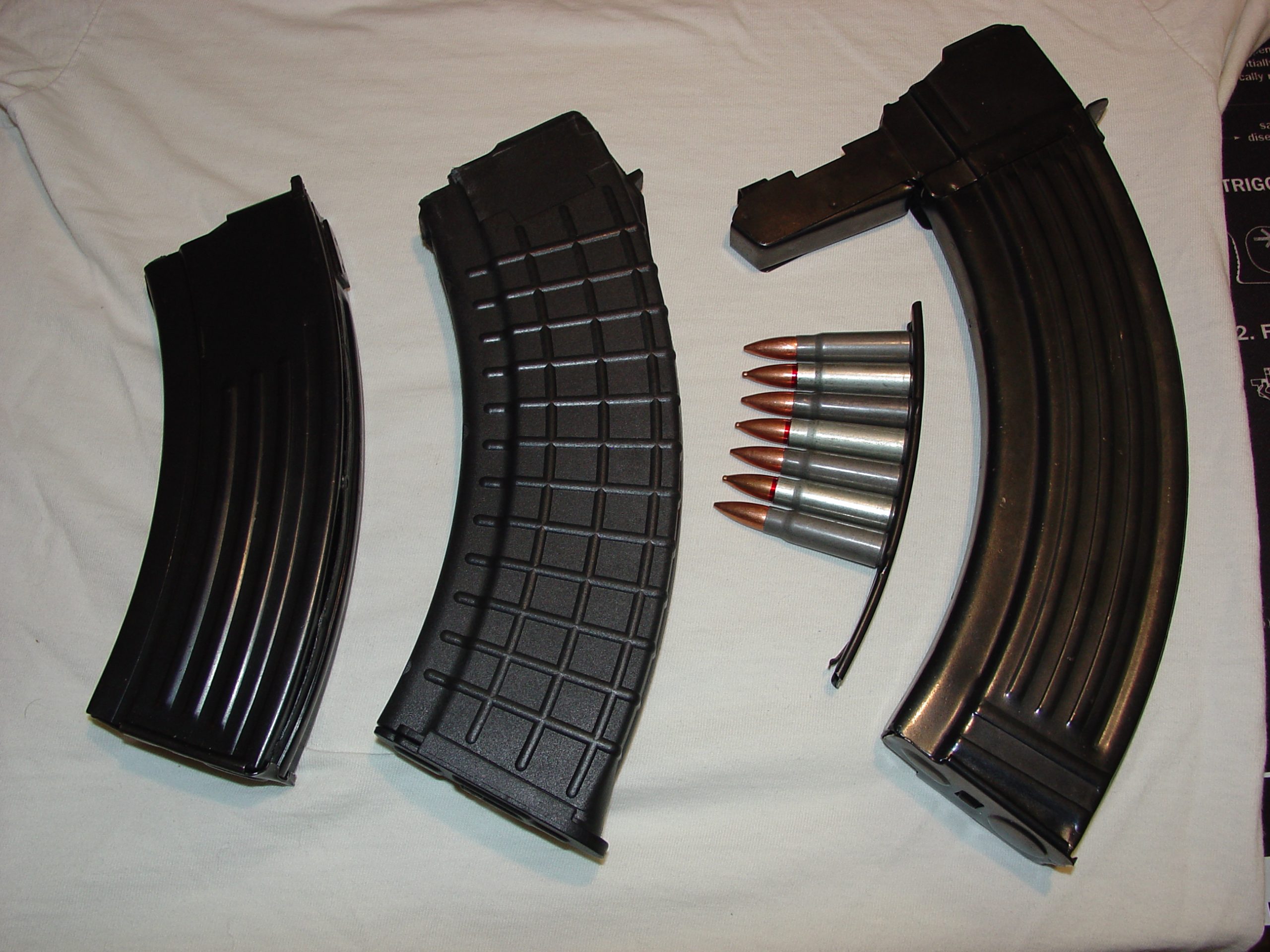
The standard M43 pattern is commonly associated with a projectile weighing about 123 grains, or roughly 7.9 grams. Early versions used a lead core, while later development introduced changes intended to improve ballistic behavior and penetration. Engineers lengthened the projectile and added a boat tail while retaining a practical overall cartridge length. The result was ammunition that could be produced in large quantities and used across several weapon types. That standardized projectile weight and general cartridge geometry became one of the most recognizable features of the 7.62x39mm worldwide.
6. The Soviet Answer Was Not a German Copy
The German 7.92x33mm Kurz clearly influenced Soviet thinking, but calling the 7.62x39mm a direct copy misses important differences. The Soviet cartridge used a different case design and a different 7.62mm projectile, while its development was shaped by Soviet production requirements and battlefield doctrine. Historical research also shows that Soviet work on intermediate ammunition had roots extending earlier than the 1943 German encounter. The captured rifle therefore acted as an important catalyst and demonstration, not as a blueprint that Soviet engineers simply reproduced without modification.
7. It Was Ready for Several Weapons
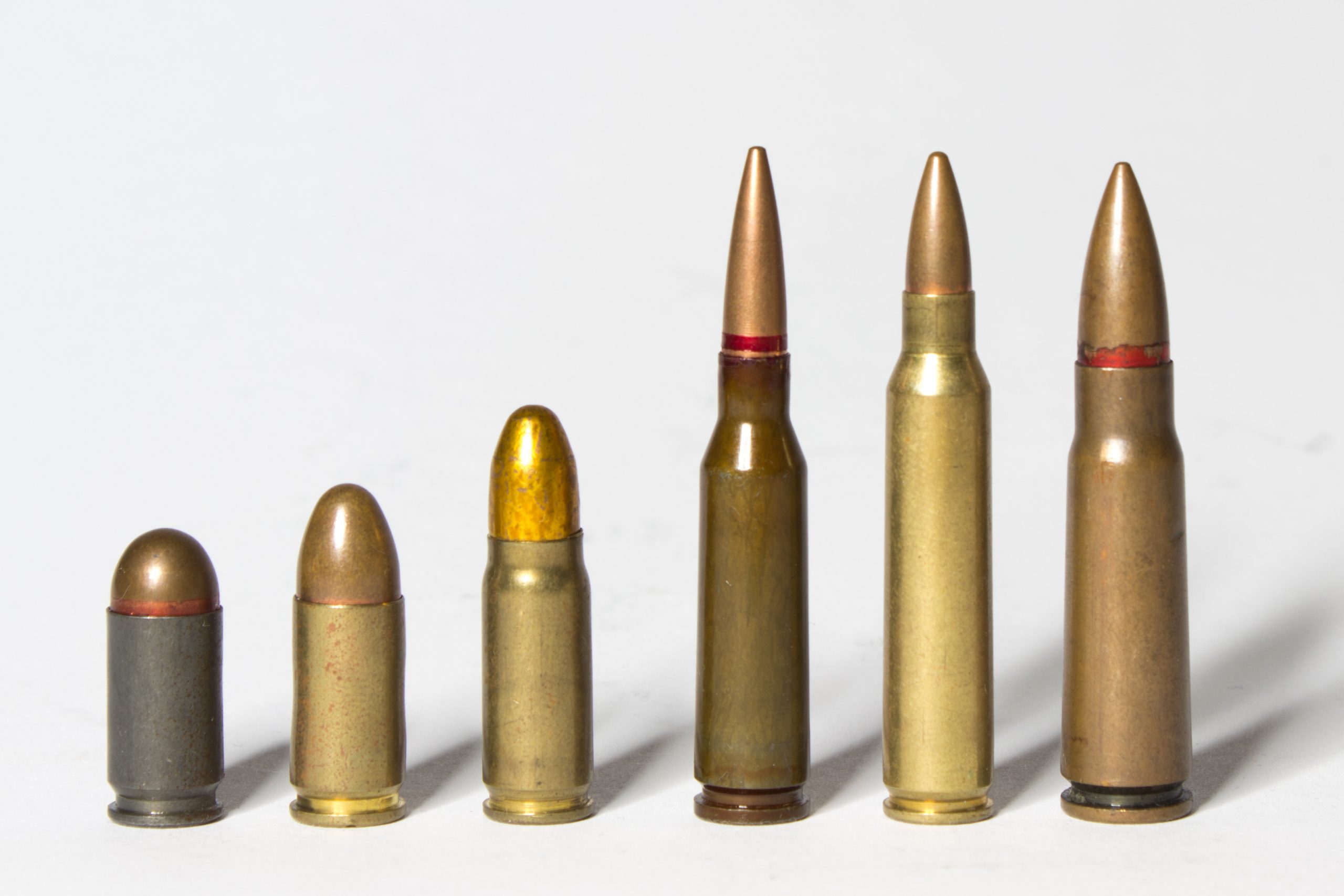
The M1943 cartridge was designed as part of a complete weapons program rather than for one rifle alone. Soviet planners wanted a family that included an automatic rifle, a self-loading carbine, and a light machine gun. That requirement explains why the cartridge had to offer a carefully balanced combination of controllable power, manageable size, and useful battlefield range. By 1949, the 7.62mm M1943 cartridge was officially adopted alongside the AK, while the SKS and RPD had already demonstrated the ammunition’s flexibility in different military roles.
8. The German Lesson Became a Global Legacy
The most remarkable part of the story is how far the original idea traveled. A German intermediate cartridge observed during wartime helped influence Soviet ammunition development, but the resulting 7.62x39mm became a distinctly Soviet standard. Adopted in 1949, it eventually became associated with the AK family and numerous other firearms across the world. Its historical importance therefore lies less in being a copy of the StG 44 cartridge and more in showing how captured technology, battlefield experience and domestic engineering combined to create one of the most influential military cartridges of the twentieth century.