German engineering has long carried a certain mystique, and nowhere is that reputation more visible than in the world of firearms. From historic hunting arms to duty pistols trusted across the globe, these makers blend old-school craftsmanship with relentless technical refinement. This gallery explores nine German gunmakers whose names still signal precision, durability, and design discipline.
Heckler & Koch
Heckler & Koch has become shorthand for modern German firearms engineering. Founded in the postwar era, the company built its reputation on rugged service weapons that balance reliability, accuracy, and careful mechanical design. From military rifles to duty pistols, its products are known for working under pressure without drama.
What sets H&K apart is its relentless focus on durability and system thinking. Controls, ergonomics, and materials are treated as part of one complete package rather than isolated features. That approach has helped the brand earn a loyal following among professionals, enthusiasts, and agencies that value performance over flash.
Walther
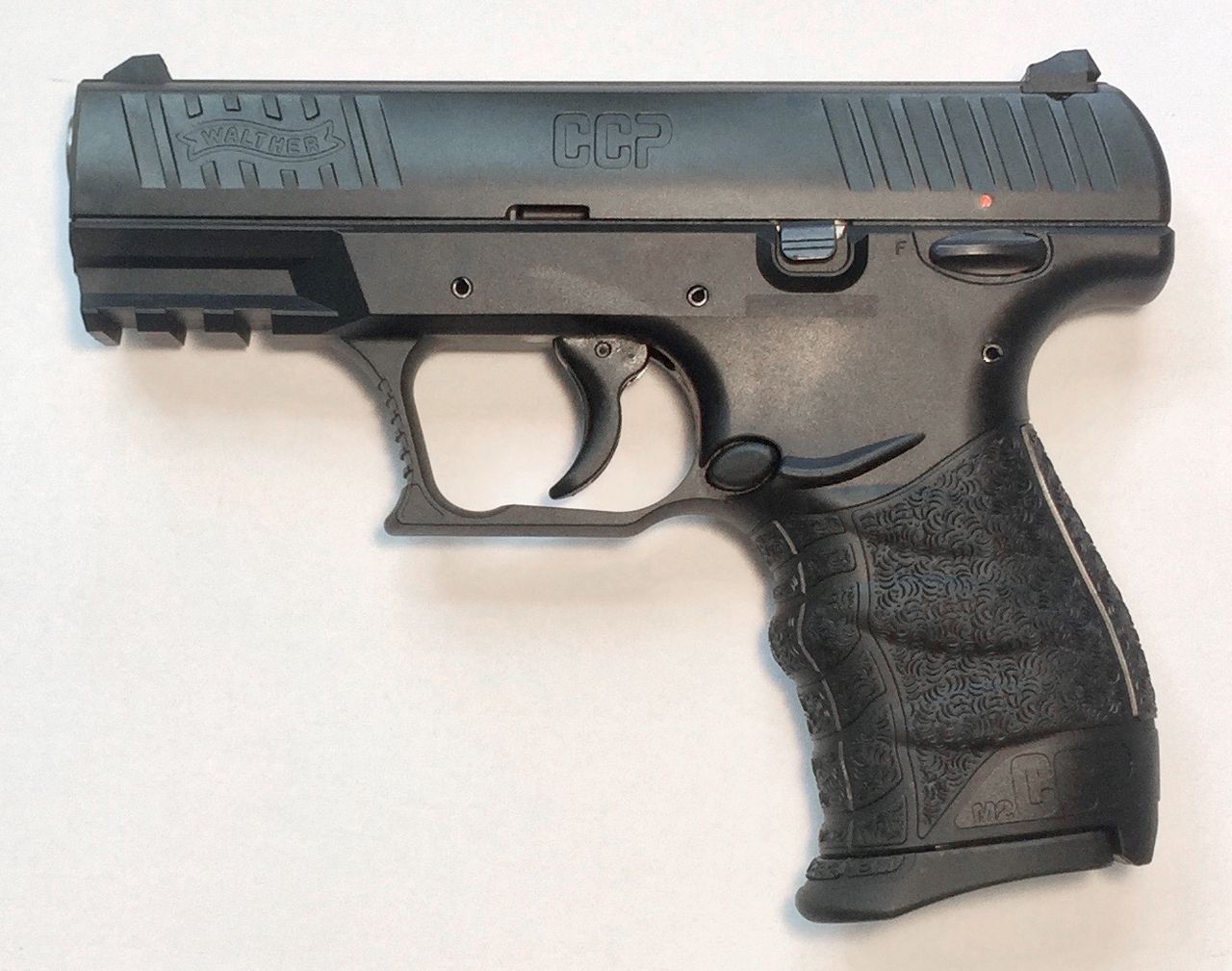
Walther occupies a unique place in firearms history, blending famous legacy designs with a very modern sense of ergonomics. The company has produced iconic pistols for more than a century, and its name still carries weight with sport shooters, police users, and collectors alike. Precision and practical handling are central to the brand’s identity.
In recent years, Walther has leaned hard into user comfort and shootability. Grip shape, trigger feel, and balance are treated as essentials, not afterthoughts. That attention to the human side of engineering helps explain why Walther remains relevant in a crowded global market.
J.P. Sauer & Sohn
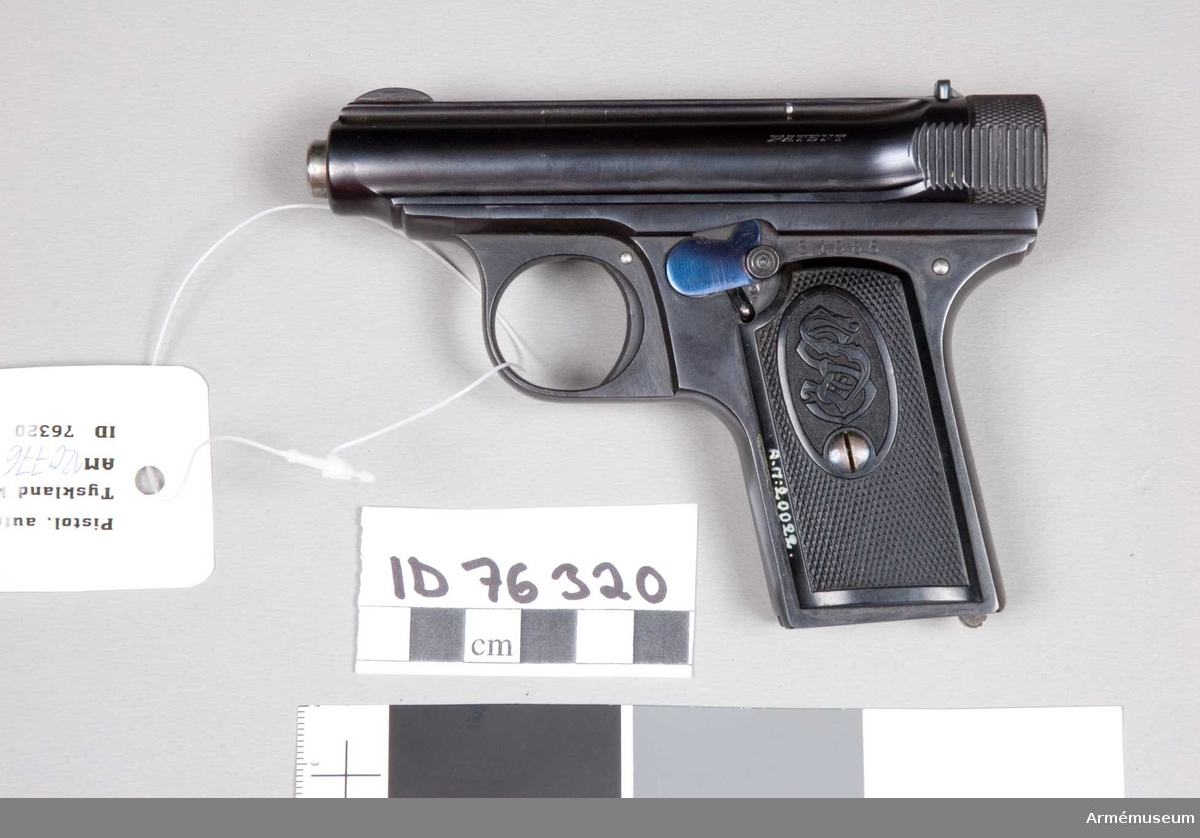
J.P. Sauer & Sohn is one of the oldest names in German gunmaking, and that long view shows in its products. The company has deep roots in hunting arms, where fit, finish, and smooth mechanical operation matter just as much as raw performance. Its rifles and shotguns reflect a tradition shaped by generations of practical field use.
Sauer’s enduring appeal comes from how it marries heritage with innovation. Modern manufacturing has sharpened consistency, but the brand still emphasizes elegance and confidence in the hand. For many hunters, Sauer represents the ideal middle ground between classical gunmaking values and contemporary engineering standards.
Mauser
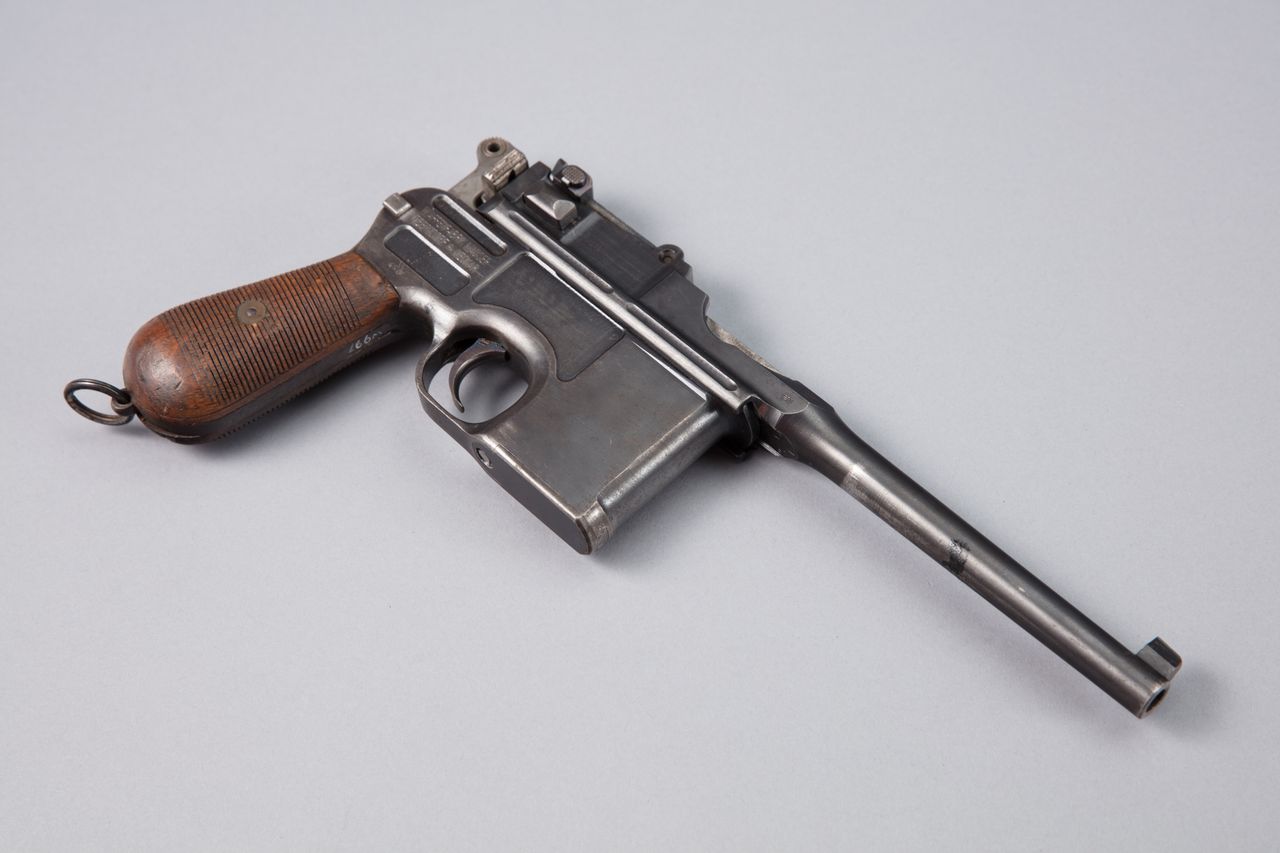
Few gunmakers have cast a longer shadow than Mauser. Its bolt-action designs became benchmarks for strength, reliability, and mechanical simplicity, influencing rifles around the world for generations. Even people who know little about firearms often recognize the Mauser name because its engineering ideas spread so widely.
Today, Mauser still stands for disciplined design and field-ready confidence. The brand’s hunting rifles carry forward that same emphasis on controlled function, robust construction, and practical accuracy. There is a reason so many later makers borrowed from Mauser’s playbook: the original formula was remarkably hard to improve upon.
Blaser
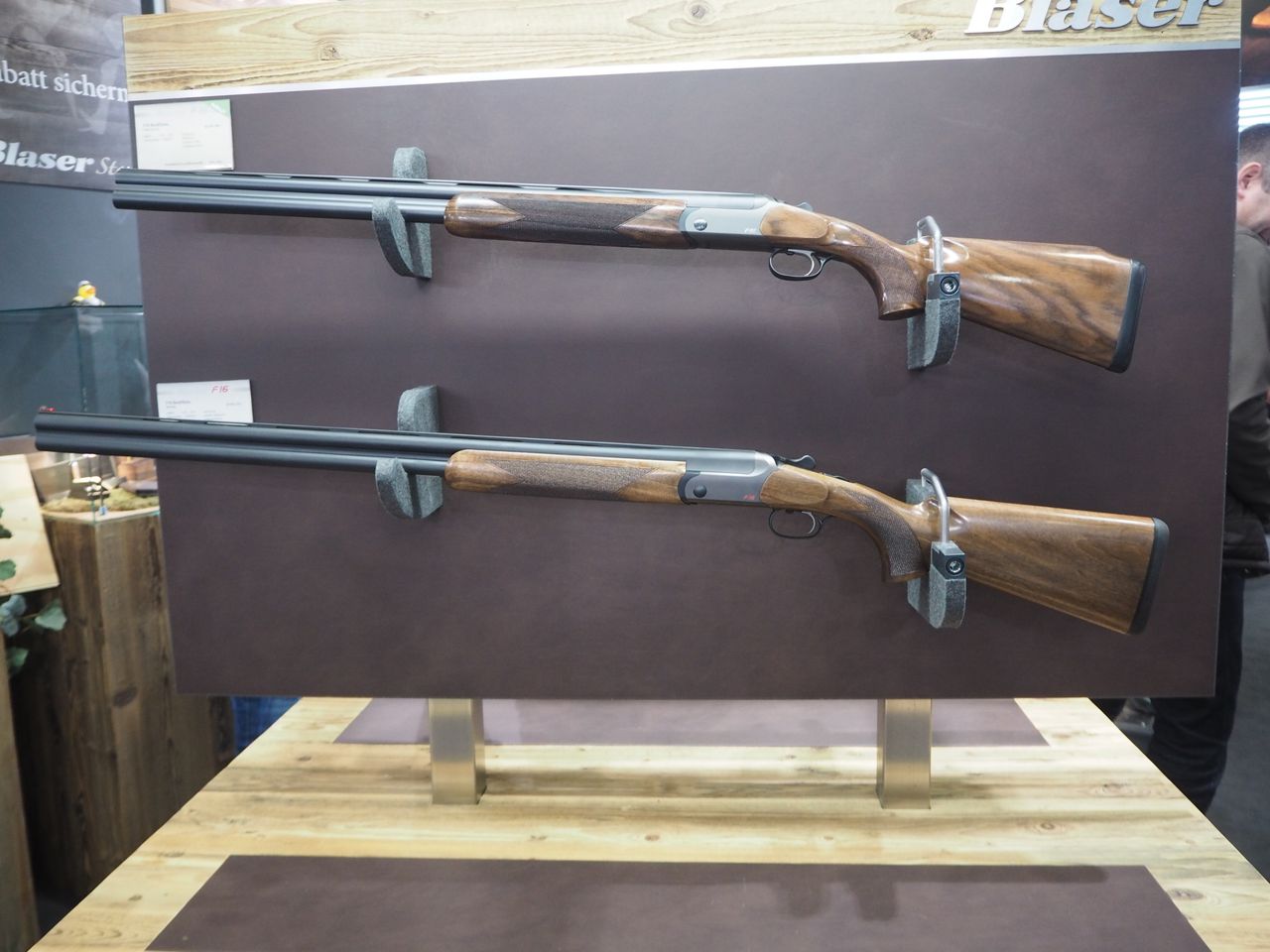
Blaser brought a distinctly modern mindset to German sporting arms, and its straight-pull rifles are the clearest example. The company challenged old assumptions about what a premium hunting rifle should look and feel like. Fast operation, modularity, and sleek industrial design became core parts of the brand’s appeal.
That innovation did not come at the expense of craftsmanship. Blaser rifles are still built with the fit and finish buyers expect from high-end German gunmaking. What makes the brand stand out is how confidently it embraces new ideas while keeping performance, safety, and user experience at the center.
Merkel

Merkel is a name closely associated with fine sporting guns, especially elegant shotguns and double rifles. The company’s work reflects the kind of meticulous hand-finishing and visual refinement that collectors and serious hunters admire. But beneath the beauty is serious engineering designed for reliability in the field.
What keeps Merkel relevant is its refusal to treat tradition as a museum piece. The company continues to produce firearms that feel rooted in classic European hunting culture while meeting modern expectations for consistency and performance. It is a reminder that precision can be both technical and deeply aesthetic.
Krieghoff
Krieghoff has earned enormous respect in the worlds of clay shooting and premium hunting arms. Its shotguns are especially prized for smooth handling, durability, and exacting build quality, qualities that matter immensely when a firearm must perform the same way shot after shot. Consistency is part of the brand’s DNA.
There is also an unmistakable sense of refinement in a Krieghoff. These are firearms engineered for demanding users who notice every detail, from balance to lockup to finish. That combination of competition-grade performance and old-world polish helps explain the company’s staying power.
Anschütz
Anschütz is often the first name that comes up in conversations about precision rimfire and target shooting. The company built its reputation on rifles that deliver remarkable consistency, making it a fixture in competitive circles where tiny differences in performance can decide everything. Accuracy is not marketing language here. It is the foundation.
What makes Anschütz stand out is the depth of its specialization. Stocks, triggers, and barrel systems are all developed with the needs of serious marksmen in mind. For shooters who value repeatability above all else, the brand remains a gold standard in disciplined engineering.
Haenel
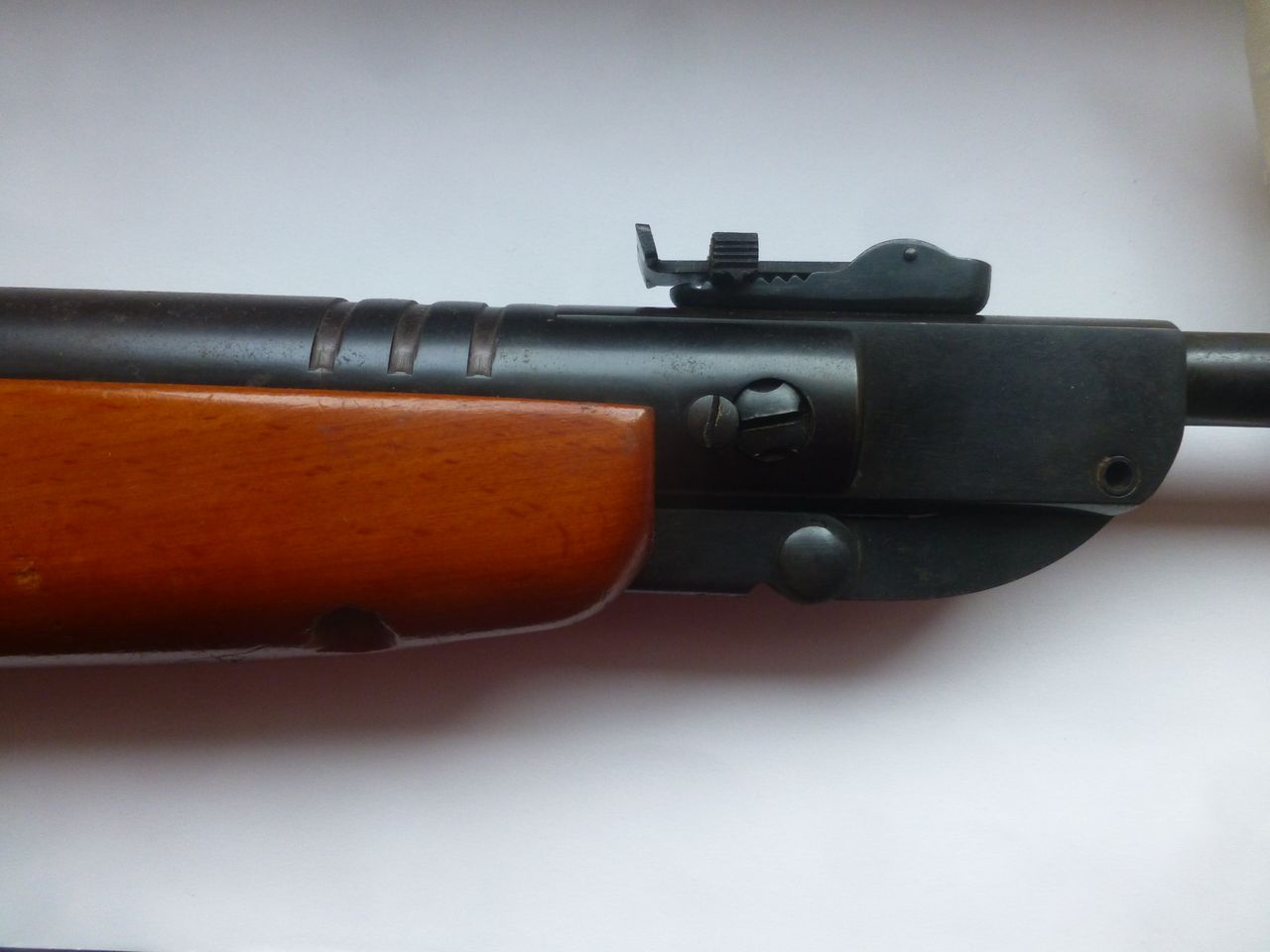
C.G. Haenel combines historical significance with a distinctly current profile. The company has produced firearms across very different eras of German manufacturing, and today it is again associated with practical, modern designs. That continuity gives Haenel an interesting place in the conversation about engineering tradition and reinvention.
Its present-day appeal comes from building firearms that feel purposeful and contemporary without losing sight of manufacturing discipline. Haenel’s rifles and carbines reflect a clean, utilitarian mindset that many users appreciate. In a field crowded with big personalities, its understated competence is part of the attraction.