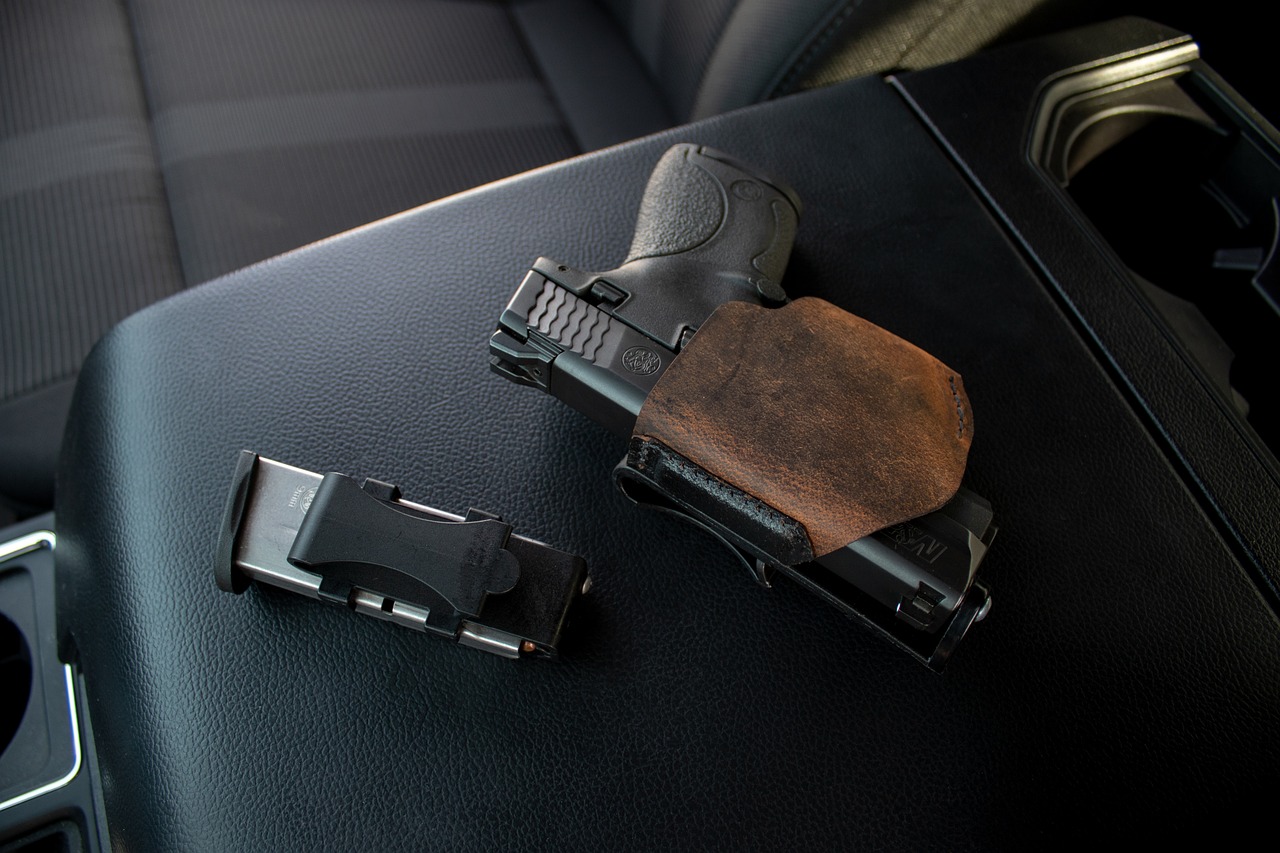
Gun storage rules shifted in important ways across the country in 2026, and the changes go far beyond simply buying a safe. States tightened standards around child access, vehicle storage, reporting duties, and what counts as a secured firearm in the home. This gallery breaks down 10 notable state-level changes in plain English so owners can better understand the new compliance landscape.
California expanded locked storage standards at home

California’s 2026 updates drew attention because they sharpened the definition of what secure storage actually means inside a residence. The focus was not only on preventing child access, but also on reducing theft and unauthorized handling by other household members or visitors.
For many owners, the practical takeaway is simple: a closet shelf or high drawer is not enough. A compliant setup now generally points people toward a locked container, approved locking device, or a safe that meaningfully blocks access when the gun is not under the owner’s immediate control.
That may sound straightforward, but the shift matters because it raises expectations after years of looser habits. In California, responsible storage is increasingly treated as an everyday legal duty, not just a best practice.
Colorado tightened rules around minors and negligent access

Colorado’s 2026 change put fresh emphasis on what happens when a minor can get to an unsecured firearm. The law became less forgiving about circumstances that owners once considered unlikely, especially in homes where teenagers, visiting children, or mixed family living arrangements are part of daily life.
What changed in practice is the expectation that owners think ahead. If a firearm is left accessible and a young person can reasonably get to it, legal exposure rises quickly, even when there was no intent to hand over the gun.
That makes storage less about personal routine and more about foreseeability. In Colorado, locking up a firearm is increasingly framed as a preventive obligation tied directly to access risk.
Illinois raised the bar for unattended firearms

Illinois moved in 2026 to address a familiar weak spot: unattended firearms left in places owners assumed were temporarily secure. The new standards sharpened expectations for how weapons must be stored when the owner is away, even for short periods that once felt routine.
That matters because the law now reads less like a warning and more like a firm baseline. If a firearm is not on your person or under your direct control, it generally needs to be secured in a way that prevents easy access by others in the household or beyond.
For gun owners, this is one of those changes that quietly affects daily behavior. The legal question is no longer just ownership, but whether the gun was truly secured at the moment it was left behind.
Massachusetts updated safe storage enforcement language

Massachusetts has long been known for strict firearm storage requirements, but 2026 brought updated enforcement language that gave the law sharper edges. The goal was not necessarily to reinvent the rules, but to make compliance and prosecution more straightforward when a gun is found unsecured.
For owners, that means old assumptions about ambiguity are fading. A firearm that is not under direct control generally needs to be locked or rendered inoperable with a tamper-resistant device, and enforcement agencies now have clearer language to work with.
The broader message is unmistakable. Massachusetts is treating secure storage as one of the central responsibilities of gun ownership, and the state appears less interested than ever in casual interpretations of what counts as safely stored.
Michigan added clearer requirements after child access concerns

Michigan’s 2026 revisions followed growing concern about firearms left where minors could reach them during ordinary family life. Lawmakers focused on clearer language so owners could better understand when a gun must be unloaded, locked, or both, depending on who might be nearby.
The real impact shows up in households where life moves fast. A nightstand pistol, a long gun near an entryway, or a firearm tucked into a backpack may all invite more scrutiny if children live in or visit the home.
Michigan’s message is practical rather than abstract. If a minor’s access is reasonably possible, the owner is expected to have taken clear, active steps to prevent it. Convenience is no longer much of a defense.
Minnesota revised storage expectations tied to loss and theft

Minnesota’s 2026 changes connected secure storage more directly to the problem of stolen firearms entering the illegal market. Instead of treating theft as a separate issue, the state leaned harder on the idea that poor storage can create predictable public safety consequences.
That framing matters for owners because it broadens the conversation. A firearm left unsecured in a mudroom, garage, or vehicle is no longer just a personal property risk. It can also be viewed as a preventable failure to secure a dangerous item.
In practical terms, Minnesota owners are being nudged toward stronger safes, better locking devices, and more disciplined routines. The law’s tone suggests that careless storage and theft are now seen as closely linked problems.
New Jersey broadened standards for unauthorized access prevention

New Jersey’s 2026 update stood out because it widened the lens beyond children alone and focused more broadly on unauthorized access. That includes guests, relatives, domestic partners, and others who may be in a home or temporary living space without being authorized to handle a firearm.
This is the kind of legal change that can surprise otherwise careful owners. A gun may feel hidden, but hidden is not the same thing as secured. If another person can realistically locate and use it, the owner’s storage choices may become a legal issue.
New Jersey is pushing the idea that responsible ownership requires anticipating who might gain access, not merely assuming good intentions. The standard is moving toward actual prevention, not informal household trust.
Oregon strengthened rules for firearms kept in vehicles

Oregon’s 2026 changes highlighted one of the most common trouble spots in modern gun ownership: vehicle storage. Owners who regularly commute, run errands, or travel with a firearm now face stronger expectations for how a gun must be secured when left in a car or truck.
This is a big deal because vehicle theft remains a major source of stolen firearms. A glove box, center console, or under-seat hiding place may no longer satisfy the spirit, and sometimes the letter, of the updated rules if the firearm is not locked in a more secure manner.
For Oregon owners, the message is clear. Cars are treated as vulnerable spaces, and temporary storage during the day still counts as storage under the law.
Washington expanded duties after a firearm is lost or stolen

Washington’s 2026 storage-related shift did not stop at locks and safes. It also expanded the owner’s duties after a firearm has been lost or stolen, reflecting a broader trend toward accountability once a weapon leaves lawful control.
That means storage and reporting are now more closely connected. If a gun disappears after being left unsecured, the owner’s legal exposure may involve both the initial storage decision and whether the loss was reported promptly under the updated timeline.
For responsible owners, this creates a new kind of urgency. Good storage remains the first line of defense, but the law also expects quick action when that defense fails. Waiting too long can become its own separate problem.
Virginia clarified storage duties in homes with vulnerable occupants

Virginia’s 2026 revision drew attention for focusing on vulnerable occupants, including minors and people who may be at heightened risk during a crisis. The law’s language signaled that storage decisions should reflect who is actually present in the home, not just the owner’s general habits.
That makes firearm safety feel more situational and more personal. In a household dealing with mental health concerns, custody transitions, or frequent visitors, owners are expected to use storage methods that account for those realities rather than relying on routine concealment.
Virginia’s update reflects a larger national shift. Secure storage is increasingly framed as part of responsible caregiving and household risk management, not simply a matter of locking up gear at the end of the day.