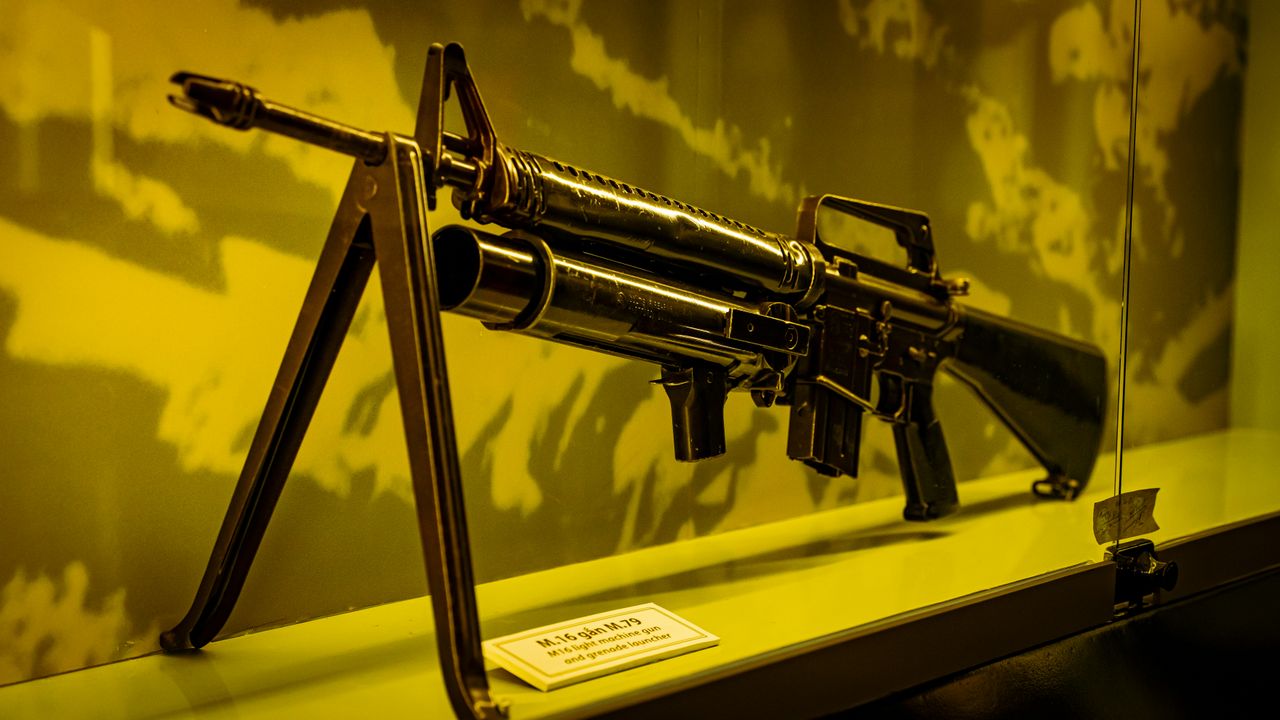
The .223 Remington is often treated as a familiar sporting cartridge, but its story began with a military experiment that challenged the thinking behind conventional infantry rifles. In the late 1950s, U.S. planners wanted a lighter weapon firing a small, fast projectile, while the Army was moving toward the heavier 7.62mm M14. The emerging AR-15 and .223 combination created a fierce debate over weight, ammunition, battlefield effectiveness, reliability, and procurement. A controversial decision by General Curtis LeMay helped push the lightweight system forward, eventually connecting the .223 to the M16 and its turbulent introduction in Vietnam.
1. The Original Idea Was a Lightweight 5.56mm Rifle
The .223 Remington grew from a U.S. military requirement established in the late 1950s. CONARC wanted a .22-caliber projectile capable of exceeding Mach 1 at 500 yards while keeping the complete rifle around 6 pounds and carrying 20 rounds. Eugene Stoner adapted the AR-10 concept into the smaller AR-15, while Remington helped develop the cartridge. The project challenged the belief that an infantry rifle needed a large .30-caliber cartridge. By 1957, experimental work was already underway, creating the foundation for the .223 Remington and the lightweight rifle concept that followed.
2. The LeMay Decision Changed the Program’s Direction
One of the most debated moments came when U.S. Air Force General Curtis LeMay became impressed with the AR-15 during demonstrations. The rifle’s light weight, controllable automatic fire, and small cartridge appealed to an organization still using M2 Carbines for some duties. In 1959, LeMay ordered approximately 8,000 AR-15 rifles for Air Force use, according to historical accounts. That decision did not immediately make the rifle America’s standard infantry weapon, but it kept the lightweight system alive while the Army favored the M14. The political and military consequences of that choice would become much larger during Vietnam.
3. Vietnam Became the Crucial Testing Ground
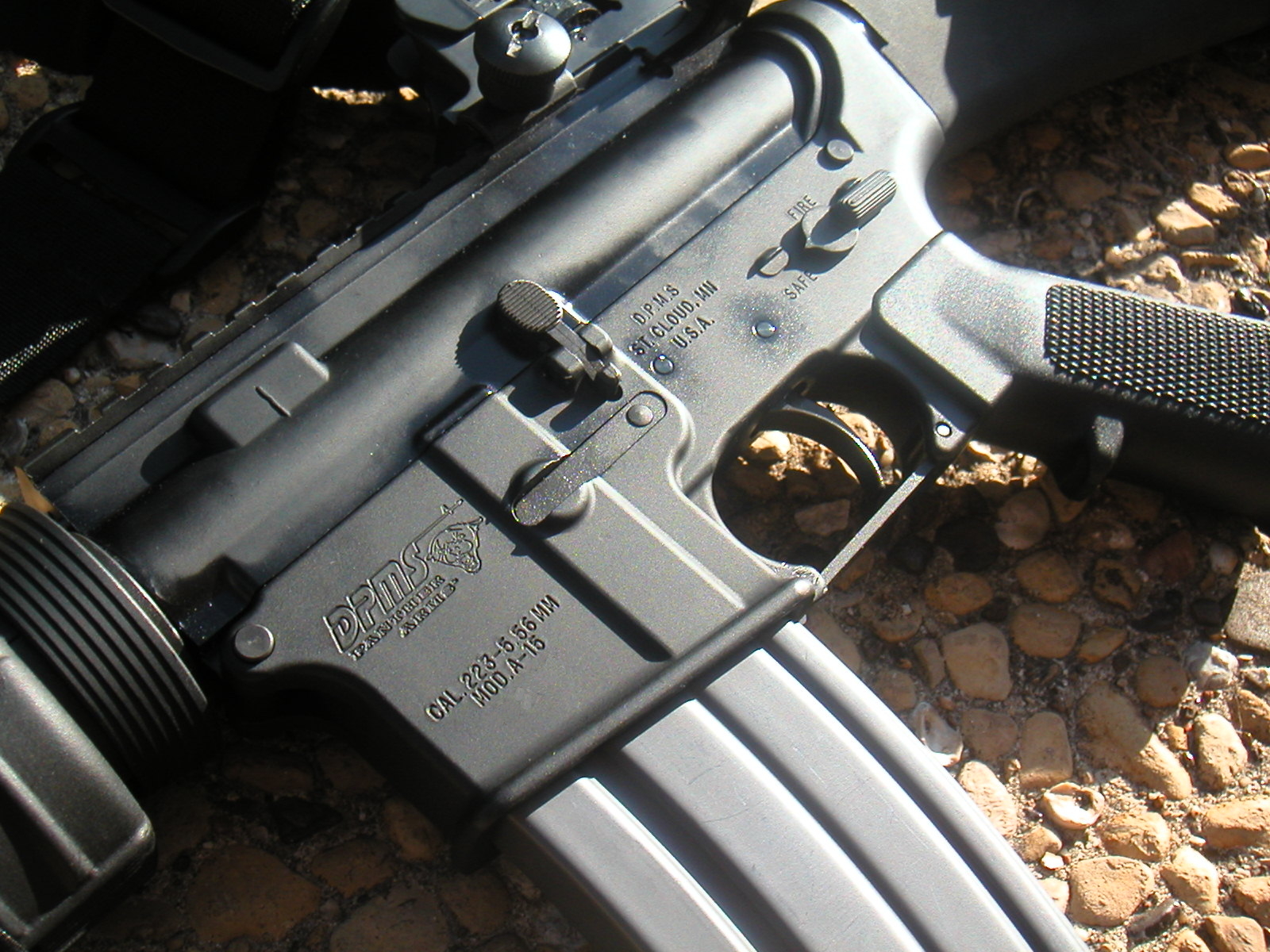
The AR-15’s connection with Vietnam developed before the M16 became standard. In 1962, DARPA’s Project AGILE obtained 1,000 AR-15 rifles and placed them with troops in Southeast Asia for field evaluation. Reports from the trials were highly favorable, particularly regarding handling and the performance of the lightweight cartridge. These results gave supporters evidence against critics who believed the smaller round was inadequate for combat. The trials did not settle every technical argument, but they demonstrated that soldiers could carry more ammunition while handling a lighter rifle. Vietnam therefore became a major proving ground for the .223 system.
4. The Cartridge Was Designed Around Speed, Not Bulk
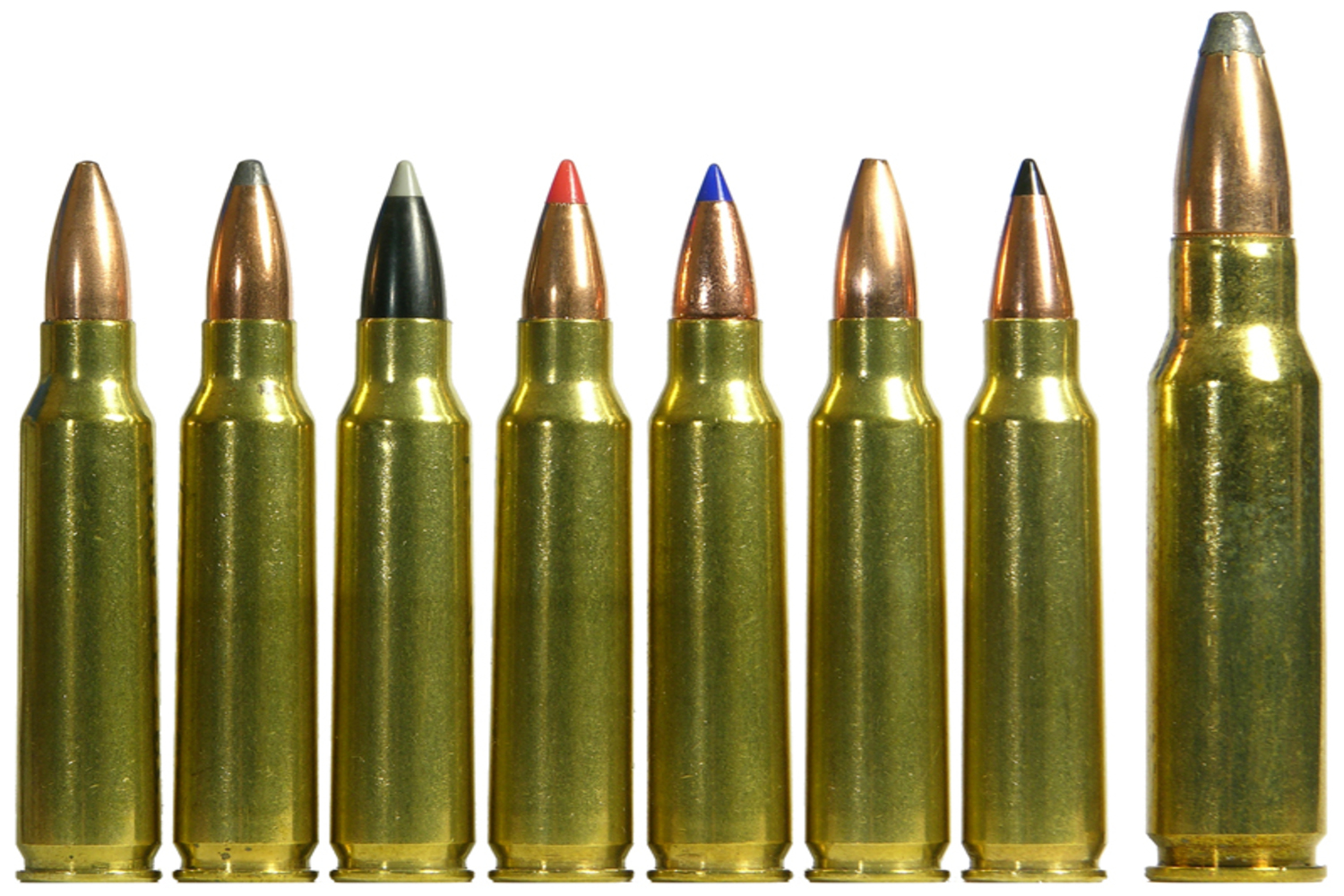
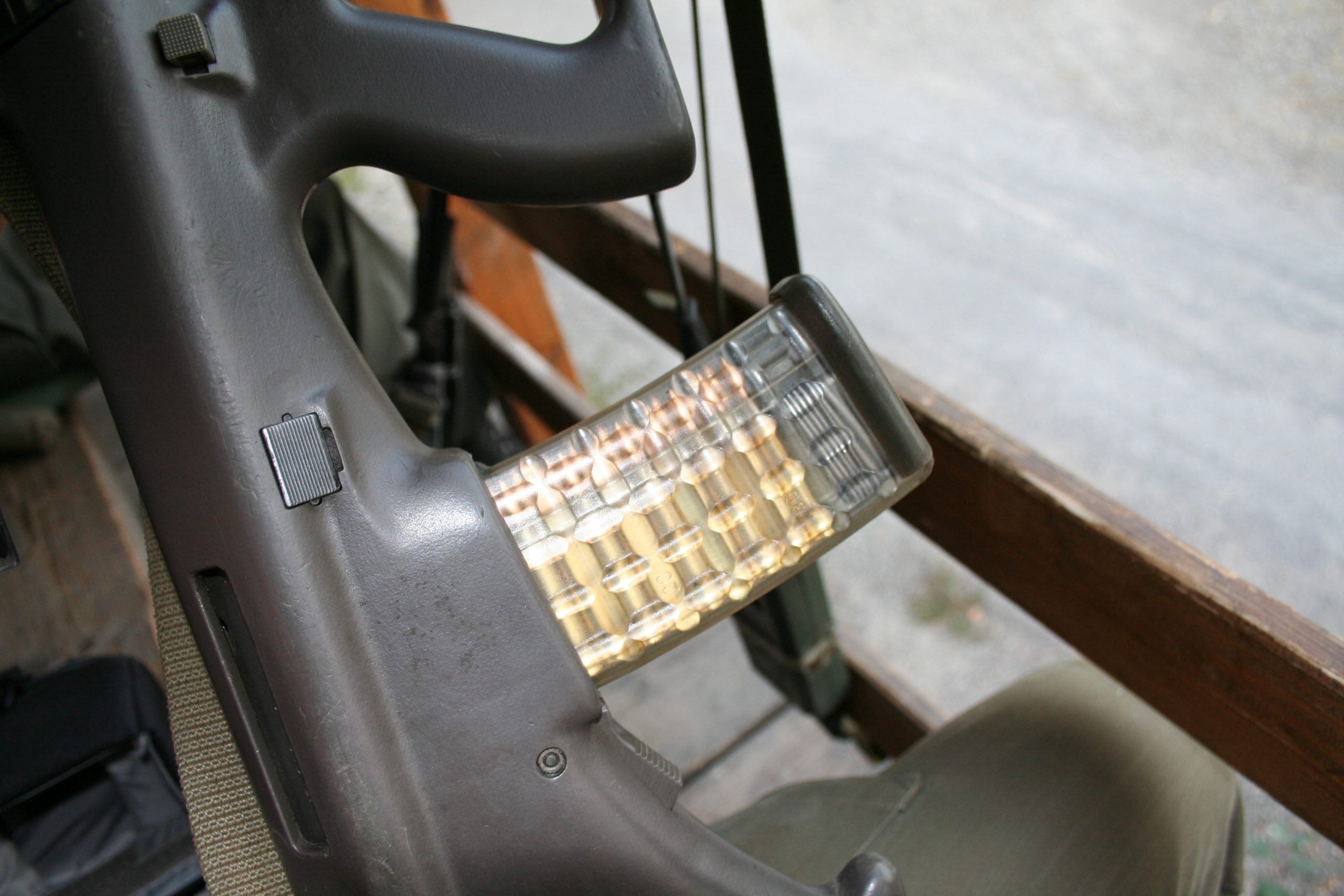
The .223 Remington is a .224-inch bullet cartridge with a rimless, bottlenecked case measuring about 1.76 inches long. Its overall cartridge length is approximately 2.26 inches, considerably shorter than traditional full-power rifle ammunition. The original military M193 load used a 55-grain bullet and produced roughly 3,250 feet per second from its specified military test setup. The idea was straightforward: use a lightweight projectile moving very quickly rather than relying on a heavy bullet. That combination reduced ammunition weight and helped create a rifle that was easier to carry and control during sustained movement or rapid fire.
5. The Early Rifle Used a 1:14 Twist
The first AR-15 Model 01 rifles used a 1:14-inch rifling twist with a 20-inch barrel. That rate gave satisfactory performance under many conditions, but later testing exposed a weakness in extremely cold environments. Air Force testing found that the lightweight projectile could become insufficiently stable at around −65°F, prompting a change to a faster 1:12-inch twist. This was an important technical adjustment because the same projectile had to remain accurate across very different environments. The episode also shows why claims that the original bullet was deliberately designed simply to tumble are misleading: stability, accuracy, and terminal behavior involved several interacting factors.
6. The M16 Controversy Was About More Than the Cartridge
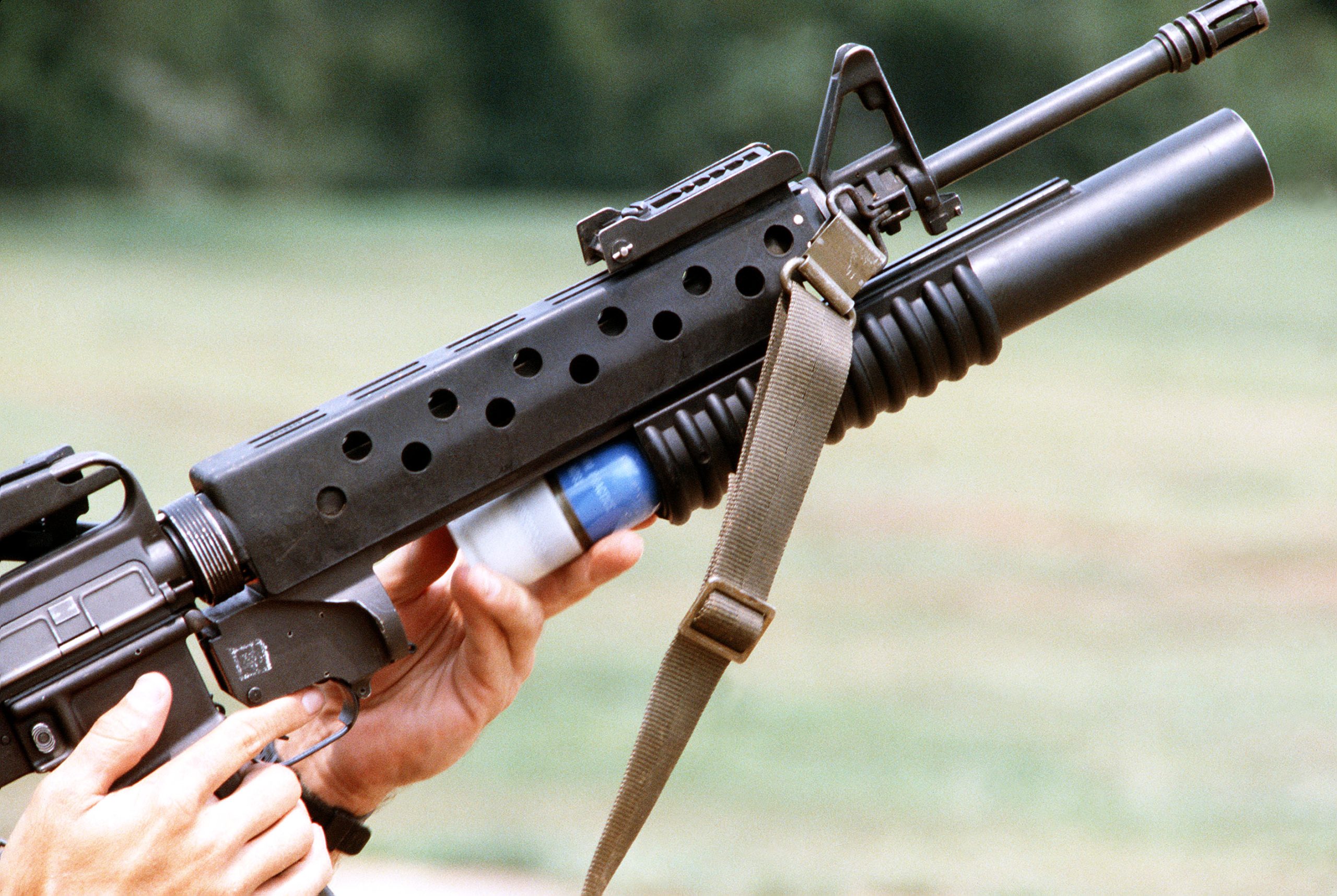
When the M16 reached large numbers of American troops in Vietnam, reliability problems became a major controversy. The failures were not simply evidence that the .223 cartridge was inherently defective. Changes in ammunition specifications, propellant selection, rifle maintenance practices, and the weapon’s operating system all contributed to the difficulties surrounding early field performance. A 1968 congressional record described the M16 controversy as centered heavily on reliability while acknowledging its strong performance. The crisis eventually drove improvements in maintenance, ammunition, and equipment. Understanding that history matters because blaming the cartridge alone oversimplifies one of America’s most complicated small-arms procurement controversies.
7. The Civilian .223 Became the Sporting Version
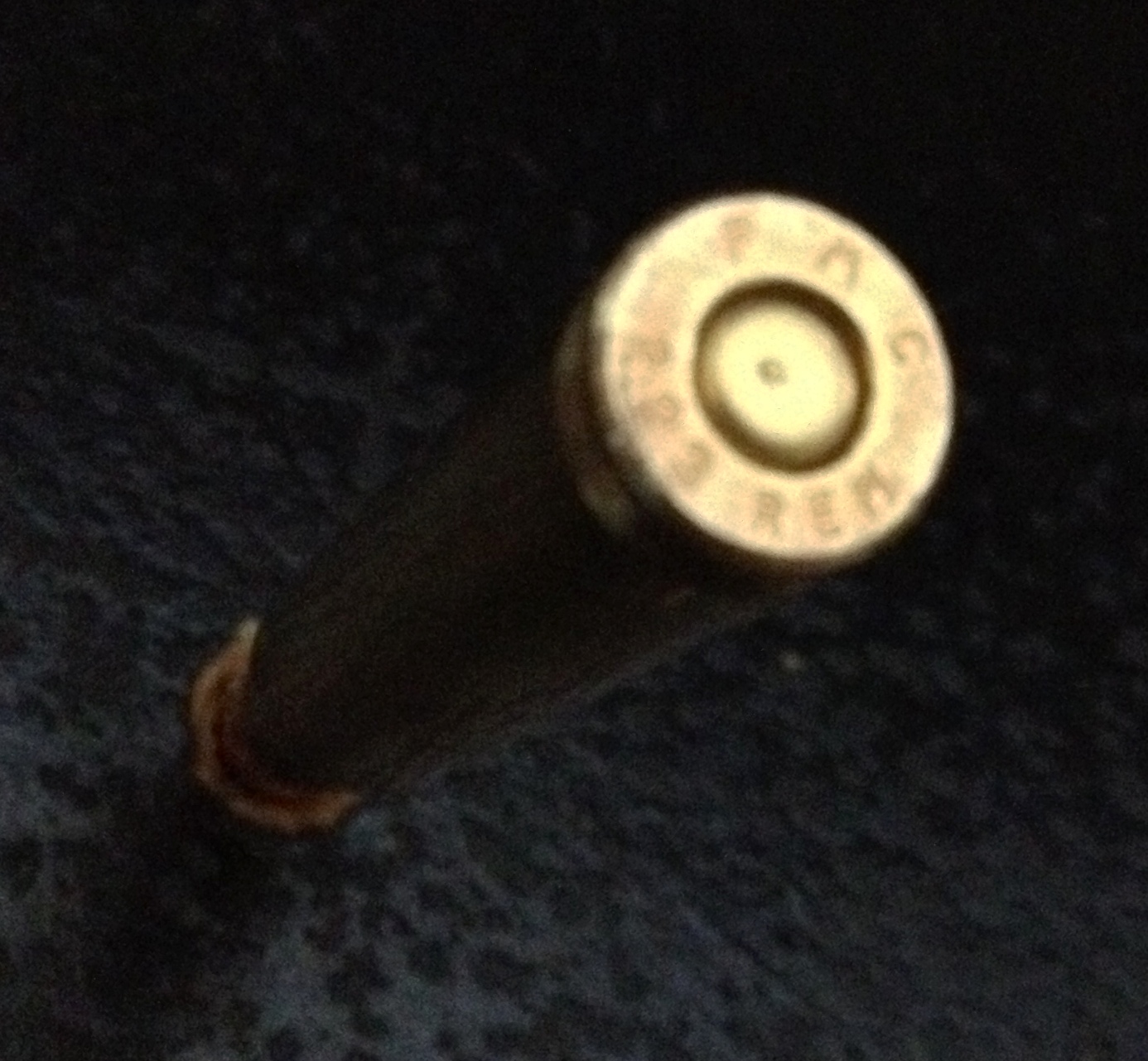
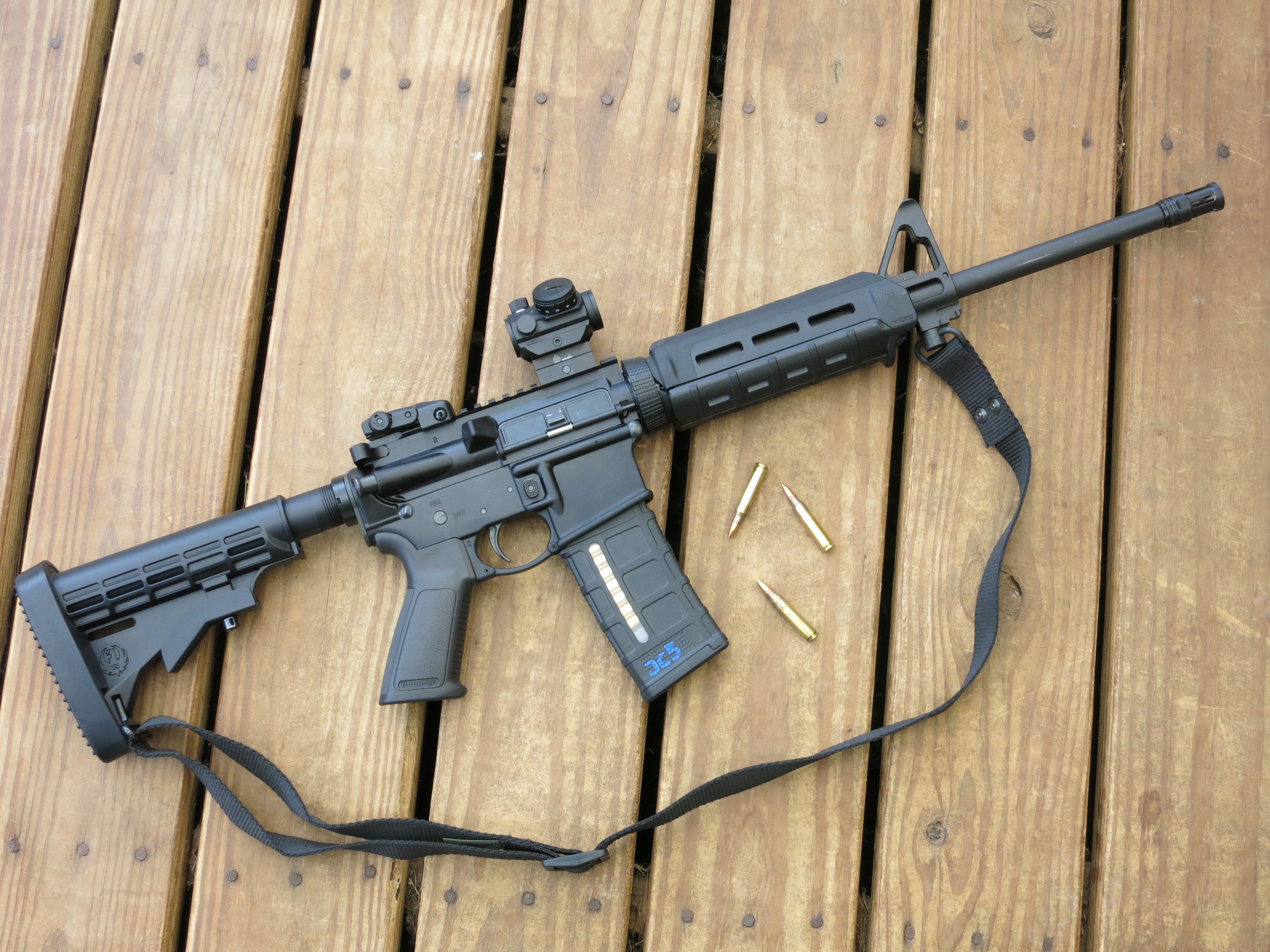
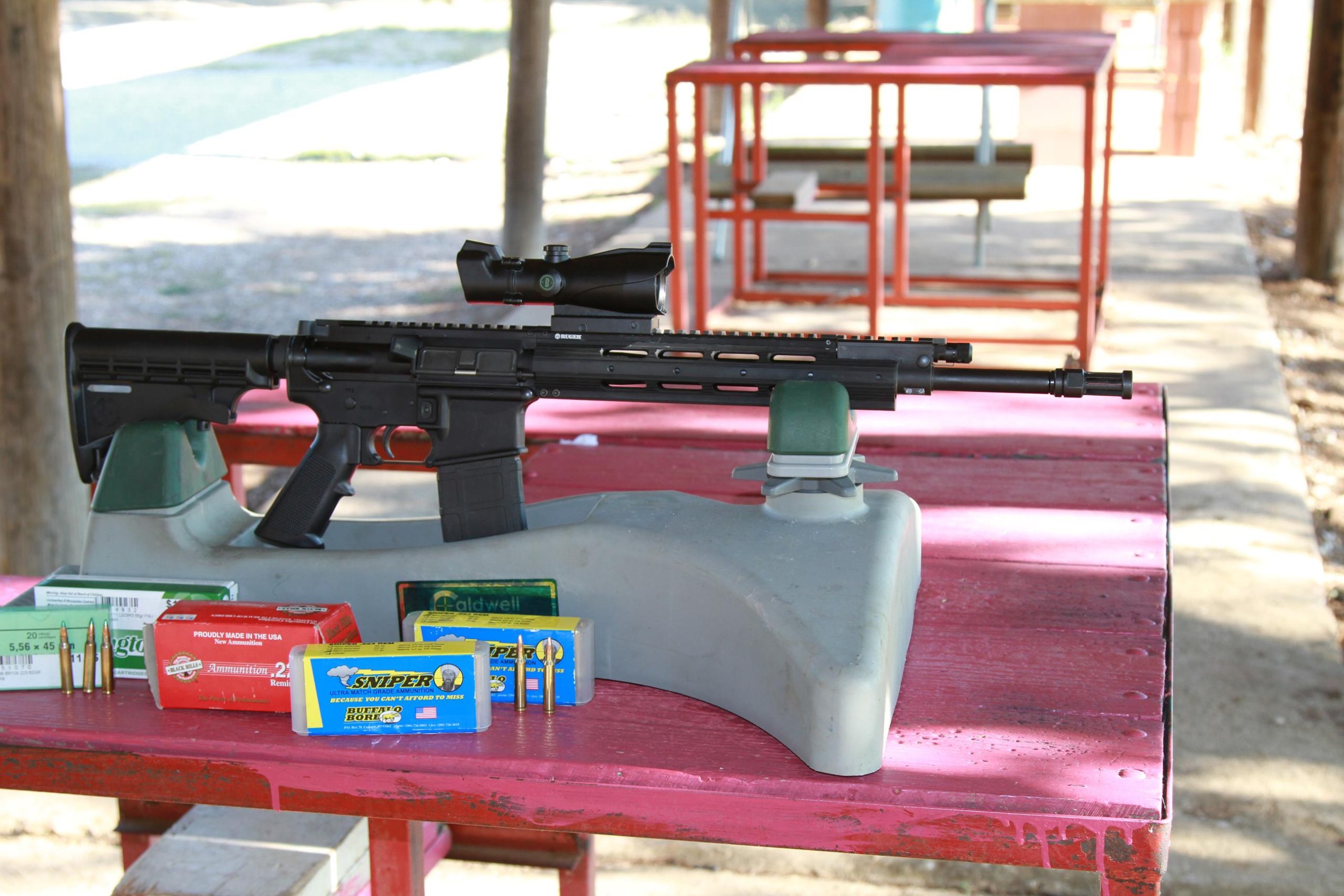
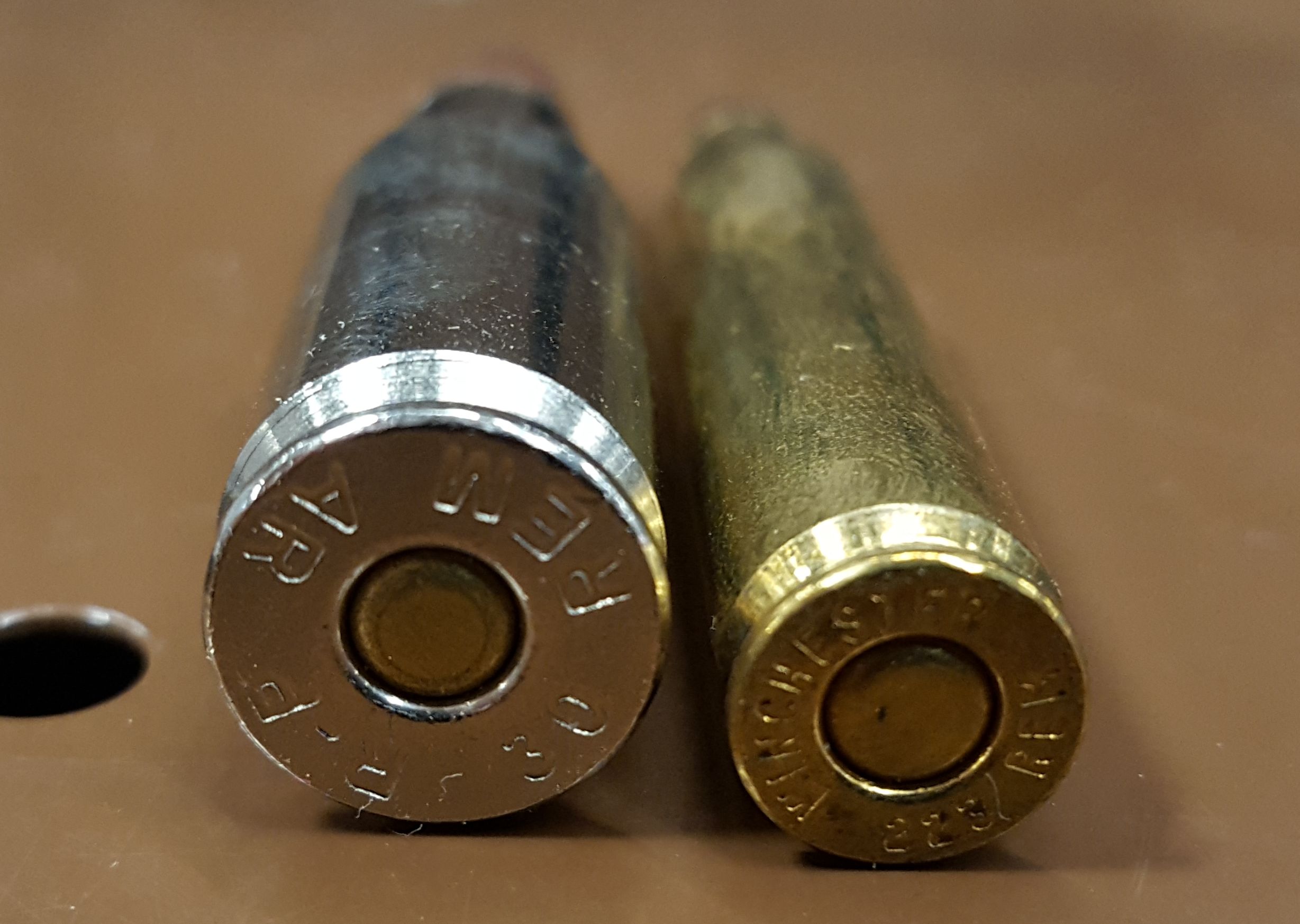
Remington submitted the .223 cartridge specifications to SAAMI in 1962, giving the military-derived design a formal civilian identity. Commercial production followed, and the cartridge quickly moved beyond its original battlefield purpose into sporting rifles and varmint hunting. Its compact dimensions, relatively light recoil, and widespread availability helped it become one of America’s best-known small-caliber centerfire cartridges. The civilian .223 and military 5.56 NATO later developed different chamber and pressure specifications, despite sharing the same basic external cartridge dimensions. That distinction remains important today: SAAMI specifically warns against assuming that every .223 and 5.56 chamber combination is automatically interchangeable.
8. The Vietnam-Era Choice Eventually Became a Global Standard
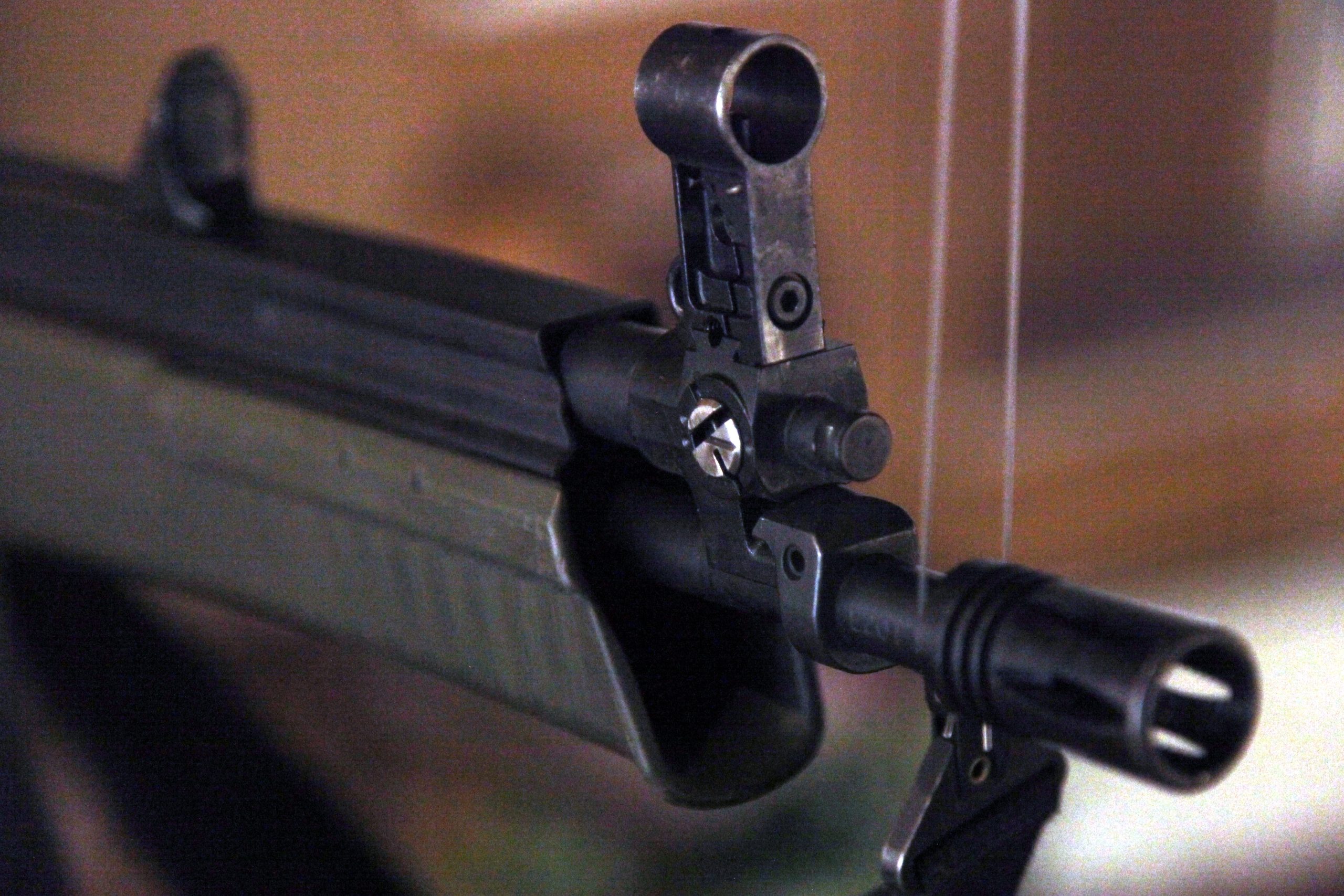
The decision to pursue a lightweight, high-velocity cartridge did not end with Vietnam. In 1970, NATO began the process of selecting a smaller-caliber rifle cartridge to supplement or replace the 7.62×51mm NATO standard. A Belgian design derived from the .223/M193 concept became the 5.56×45mm NATO SS109, using a 62-grain projectile. NATO standardized the cartridge in 1980, while the U.S. designation became M855. The military version required different chamber and rifling considerations from the original .223/M193 system. What began as a controversial American experiment therefore evolved into one of the most influential rifle-cartridge families of the modern era.