Wildlife encounters are not automatically becoming more dangerous, but in several states the distance between people and wild animals is shrinking. Drought, expanding development, food attractants, and heavier outdoor recreation can all increase the number of close encounters. Recent reports show unusual bear activity across the West, while wildlife agencies continue warning residents about predators entering populated areas. The numbers below are not a ranking, and state reporting systems differ, so a rise in reports should not be read as proof that every encounter is more likely to end in an attack.
1. Utah
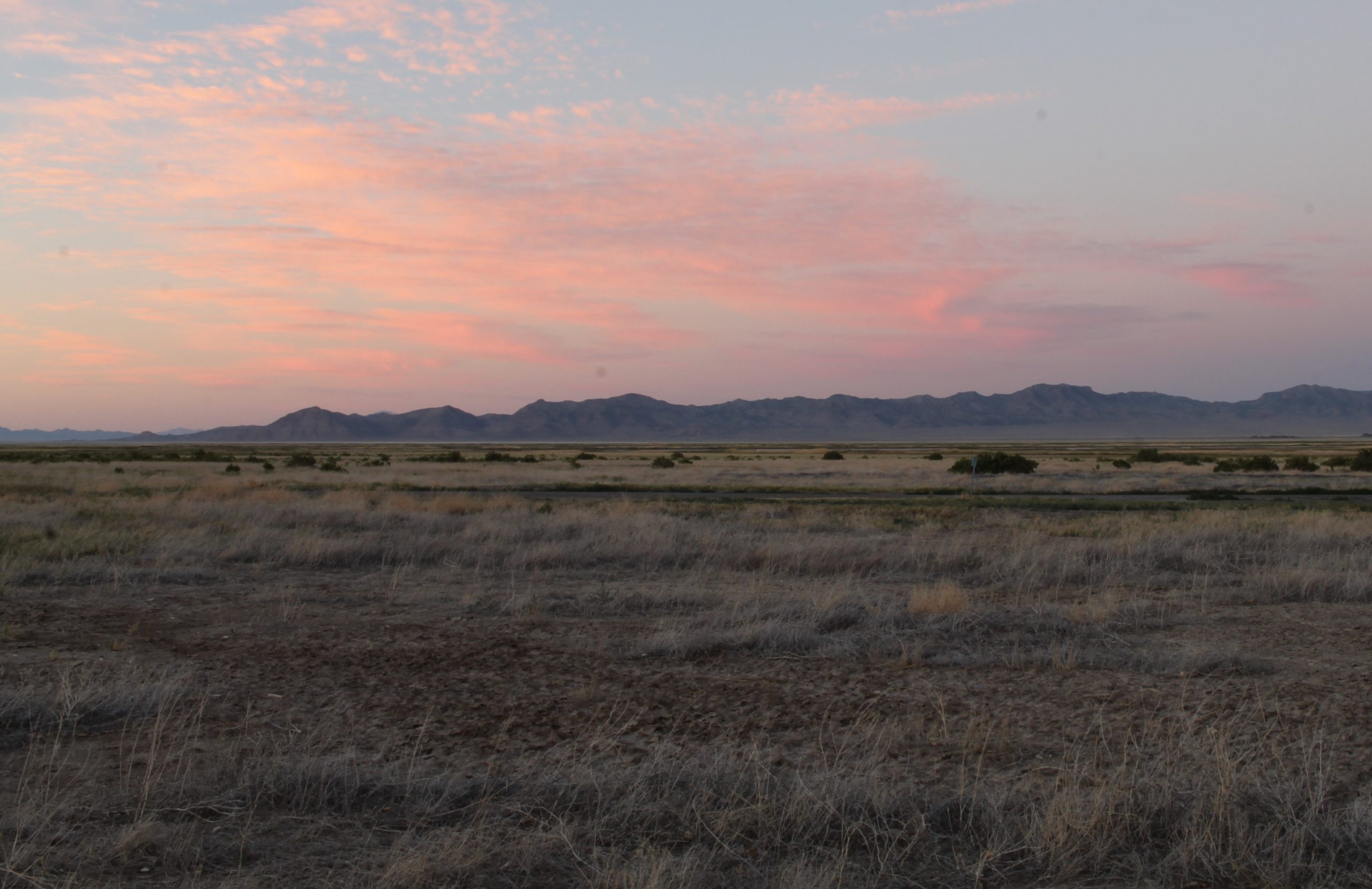
Black bears moved into places they normally avoid as drought squeezed natural food. On August 25, 2026, Utah DWR had already logged 168 bear-issue responses, exactly double the 83 recorded in all of 2025. Bears were turning up at lower elevations and in neighborhoods while searching for calories, making garbage, fruit, and other attractants more important than ever. The risk is not that every bear is aggressive; the bigger change is more overlap. DWR says Utah’s bear population is larger than 30 years ago, while development continues along canyons and foothills. Campers and residents should treat a bear near food as a serious warning today.
2. Colorado
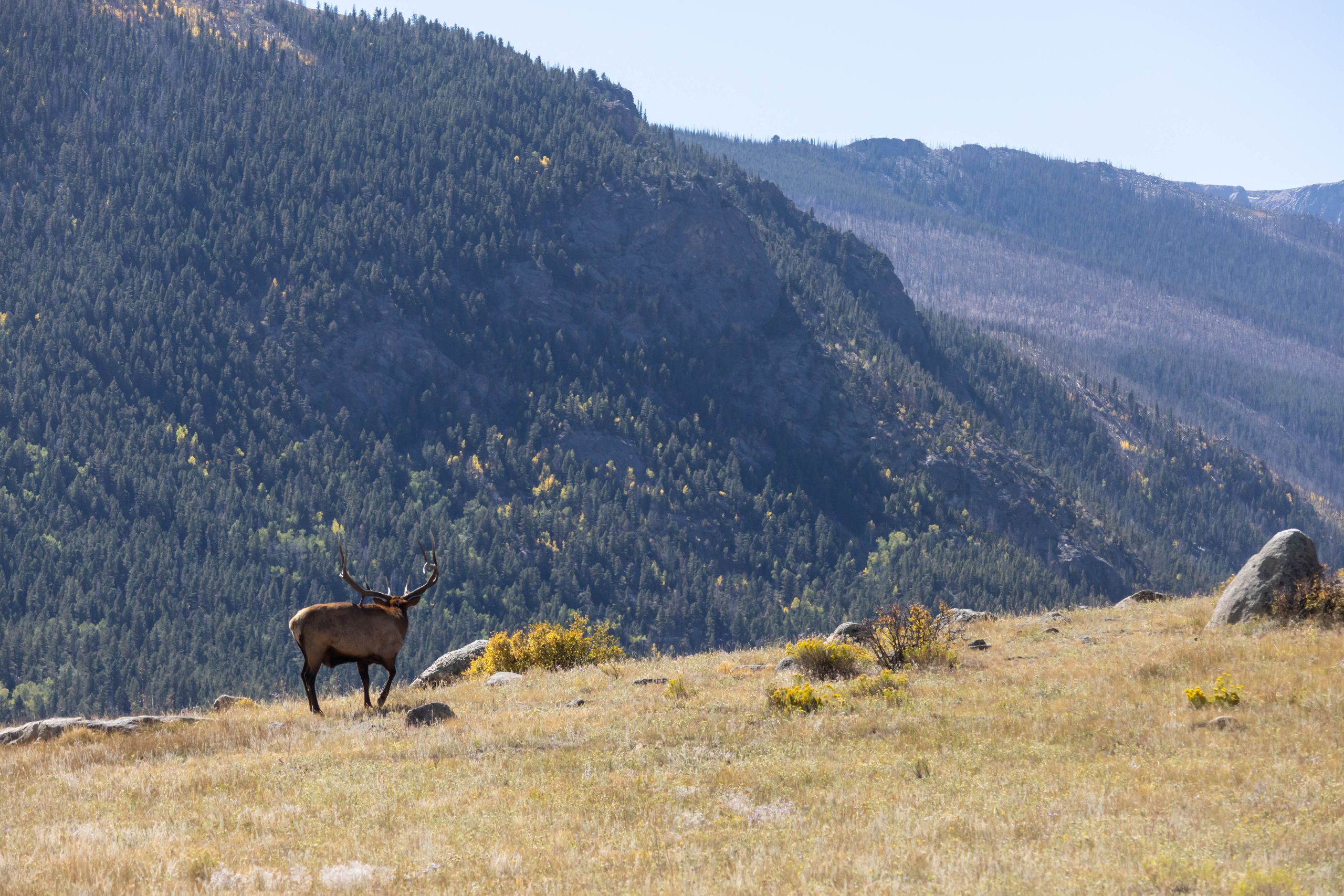
Colorado’s 2026 bear season has moved beyond a normal busy year. By mid-August, CPW had received 6,129 bear sightings and incident reports, nearly double the 3,115 recorded over the same period in 2025. This total includes sightings, conflicts and other reports, not simply attacks. The spike has been tied to dry conditions that reduced natural food in parts of the state, pushing bears toward homes, vehicles, campgrounds and businesses. In 2025, CPW recorded thousands of reports and 2,448 cases with property damage. The pattern is clear: more encounters mean more opportunities for food conditioning and sudden close-range encounters too.
3. Arizona
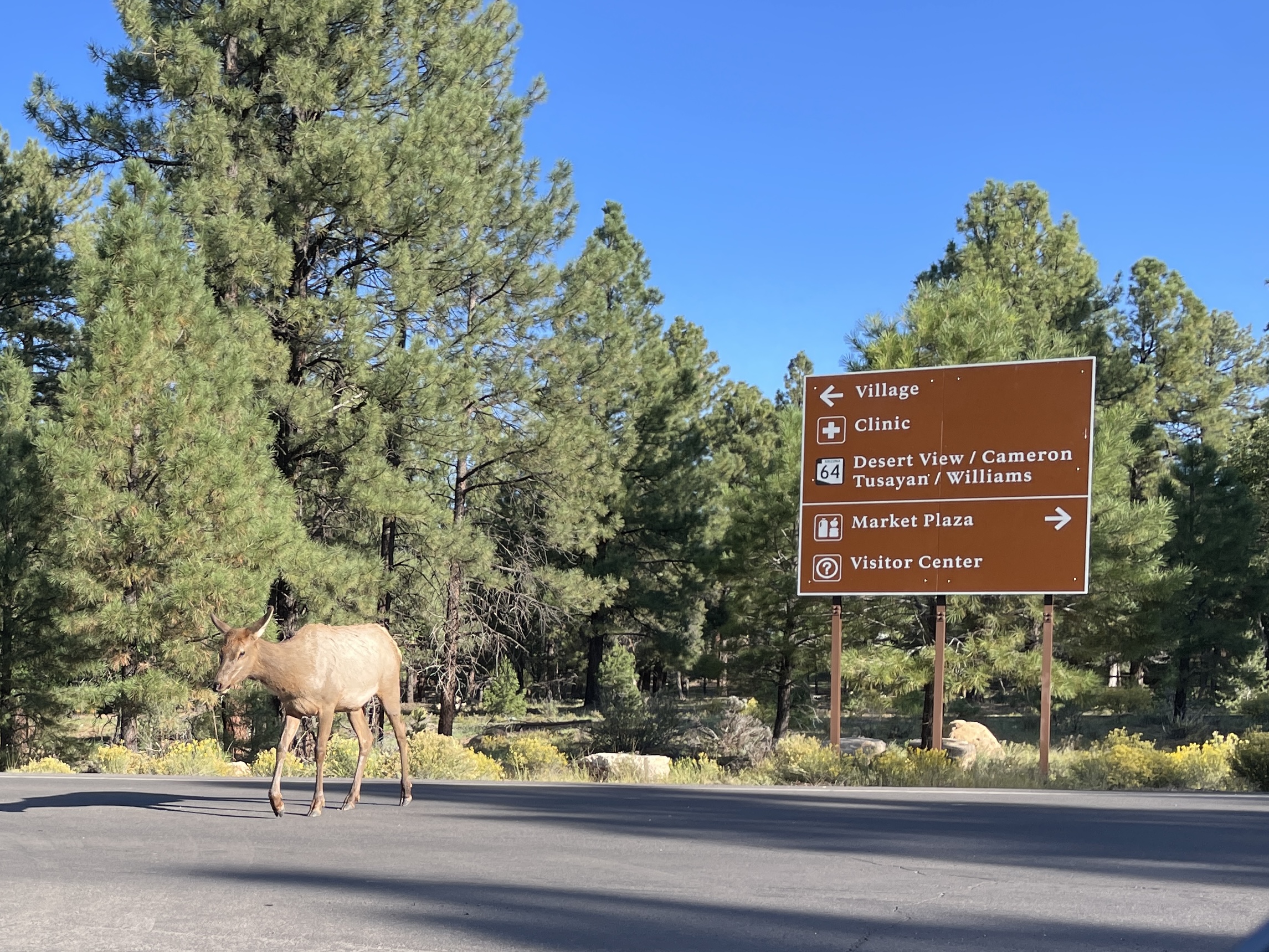
Mountain lions are not suddenly hunting people, but their growing overlap with developed areas deserves attention. Arizona Game and Fish received 531 mountain-lion-related public calls in 2025. The agency says lions are widely distributed statewide and have expanded into southwest Arizona, where they were once mainly transient. Habitat fragmentation, drought and population growth can all increase encounters, especially around the wildland-urban edge. Most sightings remain nonaggressive, and attacks are rare, yet a large predator using neighborhoods, trails or livestock areas can create a dangerous surprise. The basic response is distance, eye contact and a clear escape route.
4. Tennessee
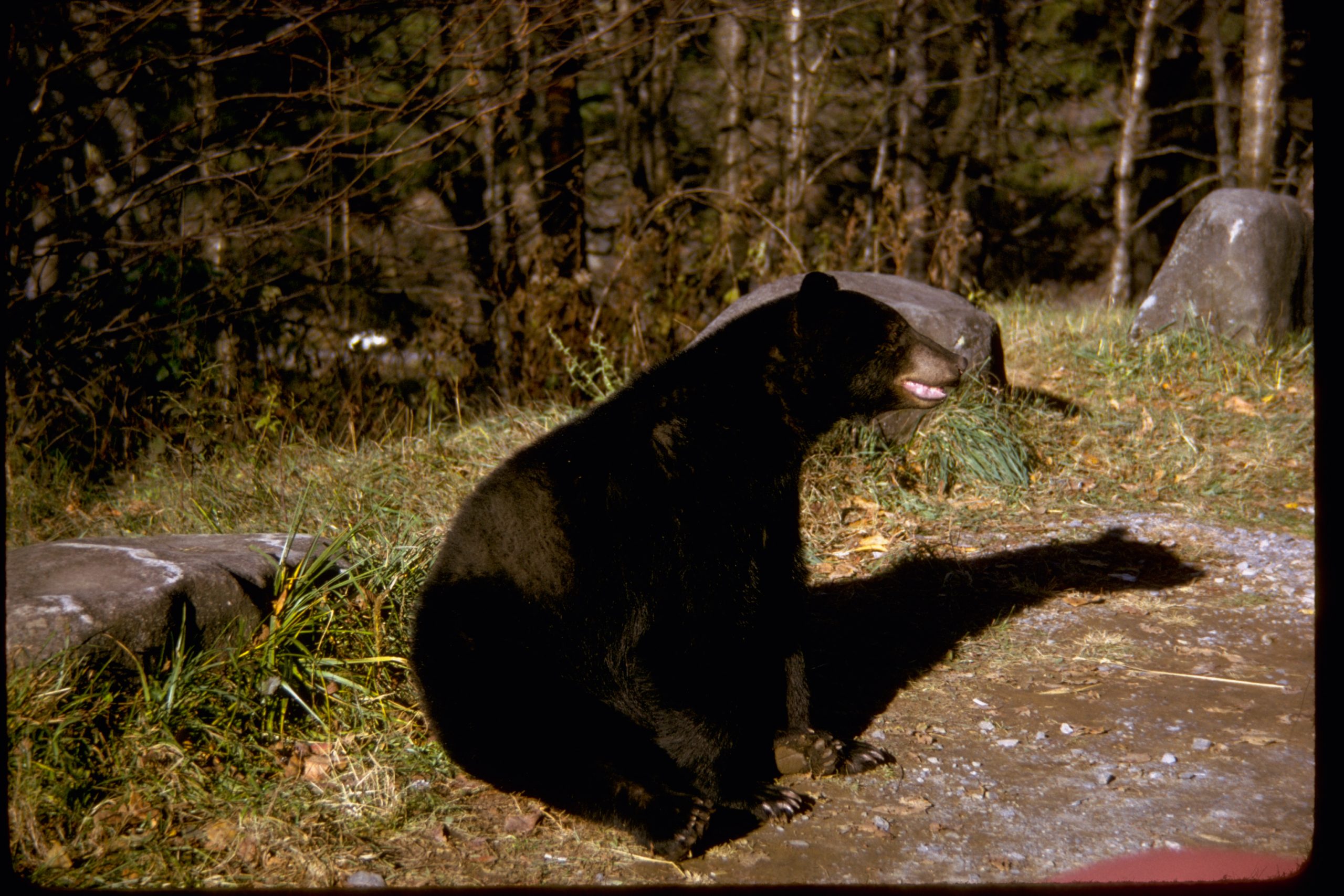
Black bears are expanding beyond the places where residents once expected them. TWRA estimates roughly 5,000 to 6,000 bears statewide and says it receives more than 1,200 bear-conflict reports each year, with about 80% tied to trash. Reports are also appearing more often in Middle Tennessee, while bear populations in nearby Kentucky, Mississippi and Arkansas continue expanding. That combination increases the chance of surprise encounters outside traditional bear country. Bears usually avoid people, but repeated access to garbage can reduce that avoidance. Keeping trash secured and never feeding wildlife remains a simple way to prevent a close encounter from becoming a conflict.
5. Washington
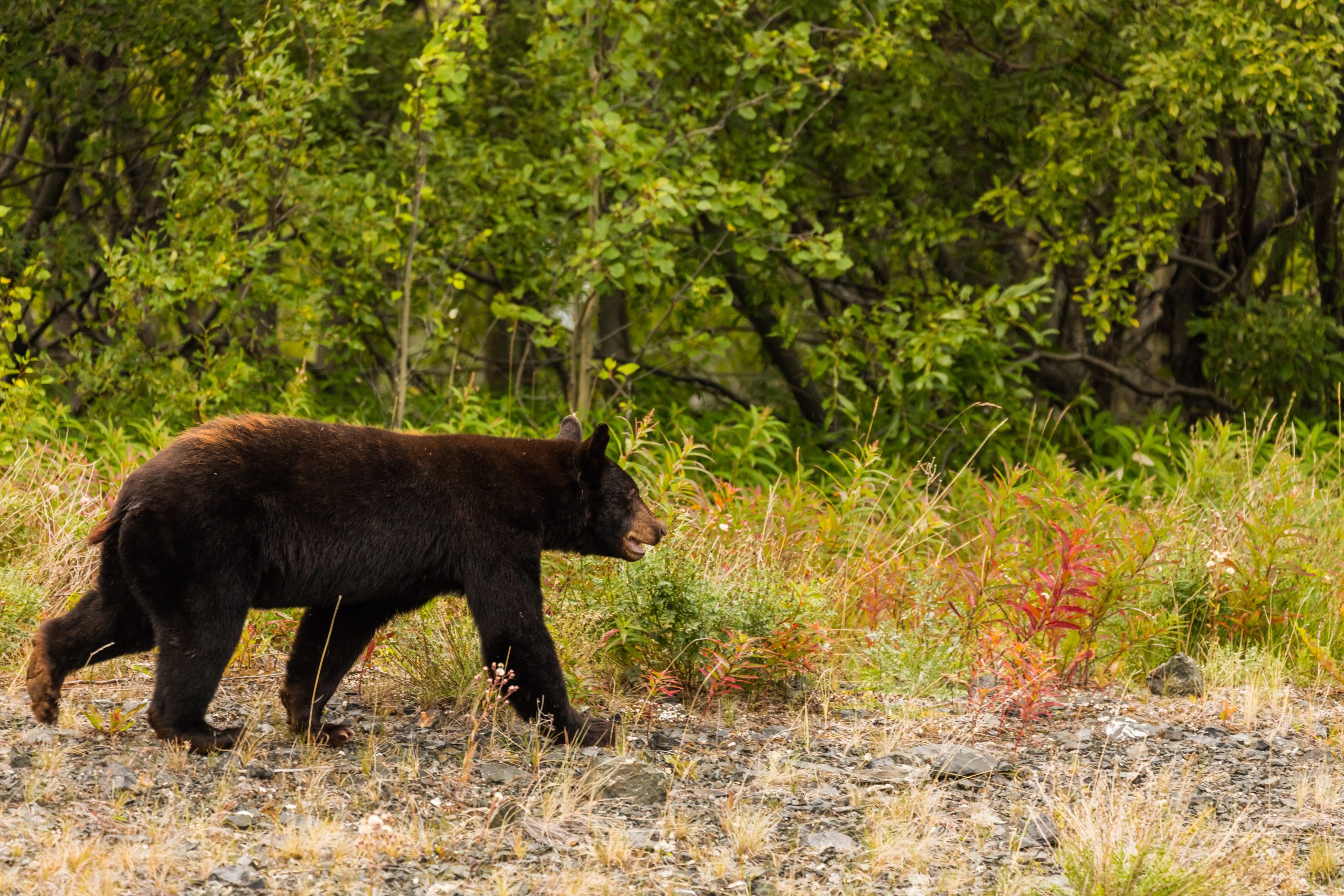
The concern is less about a sudden wave of attacks and more about repeated contact around homes and recreation areas. WDFW says its offices receive hundreds of black-bear complaints annually, with 95% of calls linked to human-provided attractants such as trash, pet food, bird feeders or poorly stored camping food. In June 2026, a black bear charged hikers near Mount Si and scratched a teenage boy, prompting a trail closure while officers searched. Cougar conflicts are also tracked statewide, with 89 conflict mortalities recorded in 2025. More people living and recreating near habitat means fewer mistakes can have larger consequences.
6. California
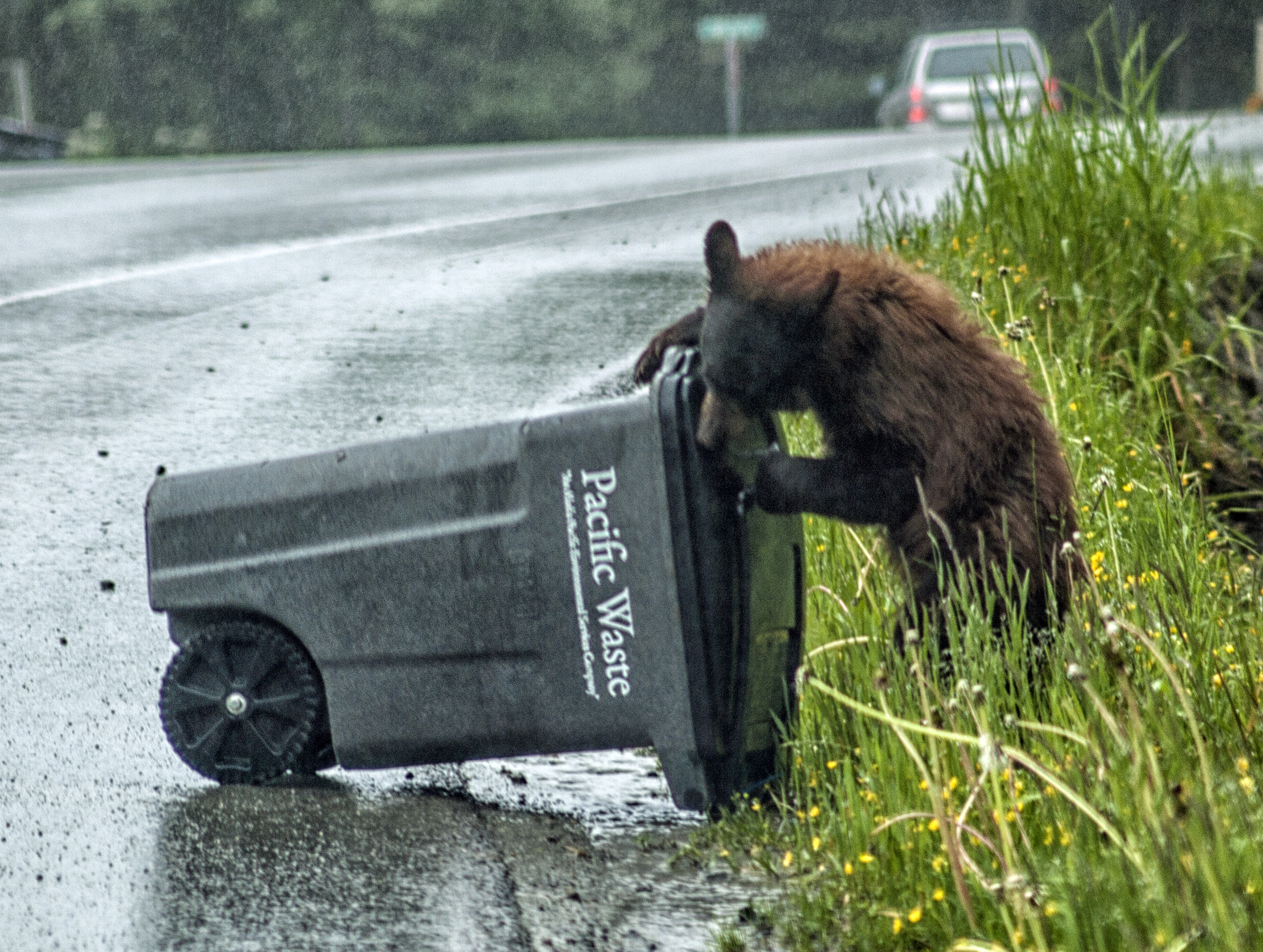
The biggest warning sign is how accustomed some bears have become to human food in the Lake Tahoe Basin. CDFW says black-bear conflicts there have increased in recent years, and by summer 2025 its Trap-Tag-Haze program had documented more than 360 individual bears. One conflict bear was linked by DNA to at least 12 home invasions after July 20, 2025, while another entered an occupied trailer and injured a camper in June. CDFW notes that human injuries remain rare statewide. Still, repeated break-ins show how food conditioning can turn a normally wary animal into a persistent neighborhood problem, especially around campsites alone.
7. Montana
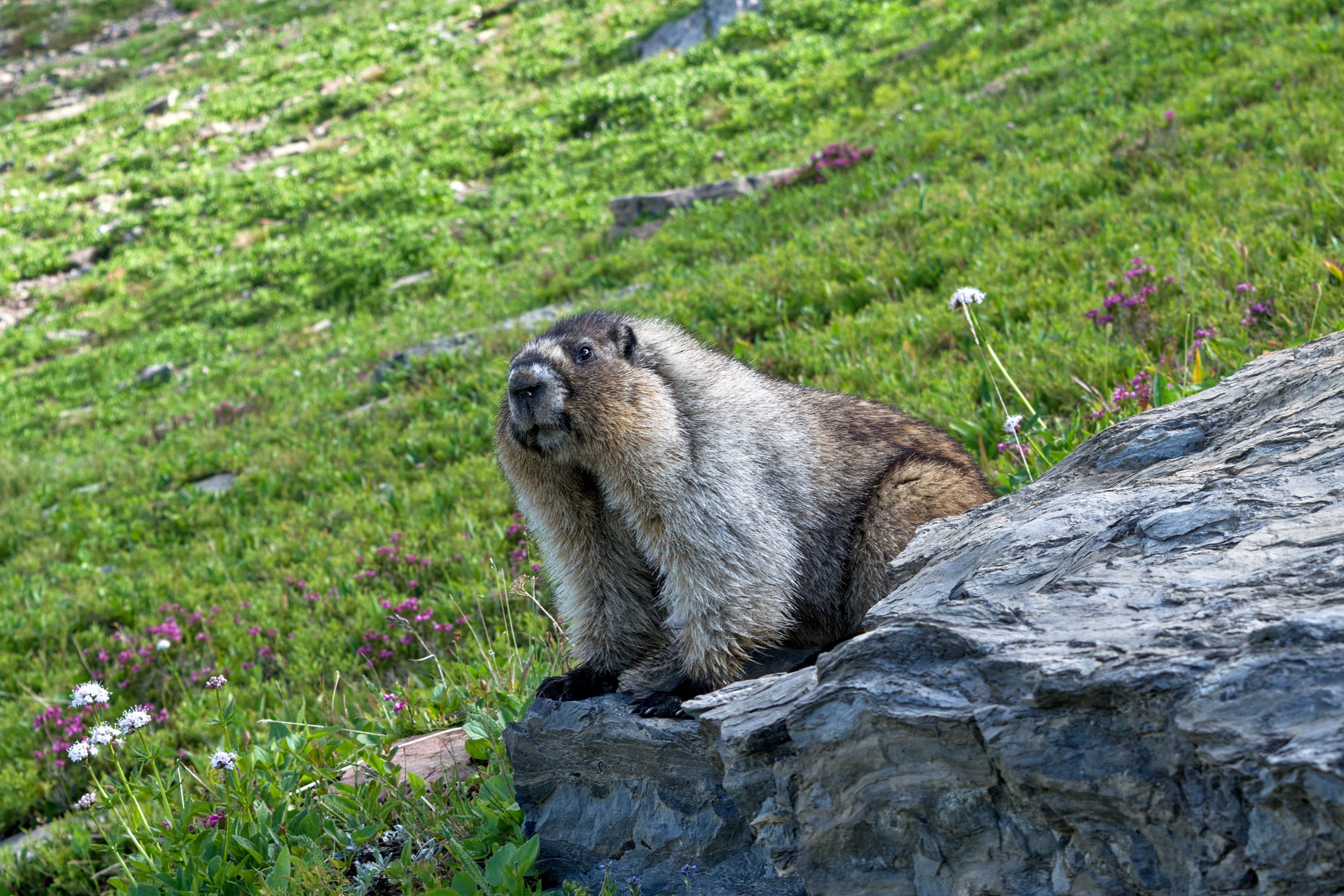
Bear country is spreading into places where grizzlies have been absent for decades, increasing the chances of crossing paths. In 2024, Montana FWP’s North-Central Region responded to 81 human-grizzly conflicts and 43 additional complaints. The statewide Central Yellowstone Ecosystem report recorded 321 bear-conflict calls, including 45 involving grizzlies, with 217 site visits. FWP’s current records also show multiple 2025 bear relocations caused by human conflict. The lesson is not that every encounter is dangerous, but that more people, livestock and recreation are overlapping with recovered bear populations. Remote does not always mean isolated anymore.
8. North Carolina
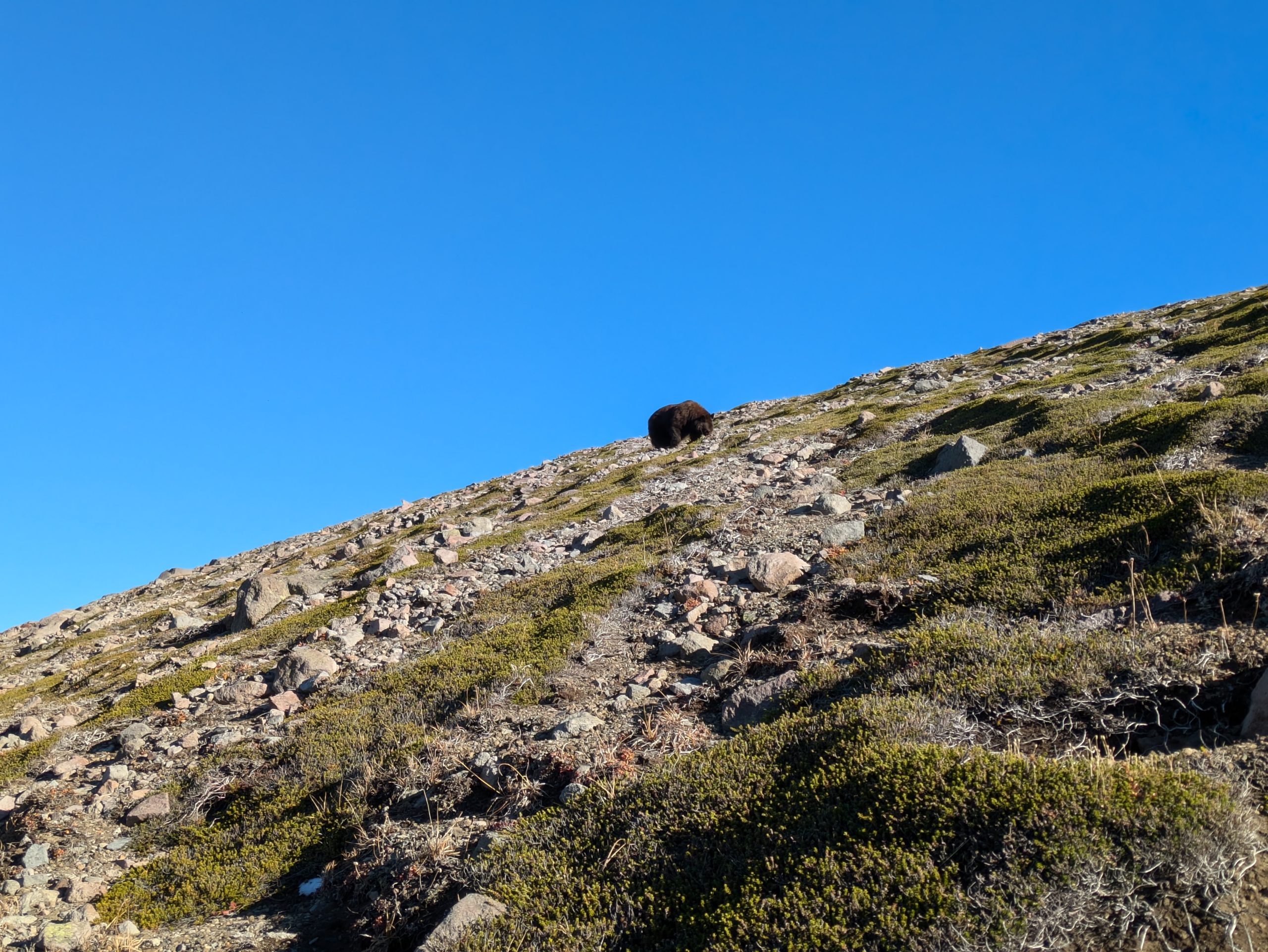
Black bears are becoming a more ordinary part of developed landscapes as both people and bears expand their range. NCWRC says bear populations are increasing and their range is expanding, while new homes are being built in occupied bear habitat. The agency also reported that bear calls are on the rise. During fall hyperphagia, bears can eat for up to 20 hours a day and gain up to 3 pounds daily, driving more movement through neighborhoods and across roads. That does not make bears inherently aggressive, but a hungry animal repeatedly rewarded by garbage, livestock feed, or birdseed is far more likely to create a dangerous encounter.