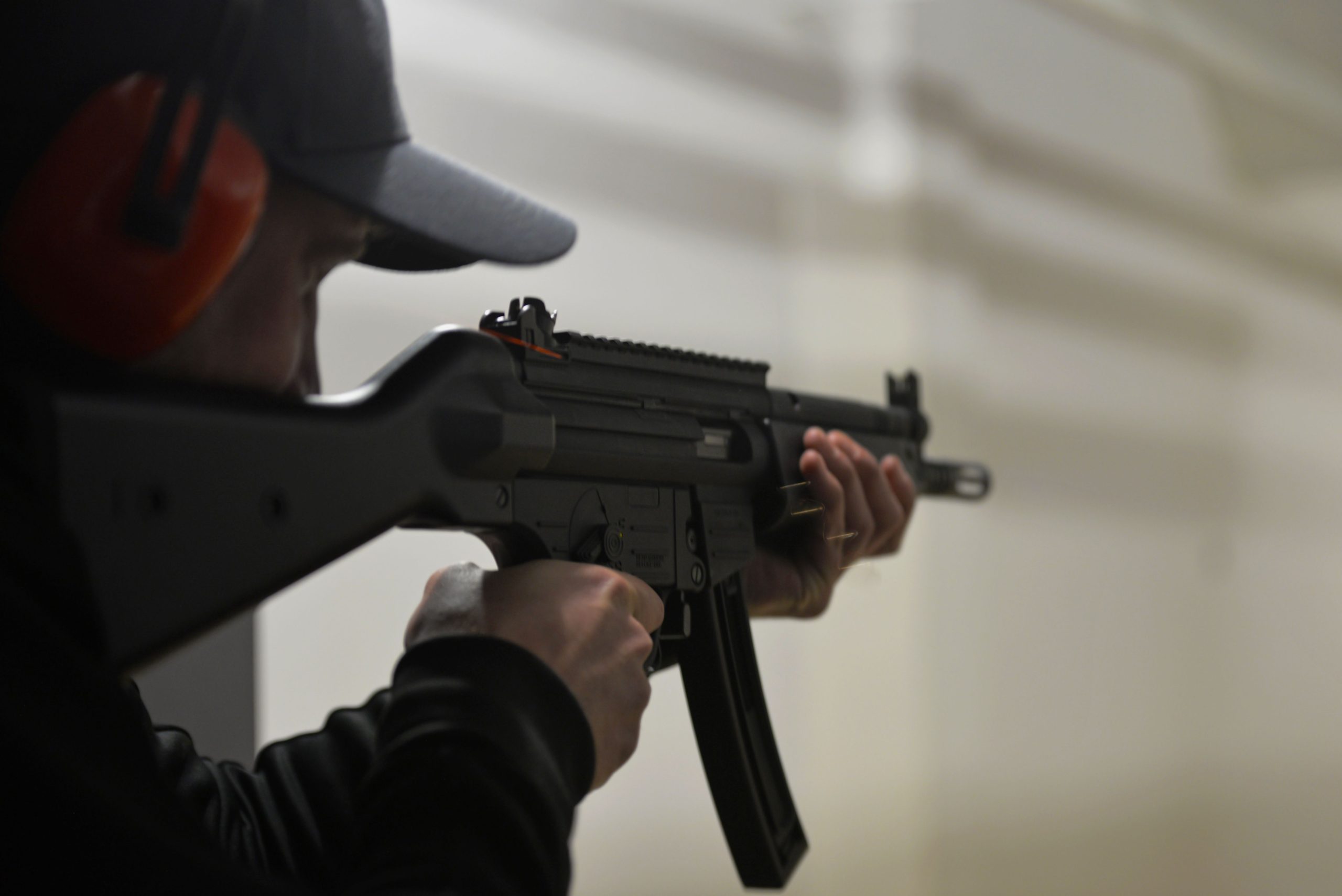
Few World War II weapons are as instantly recognizable as the MP40. Its folding stock, 9 mm cartridge, and distinctive magazine have made it a fixture of photographs, films, and popular history. Yet one of its most famous names is also its biggest historical mistake. Allied soldiers commonly called it the “Schmeisser,” even though Hugo Schmeisser did not design the MP40. Behind that misconception is a fascinating story of engineering, wartime manufacturing, and battlefield evolution.
1. “Schmeisser” Was Never Its Official Name
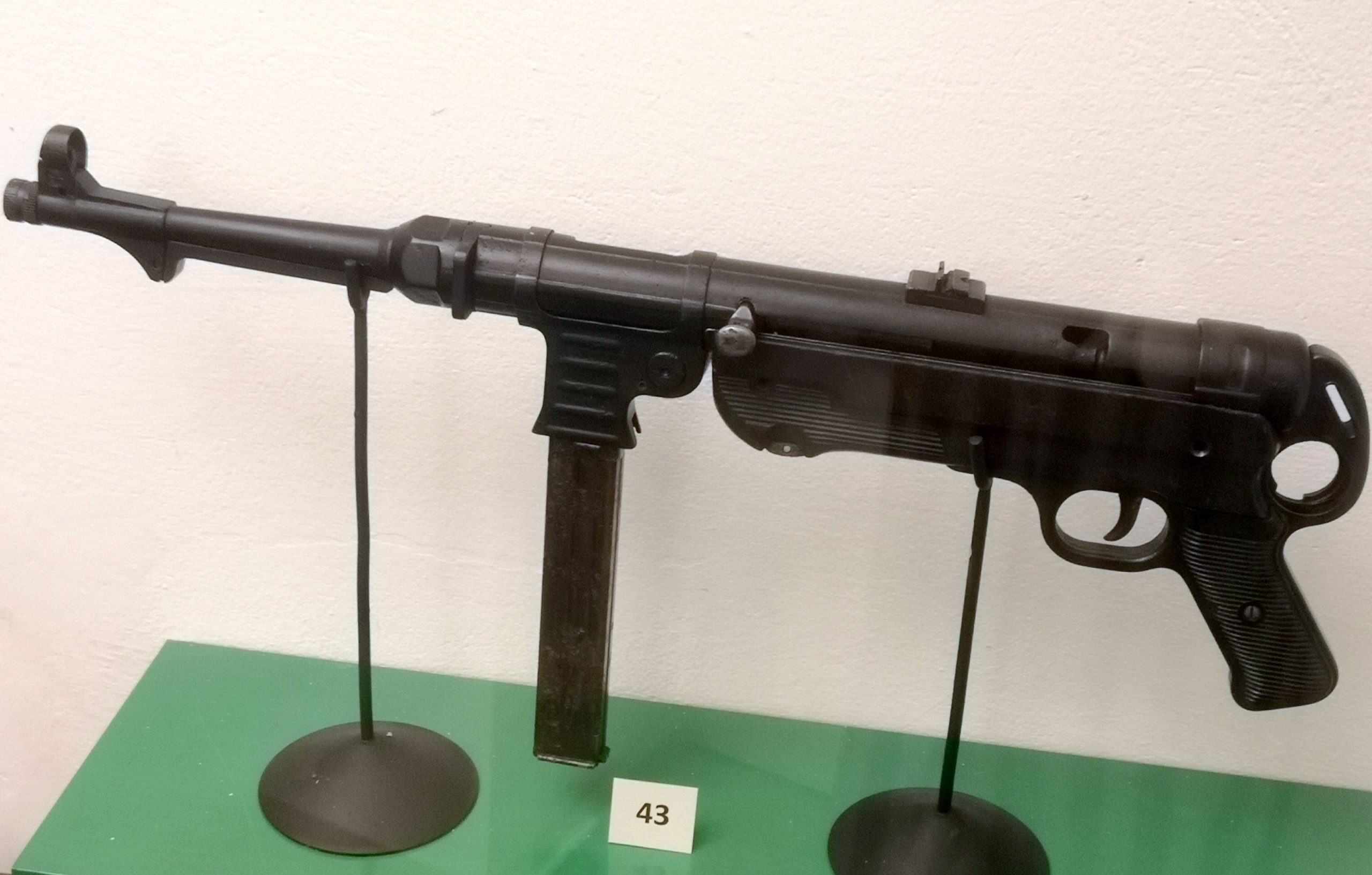
The MP40 was officially designated Maschinenpistole 40, meaning “machine pistol 40.” The famous “Schmeisser” label came from Allied soldiers and later popular culture, not from German military terminology. Hugo Schmeisser was a prominent German weapons designer, but he did not design the MP40. The confusion was partly fueled by magazines associated with his patent and manufacturing company. The actual weapon grew from Heinrich Vollmer’s work at ERMA and evolved from the MP38. So the nickname survived, while the real designer largely disappeared.
2. Heinrich Vollmer Was the Designer Behind It
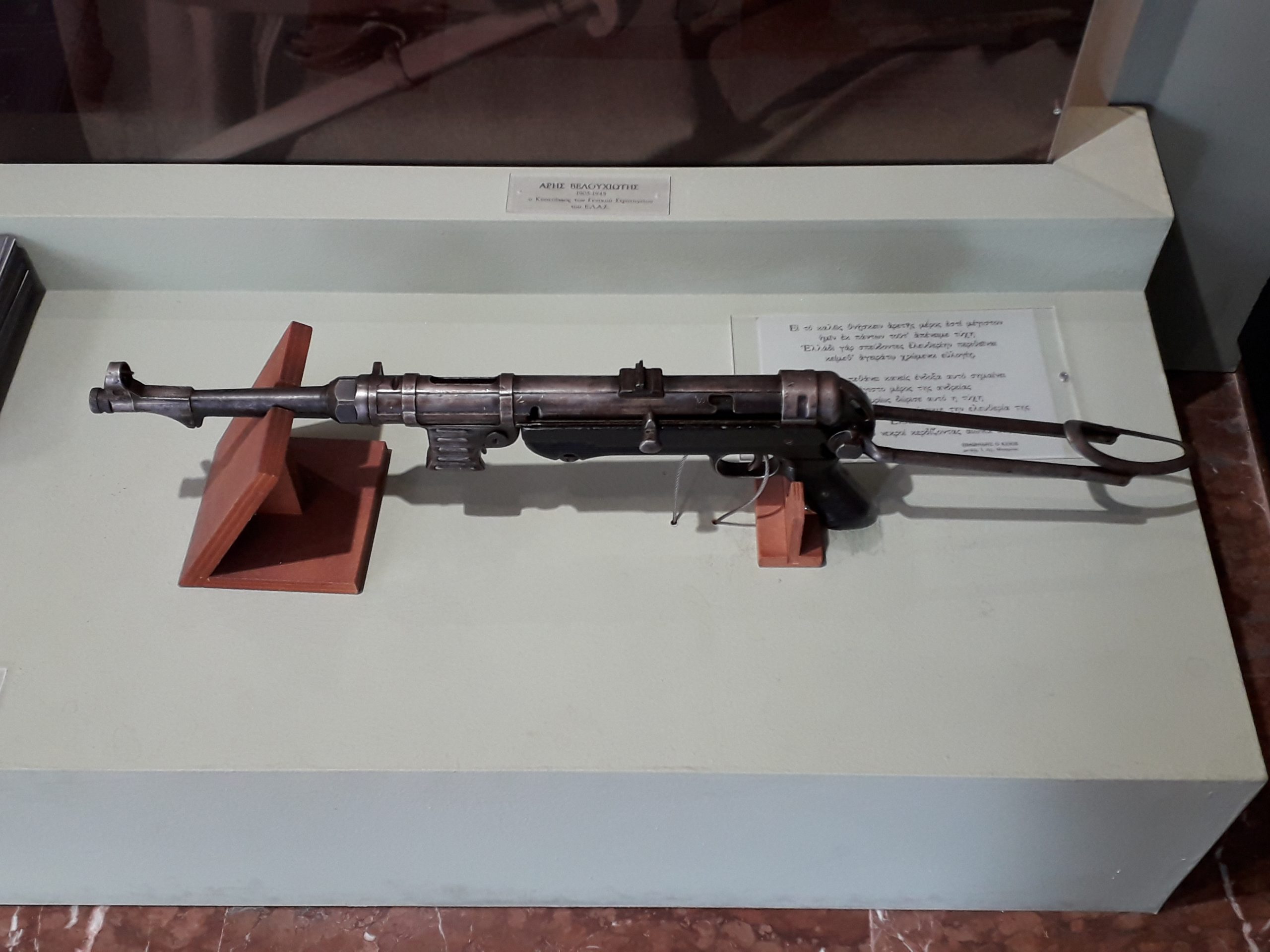
The MP40’s story begins with Heinrich Vollmer, whose earlier work influenced the ERMA series that eventually produced the MP38 and MP40. The MP38 entered German service in 1938, while the simplified MP40 followed around 1940. Vollmer’s design philosophy emphasized a compact weapon suitable for mechanized troops and close-range combat. Schmeisser’s name became attached to the gun later, but the engineering lineage points elsewhere. The MP40 was therefore not a Schmeisser creation wearing another designation. It was essentially Vollmer’s development of an existing ERMA design.
3. The MP40 Was Built to Be Cheaper Than the MP38
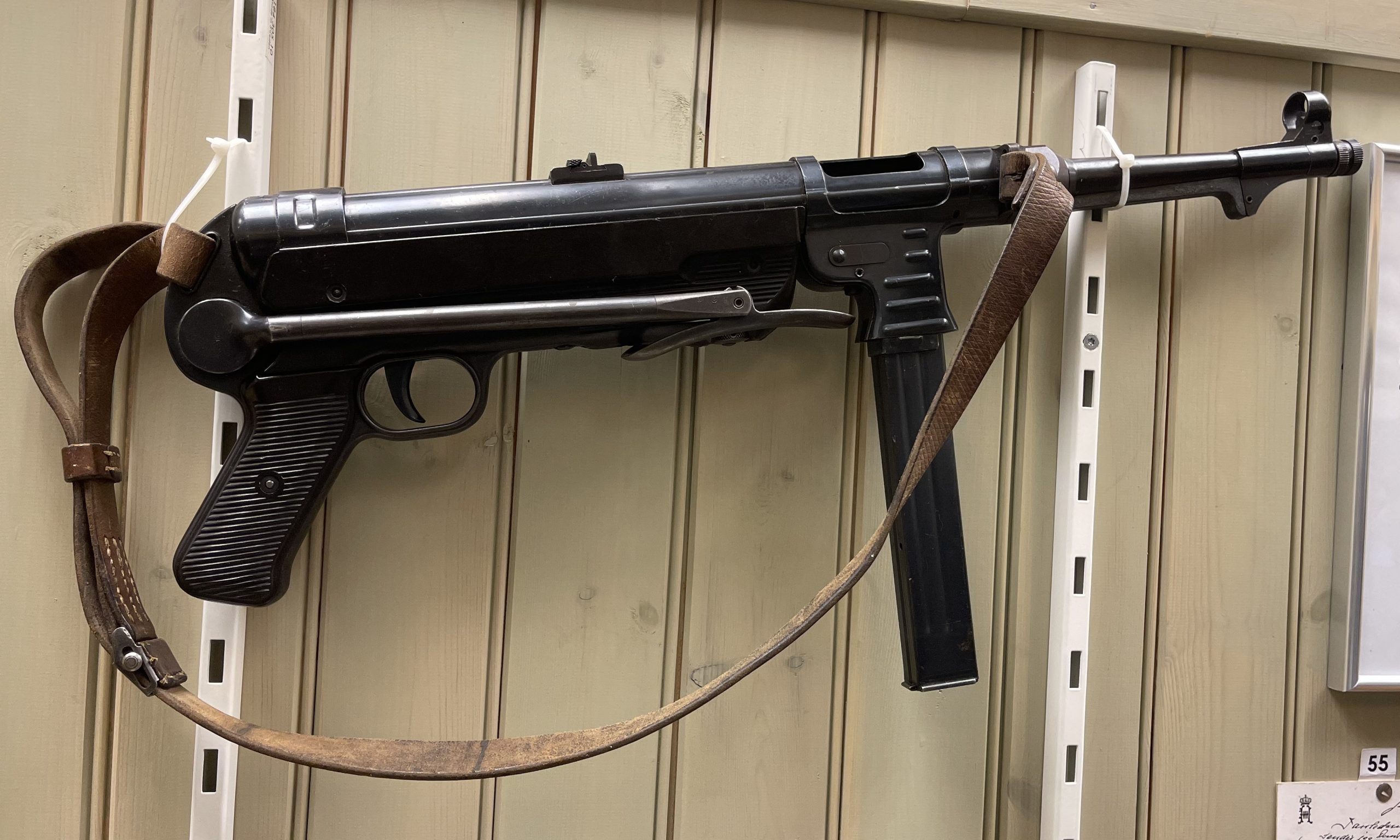
The MP38 looked advanced, but it relied heavily on machined components and was expensive to manufacture. The MP40 addressed that problem by using substantially more stamped and welded metal parts, reducing manufacturing complexity and material costs. This was crucial as Germany prepared for a prolonged war. The MP40 therefore represented an important production lesson: a military weapon did not need to be exquisitely machined if simpler construction could deliver adequate battlefield performance. This change also explains why the MP40 should not simply be treated as a cosmetic update of the MP38.
4. Its Magazine Helped Create the Biggest Myth
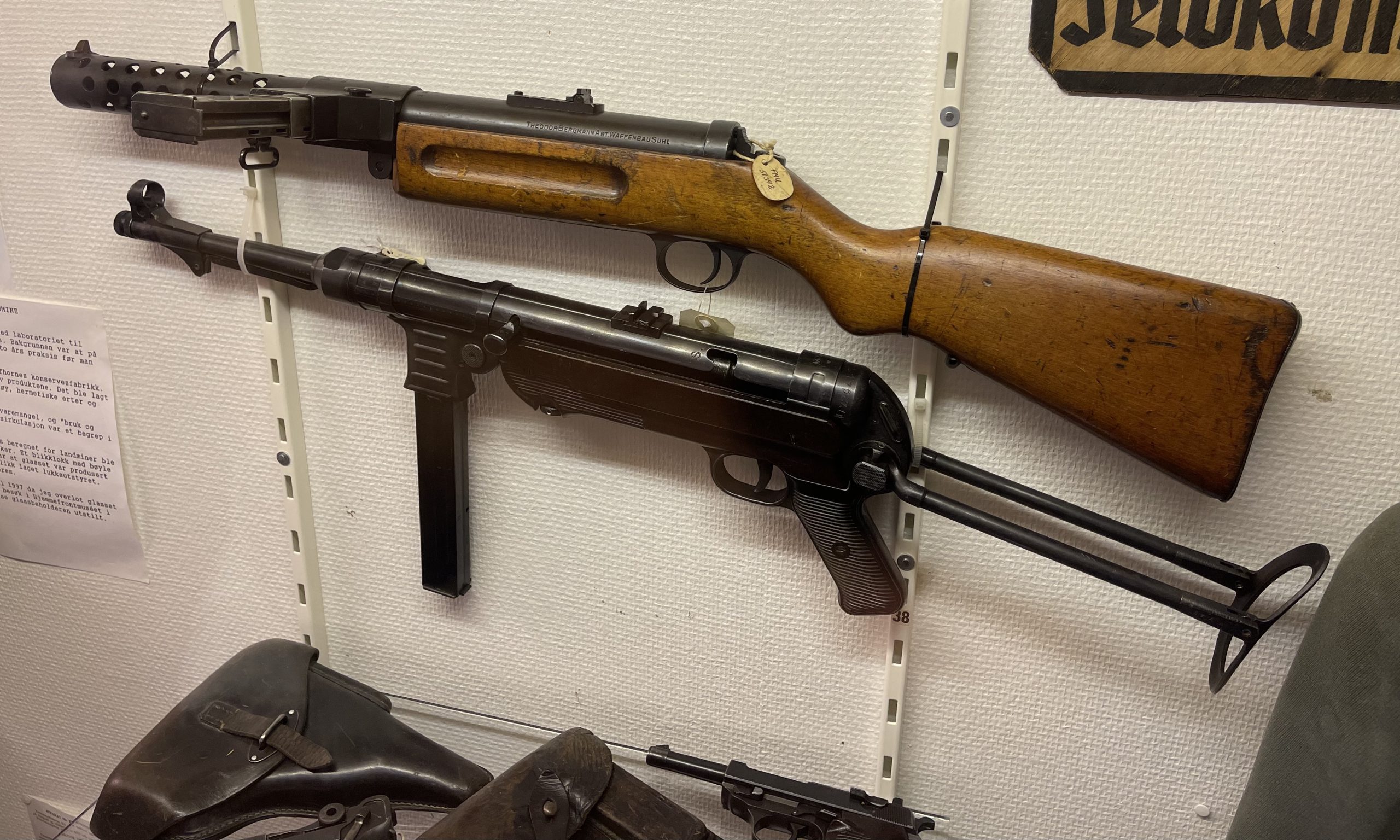
The standard MP40 magazine held 32 rounds of 9×19 mm ammunition, and its history helped reinforce the Schmeisser misconception. Hugo Schmeisser had a patent connection to the magazine design, while magazines produced by his company could carry markings associated with his name. An Allied soldier seeing “Schmeisser” on a magazine could understandably connect that name with the entire weapon. The assumption was historically wrong, but remarkably persistent. The magazine was therefore more than an ammunition container in the story of the MP40. It became one of the reasons an incorrect nickname survived for generations.
5. The Folding Stock Was a Major Design Feature
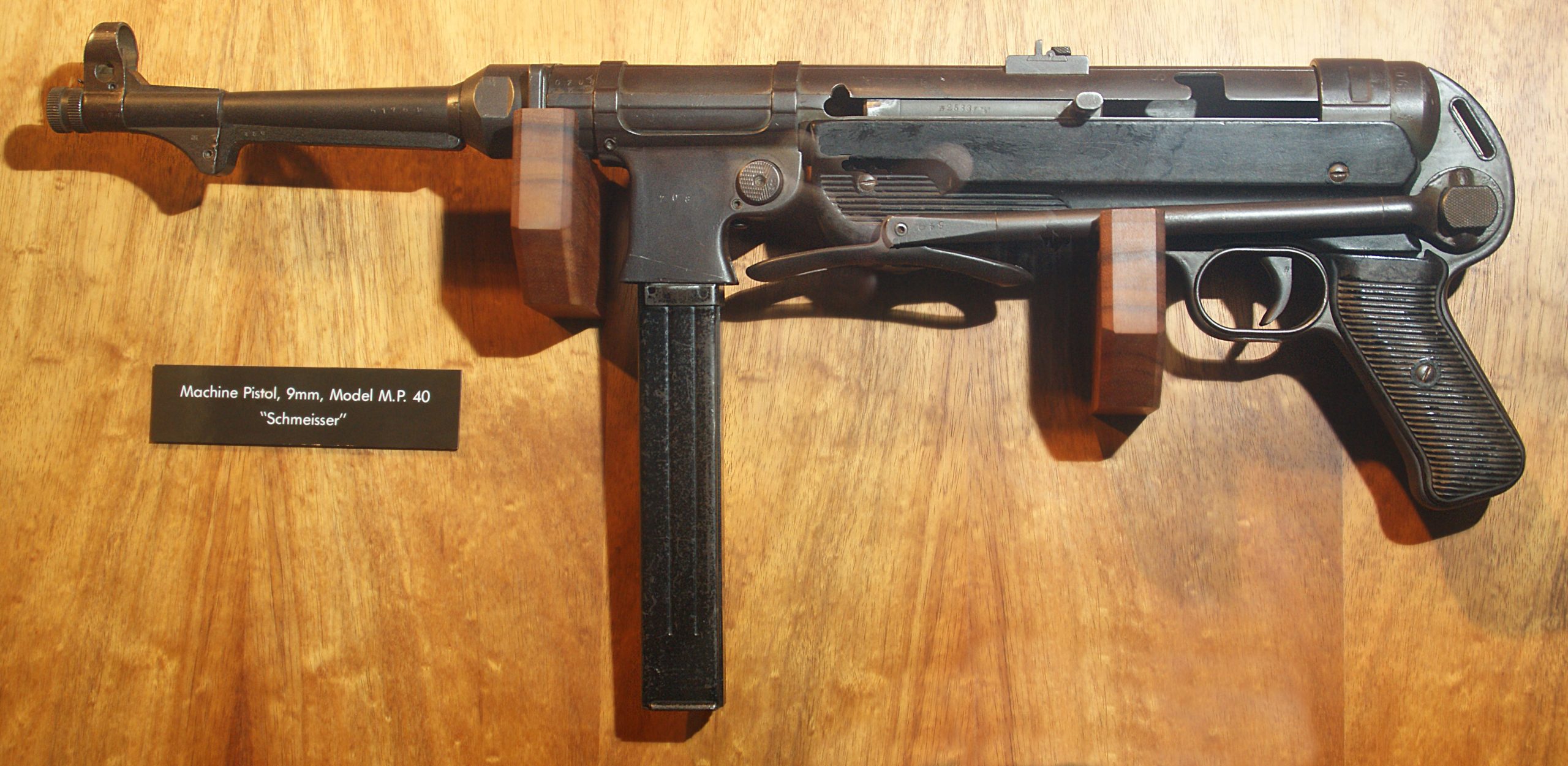
One of the MP40’s most recognizable features was its folding metal stock, which made the weapon substantially more compact for troops operating inside vehicles or other confined spaces. The MP38 had already introduced this successful folding-stock concept, and the MP40 retained it. With the stock folded, the weapon was roughly 63 cm long, compared with about 83 cm with the stock extended. That difference mattered to tank crews, paratroopers, and mechanized troops who needed a compact weapon without completely abandoning a shoulder stock. Its silhouette became iconic for good engineering reasons.
6. It Was Not Designed as Every Soldier’s Main Rifle
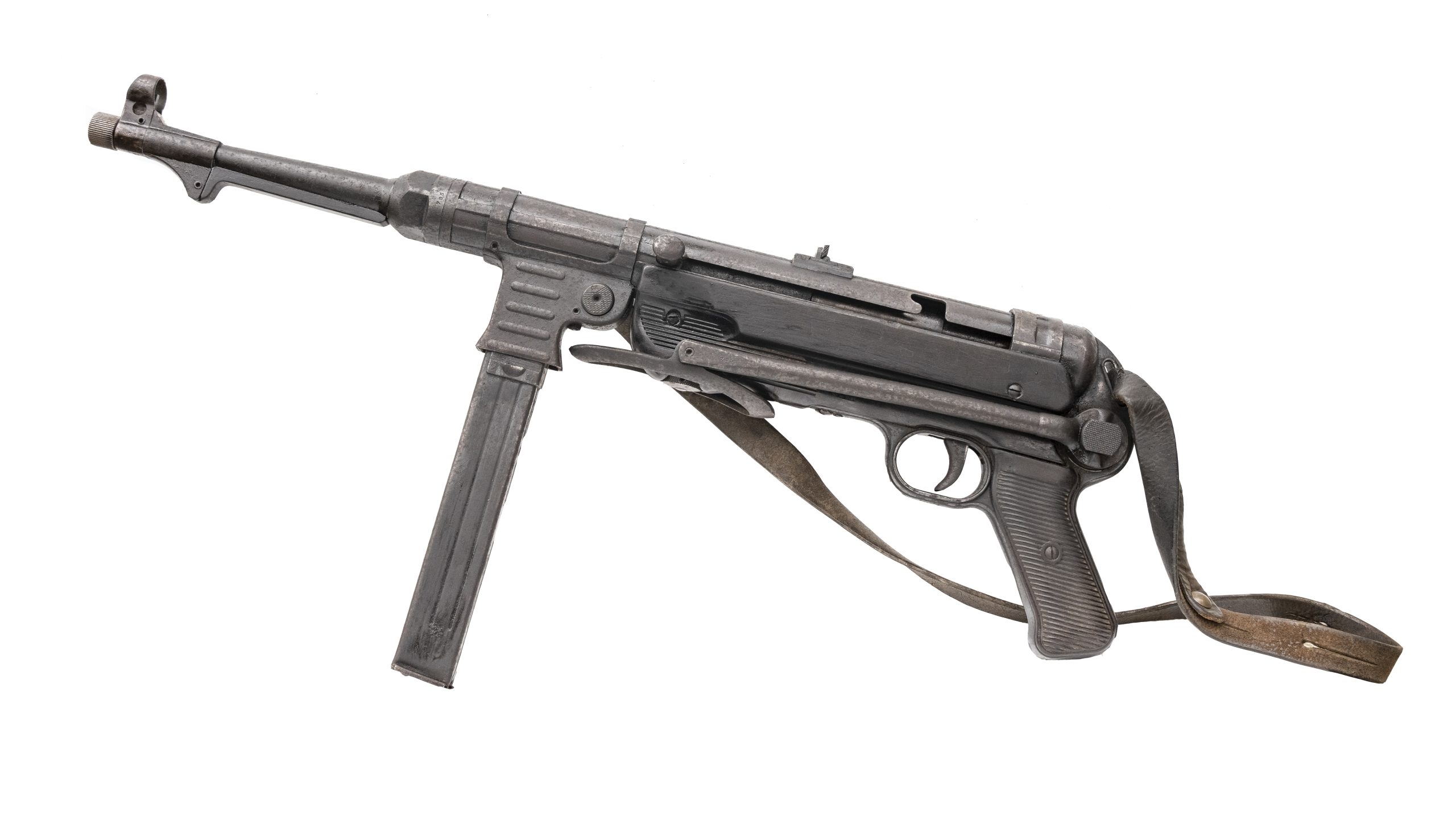
Despite its enormous wartime fame, the MP40 was never intended to replace the standard German infantry rifle across the entire army. It was particularly valuable for squad and platoon leaders, paratroopers, vehicle crews, and troops who expected close combat. Its 9 mm pistol cartridge gave it useful short-range firepower, but it lacked the reach and ballistic performance of a full-power rifle cartridge. That distinction is important because films often portray every German soldier carrying an MP40. In reality, rifles remained the dominant individual infantry weapon, while the MP40 served more specialized tactical roles.
7. The “32-Round” Magazine Was Not Always Loaded to 32
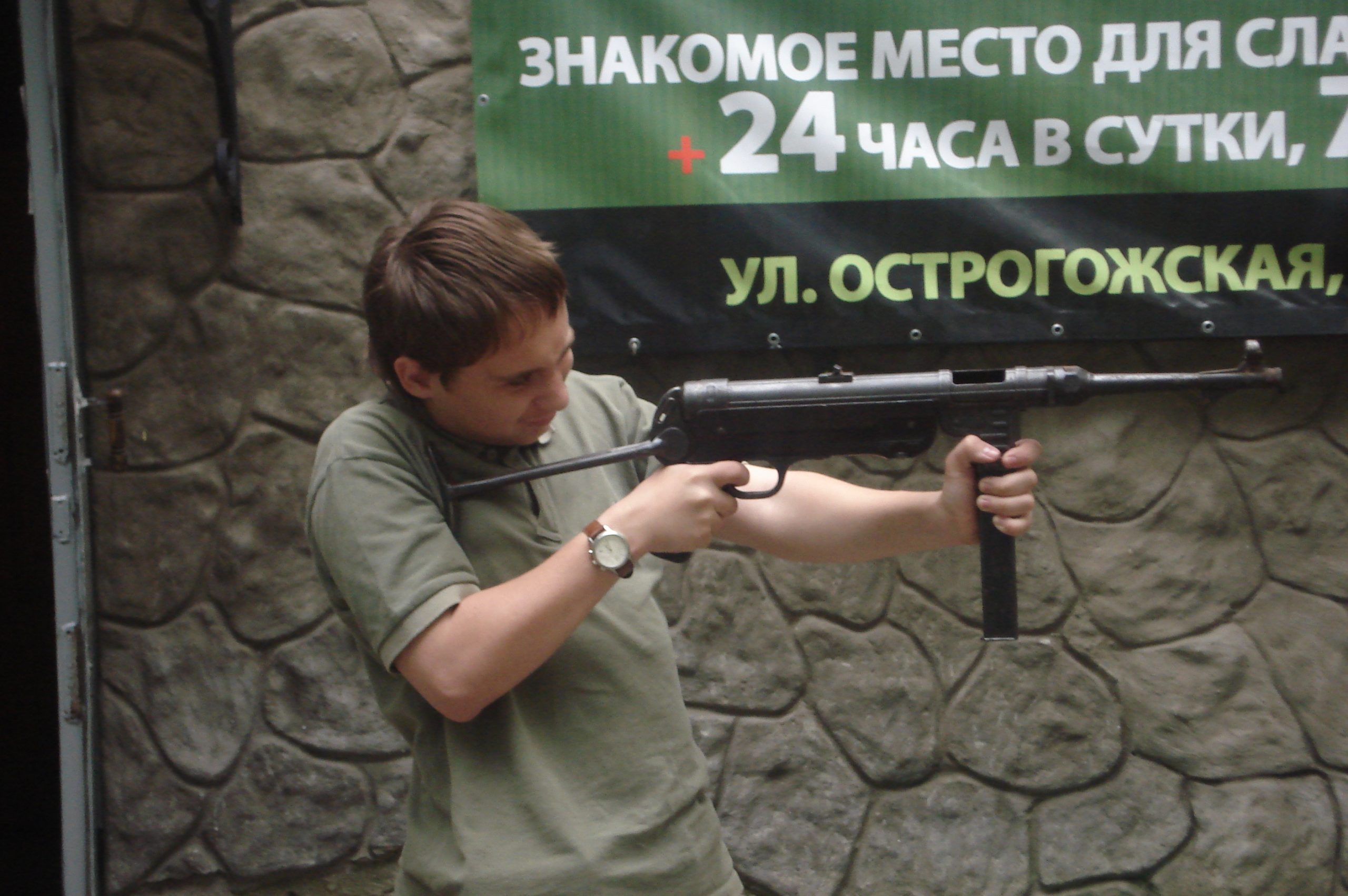
The MP40’s magazine is often shown in popular media as a simple 32-round ammunition supply, but real users had reasons to be cautious. The magazine’s internal spring and feeding system could become troublesome when treated poorly, and experienced troops sometimes avoided completely filling it. The weapon’s designers never intended the magazine to be handled like a convenient grip, either. Its detachable magazine was an ammunition component, not a structural handle. These practical details rarely appear in movies, where the MP40 is usually presented as almost effortless to operate. Battlefield reality was considerably less forgiving.
8. More Than One Million Were Eventually Produced
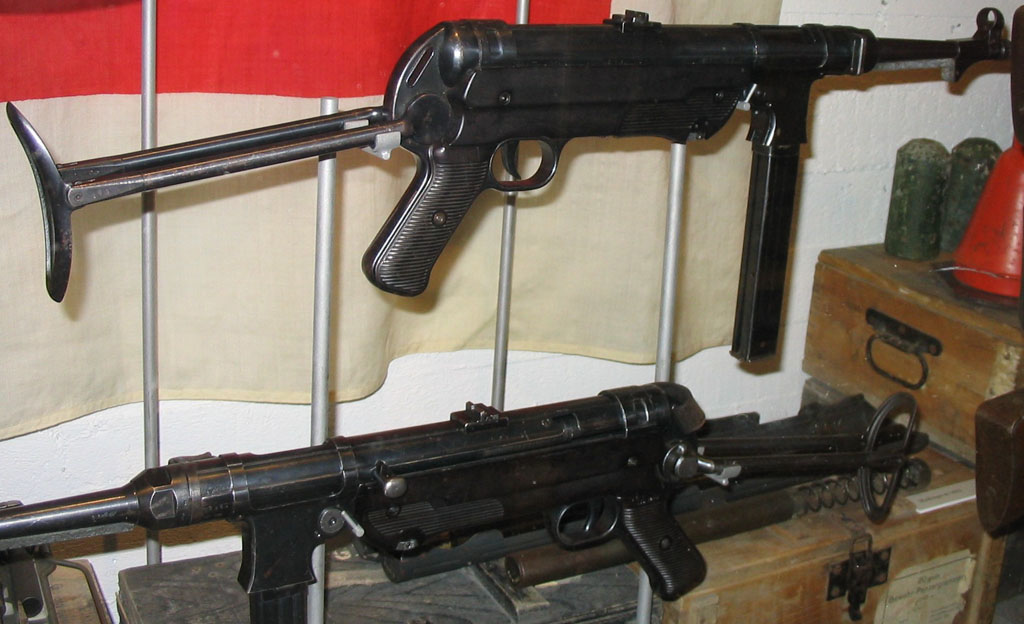
The MP40 became successful partly because Germany needed weapons that could be produced in enormous quantities. Manufacturing involved companies including ERMA, C. G. Haenel, and Steyr, with production continuing into 1944. German records cited in historical references put combined MP40 production at approximately 1,047,100 examples, while some other estimates exceed 1 million by a significant margin. Either way, its production scale was enormous compared with many earlier submachine guns. The MP40’s simple stamped construction helped make that volume possible and demonstrated how wartime manufacturing could transform a specialized weapon into a widely distributed military arm.
9. The MP40 Was Less Revolutionary Than Its Image Suggests
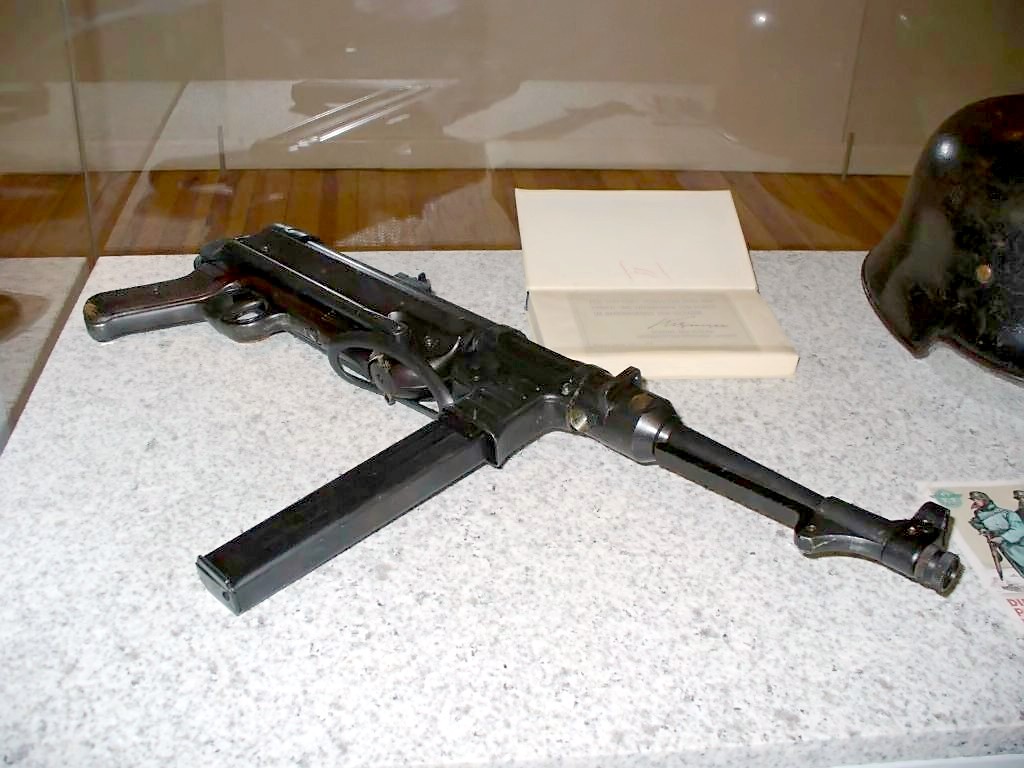
The MP40 looked futuristic, but calling it completely revolutionary misses its development history. The design evolved through the MP36 and MP38, while Vollmer’s earlier work also contributed important ideas. Its real achievement was combining compact dimensions, a folding stock, 9 mm ammunition, and manufacturing methods suited to wartime production. With an unloaded weight of about 3.97 kg, a 25.1 cm barrel, and a cyclic rate near 500 rounds per minute, it was a practical close-range weapon rather than a magical super-gun. Its legend grew far beyond its technical role.