Booking a hunting outfitter involves much more than choosing an attractive destination or comparing package prices. Experienced hunters know that the quality of a hunt depends on preparation, local knowledge, honest communication, and clear expectations. Before paying a deposit, they want to understand how the operation works, what the quoted price covers, and what happens when weather or wildlife movements disrupt the plan. They also look closely at safety procedures, guide experience, land access, and realistic success rates. These nine questions help hunters evaluate an outfitter carefully, avoid costly misunderstandings, and choose a hunting experience that matches their goals.
1. What Exactly Does the Package Price Include?
An advertised hunt price can look attractive until extra charges appear, so experienced hunters ask for a written breakdown before paying. Does the fee cover lodging, meals, guide services, transport in the field, licenses, tags, meat care, and airport pickup, or are some billed separately? Ask for the cost of at least 3 likely extras, such as trophy preparation, gratuities, and additional nights. Confirm the deposit amount, balance due date, refund terms, and any taxes. A clear quote should identify what is included and what is optional before you commit. Comparing 2 packages line by line is more useful than choosing the lowest headline price.
2. How Much Experience Do the Guides Have?
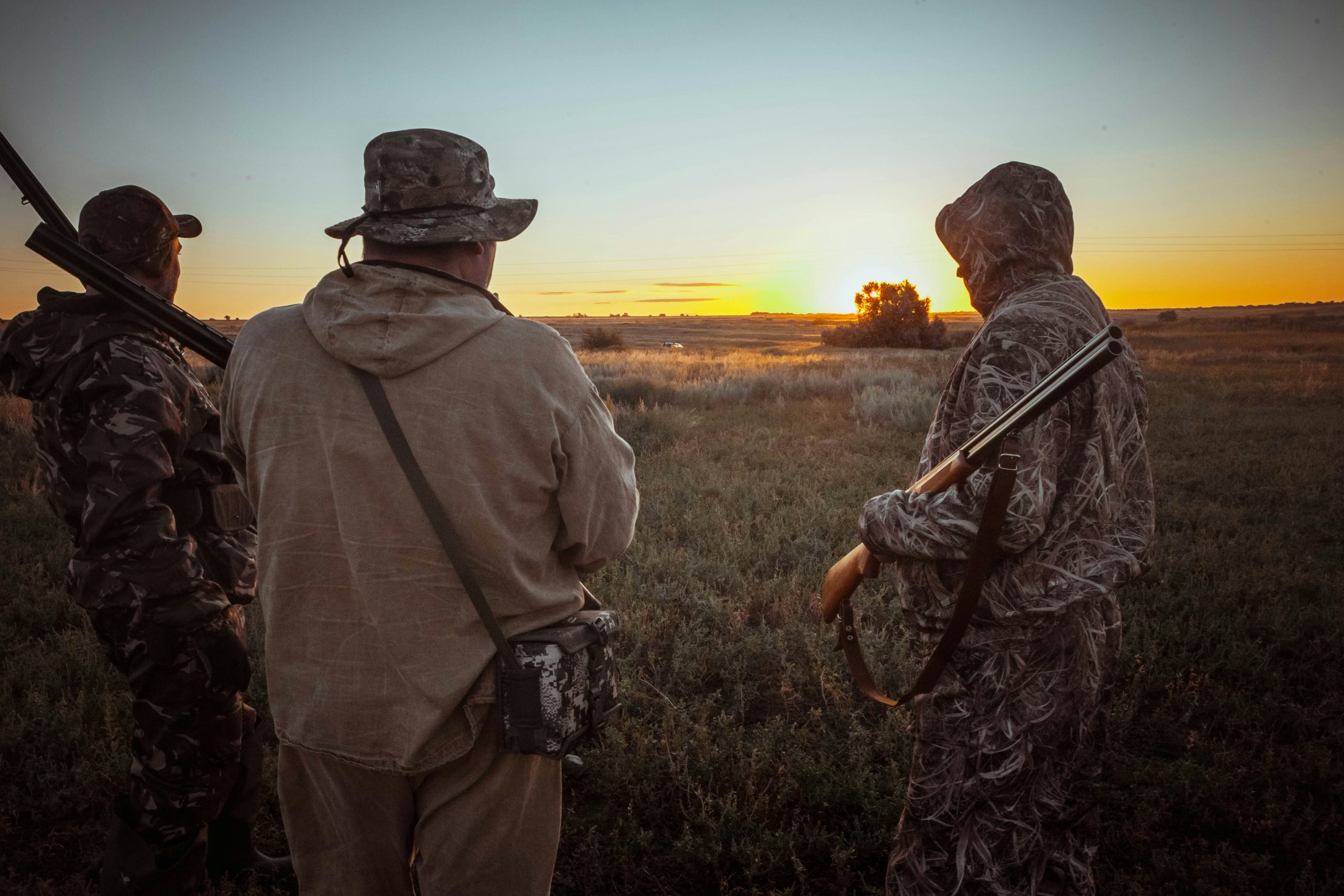
Years in the field matter, but hunters should ask what that experience actually involves. Find out whether the guide has worked in the same region and pursued the same species for several seasons, rather than relying on a general claim of expertise. Ask how many hunters each guide typically supervises and whether a backup guide is available if someone becomes ill. For example, 8 seasons guiding locally may be more relevant than 20 years hunting elsewhere. Discuss communication style, physical expectations, and how the guide adapts when conditions change. A professional outfitter should answer directly and explain how experience improves safety and decision-making.
3. What Are the Realistic Success Rates?
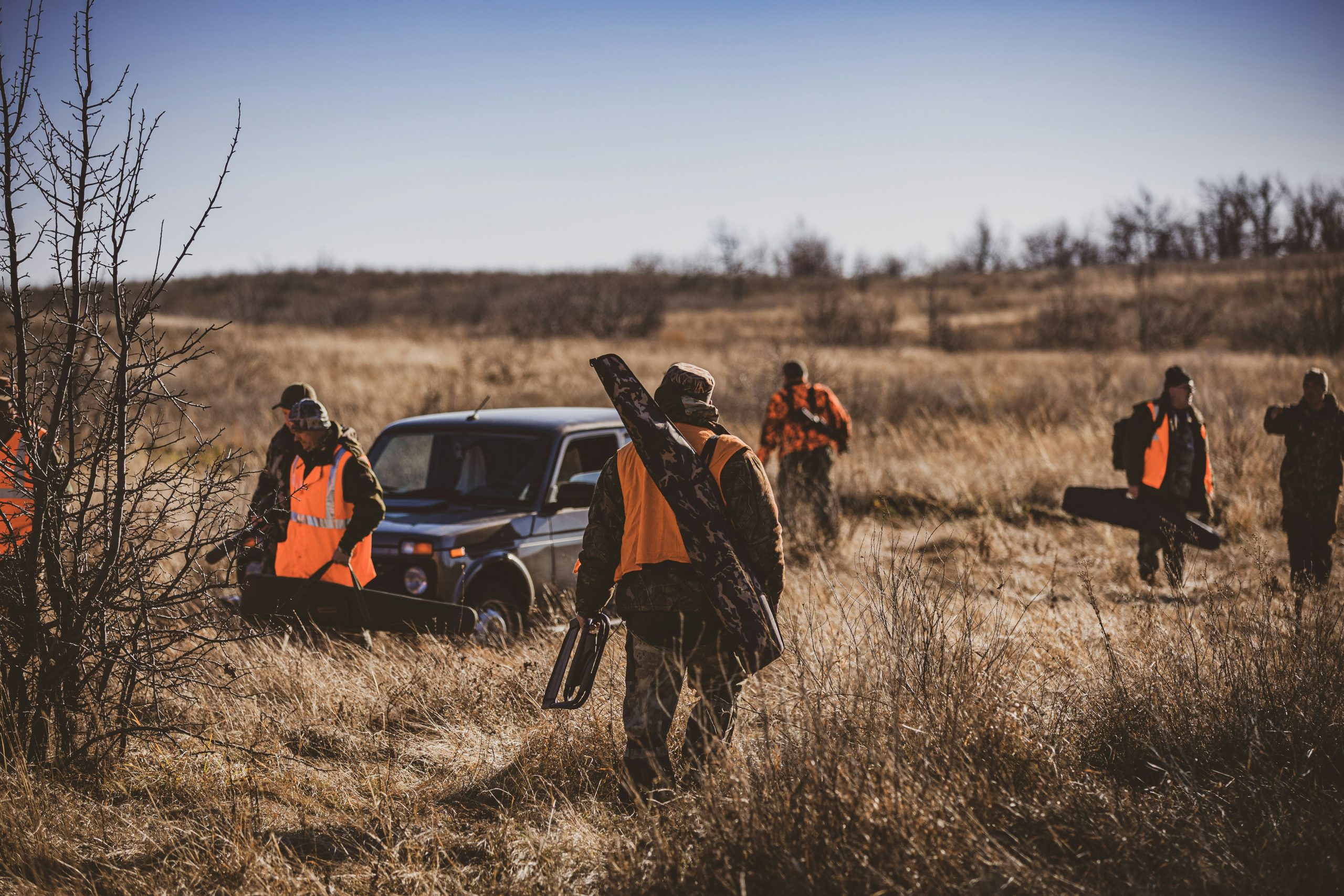
Success figures are useful only when the outfitter explains how they were calculated. Ask for results from the last 3 seasons, including the number of clients who hunted, how many harvested an animal, and whether the figures refer to sightings, opportunities, or completed harvests. A claim of 90% success means little without knowing the species, season, hunt length, and client experience. Ask whether wounded animals or hunters who chose not to take a shot are counted. No ethical guide can guarantee wildlife behavior. Reliable operators describe both favorable and difficult seasons, helping you judge whether their expectations match your own goals.
4. Where Will the Hunt Take Place?
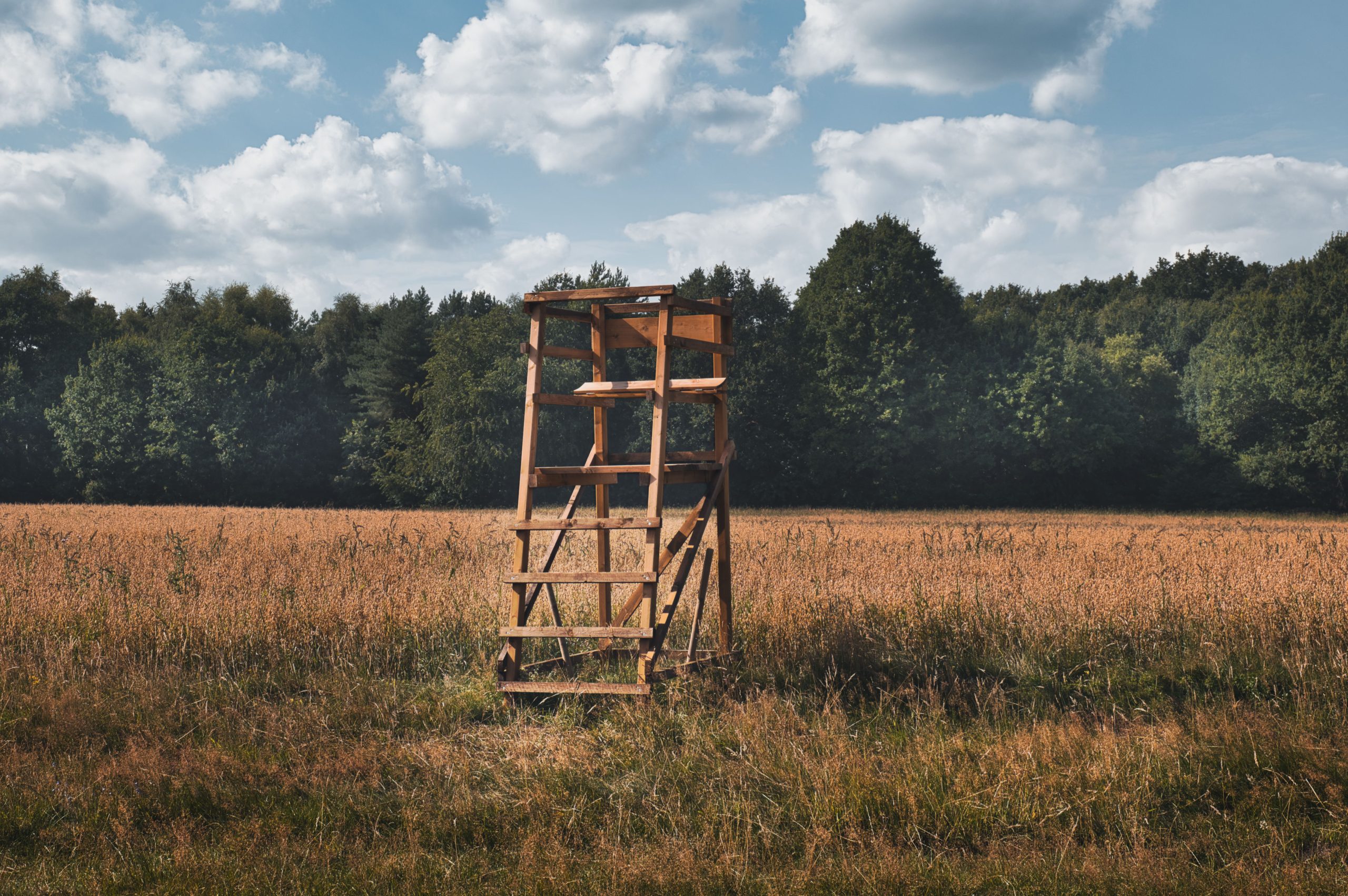
An outfitter’s access to productive ground can shape the entire trip, so ask where the hunt will occur and what permission covers it. Is the land private, public, leased, or a mixture, and are permits or access fees included? Ask how many acres or square miles are available and how many other hunting parties may use them during your dates. A large property is not automatically better if pressure is high or habitat is poor. Confirm the meeting point, travel time to hunting areas, and backup locations if access changes. Get key promises in writing, while respecting the need to protect sensitive wildlife locations. Ask whether scouting happens before your arrival.
5. What Happens if Weather Disrupts the Hunt?

Weather can close roads, reduce visibility, change animal movement, or make travel unsafe, even during a carefully planned trip. Ask how the outfitter handles heavy rain, snow, high winds, wildfire, or dangerous temperatures, and who decides when conditions require a pause. Find out whether unused hunt hours can be rescheduled, whether an extra day is available, and what refund or credit policy applies if the trip is cancelled. For a 5-day booking, clarify whether one lost day changes the fee or the schedule. A responsible operator puts safety first and explains contingency plans before you arrive. Ask what happens if roads close suddenly, in advance.
6. What Physical Demands Should I Expect?
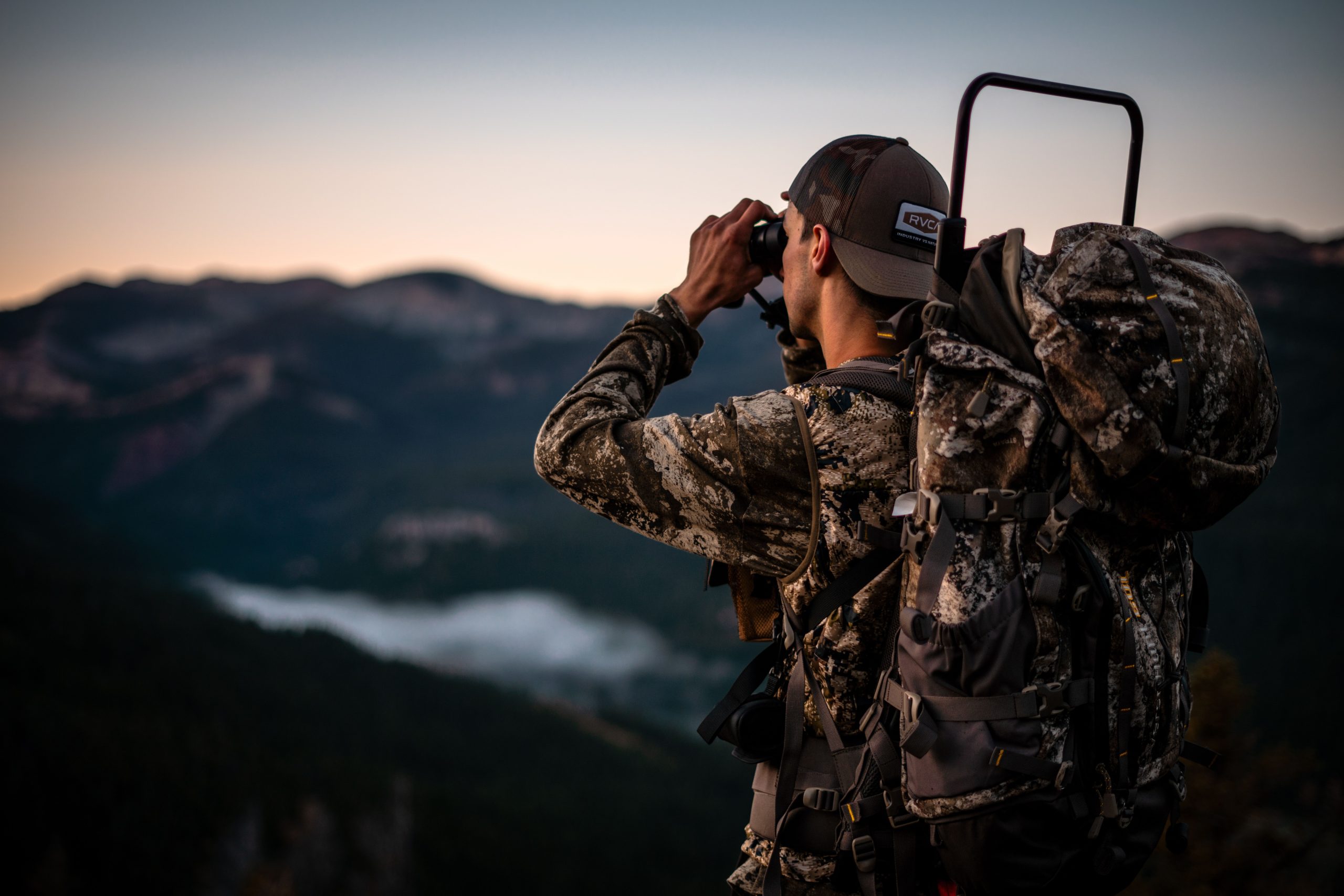
Do not assume that a hunt described as moderate will suit every client. Ask about typical daily mileage, elevation gain, terrain, pace, and the distance you may need to carry gear or pack out meat. A plan involving 4 miles on level ground differs greatly from 4 miles through steep, uneven country at altitude. Tell the outfitter honestly about your fitness and any limits that affect walking, climbing, or sitting for long periods. Ask what equipment is supplied, what weight you must carry, and whether vehicle-based or less strenuous options exist. Clear expectations help you train appropriately and avoid discovering the challenge only after the hunt begins.
7. What Safety and Emergency Plans Are in Place?

Experienced hunters ask about safety before they discuss trophies. Find out whether guides carry first-aid kits, communication devices, navigation tools, and emergency supplies, especially where mobile coverage is weak. Ask how the team contacts emergency services, evacuates an injured hunter, and shares the group’s daily route. Confirm whether guides hold relevant first-aid training and whether firearms handling rules are reviewed before the first outing. In remote country, a satellite messenger or satellite phone can be important when ordinary service fails. Ask who pays for evacuation and whether you need separate travel or medical coverage. Specific answers beat vague promises.
8. What Licenses, Permits, and Rules Apply?
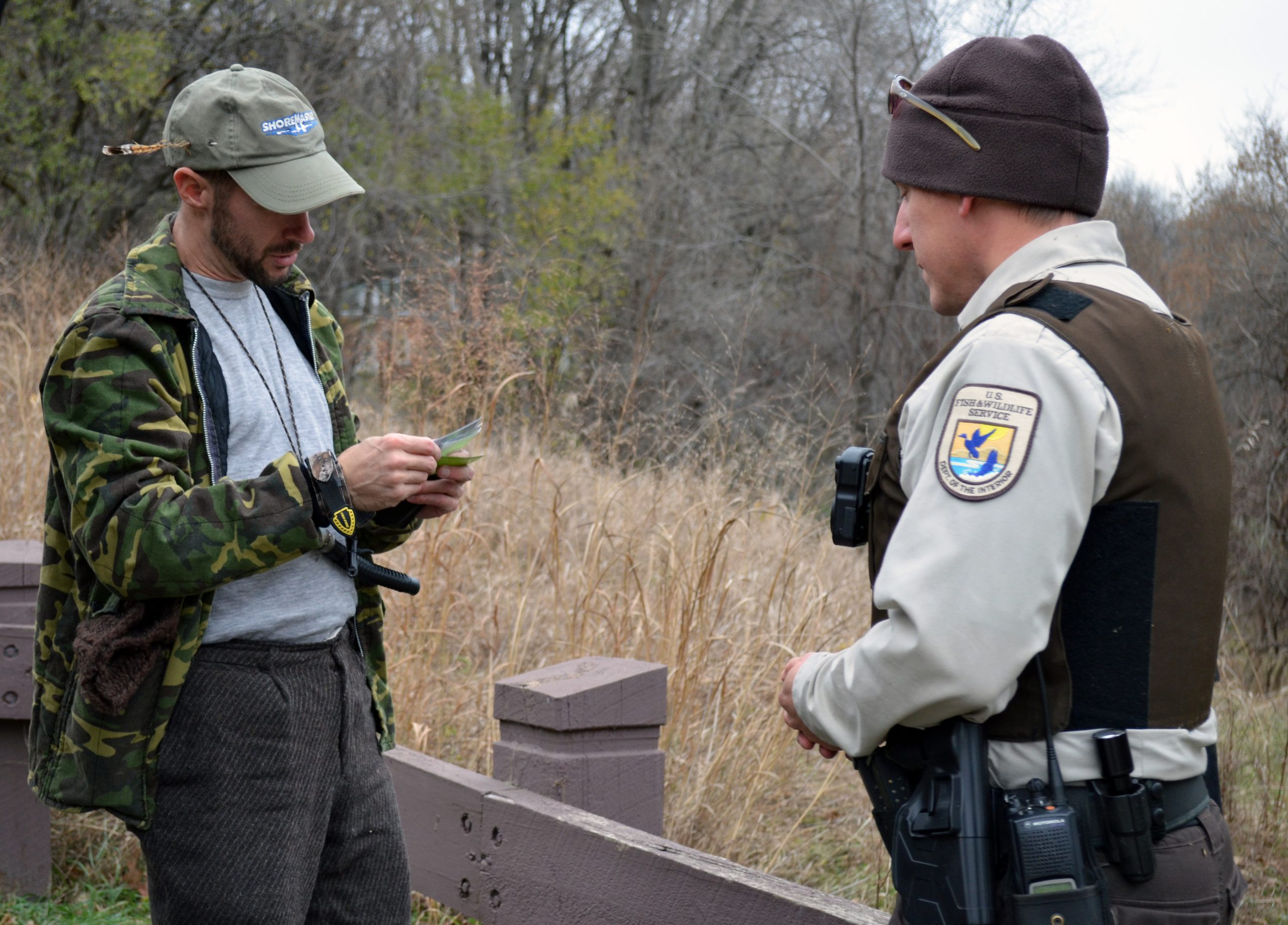
Before booking, confirm who is responsible for obtaining licenses, tags, land permissions, and any required species-specific permits. Ask which rules apply to your dates, including legal hunting hours, weapon restrictions, bag limits, and mandatory reporting. Regulations can change between seasons, so verify current requirements with the relevant wildlife authority rather than relying on an old brochure. If travelling across borders, ask about firearm transport, ammunition limits, and required documents. For a trip involving 2 jurisdictions, requirements may differ. A reputable outfitter helps clarify the process but should never encourage you to ignore official rules.
9. What Is the Plan if the Hunt Does Not Go as Expected?
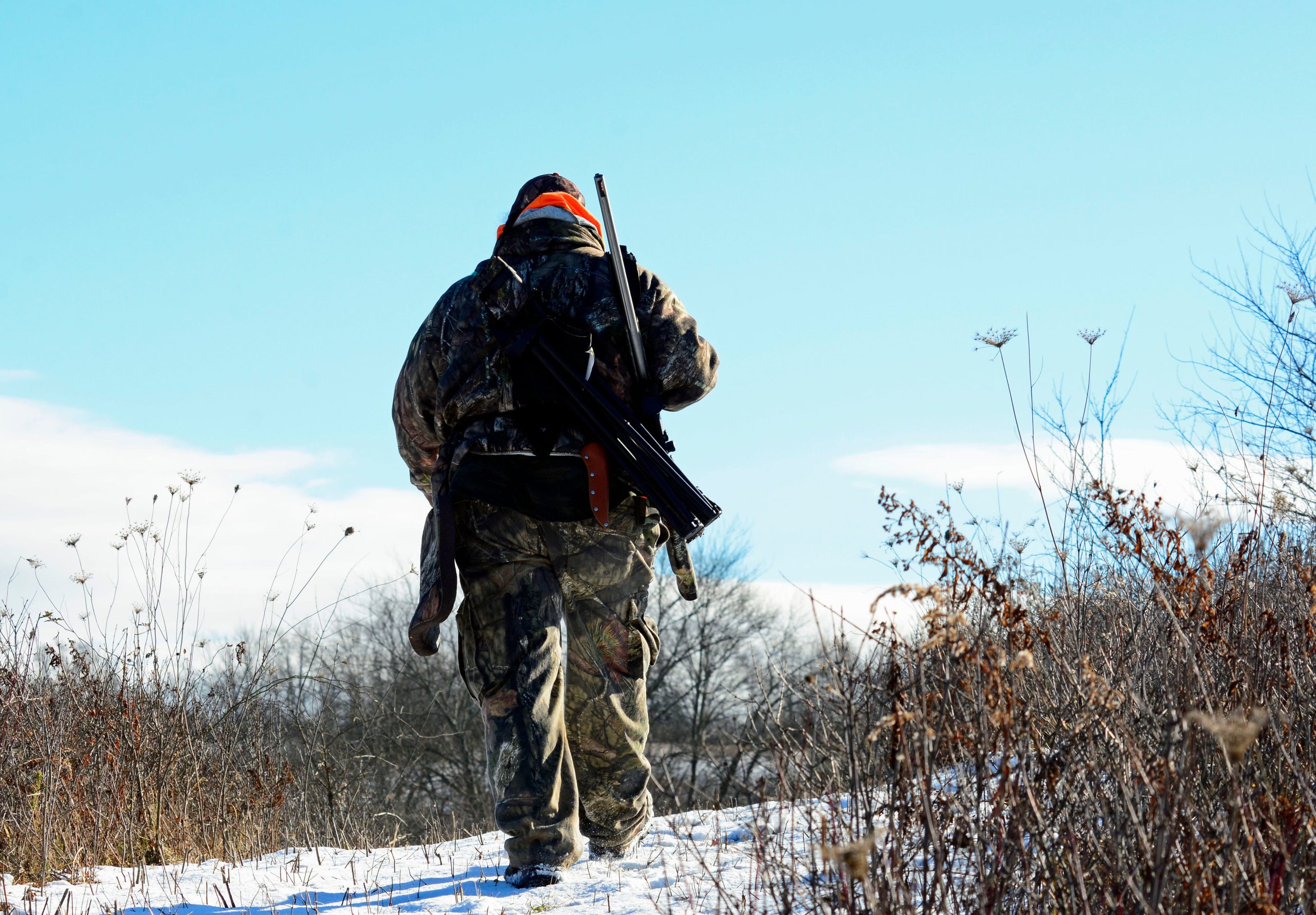
Even a well-run hunt may end without a legal opportunity, so ask what support continues if animals are scarce or plans change. Will the guide adjust locations, tactics, or timing, and is an additional day available at a stated cost? Clarify whether the contract offers any credit, repeat-hunt option, or no compensation at all when no harvest occurs. Ask how wounded game, meat recovery, and trophy handling are managed, including any fees and deadlines. Read cancellation terms for both the client and outfitter, and keep written copies of promises. The goal is not to demand a guaranteed animal, but to understand the service you are buying and the limits of that commitment.