Fall 2026 is bringing meaningful changes to hunting regulations across several states. Some states are changing deer limits; others are adjusting equipment rules, season dates, reporting requirements, or license structures. These updates can affect how hunters choose equipment, apply for tags, plan travel, and calculate their legal harvest. The biggest differences are often buried in county, unit, or species-specific rules, so hunters should check the regulations that apply to their exact hunting area before heading into the field.
1. Texas
Texas is changing several details for the 2026-27 hunting year, giving hunters new rules to consider before opening day. In 21 counties, the special antlerless deer period expands to 16 days, running from Nov. 14 through Nov. 29 instead of the previous 4-day period. Turkey hunters also face a statewide restriction on harvesting unbearded hens, while Matagorda and Wharton counties are closed to wild turkey hunting. The state has also removed its Special White-winged Dove Days and revised its muzzleloader definition, making equipment and county rules worth checking carefully.
2. Wisconsin
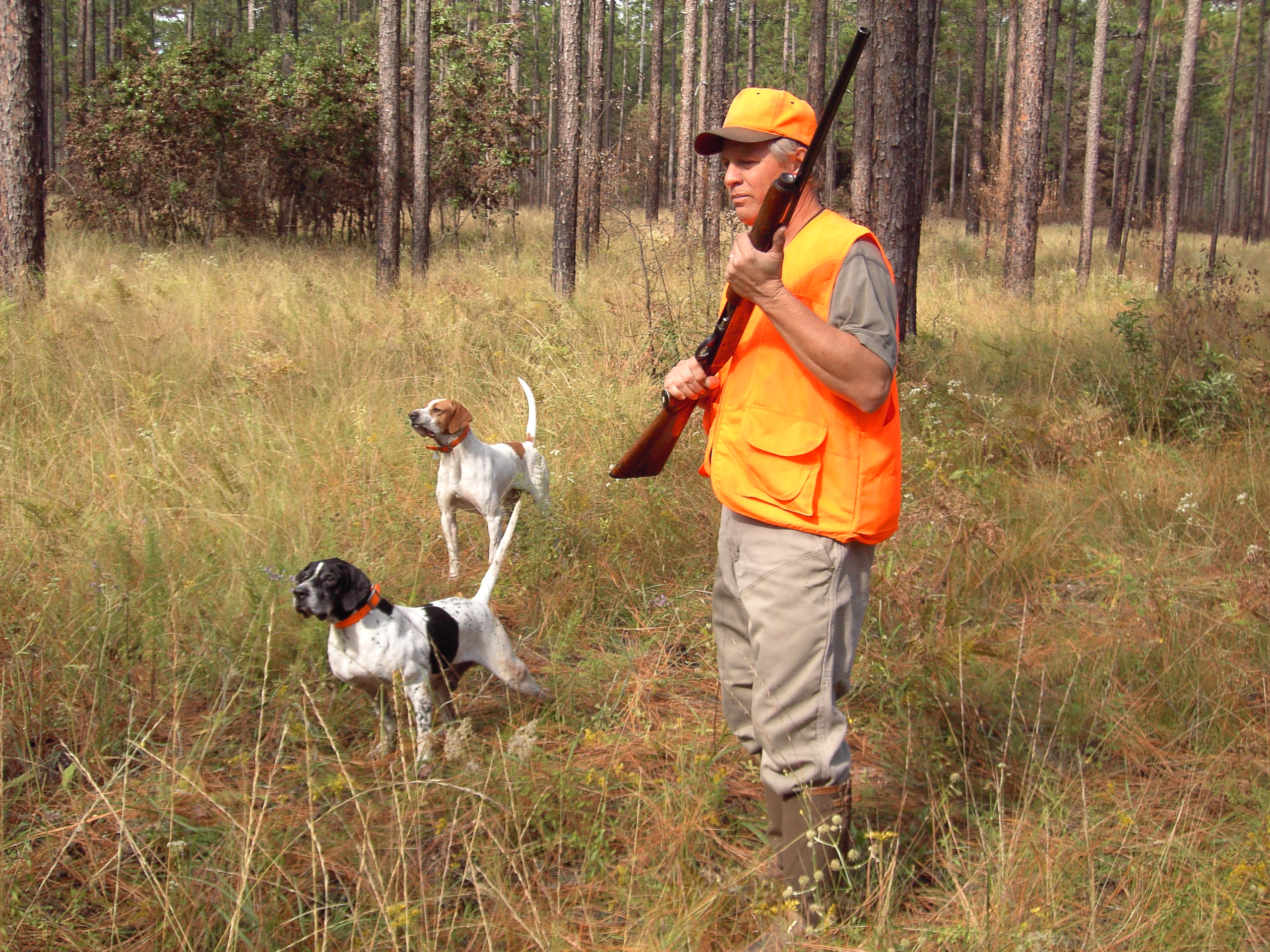
Wisconsin has rebuilt its 2026 elk season into a simpler but distinctly different structure. Instead of the previous split arrangement, the season runs continuously from Oct. 17 through Dec. 13, giving hunters one 58-day window. Licenses are tied to specific management units, and applicants can pursue bull or antlerless opportunities separately. The Northern Zone has a 2026 quota of 8 bull elk, while the Central Zone offers 6 antlerless and 6 bull licenses. Hunters also need to account for treaty-related harvest considerations when planning where and when to hunt.
3. Missouri
Missouri is reducing an important opportunity for nonresident deer hunters during the 2026 season. The antlered buck allowance connected to nonresident deer hunting permits has dropped from 2 deer to 1. That change can make a noticeable difference for hunters traveling from another state and planning several days in the field. The adjustment applies to the 2026 fall regulations and means previous trip plans may no longer fit the current rules. Hunters should review their permit details before buying tags, arranging lodging, or assuming they can legally take a second antlered deer.
4. Michigan
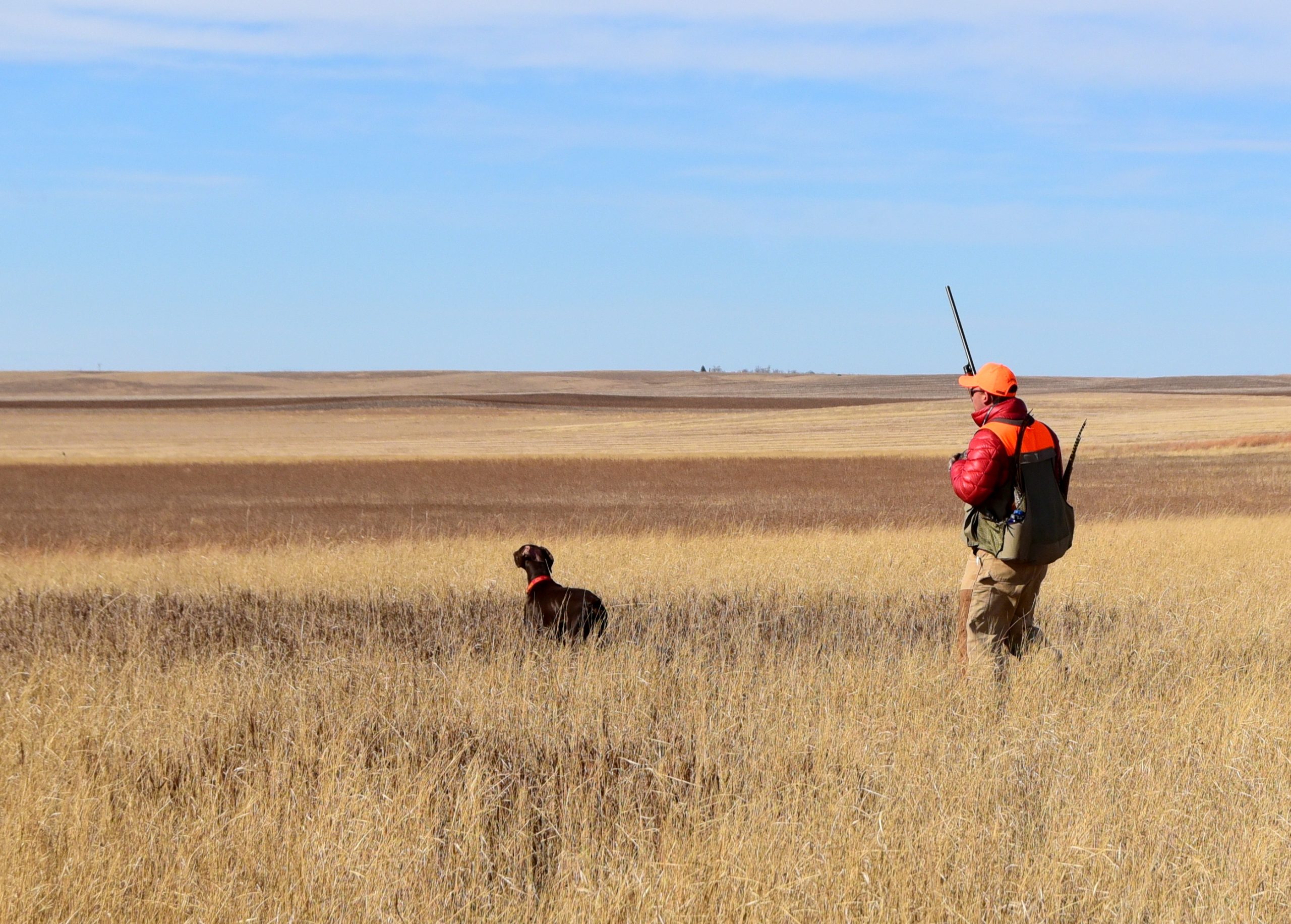
Michigan is changing how firearm deer hunters can approach parts of the Lower Peninsula in 2026. The state’s limited firearms deer zone has been eliminated, allowing legal firearms to be used throughout the Lower Peninsula during applicable deer seasons. Antlerless license limits are also determined differently, using deer management units in the Upper Peninsula and individual counties in the Lower Peninsula. The regular firearm season remains Nov. 15-30. Deer harvest reporting is mandatory, while Upper Peninsula senior hunters receive expanded crossbow access beginning Sept. 12.
5. Montana
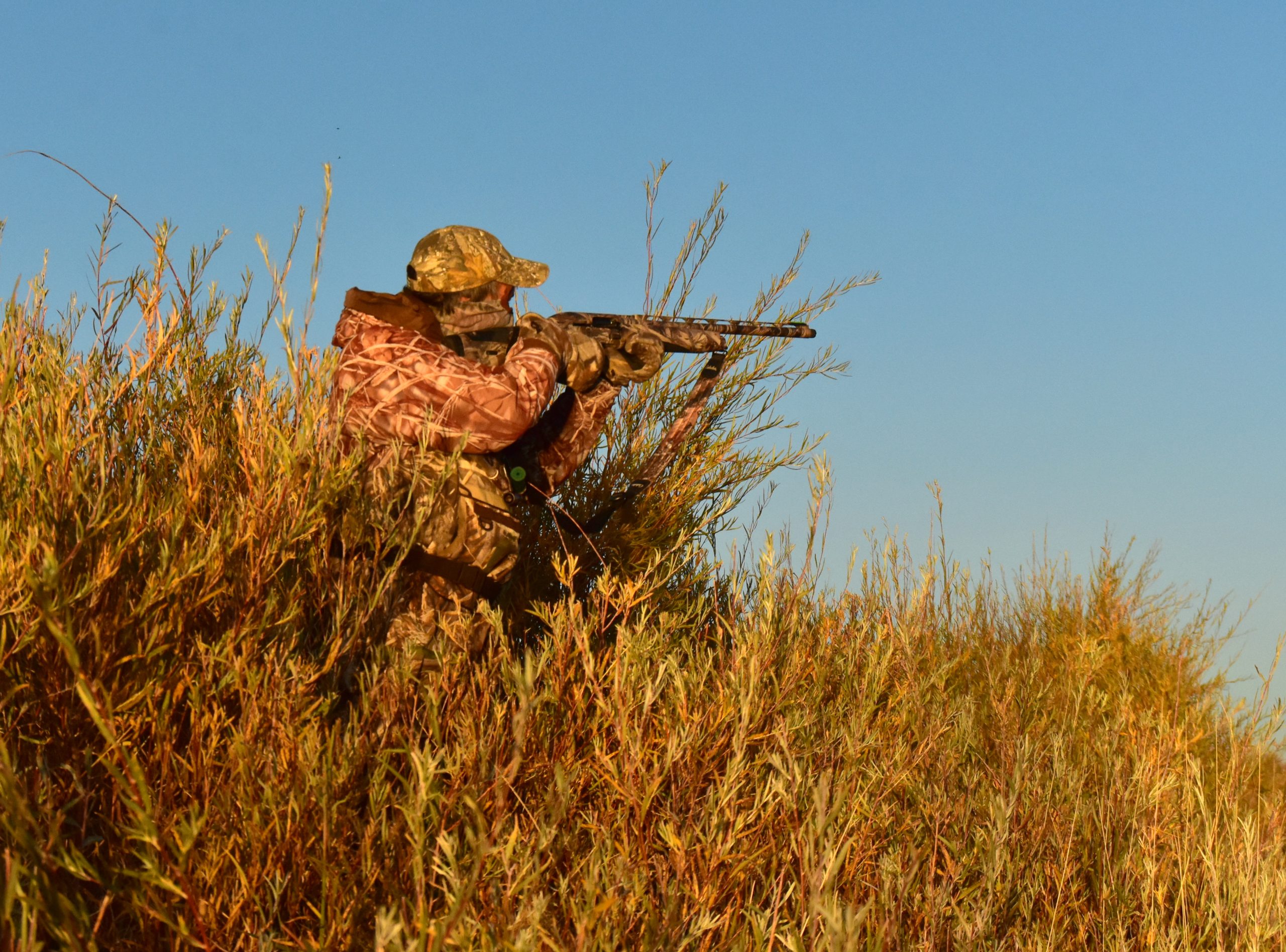
Montana’s 2026 regulations place tighter limits on how many deer licenses some hunters can hold during the license year. Residents are limited to 3 deer licenses, whether that combination consists of a general license plus 2 B licenses or 3 B licenses. Many mule deer B licenses are also restricted to private land, which can dramatically affect where a tag can actually be used. The archery season runs Sept. 5-Oct. 18, followed by the general season from Oct. 24-Nov. 29. A separate muzzleloader season runs Dec. 12-20.
6. Indiana
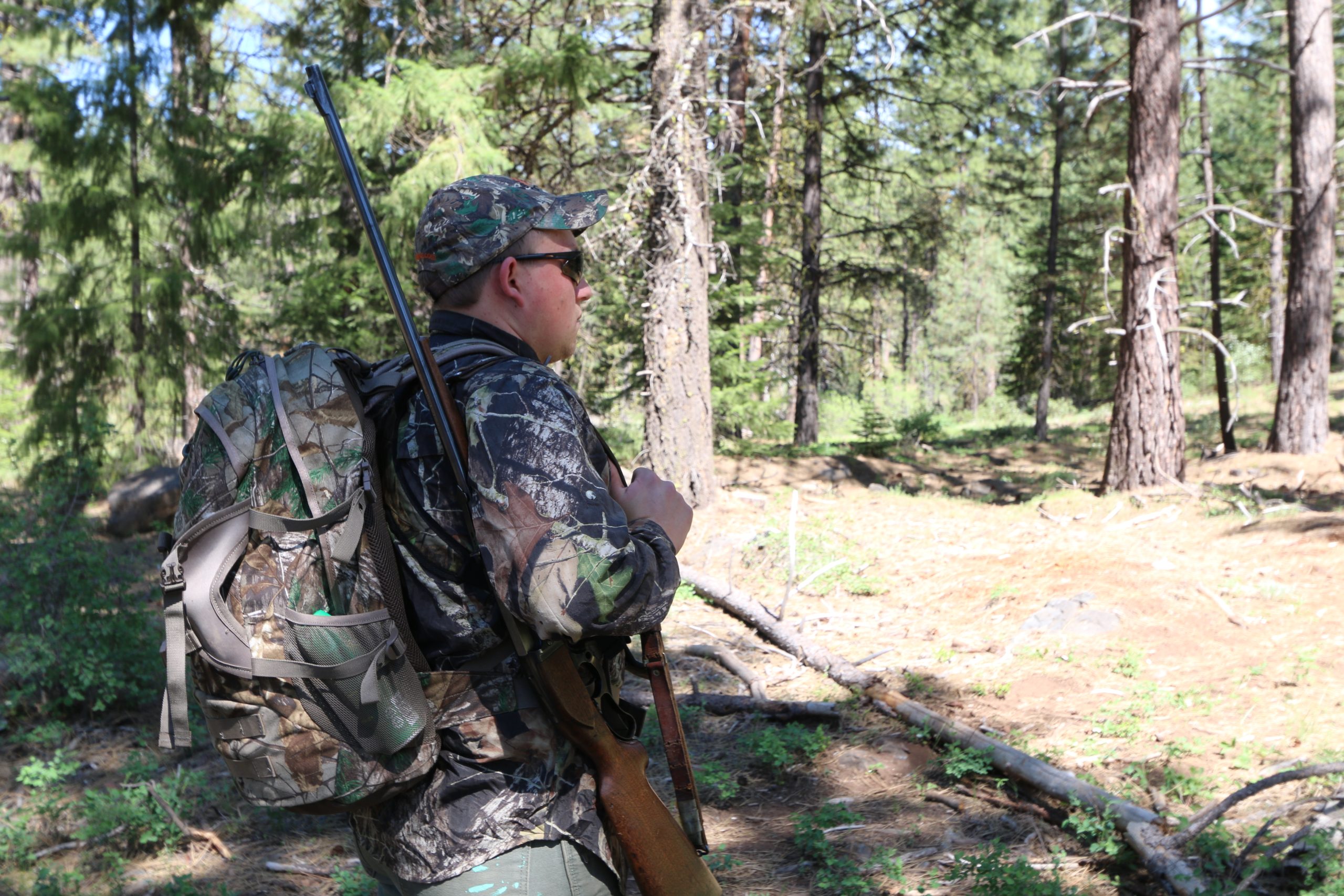
Indiana hunters have new equipment and county-specific rules to understand for the 2026 deer season. Breech-loading muzzleloaders that allow powder and primer to be loaded through the breech are now legal during muzzleloader season, giving hunters another firearm configuration to consider. Antlerless limits have also changed in 10 counties, with Franklin and Fayette allowing 3 while Jennings and Martin allow 1. The reduction zone season runs from Sept. 15, 2026, through Jan. 31, 2027, where applicable, making the county-level rules especially important.
7. New Jersey
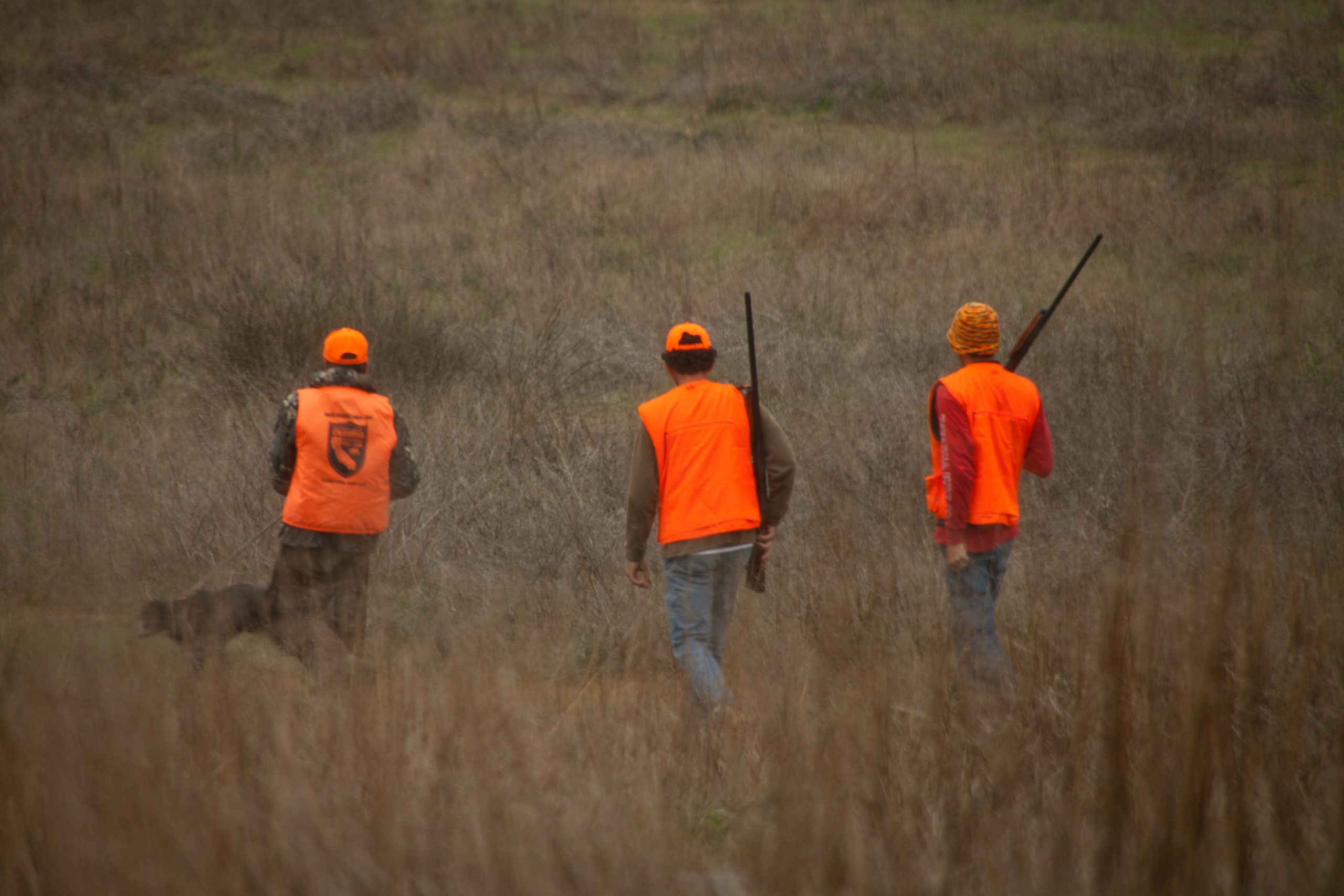
New Jersey has reorganized several deer hunting rules for the 2026-27 season, changing both limits and the way hunters navigate the regulations. The annual antlered deer limit is now 7, and hunters no longer have to select between certain combinations involving the Six-Day Firearm and Permit Shotgun seasons. The state has also consolidated 9 previous deer regulation sets into 4 categories: High, Medium, Low, and Safety. Hunters must report harvested deer by 10 p.m. on the same day, while bowhunters during the Six-Day Firearm Season must wear hunter orange.
8. Arkansas
Arkansas is simplifying its 2026-27 deer regulations after changing or eliminating more than 65 individual provisions. The new structure focuses primarily on antlered bucks and antlerless deer, with a statewide seasonal limit of 6 deer, including no more than 2 antlered bucks. Private-land hunters face a 4-deer limit with a maximum of 2 bucks, while wildlife management areas have a 3-deer limit with the same 2-buck ceiling. Because the limits now depend heavily on where the hunt occurs, hunters need to identify the land category and applicable zone before planning their season.