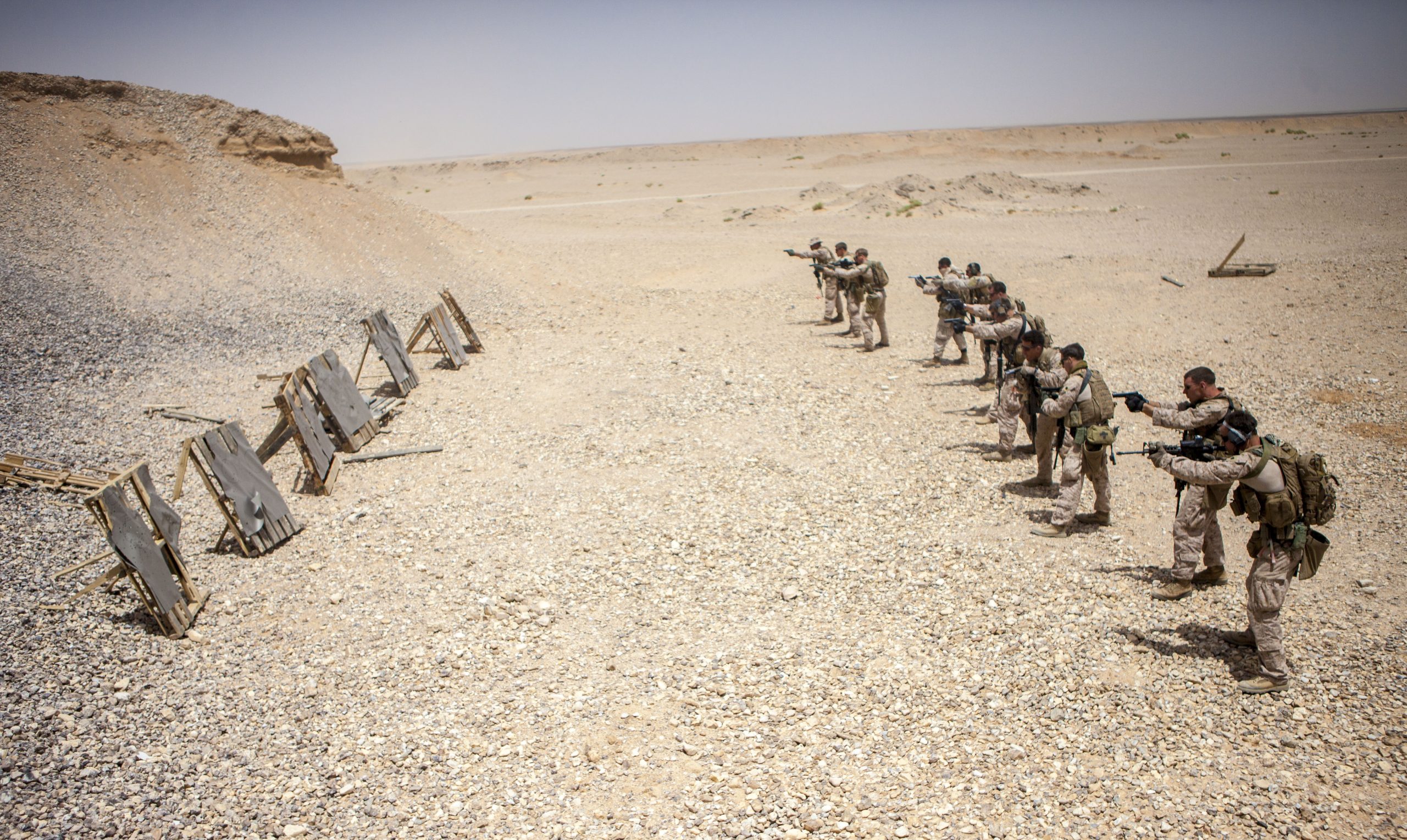
A pistol-caliber carbine, or PCC, occupies an unusual middle ground. It uses handgun ammunition but is built around a shoulder-fired platform, giving it different handling characteristics from both a handgun and a traditional rifle. That combination can make sense in situations where compactness, manageable recoil, ammunition compatibility, and practical control matter more than maximum range or power. Here are 8 situations where a PCC can offer a particularly useful compromise.
1. When You Want More Control Than a Handgun
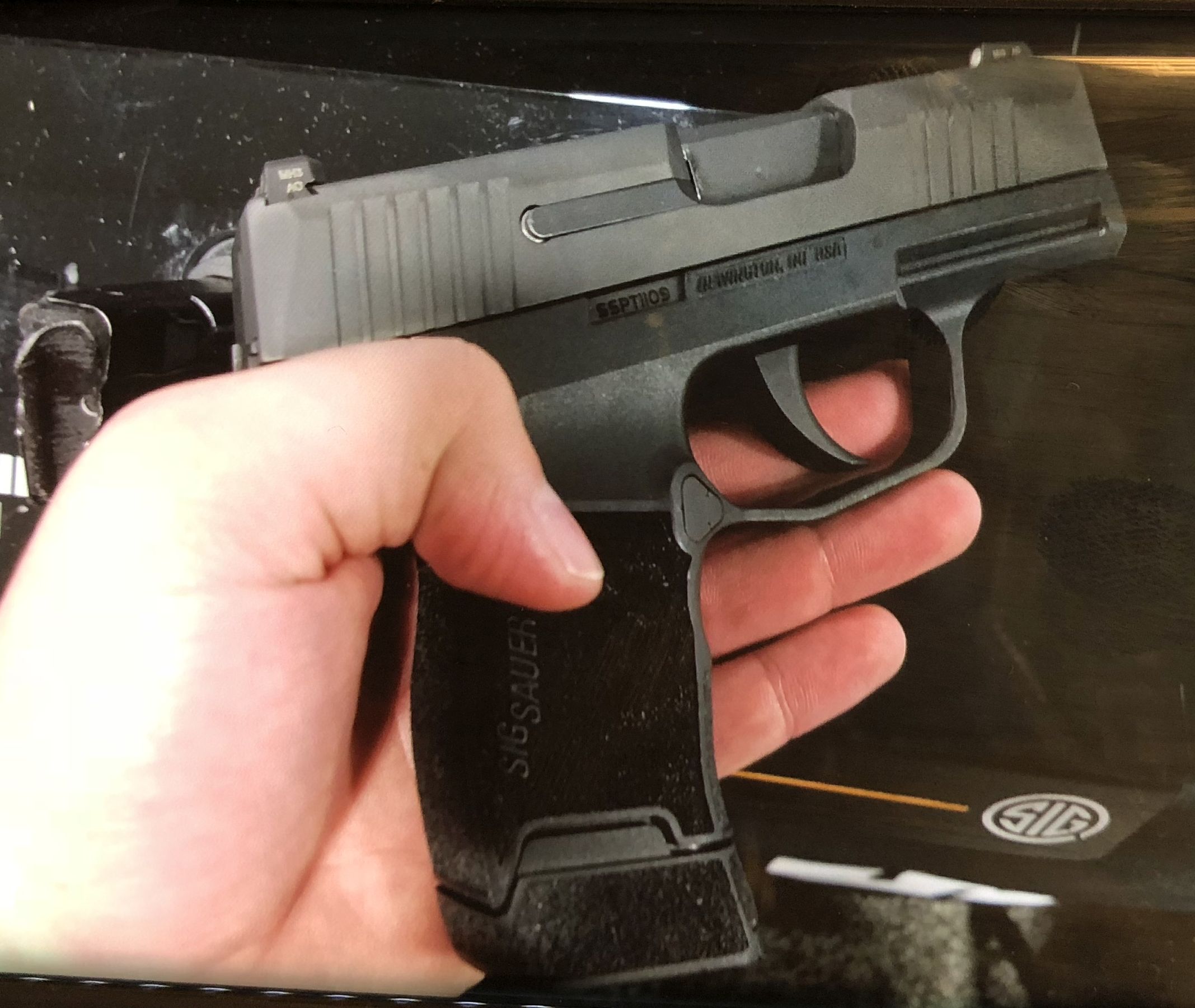
A PCC can provide a significant handling advantage over a handgun because it is fired from the shoulder and gives the shooter additional contact points. The longer platform can make it easier to maintain consistent aim, while its generally mild recoil helps keep the sights or optic settled. A typical 9mm PCC may weigh around 5 to 7 pounds, compared with roughly 1.5 to 2.5 pounds for many compact pistols. That extra weight and stability can make controlled shooting easier without stepping up to a rifle cartridge.
2. When Rifle Recoil Feels Excessive
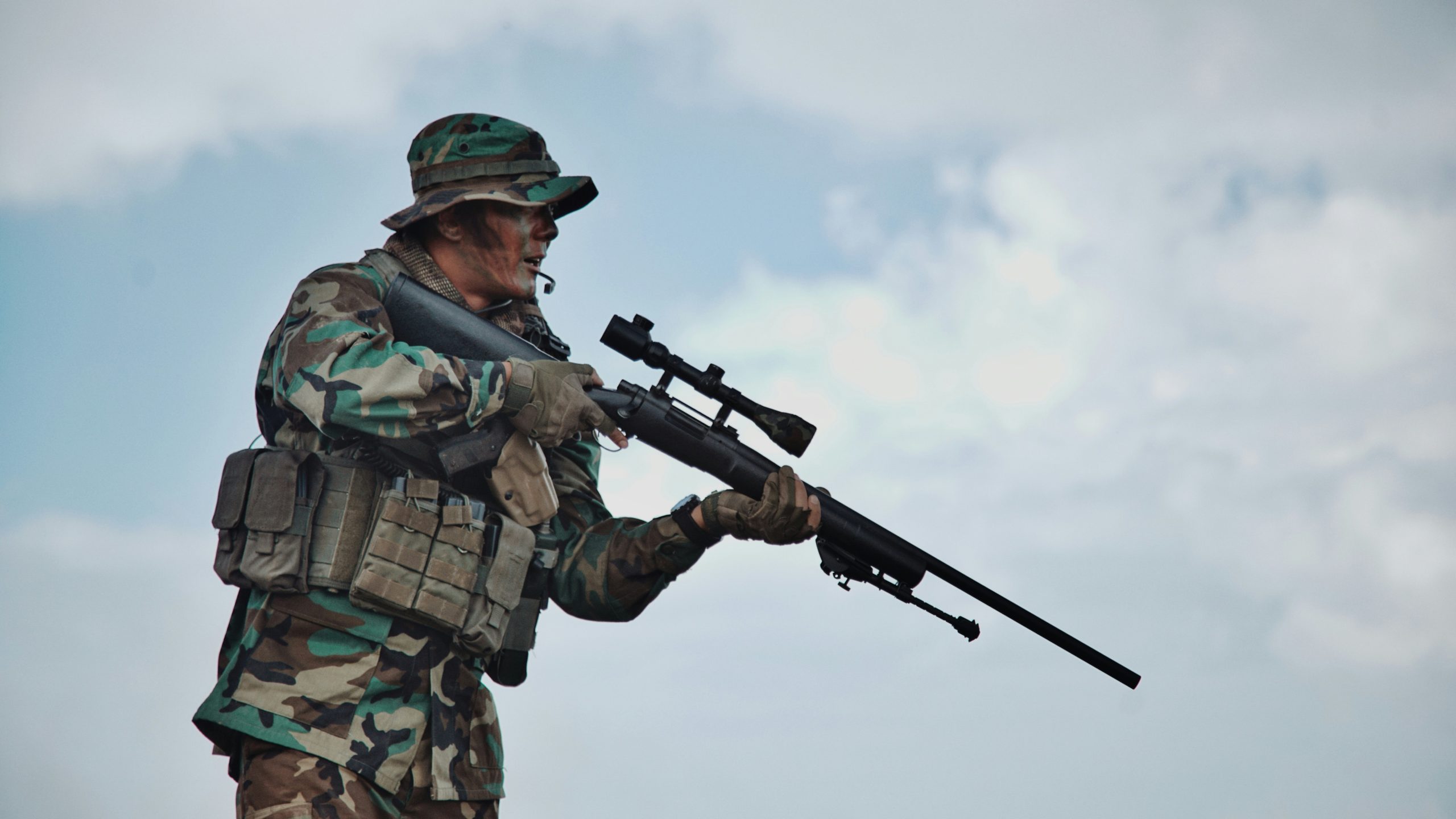
Some shooters want a shoulder-fired firearm but do not need the recoil or blast associated with cartridges such as .308 Winchester or 5.56 NATO. A PCC chambered in 9mm can offer a softer alternative while retaining a carbine-style layout. Many 9mm loads generate substantially less recoil than full-power rifle ammunition, and typical PCCs operate effectively at shorter distances. For shooters practicing at 25 to 50 yards, that can create a comfortable middle ground between a handgun and a centerfire rifle.
3. When Compact Size Matters More Than Maximum Range
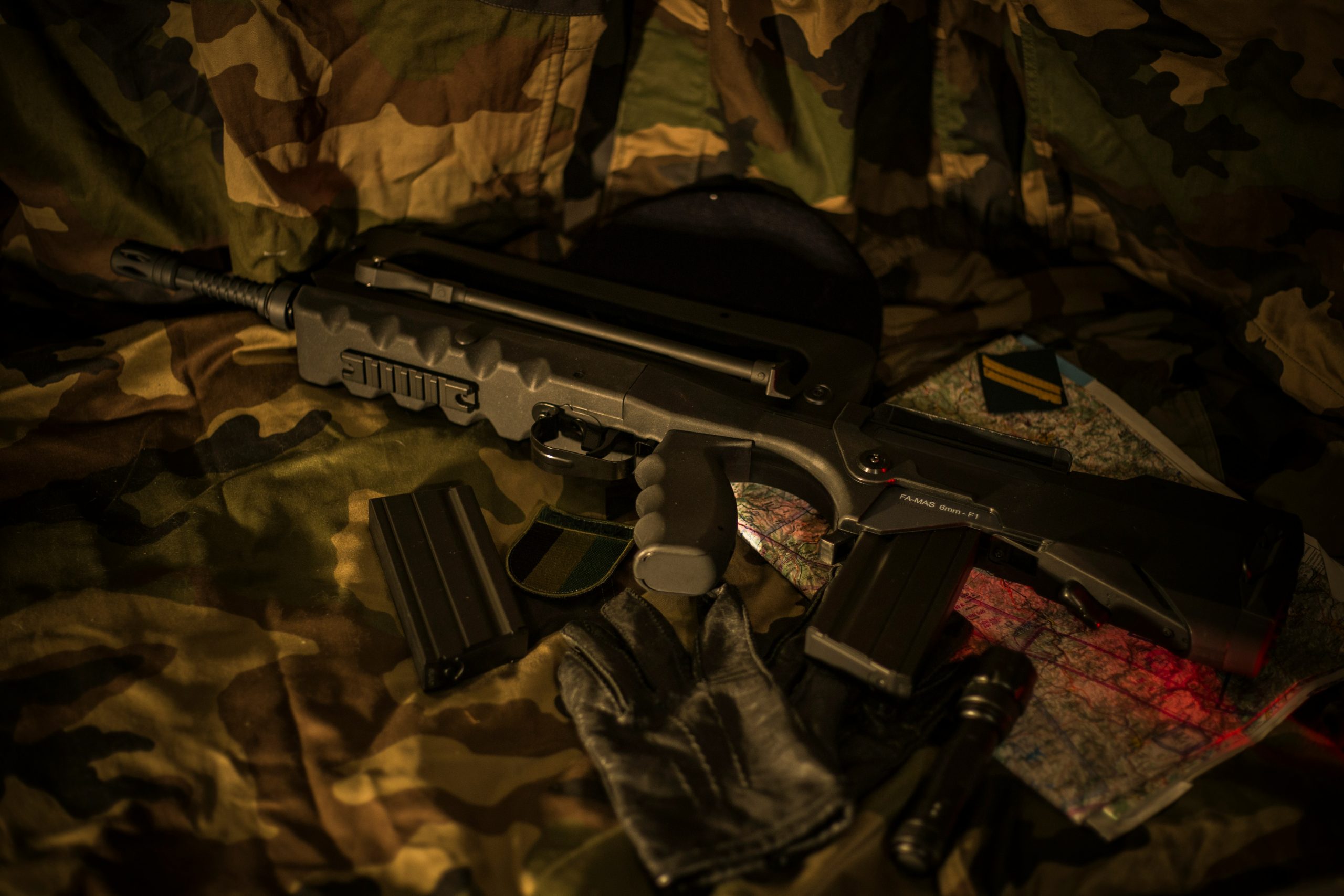
A full-length rifle can become cumbersome when space is limited, while a handgun sacrifices some stability and sight radius. Many PCCs are built with relatively short barrels, often around 6 to 10 inches, although configurations vary widely. That makes them easier to maneuver and transport than many traditional rifles. The tradeoff is important: pistol cartridges generally lose velocity compared with rifle ammunition, so the PCC’s practical advantage is greatest at shorter distances rather than across long open terrain.
4. When You Already Own Compatible Handgun Ammunition
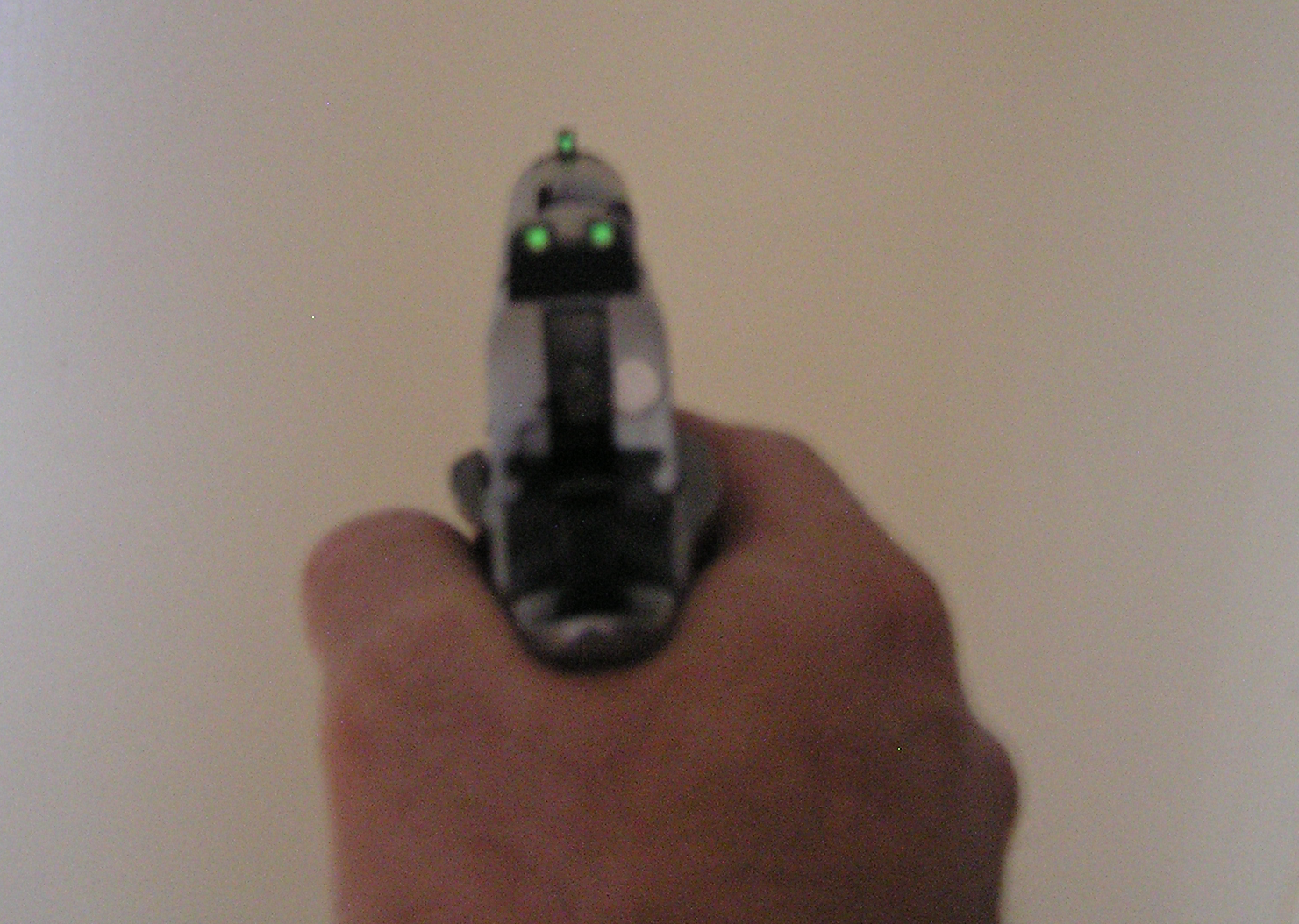
One attraction of a PCC is ammunition commonality. A 9mm carbine can use the same basic cartridge family as a 9mm handgun, although ammunition and magazine compatibility must always be confirmed for the specific firearms. A shooter who already keeps several boxes of 9mm ammunition may therefore find the arrangement convenient for training. Instead of maintaining separate pistol and rifle calibers, one commonly available cartridge can serve two platforms, simplifying storage and range-day planning.
5. When You Want a Softer Training Platform
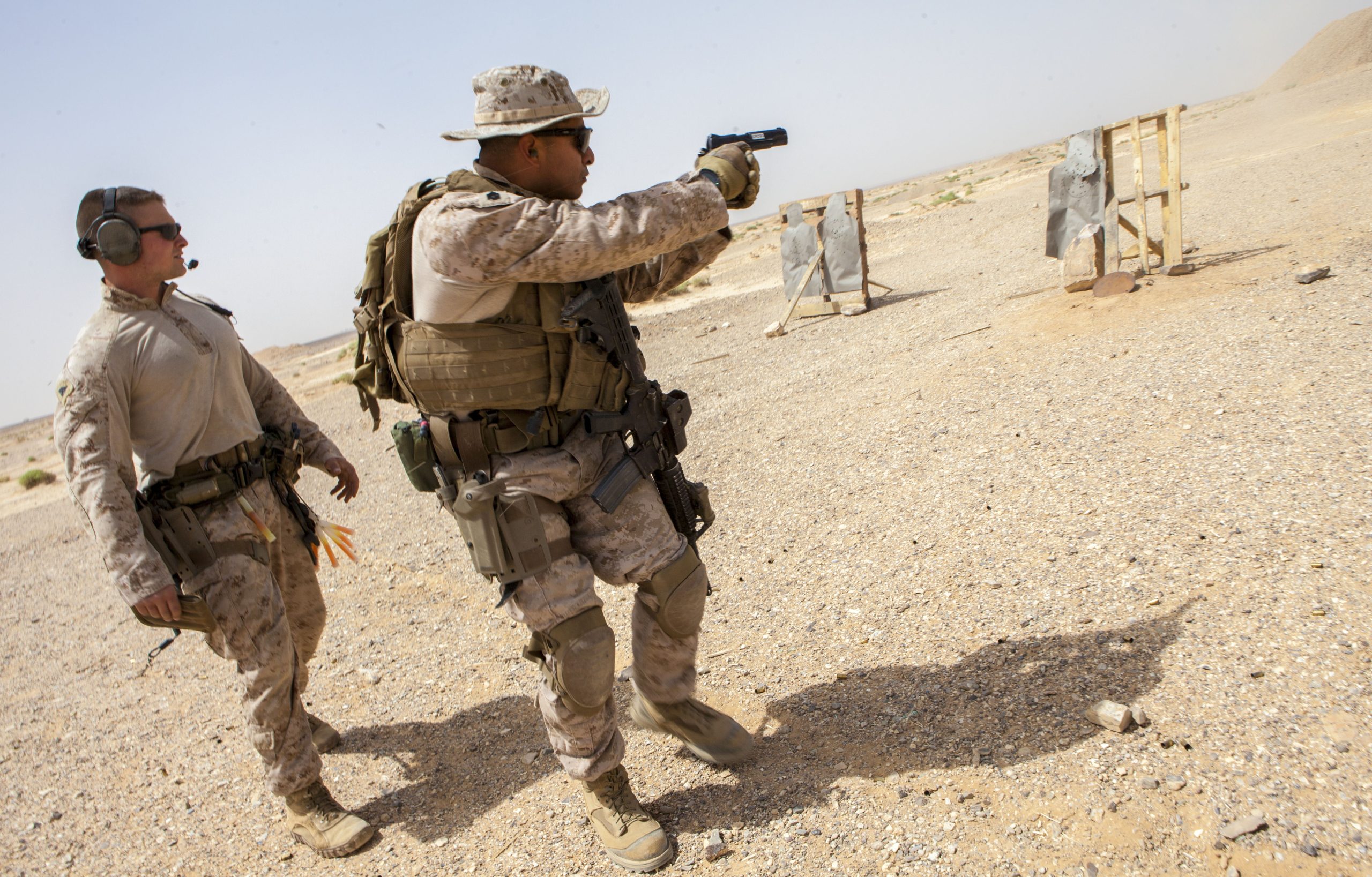
A PCC can be an appealing training option because its shoulder-fired design provides more stability than a handgun while its ammunition is generally milder than common rifle cartridges. A shooter can practice fundamentals such as sight alignment, trigger control, follow-through, and movement without immediately moving to a harder-recoiling rifle. At a 25-yard range, for example, a 9mm PCC can provide an engaging training experience while producing less blast and recoil than many intermediate-cartridge rifles.
6. When Indoor Range Rules Favor Handgun Calibers
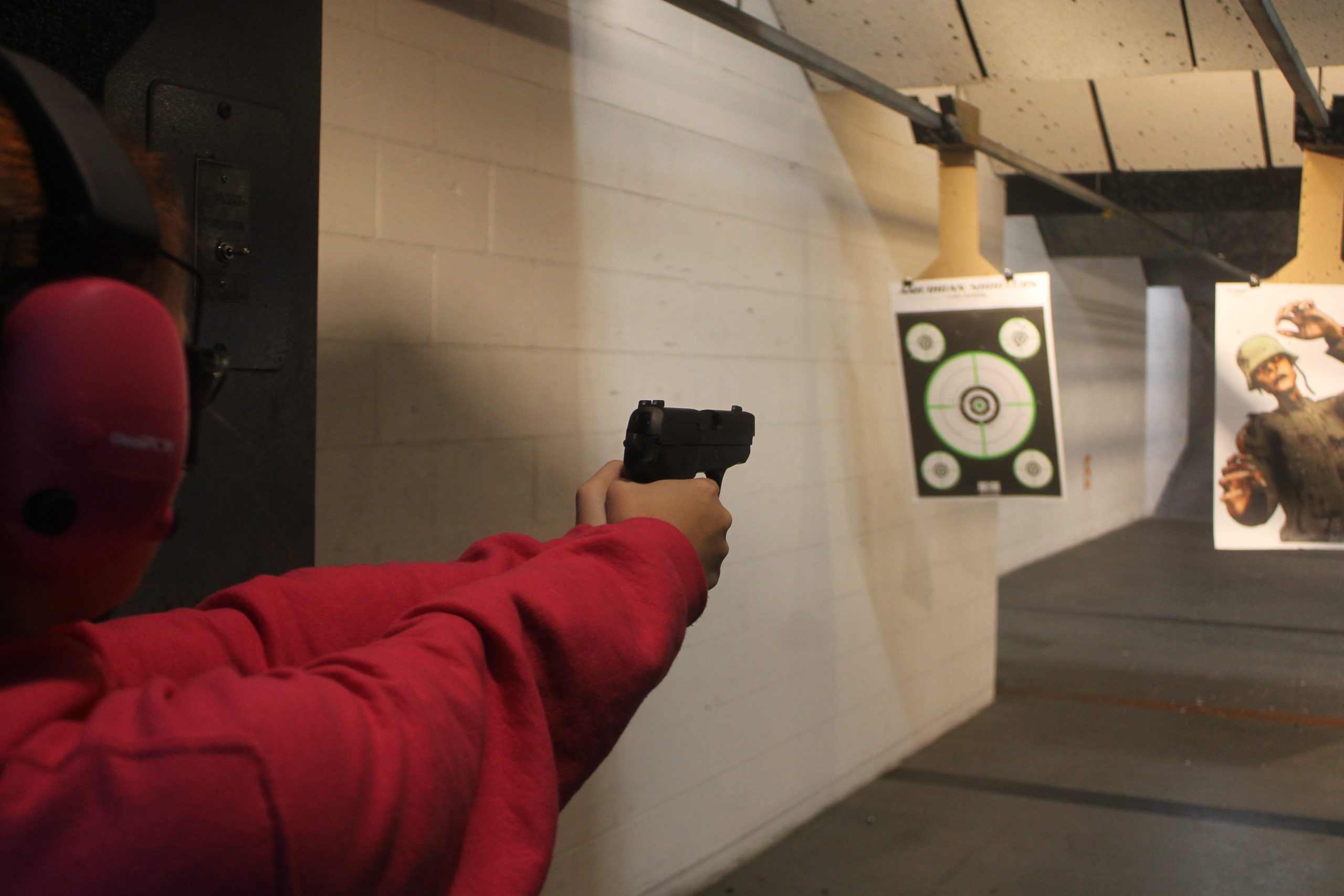
Many shooting ranges have different rules for rifle and handgun ammunition, particularly where backstops, noise, or available distances are concerned. A PCC chambered in 9mm may fit the range’s permitted handgun-caliber category even though it has a carbine configuration. That can open an additional option for shooters who primarily practice at indoor facilities with distances around 15 to 25 yards. However, every range sets its own policies, so checking the rules before bringing a PCC is essential.
7. When You Need a Middle Ground for Recreational Shooting
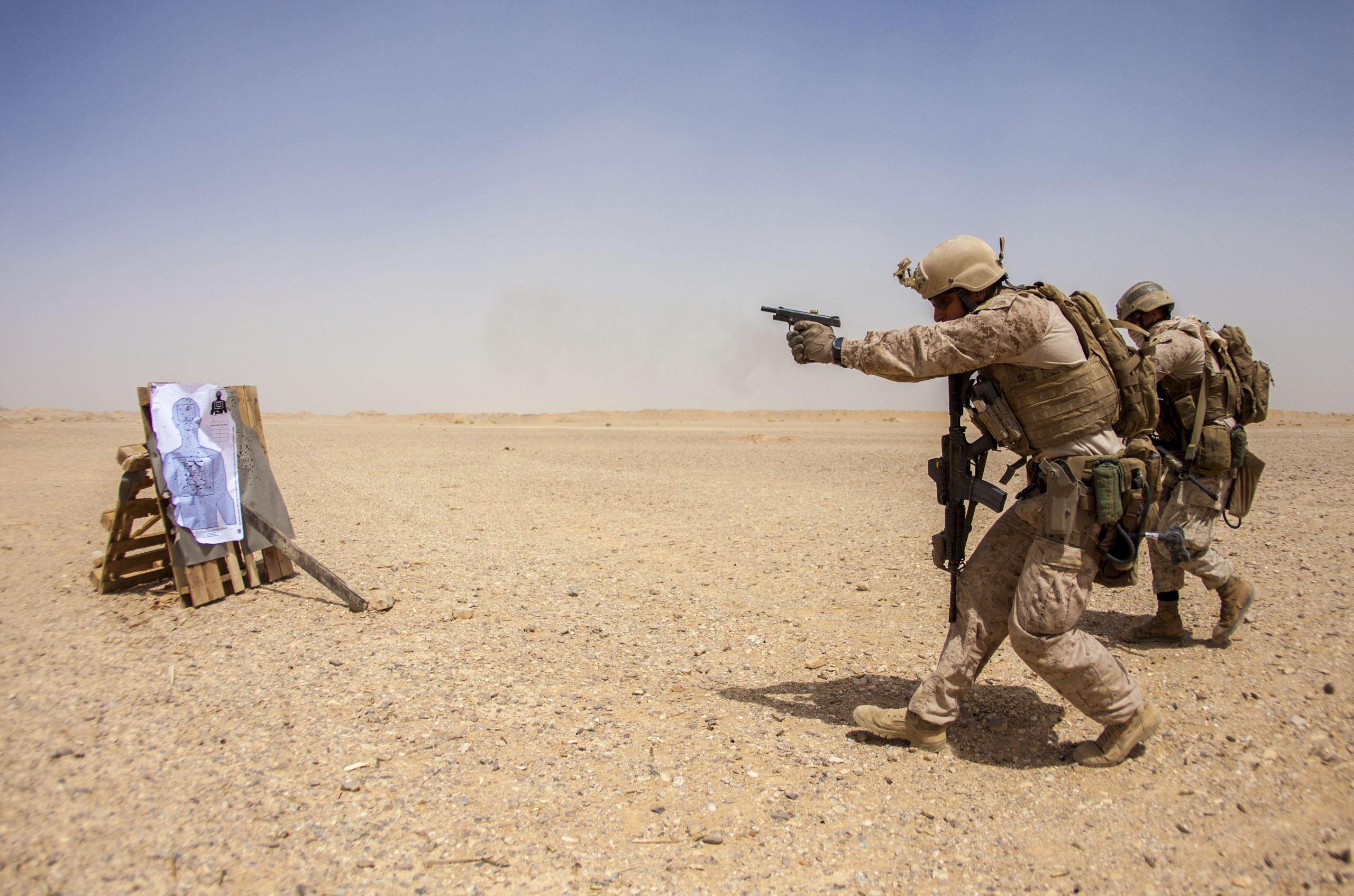
For casual range use, neither a handgun nor a full-size rifle is automatically the perfect choice. A PCC can offer the shoulder-fired feel of a rifle while retaining the relatively mild character of handgun ammunition. At distances of roughly 25 to 75 yards, a 9mm or .45 ACP PCC can be entertaining without demanding the same setup as a longer-range rifle. The result is a versatile recreational platform that sits comfortably between two very different firearm categories.
8. When One Platform Needs to Stay Simple and Manageable
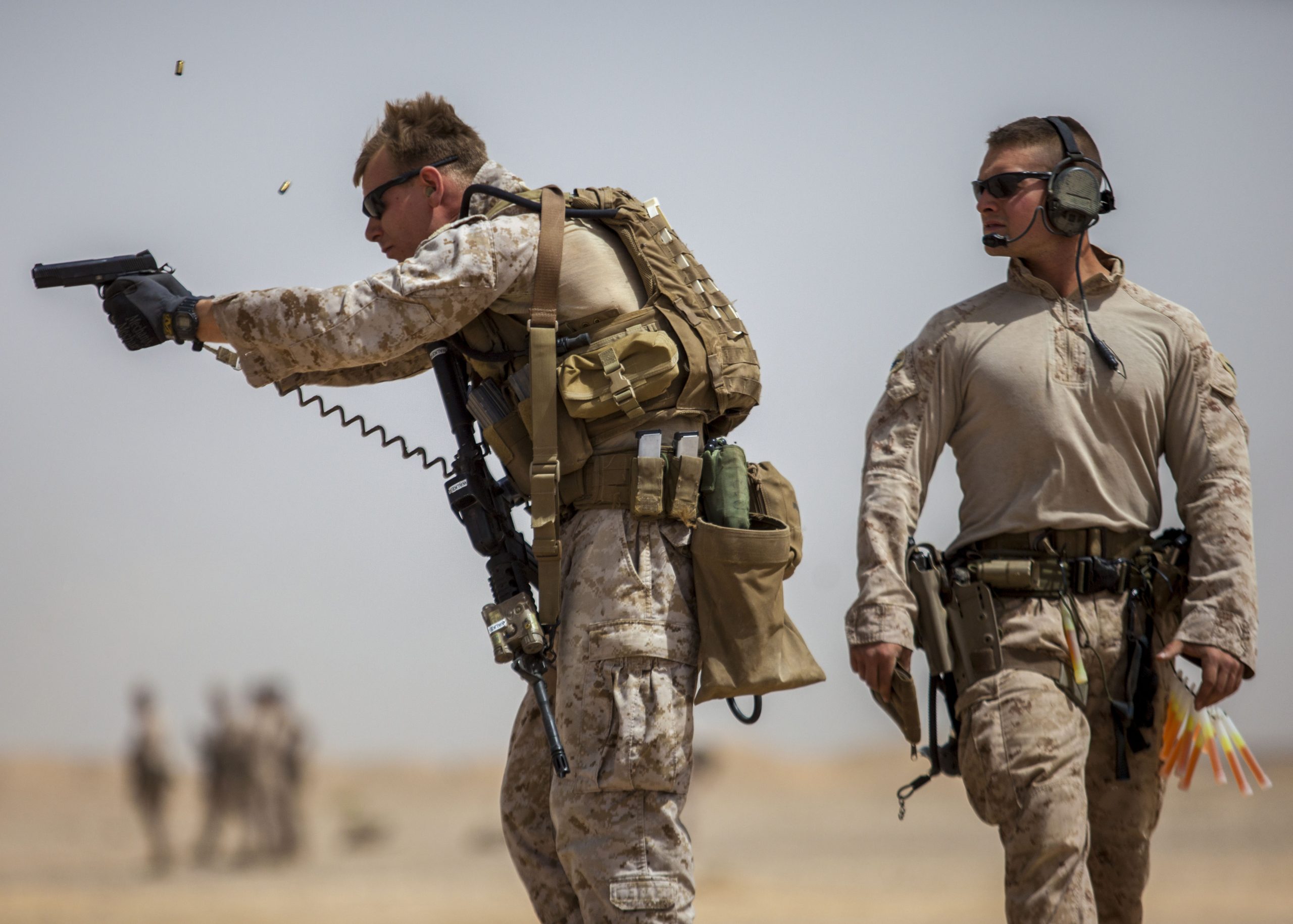
A PCC can make sense for someone who values straightforward handling without wanting the size and recoil of a traditional rifle. Many modern models use simple controls, familiar carbine layouts, and barrels of approximately 6 to 16 inches, depending on the design and legal configuration. Their relatively modest recoil can also make longer practice sessions less tiring for some shooters. The compromise is clear: you give up much of a rifle cartridge’s range and energy while gaining manageable handling and compact versatility.