Shotgun action design has a major influence on how quickly a shooter can make a follow-up shot. Some systems automatically cycle the next shell, while others require a pump, lever, bolt, or complete reload. The ranking below focuses on practical follow-up speed, not theoretical cyclic rates. The timing figures are broad estimates because shooter skill, firearm design, ammunition, recoil, and handling technique can change results considerably. Common action categories include semi-automatic, pump, break-action, bolt, and less-common repeating systems.
1. Semi-Automatic
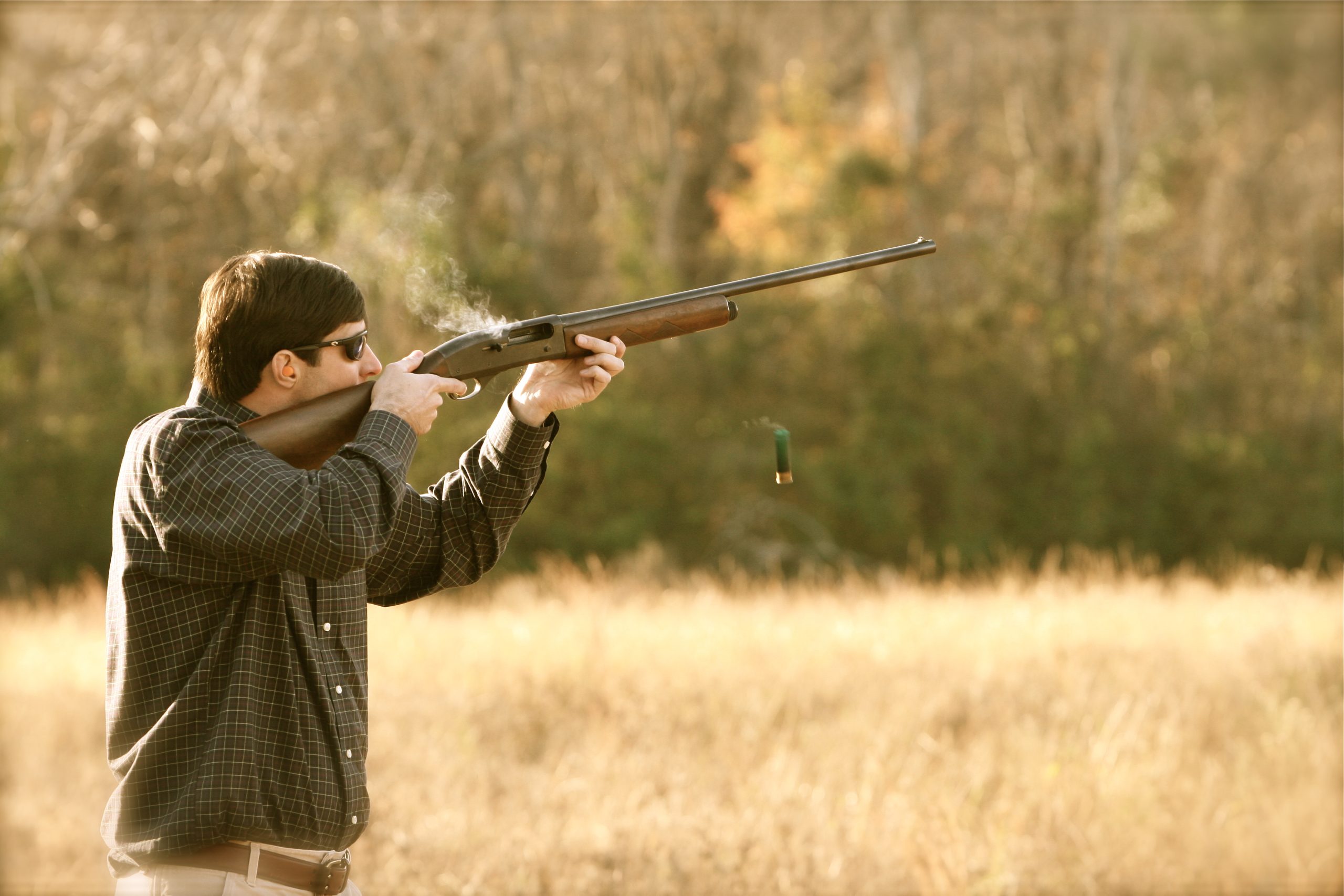
A semi-automatic shotgun is usually the quickest conventional action for repeated shots because the fired shell powers the cycling system. Gas-operated and recoil-operated designs eject the empty shell and chamber another without a separate manual stroke. The shooter still has to press the trigger for every shot. A practiced user may produce follow-up shots in roughly 0.2 to 0.4 seconds, although ammunition, recoil, fit, and skill can change that greatly. Typical capacities are about 3 to 8 shells, depending on the model and local rules. Its advantage is less mechanical work between shots.
2. Pump Action
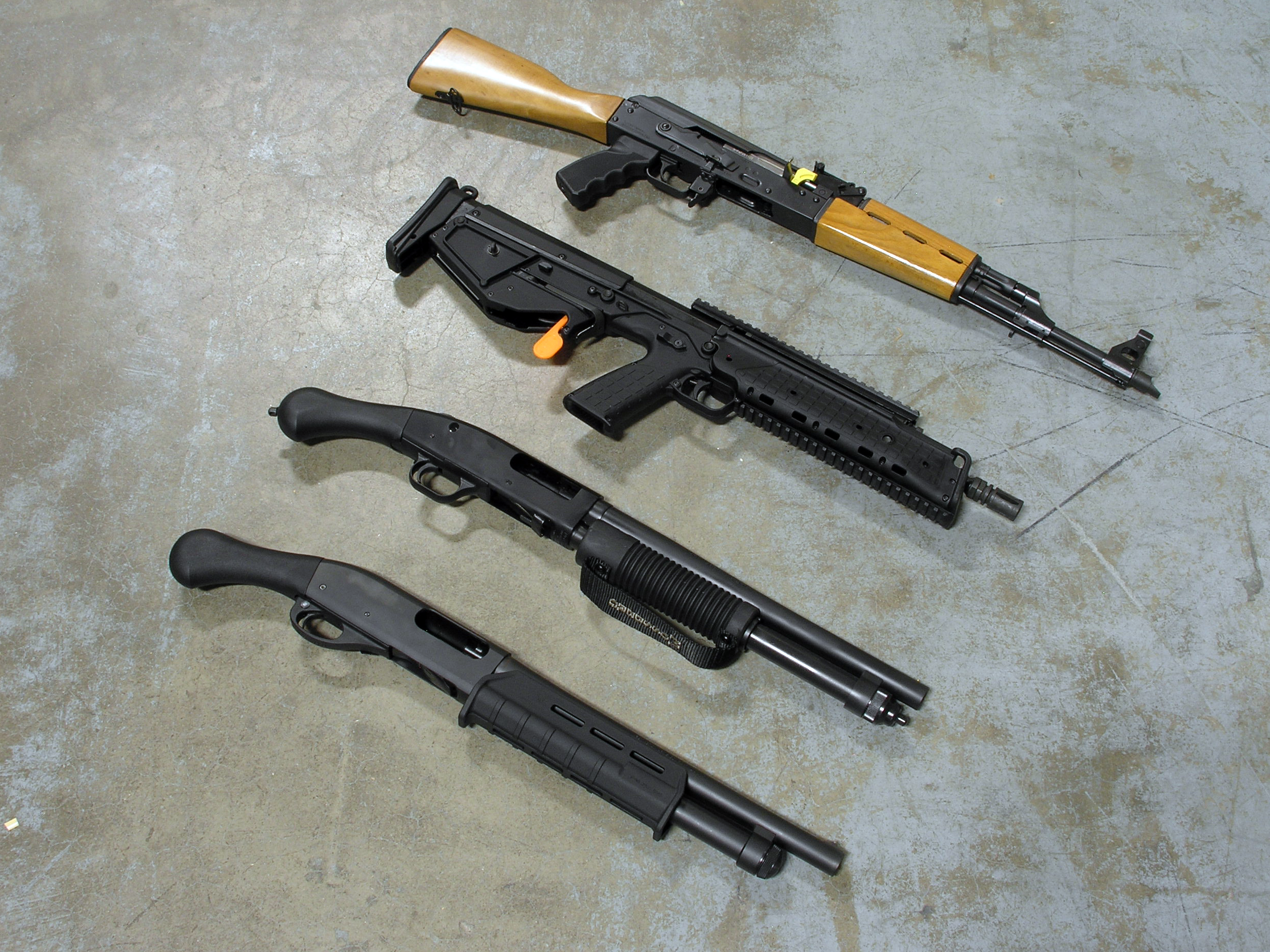
Pump actions can be remarkably quick, but their speed depends on how smoothly the shooter cycles the fore-end. After firing, the action must be manually operated before another chambered shell is ready. Experienced users may achieve follow-up shots in roughly 0.3 to 0.6 seconds, although that is only a broad range. Many common models carry around 4 to 8 shells, depending on configuration and ammunition length. Their appeal is simple mechanics, wide ammunition compatibility, and a long history in hunting and sport. A rushed cycle, however, can slow the sequence.
3. Lever Action
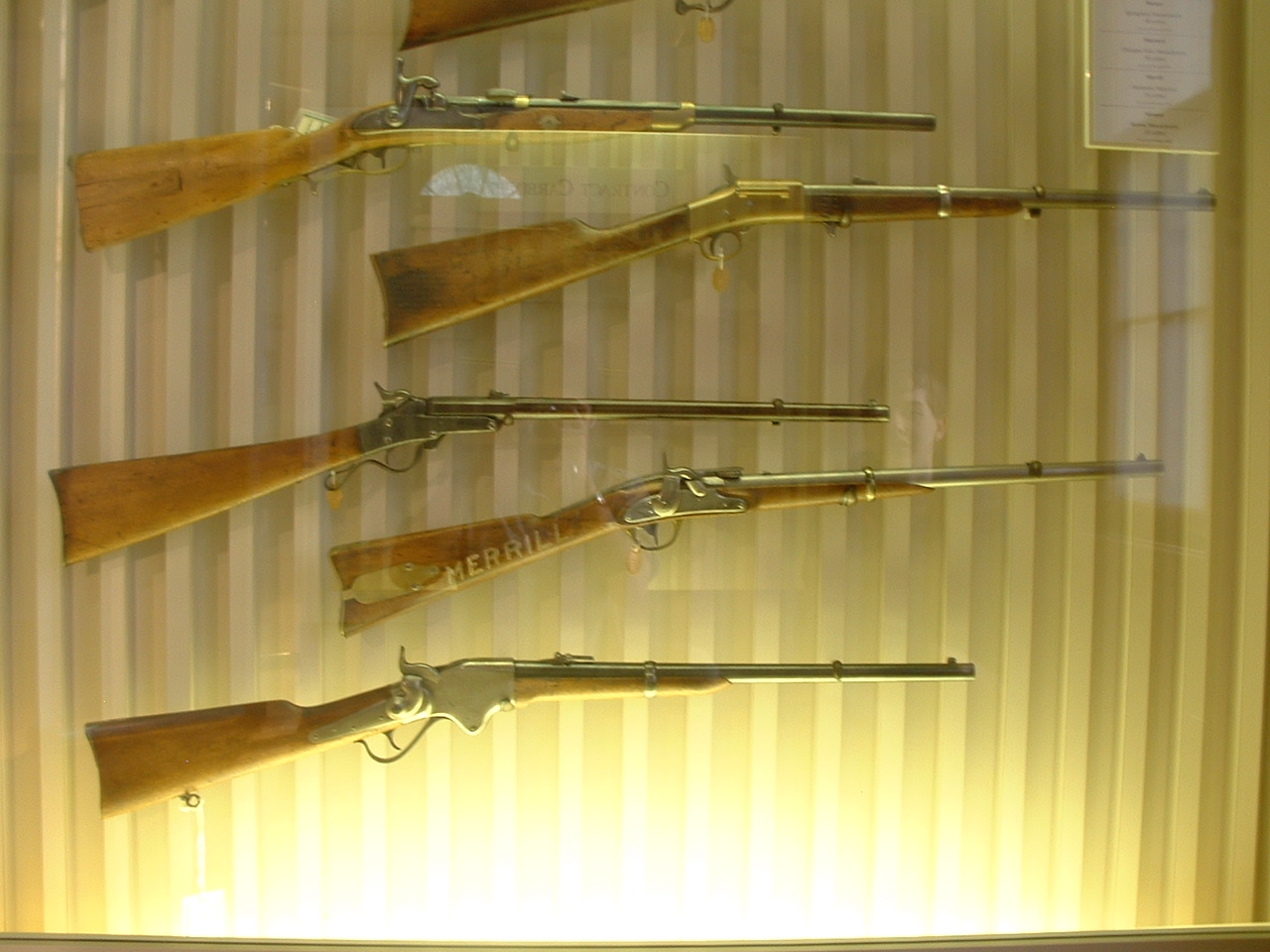
Lever-action shotguns are uncommon compared with pumps and semi-automatics, yet their repeating mechanism can deliver respectable speed. The shooter operates a lever around the trigger guard to cycle the action, eject the spent shell, and chamber another. Practical follow-up times can fall around 0.5 to 0.8 seconds for a practiced user, placing this design behind faster mainstream choices. Capacity varies by model, with many examples holding roughly 4 to 6 shells. The action has a distinctive rhythm, but limited availability means most shooters have less practice with it than with a pump.
4. Revolving Action
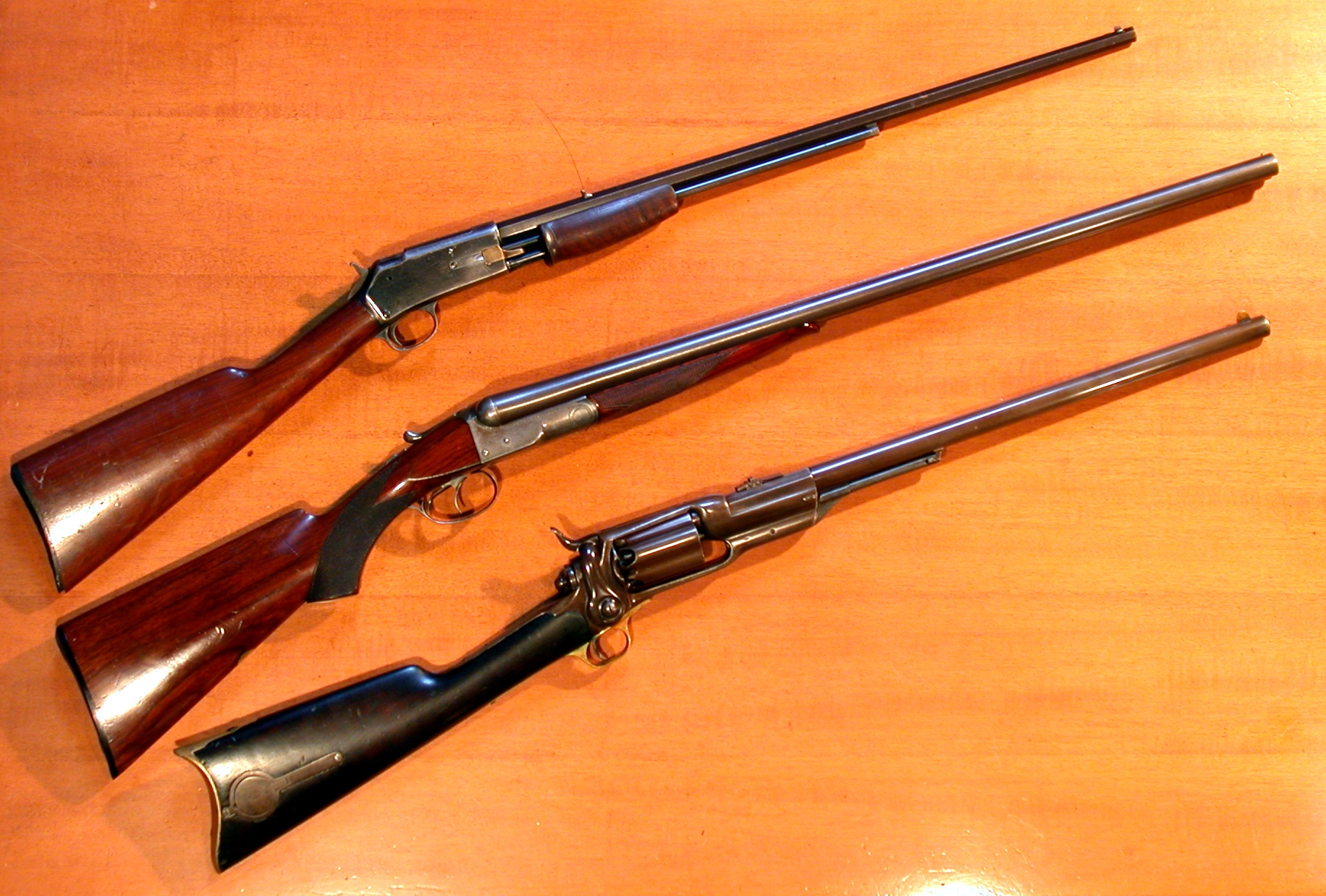
Revolving shotguns use a rotating cylinder containing several chambers, creating a different operating cycle from conventional repeating designs. After a chamber fires, the cylinder rotates to present another loaded chamber. Depending on the model, capacity may be around 5 to 12 shells, while practical follow-up timing can sit near 0.5 to 1.0 seconds. These figures vary because designs differ in weight, triggers, and operation. Revolving shotguns remain niche products rather than mainstream sporting guns. Their appeal comes mainly from mechanical novelty and historical interest.
5. Double-Barrel Side-by-Side
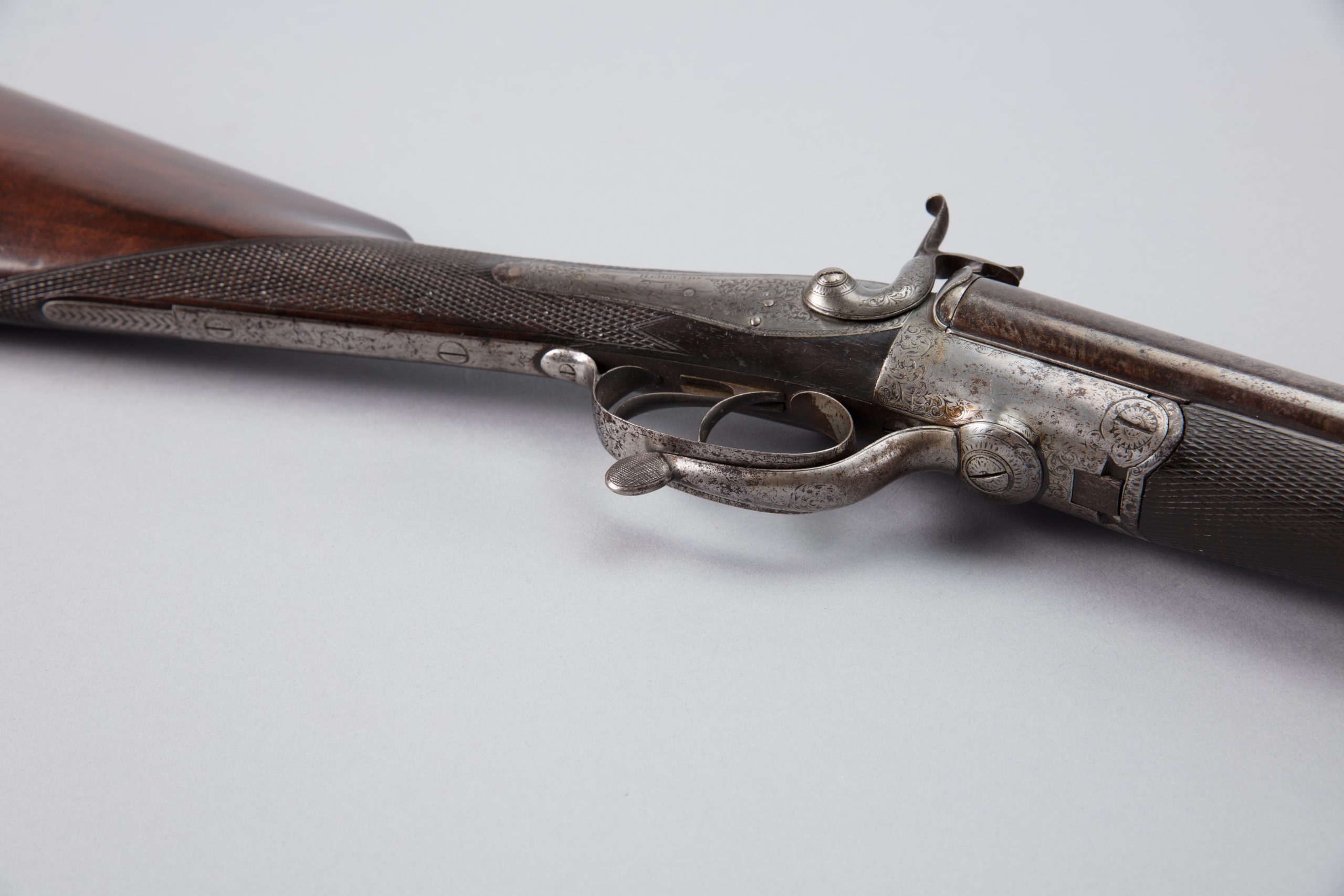
A side-by-side shotgun places two barrels next to each other, giving the shooter two loaded chambers without a cycling mechanism between those shots. A practiced shooter may fire both within roughly 0.3 to 0.6 seconds. Afterward, the action must be opened and the chambers reloaded. Most examples, therefore, hold exactly 2 shells. Their compact firing sequence is one reason side-by-sides remain popular in traditional hunting and sporting circles. Speed drops sharply once those chambers are empty, so their advantage is concentrated in the opening pair of shots rather than sustained fire.
6. Over-and-Under
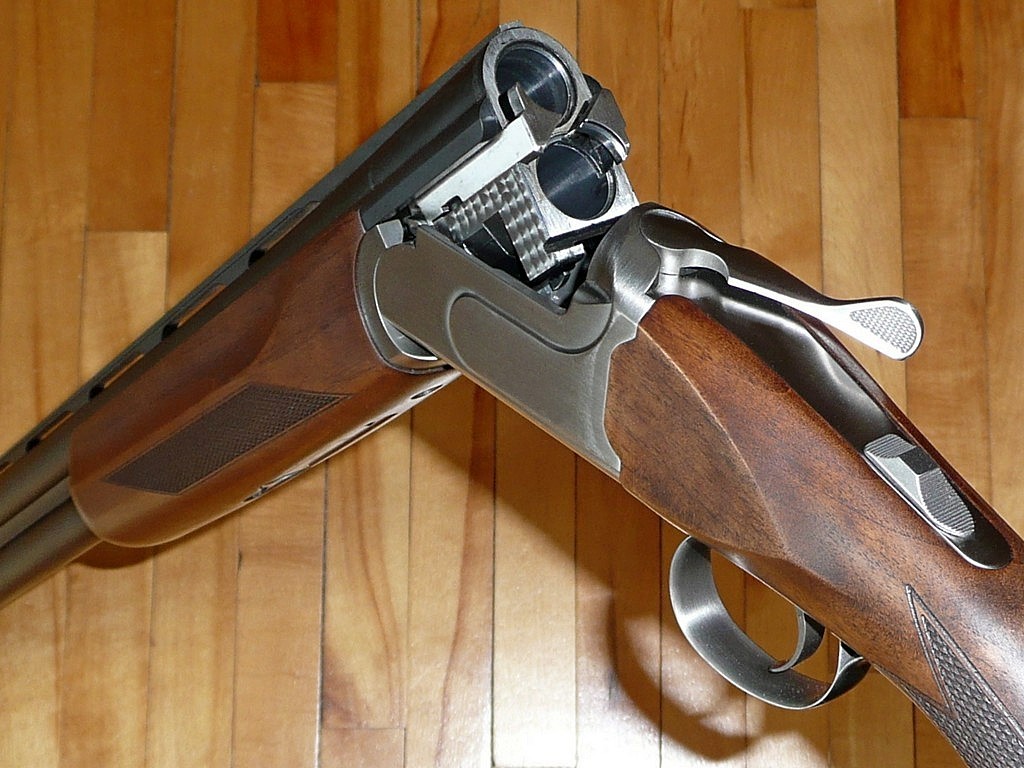
An over-and-under provides two immediately available shots, with its barrels stacked vertically rather than arranged side by side. That layout can offer a clean sight picture and predictable handling, especially in clay-target sports. A practiced shooter may fire both chambers in roughly 0.3 to 0.6 seconds, after which the action must be opened and reloaded. Capacity is normally 2 shells. Its speed looks excellent over the first two shots but poor over a long string compared with repeating actions. Balance and handling can matter more than maximum sustained rate.
7. Bolt Action
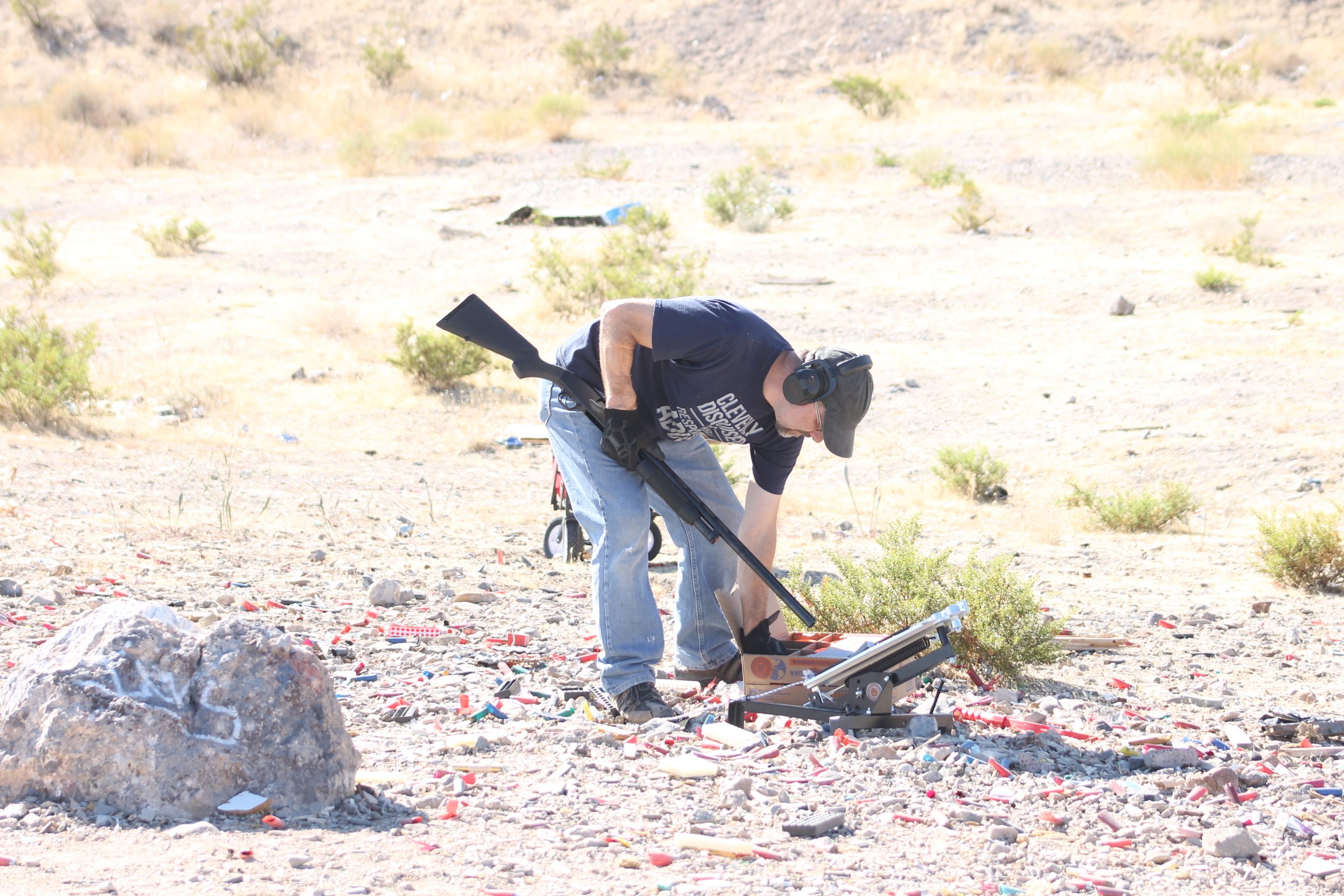
Bolt-action shotguns use the same basic principle as bolt-action rifles: the shooter manually cycles the bolt to eject a spent shell and chamber another. That sequence makes them slower for repeated fire than pumps or semi-automatics. A broad practical follow-up interval is about 0.8 to 1.5 seconds, influenced by the firearm and shooter. Capacity commonly falls around 2 to 5 shells, depending on the model. Bolt-action shotguns are uncommon today, but they remain examples of how designers adapted a familiar rifle mechanism to smoothbore ammunition and specialized hunting roles.
8. Single-Shot Break Action

A single-shot break-action shotgun has no repeating magazine, so its ranking is straightforward: one chamber, one loaded shell, then a complete reload. Preparing another shot may take roughly 2 to 5 seconds or more, depending on the shooter and design. Capacity is exactly 1 shell. This simplicity is also its strength, bringing few moving parts and an easy-to-understand loading system. Single-shot break actions remain useful for training, some hunting applications, and economical sporting firearms. They sacrifice sustained speed for simplicity, light weight, and straightforward handling.