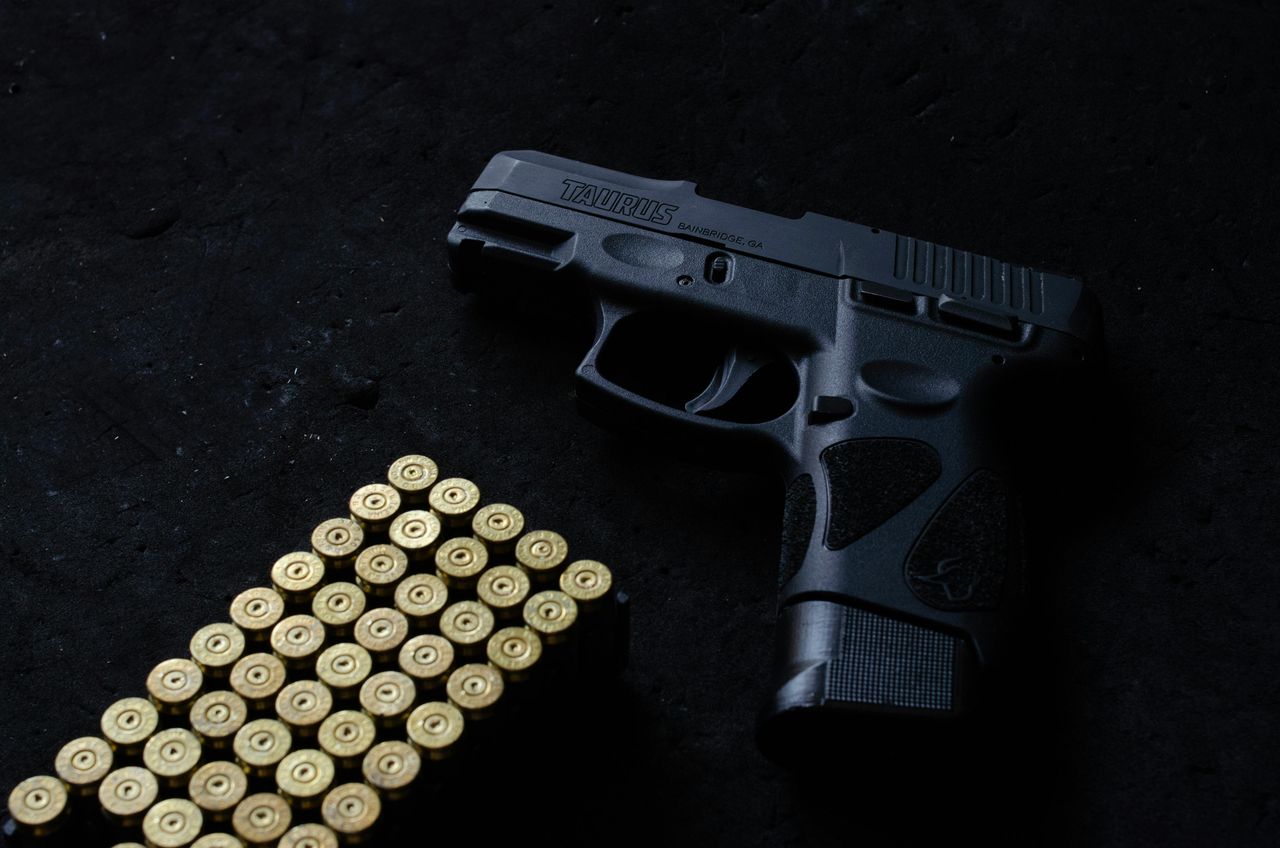
The Taurus G3 built its reputation on one simple promise: a lot of pistol for the money. But as prices creep upward, that bargain-first identity is getting harder to maintain, and shoppers are noticing. This gallery looks at the forces pushing the G3 higher on the price ladder and why some buyers are starting to hesitate, compare, and walk away.
The budget gap is shrinking
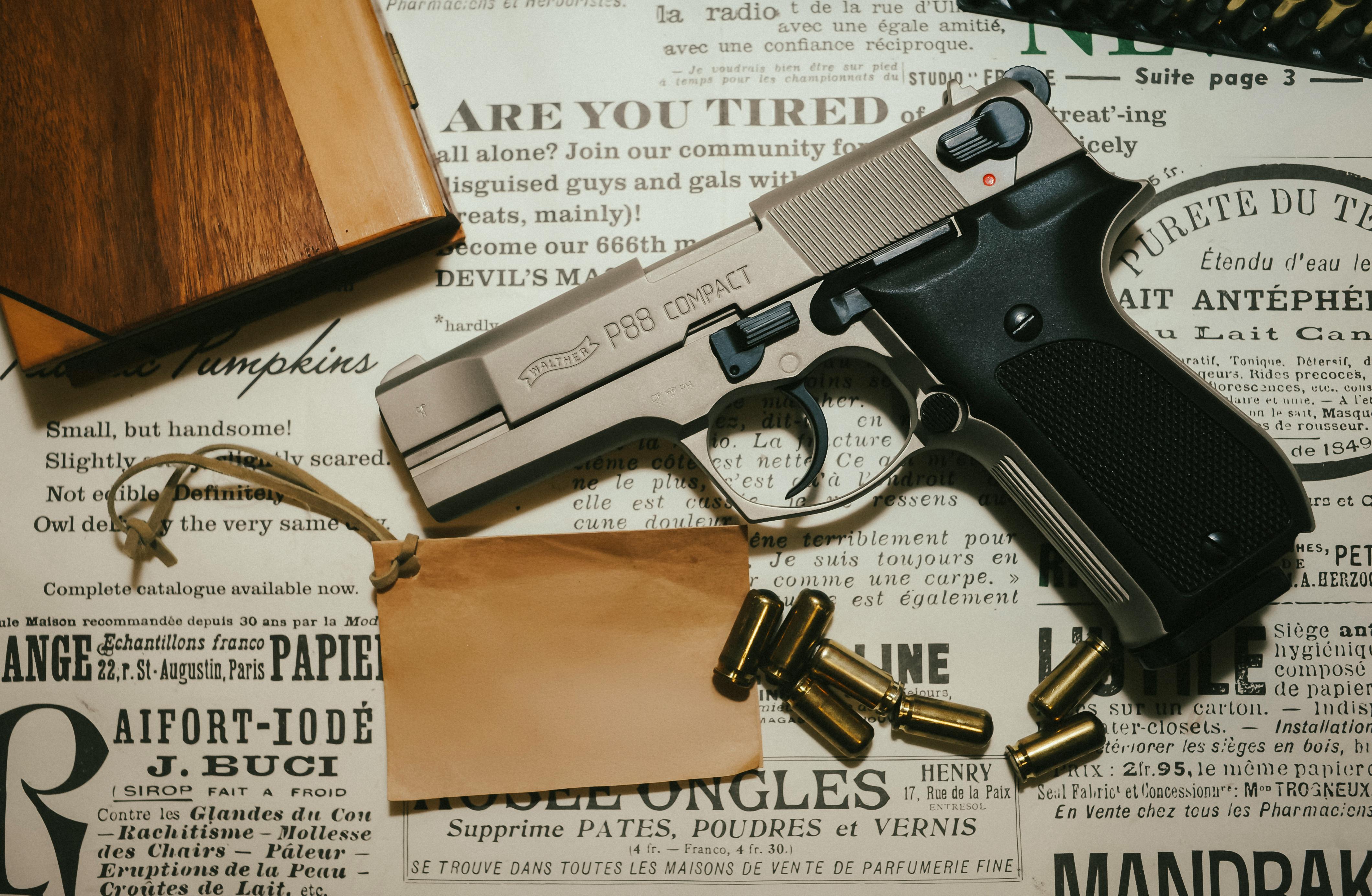
The Taurus G3 made its name by landing in the sweet spot between price and practical performance. For years, that low entry cost helped it stand out in a crowded field full of first-time buyers, backup-gun shoppers, and budget-minded owners who wanted a dependable range and home-defense option.
As the sticker climbs, that defining advantage starts to fade. When the gap between the G3 and better-established competitors gets smaller, buyers naturally begin asking tougher questions about long-term value, resale, and brand confidence. A pistol that once felt like an easy yes can start to feel like a maybe.
Materials and manufacturing costs have risen
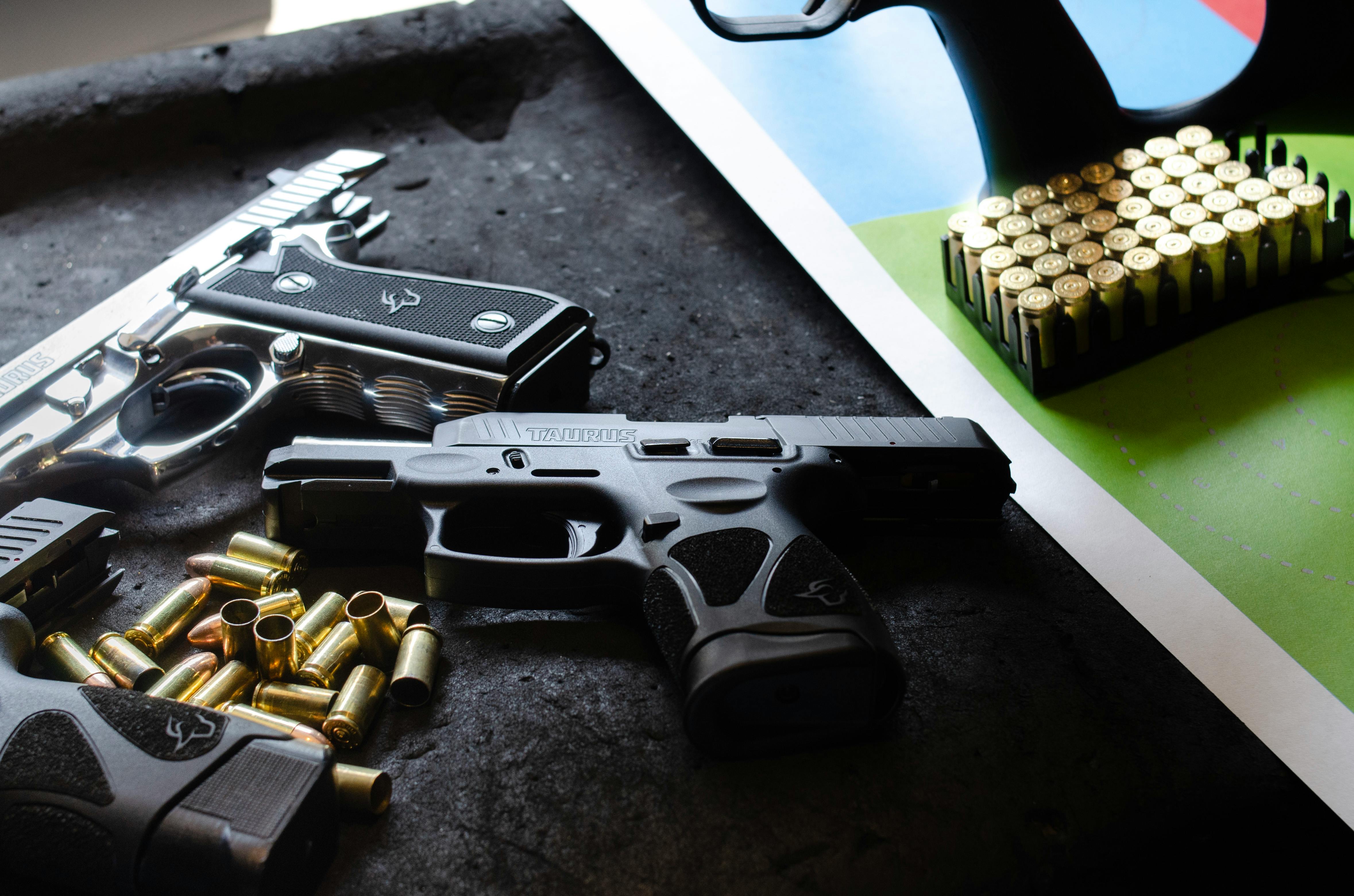
Like nearly every mass-market product, the G3 is dealing with broader cost pressure behind the scenes. Steel, polymers, machining, finishing, shipping, packaging, and labor have all become more expensive over time, and manufacturers rarely absorb all of that without eventually adjusting retail pricing.
Even a pistol built for the value segment is not insulated from those realities. When margins are already tight, small increases in production costs can have an outsized effect on final shelf price. Buyers may understand that inflation is real, but they still expect a budget pistol to feel like a budget pistol when they see the tag.
Import and distribution expenses add pressure

Pricing is not just about what happens on the factory floor. Import-related costs, wholesale markups, warehousing, distributor fees, compliance handling, and dealer overhead all stack onto the final number a shopper sees in the case. That layered system can turn a modest wholesale increase into a noticeably higher retail jump.
For buyers, those extra costs are mostly invisible, which makes the new price feel more abrupt than it really is. They are not comparing supply-chain spreadsheets when they shop. They are comparing one pistol next to another and deciding whether the G3 still makes sense at the current asking price.
Demand spikes can push prices higher
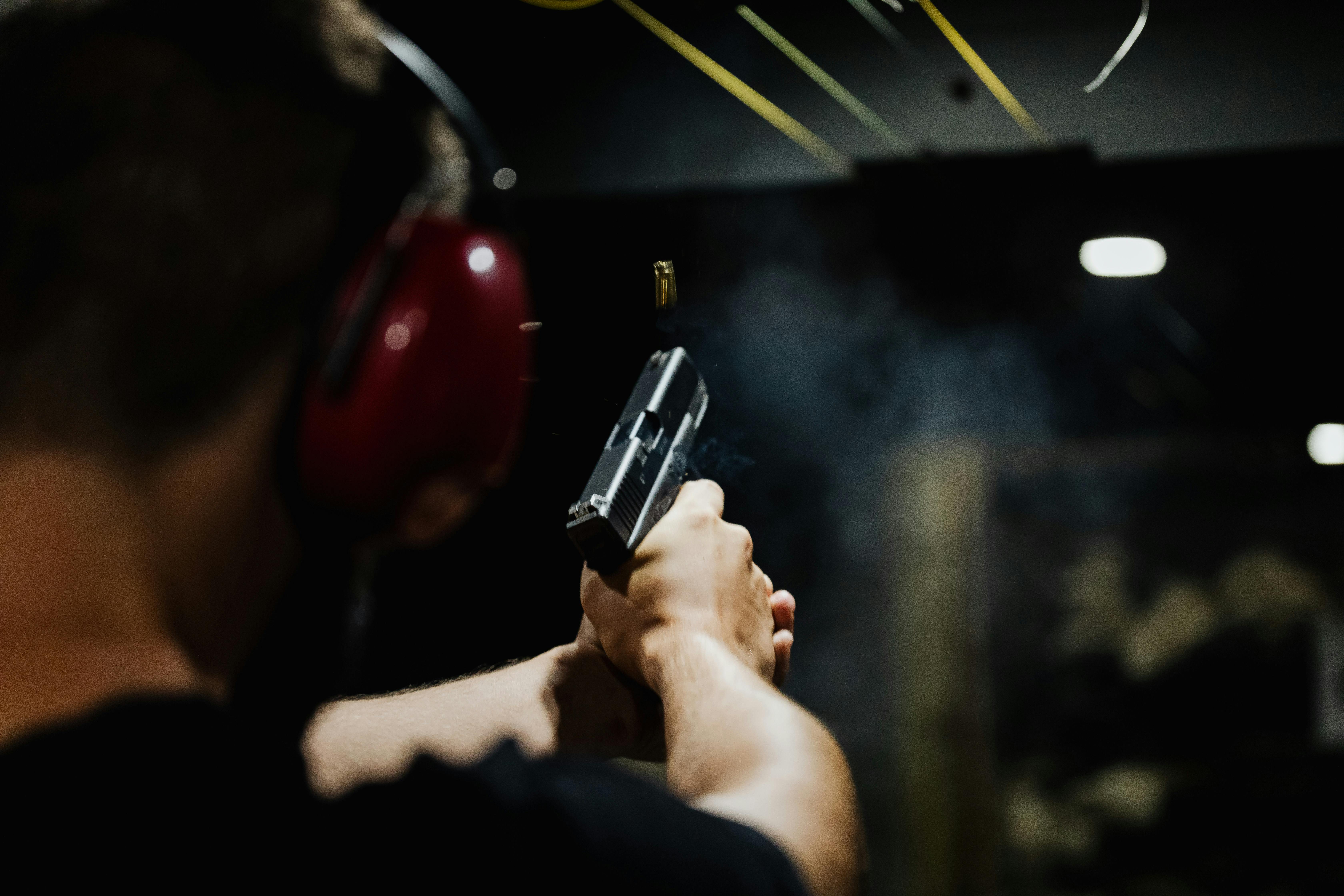
Firearm pricing often moves in waves, and demand surges can happen quickly. Political uncertainty, social unrest, election cycles, and headline-driven buying frenzies have all pushed more people into stores at once, especially when they are looking for affordable, readily available handguns.
The G3 has historically sat right in that high-demand lane. When more buyers chase the same pool of inventory, prices tend to climb, discounts disappear, and promotions become harder to find. The problem for Taurus is that shoppers may tolerate those increases during a panic, but once the rush cools, they start re-evaluating whether the gun is still worth the elevated price.
Competition has gotten stronger

The G3 is no longer competing in the same value landscape it entered. Today, shoppers can compare it against a growing list of budget and mid-tier pistols that offer improved triggers, optics-ready slides, stronger brand reputations, or generous accessory packages at only slightly higher prices.
That makes every price increase more dangerous. Once buyers feel they are close enough to trade up, the G3 loses the psychological advantage that helped drive its popularity. A modest bump can move it from bargain territory into direct comparison with models many shoppers already perceive as safer, more refined, or easier to trust.
Brand reputation still affects value

Taurus has improved its standing with many shooters, and the G3 earned attention for offering solid features at a low price. Still, brand reputation changes slowly, and some buyers continue to weigh older concerns about quality control, consistency, or customer service when deciding how much they are willing to spend.
That hesitation matters more as the price rises. A shopper might take a chance on a lower-cost pistol because the risk feels manageable, but that calculation changes when the deal feels less compelling. The higher the asking price goes, the more buyers expect not just decent performance, but deep confidence in the name on the slide.
Buyers expect more features for the money

Modern handgun buyers have become increasingly picky, and for good reason. Features that once felt premium, like optics-ready cuts, improved texturing, accessory compatibility, upgraded sights, and cleaner triggers, are now showing up on more affordable models across the market.
As the Taurus G3 gets more expensive, expectations rise right along with it. Shoppers start asking whether the pistol offers enough refinement to justify the new number, not just whether it still functions reliably. If the feature list looks familiar while the price keeps moving up, buyers can quickly conclude they are paying more without getting much more back.
Retailers are adjusting to thinner deals

Part of the pushback is happening at the store level. Retailers that once used aggressive pricing to move budget pistols may now have less room to discount, whether because wholesale costs are higher, inventory is tighter, or other products simply generate better margins and fewer customer objections.
That changes how the G3 is presented to shoppers. Instead of being the obvious low-cost standout in the case, it can become one option among many, with fewer sale tags and less enthusiasm around the deal itself. When the discount energy disappears, buyers notice, and the sense of value can vanish faster than the actual price change suggests.
Online shoppers compare every dollar

Today’s buyer rarely relies on one store visit. They check online listings, compare local inventory, read reviews, watch range videos, and scan forums before making a decision. That level of price transparency makes it much harder for any model to quietly drift upward without attracting criticism.
The Taurus G3 feels that scrutiny because its appeal has always been tied to value. When shoppers can instantly see nearby alternatives, package deals, rebates, and slightly pricier competitors with stronger followings, every added dollar matters. Pushback grows when buyers feel the market is showing them better ways to spend just a little bit more.
The G3 may be losing its core identity
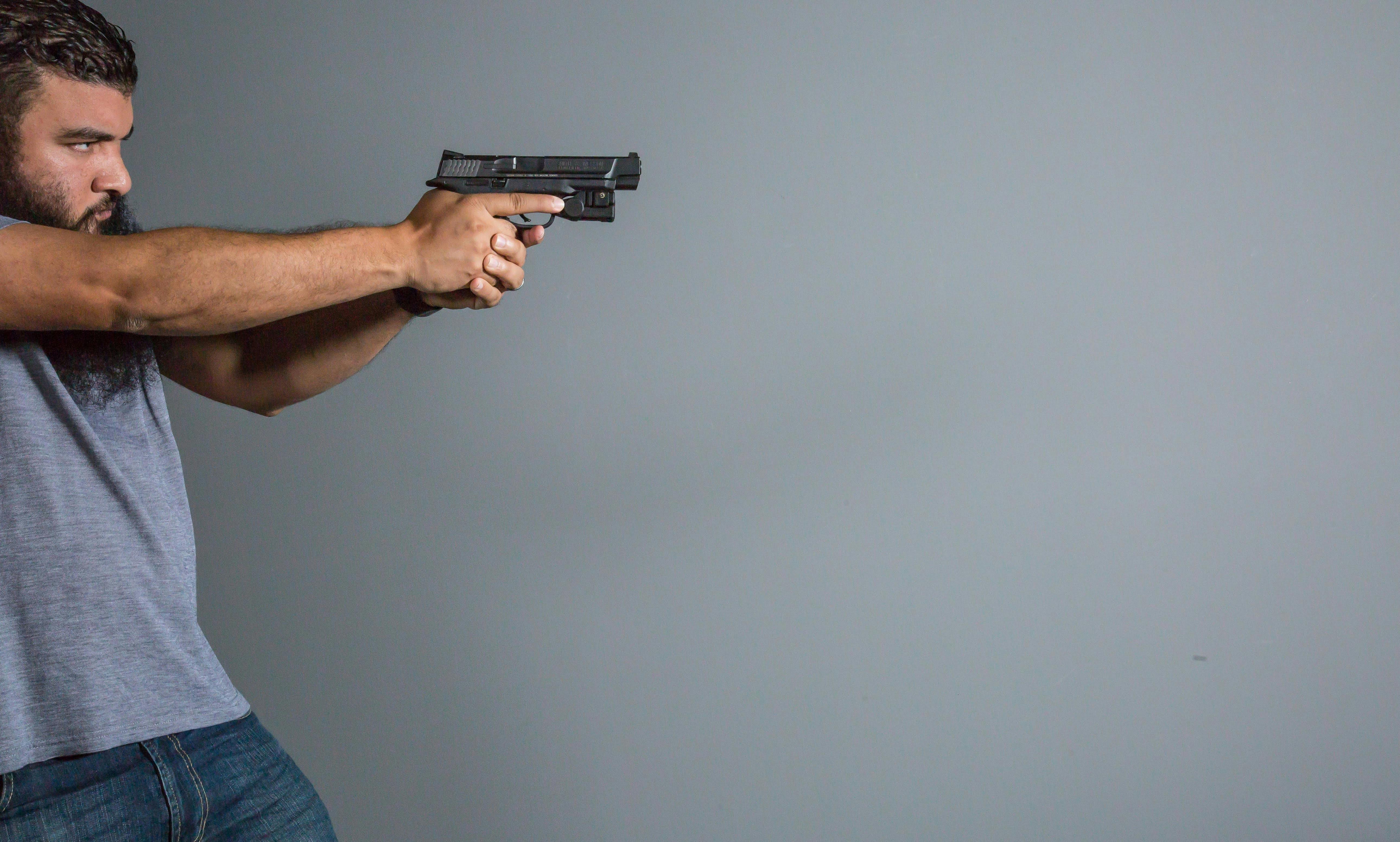
At its best, the Taurus G3 was easy to explain. It was the pistol people mentioned when someone wanted a feature-packed, affordable option that did not pretend to be something it was not. That clarity helped it earn attention in a segment where simple value propositions often win.
But when prices rise too far, the story gets muddled. Buyers begin to wonder whether the G3 is still the smart budget choice or an awkward middle-ground option caught between cheaper entry-level guns and more trusted step-up models. That identity problem may be the biggest reason shoppers are pushing back: the value equation no longer feels as obvious as it once did.