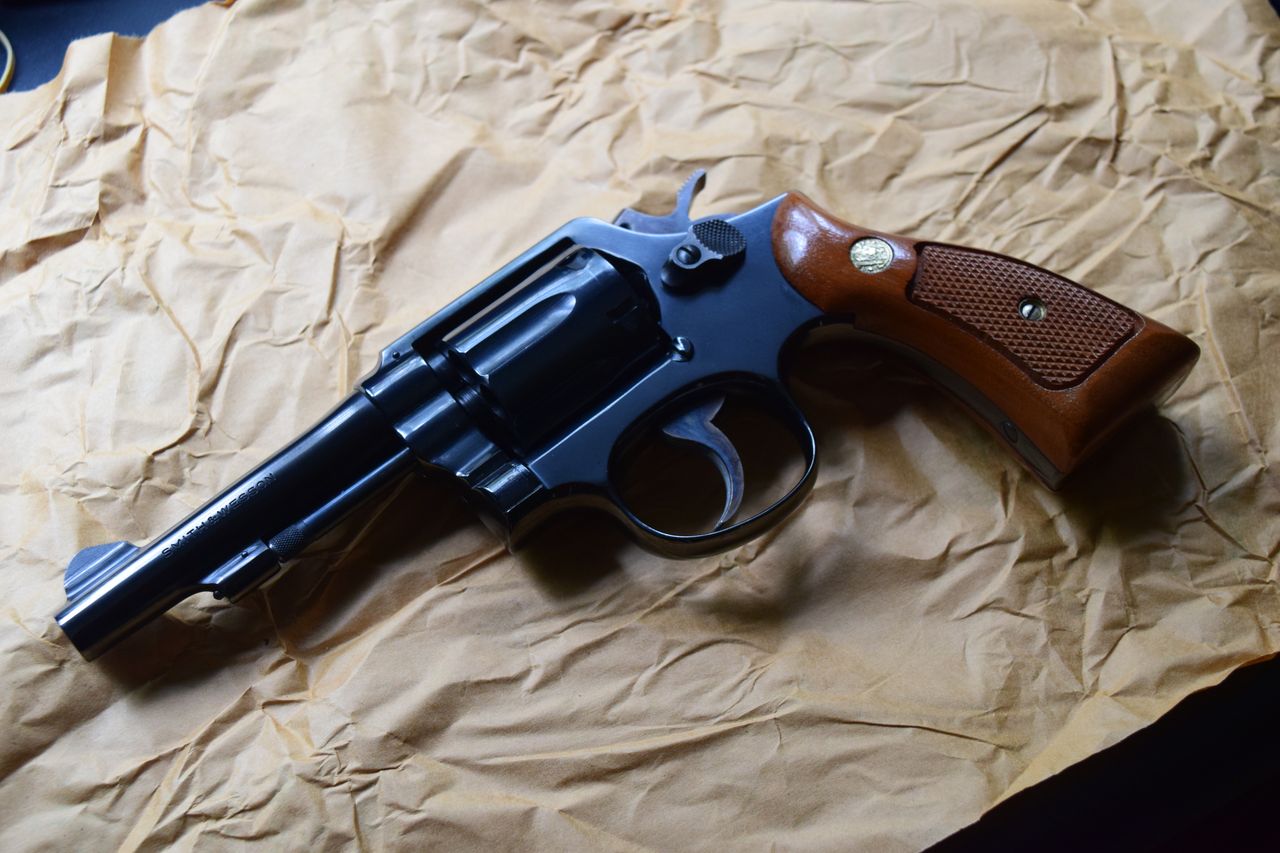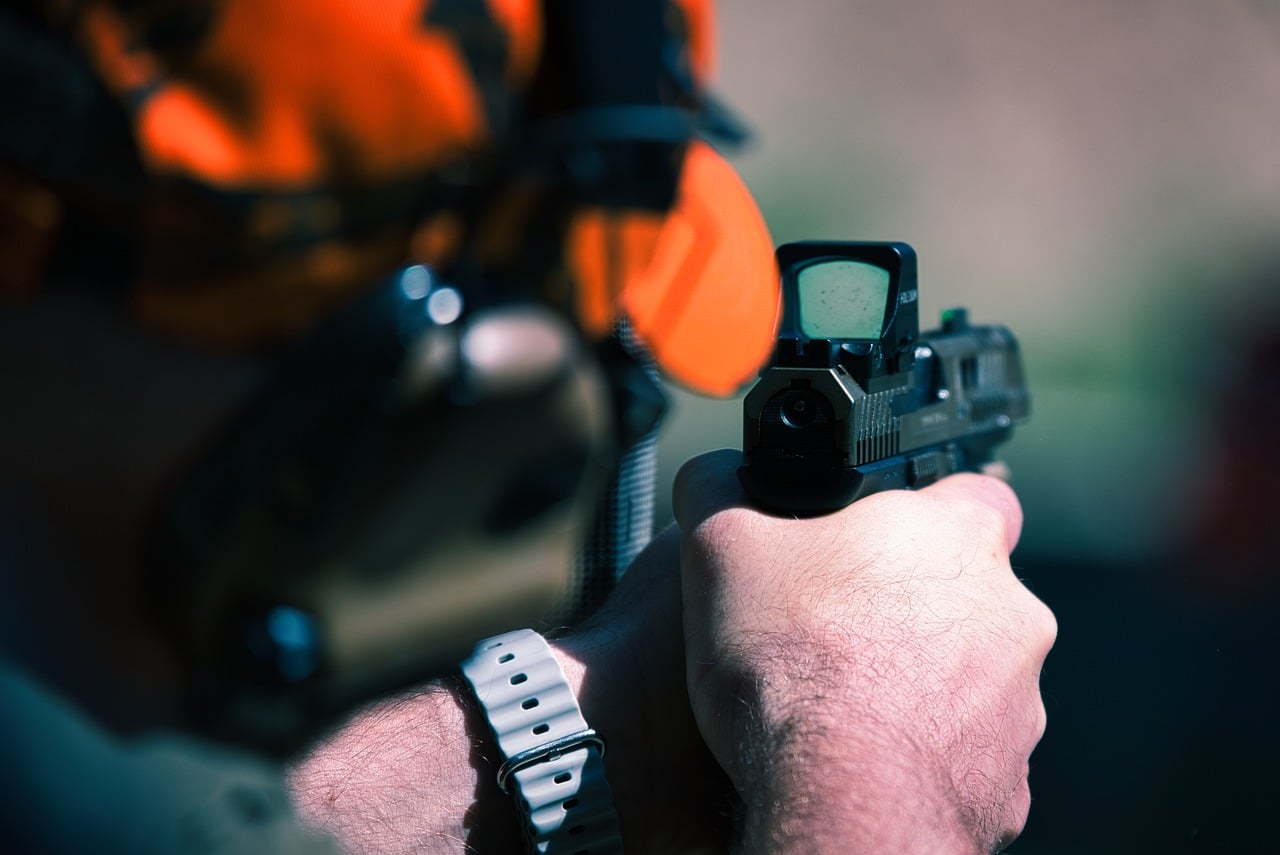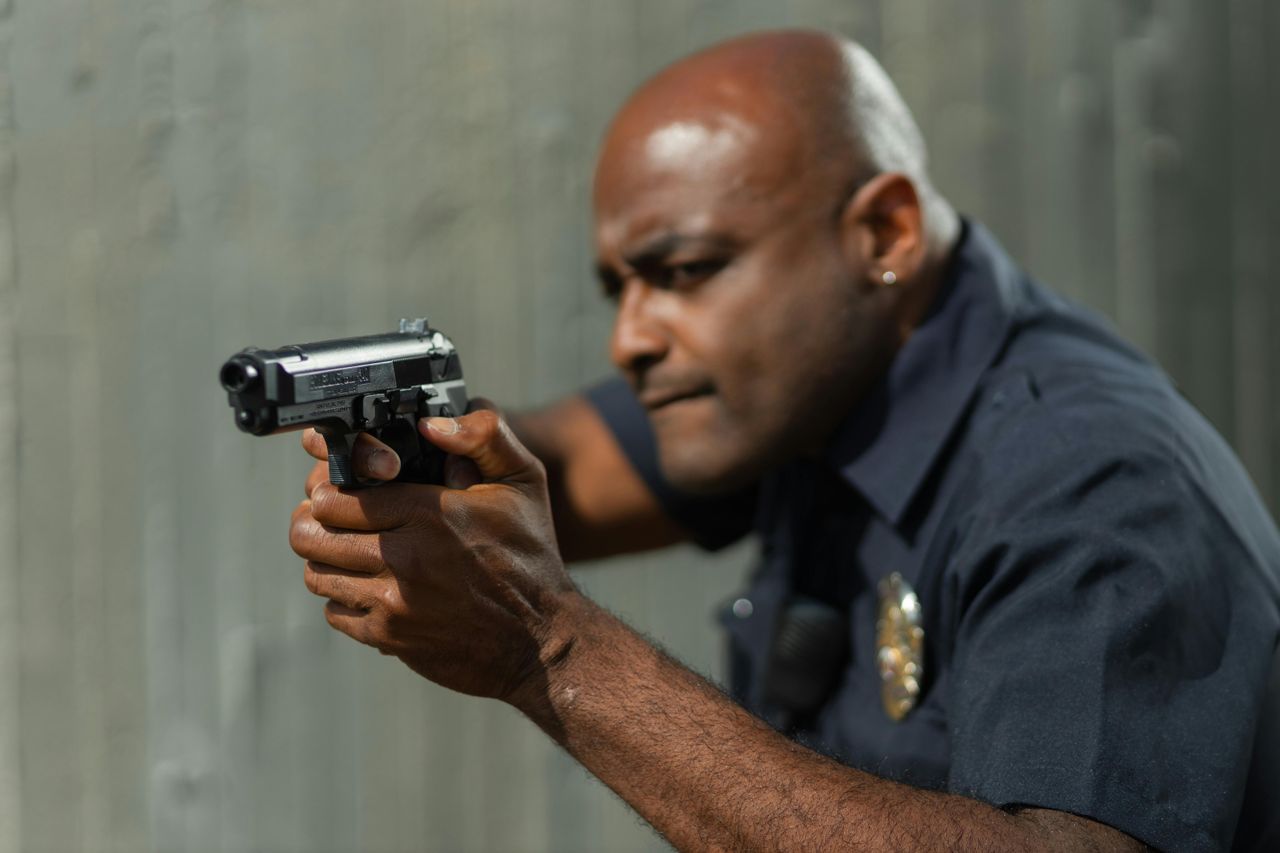
Most people picture themselves reaching for a particular gun in a crisis. Real life, however, tends to reward practicality over fantasy.
The emergency gun is usually the familiar one

When people talk about “the gun they’d grab,” the conversation often drifts toward power, prestige, or tactical appeal. It becomes a discussion about the rifle with the accessories, the competition pistol with the perfect trigger, or the shotgun with the intimidating profile. But emergencies do not arrive with clean lighting, hearing protection, and time to think.
Under stress, familiarity matters more than status. A person is far more likely to use the firearm they have handled hundreds of times, loaded repeatedly, and stored in a consistent place. Muscle memory is not glamorous, but it is what survives adrenaline better than a wish list.
This is why many experienced trainers quietly steer students away from fantasy picks and toward repeatable reality. A modest, reliable handgun that someone can draw, fire, and clear confidently may beat a more powerful option they rarely practice with. The point is not what looks best on a range table. The point is what actually works when hands shake and attention narrows.
Police and civilian defensive training both reflect this truth. According to long-running force-on-force training trends, people routinely fumble gear they thought they knew well. The emergency gun is often the one that feels almost boring in normal life, precisely because boring usually means practiced, predictable, and controllable.
Access beats firepower almost every time
A powerful firearm locked away in another room is less useful in an emergency than a more modest one that is immediately accessible. That sounds obvious, yet people routinely build their home-defense thinking around ideal conditions rather than the messy reality of distance, timing, and confusion. The gun you can reach in seconds usually wins.
This does not mean careless storage. It means realistic storage. Quick-access safes, consistent placement, and household routines matter because emergencies compress time brutally. If a person has to remember a code, move obstacles, retrieve ammunition, and then orient a firearm they have not touched in months, the plan is already weaker than they imagined.
The same logic applies outside the home. A full-size handgun in a vehicle vault or back room may be theoretically superior on paper, but if it is not actually on the person when trouble starts, that advantage vanishes. The emergency tool is the one present at the moment of need.
Self-defense instructors often repeat a simple principle: the best defensive firearm is the one you can actually have. Not the one that groups best at 25 yards, and not the one internet arguments celebrate. In urgent situations, accessibility is not a secondary feature. It is the central feature.
Simple operation matters more than enthusiasts admit
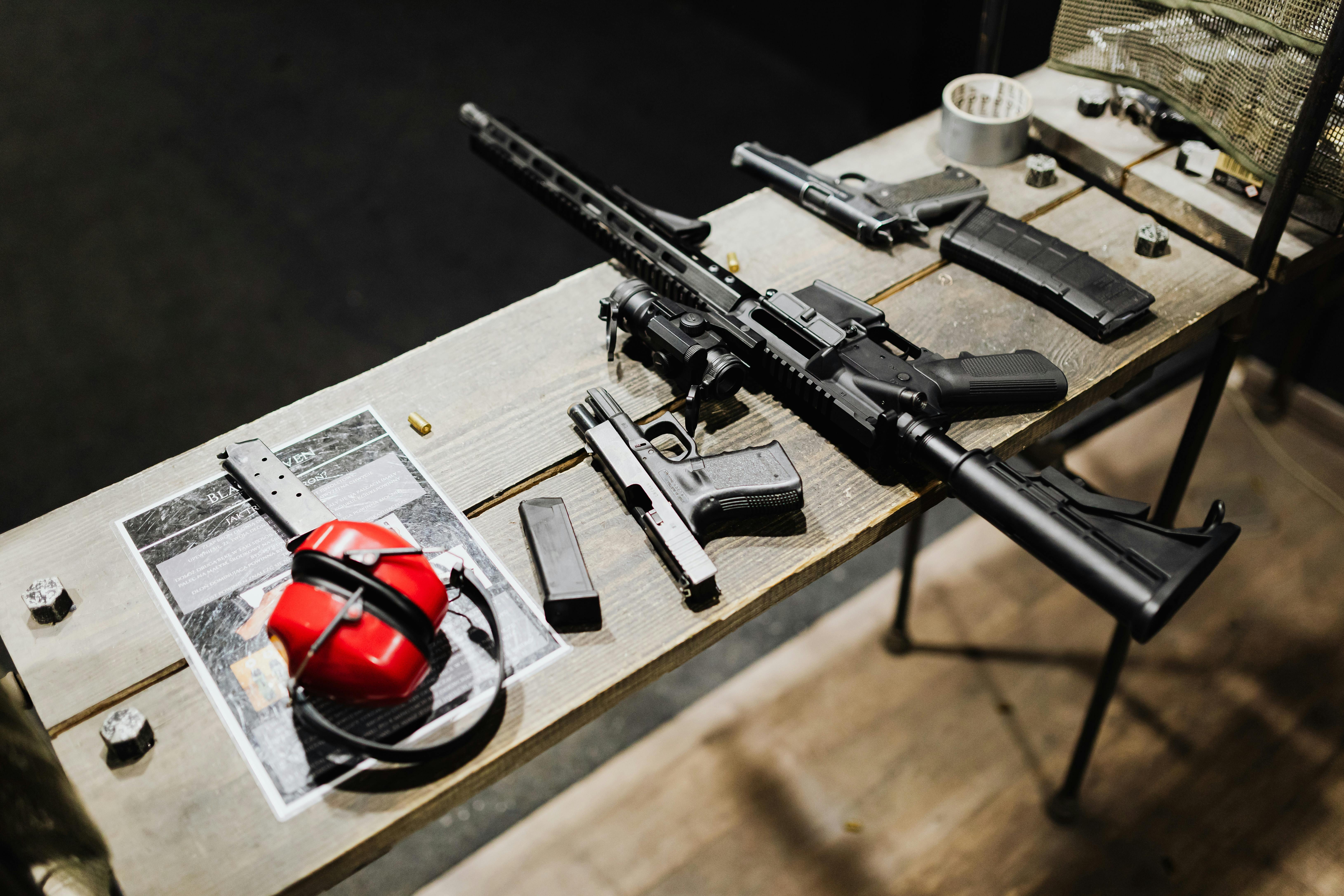
In a calm environment, many shooters can run complicated systems just fine. They can manage safeties, optics, reload procedures, and malfunction drills with confidence. In an emergency, though, fine motor skills degrade, perception narrows, and even basic tasks feel less automatic than expected. Simplicity suddenly becomes a major advantage.
That is why the gun people truly rely on is often the one with the fewest opportunities for user error. Clear controls, predictable recoil, dependable magazines, and a familiar sight picture count for a lot. A firearm that requires less mental processing is easier to deploy when the brain is overloaded.
This is also where unrealistic online culture can distort judgment. People see highly customized guns and assume more capability always equals better emergency performance. In reality, every added variable can become one more thing to forget, bump, misread, or mishandle under pressure.
Military and law-enforcement procurement decisions have long balanced this problem. Reliability and ease of use often outrank novelty because organizations know stress exposes complexity. For ordinary people, the lesson is even more relevant. The gun you would actually grab is probably not the most advanced firearm you own. It is more likely the one that asks the least from you at the worst possible time.
Shotgun, rifle, or handgun? Reality answers differently
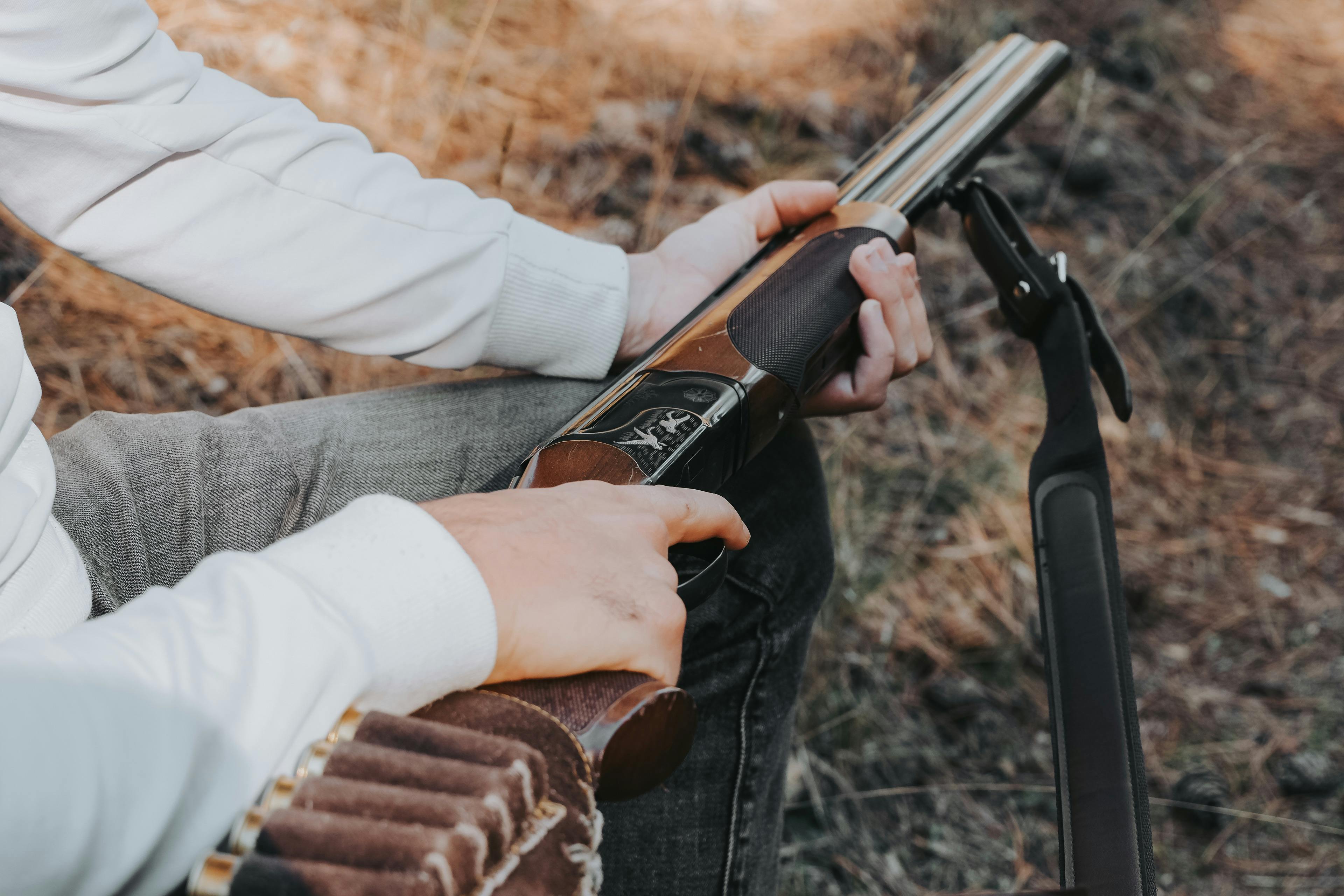
Ask people casually, and many will say they would grab a shotgun because of its reputation, or a rifle because of its capability. In certain situations, that may be true. But once movement, storage, family members, doorways, and one-handed tasks enter the picture, the answer often changes fast.
A handgun is rarely the easiest firearm to shoot well, but it is often the easiest one to keep nearby, secure quickly, and maneuver in confined spaces. That practical advantage explains why so many real-world emergency plans end up revolving around handguns despite the ballistic strengths of long guns. Convenience, in this case, is not laziness. It is logistics.
A shotgun can be devastating, but recoil, ammunition capacity, and manual operation can become serious considerations for average users. A rifle may offer superior shootability and capacity, yet it can be harder to stage discreetly and manage while opening doors, moving children, or calling 911. The “best” platform depends heavily on context.
That is why the gun someone imagines grabbing during a debate often differs from the gun they would actually seize at 3:12 a.m. with no warning. The emergency choice is shaped less by theory than by where the firearm is, how quickly it can be brought into action, and whether the user can run it without hesitation.
Training reveals uncomfortable truths very quickly
Nothing exposes unrealistic assumptions like training that adds movement, time pressure, and decision-making. People often discover that the gun they admire most is not the gun they handle best once a timer starts. Missed manipulations, poor grip, delayed presentation, and forgotten steps appear almost immediately.
This is not a failure of character. It is a reminder that human performance changes under stress. Defensive instructors have seen students bring large, impressive firearms to class only to realize they shoot faster and more accurately with a simpler, smaller, more familiar setup. Ego hates that lesson, but performance usually confirms it.
Force-on-force scenarios make this even clearer. In simulated home-defense problems, participants frequently revert to what is easiest to access and simplest to operate. They also discover that tasks like carrying a flashlight, moving a child, or communicating with a partner complicate firearm handling far more than static range sessions suggest.
A 2024 study on stress and decision-making in defensive scenarios would not surprise seasoned trainers: cognitive load degrades precision and increases hesitation. The practical takeaway is straightforward. If you want to know what gun you would actually grab, stop imagining and start testing. Honest repetition reveals the truth faster than theory ever will.
Reliability is boring, and that’s exactly the point
People love to discuss caliber, accessories, optics, and terminal performance. Those things matter, but they often overshadow the most important trait in an emergency: dependable function. A gun that fires every time, feeds the ammunition you use, and behaves predictably is worth far more than one with exciting specifications and occasional issues.
Reliability also includes maintenance and support gear. Worn magazines, dead optic batteries, cheap holsters, and mystery ammunition can turn a trusted firearm into a liability. The emergency gun is not just the gun itself. It is the entire system surrounding it, from storage to upkeep to ammunition choice.
This is where many unglamorous firearms shine. Mid-size pistols from established manufacturers often dominate serious defensive use not because they are sexy, but because they are proven. They have abundant parts, documented track records, and controls people can learn without reinventing the wheel. Practical people tend to settle here for a reason.
There is a broader lesson in that pattern. In emergencies, performance comes from consistency, not novelty. The firearm you would really trust is probably one that has already survived thousands of ordinary repetitions. If it feels almost dull to talk about, that may be a sign you have chosen well.
The best emergency gun is the one your real life supports
Ultimately, the firearm you would actually grab is the one that fits your routines, your home, your skill level, and your willingness to train. It is not selected in a vacuum. It has to live in the real world, where people get tired, forget details, share space with family, and make imperfect decisions under pressure.
For one person, that may be a compact handgun in a quick-access safe beside the bed. For another, it may be a simple carbine stored securely but ready in a consistent location. The right answer can vary, but the logic does not: accessible, reliable, familiar, and controllable beats impressive but impractical almost every time.
This is also why humility is so valuable in gun ownership. The smartest choice is not always the most powerful or most discussed. It is often the one you can operate half-awake, in low light, with your heart pounding, and still trust completely. That standard narrows the field fast.
So if the gun you imagine grabbing is different from the one you truly know, keep that discomfort. It is useful. In an emergency, you will not rise to the occasion in some cinematic way. You will fall back on what your real life has prepared you to use.