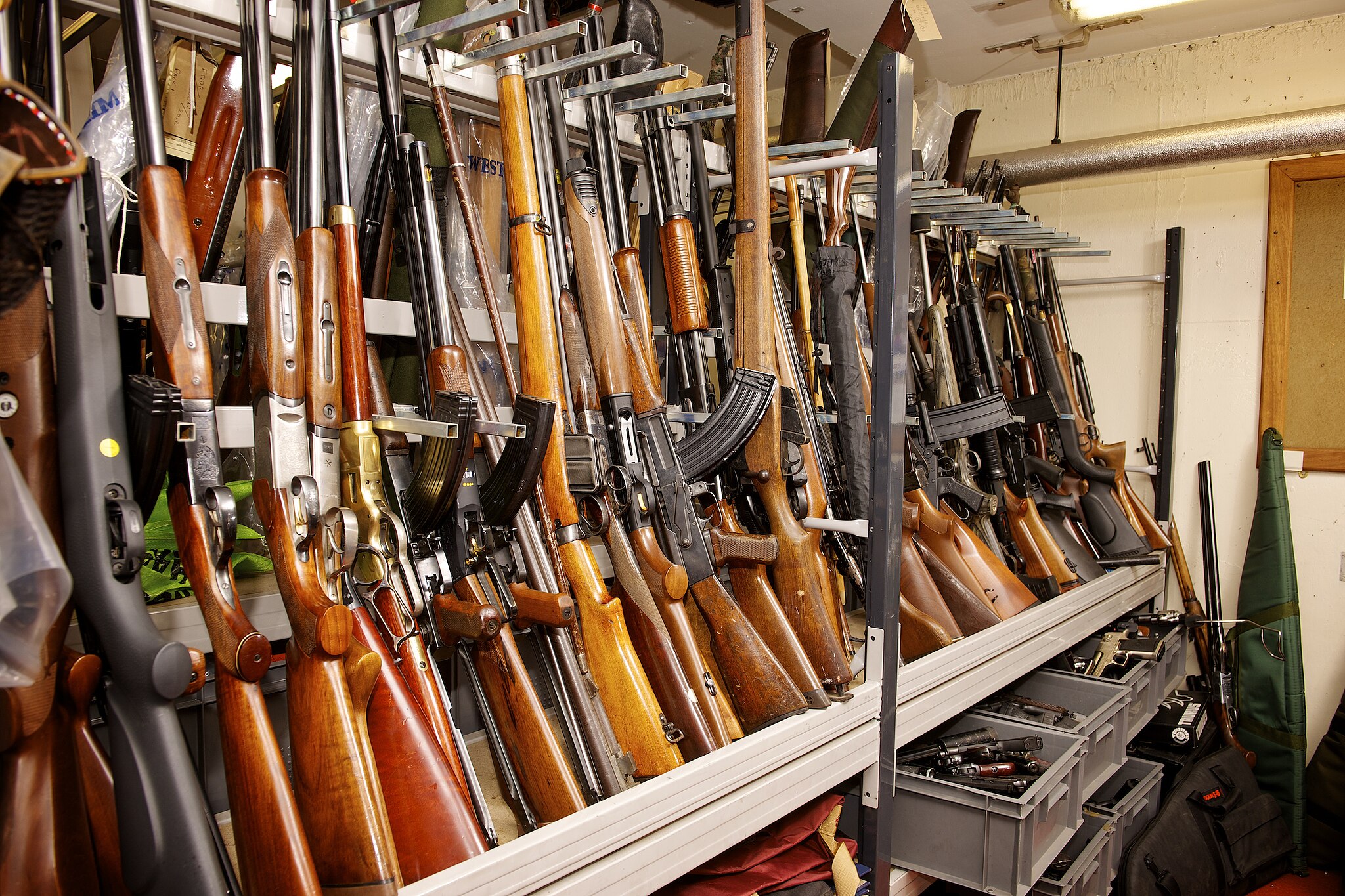
Lever-action rifles occupy a distinctive place in firearm history because their development reflects changing ideas about repeating mechanisms, manufacturing, and practical field use. From early metallic-cartridge designs to modern rifles built around improved materials and updated ammunition, these firearms helped shape the evolution of repeating long guns. The eight examples below stand out for identifiable mechanical innovations, historical influence, or lasting significance in the development of the lever-action platform.
1. Henry Model 1860
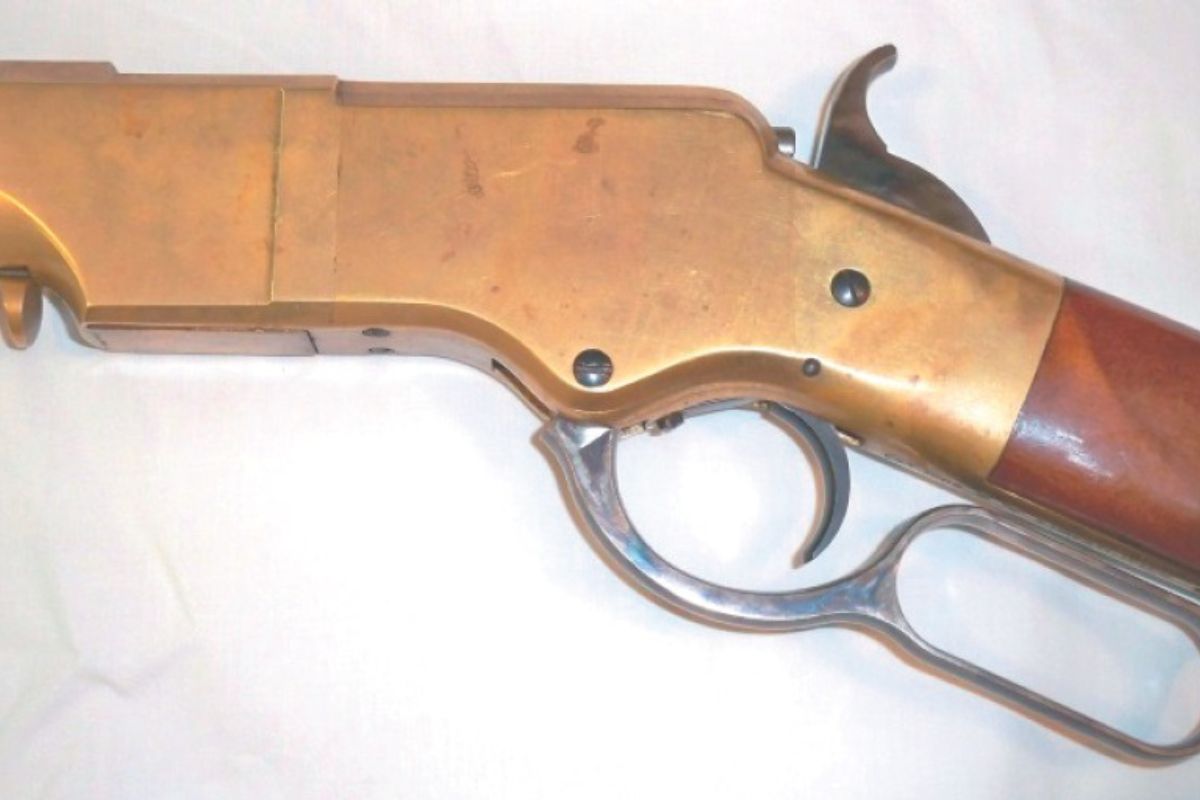
Introduced in 1860, the Henry helped make the repeating rifle practical during the American Civil War era. It used a .44 Henry rimfire cartridge fed from a 15-round tubular magazine beneath a 24-inch barrel. Operating the lever extracted a spent case and chambered another cartridge. Approximately 14,000 rifles were manufactured by 1866. The design had limitations, including a loading system that lacked a conventional fore-end, but its metallic cartridges and quick follow-up shots represented a major advance over single-shot muzzleloaders. The Henry also laid the foundation for subsequent Winchester repeating rifles.
2. Winchester Model 1866
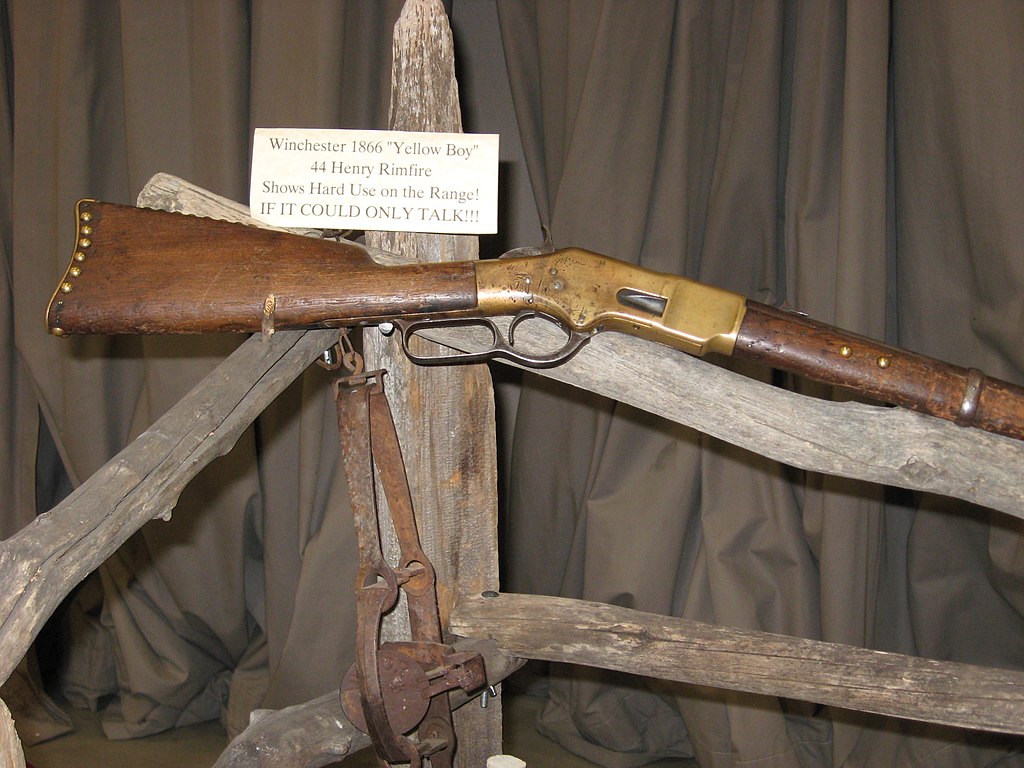
The Winchester Model 1866 refined the Henry system and helped establish Winchester’s reputation after the Civil War. Nicknamed the Yellow Boy for its brass-alloy receiver, it introduced a wooden fore-end and a side-loading gate, allowing cartridges to be inserted without loading through the magazine’s front. Early examples used .44 Henry rimfire ammunition, retaining the essential character of the earlier rifle. These improvements made the design more convenient for civilian ownership and regular use. Its historical importance lies in transforming the Henry’s innovative mechanism into a more practical commercial firearm and strengthening Winchester’s position in the growing repeating-rifle market.
3. Winchester Model 1873

Few rifles became as closely associated with the American West as the Winchester Model 1873. Introduced in 1873, it was initially offered in .44-40 Winchester, a centerfire cartridge that later became popular in compatible revolvers as well. Sharing ammunition between a rifle and handgun appealed to ranchers, travelers, and other civilians. The model retained a toggle-link action derived from earlier Winchester designs and appeared in several configurations. More than 720,000 examples were produced, giving it a substantial historical footprint beyond its later reputation in Western films. Its commercial success helped make the lever-action rifle a familiar feature of American frontier life.
4. Winchester Model 1886
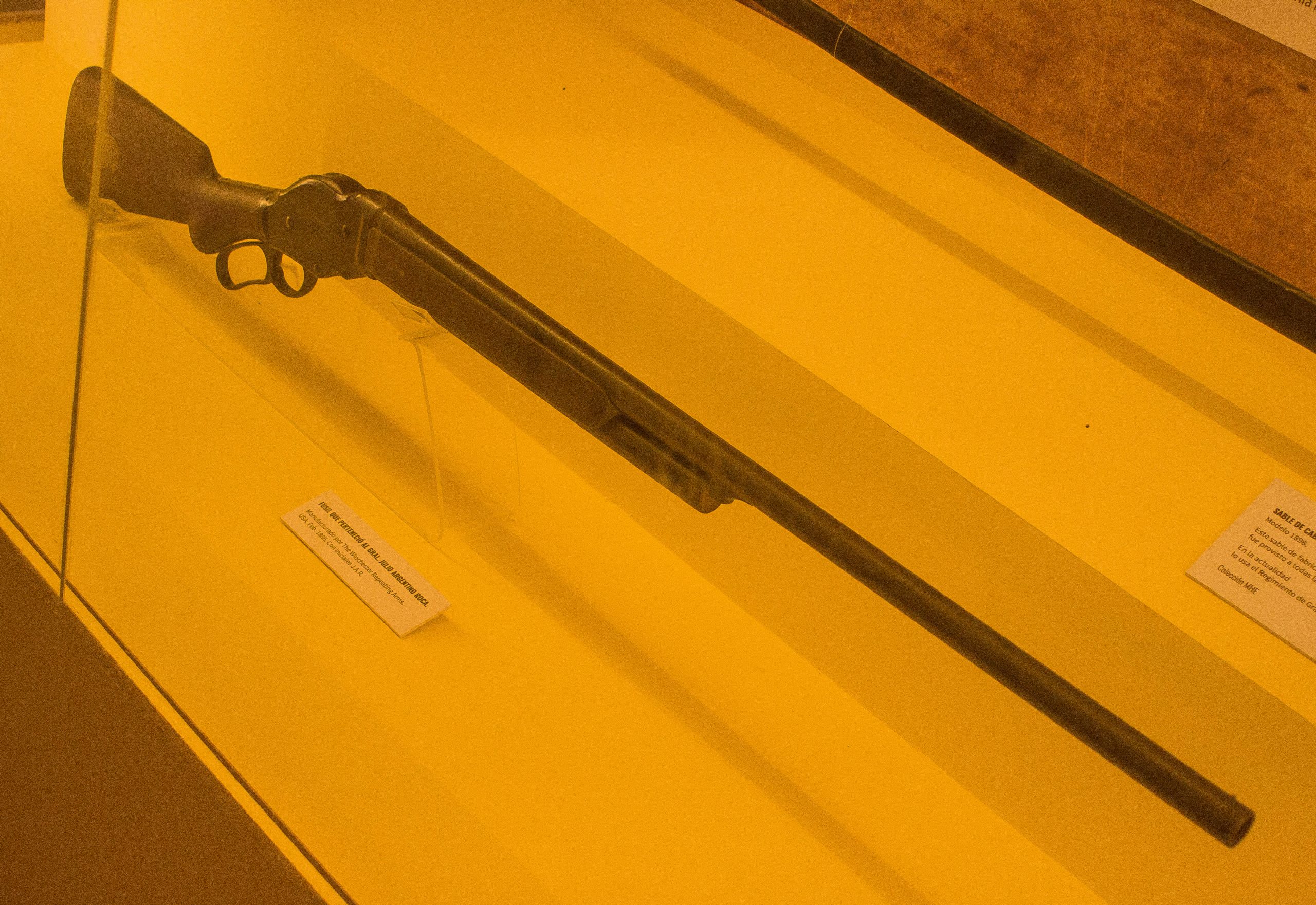
The Winchester Model 1886 demonstrated that lever-action rifles could accommodate powerful cartridges beyond the capabilities of many earlier designs. John Moses Browning developed its robust locking mechanism, and Winchester introduced the rifle in 1886 for cartridges including .45-70 Government. Its stronger action made it suitable for hunters seeking a repeating rifle for larger North American game. The substantial construction also made it heavier than many smaller-caliber lever-actions. Rather than replacing earlier sporting rifles, the Model 1886 expanded the platform’s possibilities. Its importance comes from combining Browning’s mechanical innovation with the demand for a reliable, large-caliber repeating rifle.
5. Winchester Model 1894
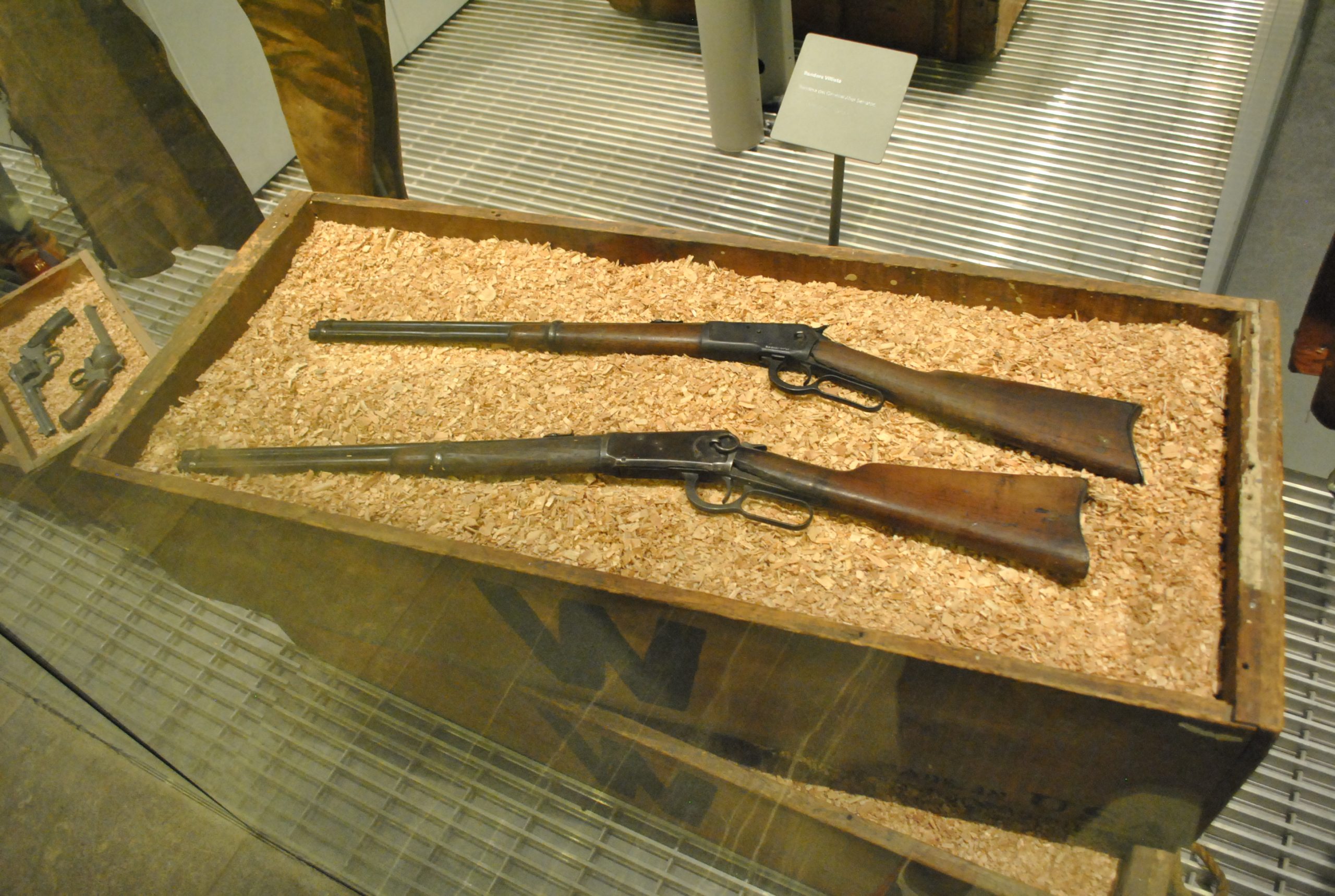
Designed by John Moses Browning and introduced in 1894, the Winchester Model 1894 became one of the most influential sporting rifles of the twentieth century. Its design was associated with the transition toward smokeless-powder sporting ammunition, while the .30-30 Winchester chambering, introduced in 1895, became especially popular among deer hunters. The rifle’s relatively compact handling suited wooded landscapes where a long, heavy firearm could be inconvenient. Production eventually exceeded 7 million examples, reflecting generations of use across North America. Its enduring reputation rests on practical sporting appeal, broad commercial success, and a lasting connection with traditional deer hunting.
6. Savage Model 99

Introduced as the Model 1899, the Savage Model 99 challenged conventional lever-action design with a hammerless mechanism and a rotary magazine. Developed by Arthur Savage, the system accommodated pointed, spitzer-style bullets more readily than traditional tubular magazines, where bullet tips could rest against cartridge primers. Some versions also featured a visible magazine indicator, helping the shooter monitor the remaining ammunition. The rifle appeared in numerous chamberings and remained in production for decades. Its significance extends beyond its distinctive silhouette: the Model 99 showed how lever-action rifles could adapt to evolving cartridge designs while retaining the familiar operating principle of a lever.
7. Marlin Model 1895
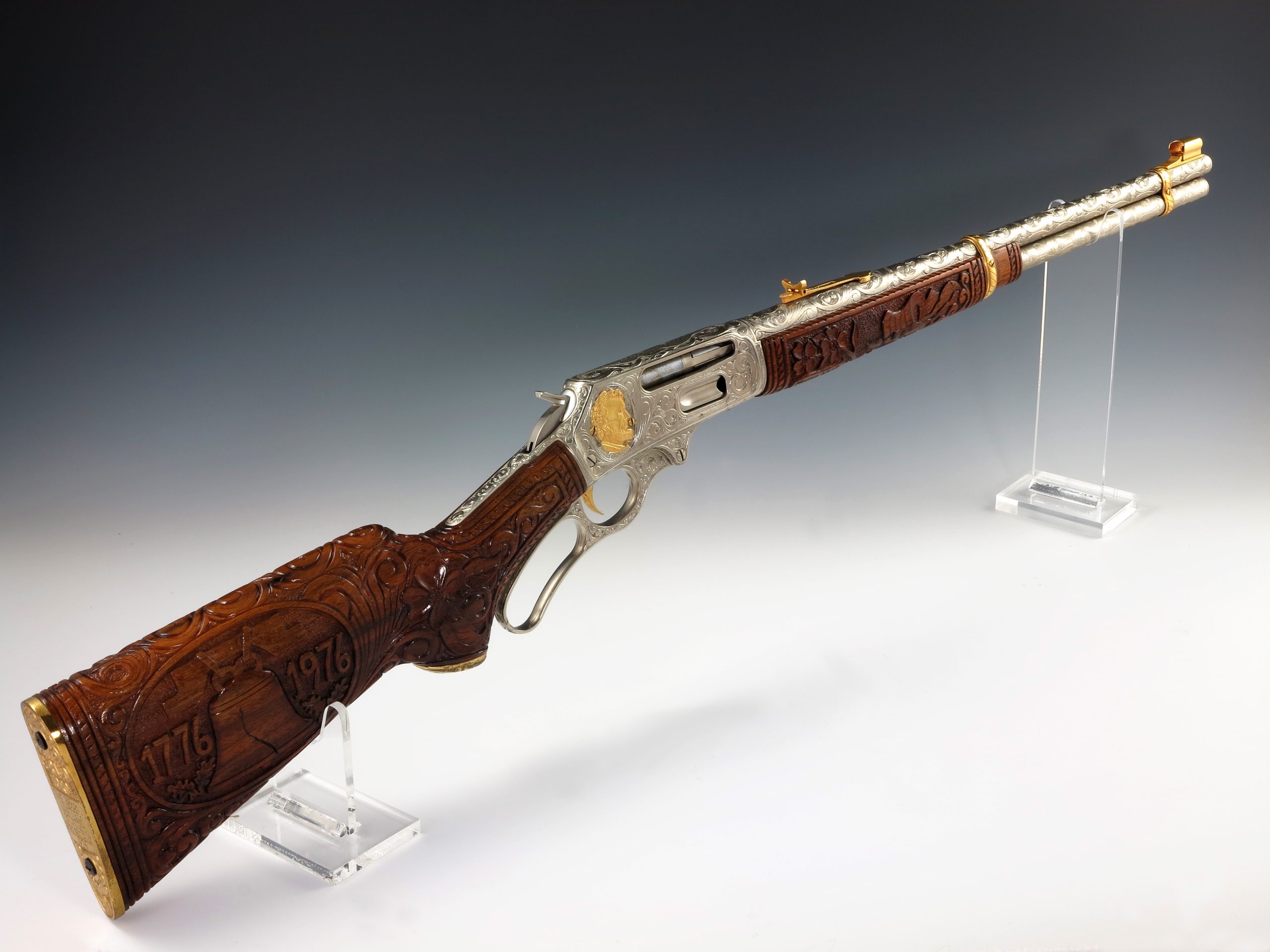
Marlin introduced its original Model 1895 in 1895 as a large-caliber addition to its lever-action lineup. Based on the company’s Model 1893 design, it was strengthened for cartridges such as .45-70 Government. Marlin’s earlier Model 1889 had established an important feature of the company’s approach: a solid-top receiver with side ejection, which offered practical advantages for mounting an optic compared with top-eject designs. The original Model 1895 eventually left production, but the name returned on later rifles. Its history illustrates Marlin’s contribution to big-bore lever-actions and the continuing appeal of traditional designs in modern sporting firearms.7. Marlin Model 1895
8. Winchester Model 1895

The Winchester Model 1895 departed significantly from the company’s familiar tubular-magazine rifles. Designed by John Moses Browning and introduced in 1895, it used a box magazine beneath the receiver. This arrangement accommodated pointed bullets that could present safety concerns in tubular magazines, where cartridge tips rest against primers. Chamberings included .30-40 Krag, while later versions were offered in .30-06 Springfield. Military contracts also brought the design international attention. The Model 1895 demonstrated that lever-action engineering could evolve alongside ammunition technology rather than remain tied to traditional sporting cartridges. Its distinctive magazine arrangement secured its place in the history of repeating rifles.