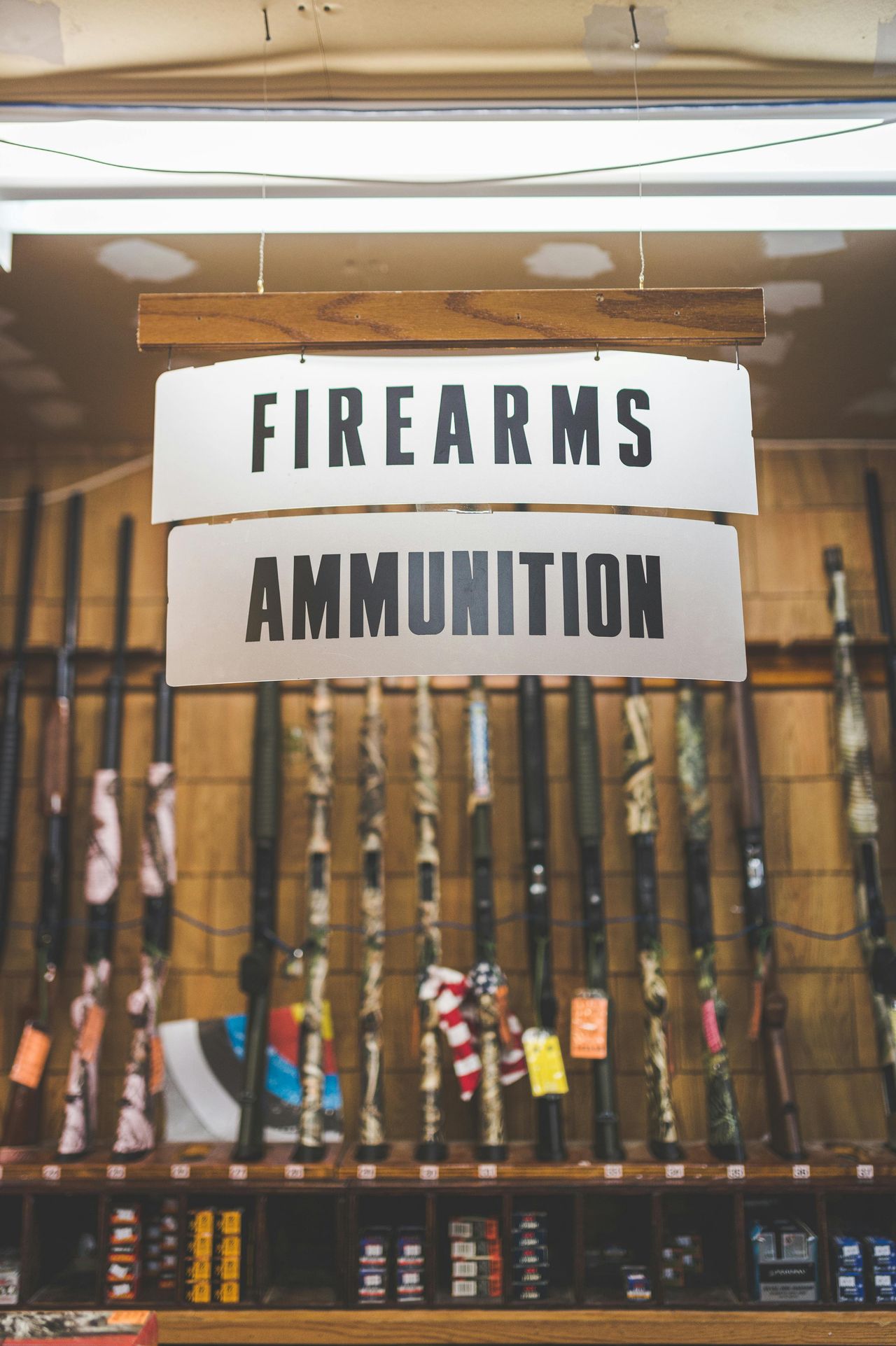
Short-barreled rifles have long sat in a strange legal corner, shaped as much by paperwork and waiting periods as by design. If the tax stamp is truly gone, that bottleneck disappears, and a lot more than checkout costs could change. From demand and dealer behavior to training, travel, and enforcement, this shift could ripple through nearly every part of the SBR conversation.
Buying One Gets Much Faster
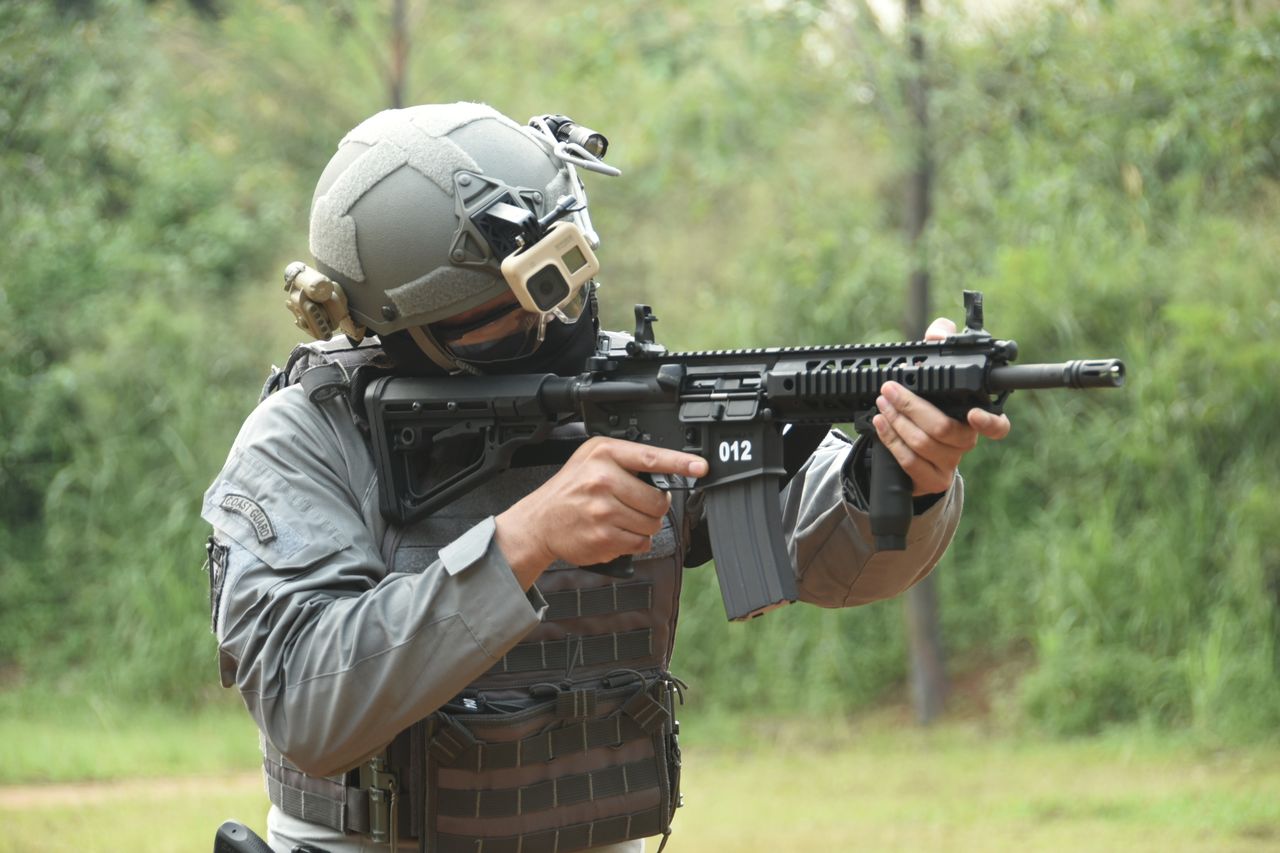
For years, the biggest barrier to owning a short-barreled rifle was not always the rifle itself. It was the extra federal process, the added cost, and the long wait that turned an ordinary purchase into a months-long project.
If that tax stamp requirement disappears, the shopping experience starts to look much more like a standard firearm transaction, subject to whatever federal and state rules still apply. That means less uncertainty at the counter and fewer abandoned purchases.
For buyers, the emotional shift matters too. What once felt niche and bureaucratic could suddenly feel normal, and that alone may bring many first-time SBR shoppers into the market.
Prices May Move In Unexpected Ways
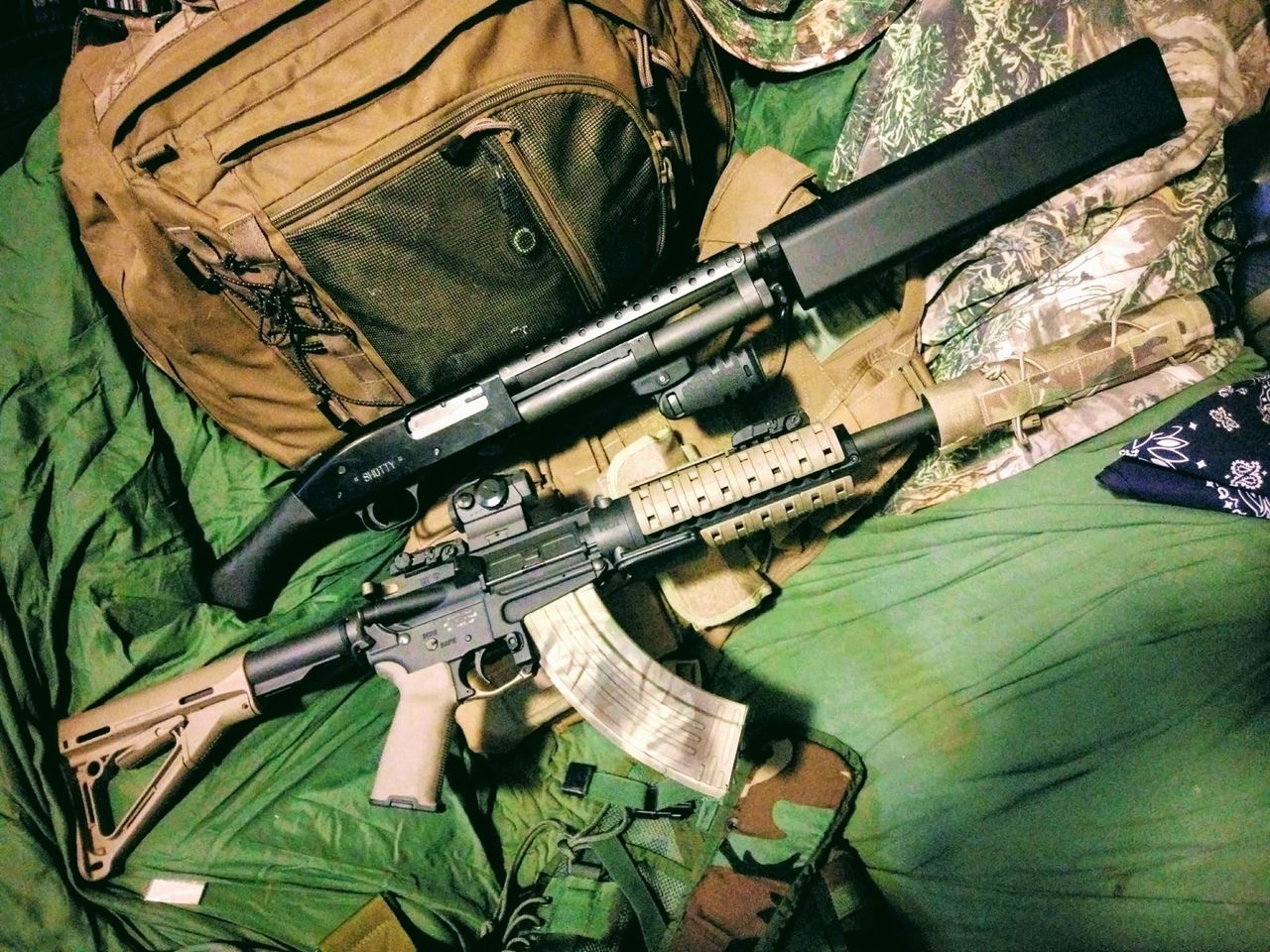
At first glance, removing a $200 tax sounds like an automatic price cut. In practice, the market rarely behaves that neatly, especially when a product category goes from restricted to dramatically more accessible overnight.
Some buyers will absolutely save money compared with the old process, but rising demand could push up base rifle prices, parts costs, and transfer fees. Retailers may also adjust pricing as popular models become harder to keep in stock.
The result could be a split market. Budget-minded shoppers may hunt for stripped-down options, while premium compact rifles and branded short uppers could become even more expensive because everyone wants them at once.
Dealers Will Likely Rethink Inventory

Gun stores have spent years treating short-barreled rifles as a specialized category with slower turnover and more customer hand-holding. If the tax stamp hurdle vanishes, dealers may start giving these models much more floor space and marketing attention.
That could mean more complete SBRs on shelves, more compact configurations, and more staff training focused on explaining barrel lengths, legal definitions, and use cases. What was once a corner-case product may become a mainstream sales category.
Inventory strategy will matter. Shops that guess demand correctly could see quick wins, while stores that stay cautious may find customers heading elsewhere for immediate availability.
Braced Pistols And Similar Workarounds Lose Their Appeal
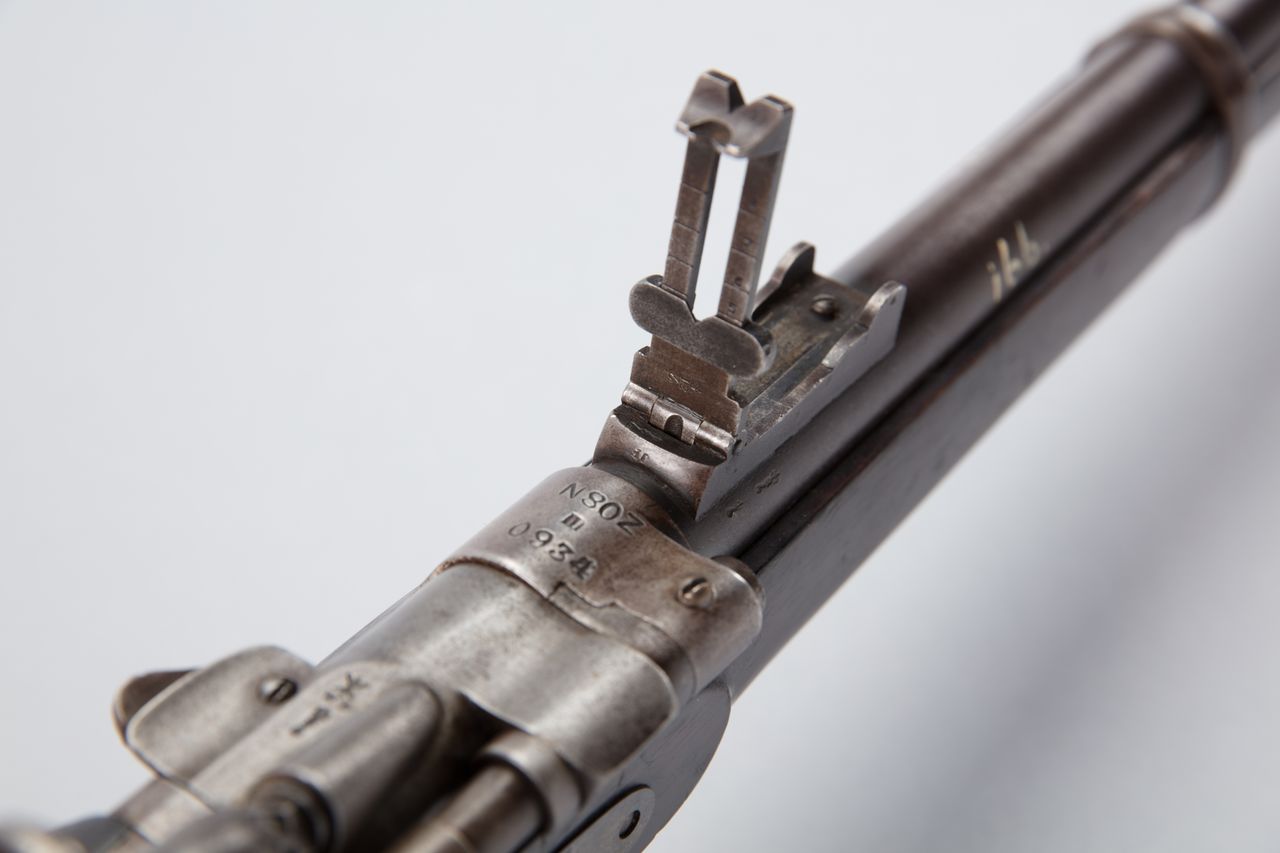
One of the most notable side effects could be the decline of legal workarounds that became popular precisely because SBR rules were so cumbersome. Braced pistols occupied that space for many buyers who wanted compact handling without extra federal paperwork.
If a short-barreled rifle becomes easier to own directly, the incentive to chase gray-area configurations drops. Buyers may prefer the cleaner, more straightforward option instead of constantly tracking shifting interpretations and compliance questions.
That does not mean the category disappears overnight, but it likely becomes less central to the market. Simpler rules tend to crowd out complicated substitutes, especially when consumers are tired of uncertainty.
State Laws Become The Next Big Battleground

Even if the federal tax stamp requirement goes away, that does not magically create one uniform rulebook across the country. State and local laws can still restrict short-barreled rifles, and those rules may become more important than ever.
For owners, that means the legal homework does not disappear. It simply shifts from a federal tax process to a state-by-state compliance question that could be confusing in a different way.
Politically, the action may move fast. States that already dislike compact rifle regulations being loosened could respond with new legislation, while friendlier states may market themselves as easier places for lawful ownership and sales.
Travel Rules Could Become Easier To Understand

One frustrating part of SBR ownership has been the sense that every trip requires a legal double-check. Owners often worried about crossing state lines, transport rules, and whether a configuration that was lawful at home created problems somewhere else.
Without the tax stamp framework in the picture, some of that complexity may ease, at least at the federal level. Fewer special procedures could make transport and planning feel less intimidating for lawful owners.
Still, easier is not the same as effortless. Travelers would still need to know where they are going, how the firearm is stored, and what local law says when they arrive. Simplicity helps, but it does not replace caution.
The Used Market May Get A Jolt
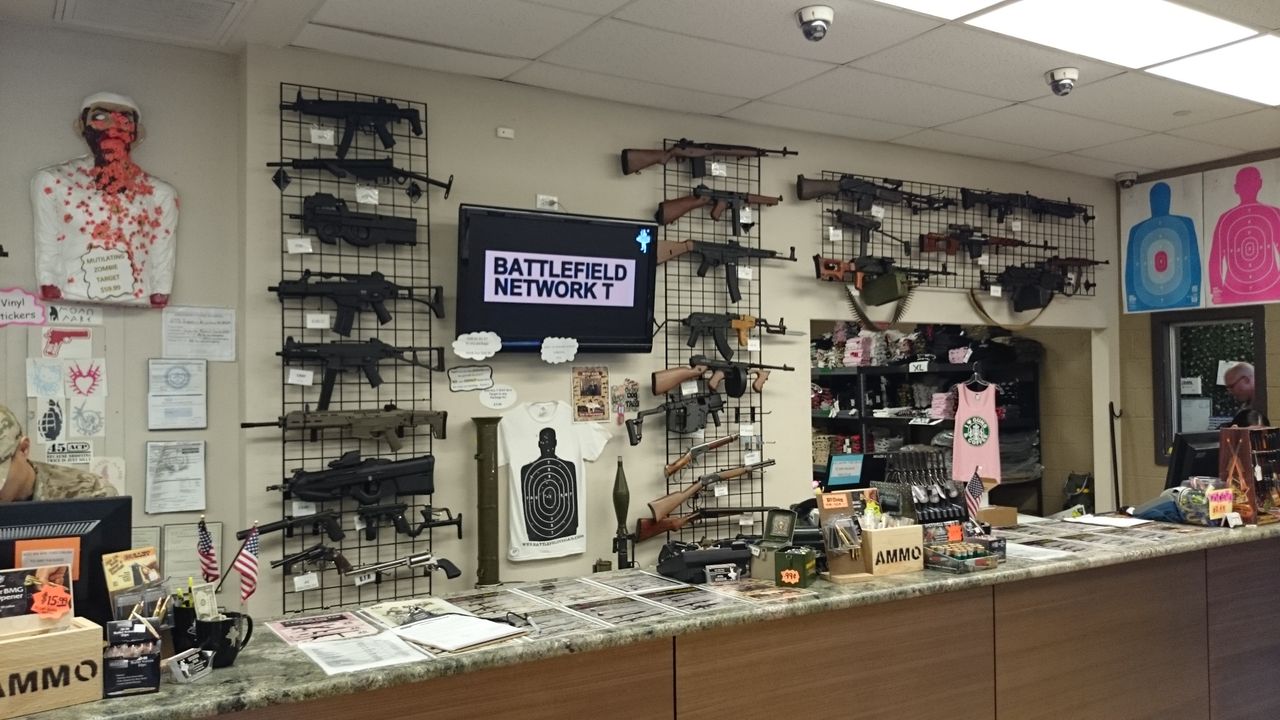
Secondary markets often reveal how people really feel about regulation. When a category becomes simpler to buy new, used inventory can either flood the market or gain value temporarily, depending on whether sellers think demand is peaking or just getting started.
Some longtime owners may decide this is the perfect moment to sell, especially if buyers suddenly pour in looking for compact rifles without extra tax concerns. That could create a brief surge of listings and more selection.
On the other hand, highly desirable factory models might hold their value very well. If demand outpaces supply, the used market could become a fast-moving arena where condition, brand, and barrel length matter even more.
Training And Range Culture Could Shift

As more people gain access to short-barreled rifles, ranges and instructors may see a noticeable change in what students bring to classes. A configuration that once felt relatively specialized could become a familiar sight in basic carbine instruction.
That matters because compact rifles handle differently. They can be quicker in tight spaces, louder to bystanders, and more sensitive to setup choices like optics, muzzle devices, and sling placement.
In response, training advice may evolve. Instructors could spend more time on control, flash and blast, and realistic expectations, helping newer owners understand that shorter does not automatically mean simpler or better in every scenario.
Manufacturers Will Build More Around Compact Platforms

When regulation changes, product design usually follows quickly. If short-barreled rifles become easier to sell, manufacturers will have every reason to invest more heavily in complete systems built specifically around compact performance.
Expect more factory-tuned gas systems, more handguard and suppressor-ready options, and more accessories aimed at balance rather than sheer length. Brands will want to offer rifles that feel purpose-built, not just chopped-down versions of longer models.
This could also sharpen competition. Companies that already understand the compact rifle market may move first, while others race to catch up with fresh launches and louder marketing around maneuverability, storage, and home-range versatility.