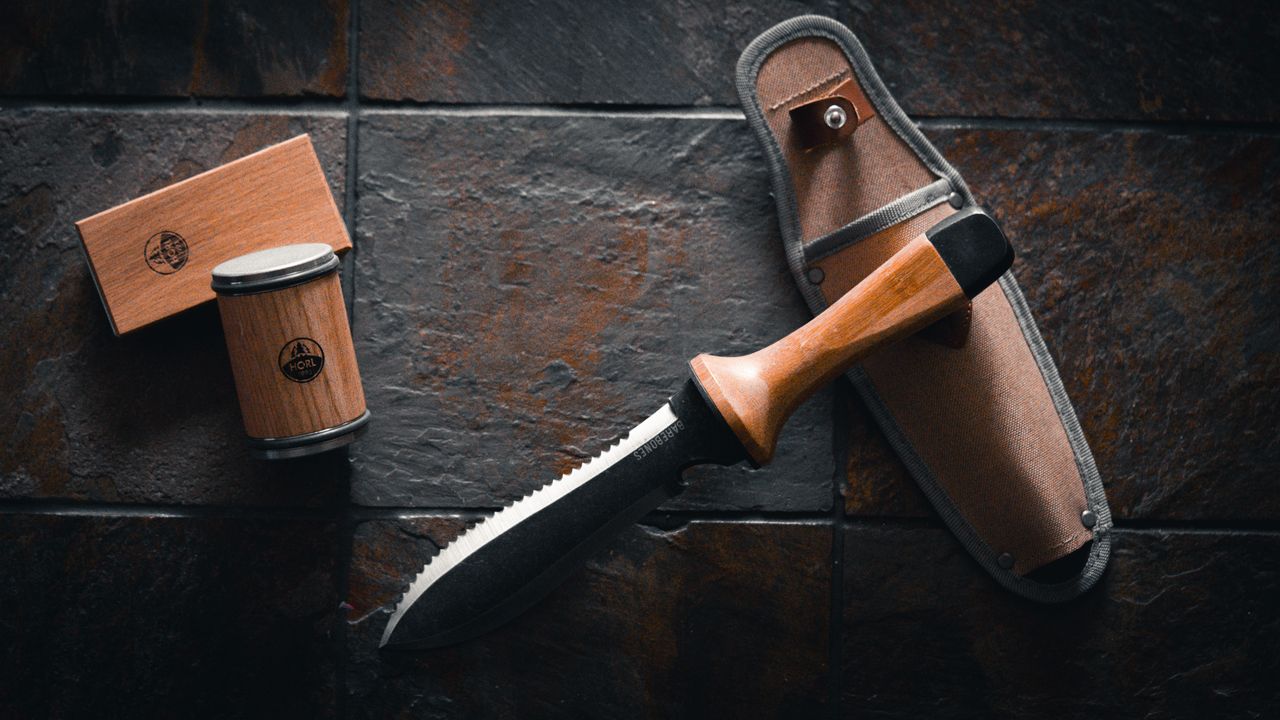
A sharp knife makes field dressing cleaner, faster, and a lot safer when conditions are less than ideal. That is why experienced hunters talk about sharpening systems almost as much as they talk about steel itself. From compact pull-through tools to bench stone setups that produce a refined edge, these are the systems many outdoorsmen say belong in the conversation before anything else.
Guided rod sharpening system
For hunters who want repeatable results, a guided rod system is often the first serious upgrade. It takes much of the guesswork out of holding a steady angle, which matters when you are trying to restore a working edge after a long season.
Many hunters like these systems because they can handle everything from compact caping knives to broader field dressing blades. The controlled motion helps create a clean, consistent bevel without demanding years of freehand practice.
They are not always the smallest option for a pack, but at home or at camp they shine. If you want precision without a steep learning curve, this style earns its place quickly.
Diamond bench stone setup
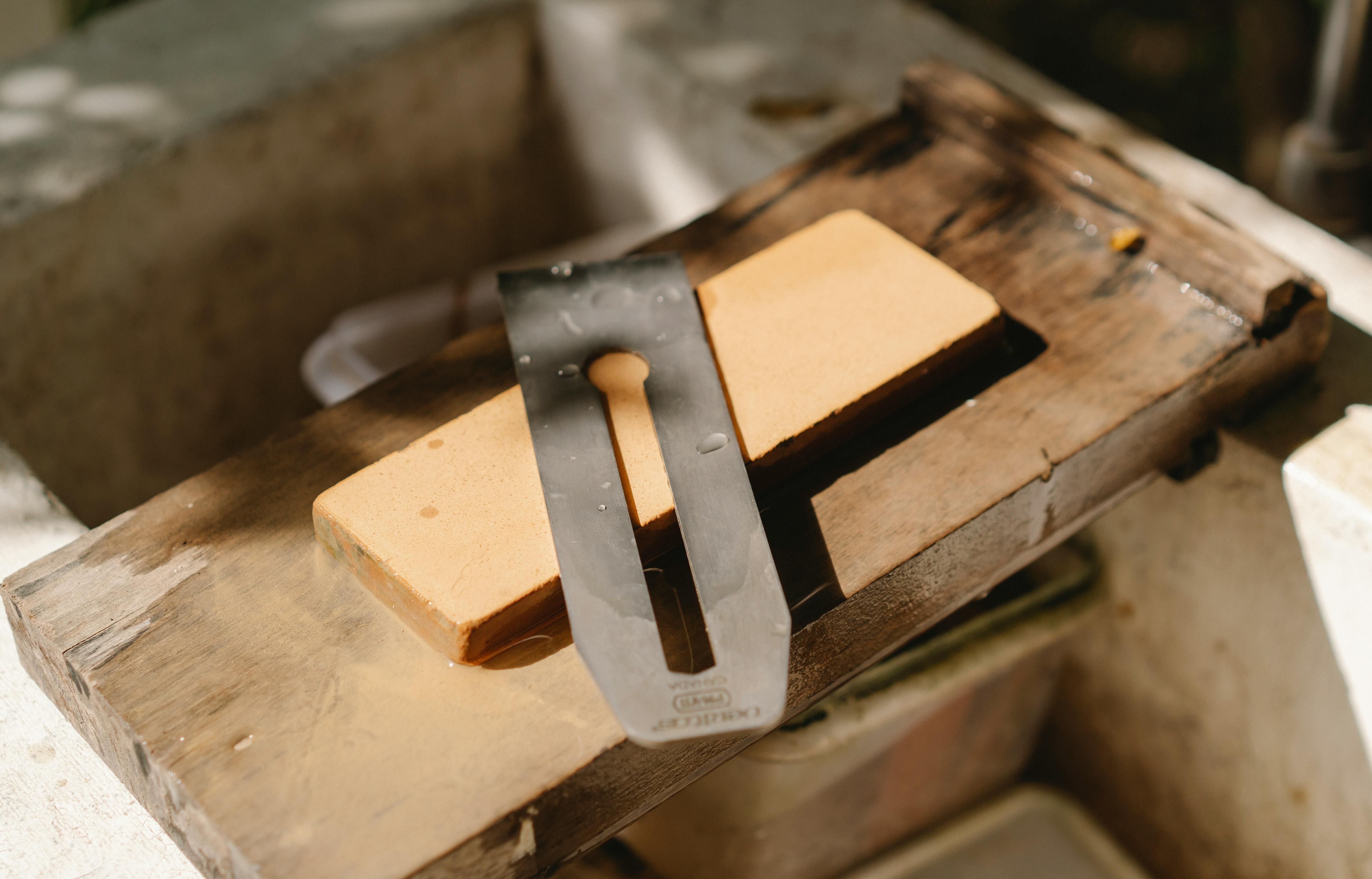
Diamond stones have a loyal following among hunters because they cut fast and stay flat. When a knife has gone truly dull or picked up small rolls from bone contact, this kind of setup can bring it back without much drama.
A bench stone arrangement also gives you flexibility. Coarse grit can reset the edge, medium refines it, and fine grit leaves a cleaner finish that glides through hide and connective tissue with less resistance.
Serious users appreciate the durability, especially in rough environments where delicate gear is a liability. It is a straightforward system that rewards a little technique with dependable, no-nonsense performance.
Ceramic crock stick sharpener
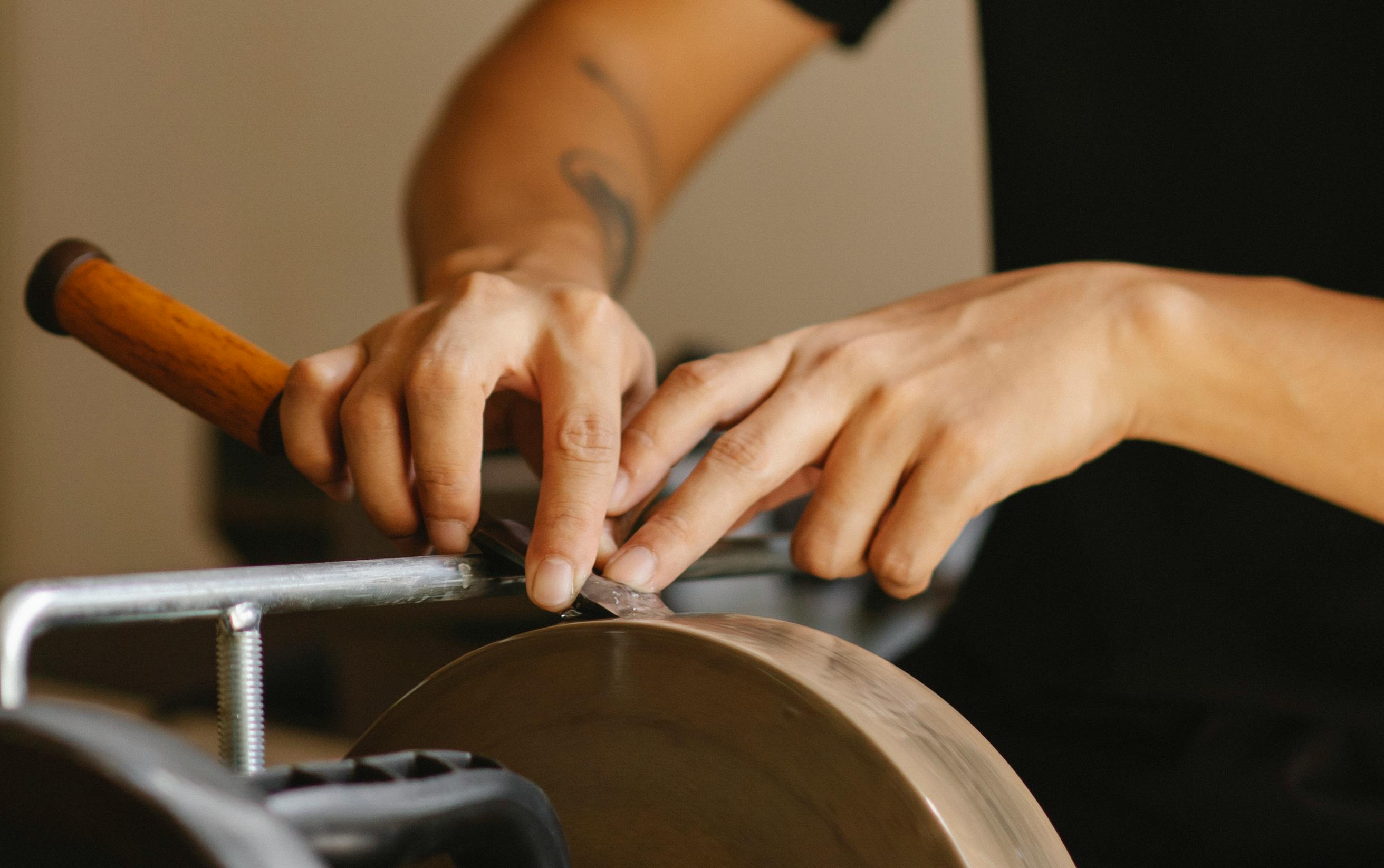
Ceramic crock sticks are a favorite for maintenance rather than heavy repair, and that is exactly why many hunters keep them around. Once a knife already has a good bevel, a few light passes can wake the edge up quickly before the next outing.
The V-shaped design feels approachable, even for people who do not sharpen often. It offers a simple routine that is hard to overthink, which is useful when you just want your blade ready without turning sharpening into a full evening project.
These systems also tend to be tidy and easy to store. For the hunter who values convenience and consistency, ceramic rods remain a quietly effective choice.
Pocket diamond hone

A pocket diamond hone earns respect because it travels so easily and works on nearly anything. Slip one into a pack, jacket pocket, or truck console, and you have a fast way to touch up an edge before it becomes a bigger problem.
Hunters often like this tool for its simplicity. There are no clamps, no bases, and no extra parts to keep track of. Just a durable abrasive surface that can bring back bite with a few careful strokes.
It helps to have some angle control, of course, but many experienced users prefer that freedom. For quick maintenance in real hunting conditions, a pocket hone feels like the kind of tool you are glad you brought.
Leather strop system
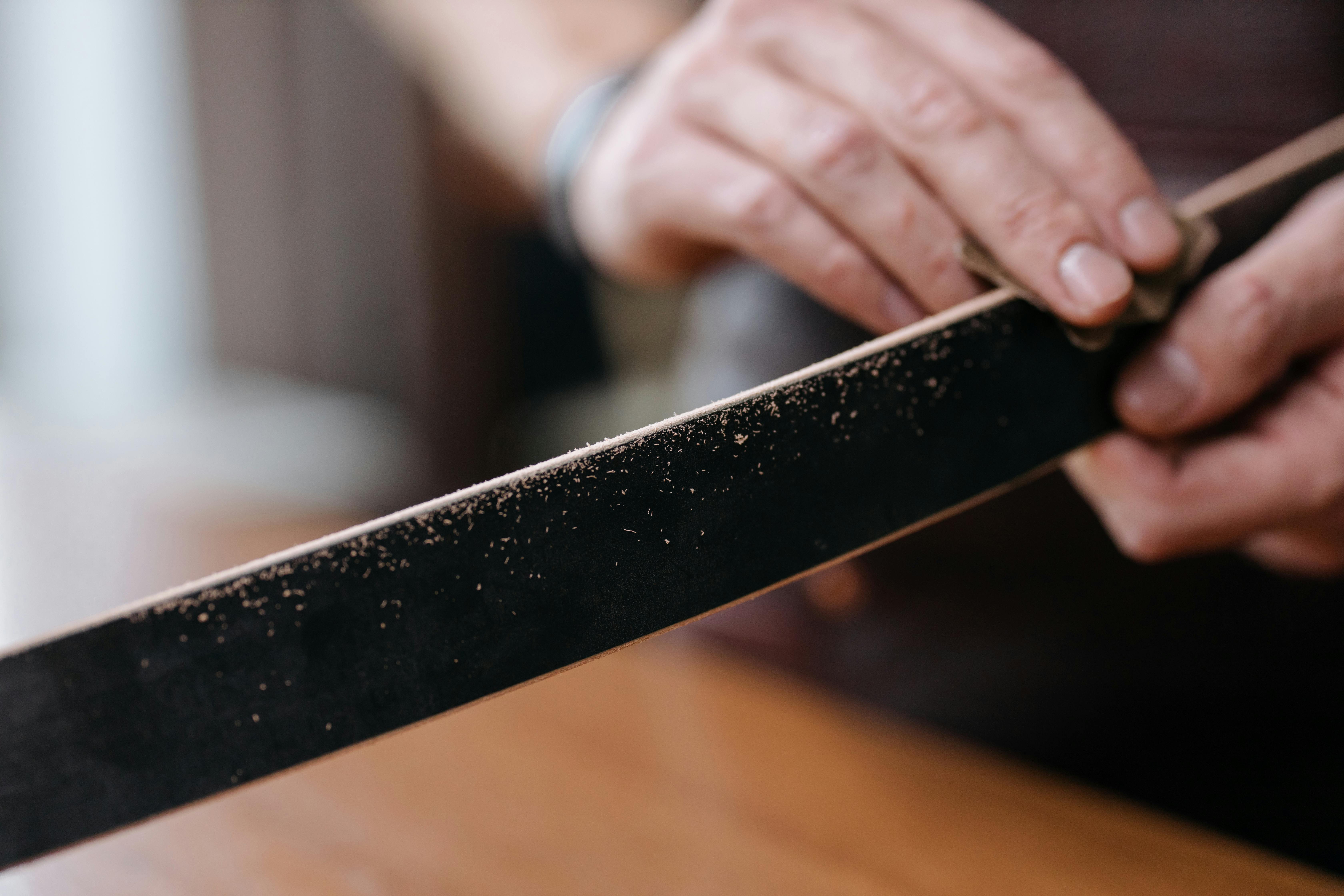
A leather strop system is where sharpening starts to feel refined. Hunters who care about a clean, shaving-sharp finish often use a strop after stones or rods to remove the last bit of burr and polish the edge.
The result is not just about bragging rights. A smoother edge can make skinning and trimming feel more controlled, especially when the knife needs to separate tissue cleanly instead of tearing through it.
Some setups are as simple as a strip of leather with compound, while others come mounted for bench use. However basic or elaborate it is, stropping has a way of making a good edge noticeably better.
Water stone kit
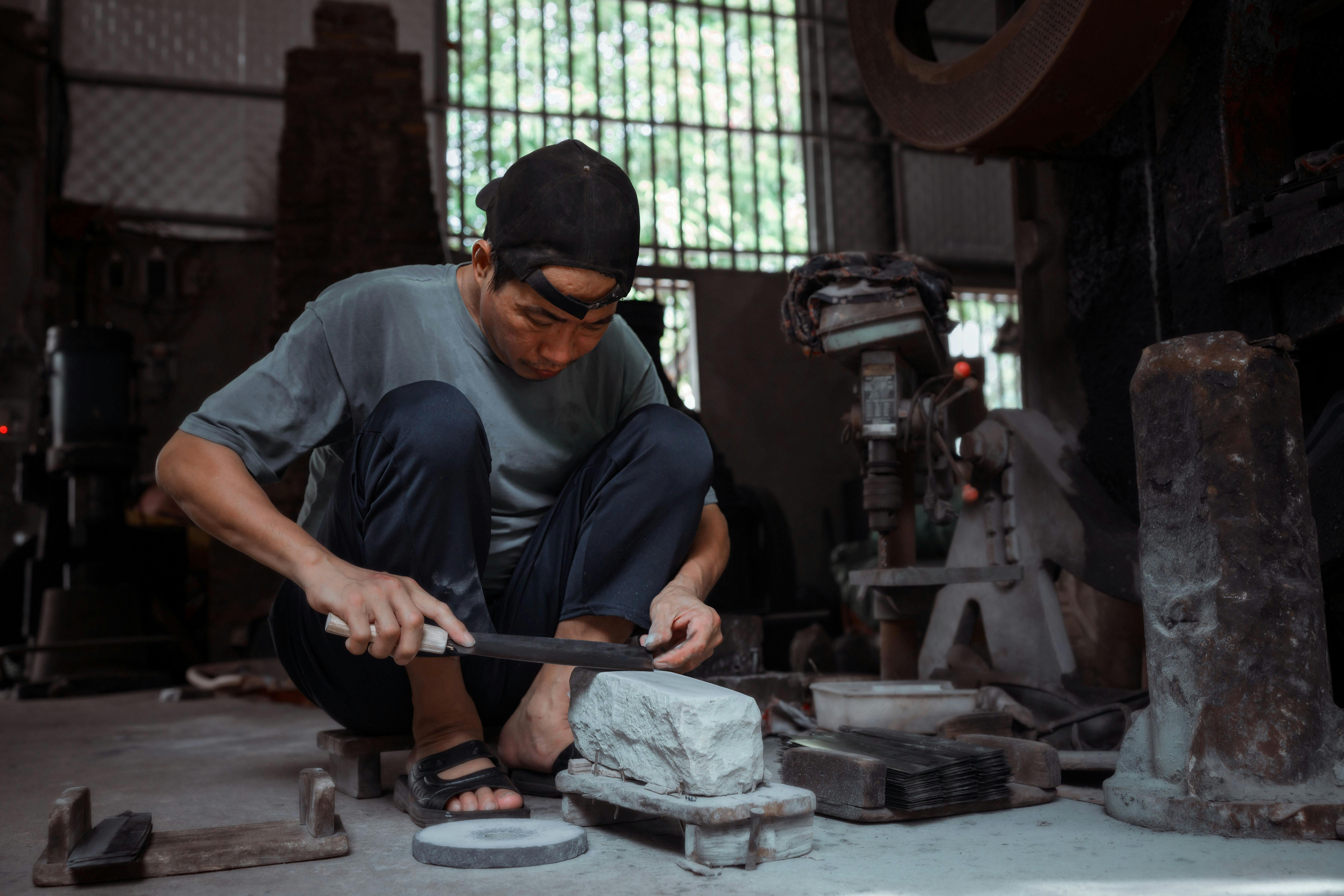
Water stones appeal to hunters who enjoy the craft of sharpening as much as the result. They can produce a very refined edge, and with the right progression they offer an impressive mix of bite and smoothness for field dressing work.
These stones do require a little more attention. They need soaking or splashing depending on type, and they wear in a way that calls for periodic flattening. For some users, that care is part of the ritual rather than a drawback.
What keeps them relevant is edge quality. When used well, a water stone kit can leave a blade feeling precise and responsive, which is exactly what careful knife users are chasing.
Work Sharp belt sharpener
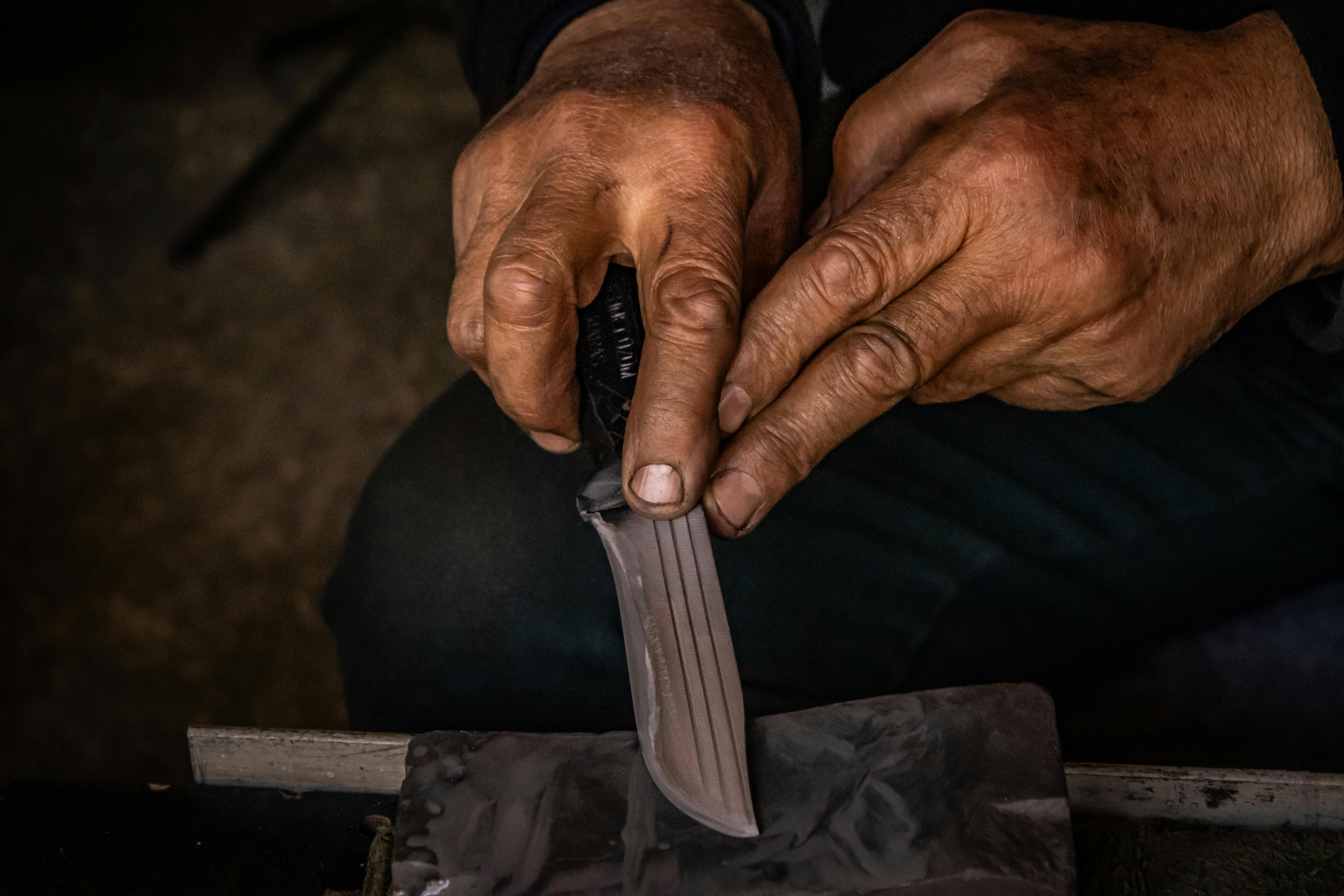
Belt sharpening systems have become popular with hunters who value speed and versatility. They can reshape a tired edge quickly, and with the right belt and a gentle touch they can also put a very usable working finish on knives that see hard outdoor service.
This type of system is especially handy for households with multiple blades to maintain, from hunting knives to camp knives and even kitchen tools. It feels efficient in a way that traditional stones sometimes do not, especially before a busy season.
The catch is control. An aggressive pass can remove more steel than intended, so a little restraint matters. In practiced hands, though, these machines are impressively capable.
Compact multi-tool sharpener

A compact multi-tool sharpener rounds out the list because it solves several small problems at once. Many include a carbide slot, ceramic hone, tapered rod, and sometimes even a broadhead wrench, which makes them especially appealing to hunters who pack light.
These tools are built around convenience rather than perfection, and that is their charm. They let you maintain a serviceable edge in camp, at the truck, or beside a game pole without unpacking a larger setup.
Serious hunters often own more precise systems at home, but they still make room for one of these. When conditions are messy and time matters, versatility can be every bit as valuable as finesse.