Outdoors, small skills often make the biggest difference, and knot tying is one of them. The right knot can secure a tarp, save time at camp, protect gear, and keep a simple job from turning into a frustrating mess. These eight essentials are the ones worth practicing until your hands know them automatically.
Square knot

The square knot is one of the first knots many people learn, and for good reason. It is tidy, fast, and perfect for joining two ends of the same size rope when the load is light and steady. Around camp, it is useful for bundling gear, tying a bandage, or securing a stuff sack in a pinch.
What makes it worth memorizing is its simplicity under pressure. Right over left, then left over right, and you get a neat, flat finish that is easy to recognize at a glance. It is not the knot for critical loads, but for everyday outdoor tasks, it earns its place in your muscle memory.
Bowline

If you spend time outdoors, the bowline is the knot that quickly starts to feel indispensable. It creates a fixed loop that will not tighten down under load, which makes it ideal for rescue situations, securing gear, or tying around an object without choking it. Many campers and boaters treat it as a true core skill.
The beauty of the bowline is that it stays reliable while remaining easy to untie afterward. That matters when rope is wet, cold, or under tension for a while. Once you can tie it without pausing to think through the steps, you will reach for it constantly on the trail, at camp, and near the water.
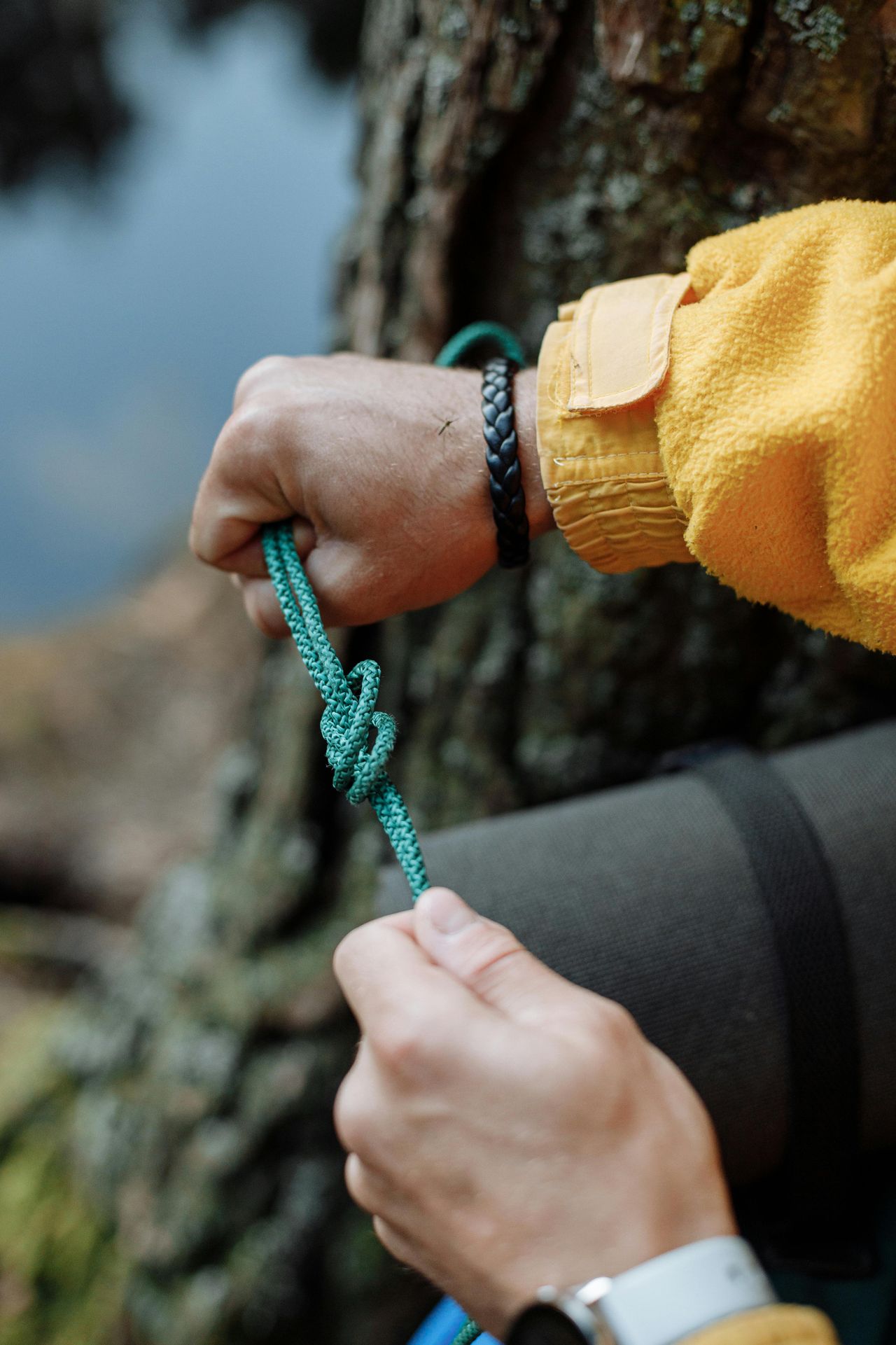
Taut-Line Hitch

The taut-line hitch is the knot that makes tent setup feel smoother and more professional. It grips a standing line but can still slide when you need to adjust tension, which is exactly what you want on guylines. When wind picks up or rain sags the fabric, a quick adjustment can make the difference between a solid shelter and a sloppy one.
Because it is adjustable, this knot solves a problem that comes up again and again outdoors. You can tighten a tarp, fine-tune a ridge line, or keep a shelter looking crisp without retying everything from scratch. Learn it well, and campsite setup becomes faster, cleaner, and far less annoying.
Clove Hitch

The clove hitch is fast, efficient, and incredibly handy when you need to attach a rope to a post, pole, or tree. It is often one of the quickest ways to start a lashing, hang a tarp line, or secure something temporarily while you work. In outdoor life, speed and simplicity count, and this knot delivers both.
Its best use is in situations where you want a quick hold and plan to keep an eye on the load. It is easy to tie, easy to adjust, and easy to untie, which makes it a favorite for camp chores and setup tasks. Think of it as one of those utility knots that quietly earns constant use.
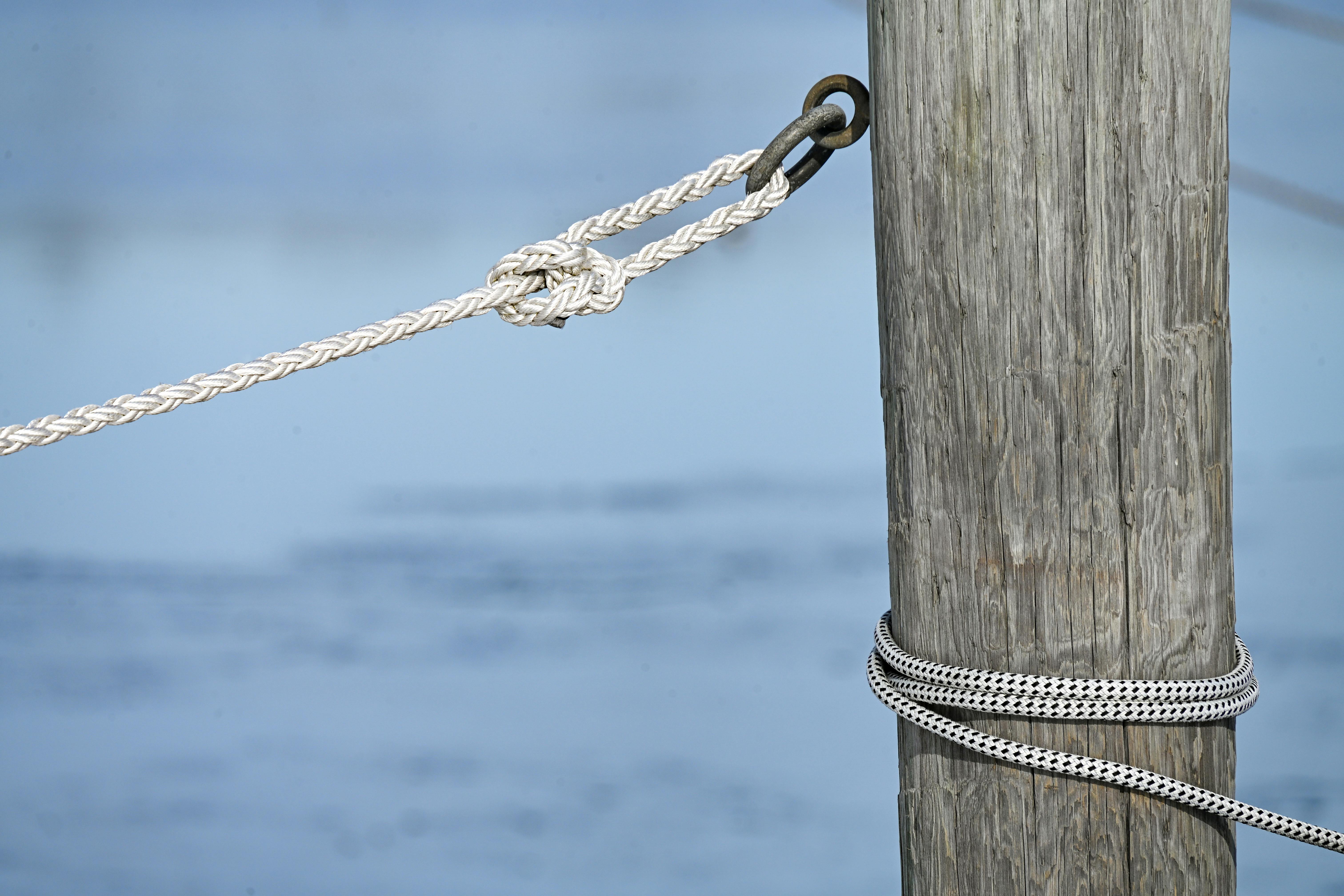
Two Half Hitches

Two half hitches may not sound glamorous, but they are the kind of dependable knot that outdoor people come back to again and again. They are excellent for fastening a rope to a ring, branch, stake, or pole, and they hold securely under steady tension. That makes them useful for everything from hanging gear to tightening a line.
Part of their appeal is how approachable they are. Even if you have not tied knots in a while, the structure is easy to remember and easy to inspect. Once it is snugged down, it feels reassuringly solid. It is not flashy, but it is one of the most practical knots you can keep ready for everyday use.
Figure-Eight Knot
The figure-eight knot is prized because it is strong, easy to identify, and less likely to jam than a simple overhand knot after being loaded. It often serves as a stopper knot, preventing rope from slipping through hardware or a handhold. In climbing and rescue settings, figure-eight variations are especially important, but even casual outdoors people benefit from knowing the basic form.
It is one of those knots that looks clean and confidence-inspiring when tied properly. The shape is distinctive, so mistakes are easier to spot before they become a problem. If you want a knot that combines simplicity with real usefulness, the figure-eight absolutely deserves a permanent place in your repertoire.
Sheet Bend

The sheet bend is the answer when you need to join two ropes of unequal size or different material. That makes it especially useful in the real world, where not every cord in your pack matches perfectly. If you are improvising at camp, extending a line, or working with mixed utility rope and paracord, this knot can save the day.
What gives the sheet bend staying power is its versatility. It handles awkward pairings better than many basic joining knots and still comes together quickly once you know the pattern. It is a practical problem-solver, not a showpiece. For anyone who spends time outside with limited gear, that kind of adaptability is gold.
Trucker’s Hitch

When you need serious tension on a line, the trucker’s hitch is hard to beat. It creates a mechanical advantage that helps you cinch down a tarp, lash gear to a roof rack, or tighten a load that absolutely should not shift. For campers, paddlers, and road-trippers, this is the knot that brings order to awkward, bulky equipment.
It does take a little more practice than some of the simpler knots, but the payoff is huge. Once learned, it feels like having an extra hand and a little extra strength whenever you need to secure something properly. If you have ever dealt with a flapping tarp or loose cargo, you already know why this one matters.