A cartridge’s headstamp is like a tiny passport stamped into metal. Those letters, numbers, and symbols can reveal surprising details about a round’s maker, era, military use, and even the country that produced it. This gallery walks through eight common markings collectors and curious readers often use to decode a cartridge’s age and origin.
Manufacturer initials
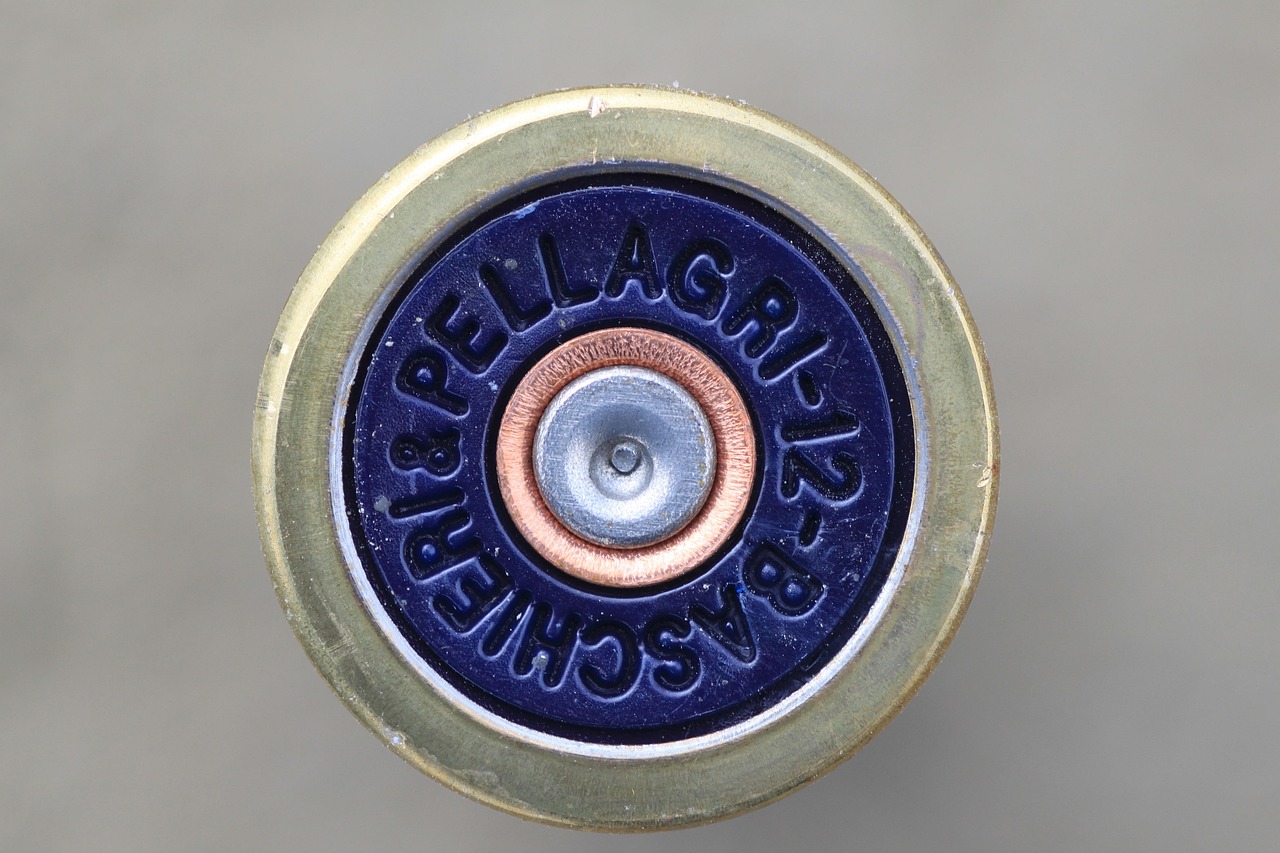
One of the fastest ways to identify a cartridge is by reading the letters stamped around the base. These initials often stand for the company or arsenal that made the round, and they can instantly place it within a certain industrial or military tradition.
Some are obvious, while others are surprisingly cryptic. A few factories changed names, merged, or used shortened codes for export contracts, which means the same country may show up under several letter combinations over time.
That is why manufacturer initials are such a useful starting point. They rarely tell the whole story alone, but they often open the door to a much more precise dating and identification.
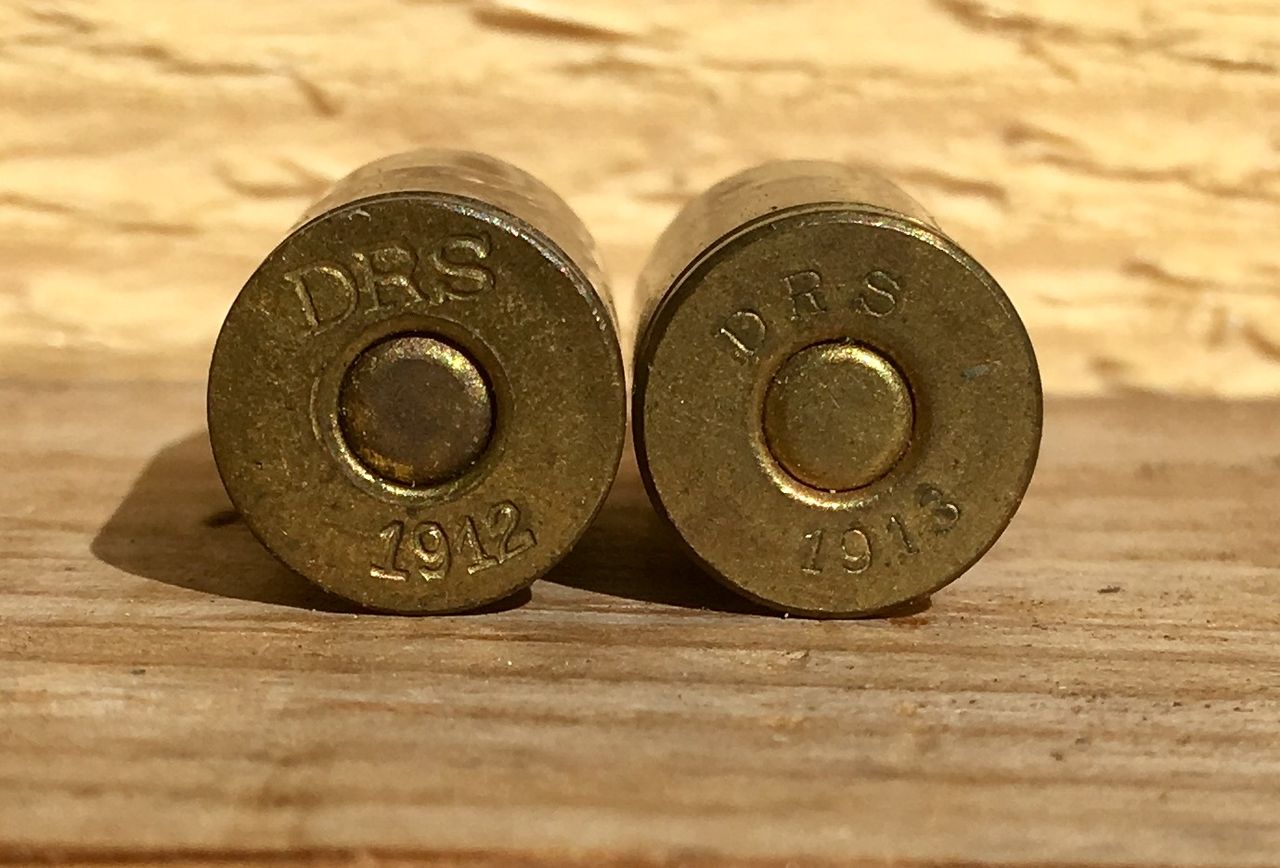
Two-digit date codes
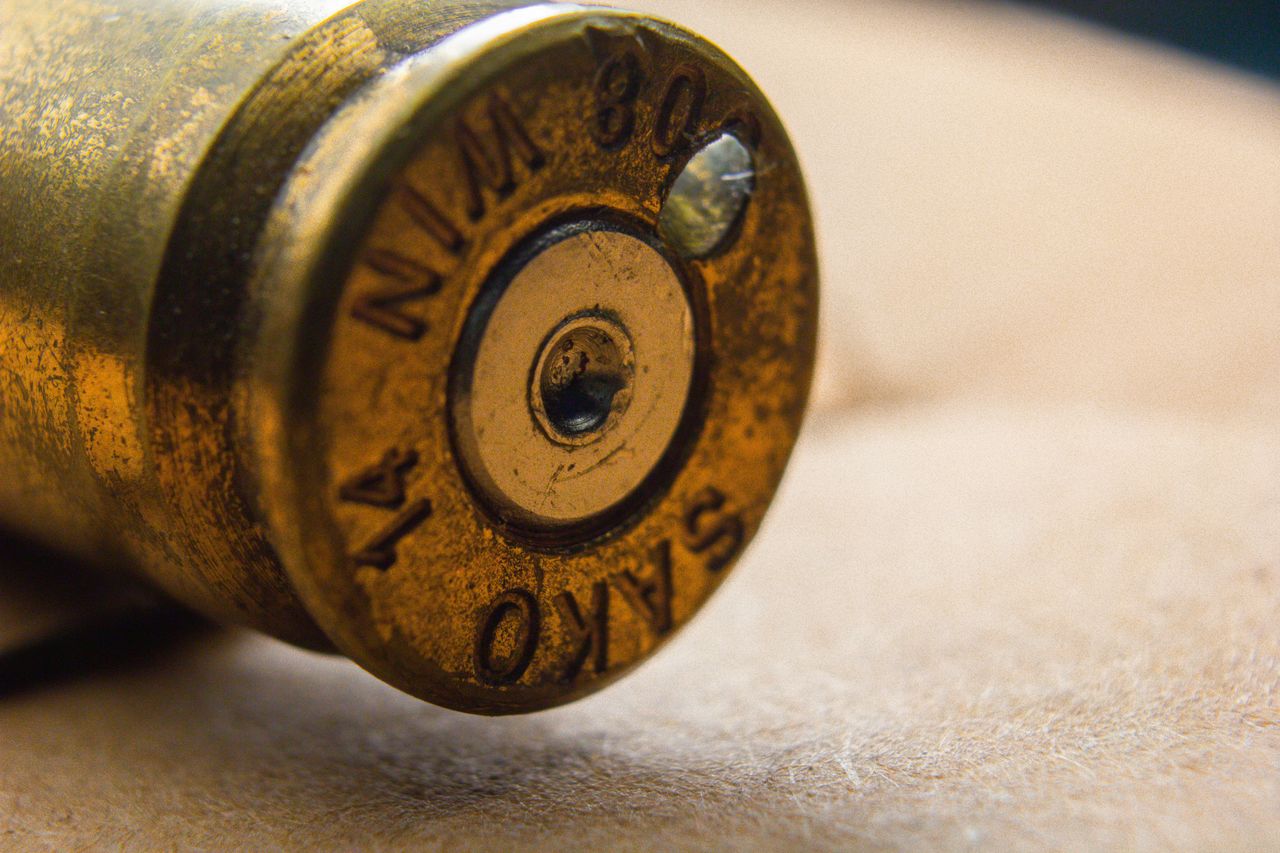
Many military cartridges include a two-digit number that marks the year of production. Once you spot it, a round can suddenly feel much less mysterious, especially when paired with a factory code on the opposite side of the headstamp.
The tricky part is context. A simple “43” could point to wartime production in 1943, but in another setting it might indicate 1843 is impossible, while 2043 is too modern, so the cartridge type usually narrows the answer quickly.
Collectors rely on these date stamps because they connect ammunition directly to a historical moment. A tiny number can place a round in a war, a contract run, or a key period of industrial change.
Arsenal or factory numbers
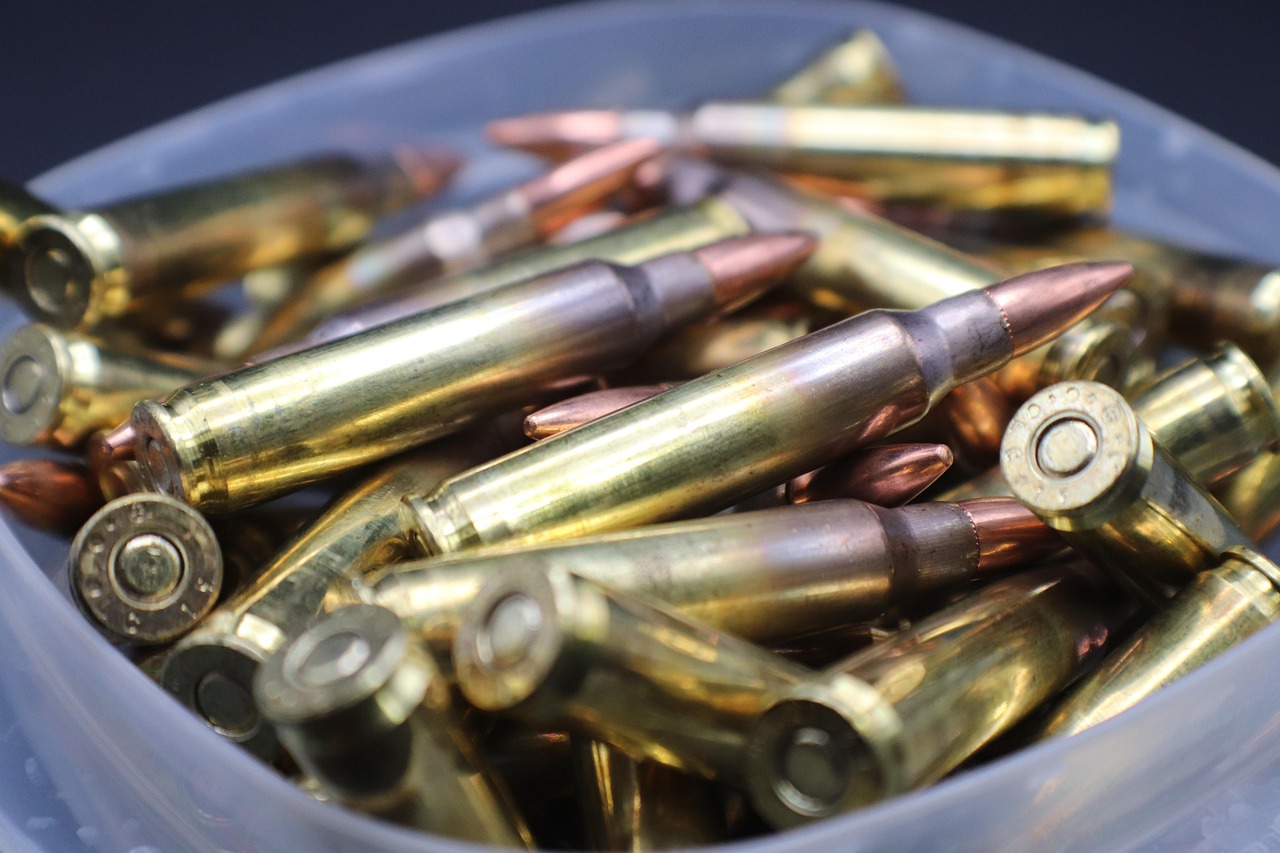
Instead of a company name, some cartridges use a number to identify the plant that produced them. This was especially common in state-run systems and wartime manufacturing, where coded numbers added efficiency and sometimes a layer of secrecy.
These markings can look plain at first glance, but they are often highly revealing. A single number may point to a specific arsenal, city, or production network used during a particular conflict or political period.
That makes factory numbers especially valuable for tracing origin. When matched with a date, they can help distinguish between similar-looking rounds made in different places under very different historical circumstances.
Country symbols and crests

Not every clue comes in the form of letters and numbers. Some headstamps include crowns, stars, crests, or other national emblems that signal where the cartridge came from and, in some cases, which government oversaw its production.
These symbols can be especially helpful when text is abbreviated or unfamiliar. A crown might suggest a monarchy-era issue, while a star or shield could point toward a republic, military bloc, or state arsenal with a distinct identity.
Small as they are, these marks often carry big historical weight. They can hint at regime changes, colonial histories, and shifting borders, all stamped into a space no wider than a fingertip.
Caliber designations
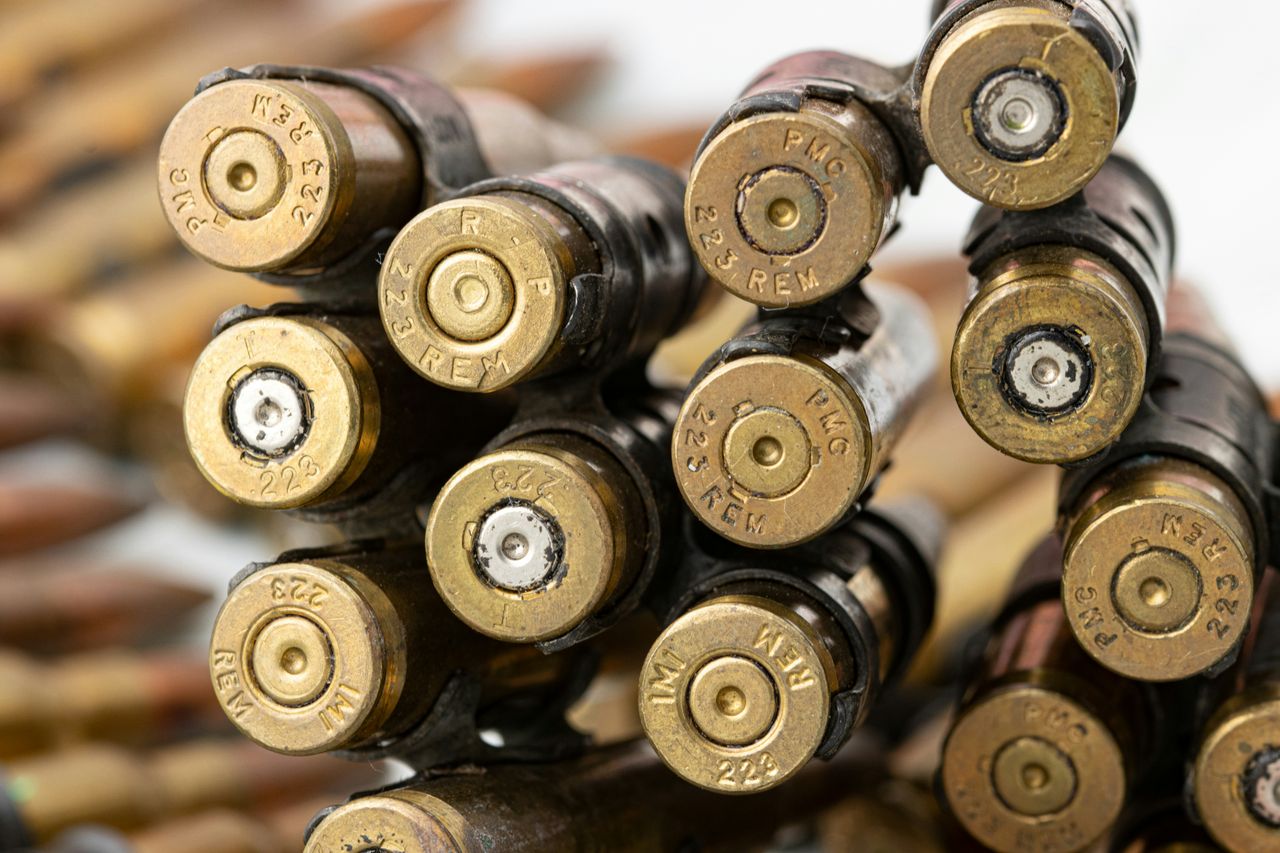
Sometimes the headstamp includes the cartridge’s caliber, and that detail can do more than identify size. It can also help place the round in a specific market, military standard, or era of naming conventions.
For example, metric markings often suggest one production tradition, while inch-based designations may point to another. The way caliber is written can also reveal whether the ammunition was meant for domestic sale, export, or official service use.
This matters because names evolve. A caliber label used in one decade may be updated or reformatted in another, so even a familiar number can offer subtle clues about when and where the cartridge was made.
Primer seal colors
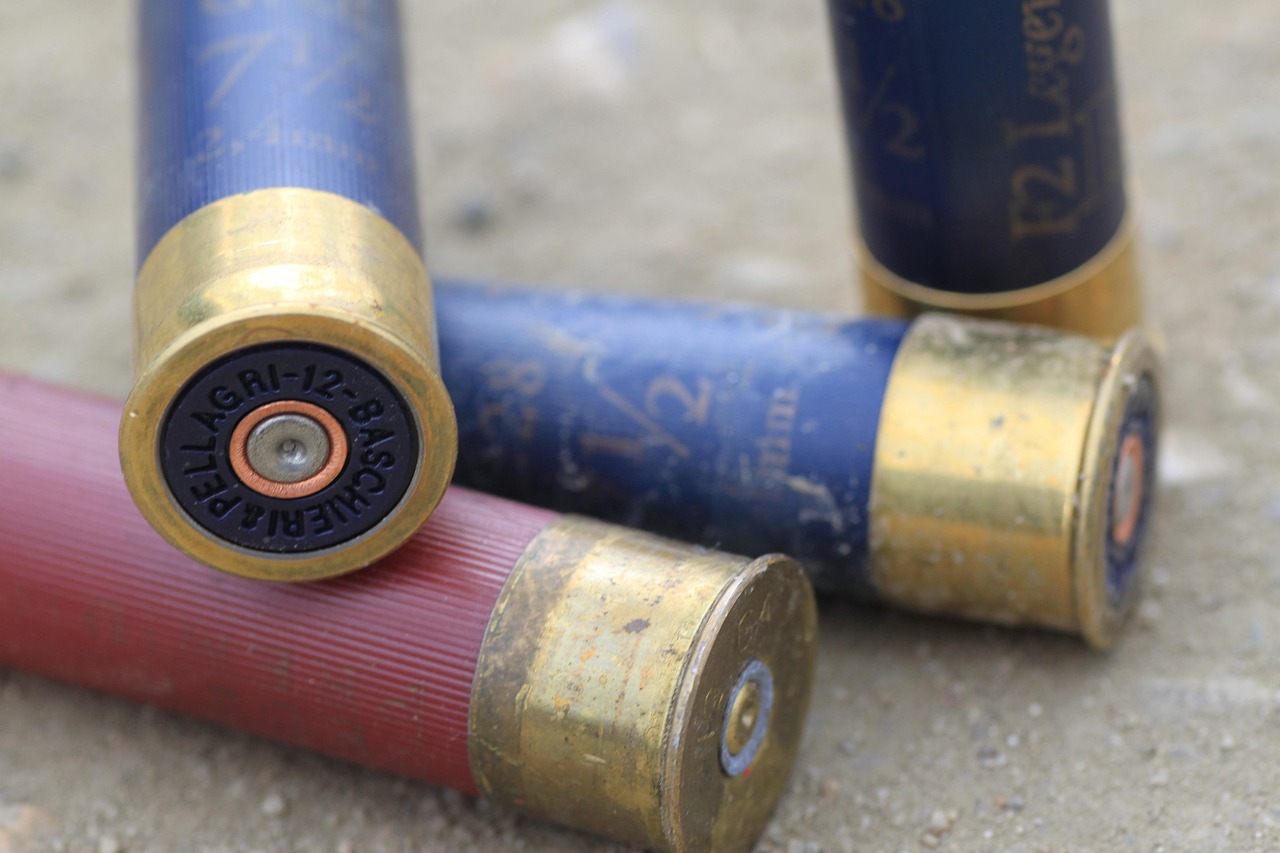
The colored ring around a primer is easy to overlook, but it can be surprisingly informative. Primer sealant was often used to protect ammunition from moisture, and different countries and manufacturers applied distinct colors for identification or quality control.
A red, green, black, or purple seal does not have one universal meaning, which is what makes context so important. In some systems, color marked a production lot or loading type, while in others it indicated military inspection standards.
Even when the headstamp text is worn, primer seal colors can add another layer of evidence. They are especially helpful when comparing cartridges from the same era that otherwise look nearly identical at first glance.
Military contract marks
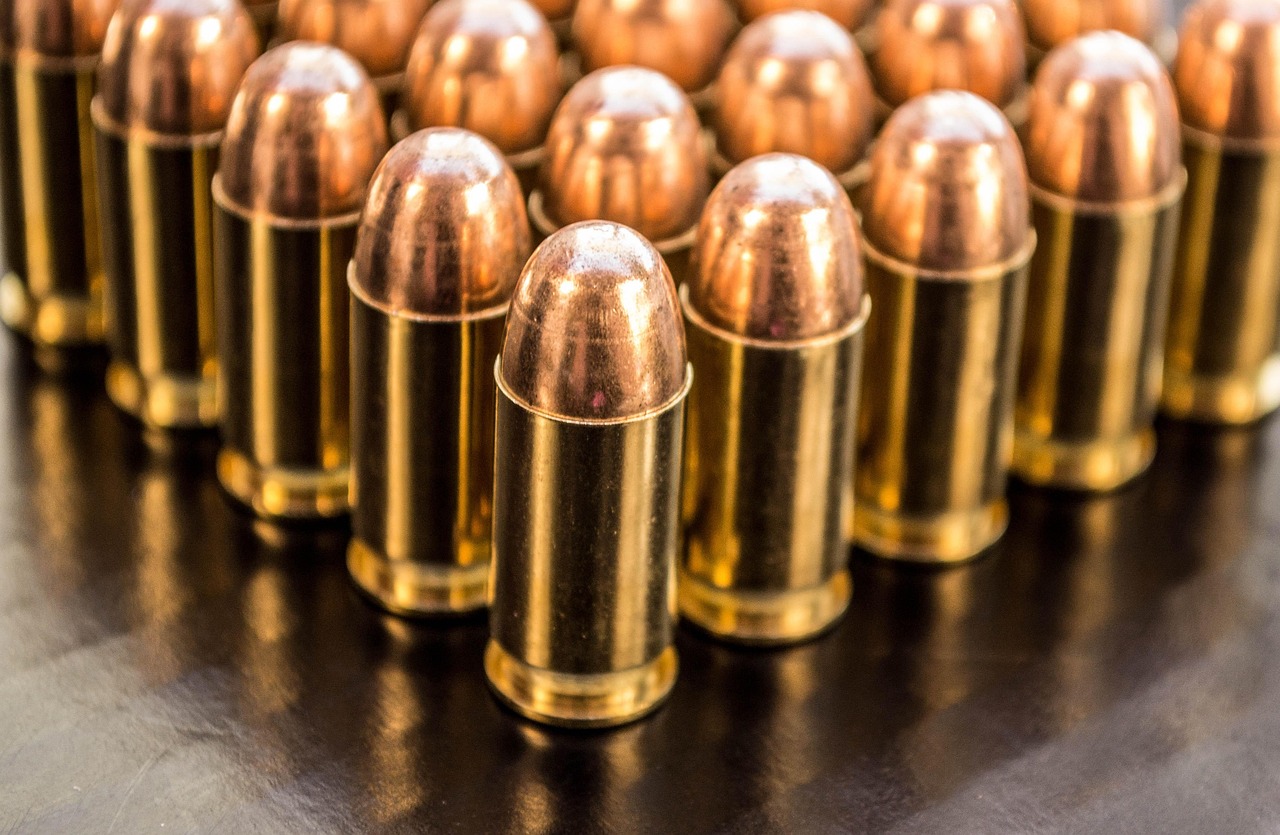
Some cartridges carry marks that show they were made for a government contract rather than the civilian market. These can include inspection stamps, acceptance symbols, or specific abbreviations tied to military procurement systems.
Such markings often tell a richer story than a brand name alone. They may indicate that a commercial manufacturer was producing ammunition under wartime pressure, foreign aid arrangements, or a special defense contract.
That distinction matters when dating a round. Contract marks can narrow the production window and explain why a cartridge differs from standard commercial versions made by the same company during the same general period.
Style of lettering and layout
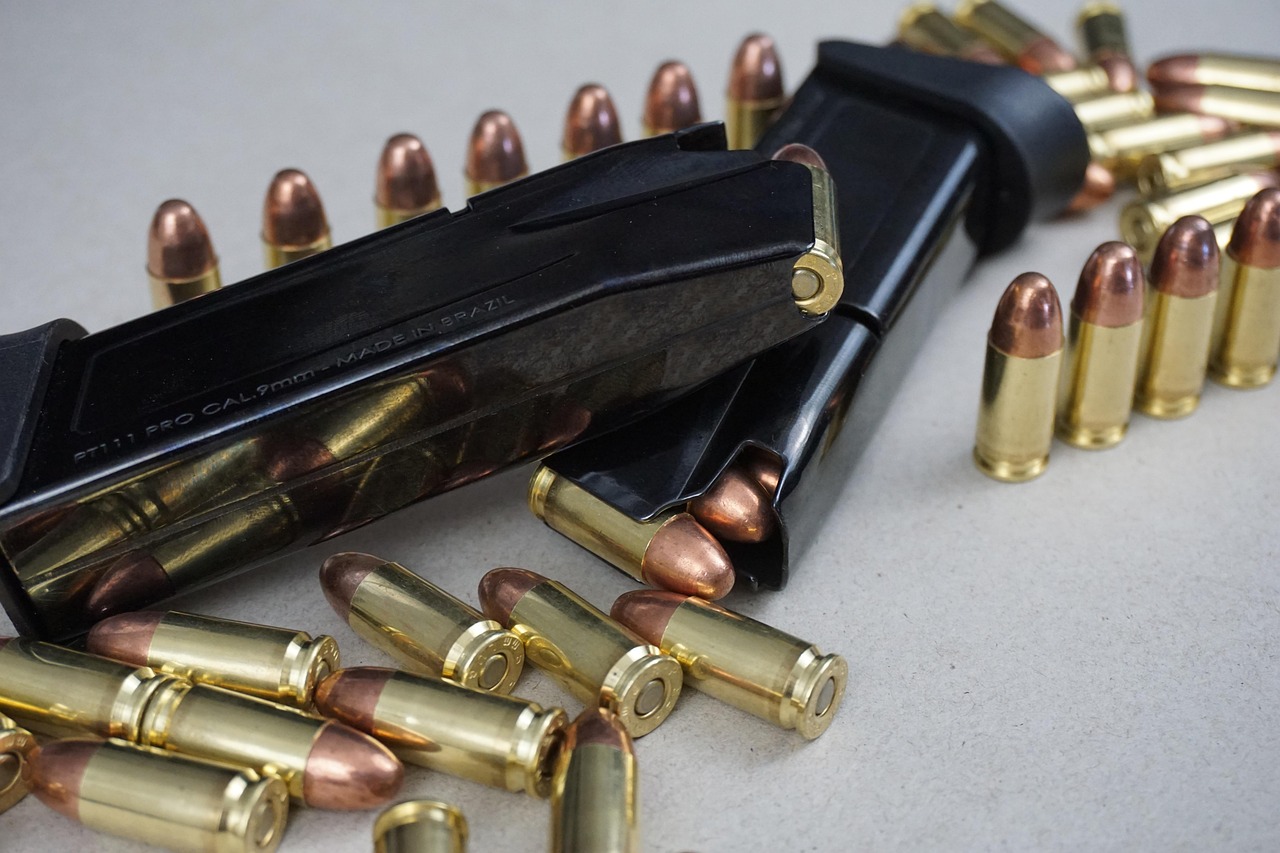
Even when the content of a headstamp seems straightforward, the way it is arranged can reveal a lot. Font style, spacing, punctuation, and whether the text runs at 12, 3, 6, and 9 o’clock can all point to a particular era or manufacturer.
Design habits changed over time as machinery improved and standards shifted. Older rounds may show deeper, less uniform strikes, while later production often looks cleaner and more standardized across large batches.
This is where careful comparison pays off. Two cartridges with nearly identical information can still belong to different decades if the lettering style, placement, or overall layout reflects a different production period or factory practice.