It was supposed to be a point of Canadian pride. In the trenches of the First World War, it became a weapon many soldiers no longer trusted.
A rifle built for precision, not trench survival
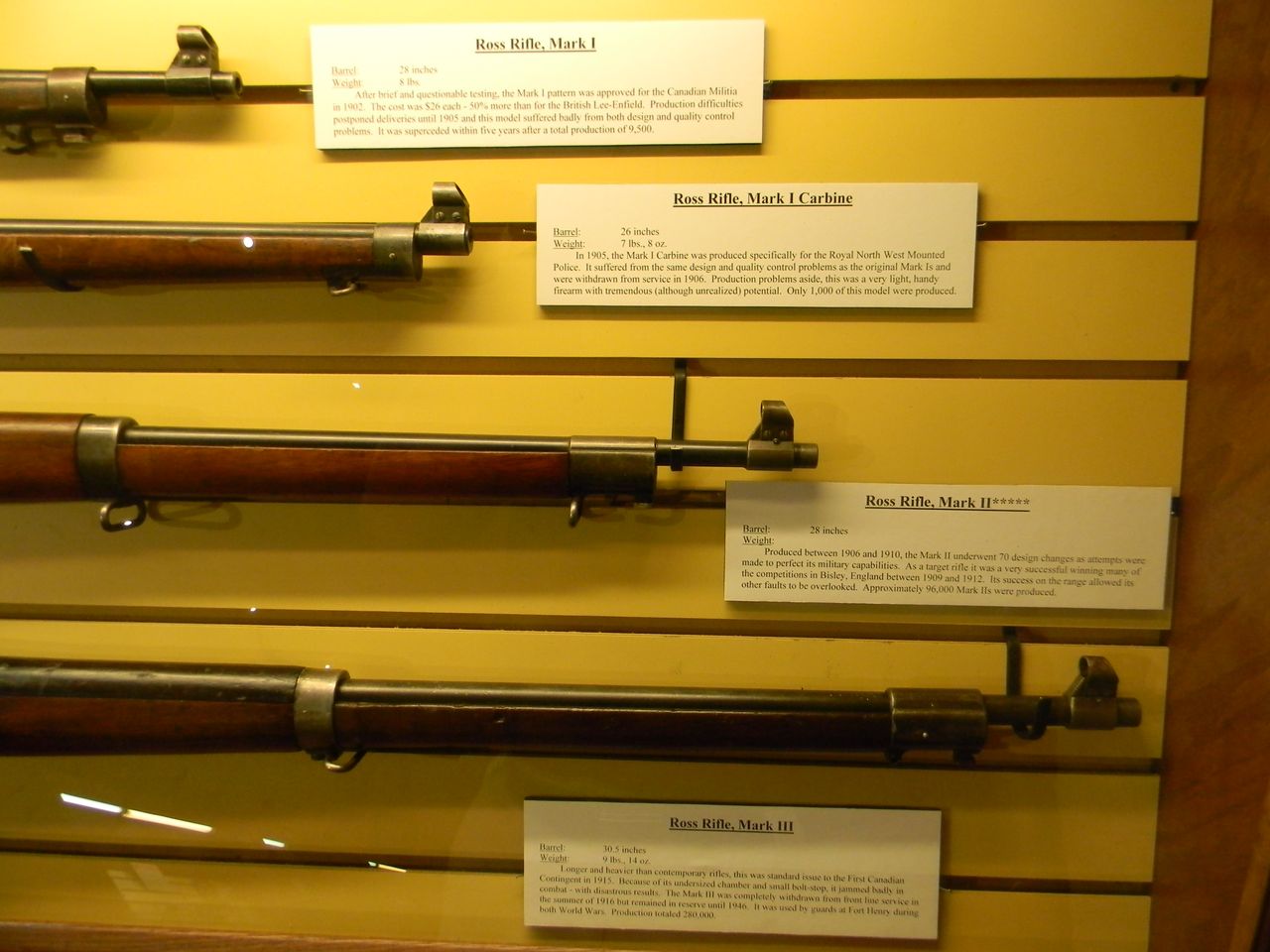
The Ross rifle was a Canadian-made straight-pull bolt-action rifle designed by Sir Charles Ross. On paper, it had real strengths: accuracy, strong craftsmanship, and an excellent reputation in target shooting. That mattered in a prewar military culture that prized marksmanship.
But trench warfare punished rifles in ways peacetime trials did not. A weapon that worked beautifully on a clean range could fail in mud, grit, and chaos. The Canadian War Museum has noted that the Ross was a fine hunting rifle, yet not robust enough for regular trench use.
That mismatch was the heart of the problem. Canadian troops carried a rifle suited to controlled shooting conditions into one of the dirtiest combat environments in modern history.
Mud, fouling, and rapid fire exposed its weaknesses
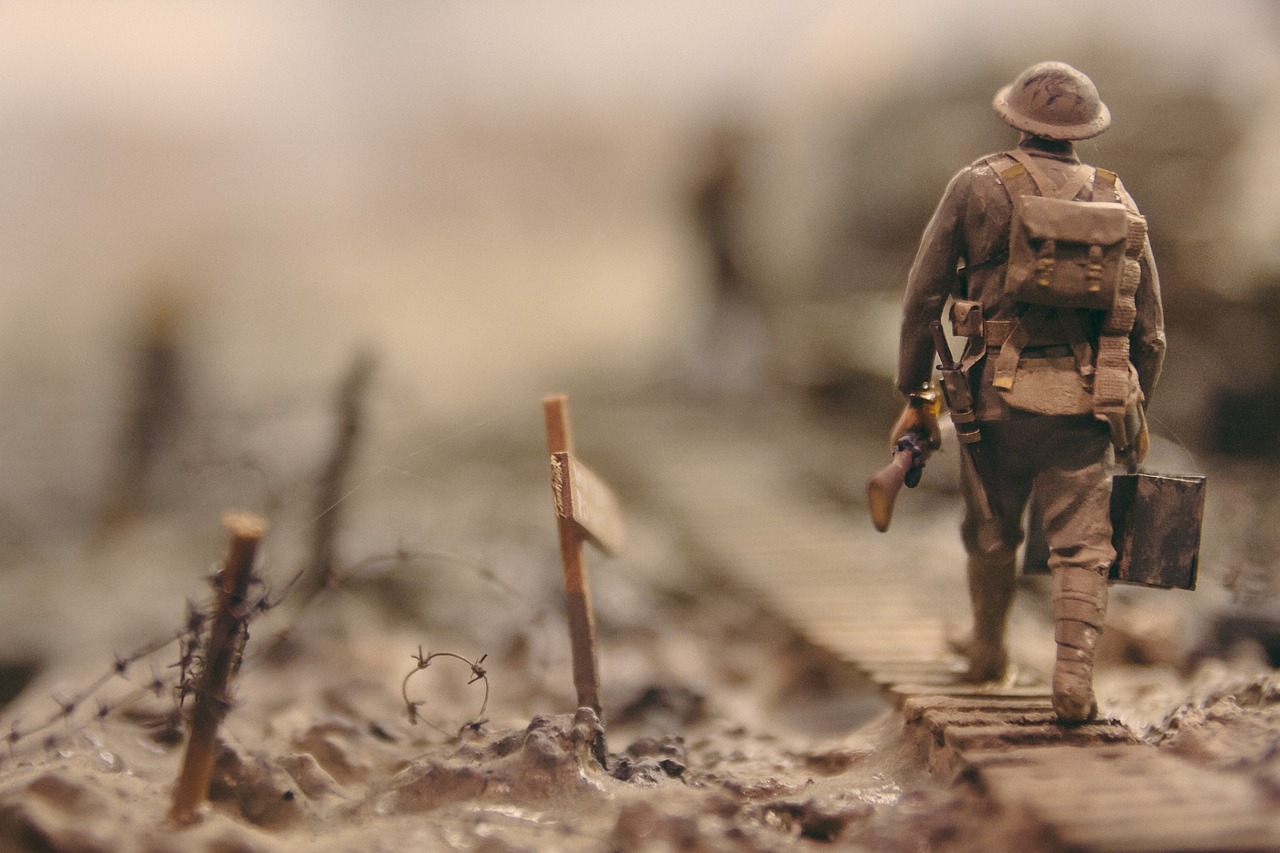
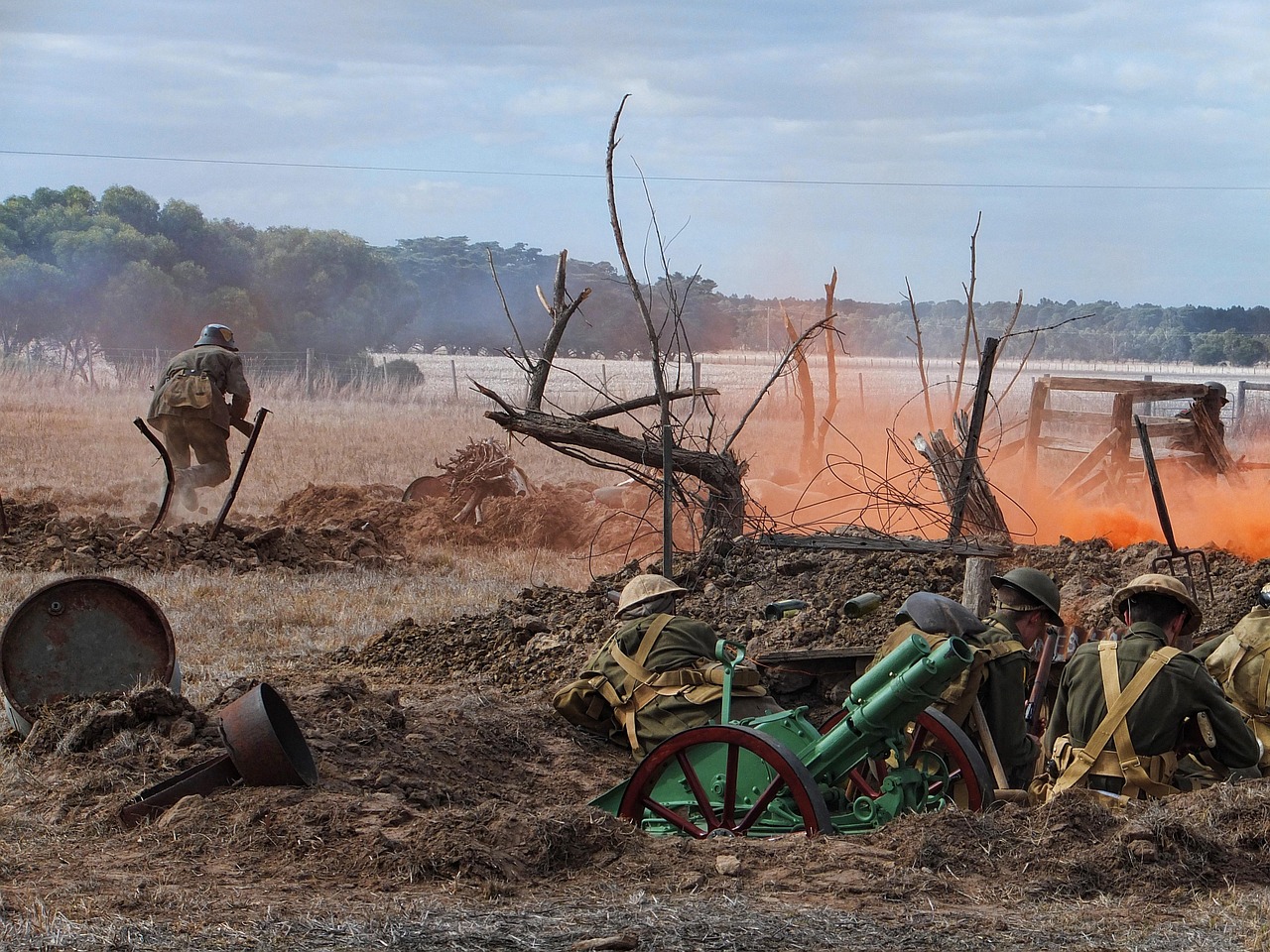
The trenches were a mechanical nightmare. Rifles were dragged through slime, fired quickly, and handled by exhausted men under shellfire. In that world, the Ross developed a reputation for sticking and jamming at exactly the wrong moment.
According to the Canadian War Museum, the Ross had a tendency to jam after rapid fire. That mattered because infantry training demanded volume as well as accuracy. Soldiers were expected to fire fast when enemy attacks developed, not baby a delicate mechanism.
Its length and weight also made it awkward in cramped trenches. The weapon was harder to maneuver than the shorter Lee-Enfield, and even a good marksman could be disadvantaged if his rifle was cumbersome while climbing parapets or fighting in narrow positions.
Ammunition tolerances made a bad situation worse
One of the biggest technical problems involved ammunition. Official Canadian military history records that the Ross functioned smoothly with Canadian-made ammunition but was liable to jam with British-made .303 cartridges. In wartime, that distinction was disastrous.
Front-line logistics did not always allow neat separation between ideal ammunition and whatever was available. If troops were supplied with British rounds, the chamber could become so tight that extraction problems followed. In battle, a rifle that works only with the right cartridge is already halfway to failure.
The National Research Council later described the Ross episode as a fiasco tied in part to slightly mismatched measurements between rifle and ammunition. That kind of manufacturing tolerance issue sounds minor on paper, but in combat it could leave a soldier effectively unarmed.
Soldiers noticed first, and confidence collapsed fast
Complaints did not come from theorists far behind the lines. They came from infantrymen whose lives depended on a working rifle. The loss of confidence became almost as damaging as the mechanical flaws themselves.
The Canadian War Museum says some soldiers, after bitter experience in battle, threw away their Ross rifles and picked up Lee-Enfields from British sources when they could. That is an extraordinary vote of no confidence from men under fire.
Official correspondence from June 1915 also shows British commanders were worried enough to order exchanges for the 1st Canadian Division. Once soldiers believe their rifle may fail in an attack or during defense, the weapon stops being an asset and starts becoming a burden on morale.
Politics and pride kept the Ross in service too long
The Ross was more than a rifle; it was a national project. Canada wanted domestic arms production, and powerful supporters, especially Minister of Militia Sam Hughes, backed it strongly. That political investment made it harder to admit the weapon was wrong for the Western Front.
Canada’s official military history makes clear that concerns about the Ross existed long before the war fully exposed them. Early testing had already raised warnings about suitability for military use unless important changes were made. Even so, modifications and faith in the design continued.
That helps explain why the problem lingered. The rifle’s defenders saw precision and national self-reliance. Front-line troops saw jammed bolts, awkward handling, and an unforgiving battlefield that cared nothing for patriotic symbolism.
Why the Lee-Enfield won and the Ross became a cautionary tale
By late 1916, the Canadian War Museum says the more robust Lee-Enfield had replaced the Ross in all front-line Canadian battalions. The Lee-Enfield was not glamorous, but it was dependable, faster-handling, and better suited to filthy trench conditions.
The Ross did not fail because it was useless in every role. In fact, versions of it could perform well in target shooting and even in some sniping applications when conditions and ammunition were ideal. Its fatal flaw was that front-line infantry combat is never ideal.
That is why the Ross rifle remains such a powerful lesson. A military weapon must survive the worst day, not shine on the best one. Canadian soldiers in the trenches paid dearly for the difference.