
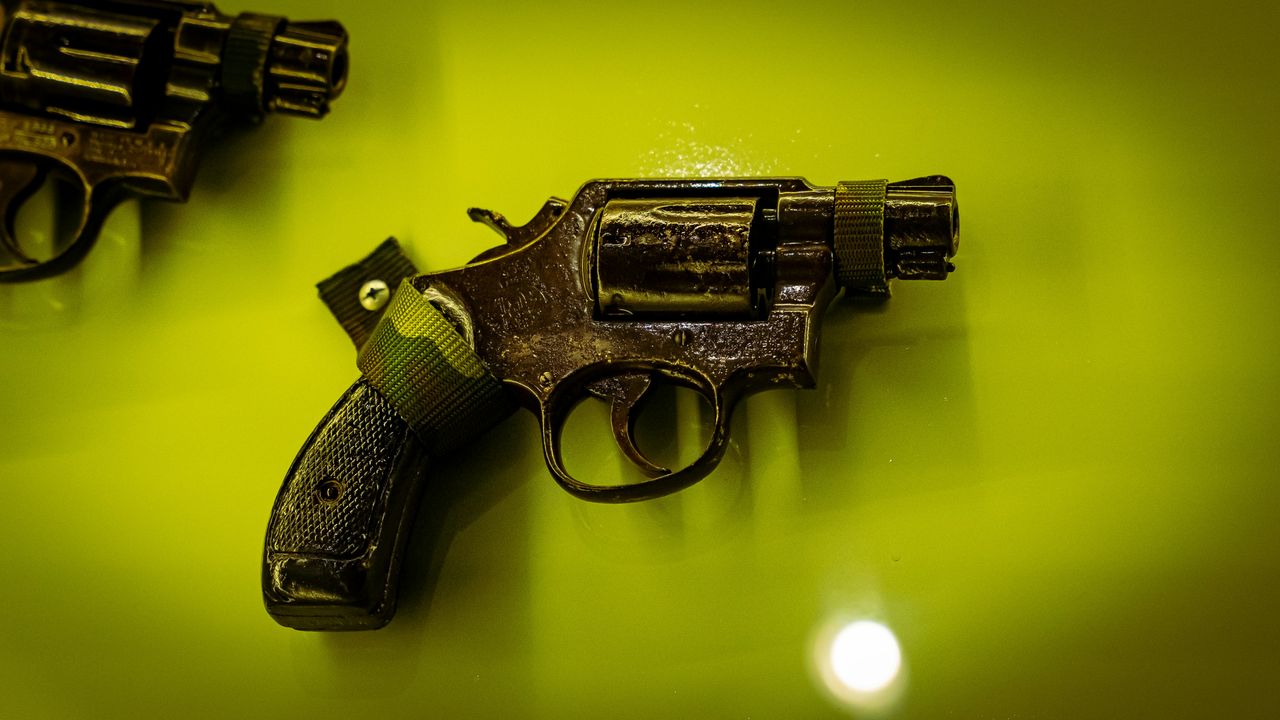
Most revolvers look familiar at a glance: frame, barrel, grip, and that unmistakable rotating cylinder in the middle. But a handful of designs took that core idea and twisted it into something surprising, ingenious, or downright strange. This gallery explores six revolvers whose cylinders broke with convention and turned a classic firearm format into an engineering conversation piece.
Webley-Fosbery Automatic Revolver
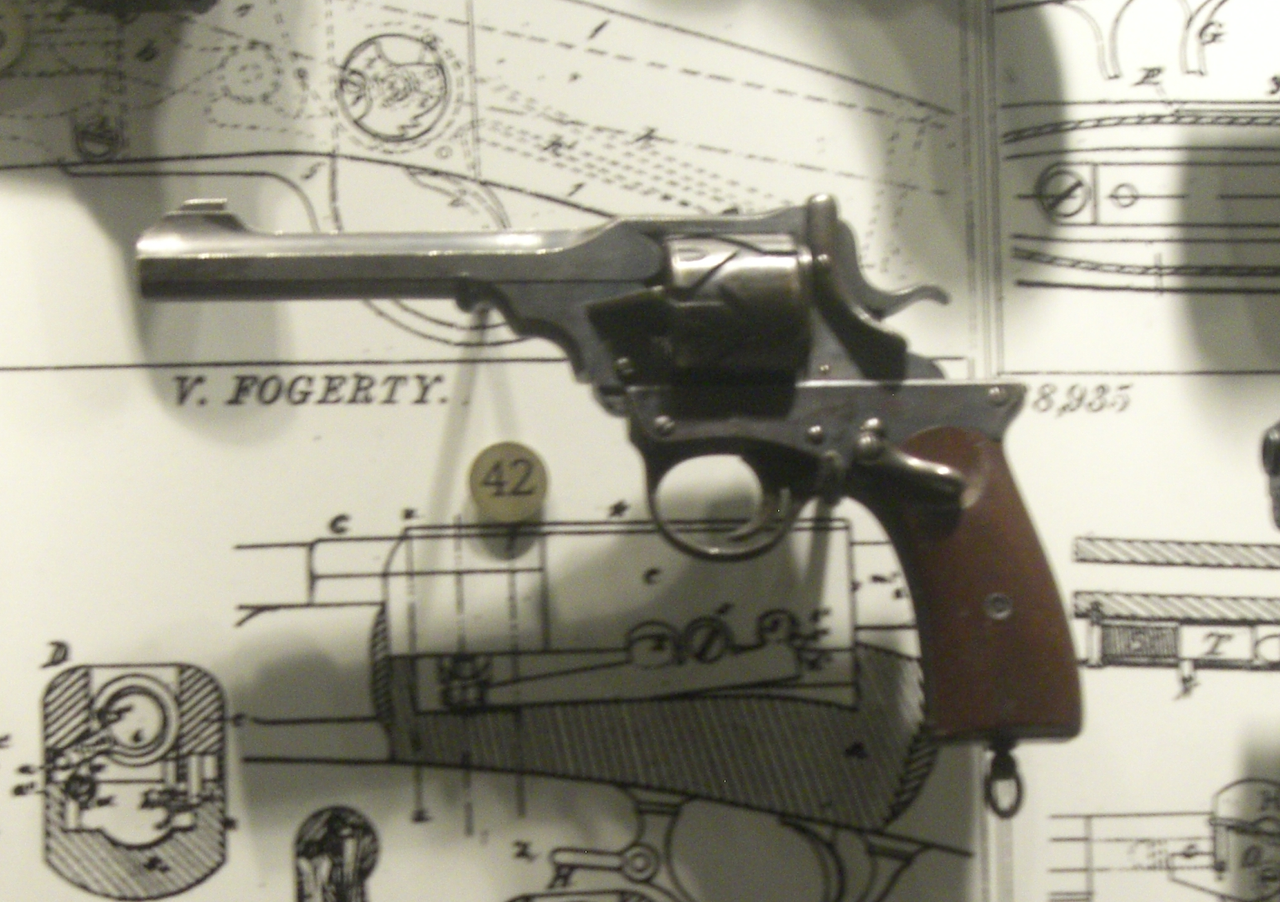
The Webley-Fosbery is one of those firearms that makes people do a double take. It is a revolver, but recoil actually drives the upper assembly backward, cocking the action and rotating the cylinder automatically. That gave it a smooth, almost semi-automatic feel while keeping the basic revolver layout.
Its cylinder is impossible to separate from that trick. Distinctive zigzag grooves on the outside worked with the moving mechanism to advance each chamber. The result was elegant, odd, and mechanically ambitious. Few revolvers ever looked so determined to stop being ordinary without fully giving up what made them revolvers in the first place.
Landstad 1900 Revolver
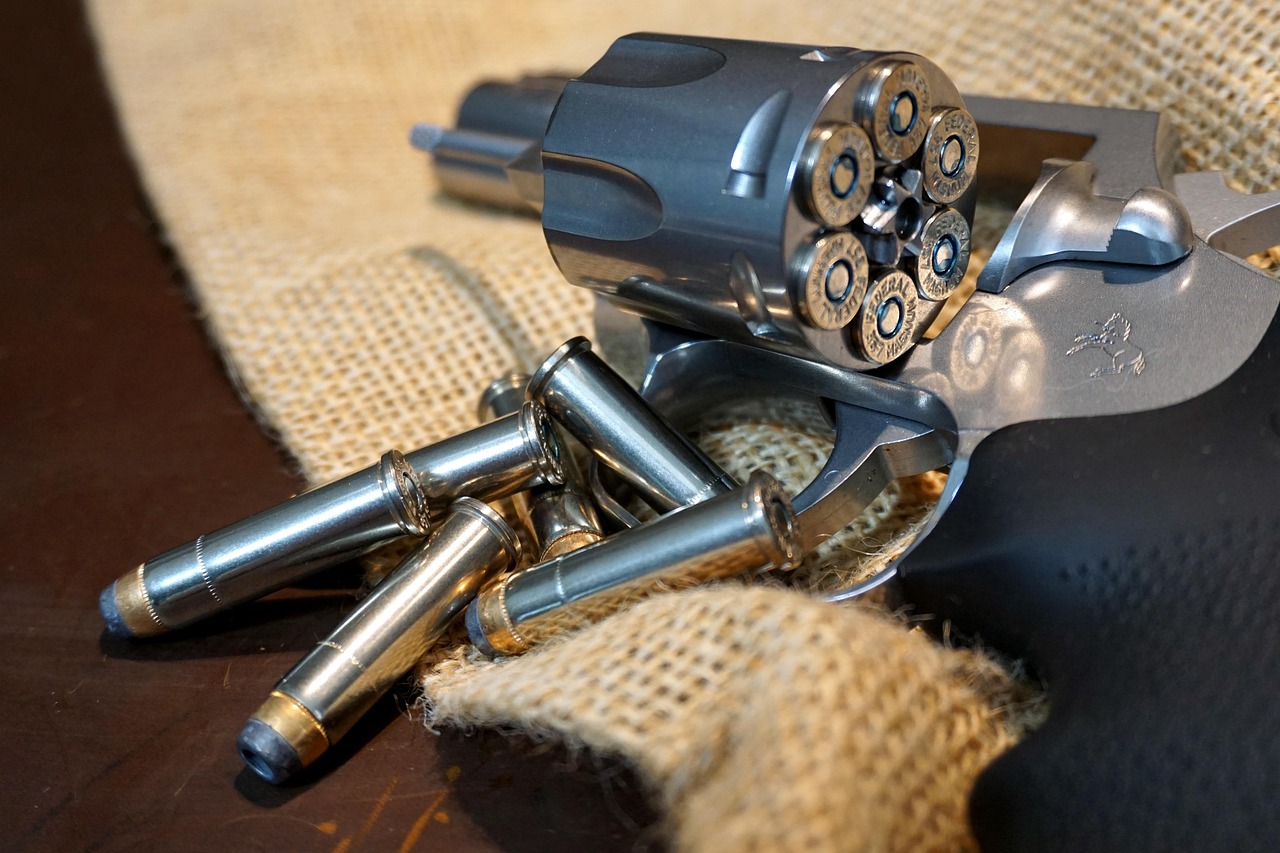
The Landstad 1900 barely looks like it knows what it wants to be, and that is exactly why it fascinates collectors. Part revolver, part self-loading pistol, it used a flat, two-chamber cylinder rather than the familiar round drum shape. That single choice makes it one of the strangest cylinder concepts ever attempted.
Instead of carrying a full ring of chambers, the design relied on a magazine in the grip to feed cartridges into the system. The cylinder served more like a transitional chambering device than a traditional ammunition reservoir. It was clever, compact in theory, and wonderfully unconventional, even if it never became a practical success.
Savage North Navy Revolver
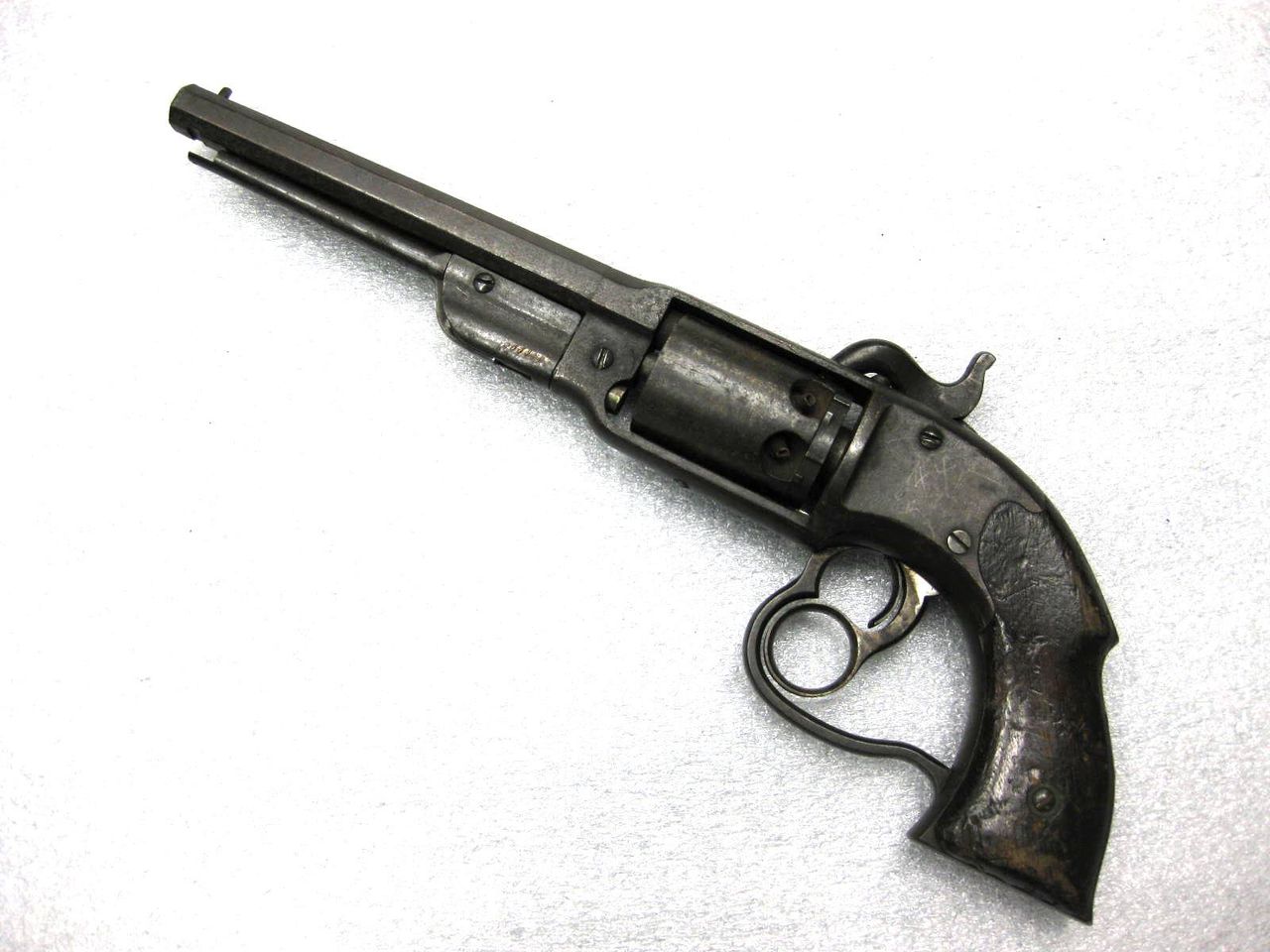
The Savage North Navy revolver breaks expectations the moment you study the front end. Instead of a simple cylinder-and-barrel relationship, it used a complex system with a rotating cylinder and a distinctive double-trigger arrangement. The design reflected a period when inventors were still testing how far the revolver could evolve.
Its cylinder sat at the center of that experimentation. The revolver was intended to reduce chain-fire concerns and improve handling, but it also ended up looking unlike its peers from the Civil War era. There is a raw inventiveness to it, the kind that feels less polished than later classics but far more adventurous in spirit.
Dardick Model 1500
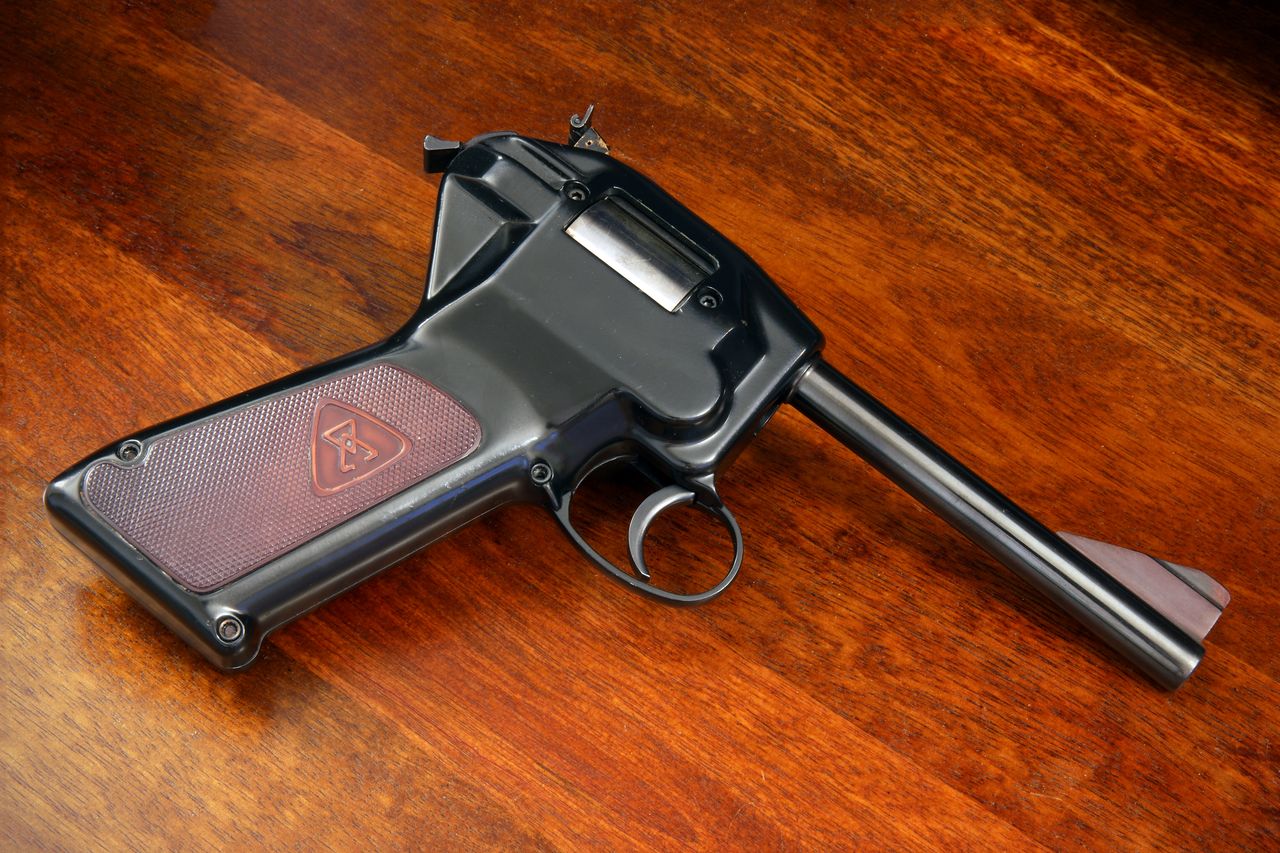
The Dardick Model 1500 asked a radical question: what if a revolver cylinder did not have to be made of fully enclosed chambers at all? Its answer was the open-sided, trounds-fed system, where triangular rounds sat in a radically different cylinder arrangement. It looked futuristic then, and it still does now.
This was not just cosmetic eccentricity. The open chamber concept was meant to blend revolver reliability with faster, more flexible feeding ideas. It challenged the very shape people associate with both cartridges and cylinders. Even today, the Dardick feels like an alternate timeline version of firearms development that almost, but never quite, arrived.
Chiappa Rhino
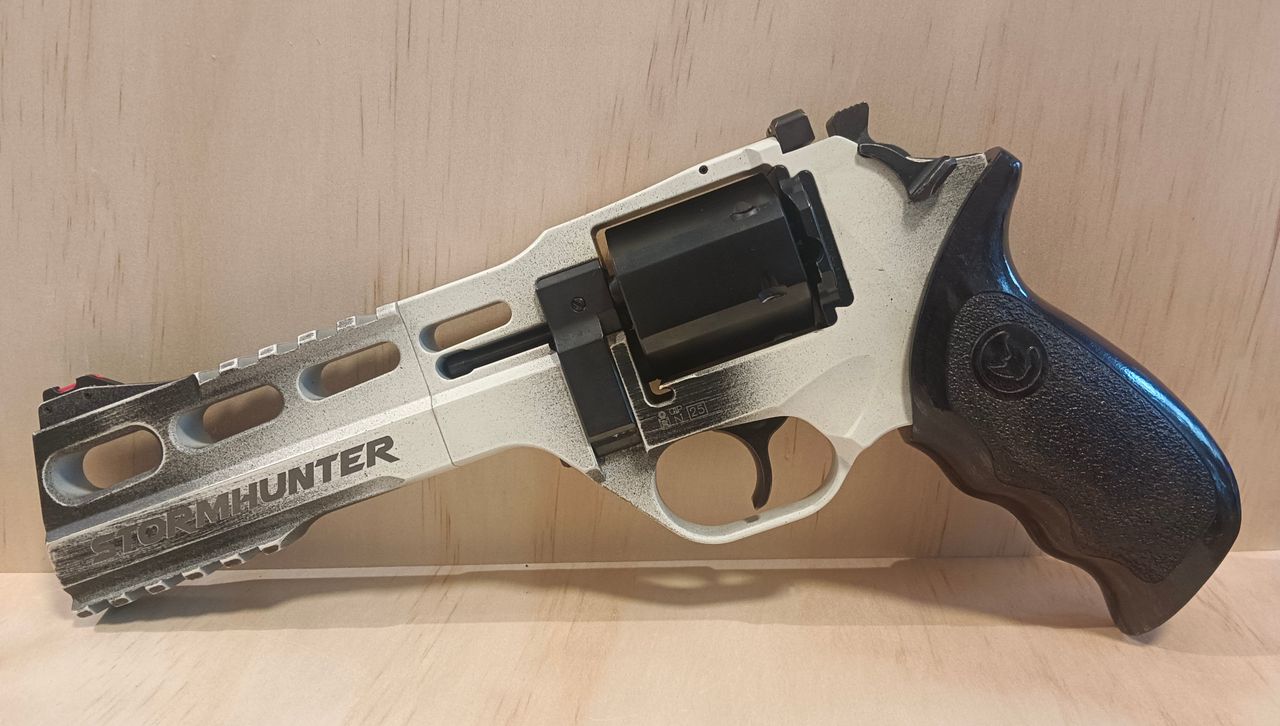
The Chiappa Rhino is modern, sleek, and instantly recognizable because it turns the revolver cylinder into part of a broader rethink. The barrel aligns with the bottom chamber instead of the top, which lowers the bore axis and changes how recoil travels into the shooter’s hand. It is a simple idea that creates a dramatically different look.
The cylinder itself remains familiar in shape, but its relationship to the frame and barrel is what breaks the visual rulebook. The revolver appears almost inside out compared with classic designs. That unusual geometry gives the Rhino a science-fiction silhouette while serving a very practical purpose in recoil control and handling.
Mateba Autorevolver
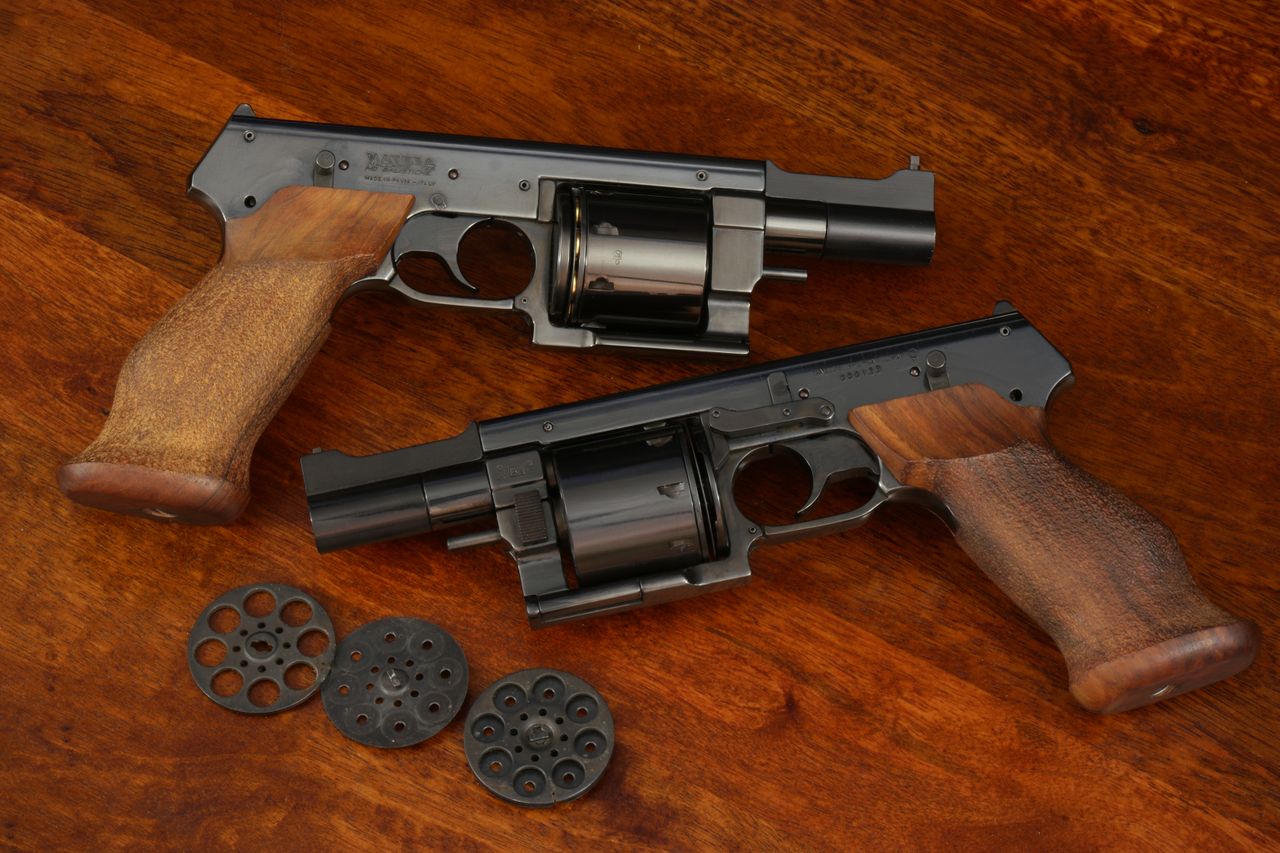
The Mateba Autorevolver feels like the Webley-Fosbery’s flamboyant descendant. It uses recoil energy to cycle the action and rotate the cylinder, blending revolver architecture with self-loading behavior in a way that seems too theatrical to be real. Yet it absolutely is, and that is what makes it so memorable.
Its cylinder is central to the spectacle, but so is the way the entire gun sits low and angular around it. Like the Rhino, the barrel aligns unusually low, giving the profile a stretched, mechanical elegance. The Mateba does not merely tweak revolver convention. It treats the cylinder as one moving part in a far stranger machine.