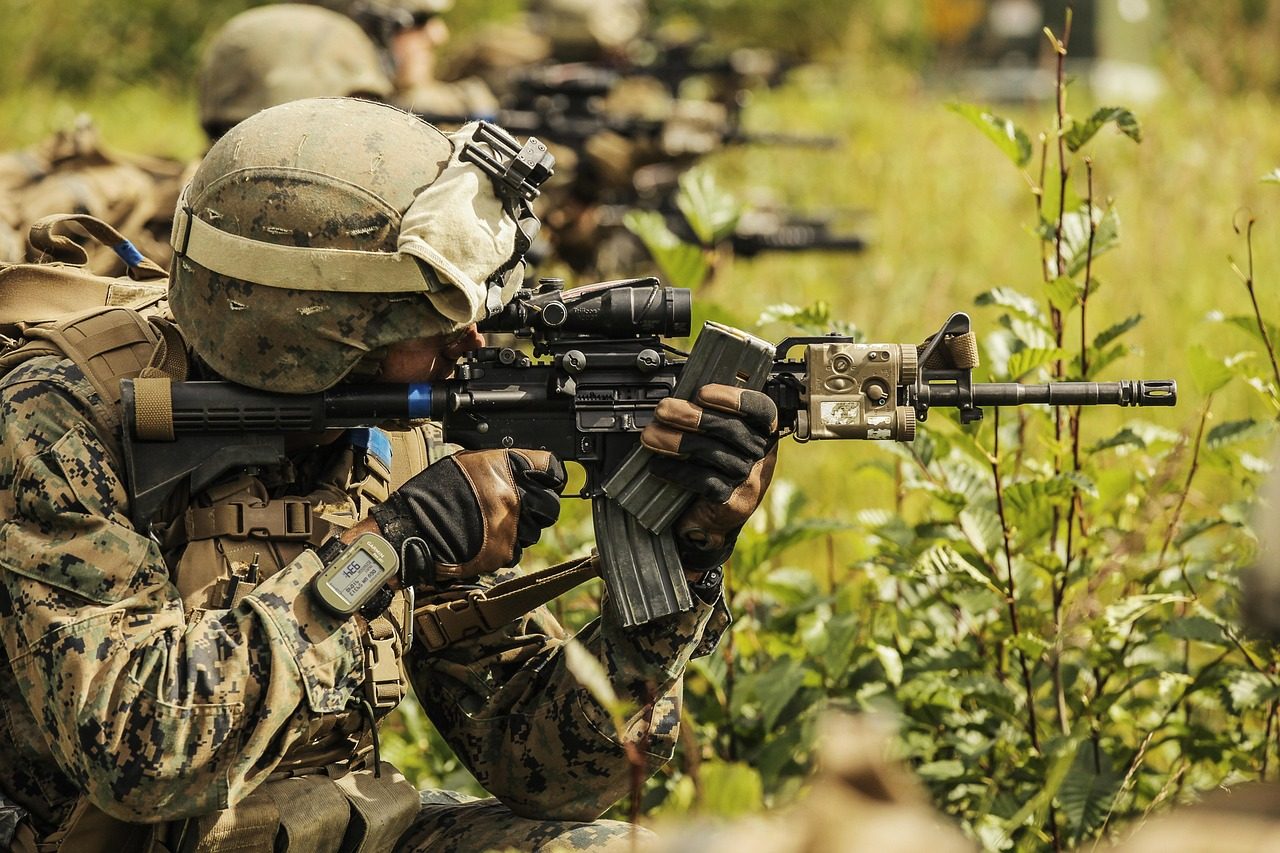
When people think about famous rifles, they usually picture the usual manufacturing giants first. But firearm history is full of surprises, with respected designs emerging from places many shooters rarely mention. This gallery highlights six rifles whose country of origin often catches readers off guard and shows how global rifle development has always been.
Schmidt-Rubin K31 from Switzerland
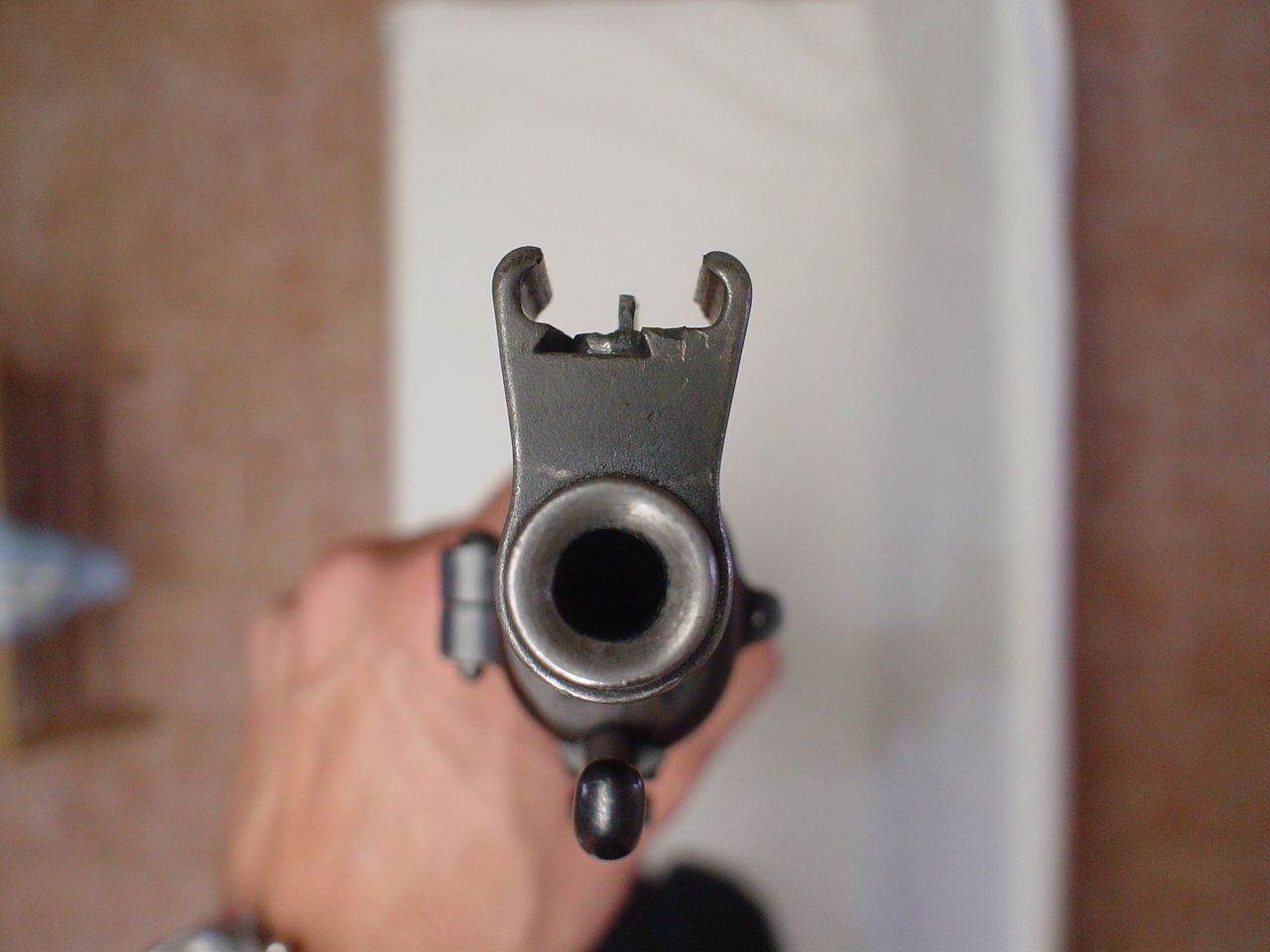
Switzerland is better known to many people for watches, banking, and alpine postcards than for battle rifles. That is exactly why the K31 feels like such a surprise. Yet Swiss arms production built a reputation for meticulous machining, and this straight-pull rifle remains one of the clearest examples of that national style.
The K31 has long impressed collectors with its smooth action, practical accuracy, and finely finished parts. It looks purposeful rather than flashy, but in the hands of enthusiasts it quickly earns respect. For shooters who assume Switzerland stayed out of rifle innovation, this classic changes the conversation in a hurry.
Zastava M48 from Yugoslavia

Ask a casual shooter to name classic bolt-action rifle countries, and Yugoslavia may not come up right away. Even so, the Zastava M48 stands as a sturdy postwar rifle with deep ties to European arms making. Its Mauser-pattern heritage gives it familiar lines, but its origin still surprises plenty of readers.
The M48 earned a reputation for rugged construction and dependable field use, which helps explain its lasting collector appeal. Many examples reached surplus markets in very good condition, adding to their mystique. It is the kind of rifle that reminds people how broad the map of military manufacturing really was in the 20th century.
Howa Type 89 from Japan
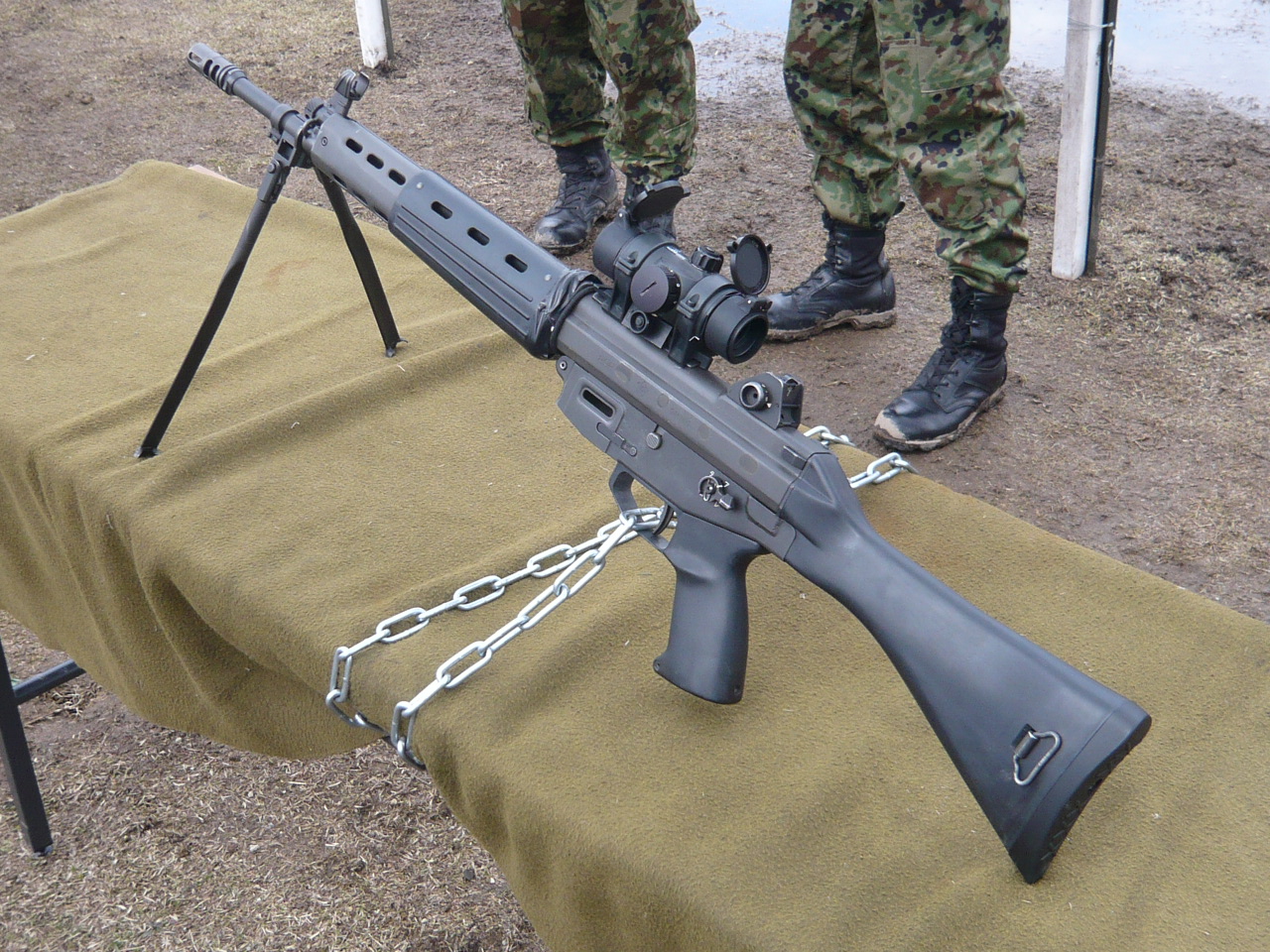
Japan and firearms are not commonly linked in the public imagination today, especially compared with electronics, cars, and precision industry. That makes the Howa Type 89 an eye-opener. Built for the Japan Self-Defense Forces, it reflects a modern domestic arms capability that many outside enthusiasts rarely discuss.
The Type 89 combines practical military features with the clean, efficient engineering people often associate with Japanese manufacturing more broadly. It never became a household name abroad, which only adds to its under-the-radar status. For readers who think of Japan mainly as an importer of small arms ideas, this rifle offers a very different story.
Valmet M62 from Finland
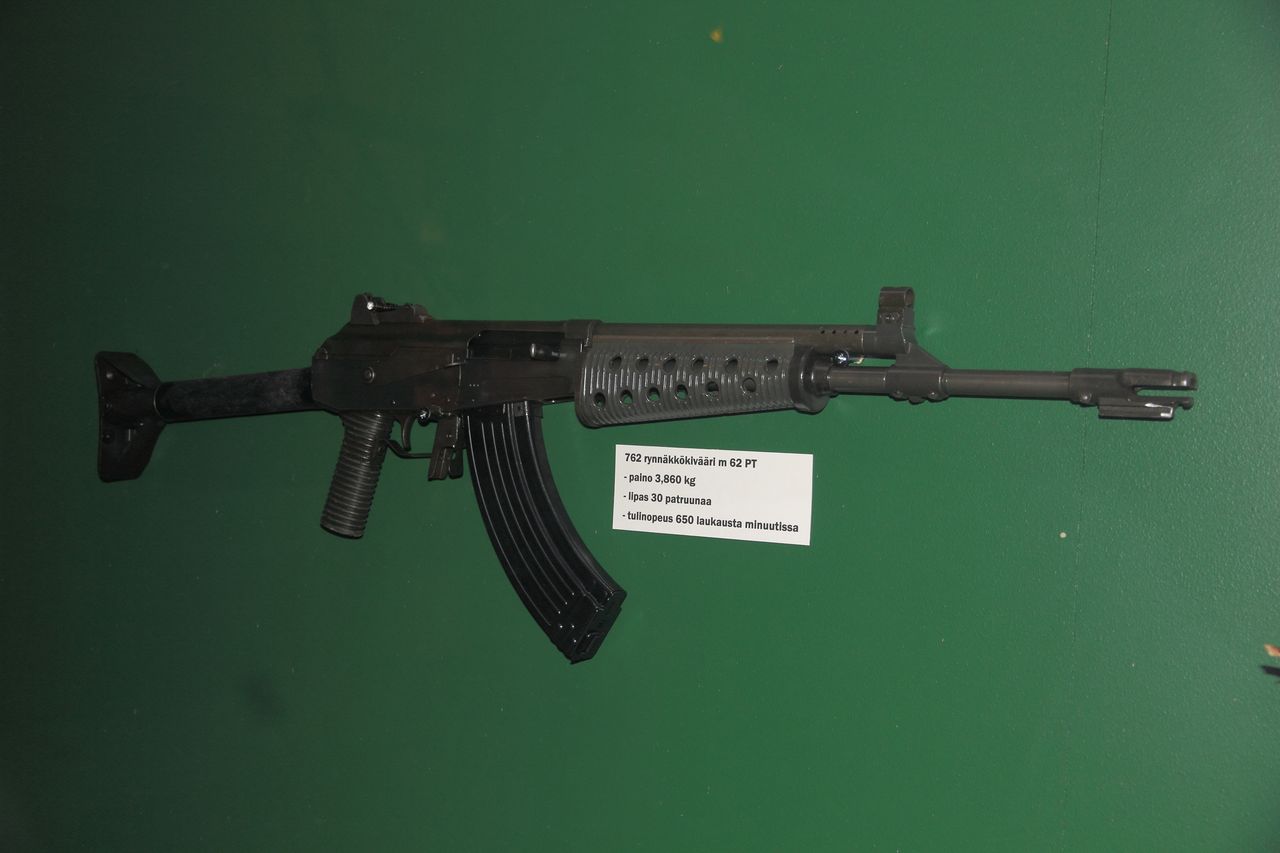
Finland is often recognized by military history buffs, but many general readers still do not think of it as a rifle-building nation first. The Valmet M62 deserves attention for changing that perception. Developed with local needs in mind, it adapted proven ideas into a package strongly associated with Finnish service and survival-minded design.
What makes the M62 especially interesting is how it blended durability with a distinctly Finnish approach to harsh conditions. Its reputation for reliability helped it stand apart, and its lineage influenced later designs that became better known internationally. In other words, this is not just an odd footnote but a rifle with real historical reach.
Vektor R4 from South Africa
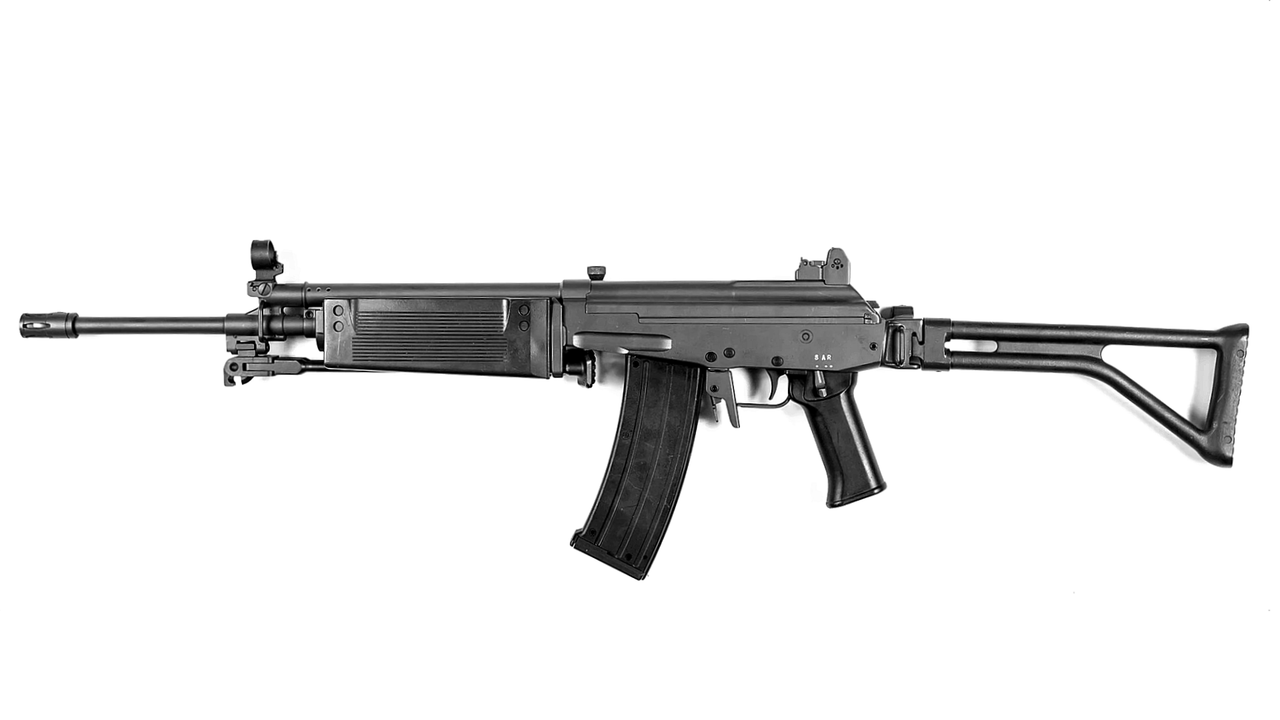
South Africa is not the first place many people picture when discussing influential service rifles, which is why the Vektor R4 often lands as a surprise. Produced during a period of regional conflict and isolation, it emerged from a very specific set of military demands. Those circumstances gave it a distinct place in late Cold War firearms history.
Based on the Galil pattern but adapted for local use, the R4 became a practical answer to tough operating environments. Its story says as much about South African industry as it does about the rifle itself. For a lot of readers, discovering its origin opens up an entire overlooked chapter of global small-arms development.
FB Beryl from Poland
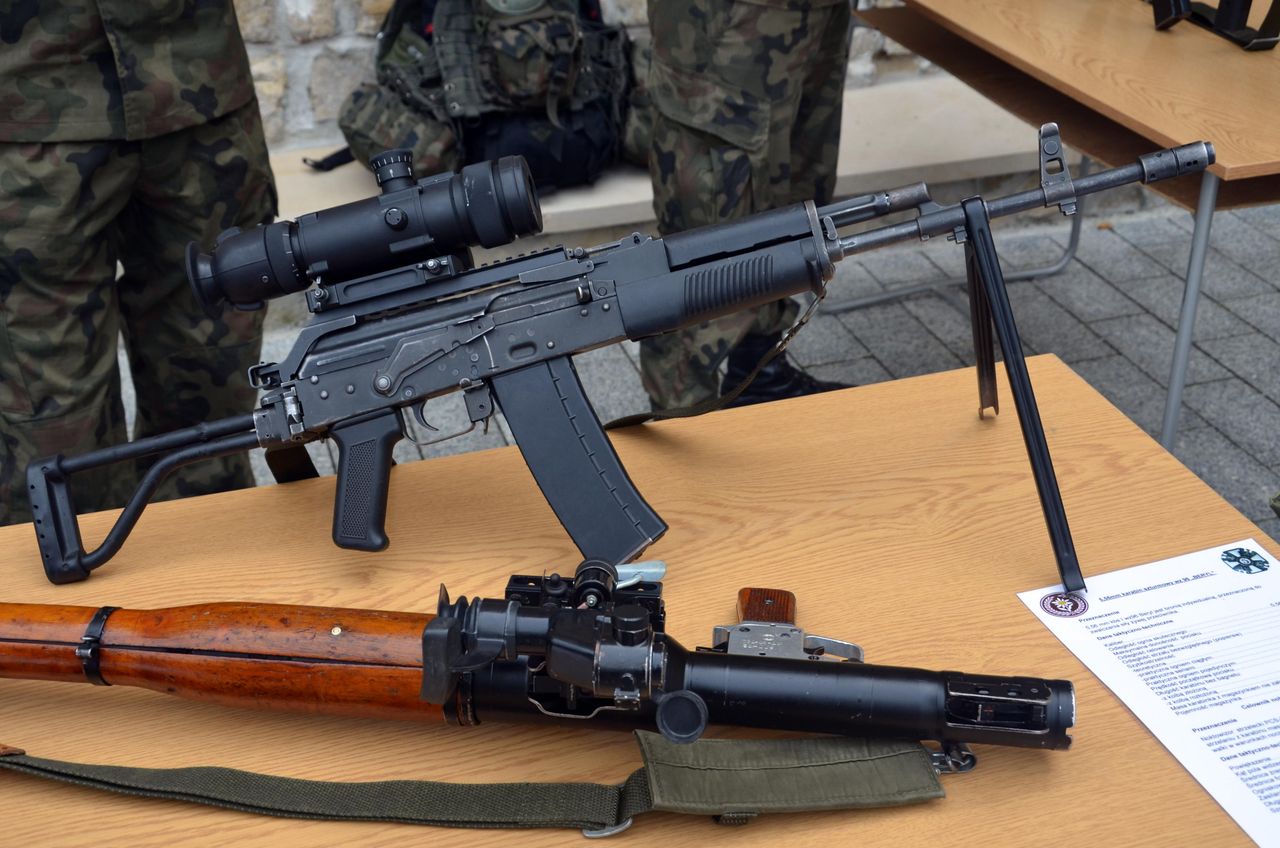
Poland has a serious arms-making tradition, but outside enthusiast circles it can still be overlooked in conversations about modern rifles. The FB Beryl is a strong reminder that the country did far more than simply follow Soviet patterns forever. It represents Poland’s effort to modernize while keeping a practical, service-oriented mindset.
The Beryl feels familiar in silhouette to anyone who knows Kalashnikov-inspired rifles, yet its refinements give it a character of its own. That mix of continuity and adaptation is what makes it compelling. For readers who would not instinctively guess Poland as the source of a notable modern service rifle, the Beryl is an easy correction.