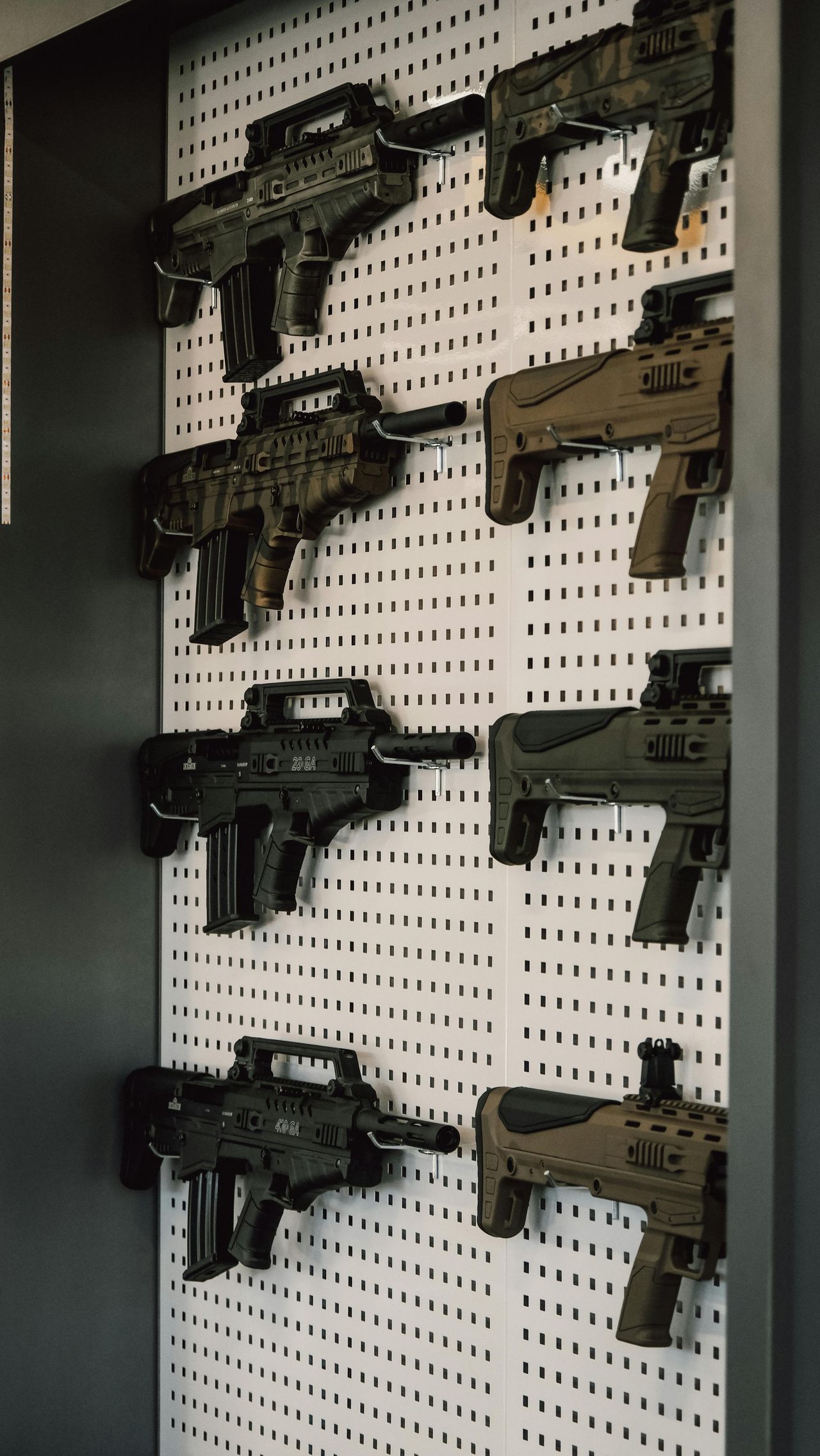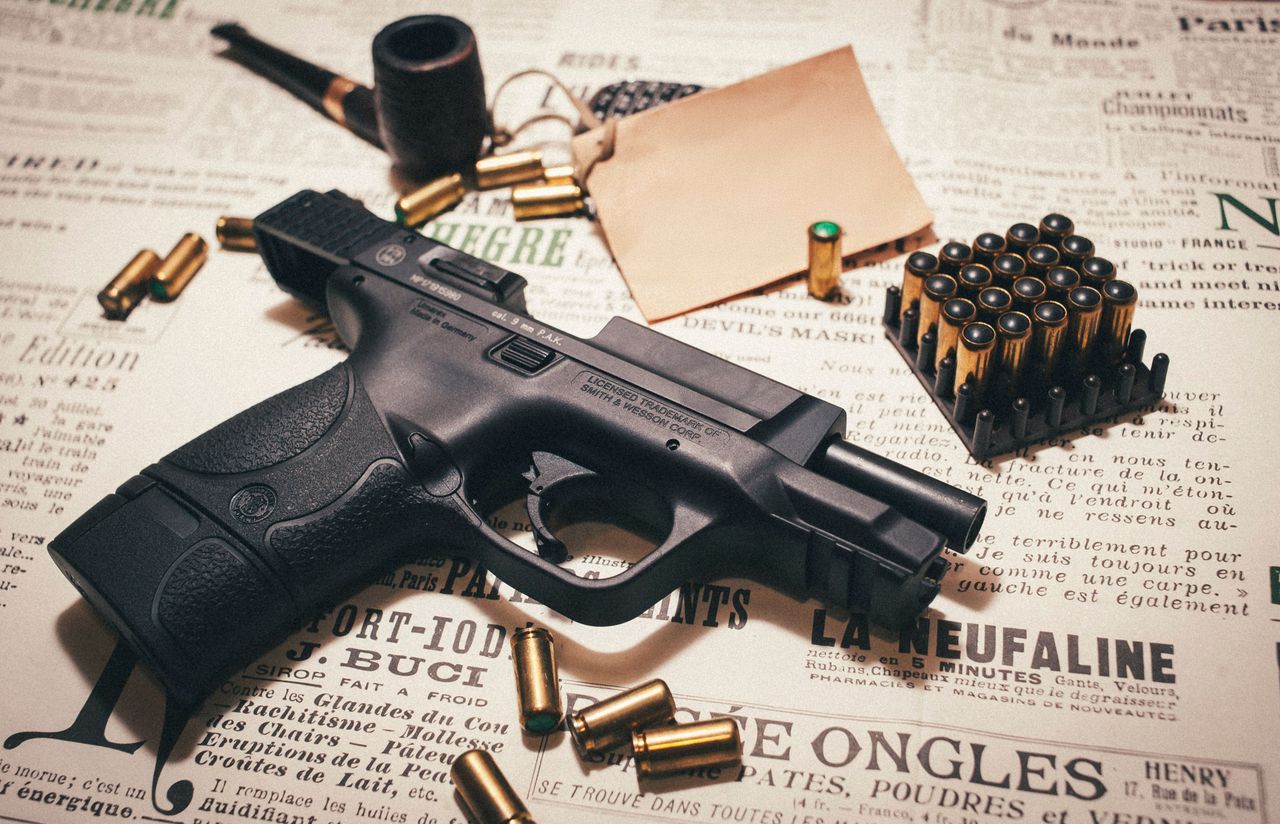
Firearms history is full of clever solutions that looked promising when designers first built them. A lighter weapon could become harder to control, a faster action could become more complicated, and a cheaper manufacturing method could shift reliability problems somewhere else. The eight firearms below are interesting because none simply failed to solve a problem. Instead, they often solved one genuine challenge while creating another weakness that became important in actual service. Their stories show how even impressive engineering can involve difficult compromises.
1. Ross Rifle
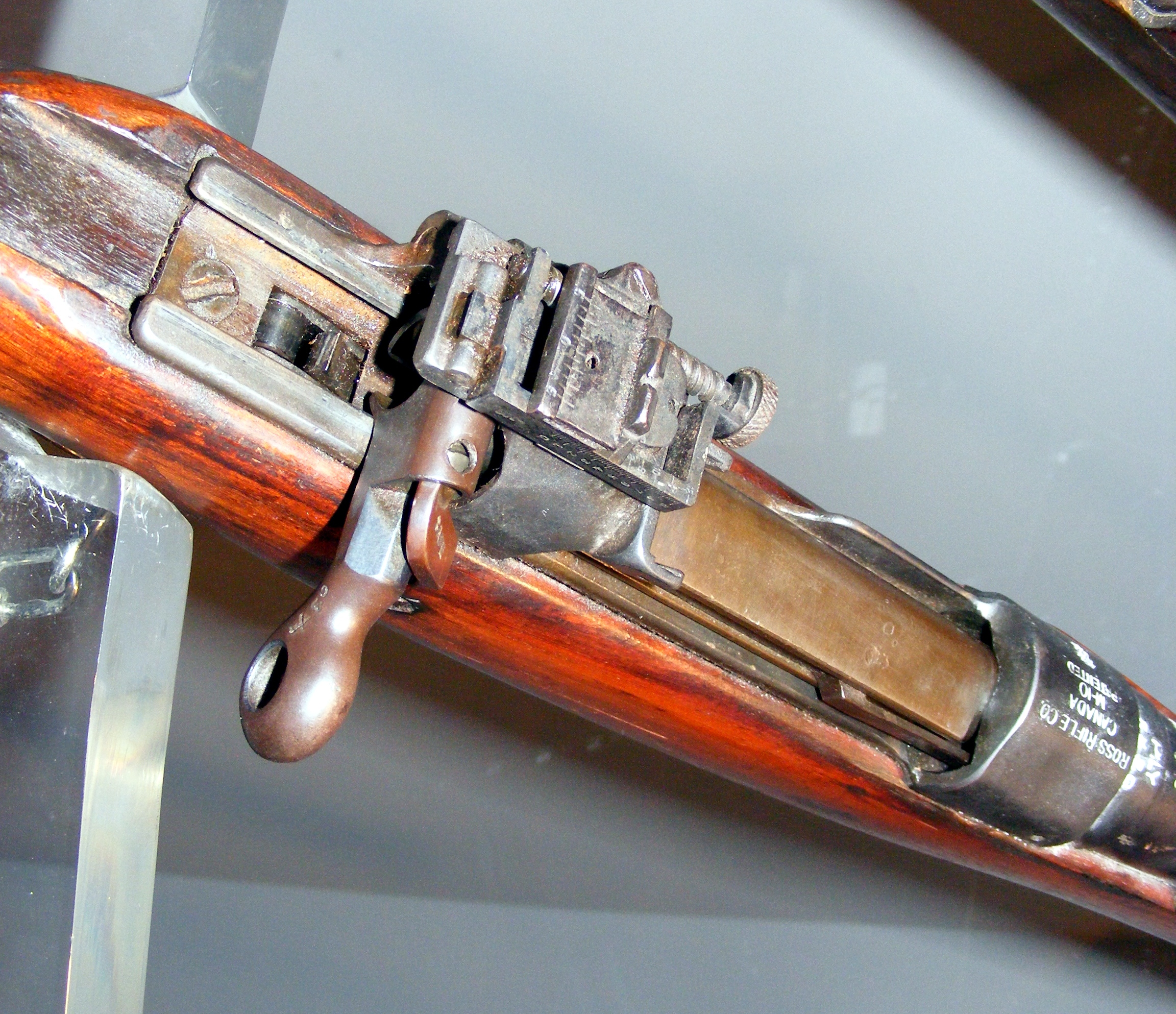
The Ross Rifle tried to make infantry fire faster with a straight-pull action, avoiding the lift-and-turn motion of a conventional bolt. That made it quick on the range, but the tight mechanism became a liability in muddy trenches. British .303 ammunition could differ from Canadian-made ammunition enough to cause extraction trouble, while repeated hard opening could damage the bolt stop and worsen the jam. The bolt could also be incorrectly reassembled, creating a dangerous locking problem. The rifle solved speed, but sacrificed battlefield tolerance in harsh conditions. It was a fine example of a design optimized for precision rather than abuse.
2. Chauchat

The Chauchat gave infantry a portable automatic weapon when heavy machine guns were difficult to move. Its 20-round magazine offered useful firepower, yet the unusual half-moon magazine created a new weakness. Large openings let mud and grit reach the cartridges, while thin metal could deform and interfere with feeding. Soldiers often loaded only 18 or 19 rounds instead of 20 to reduce failures. The design increased portable automatic fire, but its magazine made that firepower less dependable in the exact trench conditions it was meant to survive. A simple visibility feature became a serious liability in combat, exactly where reliability mattered most.
3. M1941 Johnson Rifle
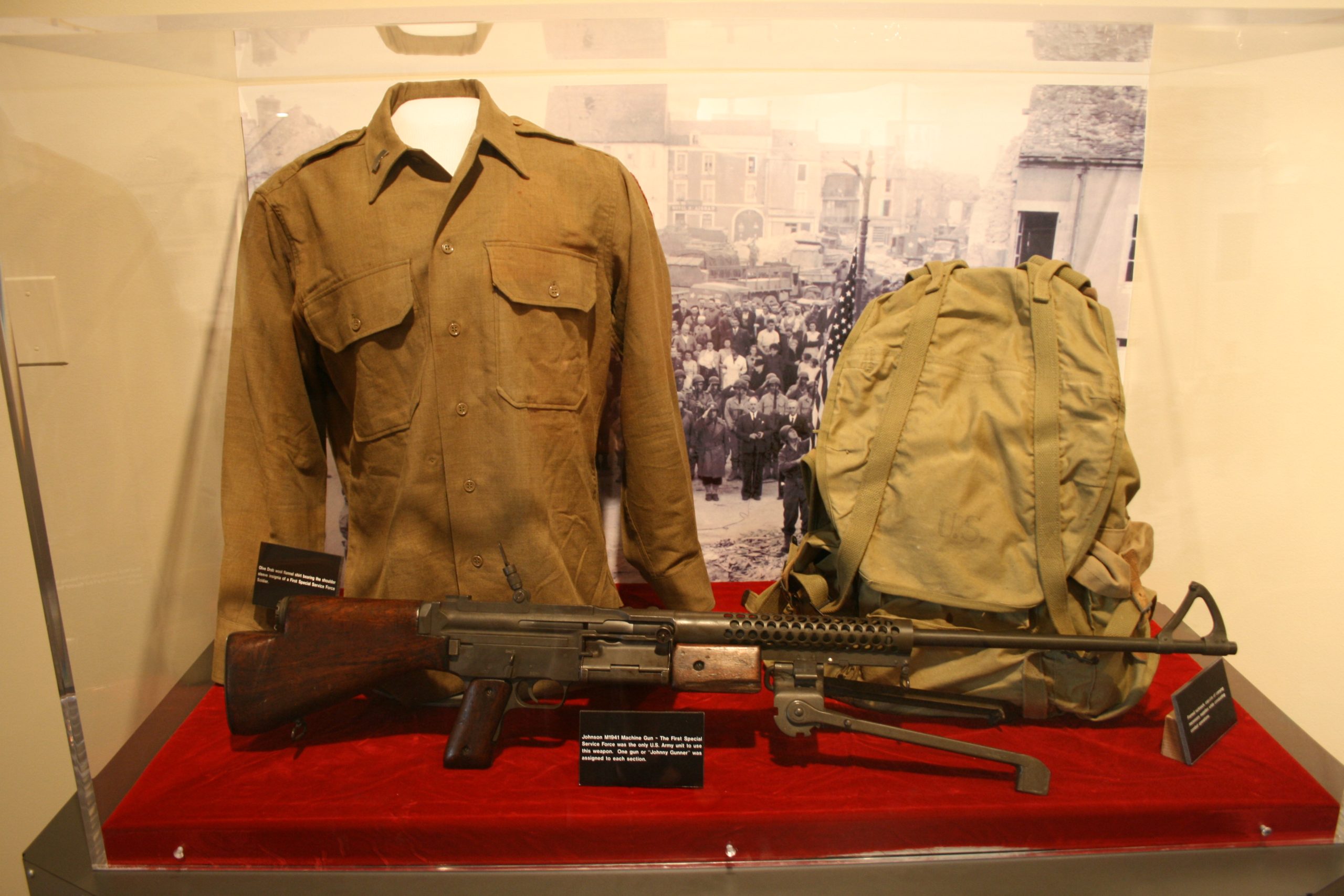
The M1941 Johnson Rifle addressed several complaints about the M1 Garand. Its 10-round rotary magazine could be topped up without removing an empty clip, and its recoil-operated action avoided a conventional gas system. The price was a moving barrel, creating an awkward compromise. A normal bayonet added enough weight to interfere with cycling, so Johnson required a very light 8-inch triangular bayonet. Barrel movement also contributed to vertical dispersion and made the mechanism more complicated. The rifle solved ammunition flexibility, but made the simple military bayonet a mechanical problem. A clever operating system created an unusual field limitation for infantry.
4. M50 Reising
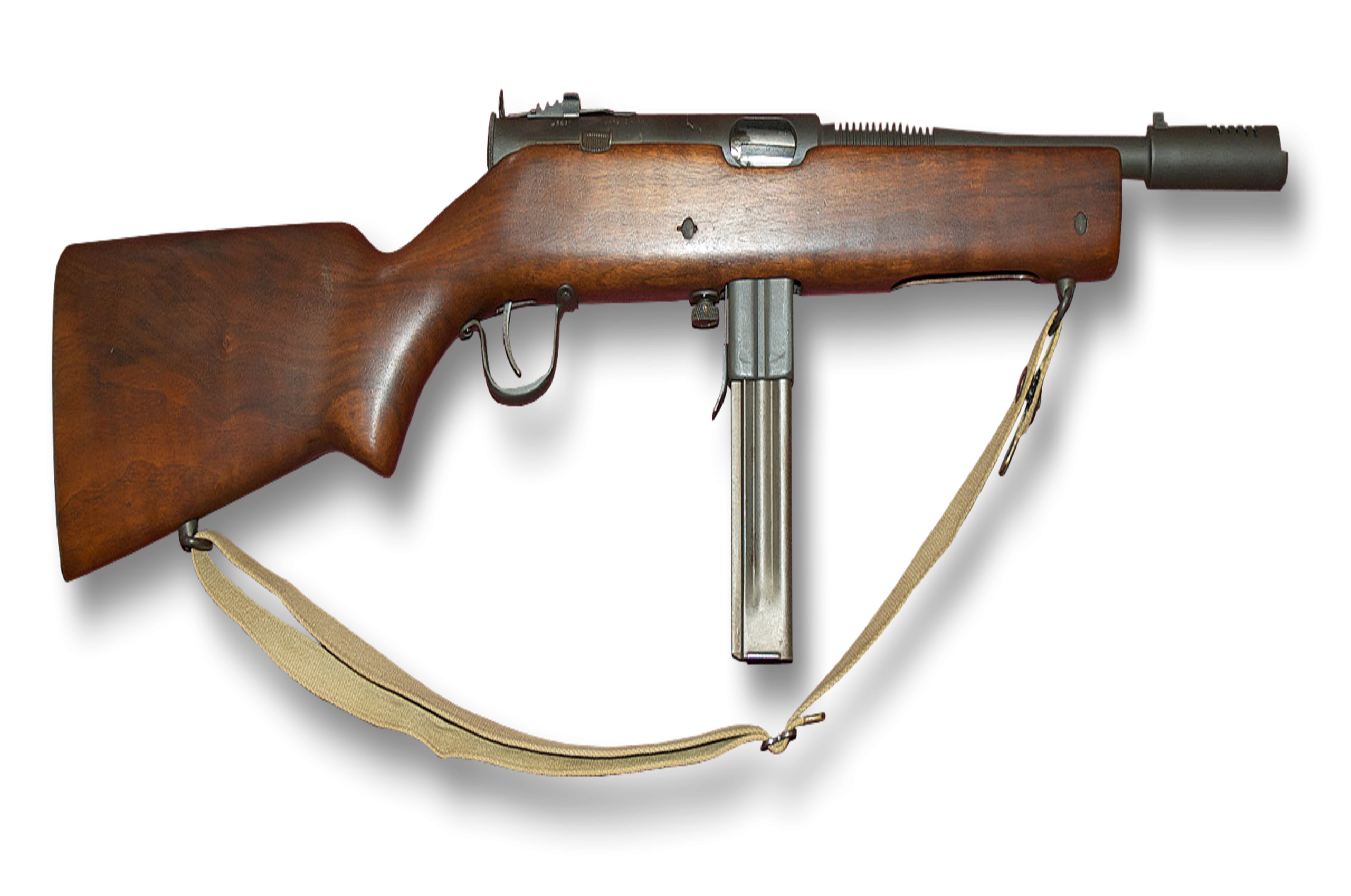
The M50 Reising was conceived as a lighter, cheaper alternative to the Thompson, while its closed-bolt action promised better accuracy. At about 6.75 pounds and with a 20-round magazine, it looked attractive on paper. The problem was that its mechanism demanded cleaner conditions than frontline Marines often had. Dirt or fouling in the bolt’s locking recess could stop the action, while thin magazine feed lips were vulnerable to damage. A later 12-round magazine improved feeding reliability but reduced capacity. The Reising solved weight and cost pressures, while shifting the burden toward maintenance and field reliability. That tradeoff mattered in tropical combat.
5. M1895 Lee Navy Rifle

The M1895 Lee Navy rifle pursued speed through a straight-pull bolt and a compact 6-round en-bloc clip. It was an unusual attempt to give naval and Marine forces rapid follow-up shots without the traditional lift-and-turn bolt. The tradeoff was a mechanism with more delicate parts than simpler service rifles. Reports from the 1898 campaign mentioned fragile extractor, firing-pin-lock, and bolt-lock components, while clip tension could affect feeding. The design was not simply a failure; it had useful handling qualities and a fast action. But solving for rapid operation introduced maintenance and durability problems that limited its service life. Its complexity became the price of speed.
6. Sten
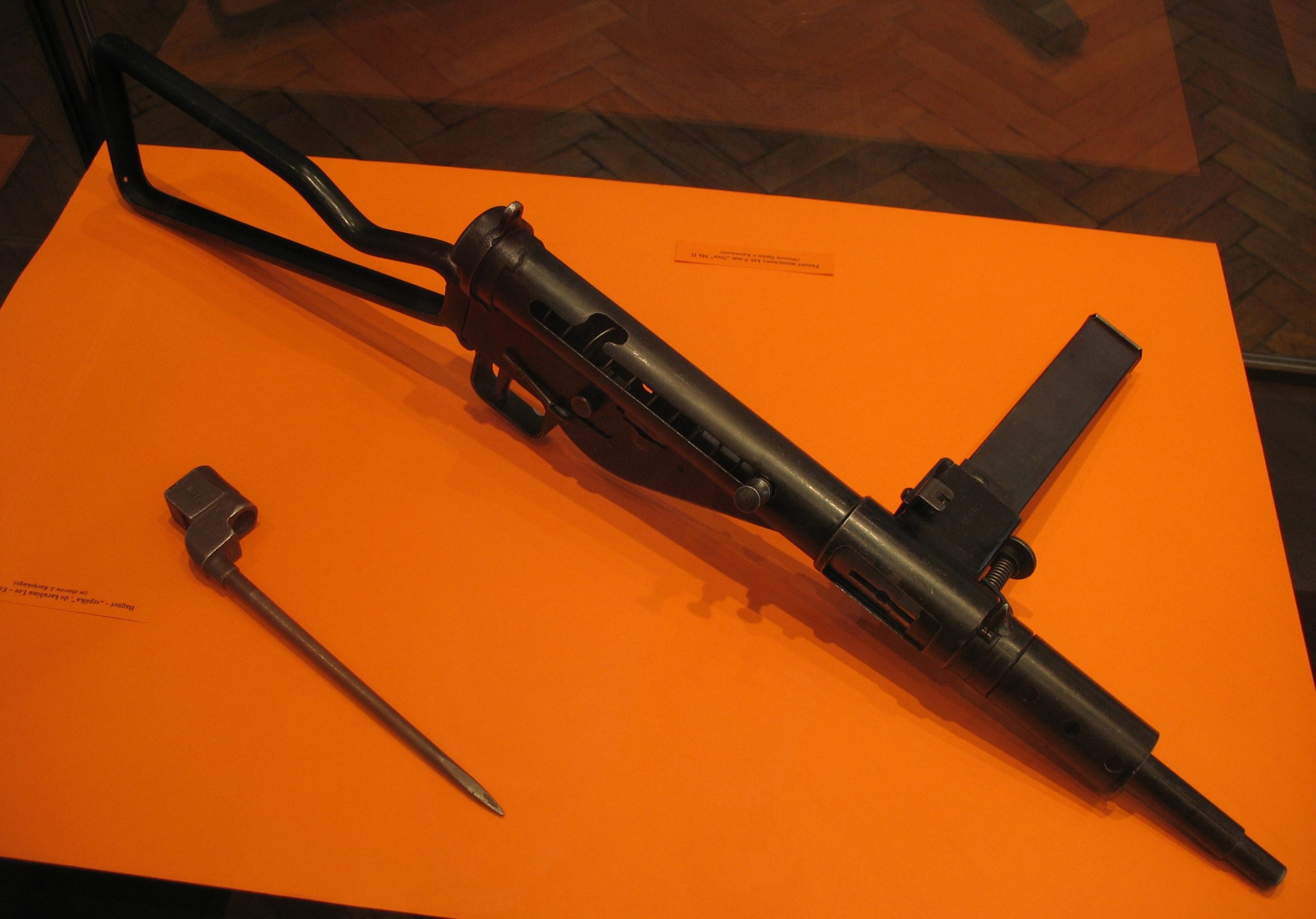
The Sten was built around an urgent wartime problem: Britain needed huge numbers of submachine guns without the machining effort required by weapons such as the Thompson. Its stamped construction made mass production practical, but the savings shifted some reliability burden into the magazine. The 32-round double-column, single-feed magazine was sensitive to damage and feed-angle changes, while manufacturing variation could make matters worse. Later Sten marks corrected some weaknesses, including changes to the housing. The gun solved production speed and cost, but its feeding system became the recurring weak link. Simplicity in the receiver did not guarantee simplicity at the magazine.
7. Gyrojet
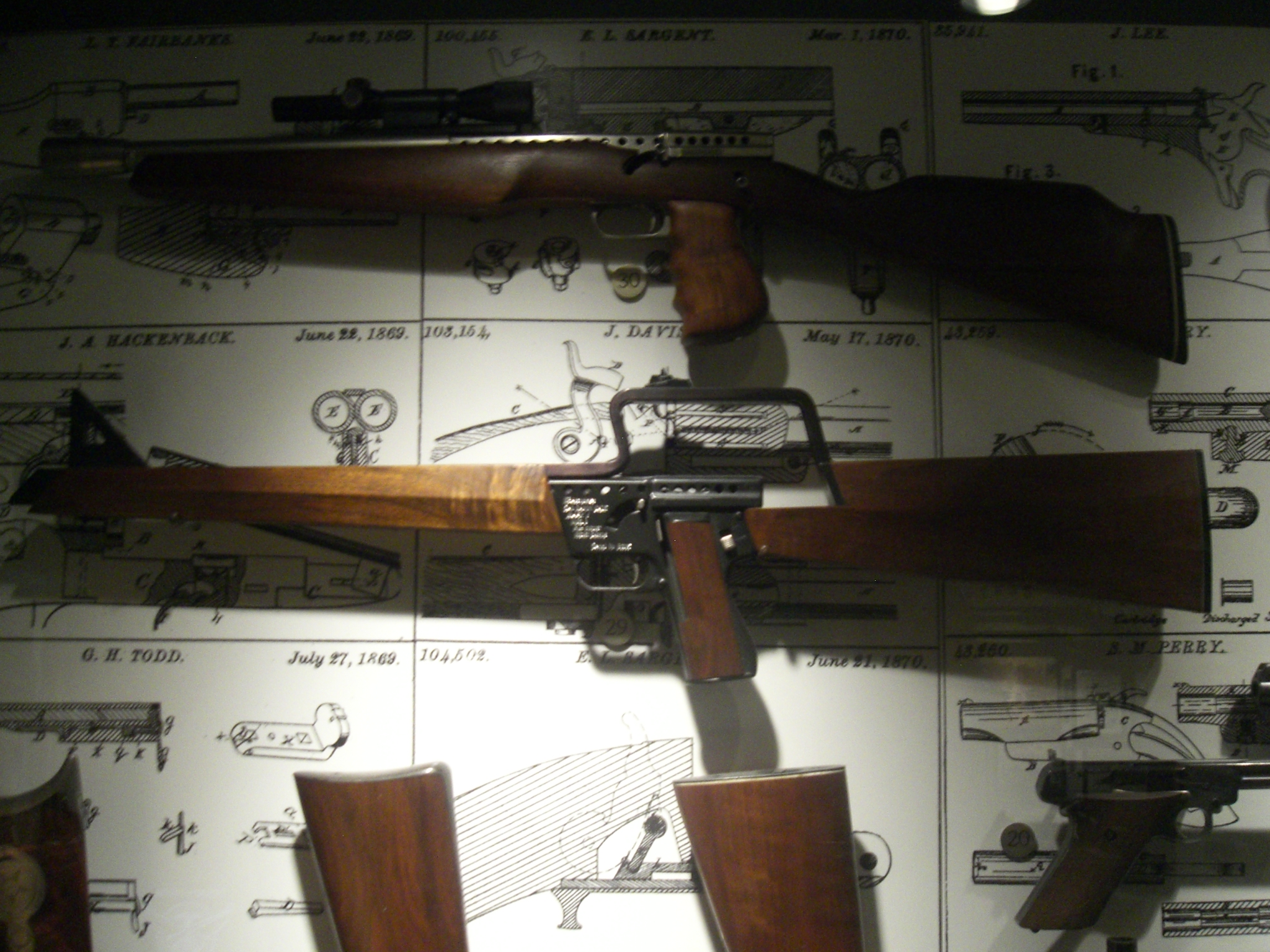
The Gyrojet replaced the conventional cartridge-and-barrel concept with small rocket projectiles. Because the launcher did not need to contain normal firing pressure, it could be unusually light and had very little recoil. But the rocket needed distance to accelerate, making its early flight slow. Accuracy was affected by inconsistent propulsion and imperfect spin stabilization, while testing reported misfires and feeding problems. Some assessments suggested roughly a 1 percent failure rate in favorable conditions. The Gyrojet solved recoil and pressure, but created new ammunition problems. Its advantage depended on unusual ammunition.
8. HK G11
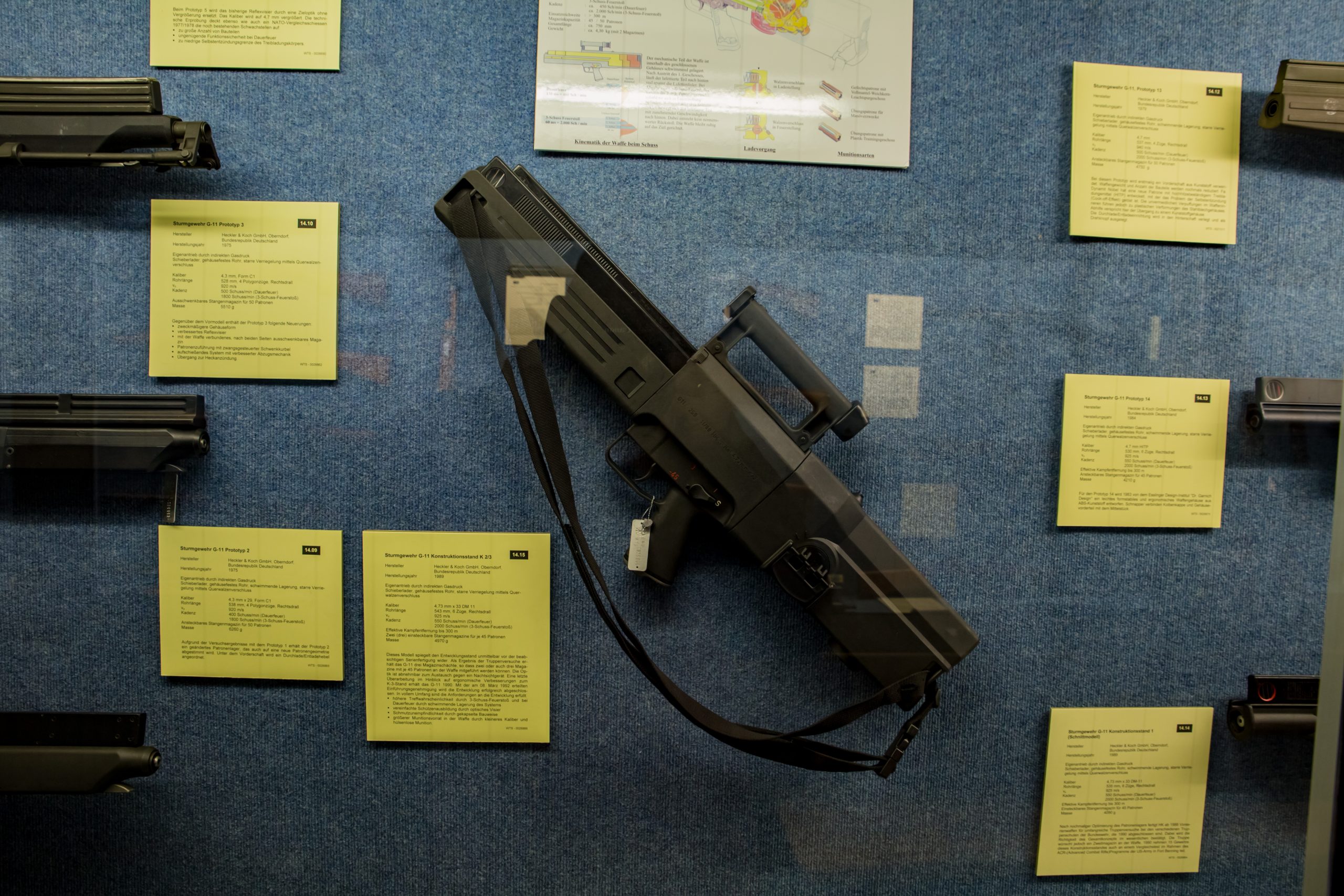
The HK G11 tried to remove one of the biggest burdens in rifle ammunition: the conventional brass case. Its 4.73 mm caseless round was compact and light, while the weapon used a rotating chamber to support a very high rate of fire. Removing the case also removed a useful way to carry heat away from the chamber. Cook-off became a major development challenge, while the ammunition had to survive handling without breaking. Engineers addressed several technical problems, but the complete system remained expensive. The G11 solved ammunition weight and volume, yet made production and heat management far harder. Its ambitious solution created a demanding engineering package.