Ask experienced everyday carriers what really shapes trust in a folding knife, and many will mention the lock before they mention the steel. Edge retention matters, but safe one-handed use, predictable closing, and long-term reliability often matter more in daily life. These eight locking mechanisms show why the way a knife stays open can make all the difference.
Liner Lock

The liner lock is one of the most familiar mechanisms in modern pocketknives, and that familiarity is part of its appeal. A springy inner liner moves sideways behind the blade tang, keeping the knife open while still allowing quick one-handed closing. For many carriers, it hits a sweet spot between simplicity, slimness, and ease of use.
What makes it matter more than steel is confidence in real tasks. A liner lock is easy to inspect, easy to understand, and usually keeps a knife light in the pocket. Experienced users often care less about exotic metallurgy than whether the lock engages cleanly every time and stays comfortable through hundreds of routine cuts.
Frame Lock

A frame lock works on a similar idea to the liner lock, but it uses part of the handle frame itself as the locking bar. That usually gives the knife a more solid, overbuilt feel, especially on models with titanium or steel scales. Many longtime carriers like the direct, mechanical confidence it brings.
In practice, the appeal is less about bragging rights and more about dependable structure. A frame lock can feel reassuring during harder cuts because there is simply more material involved in the lock face. Enthusiasts often say they would rather have a well-tuned frame lock in ordinary steel than premium blade steel paired with a lock that feels fussy, stiff, or uncertain in hand.
Back Lock
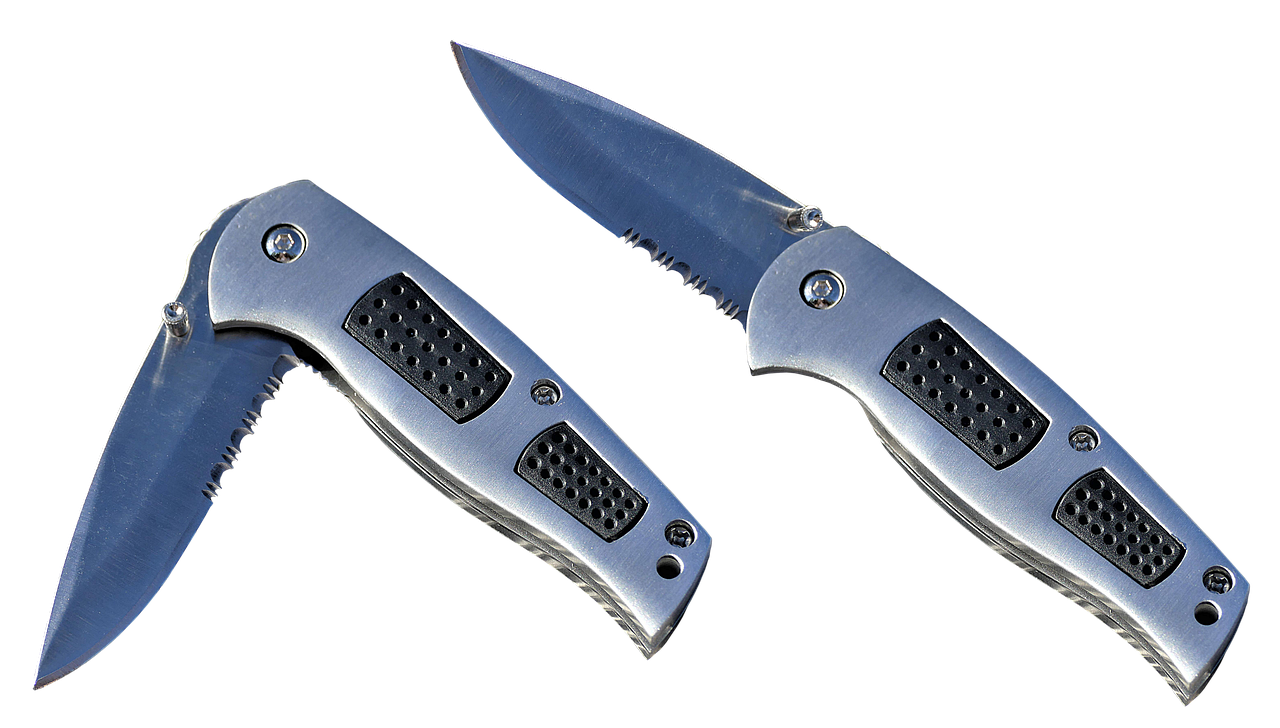
The back lock, sometimes called a lockback, has been around for decades and still earns respect from people who use their knives regularly. A rocker arm along the spine locks into the blade when opened, creating a classic design known for security and straightforward function. It is not flashy, but that is exactly why many users trust it.
Seasoned carriers often appreciate how positive a good back lock feels in use. The mechanism is centered, sturdy, and less likely to scare new users because accidental disengagement is uncommon during normal cutting. Even if blade steel is modest, a knife with a crisp back lock can become a favorite simply because it feels safe, familiar, and reliably ready day after day.
Button Lock
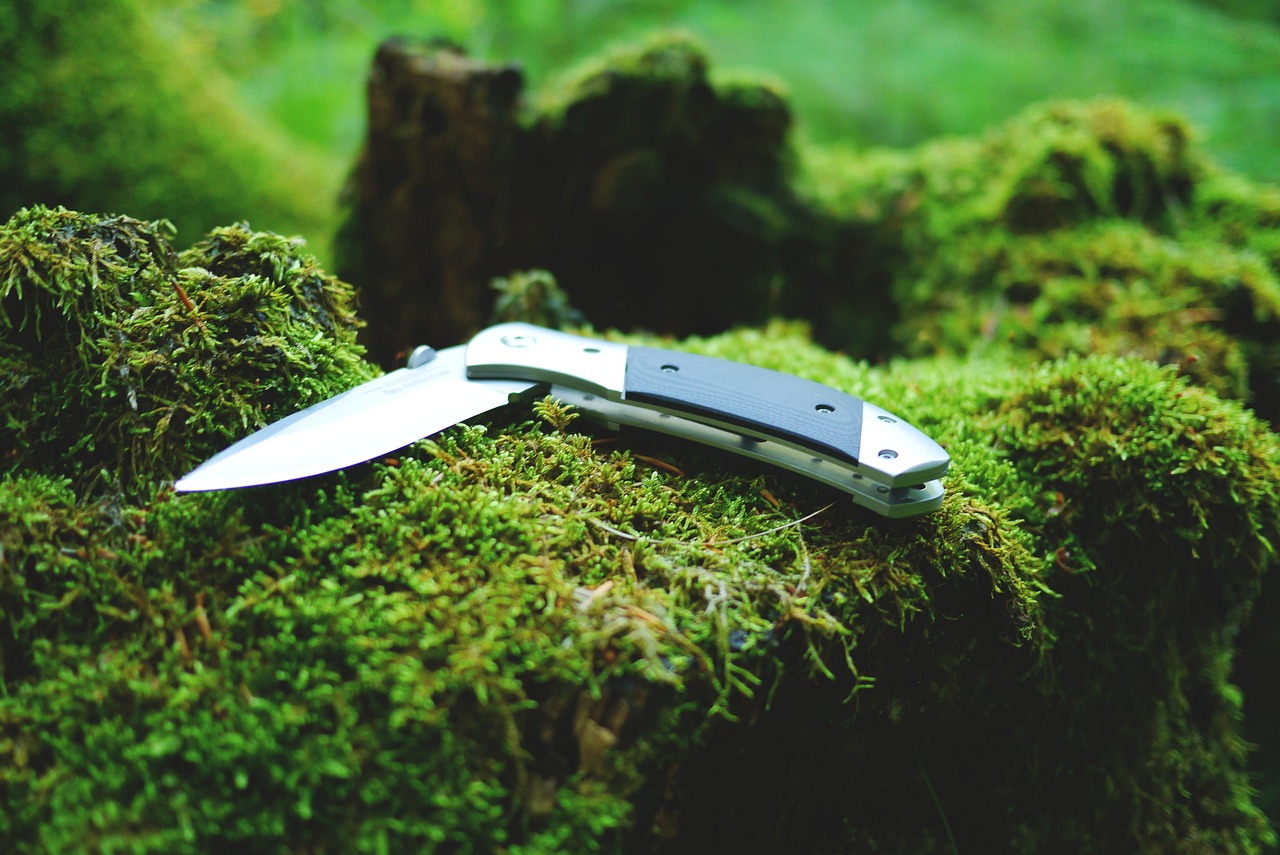
Button locks have surged in popularity because they combine fidget-friendly action with easy operation. Pressing the button disengages the lock, which can make opening and closing feel especially smooth. For many people, that convenience translates into more actual carry, because a knife that is easy to use tends to be the one that comes along.
The reason experienced users care is not just fun factor. A good button lock can keep fingers out of the blade path and make repetitive tasks feel faster and less awkward. Carriers often rank that practical ease above steel charts and edge-retention debates, especially when the knife is meant for packages, cord, food prep, and all the little jobs that define everyday carry.
Crossbar Lock
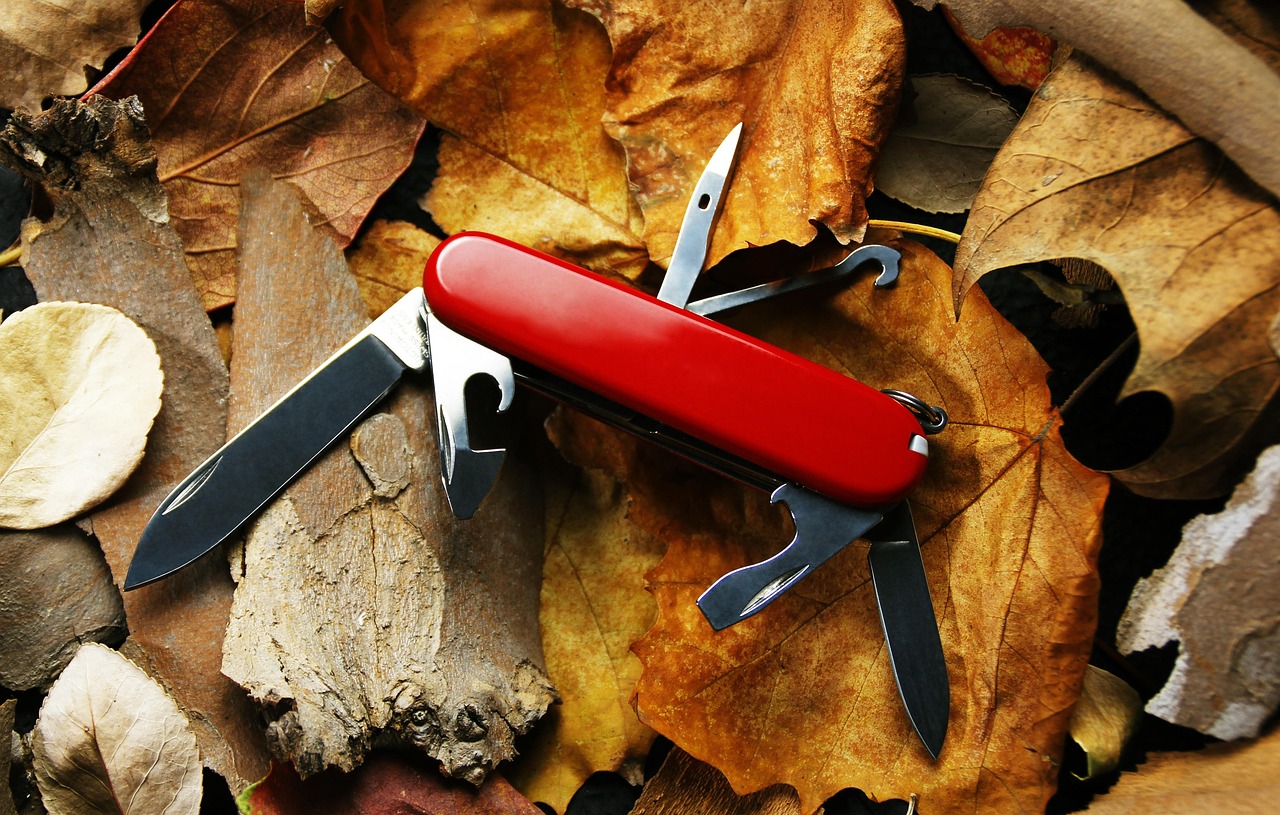
The crossbar lock uses a spring-tensioned bar that moves horizontally to engage the blade tang. It has earned a loyal following because it is ambidextrous, secure, and usually very easy to operate with one hand. Many users also like that it allows smooth opening and closing without putting fingers directly in the blade’s path.
For experienced carriers, the value is obvious in daily repetition. A crossbar lock often feels intuitive whether you are wearing gloves, switching hands, or trying to work quickly. That kind of ergonomic trust can matter more than whether the steel is the latest super alloy. If a knife opens cleanly, locks positively, and closes safely every time, it tends to win a permanent place in the pocket.
Compression Lock
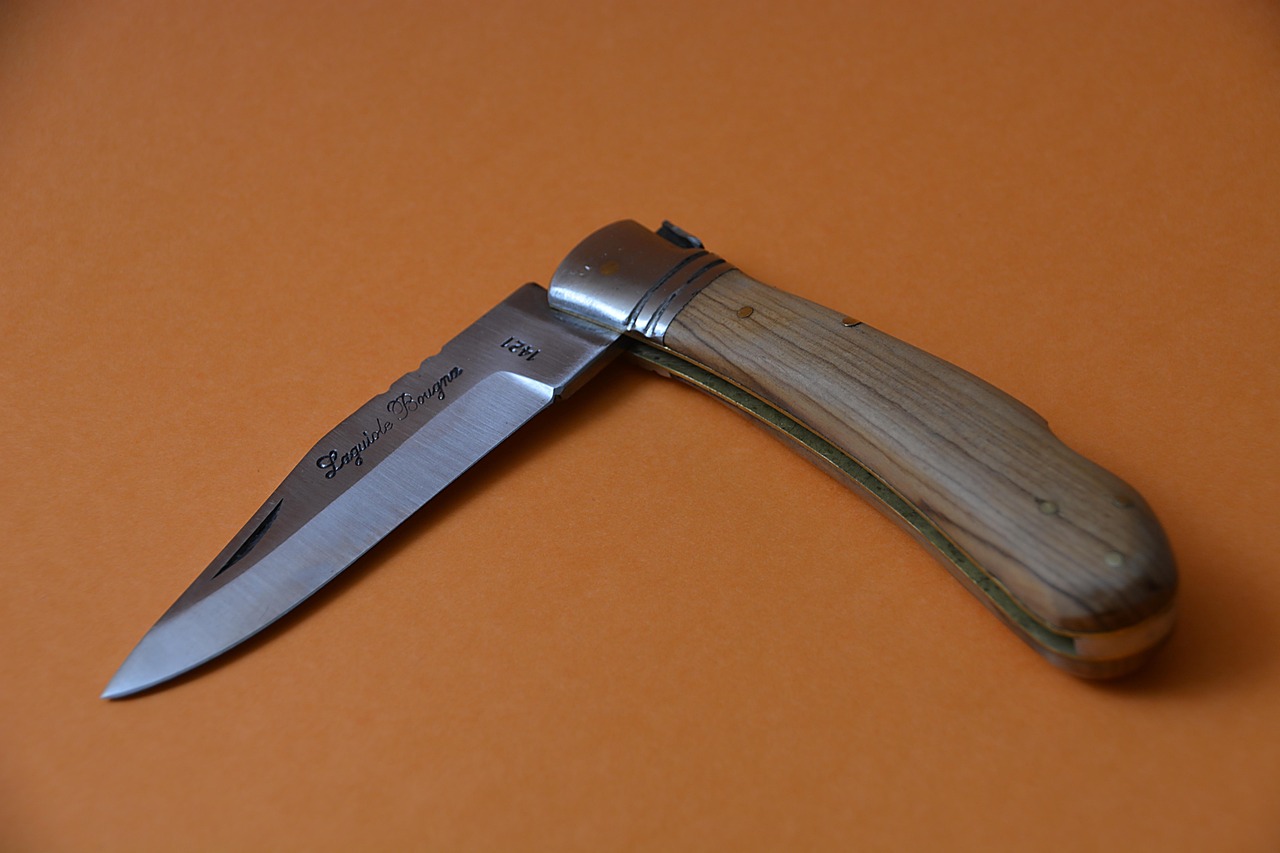
The compression lock is admired by enthusiasts who want strength, smooth action, and one-handed convenience in the same package. Positioned near the spine, it wedges a piece of the liner between the blade tang and stop pin, creating a setup that many users find both secure and satisfying. It often feels technical without becoming complicated.
Why does it outrank steel in many conversations? Because the user experience is memorable from the first opening. The hand placement feels controlled, closing can be quick and safe, and the lock often inspires confidence during heavier cutting than the knife’s size might suggest. For EDC fans, that blend of access, safety, and mechanical certainty is hard to ignore.
Tri-Ad Lock
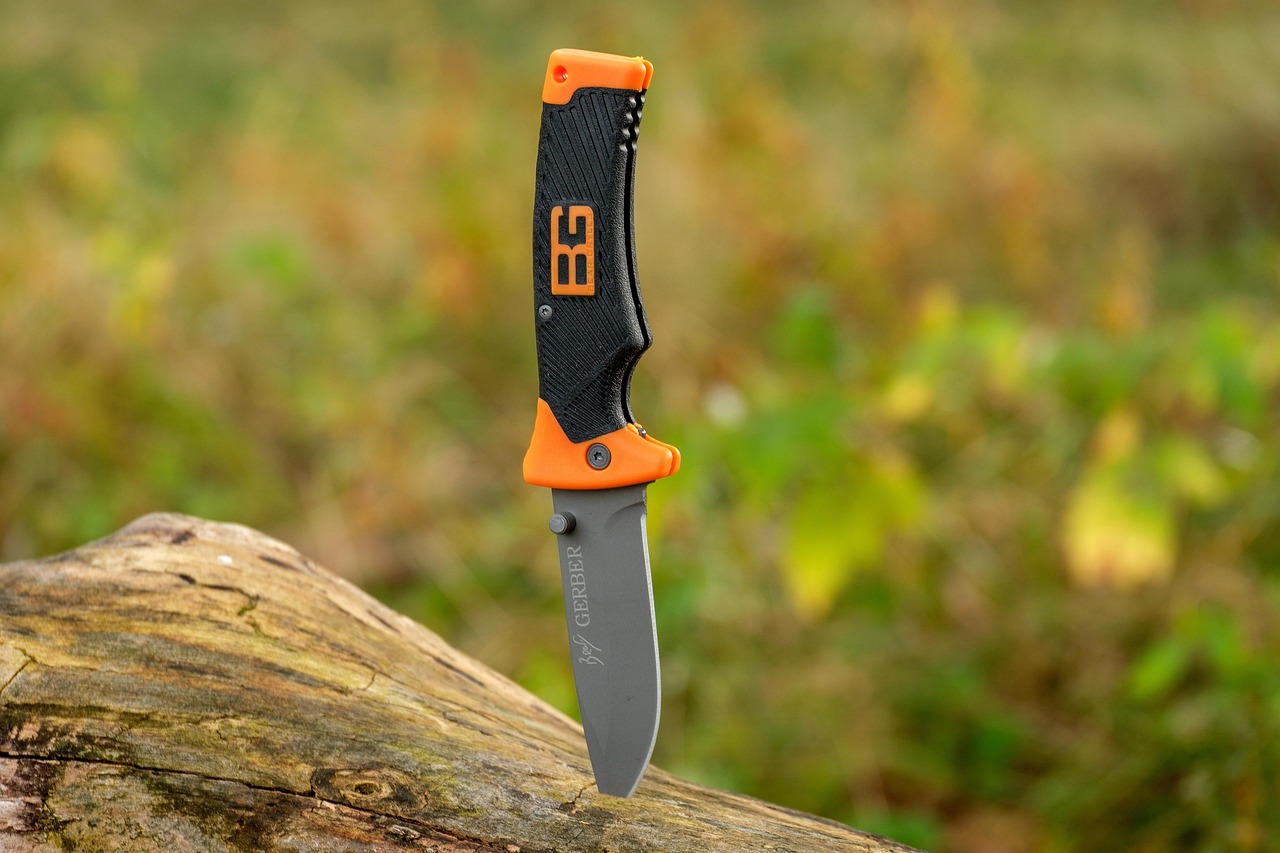
The Tri-Ad lock builds on the traditional back lock concept but adds a stop pin arrangement designed to distribute force more effectively. It has developed a reputation for toughness, and many hard-use knife owners mention it when they want a folder that feels almost fixed-blade solid. That reputation alone makes it a major talking point among serious carriers.
In everyday life, the appeal is psychological as much as mechanical. A knife that feels exceptionally secure can encourage calmer, more controlled use when cutting dense material or bearing down on a task. Even people who will never push the lock to its limits often prefer that extra margin of confidence over chasing another incremental jump in edge retention.
Slip Joint and Double Detent
Strictly speaking, slip joints and double detent folders are not locking systems, but they matter because many experienced carriers choose them on purpose. A slip joint relies on spring tension, while a double detent uses ball detents to hold the blade open and closed. In places with restrictive knife laws or in office-friendly settings, these designs can be the smartest option.
Their importance has little to do with steel and everything to do with context. A non-locking knife can feel less aggressive, easier to carry publicly, and perfectly adequate for light daily work. Veteran users often know that the best knife is not the most extreme one. It is the one whose mechanism matches the environment, the task, and the habits of the person carrying it.