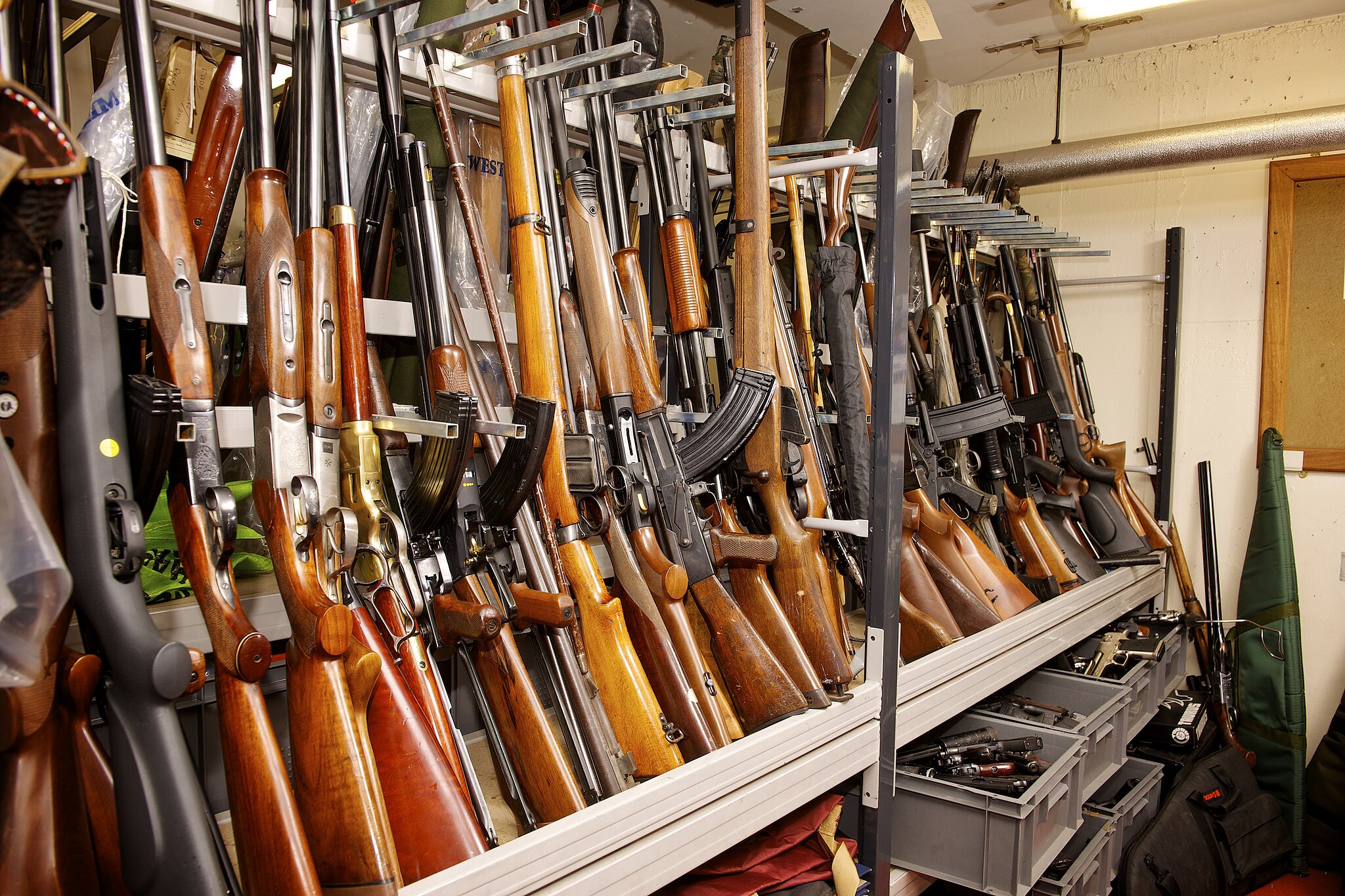
Metalworking has shaped firearms for centuries, influencing their strength, appearance, weight, and durability. From hand-fitted steel components to precision-machined receivers and lightweight alloy frames, different manufacturing methods leave distinctive marks on a finished firearm. Examining these differences reveals how traditional craftsmanship and modern industrial production coexist in firearm design. The following eight examples highlight recognizable metalworking techniques, with specific models illustrating how materials and manufacturing choices contribute to each firearm’s character.
1. AKM: Stamped Sheet-Metal Construction
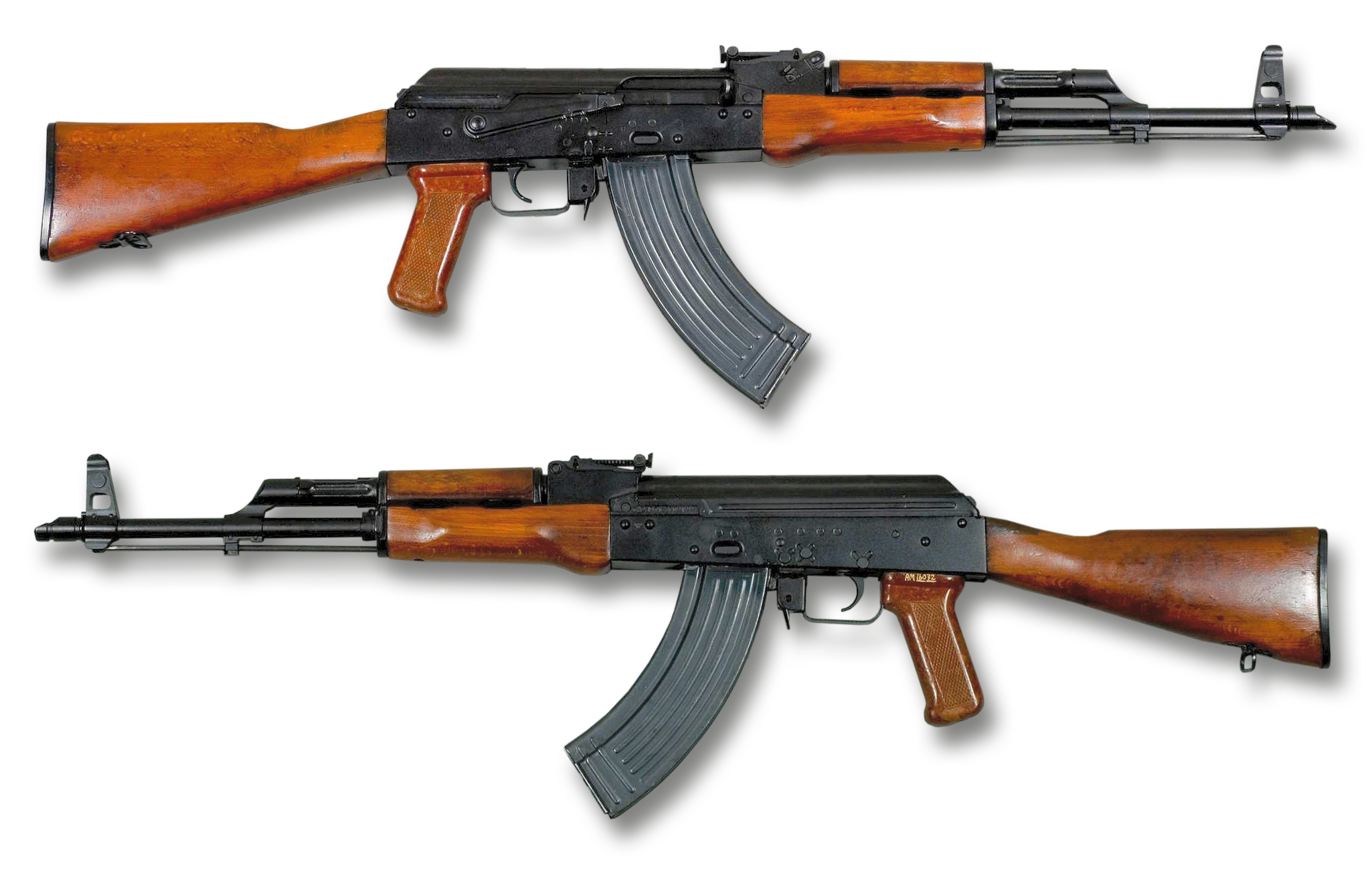
The AKM, introduced in 1959, is a well-known example of a firearm built around a stamped-steel receiver. Instead of machining the receiver from a solid block, manufacturers form sheet steel into shape and join it with reinforcing components. This approach can reduce material waste and production time when tooling and quality control are established. The receiver still needs accurately positioned openings and attachment points, so stamping does not mean the entire firearm is made with minimal precision. Production details vary by country and manufacturer.
2. M1 Garand: Forging and Precision Machining
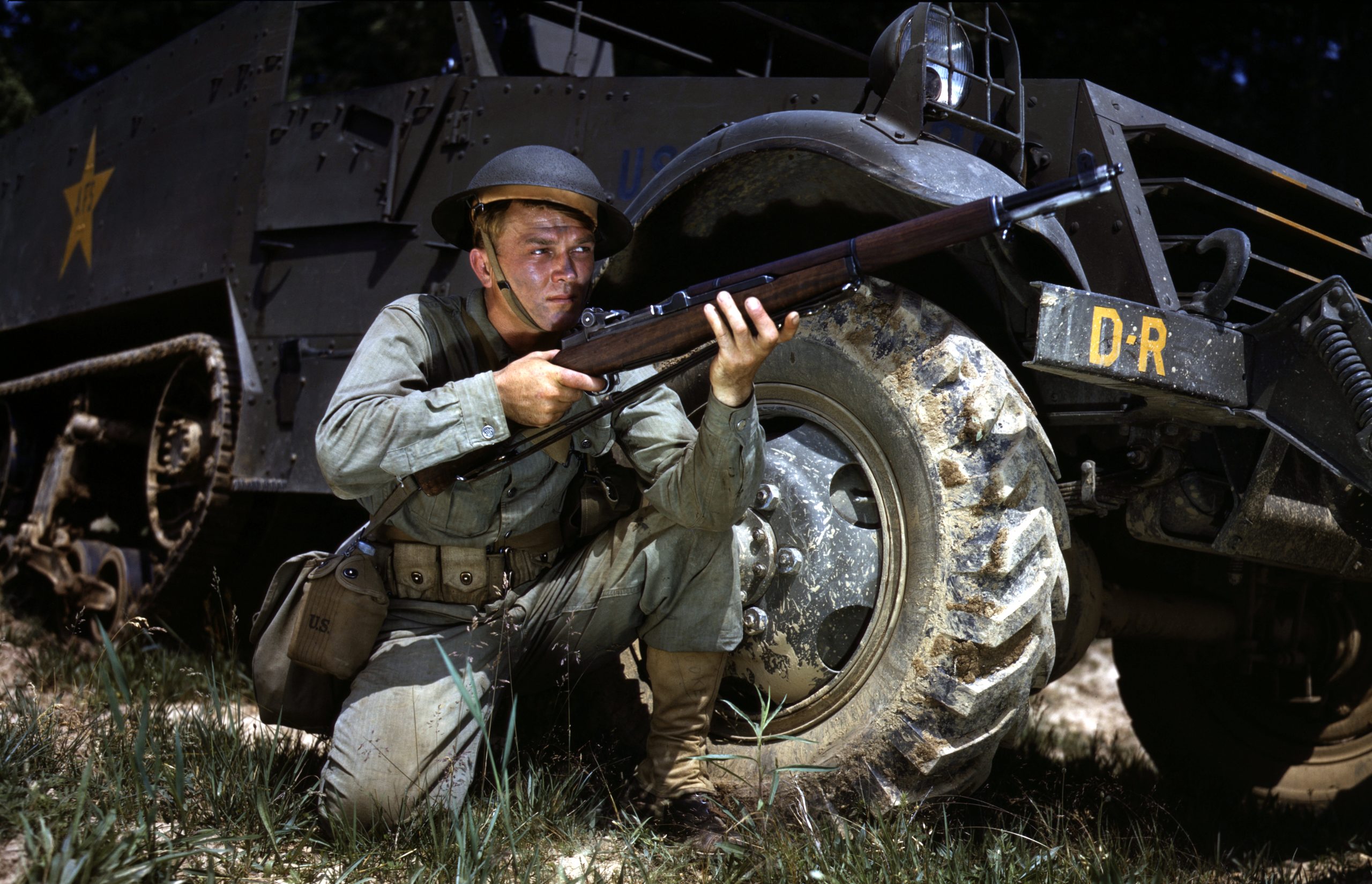
The U.S. M1 Garand, adopted in 1936, illustrates how forging and machining can work together. A forging begins as heated metal shaped under substantial pressure, producing a strong blank with material flow suited to demanding service. Machining then brings critical surfaces and dimensions into specification. The Garand’s receiver and other major steel components required carefully controlled manufacturing, not simply rough shaping. Its production history also shows how industrial tooling helped deliver large numbers of service rifles with consistent, interchangeable parts.
3. Ruger Mini-14: Investment-Cast Components
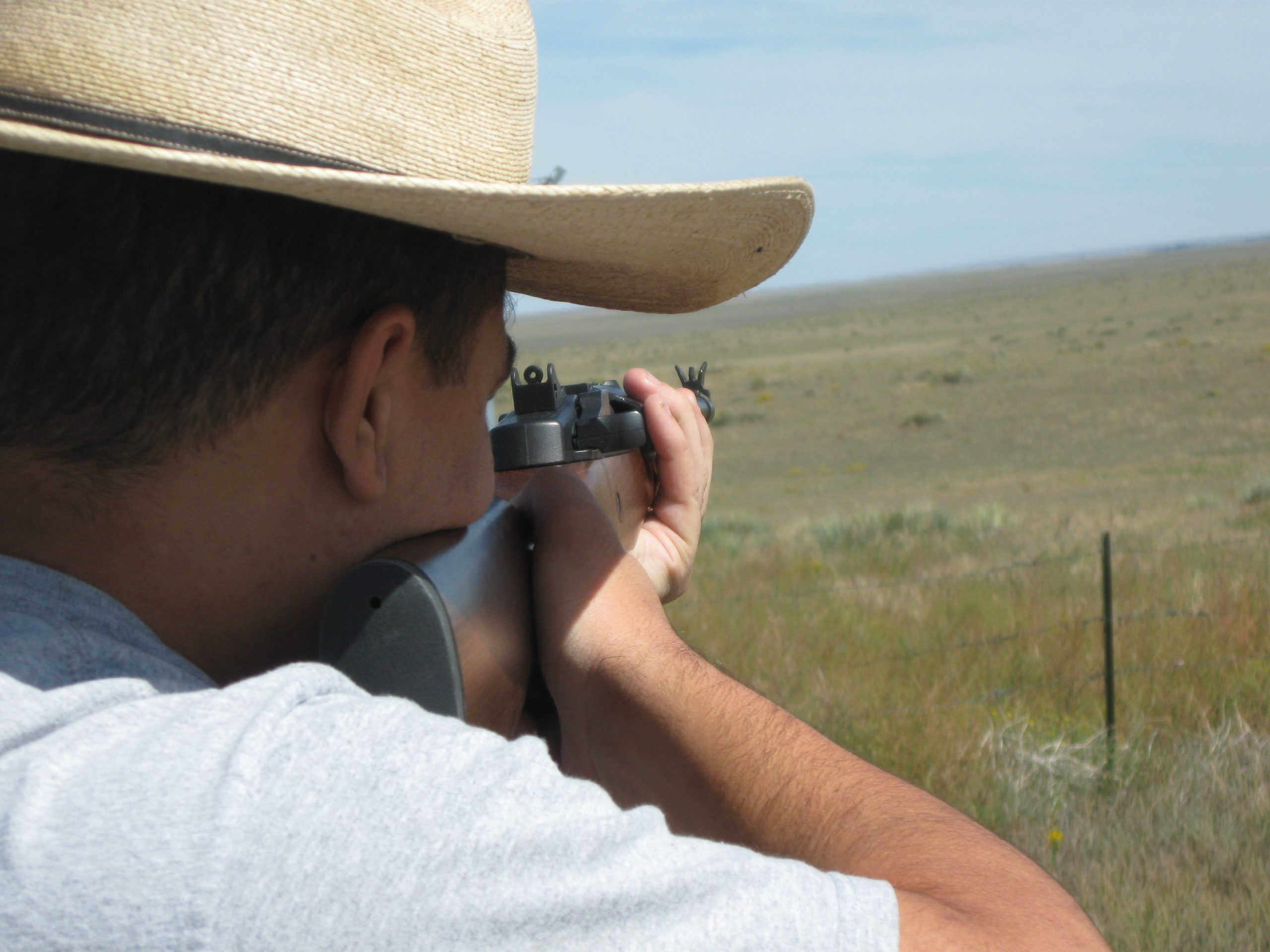
The Ruger Mini-14, introduced in 1973, is associated with the investment-casting expertise used by its manufacturer for certain metal components. In this process, a wax pattern is coated to create a mold; the wax is removed, and molten metal fills the cavity. Casting can form complex shapes while limiting the amount of later machining required. It does not eliminate finishing or inspection: critical surfaces still need to meet exact specifications. Materials and production details can differ across components and model generations, so casting should not be assumed for every part.
4. AR-15: Forged Aluminum and CNC Finishing

Many AR-15 upper and lower receivers start as forged aluminum-alloy blanks, commonly 7075-T6, before computer-controlled machining creates their final geometry. Forging shapes the metal under pressure, while CNC milling cuts features such as the magazine well, pin holes,s and mounting surfaces to specified dimensions. The combination supports repeatable production and a relatively light receiver. Not every AR-15 uses forged receivers: billet-machined and polymer examples also exist. The manufacturing method depends on the maker and exact model, rather than the AR-15 name alone.
5. Beretta 92FS: Aluminum-Alloy Frame Work
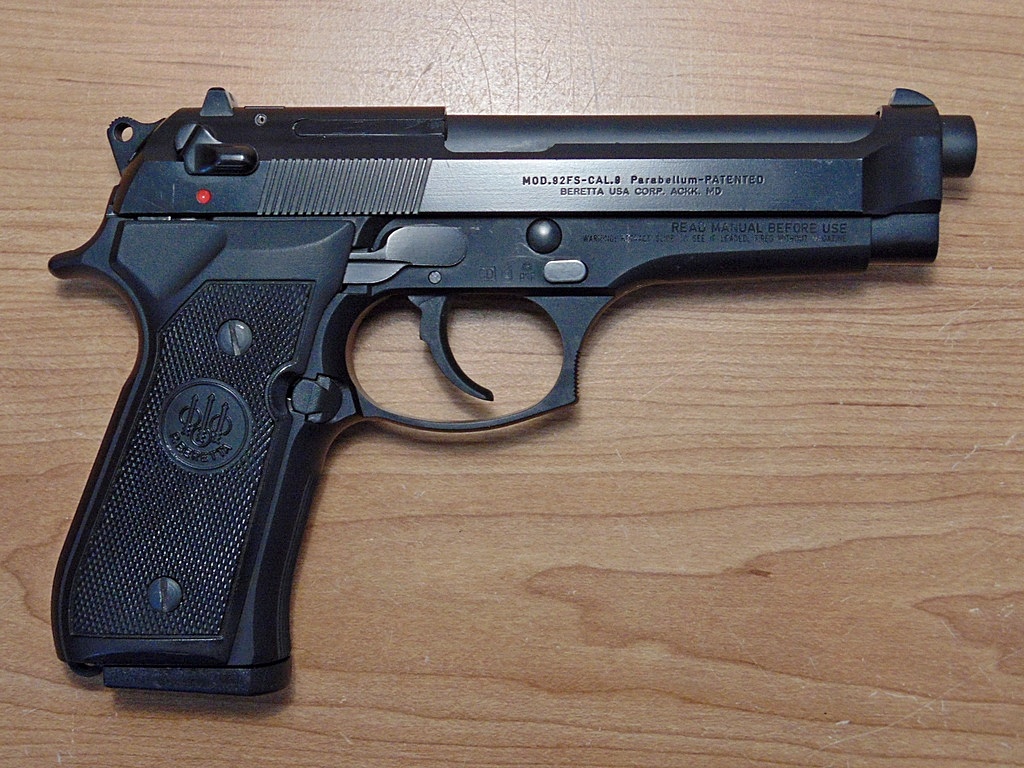
The Beretta 92FS, adopted by the U.S. military as the M9 in 1985, pairs a steel slide with an aluminum-alloy frame. That contrast shows how manufacturers select different metals for separate jobs: the slide contains the barrel and moving parts, while the frame supports the grip and controls. The alloy frame is shaped and machined to accommodate its pins, rails,ls and other interfaces, then finished for protection and appearance. Specifications can vary across 92-series versions, so material claims should be checked against the exact variant and production year.
6. Glock 17: Precision-Machined Steel Slide
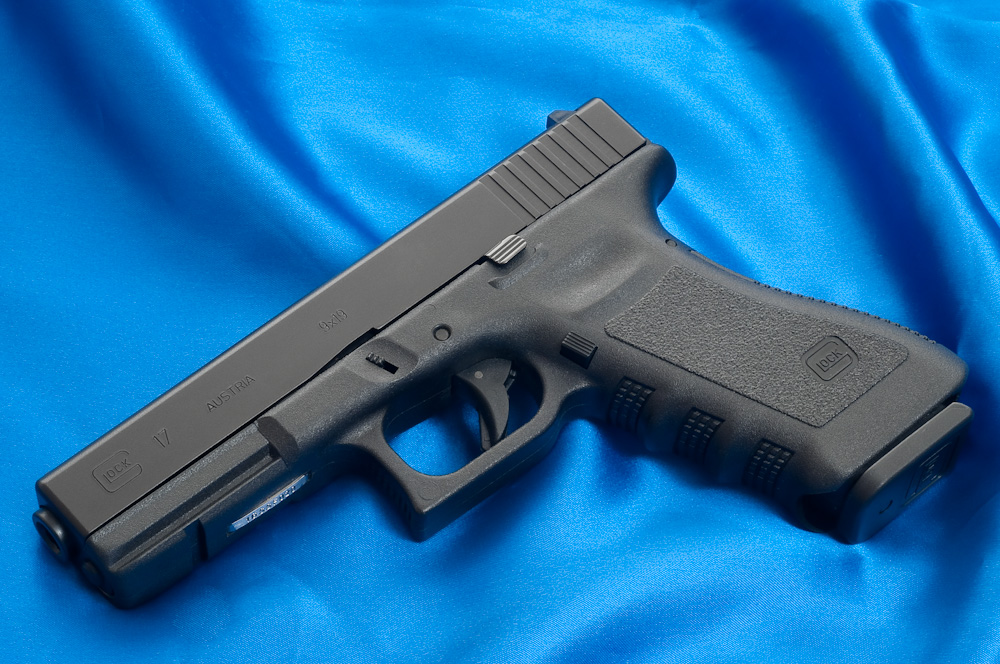
Introduced in 1982, the Glock 17 combines a polymer frame with a steel slide whose critical features require precise machining. The slide’s rails, breech face, and other functional surfaces must align with the firearm’s operating components, while exterior finishes help protect the metal from corrosion and wear. This is a useful reminder that a firearm need not have an all-metal frame to demonstrate metalworking. Slide coatings and small design details vary by generation and market, so one specification should not be applied automatically to every Glock 17.
7. Colt Single Action Army: Case-Hardened Finish
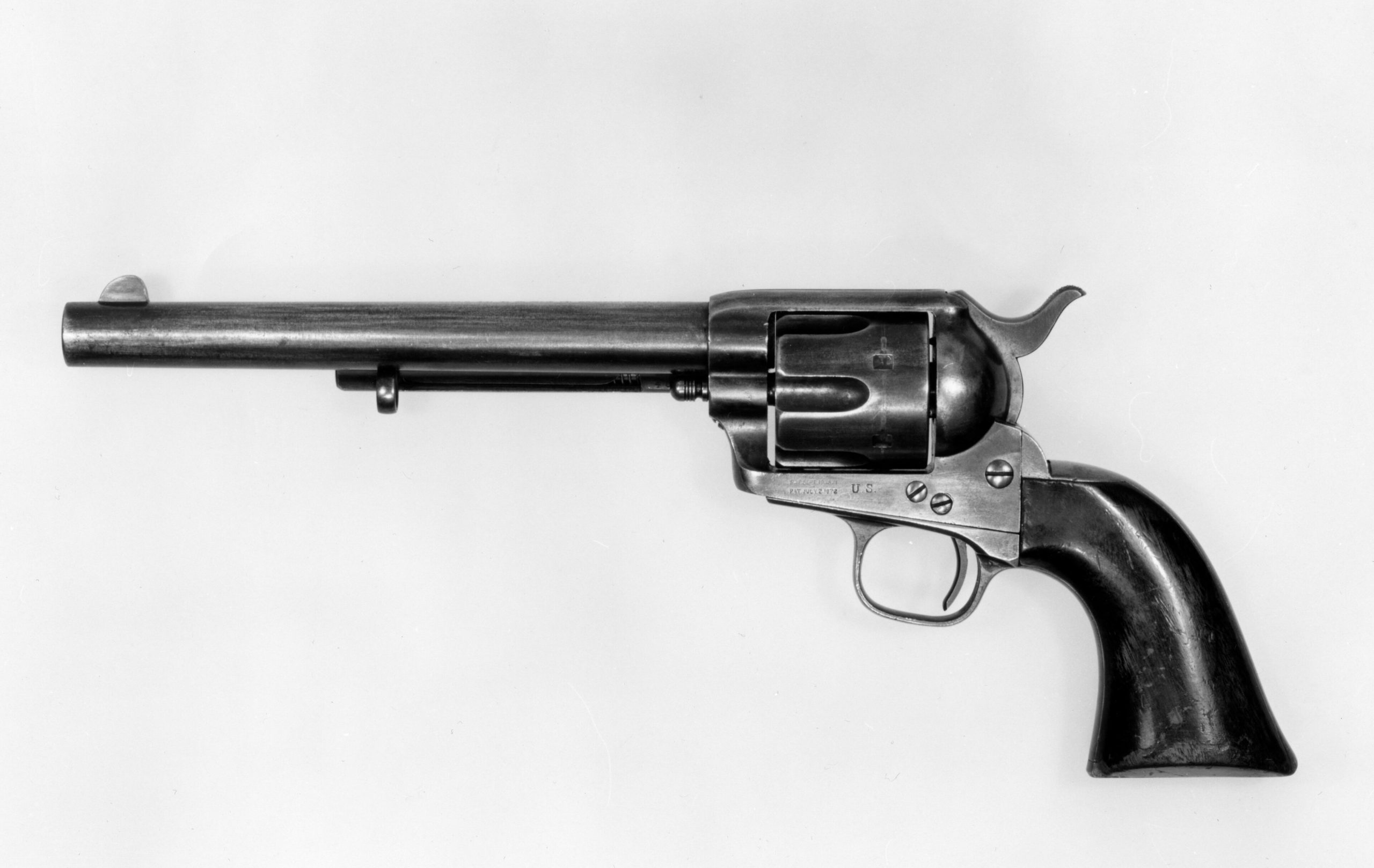
The Colt Single Action Army, introduced in 1873, is famous for versions with a mottled blue, brown, and straw-colored case-hardened finish. Traditional case hardening enriches the surface of suitable steel parts with carbon, allowing a harder outer layer over a tougher core; the colored pattern is produced during the finishing process. It is both a metallurgical treatment and a visual signature, rather than a substitute for precise machining. Finish options have changed across production eras, and modern reproductions may use different methods to create a similar appearance.
8. Damascus-Barreled Shotguns: Pattern-Welded Steel
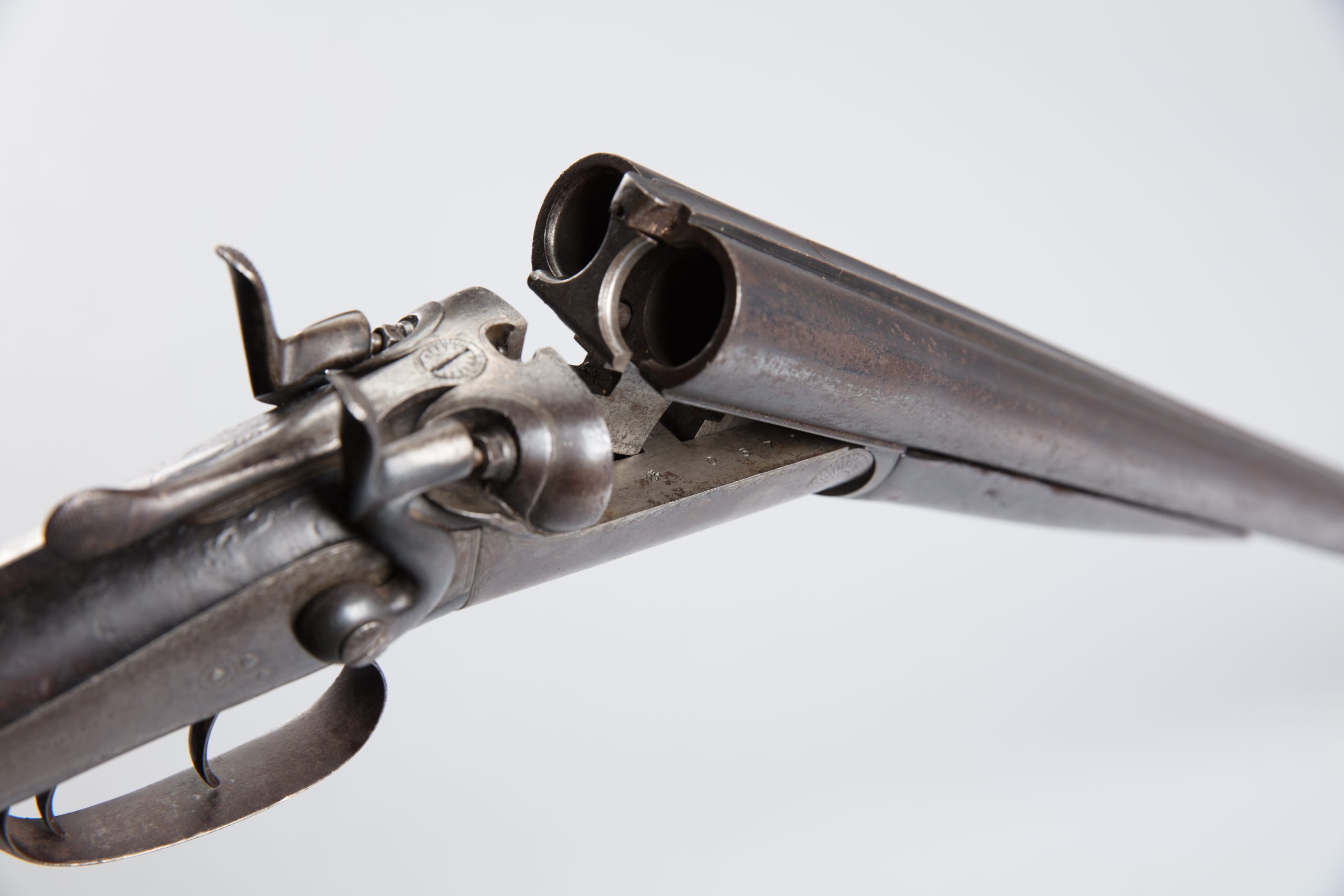
Some 19th-century shotguns feature barrels made from patterned, forge-welded iron and steel strips, often called Damascus or twist barrels. Craftspeople twisted or layered the strips, welded them together with heat and hammering, then shaped the material into a barrel with flowing patterns. The technique demanded skill and predates modern seamless barrel-making. These barrels are historically important, but appearance alone cannot establish safety or condition. Antique Damascus-barreled firearms should not be fired unless assessed by a qualified specialist familiar with the specific arm.