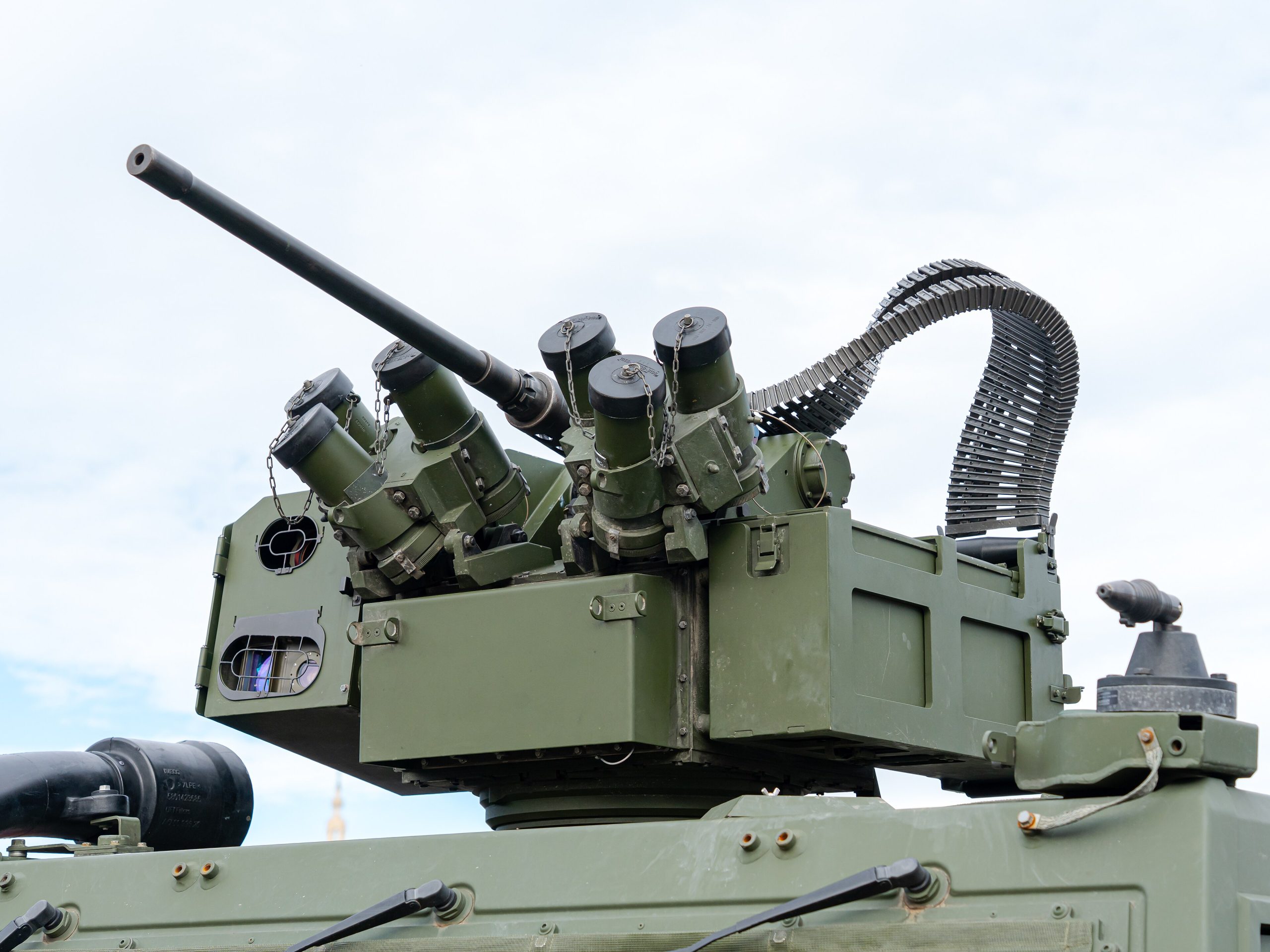
Few military firearms have achieved the staying power of the M2 Browning. Developed during the upheaval of World War I, the .50-caliber heavy machine gun evolved through decades of testing, redesign, and changing military requirements. Yet its fundamental operating concept proved remarkably durable. From aircraft and ships to armored vehicles and ground mounts, the M2 became a fixture across generations of warfare. Here are eight facts that explain why “Ma Deuce” remains one of the most recognizable heavy machine guns ever fielded.
1. Its Story Began With a World War I Problem
The M2 was born from a problem that ordinary rifle-caliber machine guns could not adequately solve: emerging armor. In 1917, U.S. planners wanted a heavier weapon capable of firing a projectile of at least .50 inch. John M. Browning began enlarging his M1917 design, while Winchester worked on the powerful 12.7×99mm cartridge. The first .50-caliber prototype was tested on October 15, 1918, but it was not ready for wartime service. It managed fewer than 500 rounds per minute and initially lacked the desired velocity. The concept survived because the underlying design could be improved.
2. The First Version Was Not the M2 We Know
The modern M2 descended from the M1921, an earlier .50-caliber Browning that entered military service during the 1920s. That weapon used a water-cooled barrel and was particularly suited to fixed positions and anti-aircraft duties. Engineers later developed an air-cooled heavy-barrel configuration that became the M2 HB, dramatically changing how the gun could be employed. By 1933, the M2 designation was established for the improved family. The important point is that today’s gun was not created in one step; it emerged through roughly 15 years of experimentation, refinement, and adaptation after the original 1918 trials.
3. Its .50-Caliber Cartridge Made It a Different Class
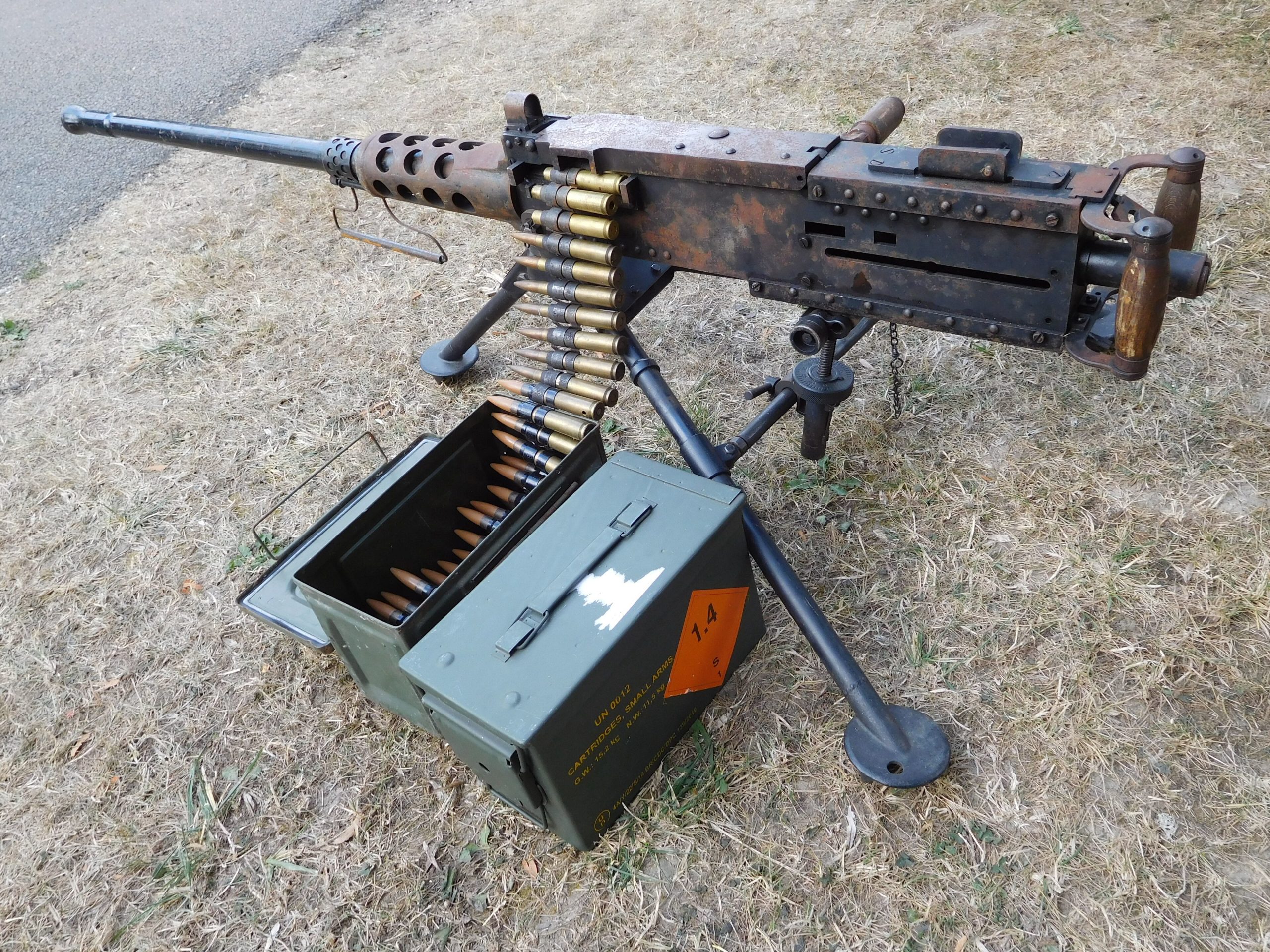
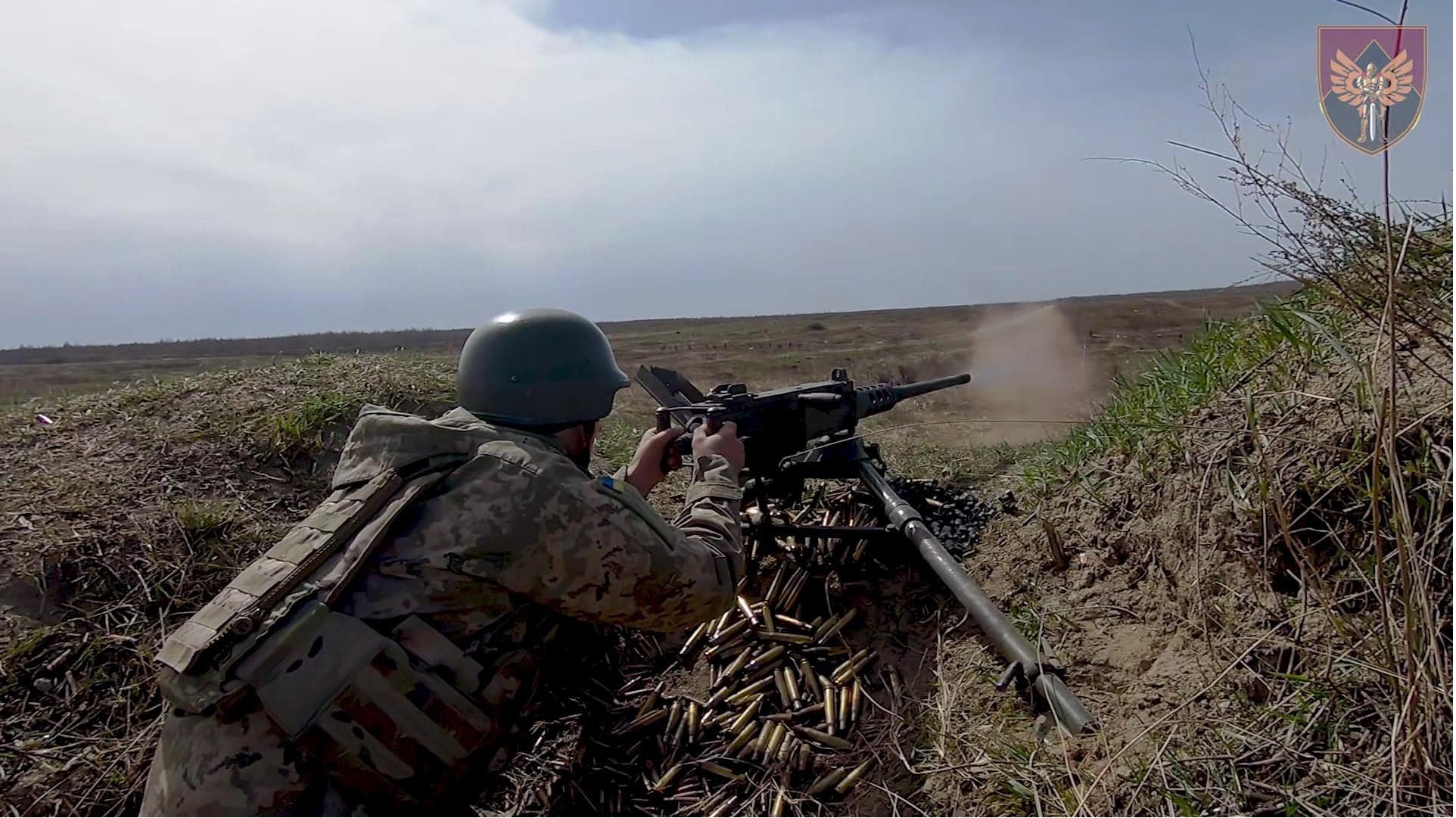
The M2 fires the 12.7×99mm NATO cartridge, commonly known as .50 BMG, giving it substantially more reach and energy than conventional rifle-caliber machine guns. A standard M2 is about 1.65 meters long, with a barrel roughly 1.14 meters in length, while the complete weapon weighs around 38 kilograms depending on configuration. Typical cyclic rates are approximately 450–600 rounds per minute. Those numbers reveal why the M2 is classified as a heavy machine gun rather than an oversized rifle. Its ammunition and weapon mass demand substantial mounting equipment and a crew-oriented approach to operation.
4. One Receiver Could Serve Many Different Roles
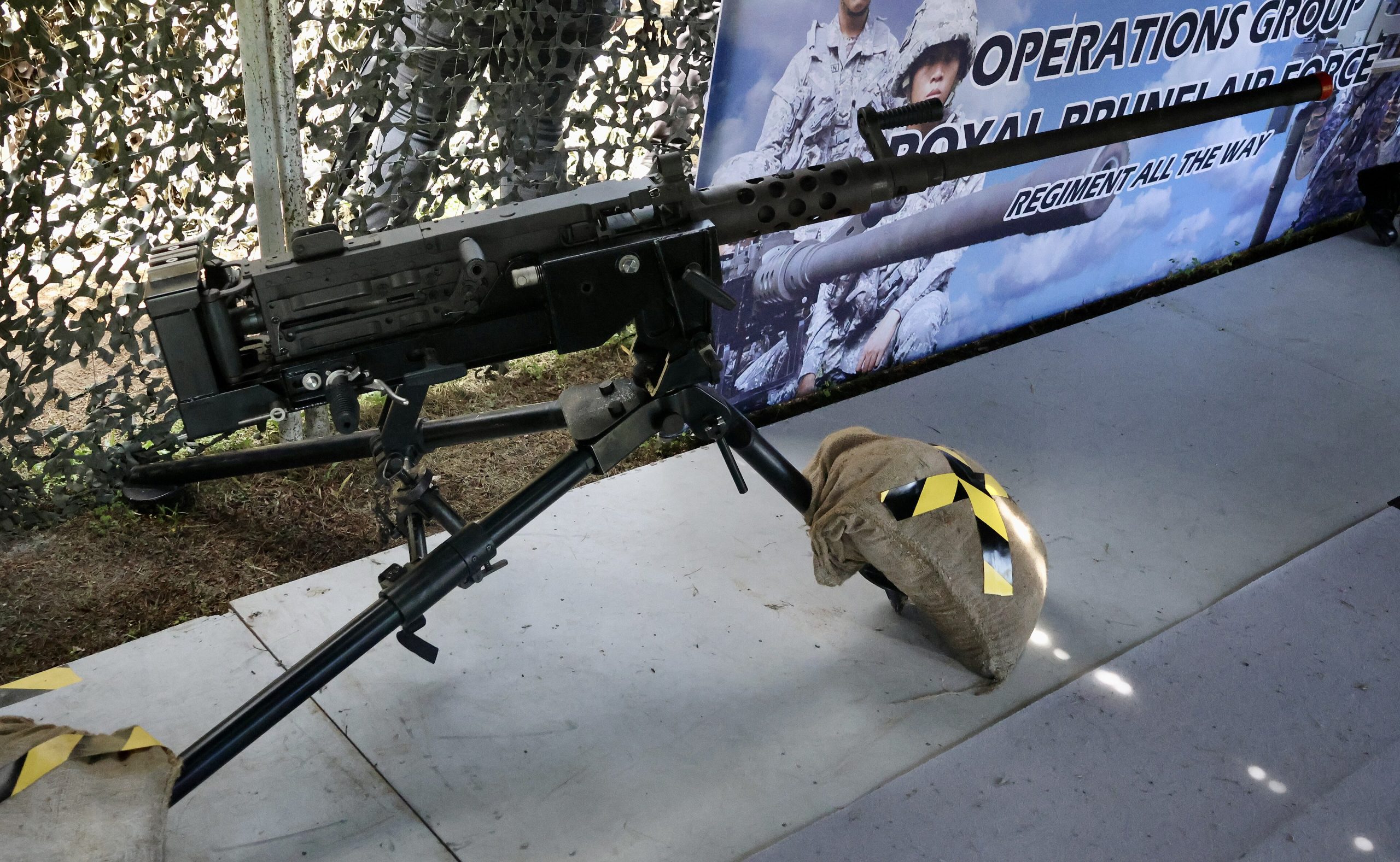
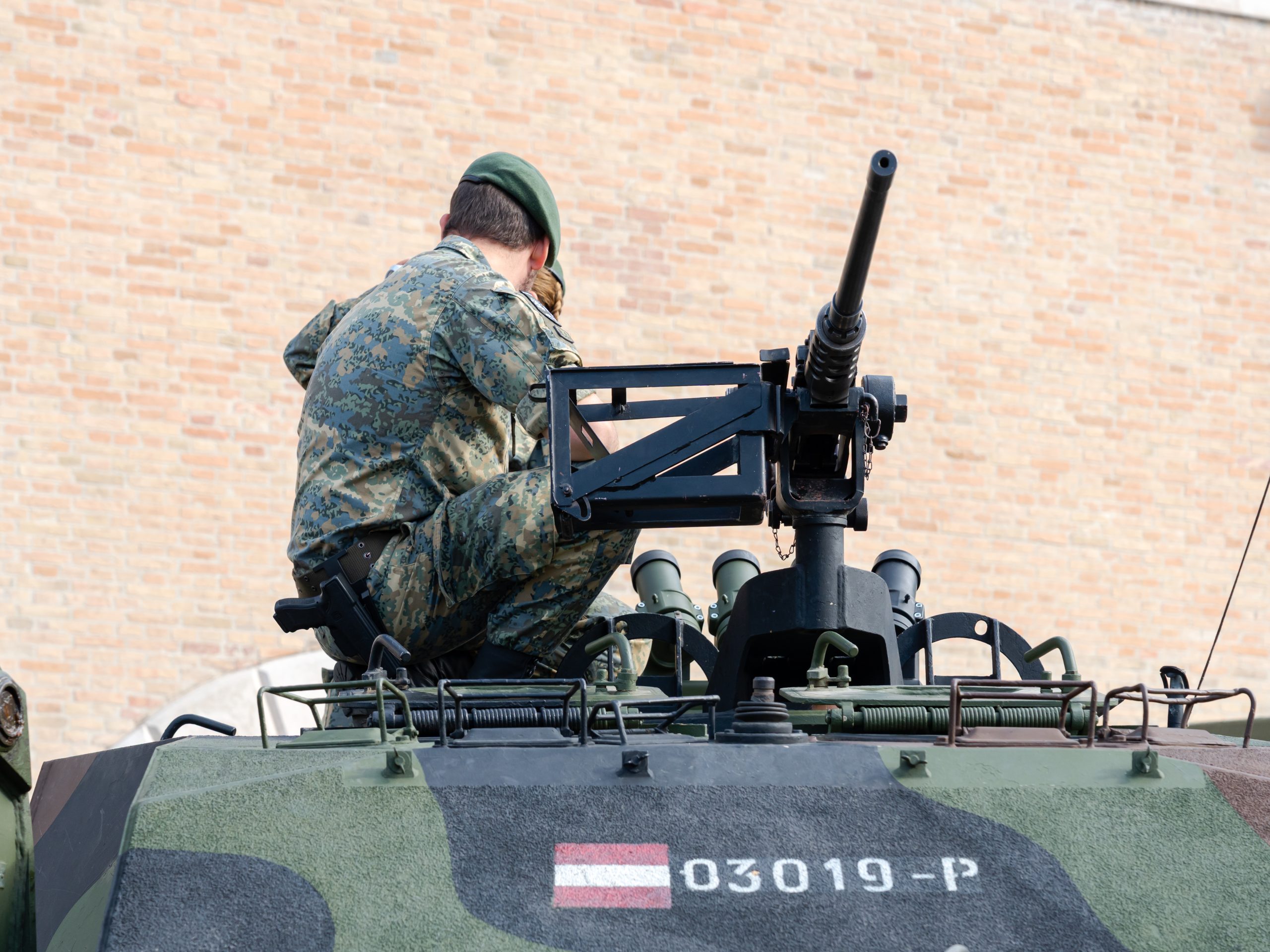
One of the M2’s cleverest qualities was its adaptability. The basic receiver could be configured for different missions, including flexible ground mounts, fixed vehicle installations, aircraft applications, naval positions, and turret systems. During World War II, this flexibility allowed essentially the same core weapon to appear across land, sea, and air platforms. Instead of creating a completely different heavy machine gun for every environment, designers could adapt the M2 around its mounting and feeding arrangements. That modular philosophy became a major reason the design remained useful as military technology changed dramatically over the next 80 years.
5. World War II Turned It Into a Legend
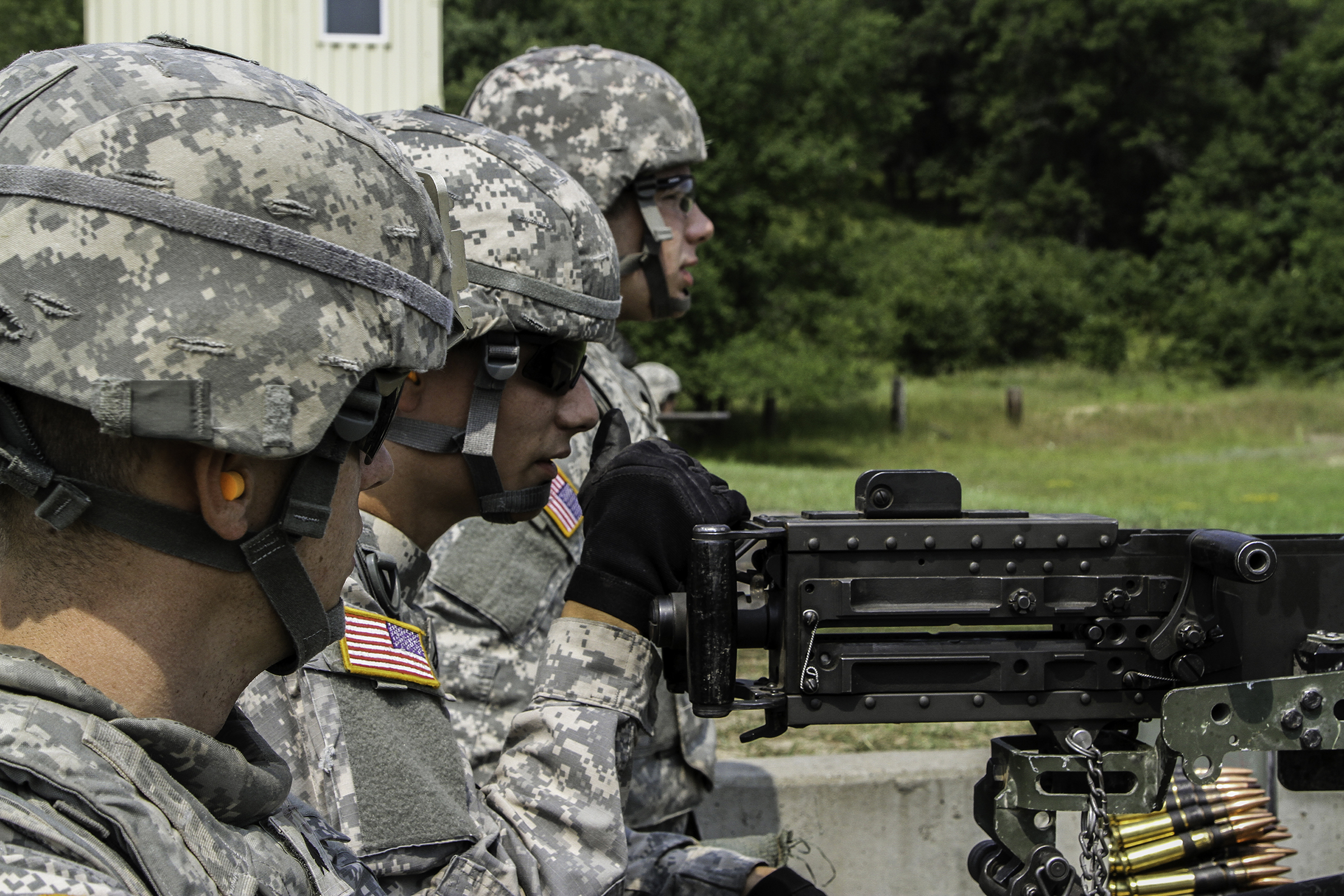
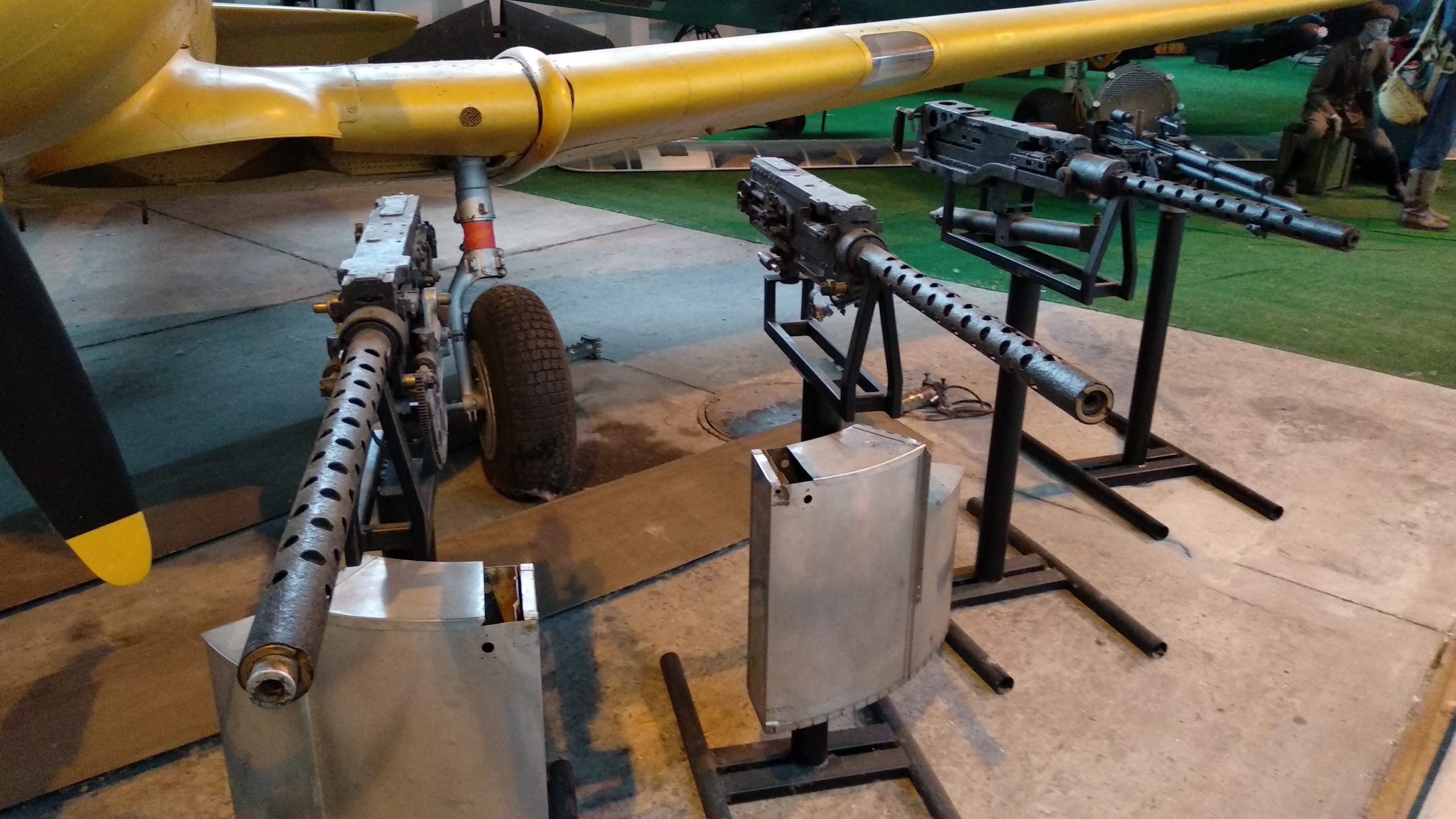
By World War II, the M2 had become one of the most important American machine guns, appearing on aircraft, vehicles, ships, and defensive positions. Aircraft such as the P-47 Thunderbolt and P-51 Mustang carried multiple .50-caliber Brownings, while ground forces mounted them on vehicles and tripods. The weapon therefore performed very different jobs without requiring an entirely new design for each role. Its reputation grew across every major theater of the conflict, and production reached enormous levels. The M2’s wartime experience established a pattern that would continue through Korea, Vietnam, the Gulf War, Iraq, Afghanistan, and beyond.
6. “Ma Deuce” Survived Because It Could Be Upgraded
The M2’s longevity does not mean it remained completely untouched for 100 years. One major modernization arrived in 2010 with the M2A1. This version introduced a quick-change barrel with a carrying handle, fixed headspace and timing, a redesigned bolt, a manual safety, and an improved flash suppressor. Earlier M2 variants required careful adjustment of headspace and timing when the barrel was changed. The M2A1 addressed that long-standing maintenance issue while preserving the fundamental operating system. In other words, the military did not need to replace the entire concept; it could modernize critical components while retaining a proven receiver and mechanism.
7. Its Service Life Has Crossed Multiple Generations
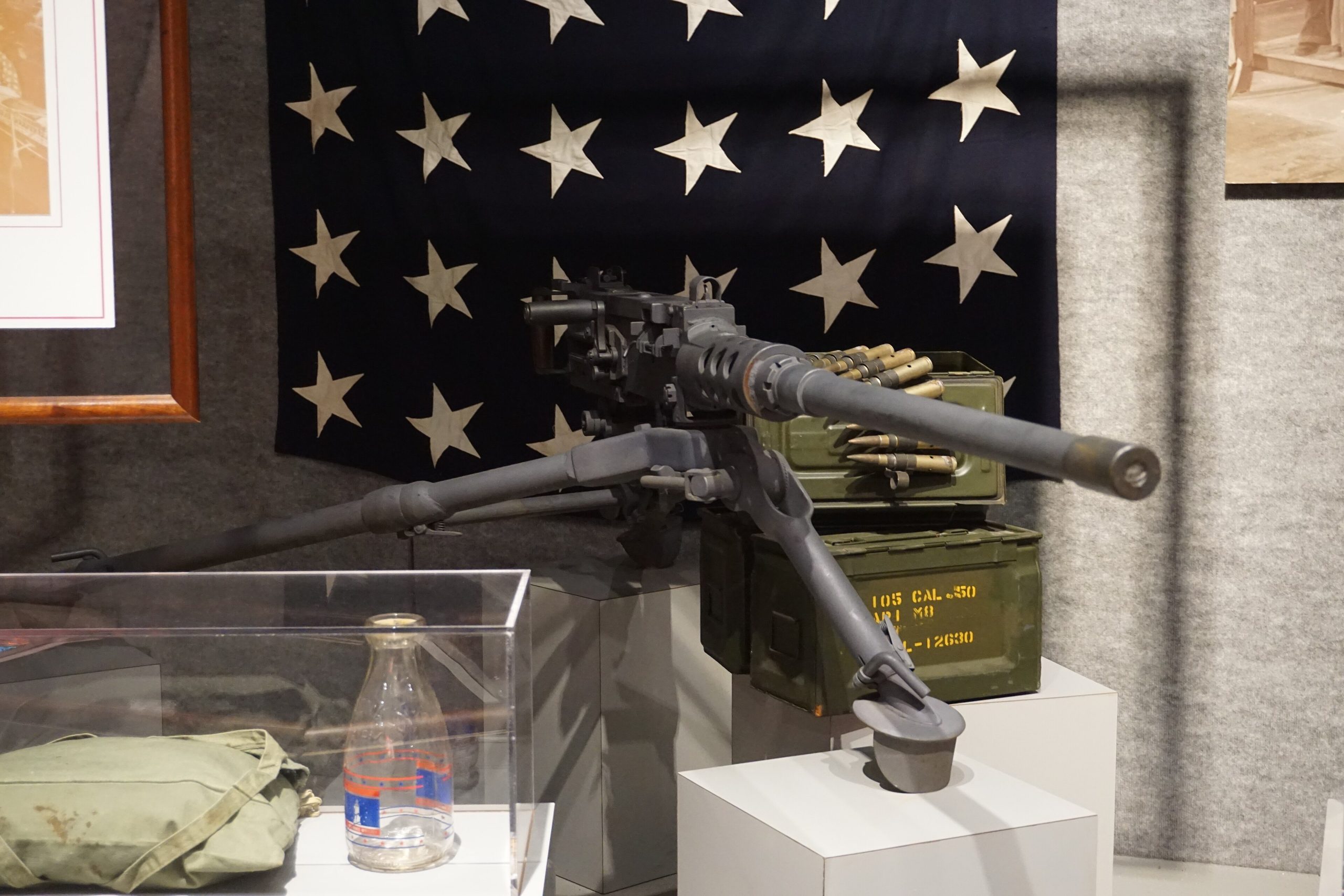
Few weapons can claim a military career spanning more than a century of development. Browning began work on the .50-caliber concept in 1917–1918, the M1921 followed in the early 1920s, and the M2 family entered production in 1933. By 2026, the lineage therefore stretches across roughly 108 years from its original development period. It has witnessed the transition from biplanes and early armored vehicles to helicopters, modern armored platforms, patrol craft, and advanced aircraft. That timeline is remarkable because most military small-arms designs are replaced long before reaching even half that age.
8. Its Biggest Strength Is Its Remarkable Versatility
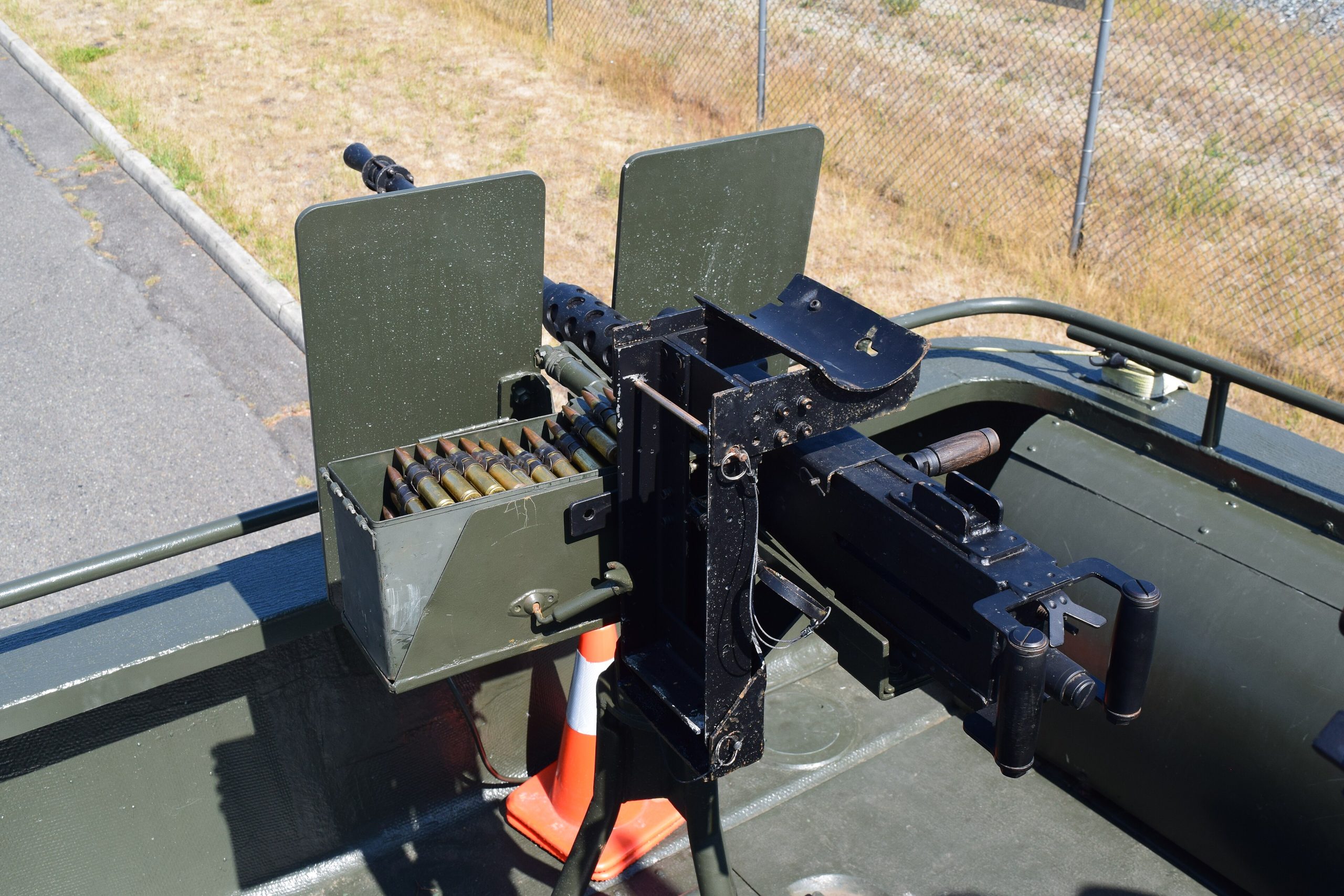
The M2’s endurance ultimately comes from versatility rather than novelty. It can be mounted on tripods, vehicles, ships, aircraft, and other military platforms, allowing commanders to retain the same familiar weapon across very different environments. Its heavy barrel, powerful .50-caliber ammunition, robust recoil-operated action, and adaptable mounting system give it a broad battlefield role. The design has consequently appeared in conflicts from World War II through 21st-century operations. More than 100 years after Browning began the original project, the M2 remains an example of an old engineering idea that proved flexible enough to survive generations of technological change