A shotgun’s choke tube can completely change what happens after the trigger breaks. From wide, forgiving spreads to tight, long-range patterns, each constriction shapes the pattern in a distinct way. This gallery walks through eight common choke tubes in plain language, so you can better match your setup to clay targets, upland birds, waterfowl, or turkey season.
Cylinder
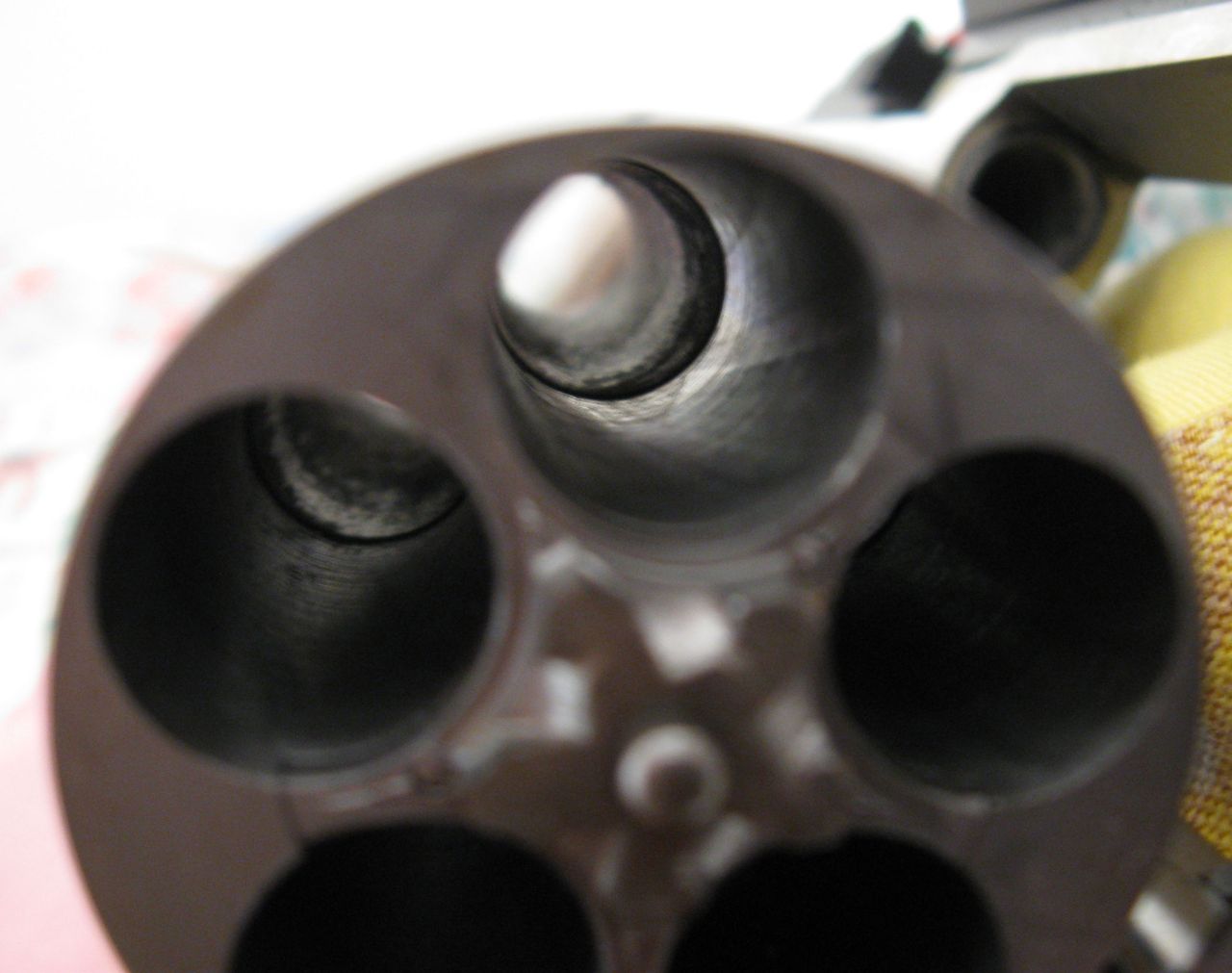
Cylinder is the most open common choke, and in many ways it sets the baseline for understanding everything else. It has little to no constriction, so the shot column leaves the barrel with minimal shaping and begins spreading quickly.
That usually means a broad pattern at short range, which can feel fast and forgiving on nearby targets. It is often associated with home defense shotguns, some slug use, and very close upland work where targets flush almost underfoot.
The tradeoff is reach. As distance increases, the pattern opens enough that pellet density drops, making clean hits less certain unless the target is very close.
Skeet
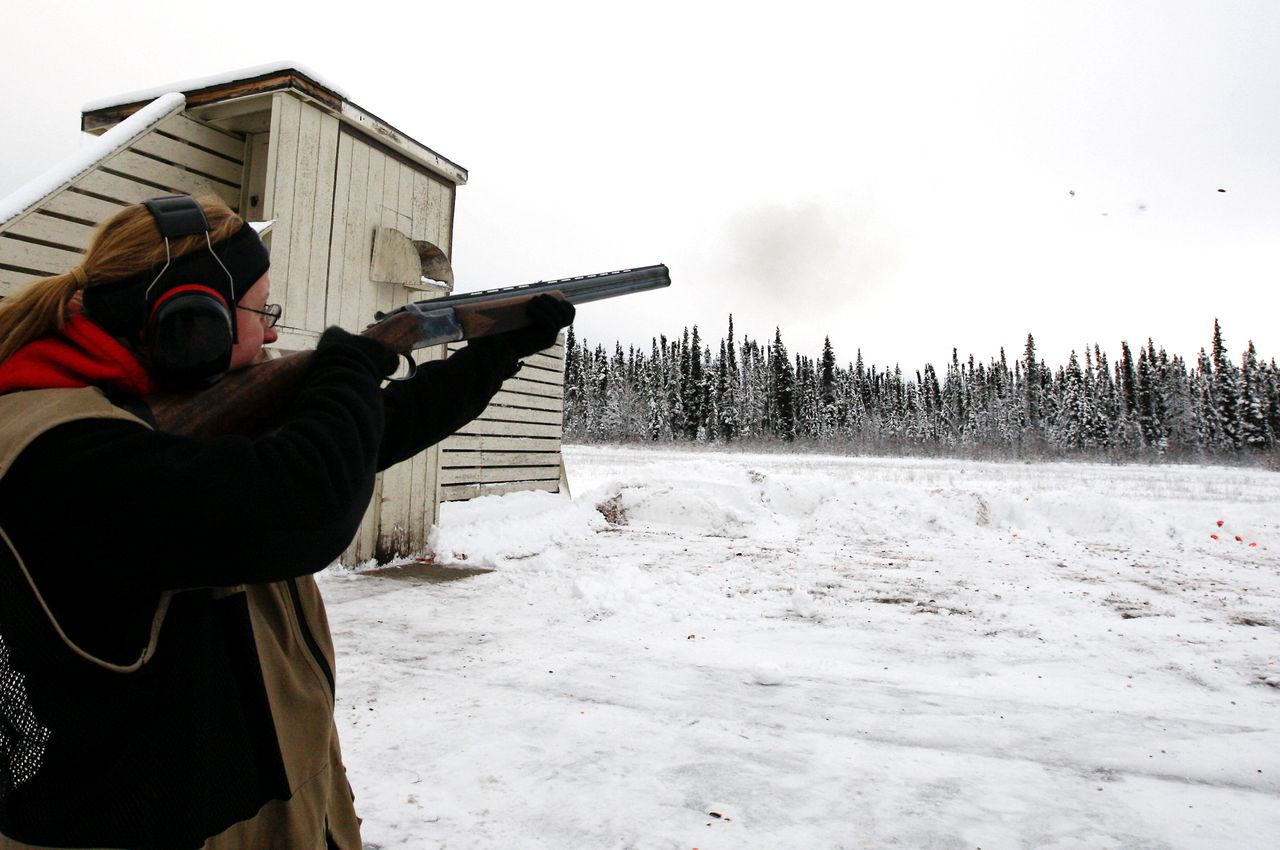
Skeet choke is only slightly tighter than Cylinder, but that small step matters on the range. It was developed for the quick, crossing targets of skeet shooting, where birds are broken at relatively short distances and shooters want a generous pattern.
In practice, Skeet throws a wide, even spread that helps on fast angles without feeling too loose at normal skeet distances. Many shooters like how forgiving it is when timing is a fraction late or the lead is not perfect.
Outside the skeet field, it can also make sense for very close upland hunting in thick cover. Once targets start stretching farther out, though, its pattern can thin in a hurry.
Improved Cylinder
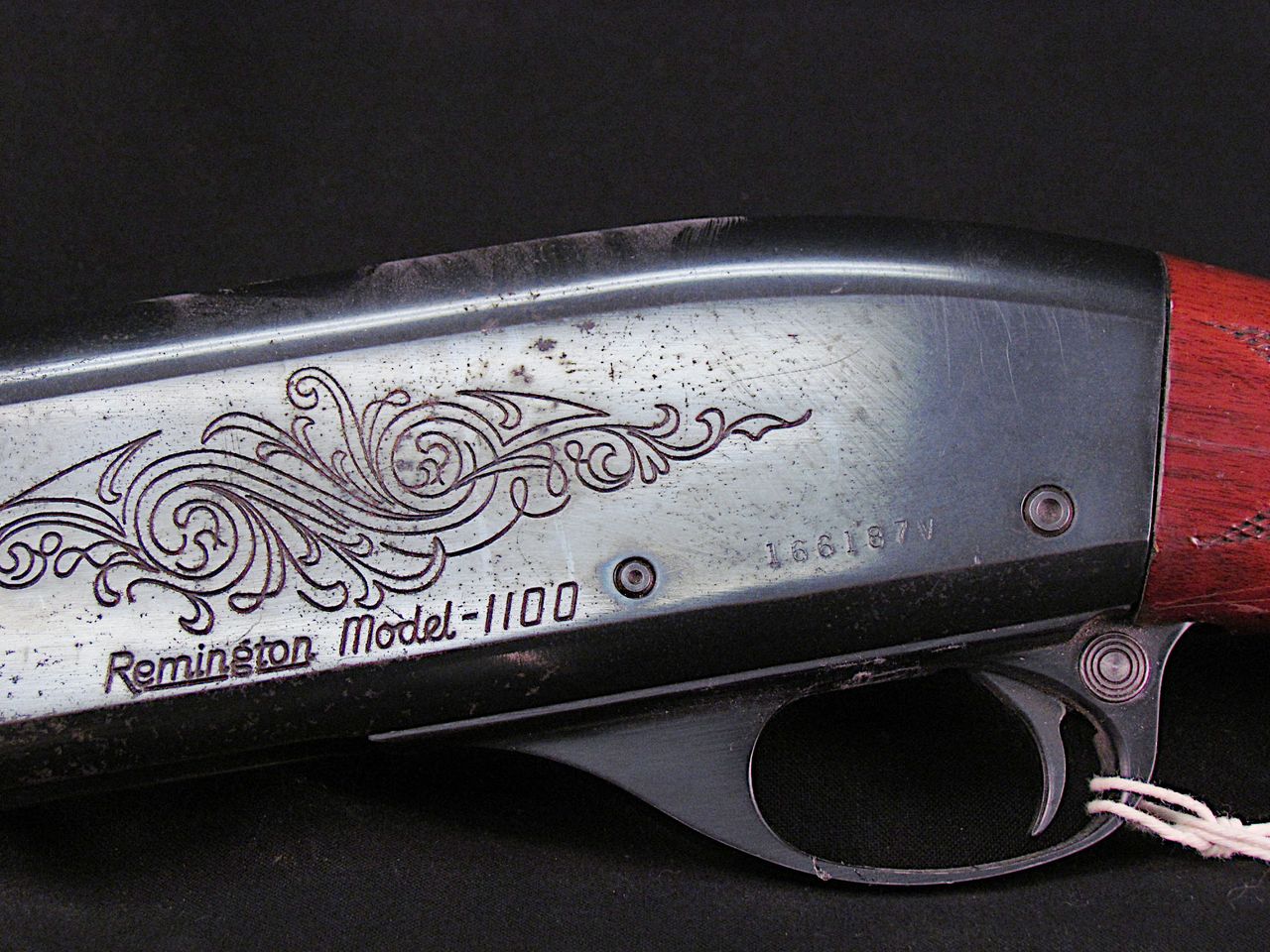
Improved Cylinder is one of the most versatile choke tubes you can own, which is why so many shooters keep coming back to it. It adds a modest amount of constriction, enough to hold the pattern together a bit longer without making the gun feel overly tight.
That balance makes it a favorite for upland birds, close decoying waterfowl with appropriate loads, and general clay target shooting. It gives you a little more reach than Skeet or Cylinder while still delivering a pattern that feels broad and useful at common field distances.
If there is a do-most-things choke, this is often the one people mean. It is flexible, predictable, and rarely feels out of place.
Light Modified
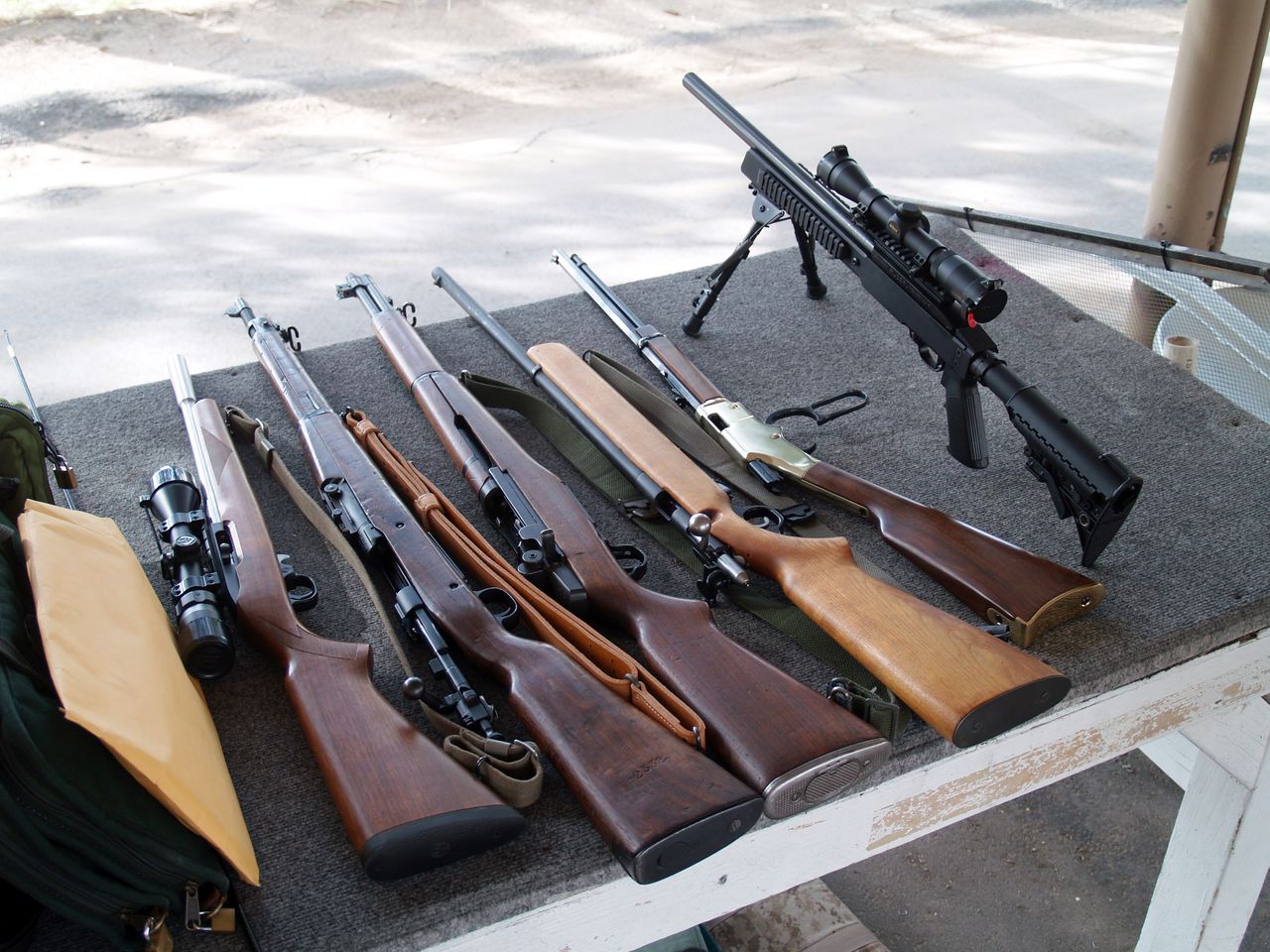
Light Modified sits in a sweet spot that many shooters discover only after trying the more familiar standards. It is just a bit tighter than Improved Cylinder, giving a denser pattern while still keeping enough width for targets that are not hanging far out.
On sporting clays, it can feel especially useful because presentations vary so much. It offers extra confidence on mid-range targets without punishing you on those closer birds that still demand a little margin for error.
Hunters sometimes like it for pheasants or mixed-bag days where shots could come near or moderately far. It is not the most famous choke, but it is quietly one of the most practical.
Modified
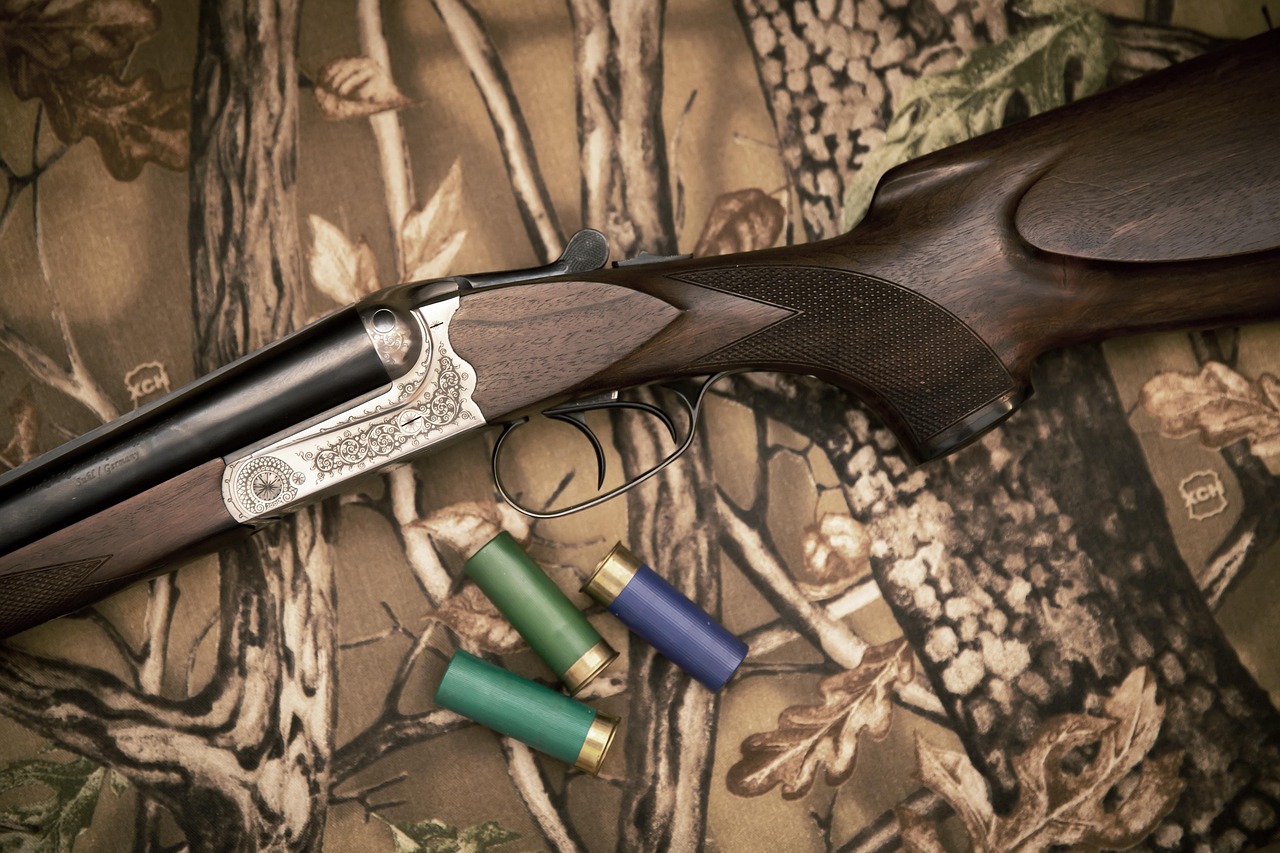
Modified is often treated as the classic all-around choke, and for good reason. Its moderate constriction tightens the pattern enough for solid mid-range performance, making it a longtime favorite for trap, pheasants, and plenty of general hunting situations.
The pattern it throws is noticeably denser than Improved Cylinder, which helps maintain pellet energy and coverage as targets move farther out. That extra control can be reassuring when birds rise just beyond easy range or clay targets are consistently breaking at distance.
At the same time, Modified is not so tight that it becomes specialized. For many shooters, it represents the practical middle of the choke spectrum and a dependable place to start.
Improved Modified

Improved Modified narrows things down another step, and with that comes a more serious long-range personality. It is tighter than Modified but not quite at the full-choke end of the spectrum, which gives it an interesting place in the lineup.
Shooters often turn to it when they want extra pellet density for longer trap targets, late-season birds, or waterfowl that are finishing just a little farther out. It can reward precise shooting because the pattern holds together better and leaves less room for sloppy leads.
That same precision is the catch. Up close, it can feel unforgiving, so it tends to shine best when distance is expected and consistency matters more than a broad safety net.
Full
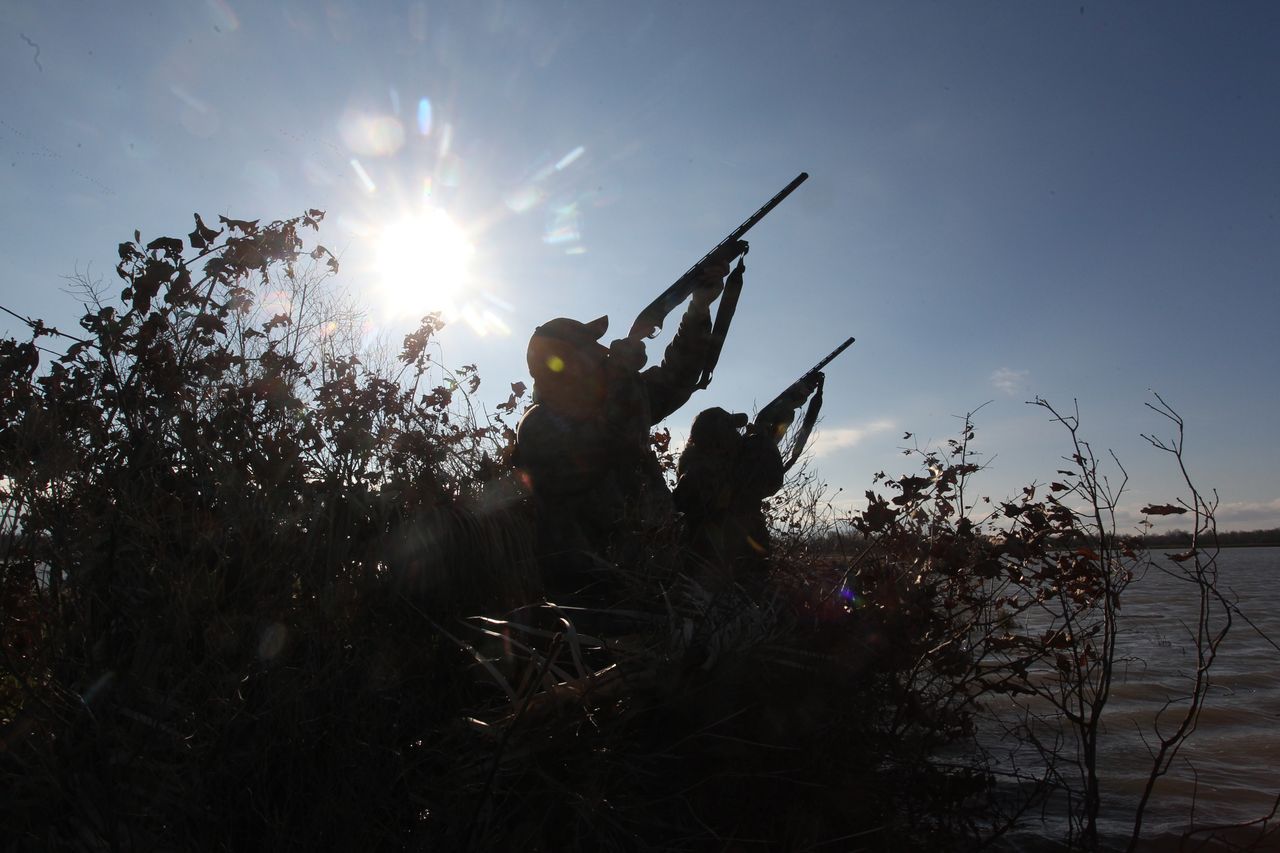
Full choke is where patterns become noticeably tight and purpose driven. With substantial constriction, it is designed to keep pellets clustered at longer distances, making it a natural choice for trap, pass shooting, and situations where birds are not giving you a close shot.
When paired with the right load, Full can deliver impressive density downrange. That denser core can mean cleaner breaks on distant clays and more reliable hits on game that would push looser chokes past their comfort zone.
The downside is that close shots become less forgiving. At short range, the pattern can be so tight that small aiming errors matter a lot more, which is why Full tends to reward deliberate, disciplined shooting.
Remington 870
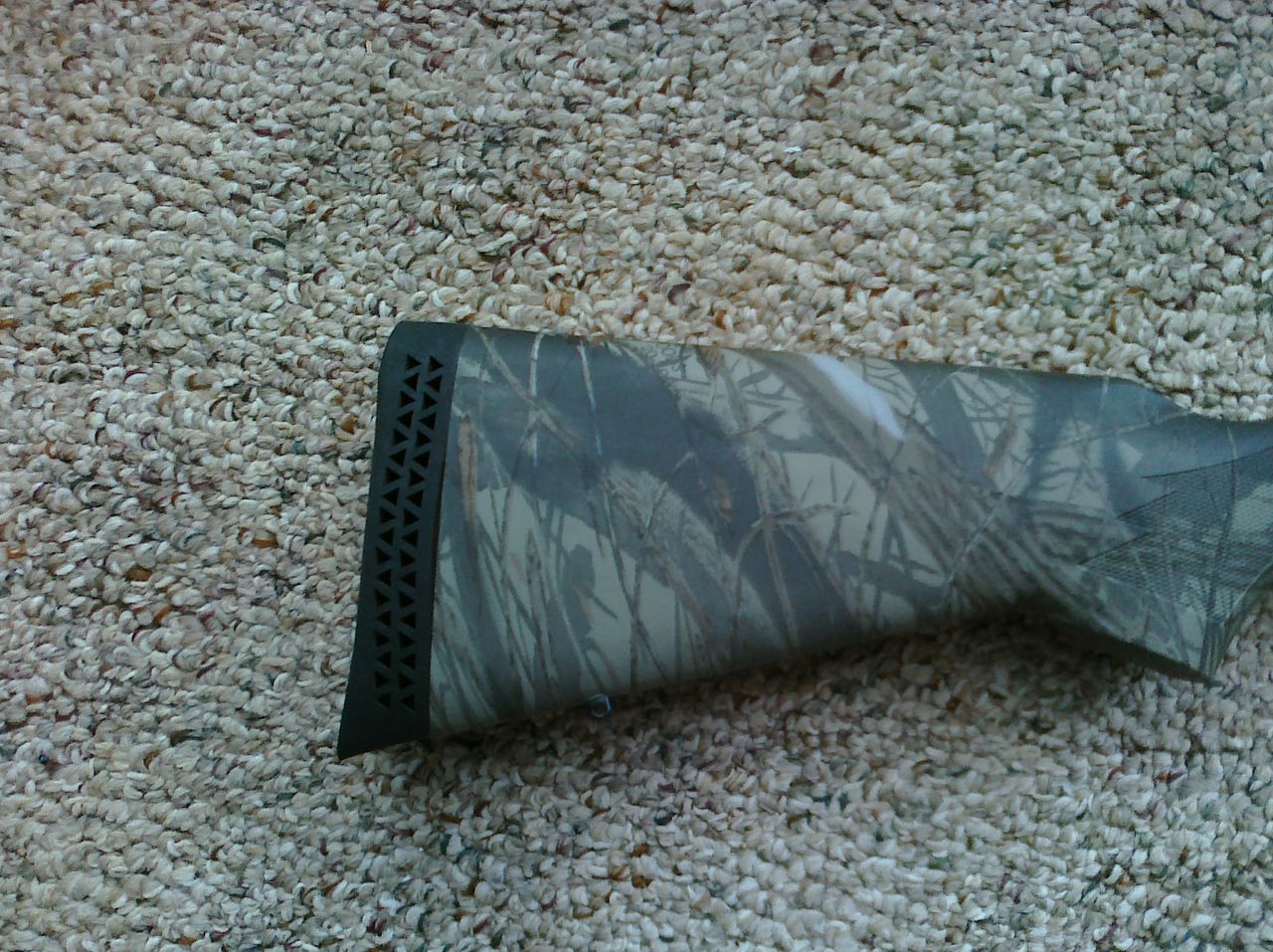
Extra Full, often sold as a turkey choke, is built for a very specific mission. Its constriction is extreme compared with standard field chokes, intended to produce a dense, compact pattern at turkey-hunting distances where a clean hit to the head and neck is the goal.
This is not a general-purpose tube, and it is not trying to be. With modern turkey loads, especially heavier shot options, it can create strikingly tight patterns that extend effective range when the gun, shell, and choke all work well together.
Because performance varies so much by ammunition, patterning is essential here. Turkey hunters know this setup rewards careful testing, because a few inches on paper can make all the difference in the woods.